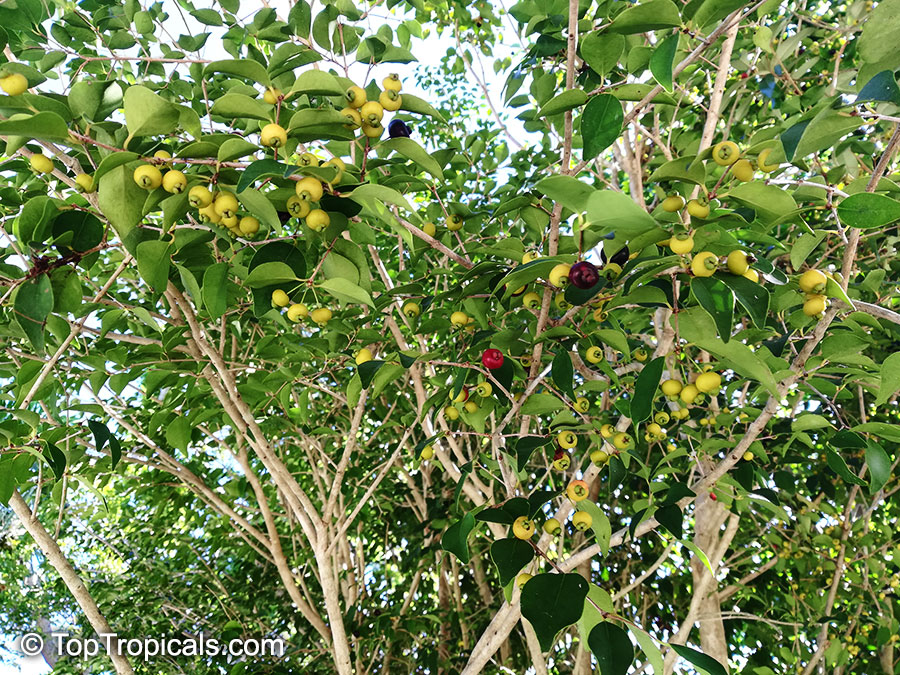
Garden Blog - Top Tropicals

Date: 18 Sep 2022

The fruit of Heaven:
Phyllanthus acidus - Amlak, Otaheite Gooseberry
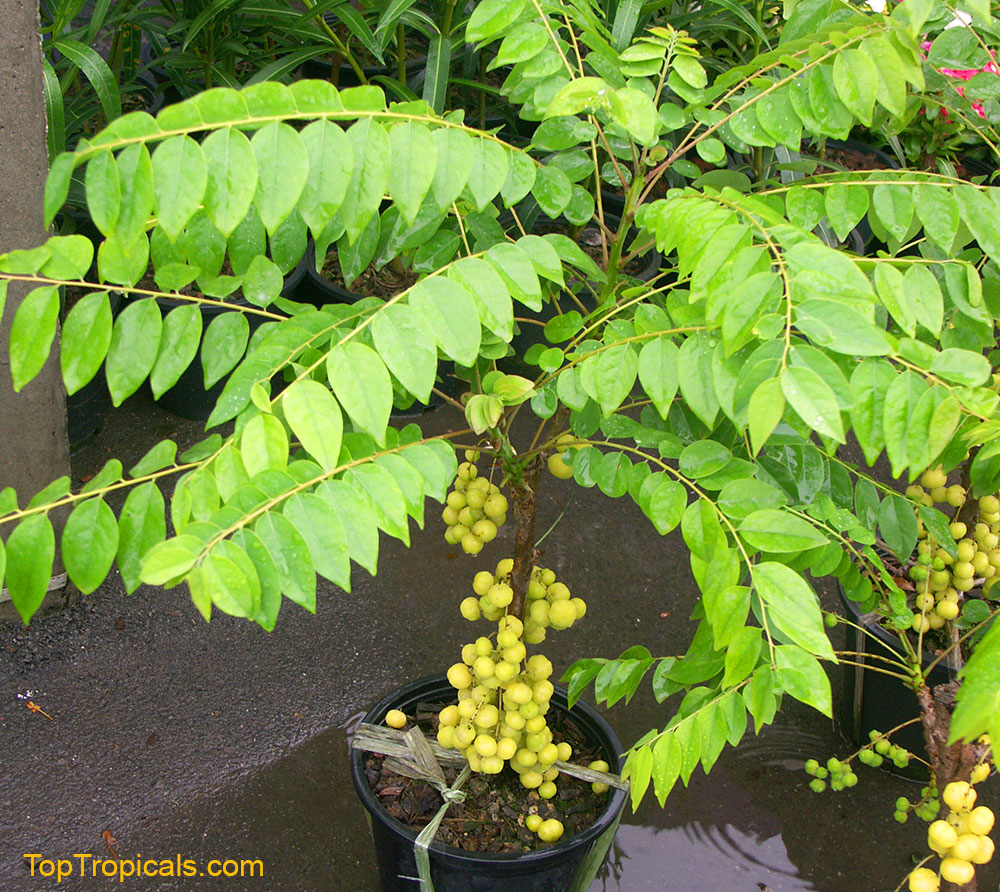
Phyllanthus  acidus  -  Amlak,  Otaheite  Gooseberry  in  a  pot

Grow Your Own Food

This is a fun rare fruit tree to have if you like lemonade and believe in Vitamin C benefits! The tree is super easy to grow, relatively cold hardy and doesn't require any special care. It is a fast growing plant, however the mature tree is only about 20 ft so it will be well suited for any size garden, even container garden. As you can see, it happily fruits in a pot. Bright yellow fruit are beautiful and curious, they always make a conversation piece!

About Otaheite Gooseberry

Otaheite Gooseberry, or Amlak, is a rare tropical fruit tree from SE Asia and India, very close related to Phyllanthus emblica (Amla, Amlaki), however it is much cold hardy than Amla. Known as Amritphala in Sanskrit, which literally means "the fruit of heaven" or "nectar fruit". It is so called because it has many helth benefits. Amlak is one of the favorite fruit of Indian people who definitely know what is good for you! Fruit paste is a major ingredient of Chavyanprash, a popular Ayurvedic tonic. It is the richest source of vitamin C.
Fruits are borne in loose clusters, which hang from the tree trunk and main branches. Fruits are esteemed for jellies, preserves and pastries, and are great for making a delicious lemonade rich in vitamin C. There are no commercial plantings; trees grow only in home gardens.

You need to have one! Or two. We have only limited quantities.
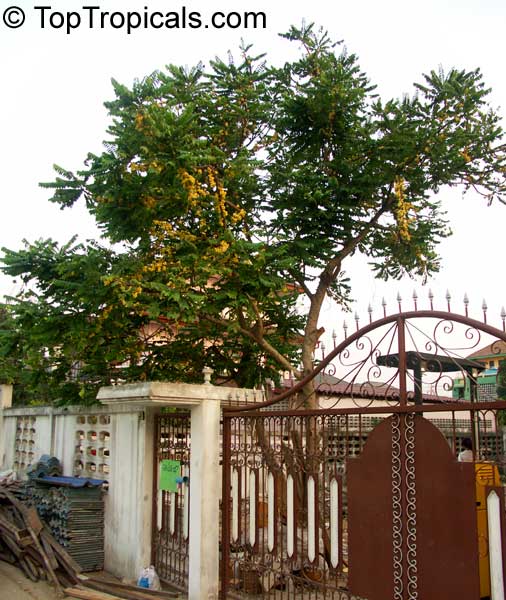
Phyllanthus  acidus  -  Amlak,  Otaheite  Gooseberry,  mature  tree

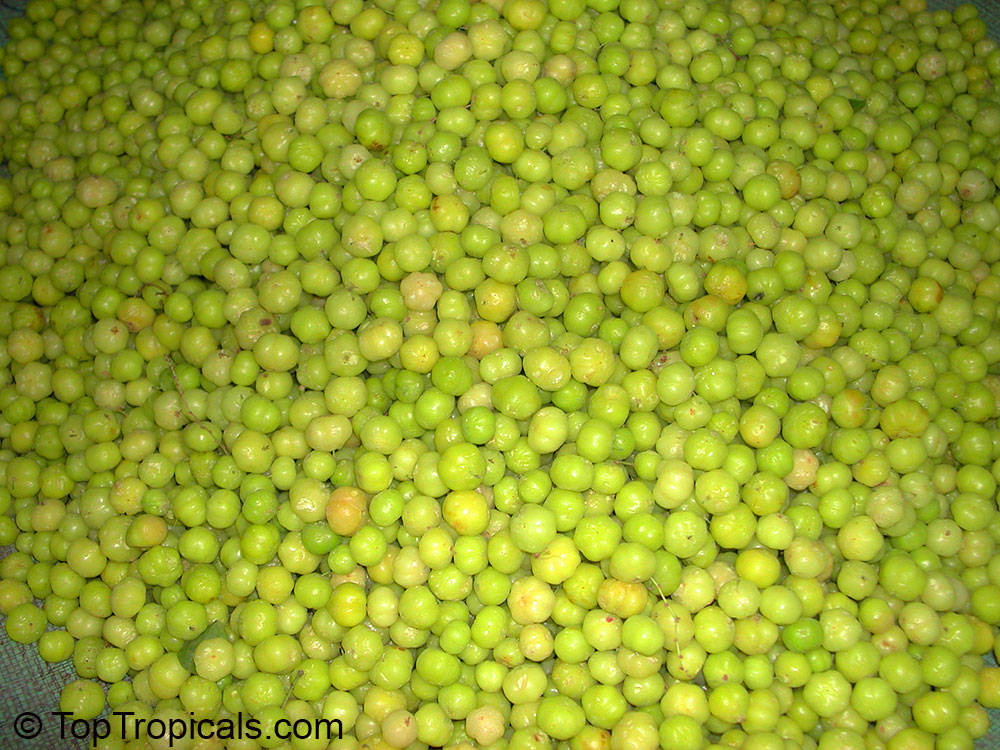
Phyllanthus  acidus  -  Amlak,  Otaheite  Gooseberry,  lot  of  loose  fruit

Date: 14 Aug 2022

Grow your own food:
Avocado Q & A

from Ed Jones, the Avocado Guy

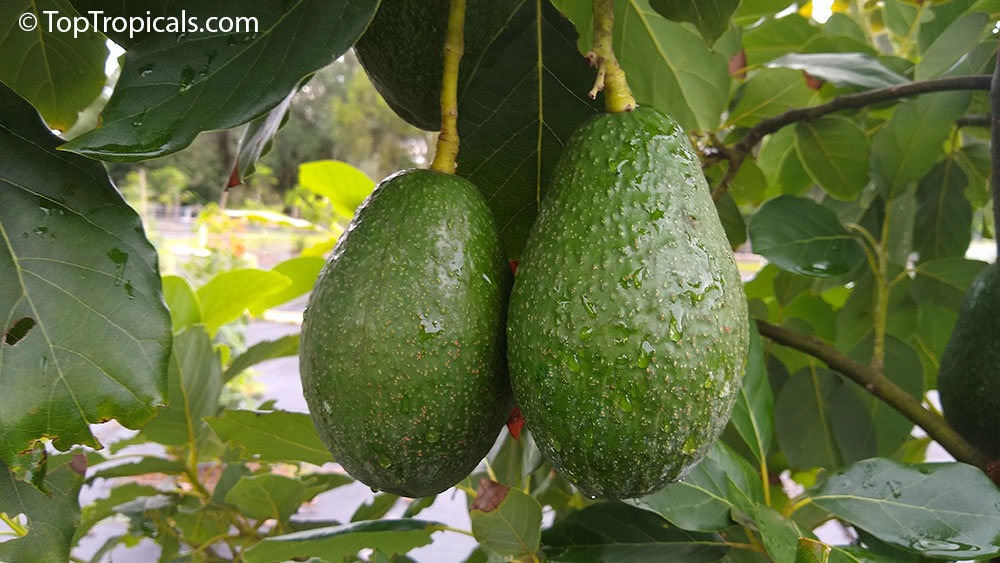
two  avocado  fruit

Q: Do I need to have more than one avocado tree in order to produce fruit?

A: While a single avocado tree will normally produce enough fruit for most people, it never hurts to have more than one tree and even more than one variety to increase the chances for good pollination. Be sure to look at our catalog for the many different varieties available from our store.

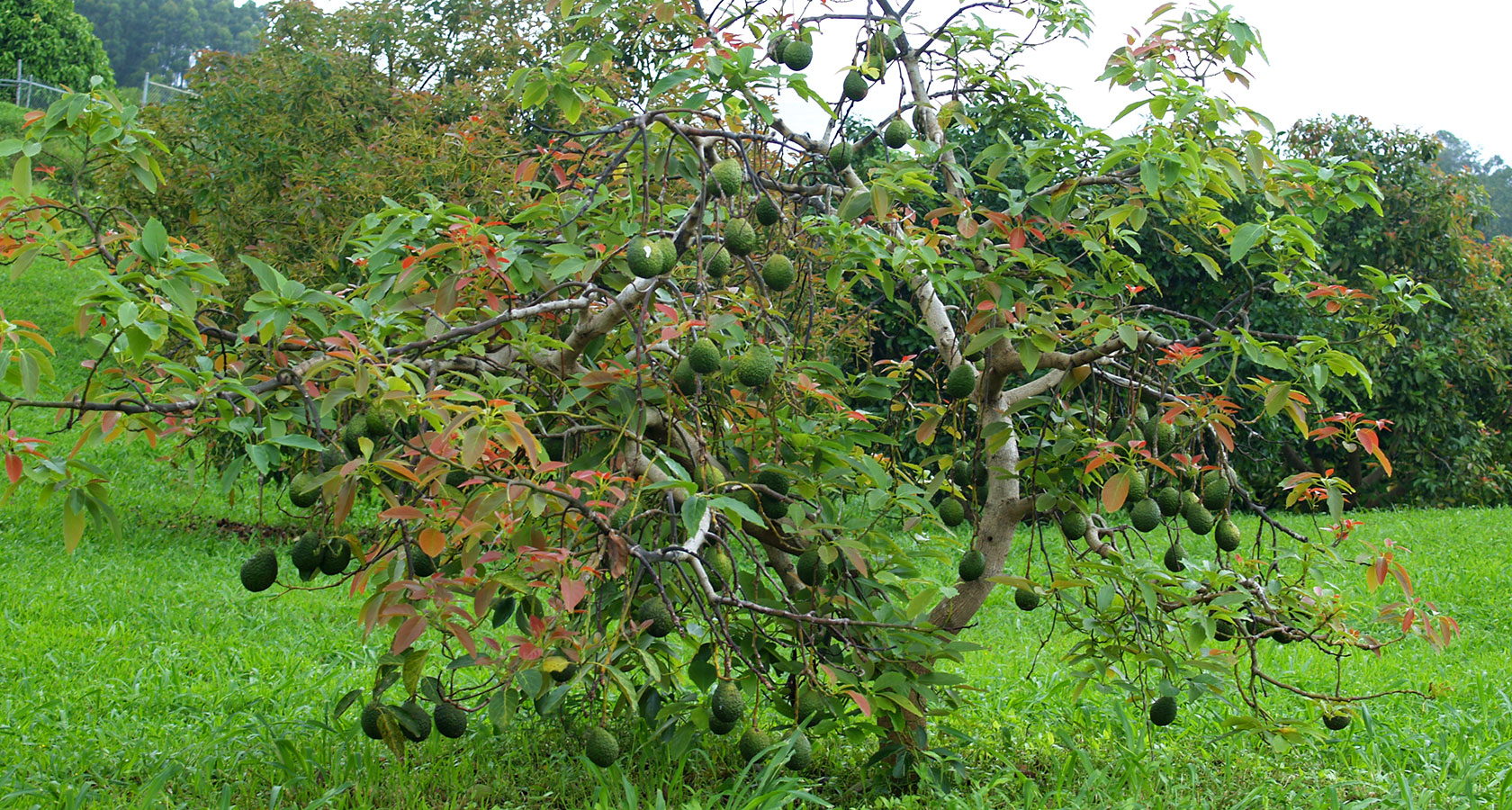
Avocado  tree

Date: 15 Aug 2021

Plants and Trips...

Where are all the tropicals?

By Kristi, the Florida girl...

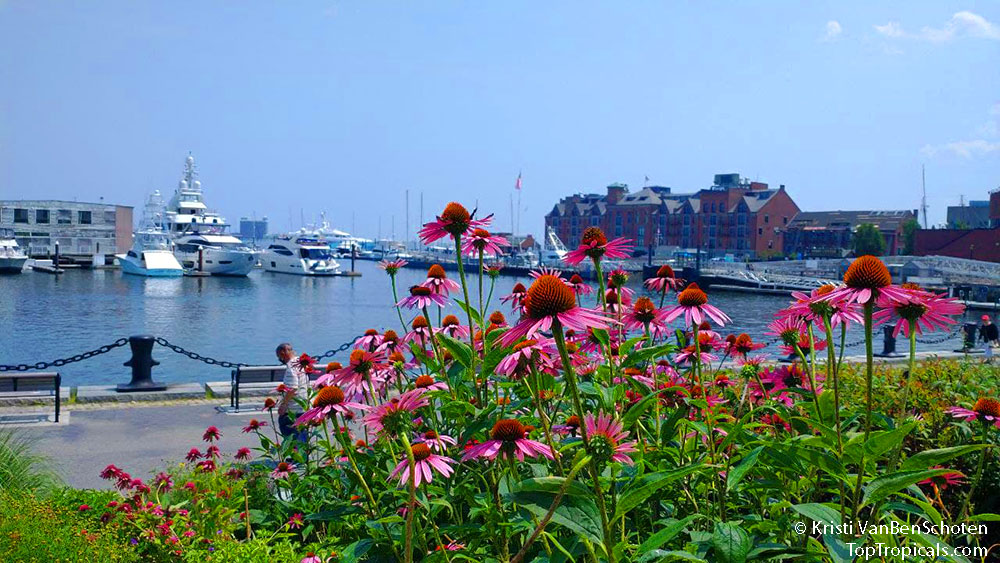
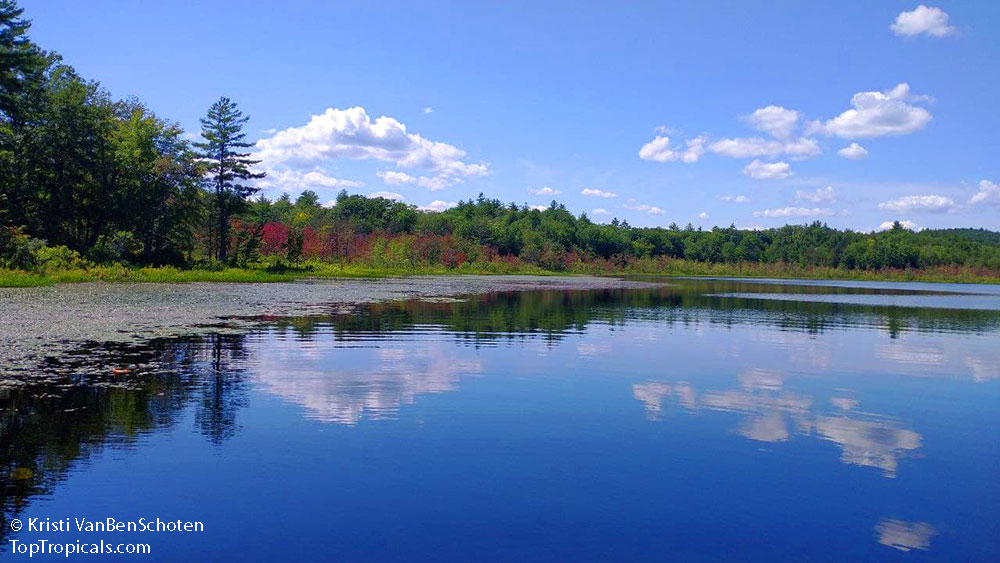
...Jamie and I recently took our first real vacation in four years! Yep, that's right, we packed our bags and loaded the Challenger for a two-day drive from Florida to New Hampshire. I know what you are asking "Are you crazy? That's a long drive!" Yes, yes, it is a long drive. One this Florida born and raised girl didn't realize would be as long as it was...

...As we got into the driving, the world as I knew it began to change. All of a sudden, the roads started twisting and turning. The streets were no longer palm tree lined but in their place were huge jetting rocks and cliffs. I was like a kid at Disney! I have never seen anything like this, there were Christmas trees growing out of the ground! Right up out of the ground!..

CONTINUE READING

Date: 25 Feb 2021

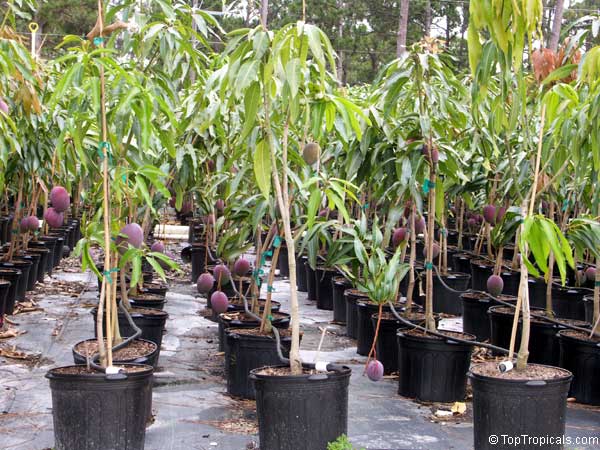
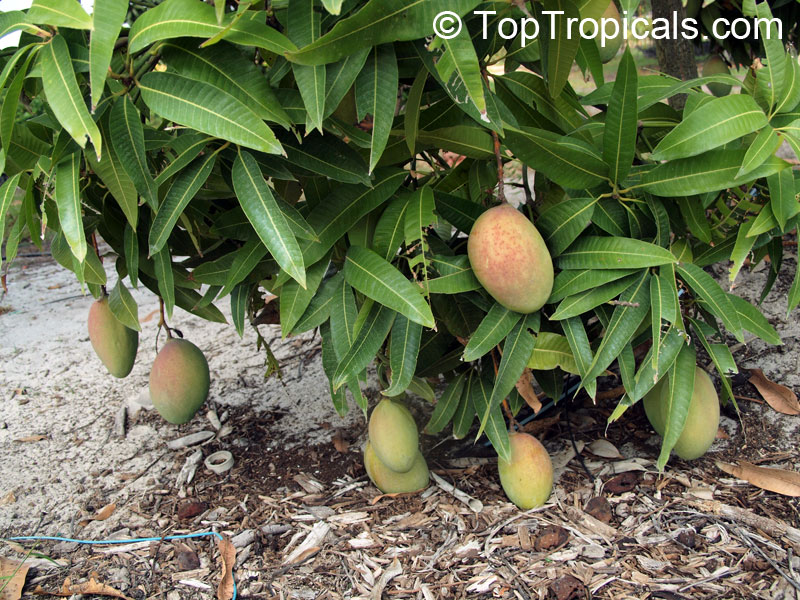
Container mango - Condo varieties

Q: What are the good varieties of mango trees available for container grow? Can you please share the details?

A: There are some great varieties of Mango selected specifically for container culture, they even have a nick-name - "condo mangoes". They have compact growth habit and respond well to pruning to keep them in small size. Here are a few of our favorites that we currently have in stock:
Glenn
Ice Cream
Cotton Candy
Mallika
Manilita
Pram Kai Mai
Mun Kun Si
Maha Chinook
You can see more condo mangoes on this page.

Related articles:

How to grow a Dwarf Mango tree
Choosing the right Mango for your garden
10 secrets of successful Container Mango growing on a balcony.
Condo Mango

Date: 18 Feb 2021

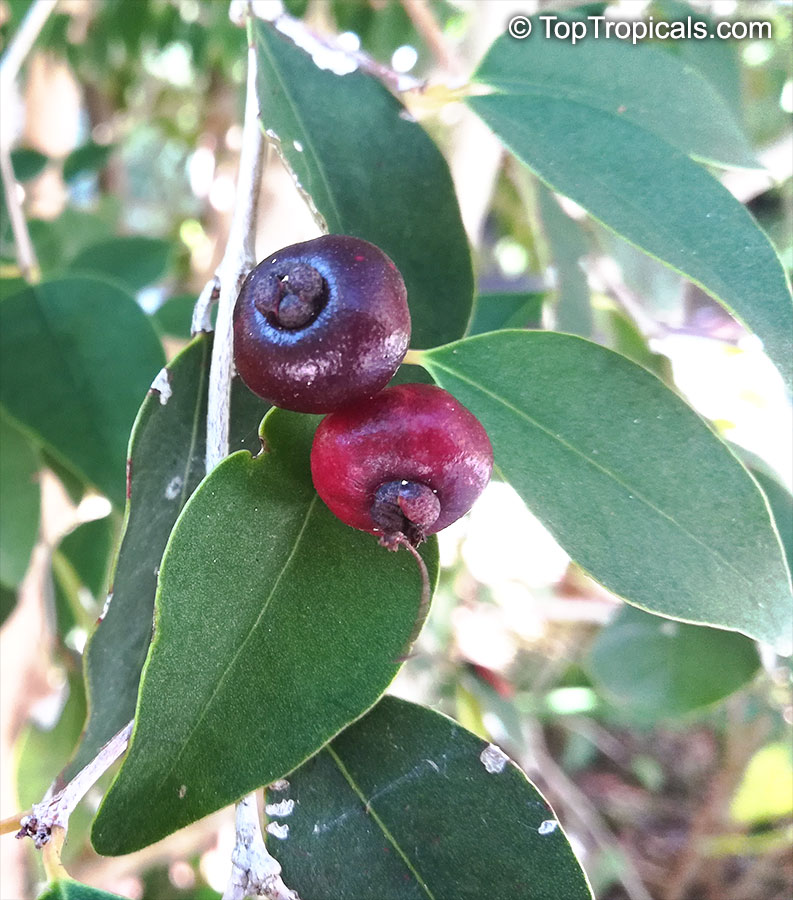
Red Stopper Cherry

Rare plant from Key West

by Mark Hooten, the Garden Doc

Eugenia rhombea, commonly known in Florida as "Red Stopper", is one of four species of Eugenia native to North America. It is a beautiful small tree, bearing small shiny deep green leaves which are pinkish-orange-red when young, giving them the appearance of a flowering tree at a distance when flushing out new growth a number of times a year.
Its native range includes Florida, Bahamas, Cuba, Hispaniola and part of Eastern Central America. However, here in Florida, it is federally listed as an endangered species, only known from the lowermost Everglades and Keys, where even there it is rare.
These elegant little trees grow to perhaps 12 or so feet tall, developing an elegant, umbrella shaped canopy. At a distance, they rather resemble Ficus benjamina, yet with a more orderly and refined appearance. In addition, they develop fluffy white flowers with a delightful fragrance, followed by holly-like long lasting red berries which are relished by wonderful song birds.
Although appearing delicate, this tropical species is surprisingly hardy, and would likely even make striking, a one-of-a-kind houseplant in the North.
These very few plants were grown from seeds collected near Royal Palm Hammock in the Everglades, and and may not be available again for some time...