Garden Blog - Top Tropicals

Date: 5 Jan 2025

What are the Condo Mangos?
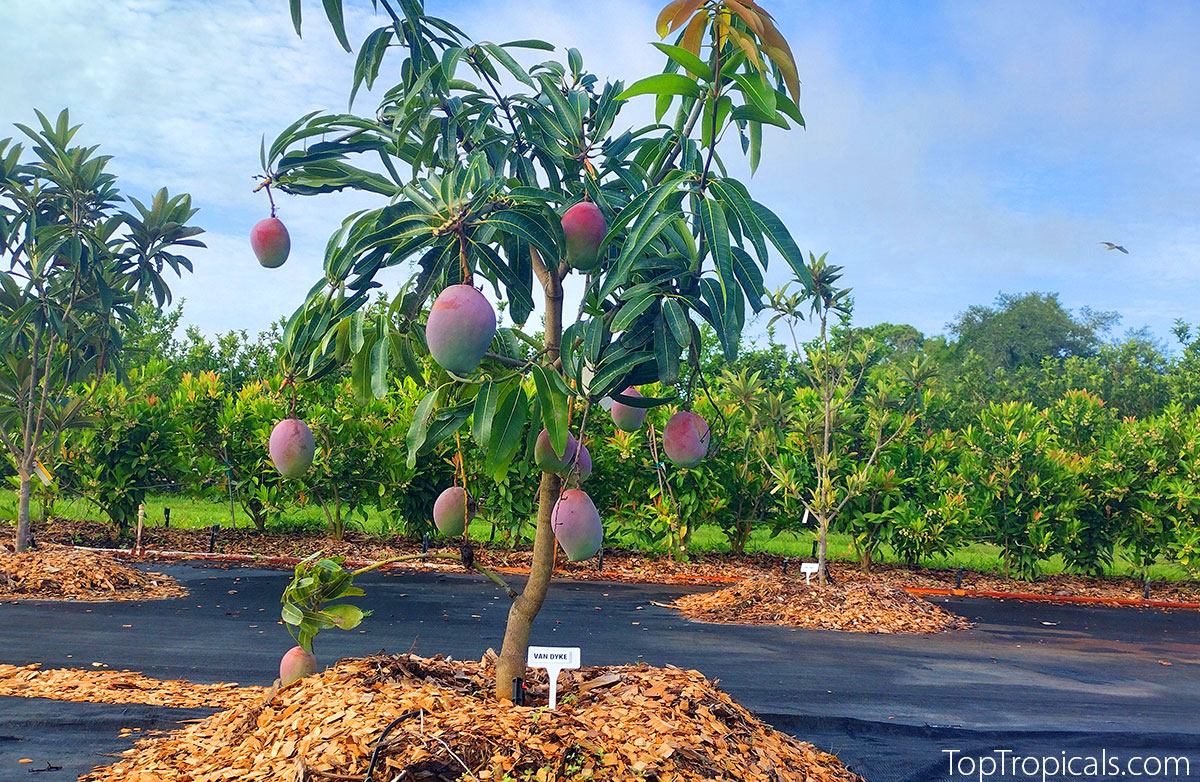
Mango tree with fruit

Mango tree with fruit

🥭 What are the Condo Mangos? A Practical Guide.

  • 🟠 What Are Condo Mangos?


    Condo Mangos, also known as dwarf mango trees, are perfect for small spaces. These trees can be grown in containers, making them ideal for balconies, greenhouses, or small suburban backyards. With proper care, they can be maintained at a manageable height of 6–10 feet through regular pruning. Some plant enthusiasts even manage growing Mango tree as an indoor plant!
  • 🟠 The term “Condo Mango”


“Condo Mango” refers to mango varieties that thrive in containers and are small by nature, allowing them to be easily kept even smaller with selective pruning.
  • 🟠 Size and Growth


    Unlike traditional mango trees, Condo Mangos are compact. They naturally grow to around 6-10 feet, but with proper pruning, they can be kept small, making them an excellent choice for limited space.
  • 🟠 Growing in Containers


· Condo Mango trees thrive in pots and containers.
  • · A 15-20 gallon pot is ideal to give the roots enough room to grow.
  • · Ensure your container has drainage holes to prevent root rot.


🟠 Planting Tips

  • · Plant Condo Mangos in full sun, where they’ll get plenty of heat and light.
  • · Use well-draining soil for optimal growth.
  • · Fertilizer regularly with quality plant food. Out best choice is Sunshine Mango Tango for edibles.
  • · Late Winter to early Spring is the best time to plant in containers, before the rainy season starts.
  • · Mangoes grow well in USDA zones 9-10, but if you live in cooler climates, you can grow them indoors or in a greenhouse, as long as you meet their heat and light needs.


🟠 Pruning and Maintenance

  • · Prune Condo Mango trees once a year to keep them at the desired height (6–10 feet), right after harvesting (late Summer to Fall)
  • · Trim the tips of the branches to maintain a compact shape and encourage healthy growth.
  • · Regular pruning will help keep the tree manageable and ensure better fruit production.

  • 📝 See most popular Condo Mango varieties in the next post 👇


🛒 Shop Condo Mango

📝 Earlier posts on #Mango:
#Food_Forest #Mango

🔴 Join 👉 TopTropicals
Date: 18 Jan 2025

How to take care of a mango tree in winter

How to take care of a mango tree in winter

🥭 How to take care of a mango tree in winter


  • ❄️ Watering

During winter, mango trees need minimal watering. Overwatering can cause root rot, especially when temperatures are low. Water the tree only when the soil feels dry about 2 inches deep.

  • ❄️ Fertilizing

Avoid feeding in the winter with dry fertilizer. It may cause root burn, plus encourages new growth that is more susceptible to cold damage. Wait until spring when the weather warms up to resume heavy feeding your tree. You can continue using Sunshine Boosters natural liquid fertilizers - Sunshine Mango Tango: it is safe to apply year around since its intake is regulated by reduced water, and only the necessary amount of essential elements will be delivered.

  • ❄️ Temperature Protection

Mango trees are sensitive to cold. If you live in a region with freezing temperatures, move your mango tree indoors or to a sheltered location like a garage with a bright light source. If it's in a small container, consider bringing it inside for the winter.

  • ❄️ Sunlight

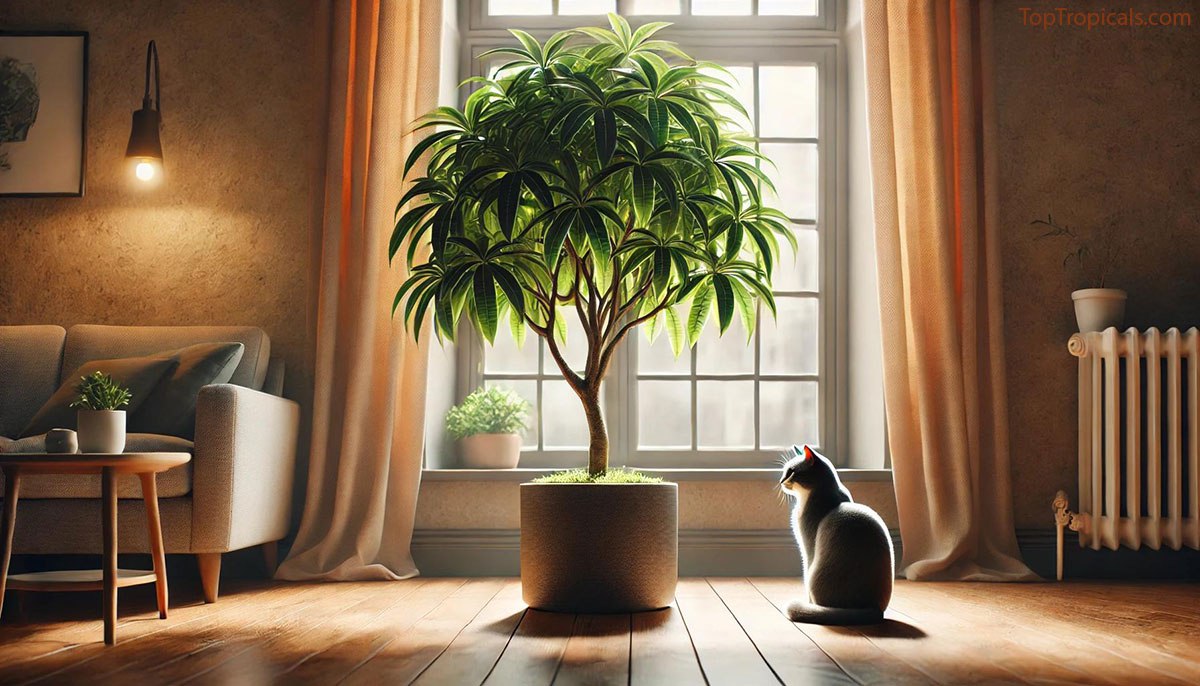
Ensure the tree gets as much sunlight as possible. If indoors, place it near a South-facing window where it can soak up the sun during the day.

❄️ Check for Pests


Winter can bring pests indoors. Regularly inspect the tree for any signs of insect problems around the leaves and stems.

By following these guidelines, your mango tree will be healthier and better prepared for the next growing season.

📚 Learn more: Mango trees and how to deal with cold weather.

🛒 Shop Mango varieties

📝 Earlier posts on #Mango:
#Food_Forest #Mango

🔴 Join 👉 TopTropicals
Date: 25 Mar 2026

Forget the Tropics: These 5 Condo Mango Varieties Thrive in Your Living Room

Forget the Tropics: These 5 Condo Mango Varieties Thrive in Your Living Room
Forget the Tropics: These 5 "Condo Mango" Varieties Thrive in Your Living Room 🥭

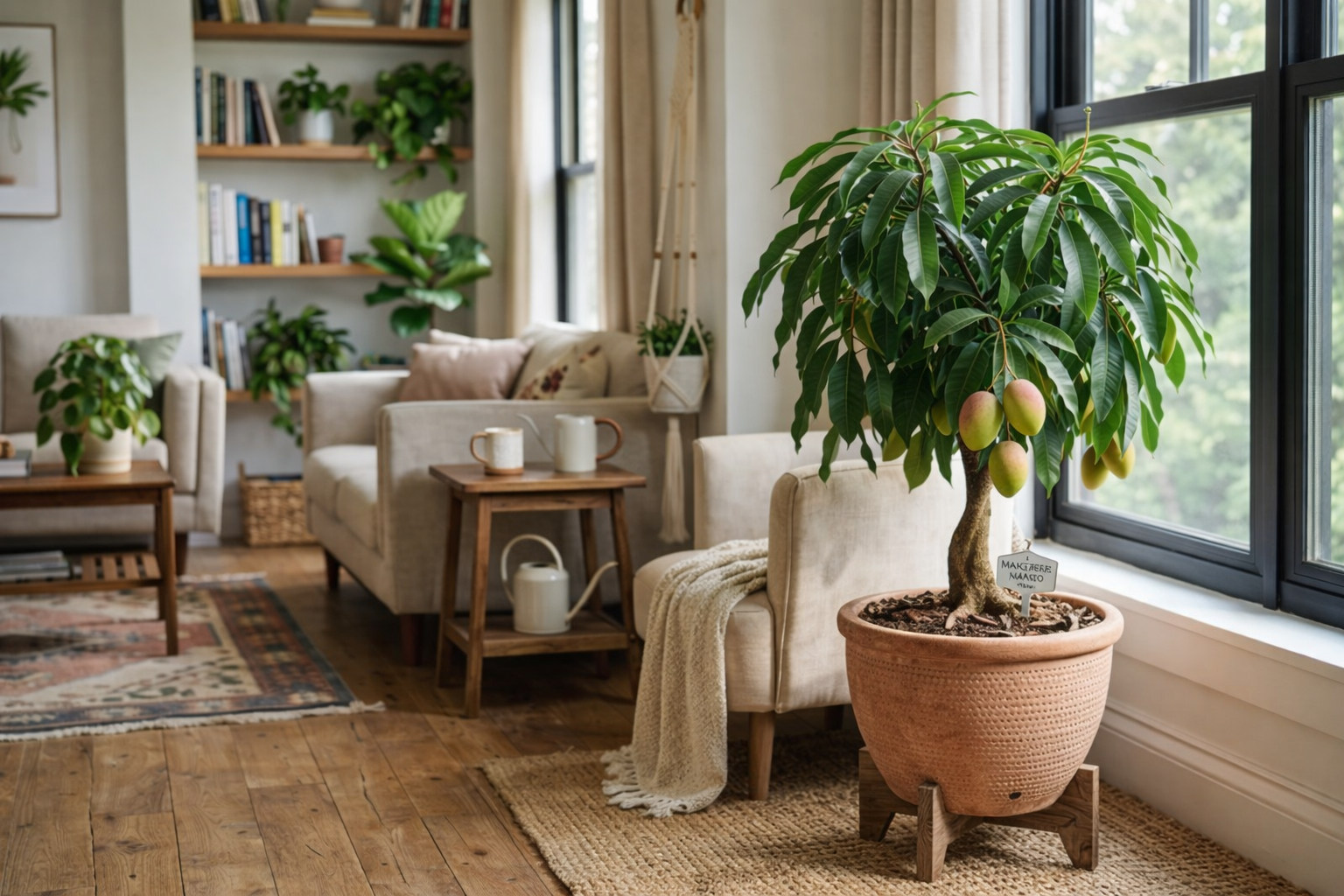
A tropical orchard in your living room? It’s more possible than you think. While wild mango trees can tower at 60 feet, "condo mango" varieties allow you to harvest juicy, sun-ripened fruit right next to your sofa.
If you have a sunny window and a bit of patience, here is exactly how to grow a potted mango tree indoors.

  • 🌳 Why "Condo Mangoes" are the Secret to Success


Most people fail because they plant a seed from a grocery store mango. Don't do that. Seeds take up to a decade to fruit and grow far too large.

Instead, look for grafted, dwarf varieties. These are bred to:
  • •  Stay compact (6–10 feet).
  • •  Fruit within 1–3 years.
  • •  Thrive in the limited root space of a container.


🌳 The 5 Best Mango Varieties for Indoor Pots


Choosing the right cultivar is 90% of the battle. These five are the gold standard for indoor growers:

  • •  Pickering: The #1 choice for pots; naturally tiny. Rich, fiberless, and coconut-heavy.
  • •  Cogshall: Slow-growing and easy to prune. Classic, ultra-sweet tropical taste.
  • •  Ice Cream: Extremely compact; thrives in small spaces. Creamy texture, like mango sorbet.
  • •  Carrie: High disease resistance; very productive. intense, spicy-sweet aroma.
  • •  Mallika: A semi-dwarf Indian favorite. Exceptional, honey-like sweetness.


🌳 4 Essentials for Indoor Mango Care


1. Light: The "Make or Break" Factor

Mangoes are sun-worshippers. They need at least 8 hours of direct light daily.

The Pro Move: Place your tree in a south-facing window. If you live in a cloudy climate, a high-quality LED grow light isn't optional - it’s a necessity to prevent leaf drop and encourage flowering.

2. Strategic Watering

Mango trees hate "wet feet." Use a fast-draining potting mix and a pot with large drainage holes.

The Rule: Let the top 2 inches of soil dry completely before watering deeply.

3. Temperature & Humidity


Keep your room between 65F and 90F. If you are comfortable, the tree is likely comfortable. Avoid placing it near drafty AC vents or heaters that sap humidity.

4. The "Bee" Factor (Pollination)

Indoors, you lack wind and insects. When your tree flowers, gently shake the branches or use a small paintbrush to move pollen between blooms to ensure fruit sets.

  • 👉 Quick Tips for a Better Harvest


  • •  Pot Size: Start with a 15-inch wide container and "up-pot" every two years.
  • •  Pruning: Don't be afraid to snip! Pruning the tips encourages branching, and more branches mean more fruit.
  • •  Fertilizer: Use a balanced organic fertilizer with micronutrients (like magnesium and iron). We recommend Sunshine Mango Tango specifically formulated for mango trees, and a micro element supplement - Sunshine Superfood - these are safe to use with every watering.


🛒 Dicover Condo Mango

📚 Learn more:
#Food_Forest #How_to #Discover #Mango

Plant Facts

Mangifera indica
Mango
USDA Zone: 9-11
Large tree taller than 20 ftSmall tree 10-20 ftFull sunModerate waterYellow, orange flowersPink flowersEdible plantSeaside, salt tolerant plant
🟢 Join 👉 TopTropicals

Date: 9 Feb 2025

Mango Rainbow tasting table: varieties you should try

Kent Mango

🌈 Mango Rainbow tasting table: varieties you should try
  • 🥭 Kent Mango variety is native to Florida. It is originated in Coconut Grove, in 1945 from a Haden seed.
  • 🥭 Kent has an excellent flavor, large size, and very little fiber. Considered by many to be one of the best tasting Florida mangoes and one of the most beautiful, truly rainbow colored fruit!
  • 🥭 Eat before fruit gets too ripe.
  • 🥭 The most rewarding attribute is a bountiful late season crop.


What Mango varieties do you have in your garden?
Share in comments
👇

📚 Previous Mango Rainbow Tasting Table: 1 • 2 • 3 • 

🛒 Shop Mango varieties

#Food_Forest #Mango #Mango_Rainbow

🔴 Join 👉 TopTropicals

Date: 5 Jan 2025

Condo (Dwarf) Mango Practical Guide:
What varieties are good for container culture
or small yards

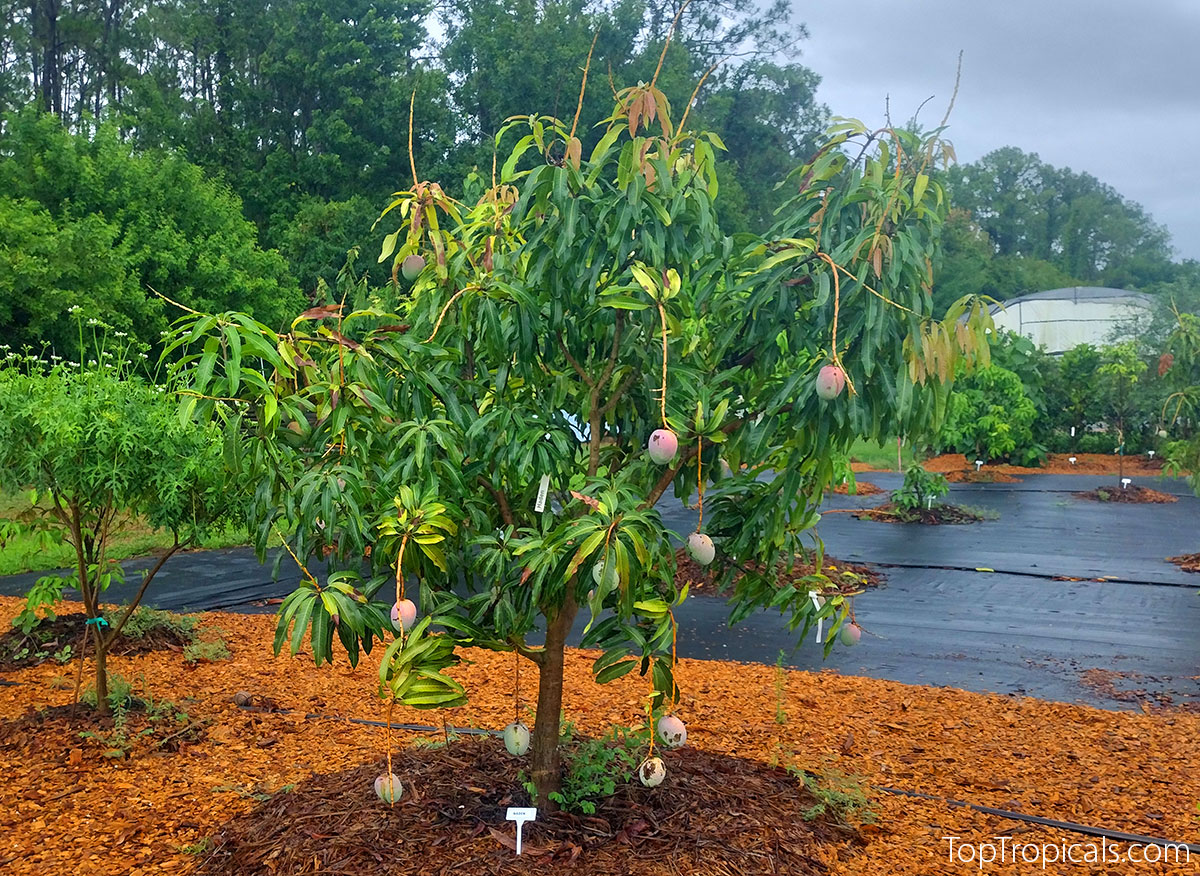
Condo  dwarf  mango  with  fruit

Q: "Our winters are too cold for a mango tree, but I'd like to grow one in a pot so I can bring it inside during cold nights. Which varieties do you recommend for container gardening? I've heard of Condo Mango - do you carry them?"

A: Yes, we always carry Condo Mango varieties: they are a fantastic choice for gardeners with limited space or in cooler climates. They grow well in containers and can be easily maintained through pruning. Whether you're growing them on a balcony, in a greenhouse, or in a backyard, Condo Mangos provide the perfect mix of beauty and practicality.

What Are Condo Mangos?

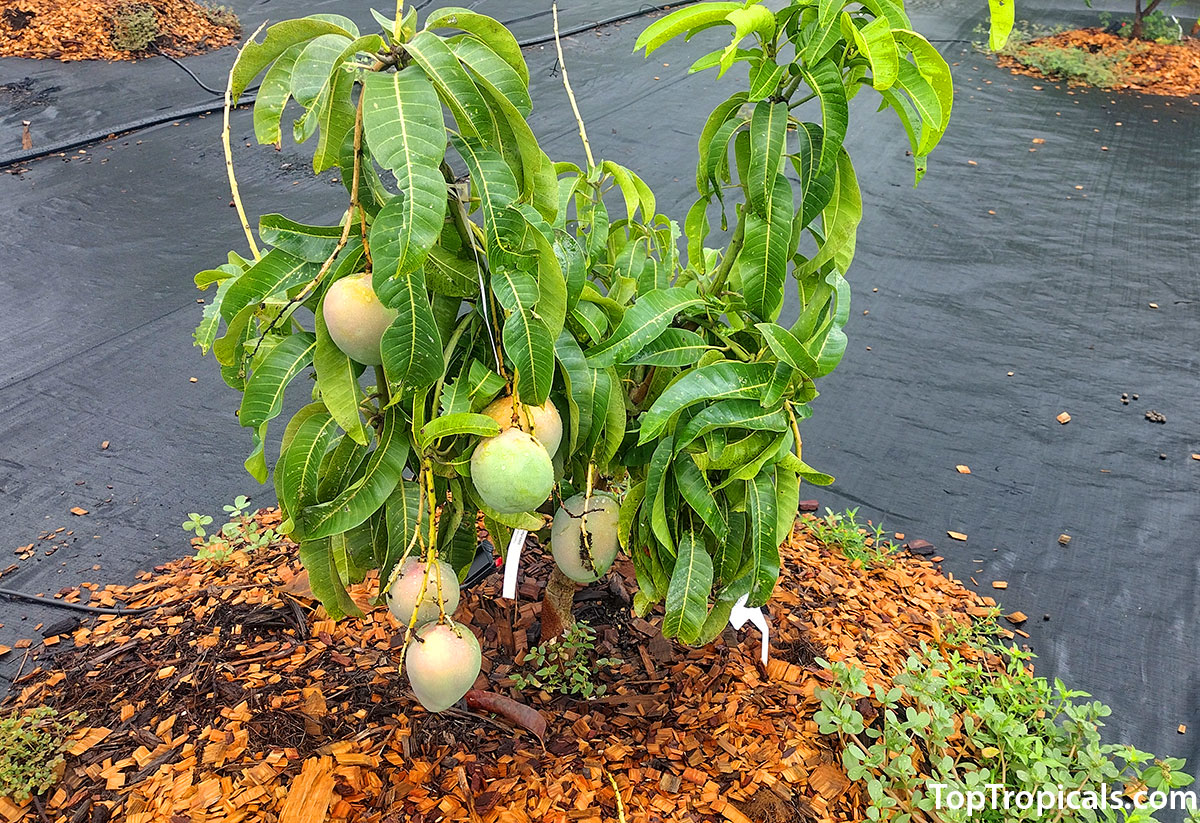
Condo Mangos, also known as dwarf mango trees, are perfect for small spaces. These trees can be grown in containers, making them ideal for balconies, greenhouses, or small suburban backyards. With proper care, they can be maintained at a manageable height of 6-10 feet through regular pruning. Some plant enthusiasts even manage growing Mango tree as an indoor plant!

The term Condo Mango

Condo Mango refers to mango varieties that thrive in containers and are small by nature, allowing them to be easily kept even smaller with selective pruning.

Size and Growth

Unlike traditional mango trees, Condo Mangos are compact. They naturally grow to around 6-10 feet, but with proper pruning, they can be kept small, making them an excellent choice for limited space.

Growing in Containers

- Condo Mango trees thrive in pots and containers.
- A 15-20 gallon pot is ideal to give the roots enough room to grow.
- Ensure your container has drainage holes to prevent root rot.

Planting Tips

- Plant Condo Mangos in full sun, where they'll get plenty of heat and light.
- Use well-draining soil for optimal growth.
- Fertilizer regularly with quality plant food. Out best choice is Sunshine Mango Tango for edibles. - Late Winter to early Spring is the best time to plant in containers, before the rainy season starts.
- Mangoes grow well in USDA zones 9-10, but if you live in cooler climates, you can grow them indoors or in a greenhouse, as long as you meet their heat and light needs.

Pruning and Maintenance

- Prune Condo Mango trees once a year to keep them at the desired height (6-10 feet), right after harvesting (late Summer to Fall)
- Trim the tips of the branches to maintain a compact shape and encourage healthy growth.
- Regular pruning will help keep the tree manageable and ensure better fruit production.

Learn more: Find out what are Top 10 Dwarf Condo Mango - great for container culture.

Condo  dwarf  mango  with  fruit

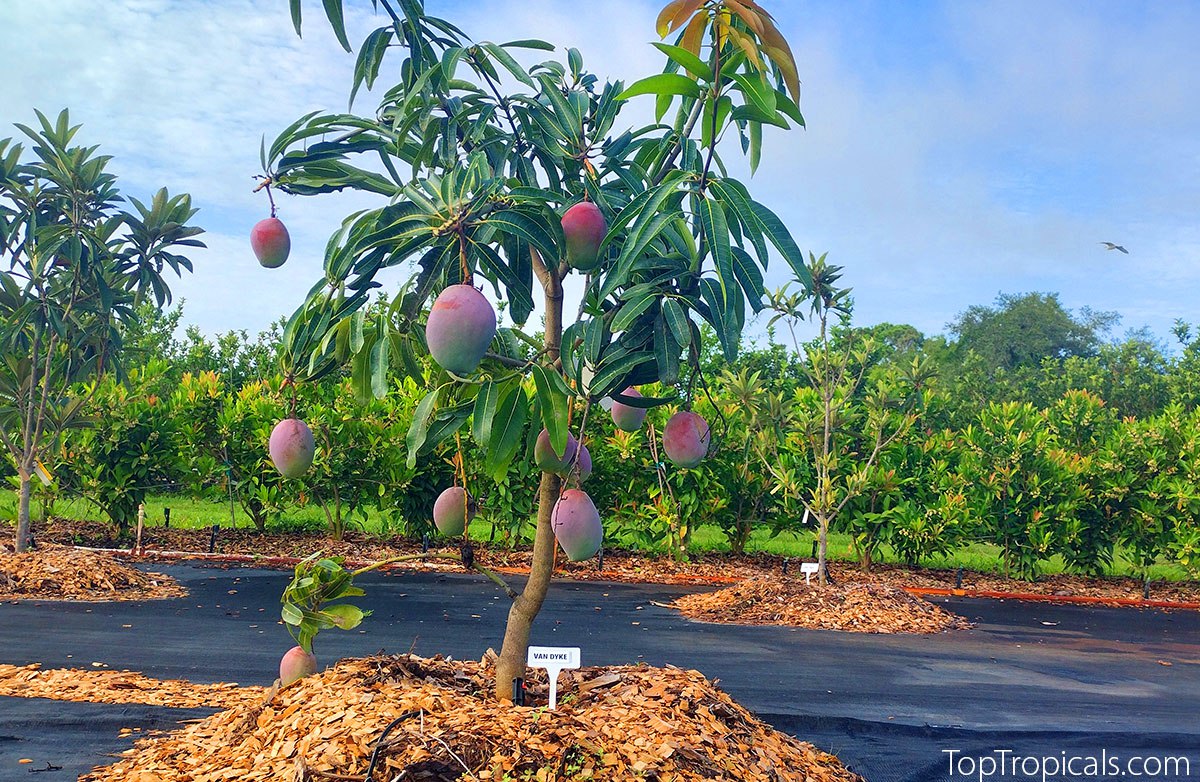
Condo  dwarf  mango  with  fruit