Secrets of Vanilla pollination finally revealed! Vanilla is the World's most popular flavor and one of the most expensive spices and flavorings. Every tropical gardener wants to have a vanilla plant and of course the most common question they ask - how to make my vanilla produce vanilla for me? In this video we will show you how: 📱
Q: I want to buy Vanilla orchid and I wonder if I can grow it in my bathroom by the skylight.
A: Growing Vanilla orchid is no different than other orchids. It is very simple. All that the plant needs is a good light, good air humidity, and good porous support.
Light. Grow Vanilla orchid in a very bright light, but protected from direct hot sun.
Air humidity.The higher the air humidity, the better your plant will grow. Many people grow orchids in a bathroom where these plants can enjoy occasional "humidity treats" after showers.
Growing media. Vanilla orchid cuttings are rooted very often in a regular potting mix with high content of pine bark and/or Perlite, Coconut Husk Chips. Once the little plant is well-rooted and starts developing, it will need a special porous surface to climb on and to attach to with developing aerial roots. A log covered with porous bark is used often. Another option is a piece of wood wrapped with a burlap fabric. In the Nature, this plant climbs up high onto trees and attaches to the bark with aerial roots - at this point, it doesn't need those terrestrial roots any more which may even die off. Climbing a porous support is absolutely necessary for your vanilla for setting buds, flowering and producing vanilla beans. If you are lucky to live in frost-free climate, plant you vanilla by a tree that will provide a shady canopy and a great natural climbing surface (bark). You may see the flowers as soon as within 1-2 seasons!
Date: 4 Feb 2026
Top nine plants of love, desire, and the senses: aphrodisiacs and sensory connections
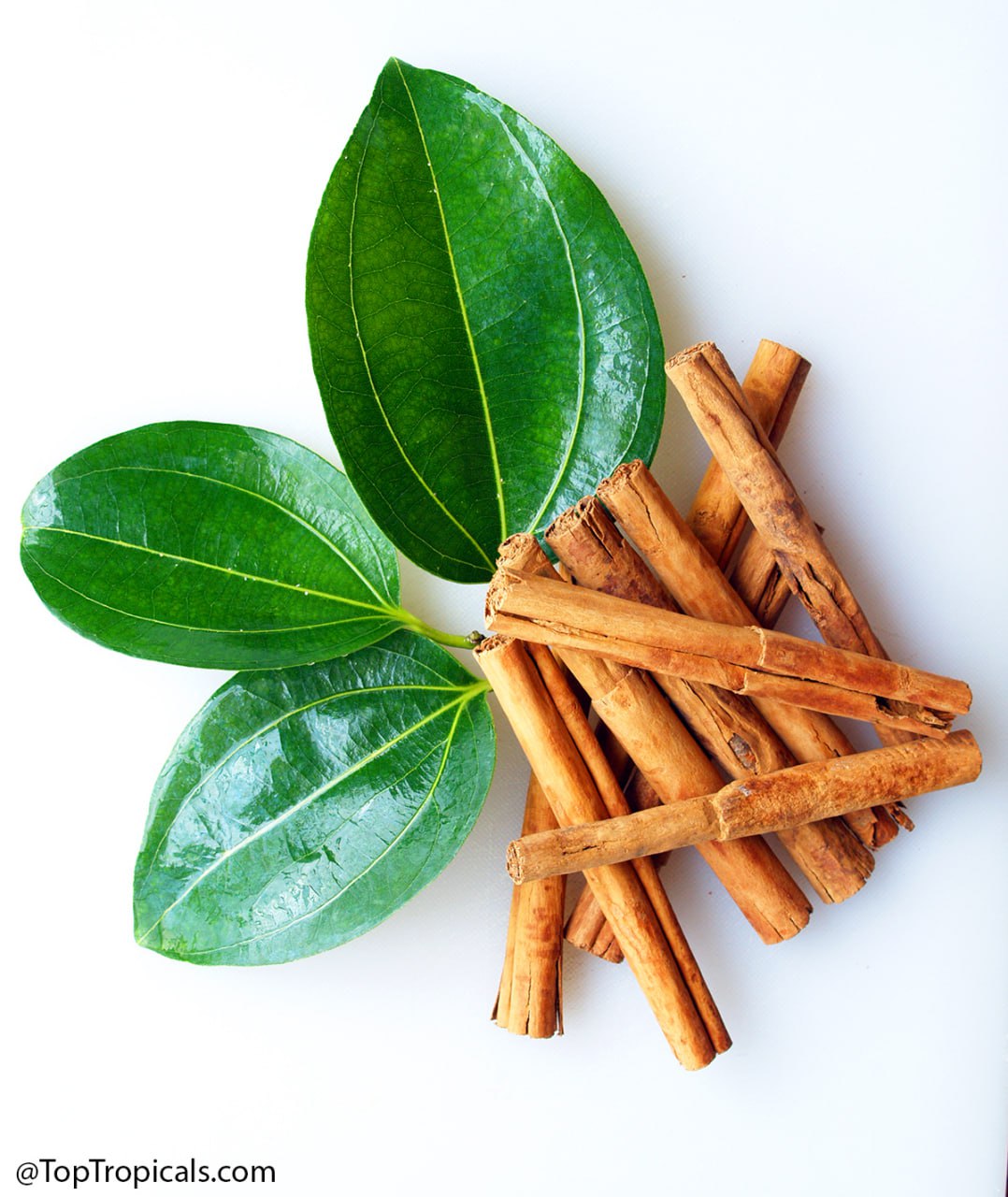
Cinnamon (Cinnamomum zeylanicum)
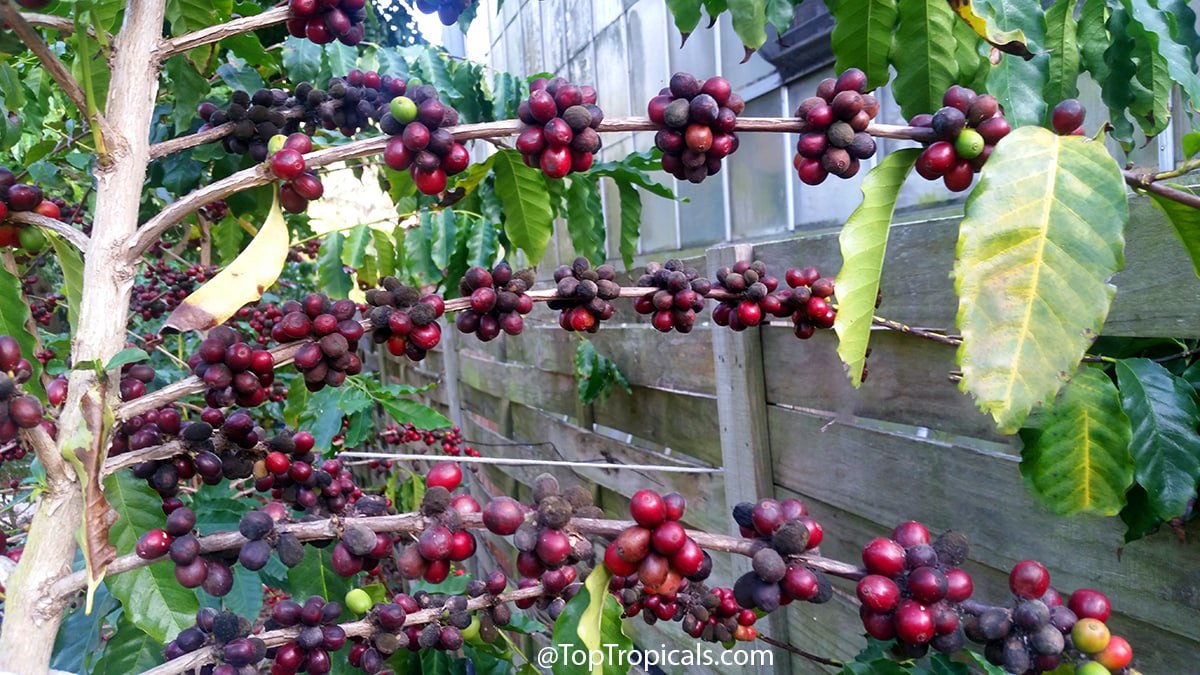
Coffee - Coffea arabica
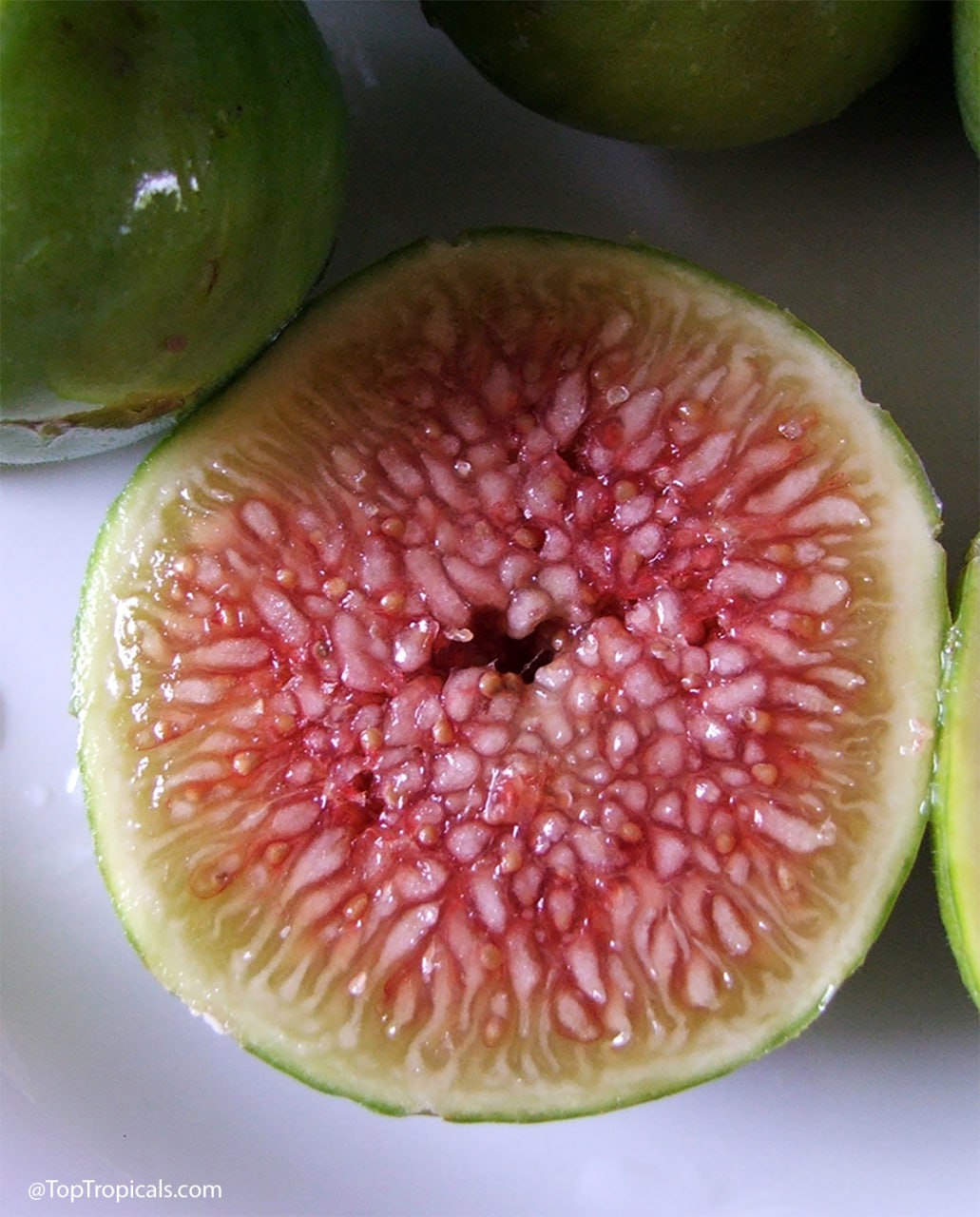
Fig tree fruit (Ficus carica)
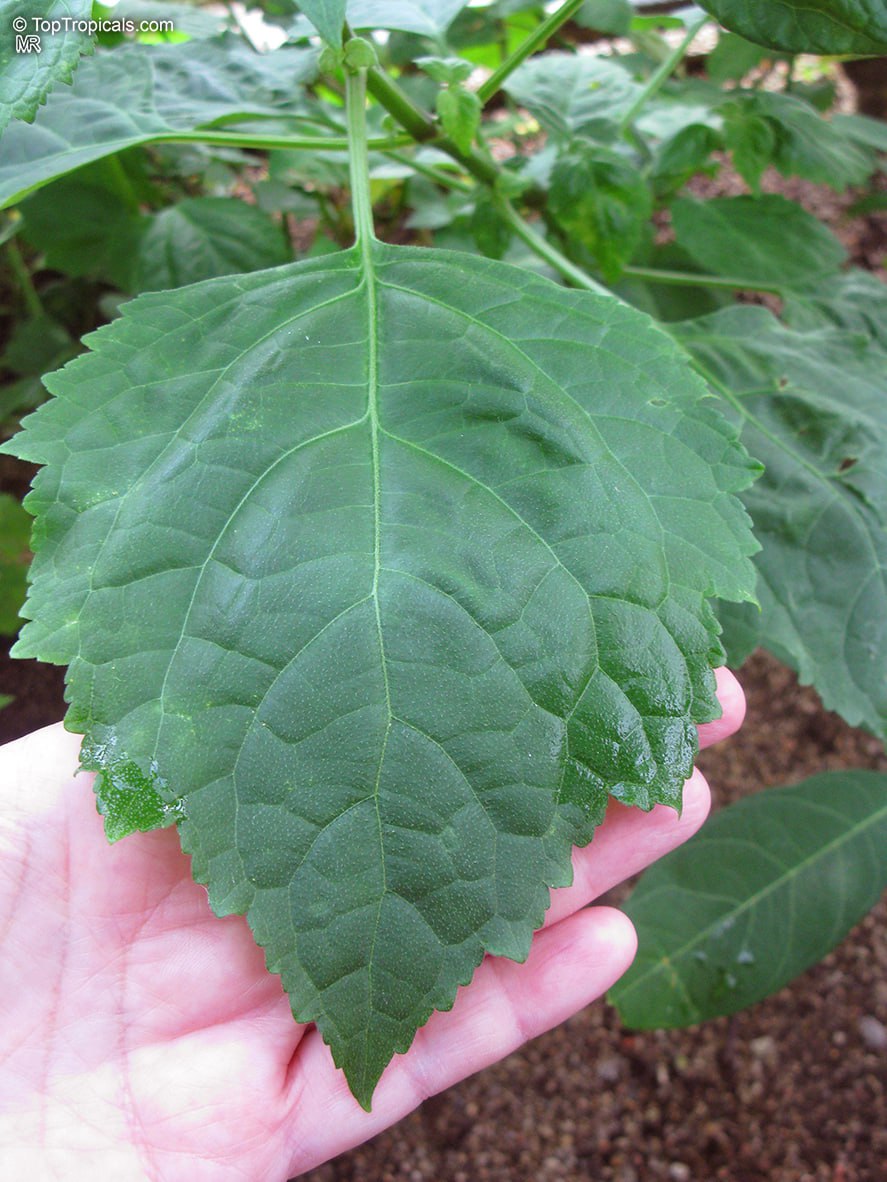
Patchouli - Pogostemon cablin
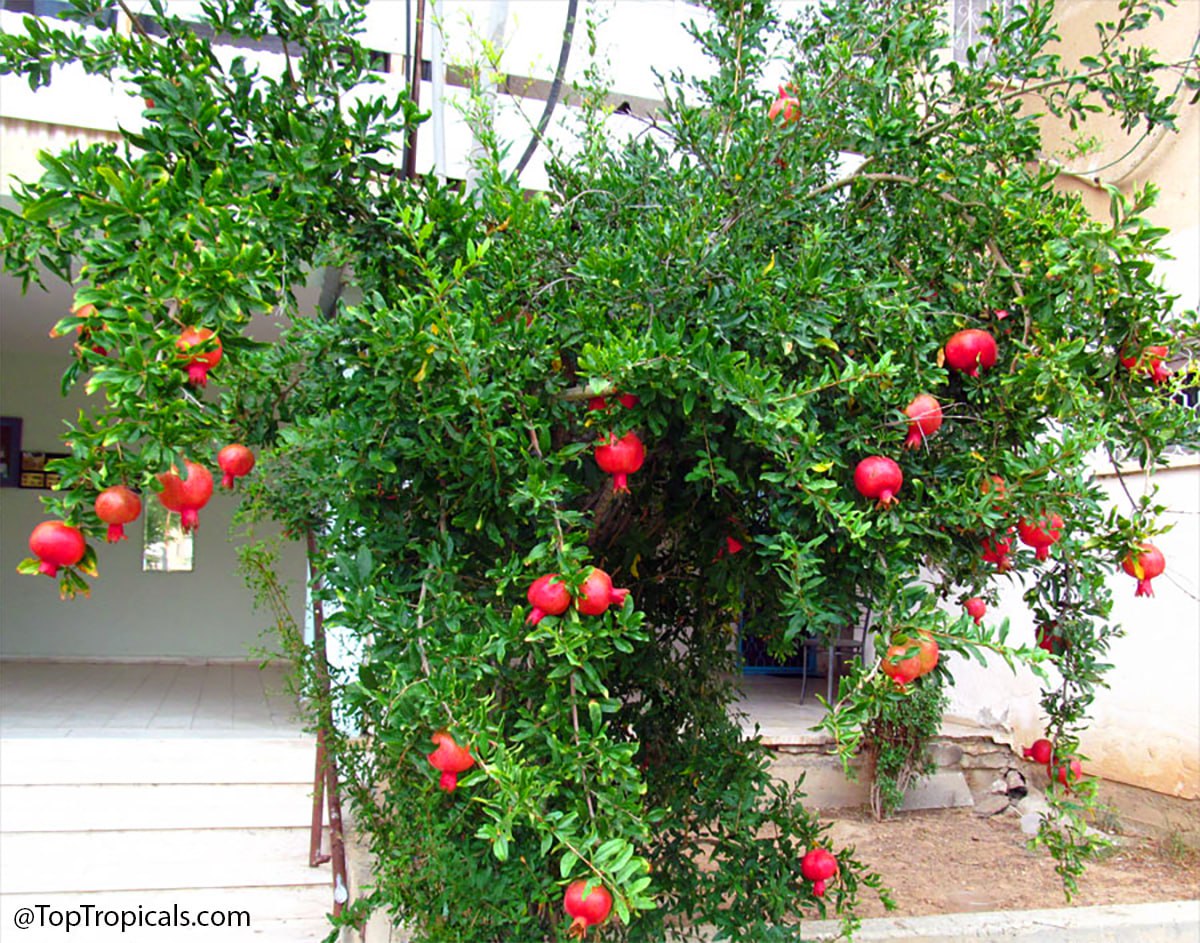
Pomegranate (Punica granatum)
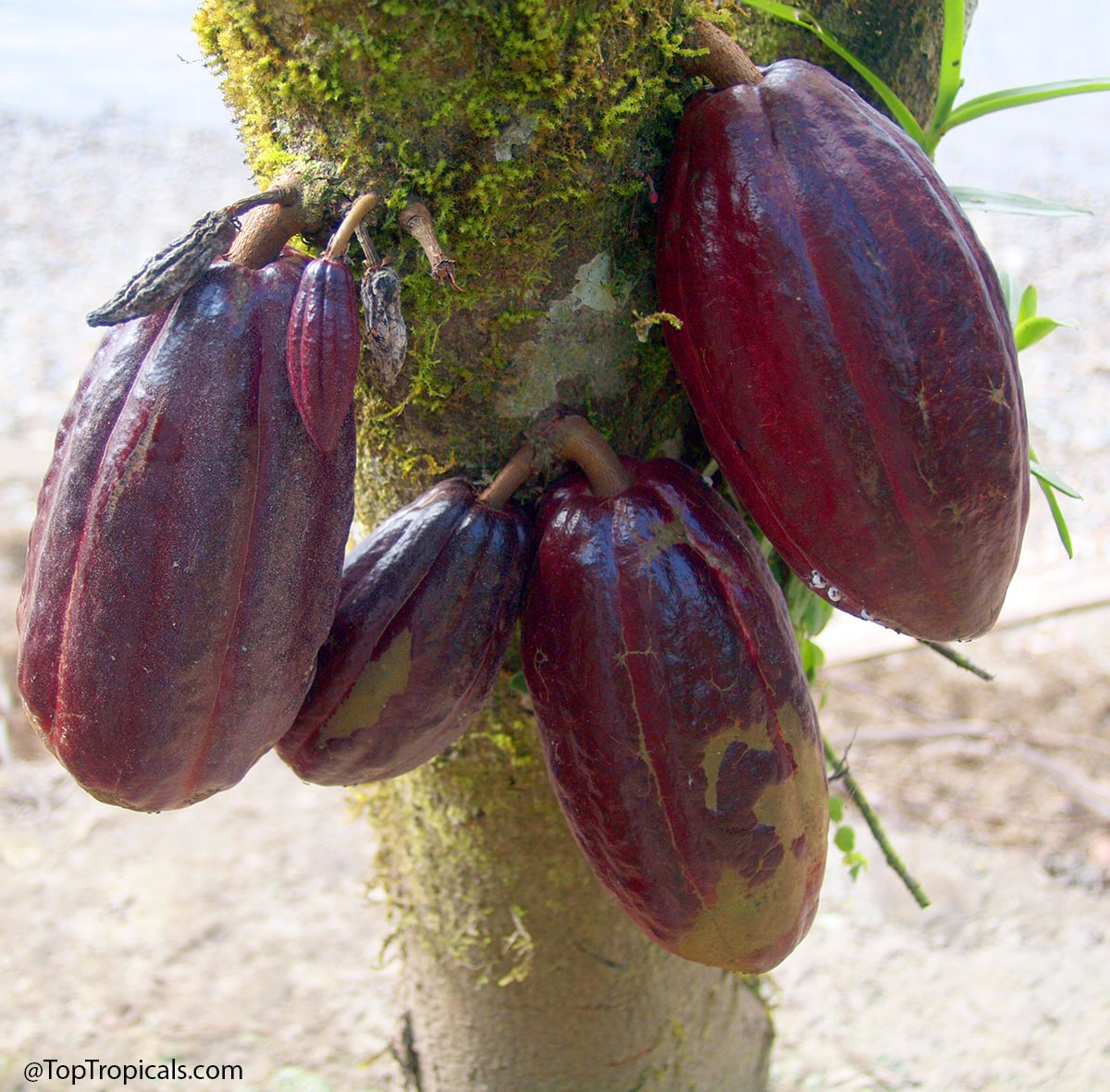
Cacao - Chocolate Tree (Theobroma cacao)
💖 Top nine plants of love, desire, and the senses: aphrodisiacs and sensory connections
Across cultures, love has also been expressed through taste, scent, warmth, and shared ritual. These tropical plants were valued not just for beauty, but for how they awaken the body and deepen connection.
💘 1. Cacao
Cacao - Chocolate Tree (Theobroma cacao) - has one of the strongest global associations with love. Revered by the Aztecs as a “food of the gods”, it was consumed to increase desire and emotional bonding. Chocolate contains compounds linked to feelings of pleasure and infatuation, making cacao a natural Valentine symbol.
Chocolate Tree Plant Facts
Botanical name: Theobroma cacao Also known as: Chocolate Tree, Cacao, Cocoa Tree
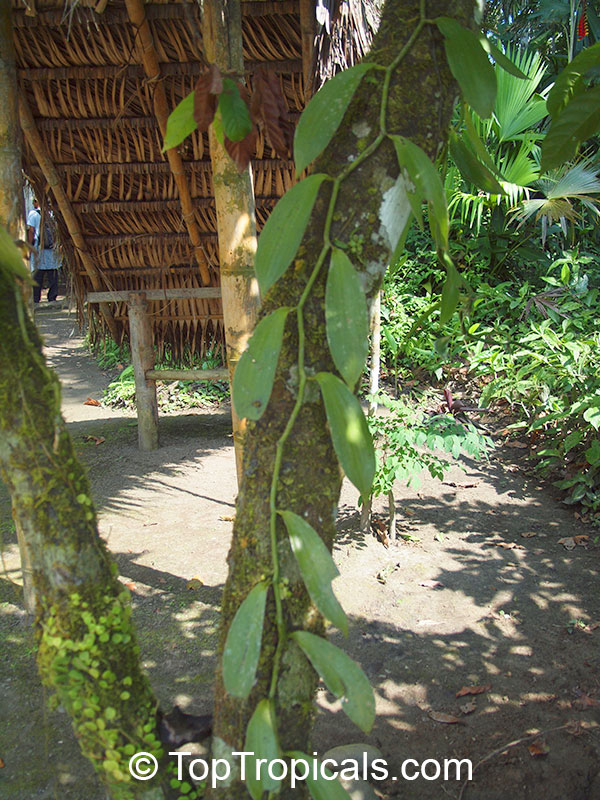
Vanilla (Vanilla planifolia) is both an orchid and one of the most sensual plant aromas known. Historically paired with cacao in love remedies, vanilla represents intimacy, warmth, and attraction. Its fragrance alone carries powerful emotional associations.
Madagascar Bourbon Vanilla Bean Plant Facts
Botanical name: Vanilla planifolia, Vanilla fragrans Also known as: Madagascar Bourbon Vanilla Bean, French Vanilla, Vanilla Orchid
Ginger symbolizes heat, vitality, and passion. Used worldwide to stimulate circulation and warm the body, it represents spark, chemistry, and physical energy. 👉 Ginger gift
💘 4. Cinnamon
Cinnamon (Cinnamomum zeylanicum) has long been associated with attraction and stimulation. Its warm, lingering aroma makes it a classic plant of desire, comfort, and emotional warmth.
Cinnamon Plant Facts
Botanical name: Cinnamomum zeylanicum, Cinnamomum verum Also known as: Cinnamon
Pomegranate (Punica granatum) has long symbolized love, fertility, and union, with its many ruby-red seeds representing abundance and deep connection. In ancient traditions, it was linked to goddesses of love and marriage and remains a symbol of passion balanced by continuity and commitment.
Pomegranate Plant Facts
Botanical name: Punica granatum Also known as: Pomegranate, Granada, Grenade, Pomegranate, Granada, Anar, Granaatappel, Pomo Granato, Romeira, Melo Grano
Coffee (Coffea arabica) represents connection through shared ritual. Sacred to African Sufis for its stimulating properties, coffee symbolizes conversation, alertness, and social bonding rather than purely romantic love.
Coffee Plant Facts
Botanical name: Coffea arabica Also known as: Coffee
Figs (Ficus carica) have ancient associations with fertility, sensuality, and indulgence. Their voluptuous form, sweet flesh, and rich texture made them symbols of desire and abundance in many cultures.
Fig Tree Plant Facts
Botanical name: Ficus carica Also known as: Fig Tree, Brevo
Betel Leaf (Piper betle) is a powerful symbol of love, respect, and partnership across South and Southeast Asia. It is exchanged in courtship, weddings, and ceremonies, representing acceptance and shared experience. Its heart-shaped leaves reinforce its Valentine symbolism.
Betel nut (Areca catechu) - traditionally used as a stimulant and aphrodisiac, betel nut represents intensity, ritual, and sensory awakening. In this context, it is best presented as a cultural symbol rather than a casual love plant.
Betel Leaf Plant Facts
Botanical name: Piper betle Also known as: Betel Leaf
Patchouli (Pogostemon cablin) represents deep attraction and emotional grounding. Its earthy, musky scent has long been associated with intimacy and physical presence. Unlike sweet florals, patchouli symbolizes mature, rooted love that lingers.
Patchouli Plant Facts
Botanical name: Pogostemon cablin, Pogostemon patchouli, Pogostemon heyneanous Also known as: Patchouli, Pucha-pat
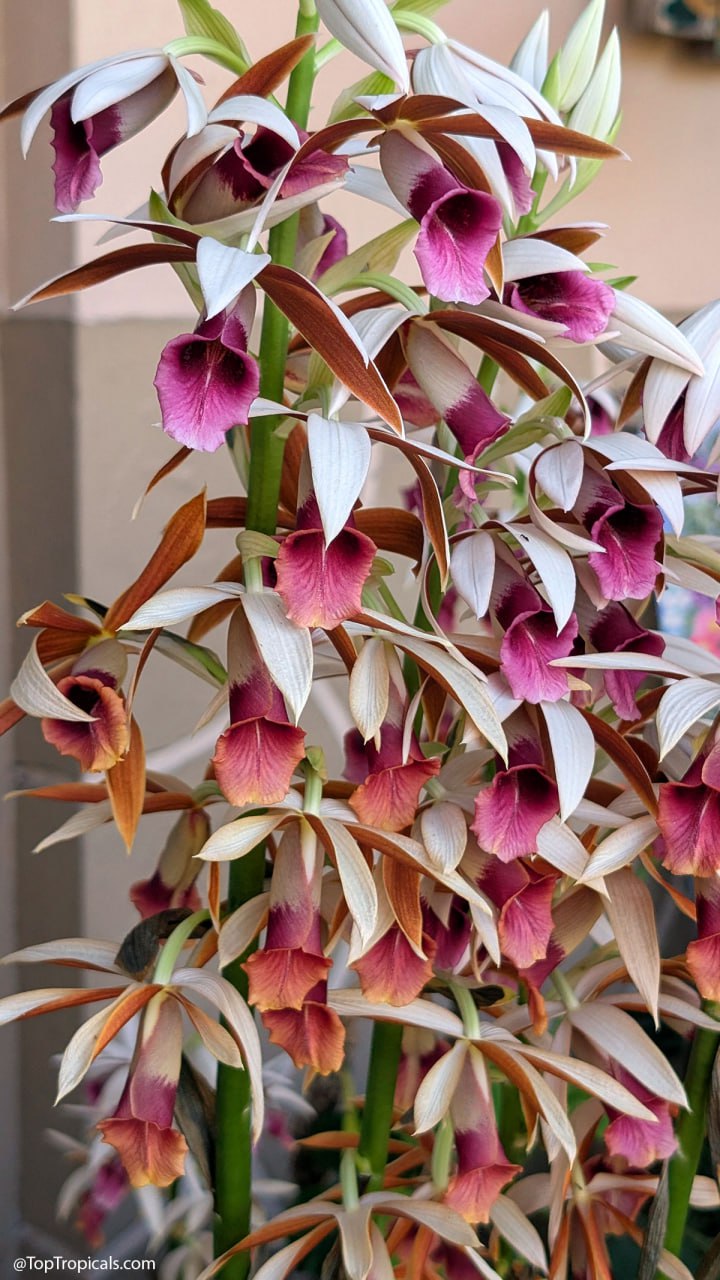
Just in time for spring: Nun Orchid blooms for months!
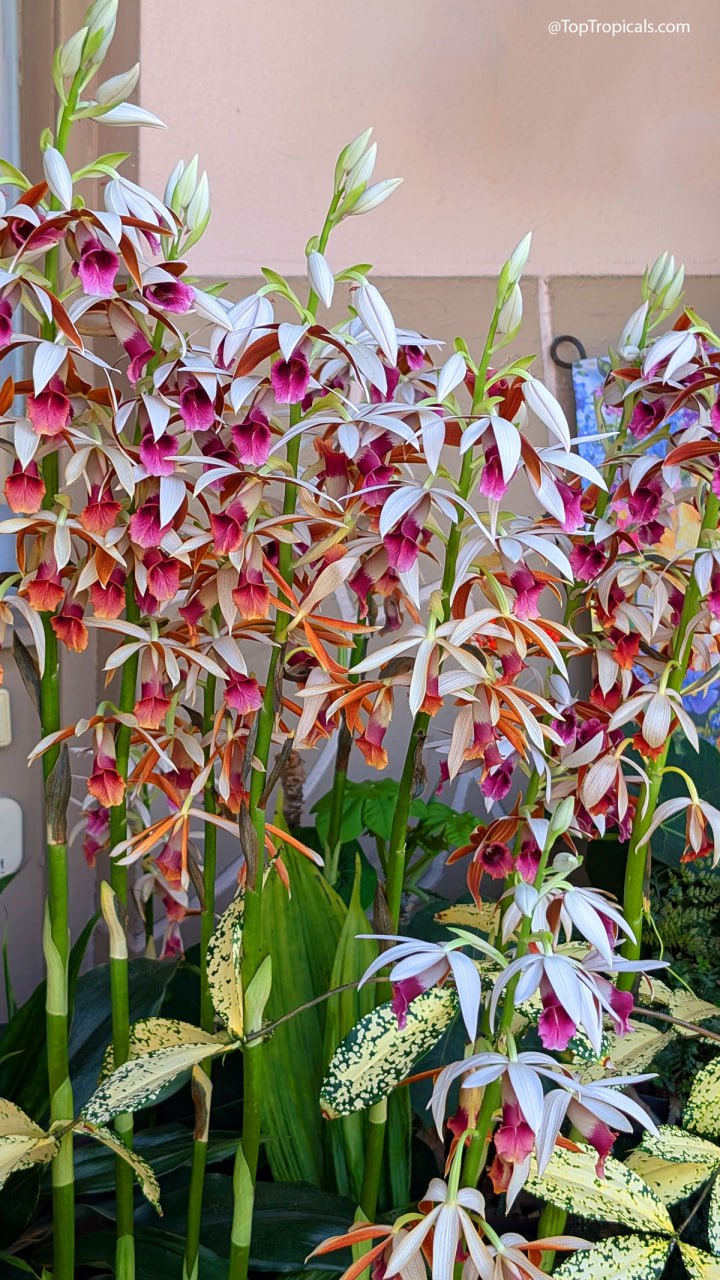
Phaius tankervilleae, Chinese Ground Orchid, Nut Orchid
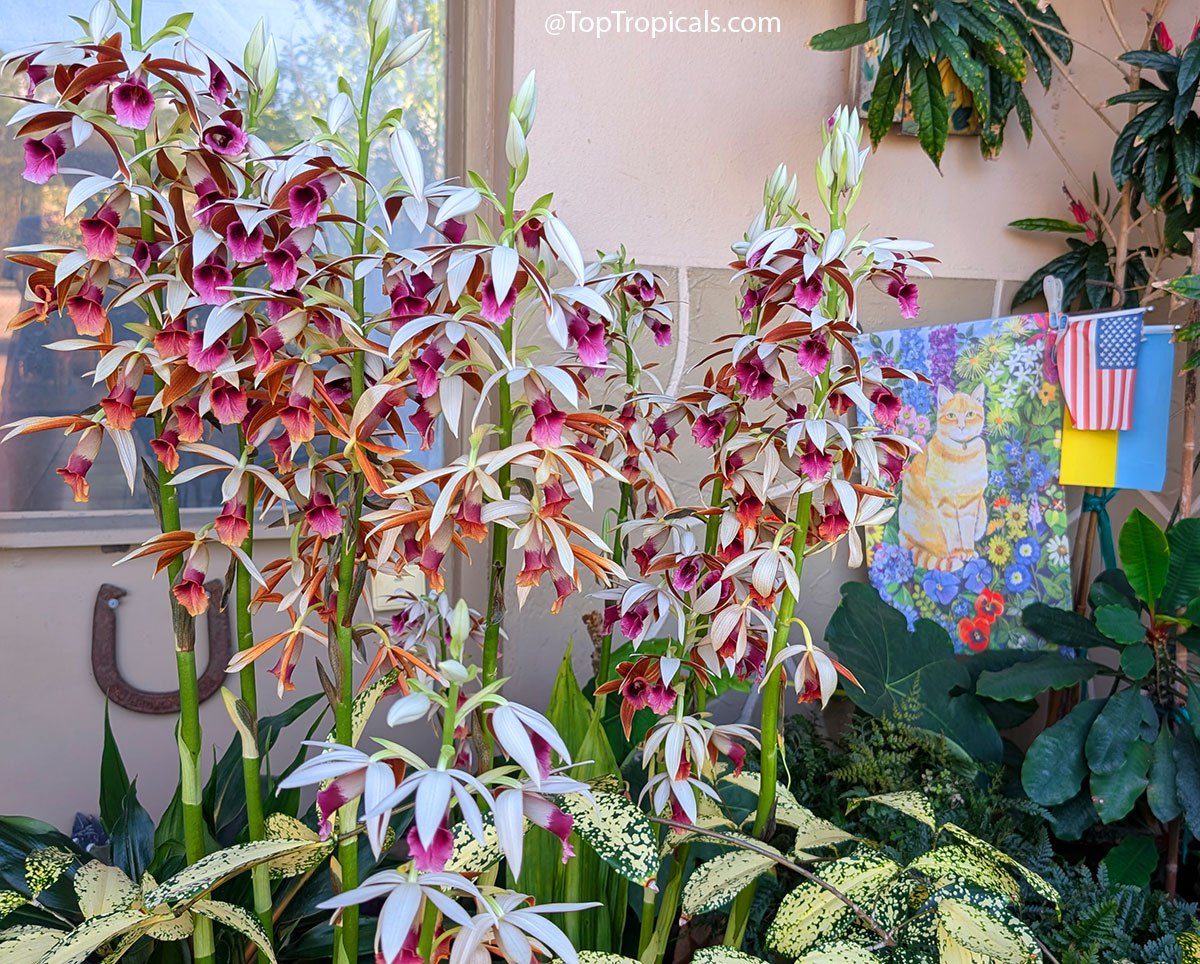
Phaius tankervilleae, Chinese Ground Orchid, Nut Orchid
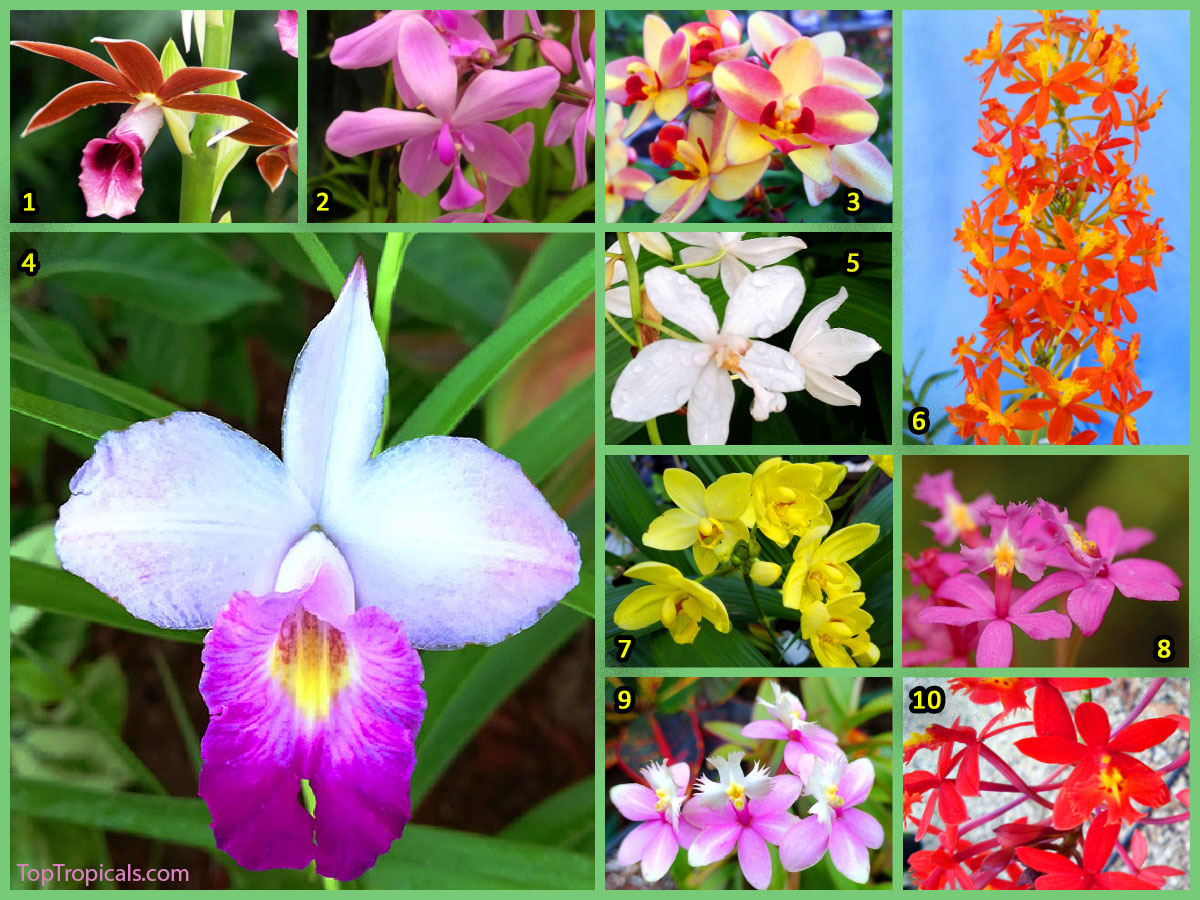
Phaius tankervilleae, Chinese Ground Orchid, Nut Orchid
Just in time for spring: Nun Orchid blooms for months! 🌹
🌷 What a wonderful treat after a long cold winter: Nun Orchid (Phaius tankervillea) is putting on a full show right now in the garden - and it’s been going strong since February.
🌷 These plants were already loaded with buds before our Record 25F Florida Freeze, so I moved the two pots into the garage to protect them. Totally worth it - they came through beautifully and didn’t miss a beat.
🌷 Now they’re in full bloom and should keep going well into April. This is one of those rare orchids that just keeps going.
🌷 Unlike most orchids, Nun Orchid grows in regular soil. Big lush leaves, tall flower spikes, and it’s perfectly happy in filtered light - great for patios, containers, or a shady spot in your garden.
Orchids have a mystique that sets them apart — elegant, exotic,
almost unreal in their perfection. But let’s be honest, not everyone
has
luck with the fancy ones that cling to trees or need greenhouse tricks.
Ground orchids are different. They grow in regular garden soil, bloom in
sun or shade, and come in all sorts of shapes and colors. They’re the
orchids you don’t have to fuss over.
Nun Orchid
(Phaius tankervilleae) – Ever wonder why it’s called the
Nun
Orchid? The flowers really do look like the white veil and brown habit nuns
used to wear. The plants send up spikes 3–4 ft tall with 10–20
fragrant blooms that open one after another for weeks. I like them best
tucked
under trees where they just keep spreading year after year.
Spathoglottis – The nonstop bloomer – If you want flowers
that
just don’t quit, this one’s it. Spathoglottis clumps up and
throws
spikes of purple, pink, or yellow that last for weeks, then keep coming back
through the summer. In warm spots they’ll bloom almost year-round.
Honestly, it’s one of the easiest orchids you’ll ever grow.
💲
Special Offer – 20% off Ground Orchids!
Get 20% OFF ground orchids with code
ORCHID2025
Min order $100. Excluding S/H, valid online only,
cannot be combined with other offers.