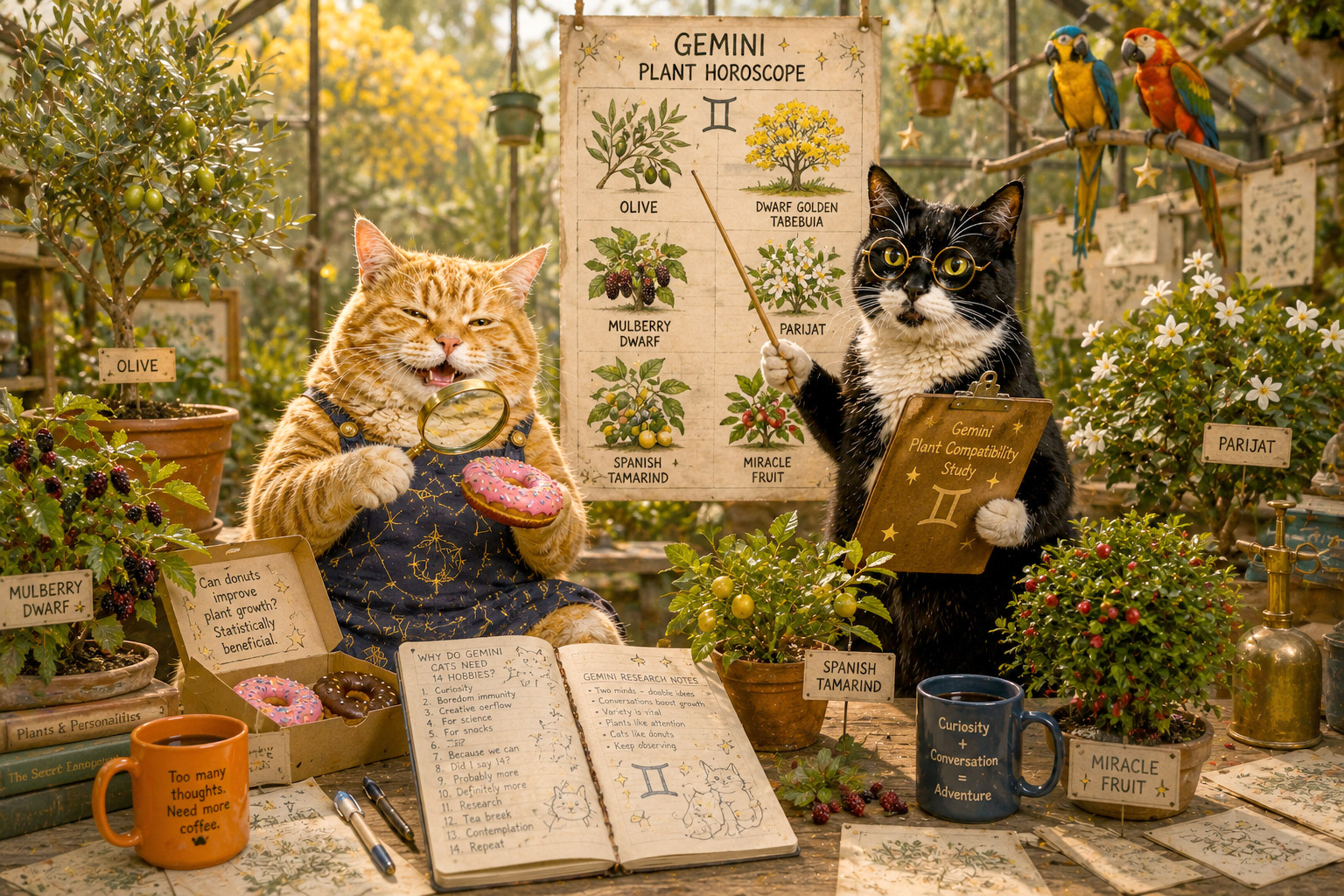
♊ Gemini Season Starts. We Are Five Days
Late.
Very Gemini.
Sunshine: I once met a girl and asked what she does. She
said she assembles gyroscopes. I told her I don't believe in gyroscopes.
Smokey: You meant horoscopes.
Sunshine: That is what I said.
Smokey: You said gyroscopes.
Sunshine: Same thing.
Smokey: One predicts your future. The other stabilizes
aircraft.
Sunshine: I don't believe in aircraft either.
Smokey: She left, didn't she.
Sunshine: She said she had to go assemble something.
♊ Gemini season started on May 21. Today is May 26 But honestly?
That is not a problem. That is actually very Gemini. Gemini probably got
distracted, opened three browser tabs, started a new hobby, forgot what it
was
doing, and came back five days later with a notebook full of ideas and zero
apologies. So here we are.
Why these plants and not others
No, there is no scientific proof that olive trees belong to Gemini. We
checked. The olives refused to comment.
But if you are going to assign plants to zodiac signs — and we are
— then Gemini deserves plants with intelligence, motion, surprise,
fragrance, and a little chaos. Gemini is the sign of curiosity,
conversation, and
dual natures. It gets bored easily and talks to everyone at the party.
These plants were picked because they fit that energy. And also because
they are genuinely good plants worth growing, which Smokey insisted we
mention.
Olive (Olea
europaea)
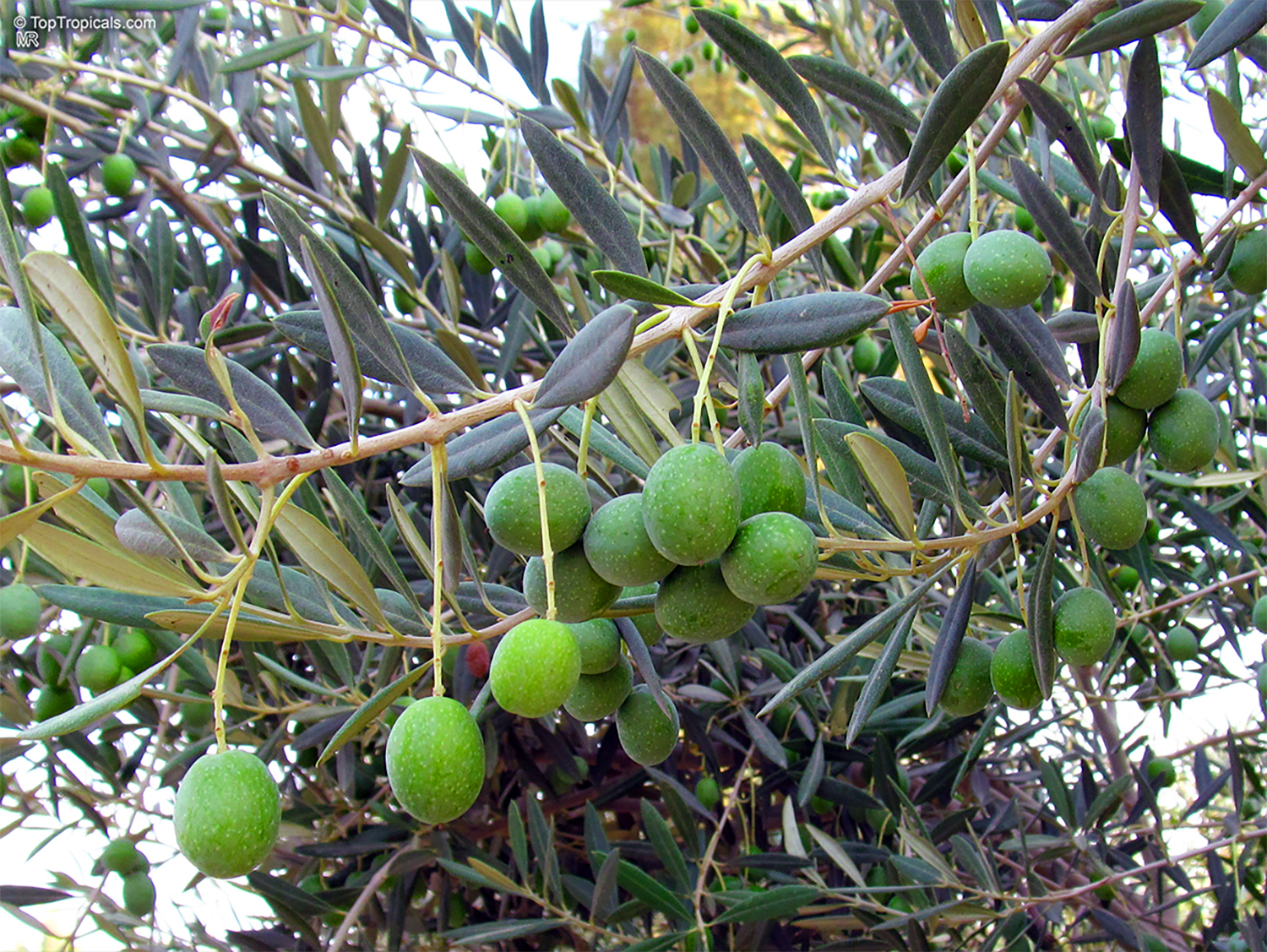
Clusters of green olives developing on an olive tree branch.
Olive trees are evergreen, drought-tolerant, and have been cultivated
for thousands of years for both their fruit and the oil produced from
it.
Olive is the thinking plant of this group. Ancient, silver-leaved, and
quietly dramatic, it belongs to Gemini because Gemini loves history, long
conversations, and plants that look like they know something you
don't.
If you are growing olive in a container — which works very well
— give it full sun, fast-draining soil, and a firm commitment to not
overwatering it. Olive does not want wet feet. It wants to think in dry
conditions,
like a philosopher in a warm courtyard.
Smokey: Olive represents thousands of years of
cultivation
and human civilization.
Sunshine: And snacks with much better branding than they
get credit for.
📚 More from garden blog
🛒 Shop olive trees
Dwarf Mulberry (Morus
sp.)
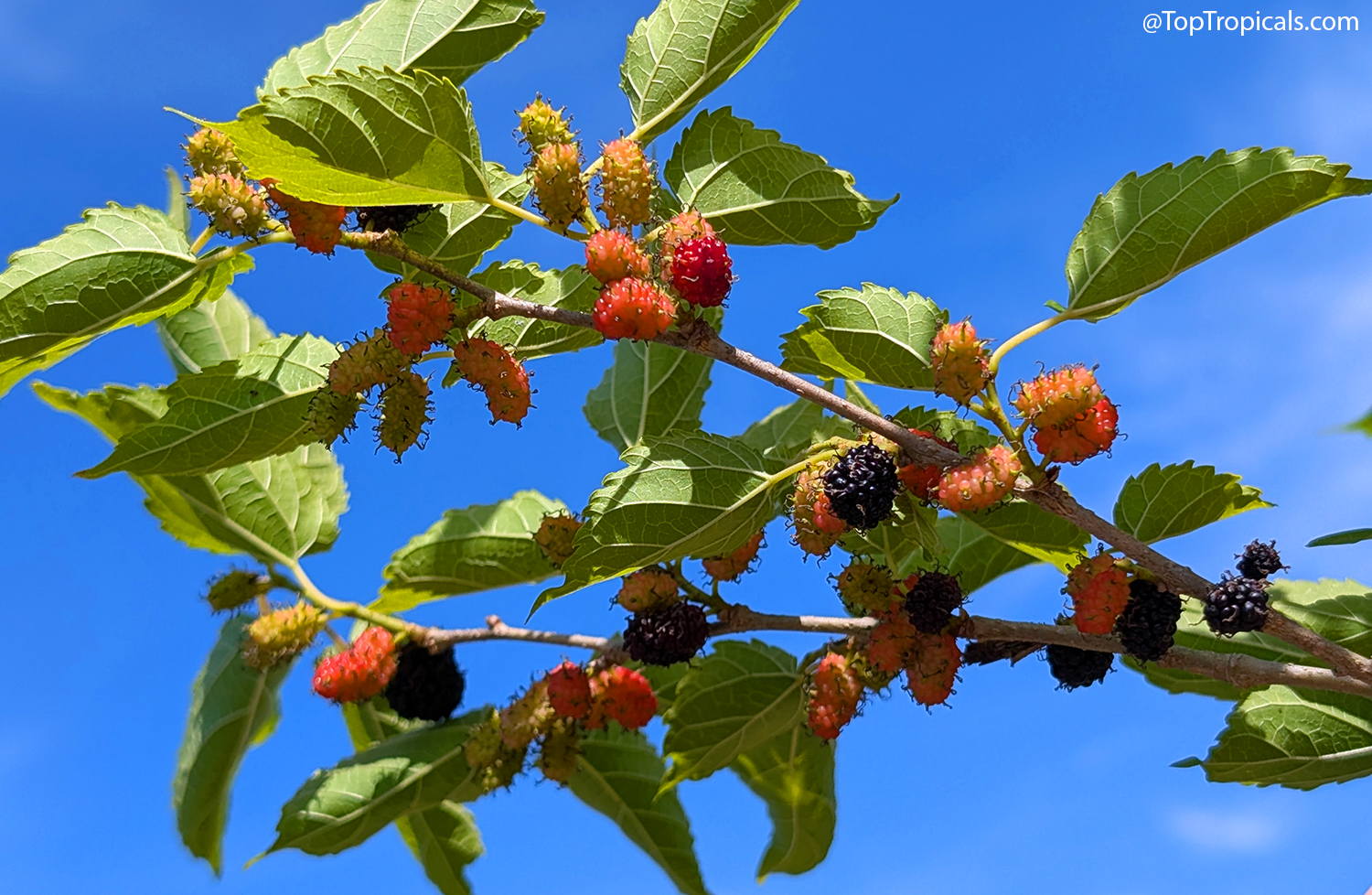
Dwarf
Everbearing Mulberry produces fruit over an extended season,
often carrying berries in multiple stages of ripeness at the same time. The
sweet, blackberry-like fruit is a favorite of both gardeners and
wildlife.
Mulberry is Gemini in motion. It grows fast, produces generously, and
absolutely refuses to be boring. A standard mulberry will take over your
yard
before you finish reading this sentence. A dwarf mulberry, however, is
patio-friendly, container-happy, and still delivers fruit, birds, and mild
garden
chaos on schedule.
Prune after fruiting to keep the shape. Full sun. Large pot if you're
growing in a container. This is the plant for people who want results and do
not
enjoy waiting.
Smokey: Efficient growth rate. Edible output. Compact
habit. Reasonable choice.
Sunshine: Finally, a tree with a snack schedule.
📚 More from garden blog
🛒 Shop mulberry trees
Parijat (Nyctanthes
arbor-tristis)
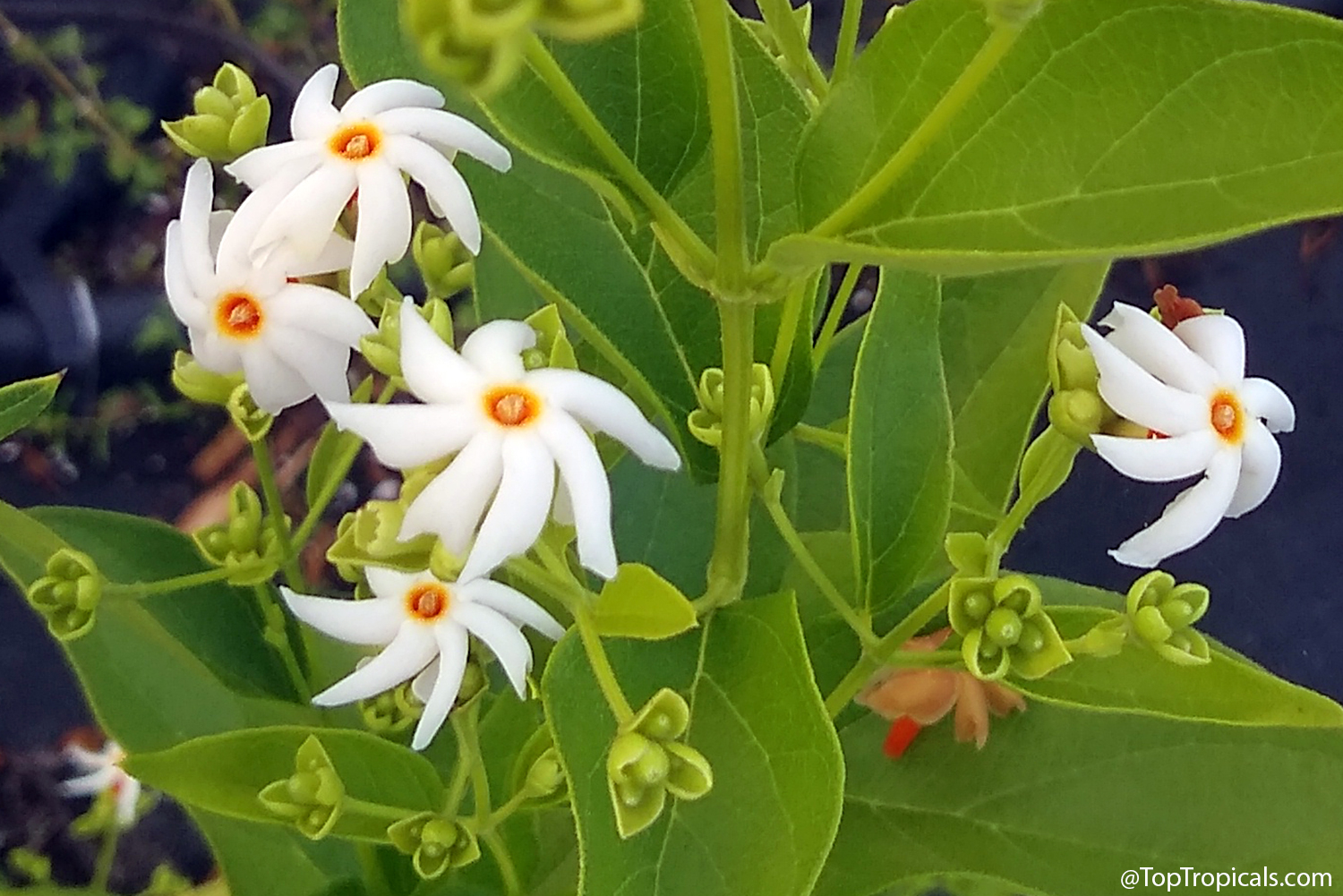
Parijat, also known as Night-Flowering Jasmine, produces fragrant white
flowers with vivid orange centers that open at night and often carpet the
ground
beneath the tree by morning.
Parijat belongs to Gemini's quieter, more poetic side. It blooms with
small fragrant white flowers — orange centers, delicate petals —
often at night. By morning, the flowers have fallen. They drop like little
messages from the universe, which Sunshine finds meaningful and Smokey finds
botanically interesting.
This one is for the gardener who wants something to actually stop and look
at. Good in containers, good on a warm patio, needs decent light and warmth
to do its best work.
Smokey: Night-blooming pattern. Fragrant ornamental.
Grows
well in warm climates.
Sunshine: It's a tree that leaves notes.
📚 More from garden blog
🛒 Shop parijat
Dwarf Golden Tabebuia
(Tabebuia chrysotricha)
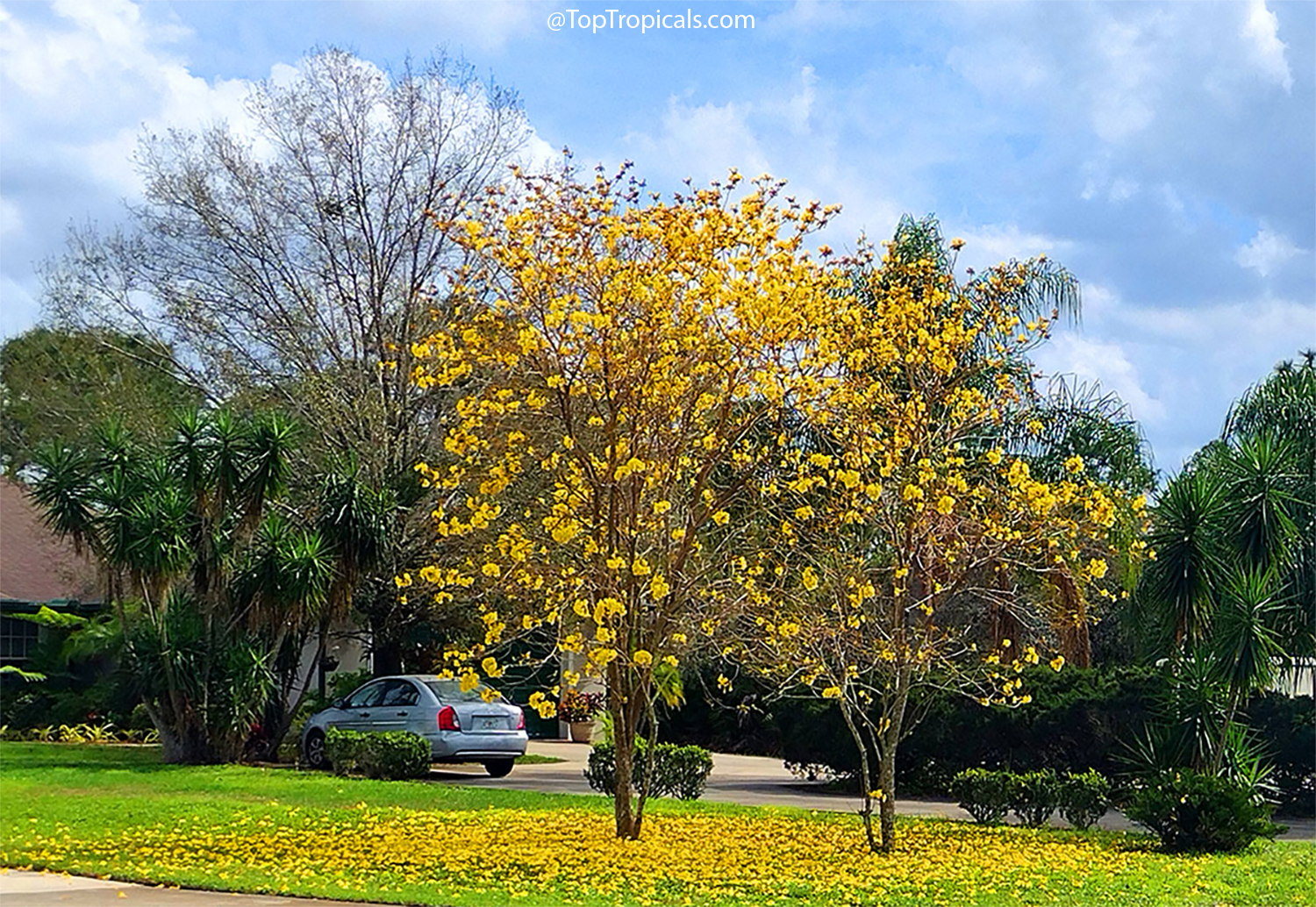
Dwarf Golden Tabebuia puts on one of the most spectacular spring
displays, covering its branches with brilliant golden flowers before the
leaves
emerge. The fallen blooms create a striking yellow carpet beneath the
tree.
This is the Gemini show-off. Quiet for most of the year, then suddenly
covered in golden yellow flowers like it just remembered it has an
announcement
to make.
Dwarf Golden Tabebuia is compact enough for a large container or a sunny
entrance, but it needs strong light to bloom well. Give it sun. Give it
room.
Then step back and let it perform.
Smokey: Seasonal flowering response triggered by
environmental conditions.
Sunshine: Botanical applause.
📚 More from garden blog
🛒 Shop Dwarf
Tabebuia
Miracle Fruit (Synsepalum
dulcificum)
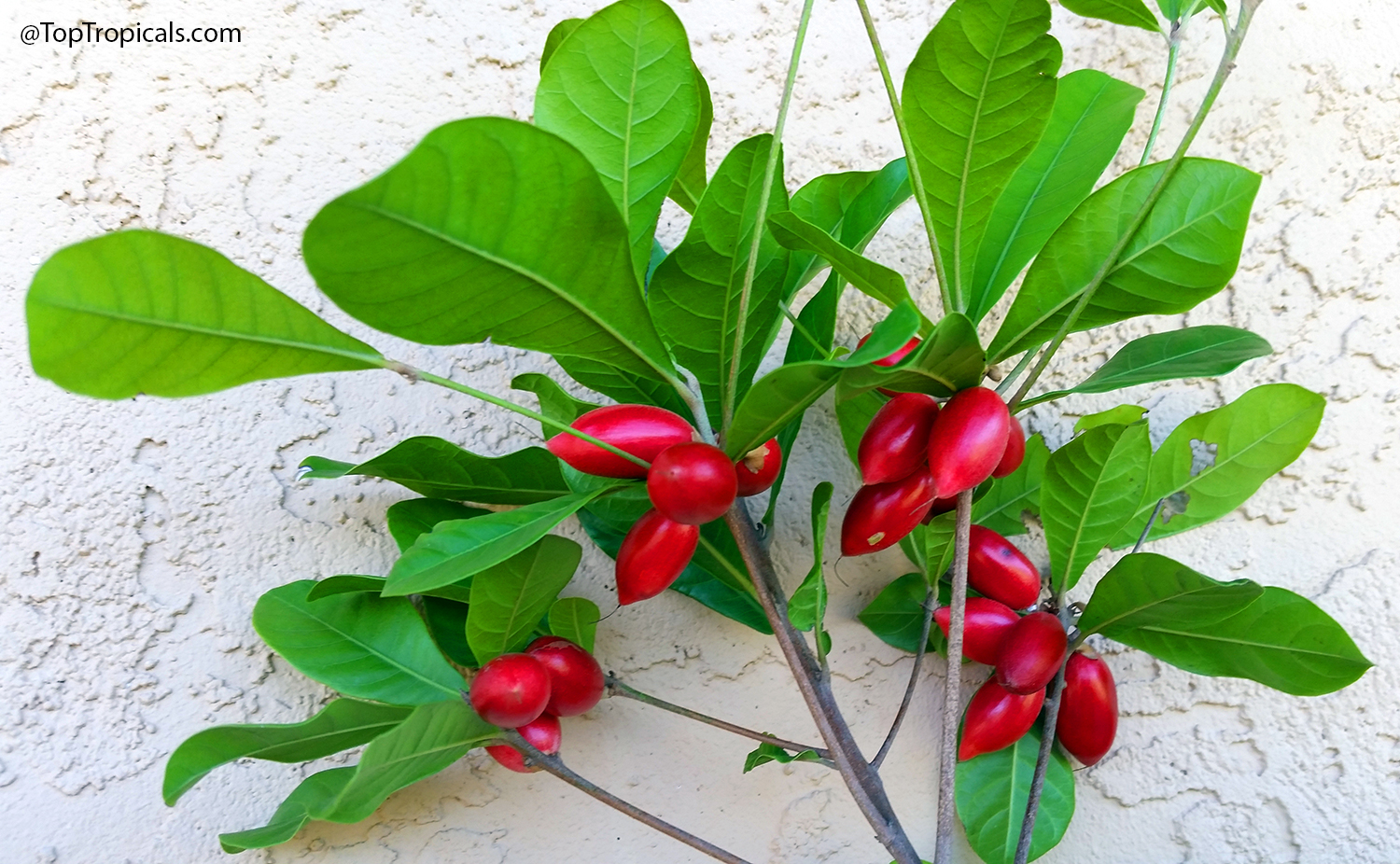
Miracle
Fruit is famous for its unique berries, which contain miraculin - a
natural compound that temporarily makes sour foods taste sweet. The
attractive evergreen shrub produces bright red fruit and is well suited to
containers and small gardens.
Miracle Fruit belongs on this list because it is, without argument, the
most Gemini plant in existence. It does not taste like much on its own. But
eat one berry and everything sour suddenly tastes sweet. Lemons taste like
lemonade. Lime juice tastes like candy. A plain piece of sourdough becomes
something you would pay extra for. The fruit literally changes how you
experience everything that comes after it.
If that is not Gemini energy — dual nature, transformation, making you
see the same thing two completely different ways — nothing is.
Miracle Fruit is a slow grower that likes warmth, humidity, acidic soil,
and protection from cold. It does well in containers, which is good news
because it genuinely hates frost. Keep it in a pot, bring it in when
temperatures drop, and give it filtered light or
morning sun rather than harsh afternoon exposure.
Smokey: The active compound is
miraculin. It binds to taste receptors and distorts sour perception at low
pH. Temporary effect, roughly thirty minutes to an hour.
Sunshine: It's a fruit that lies. Beautifully.
📚 More from garden
blog
🛒 Shop Miracle Fruit
Spanish Tamarind (Wild Medlar,
Vangueria infausta)
Spanish
Tamarind
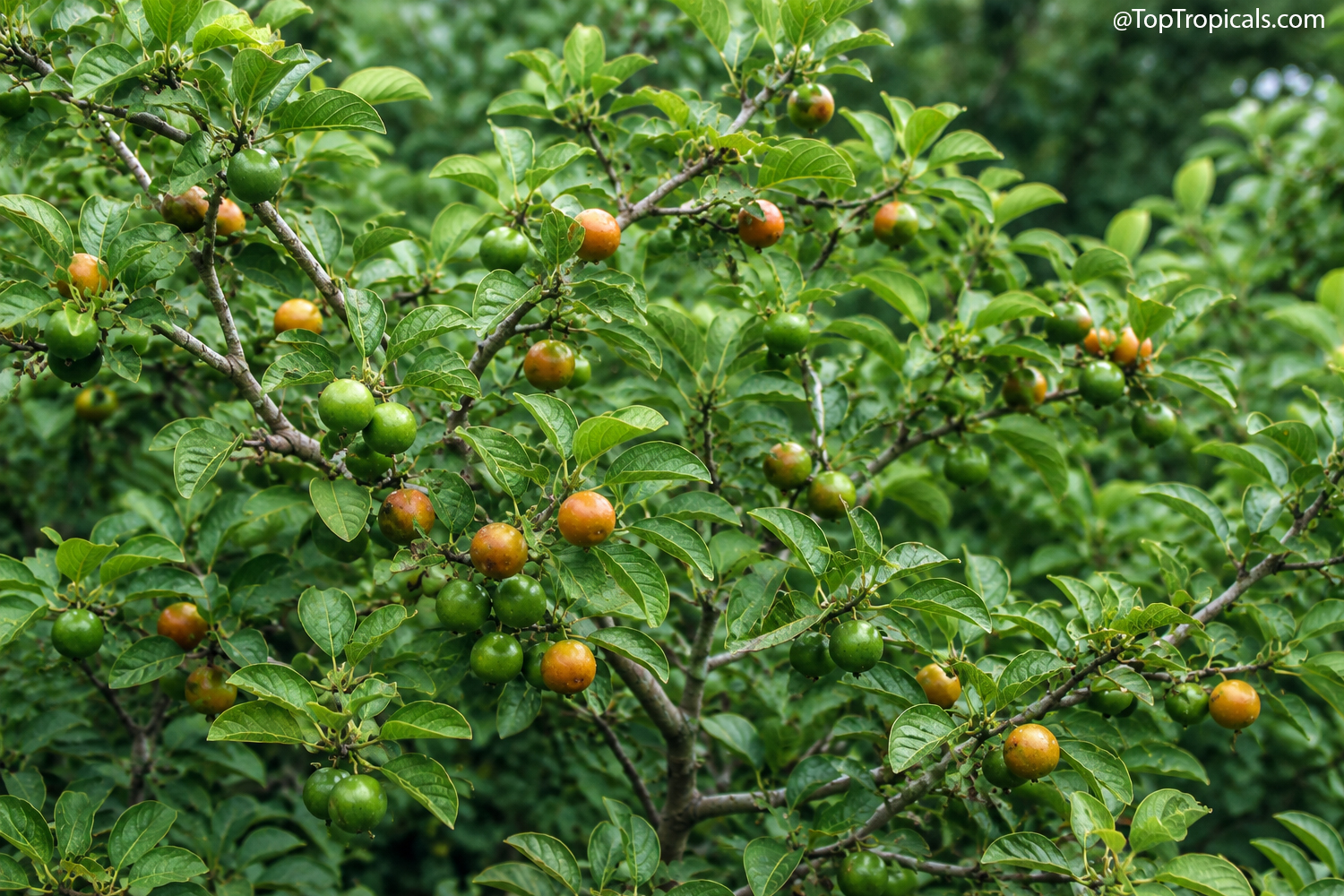
(Vangueria infausta) may be grown for its unusual fruit, but it also brings
beauty to the garden with its lush foliage and heavy crops of ripening
fruit. Green and golden-brown fruits often appear together on the
tree, creating a colorful display.
Spanish Tamarind belongs to Gemini because it is unusual enough to start
a conversation before anyone even knows what it is. The name alone does it.
People will ask. You will explain. The fruit changes color as it ripens, the
plant has collector appeal, and the whole thing feels like something you
found in a book about plants that don't get enough attention.
This one needs warmth, sun, good drainage, and patience. It can live in a
container with pruning. It rewards the gardener who is genuinely
interested in something a little different.
Smokey: Tropical fruiting curiosity.
Suitable for collectors.
Sunshine: Sounds like something I would order at a
restaurant without reading the description.
One of
the traditional uses of
Spanish
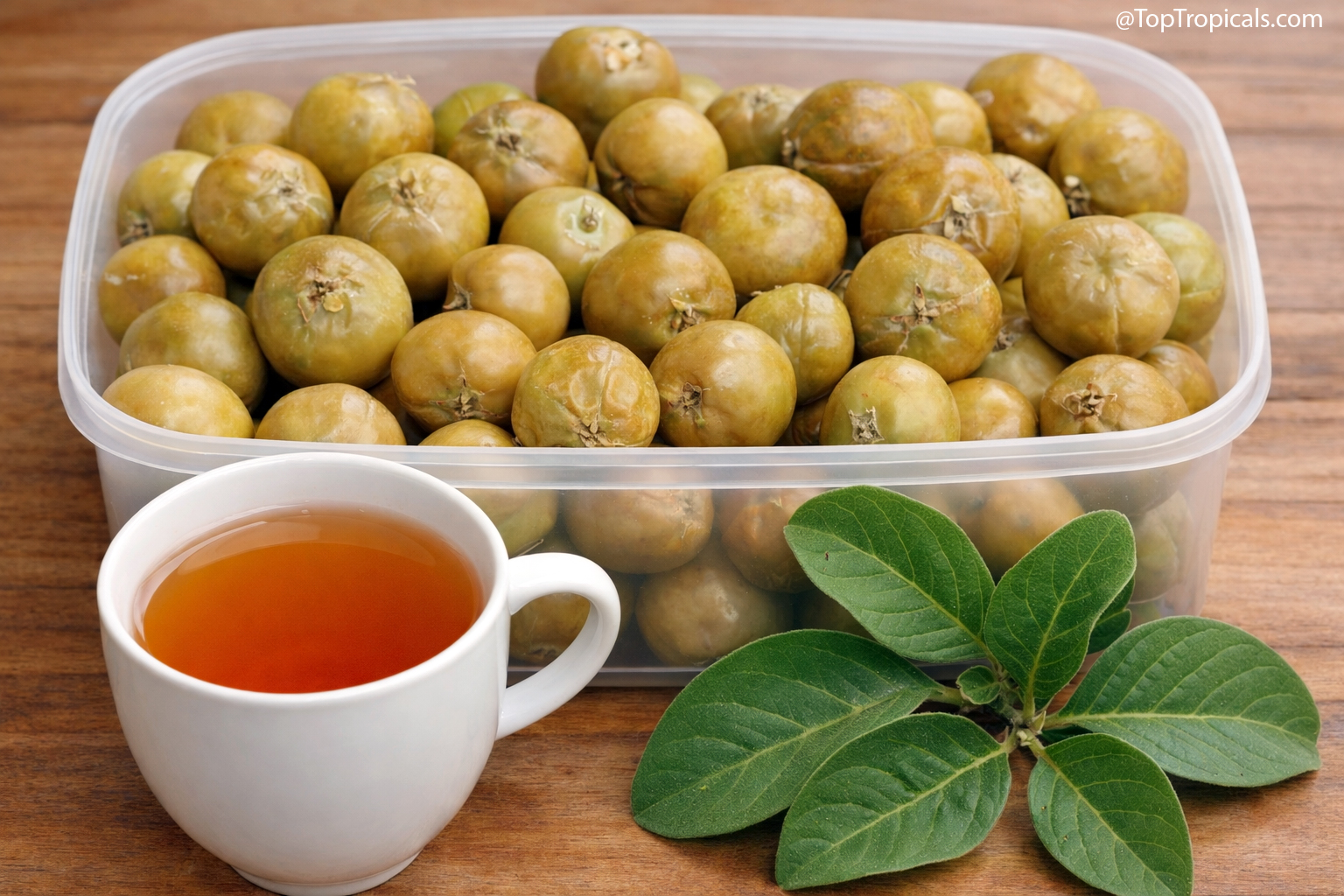
Tamarind (Vangueria infausta) is fruit tea. The ripe fruit can be dried
and steeped to make a mild, refreshing drink rich in natural flavor, while
the soft, velvety leaves have long been used in traditional herbal
infusions.
📚 More from garden blog
🛒 Shop Spanish
Tamarind
Horoscope aside — why these plants are actually worth
growing
Even if Gemini energy has nothing to do with your garden, these plants
offer real value: fruit, fragrance, flowers, container growing, and
something
interesting to look at or talk about.
- Olive — full sun, excellent drainage, don't overwater, thrives in
containers. Tropical varieties: USDA Zone: 8-10. Cold hardy to 15-20°F.
- Dwarf Mulberry — full sun, large pot, prune after fruiting, fast
results. USDA Zone: 8-11. Cold hardy to 20-25°F. Most mulberry
varieties
can be grown in USDA Zone 5-6 to 10 and cold hardy to 5°F.
- Parijat — warmth, good light, patio or container, fragrant and
ornamental. USDA Zone 9-11. Tolerates light freezing to about 30°F for
short periods (mature plants). Young plants must be protected.
- Dwarf Golden Tabebuia — strong sun, large container or sunny
ground spot, compact but dramatic when it blooms. USDA Zone 9-11. Protect
young
plants from frost. Best flowering in full sun.
- Spanish Tamarind — warmth, sun, drainage, patience, collector
interest. USDA Zone 9-11. USDA Zone 10-11, possibly warm Zone 9b in
protected
microclimates. Protect from frost, especially young plants.
- Miracle Fruit — warmth, humidity, acidic soil, filtered light,
protect from frost. Best in containers. USDA Zone 10-11. Cold hardy only to
about 40°F — bring it in well before first frost, not after.
Can you grow them in pots?
Yes. With the standard warning: a pot is not magic. Use a large
container, fast-draining soil, full sun where the plant wants it, regular
feeding
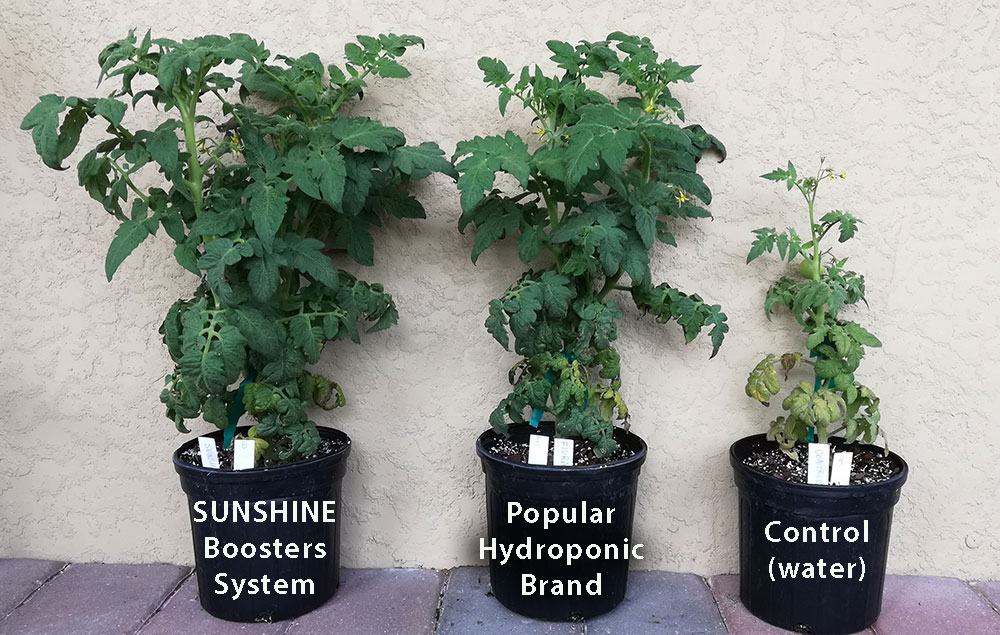
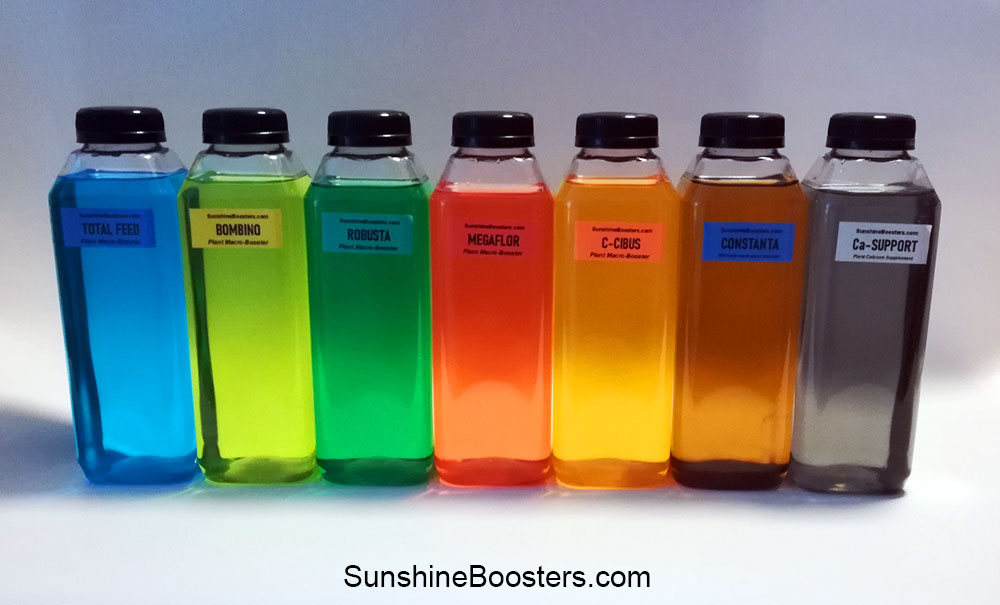
with Green Magic conrolled-release fertilizer every 6 months and Sunshine Boosters - safe to use with every watering. Apply a bit of
pruning when things get out of hand.
Smokey: A pot is just a smaller universe.
Sunshine: A pot is a drainage system with ambitions.
📅June gardening reality check
June is a good time to establish tropical and subtropical plants. The soil
is warm, the days are long, and actively growing plants will take root
faster
than they would in cooler months.
👉 A few things to keep in mind:
🌠 The stars don't care? Grow anyway!
Maybe the stars do not care whether your garden is a Gemini garden. Maybe
olive trees are not receiving transmissions from Mercury. But a garden full
of
fruit, fragrance, flowers, and strange little stories is still a very good
idea.
Smokey: That is the first reasonable conclusion in
this
entire article.
Sunshine: Second. The donut research was also important.
Happy Gemini gardening
season from all of us!
🛒 Shop tropical fruit and flowers
🎤 NEW: Interview With Smokey & Sunshine