Garden Blog - Top Tropicals

Date: 10 Oct 2020

Trimming and treating Adeniums in winter
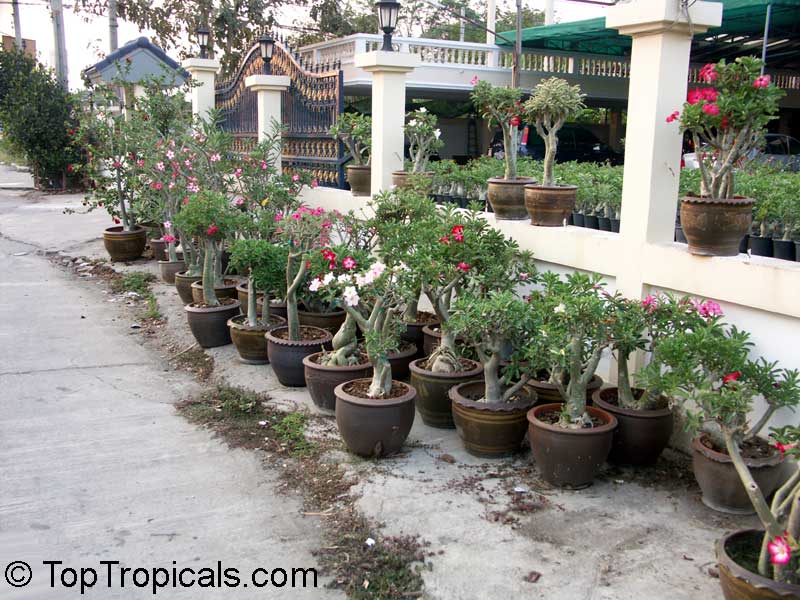
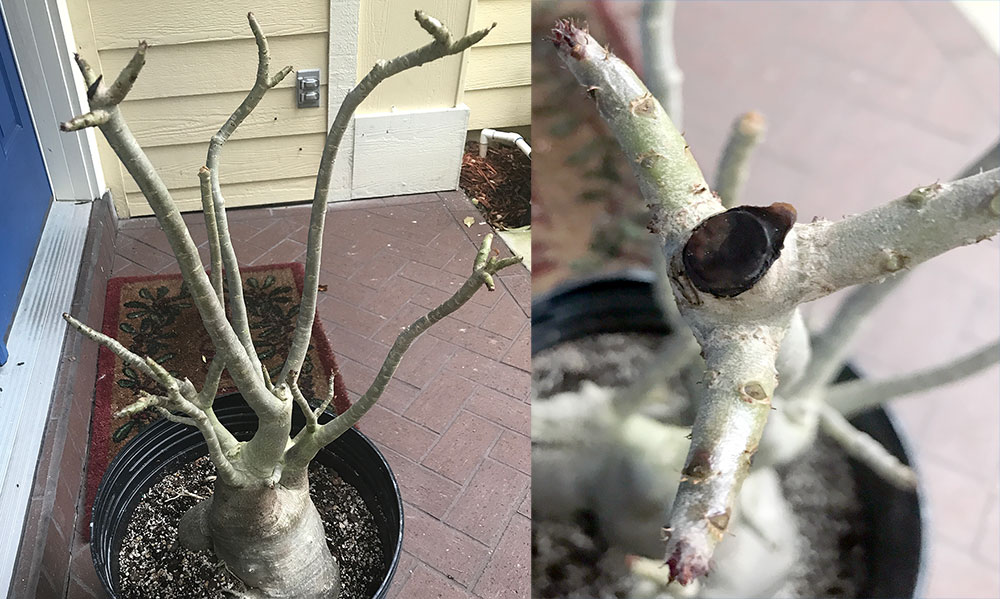
Q: My desert rose below dropped leaves after I replanted it in a bigger pot. I noticed that one of the branches that had been pruned is black at the tip. Please let me know if the section of the branch that turned black needs to be cut. I also wasn't sure how often to water it since the leaves have all dropped. None of the other dessert roses have dropped their leaves but they are all younger plants. Any advice would be much appreciated.

A: Your plant looks healthy and vigorous overall. Dropping leaves after repotting, or shipping, especially at this time of the year, is normal in Adeniums. They are deciduous and stay leafless from Fall to Spring. Some individual specimens can go into dormancy sooner than others - all depends on conditions: temperature, light, exposure, etc. and individual plant's "clock".
The black spot on the cut branch may be a sign of a fungus as a result of excess water. You may carefully clean/rub it with a paper tower dipped in Hydrogen Peroxide (pharmacy grade). Then rinse with fresh water.
Keep the plant warm and in a dry spot. Once leaves are dropped, it doesn't need much water. Once a week watering is enough.
Date: 4 Oct 2020

New video: Ground orchids.
All-summer colors for shady gardens

WATCH NEW VIDEO

Did you know orchids can be grown in the ground?
Orchids have a mystique that seems to set them apart from most other flowers... they are elegant and almost unreal in their perfection... The symmetry of the flowers has led to the orchid being a symbol of a perfect beauty.
But not every gardener has luck growing traditional orchids. Some complain about their special maintenance: "Mount them on a tree, do not overwater... and all that hassle just for once-a-year flower?" Sounds familiar?
Terrestrial orchids (a.k.a. ground orchids) grow in regular garden soil instead of in the air on tree branches. And they bloom almost year round!...

Ground orchids are available from our store.

Stay updated with TopTropicals Videos by subscribing to our channel at YouTube.com/TopTropicals and get our latest video news of what is fruiting and blooming!

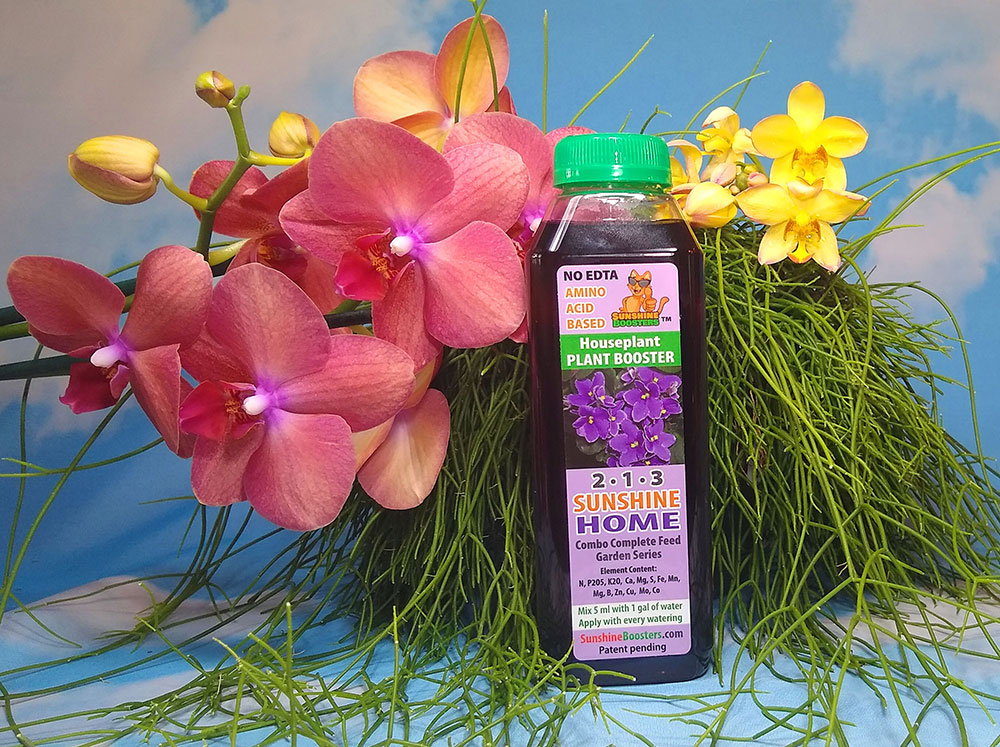
Remember to get plant food for your orchids and Ground orchids!
In the photo: Sunshine-Home, plant booster for tender house plants and orchids.

Date: 30 Aug 2020

Memory Garden: Do It Yourself Paradise

A true moment of peace, calm, and gratitude...

by Frank La Rosa, Del Mar, CA

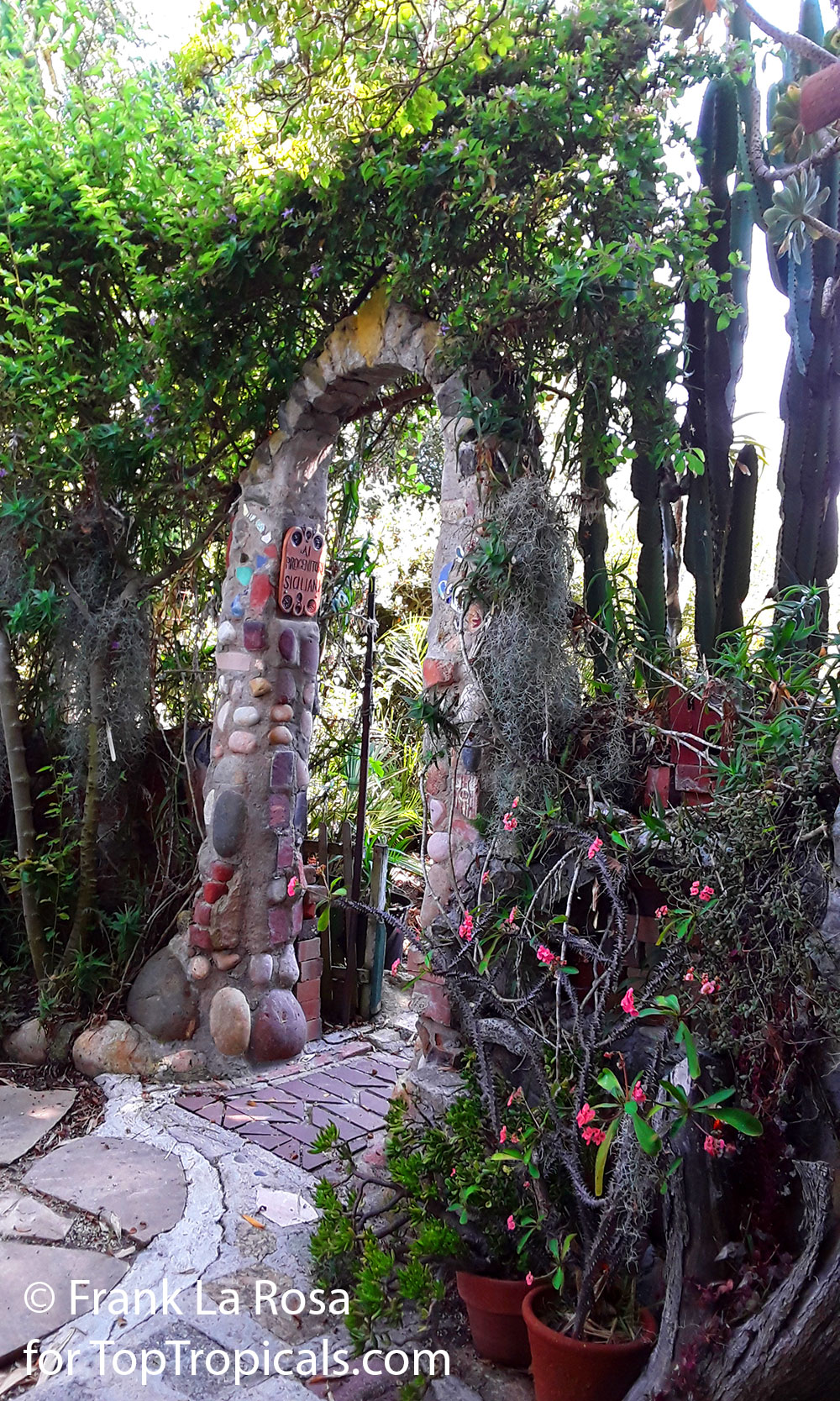
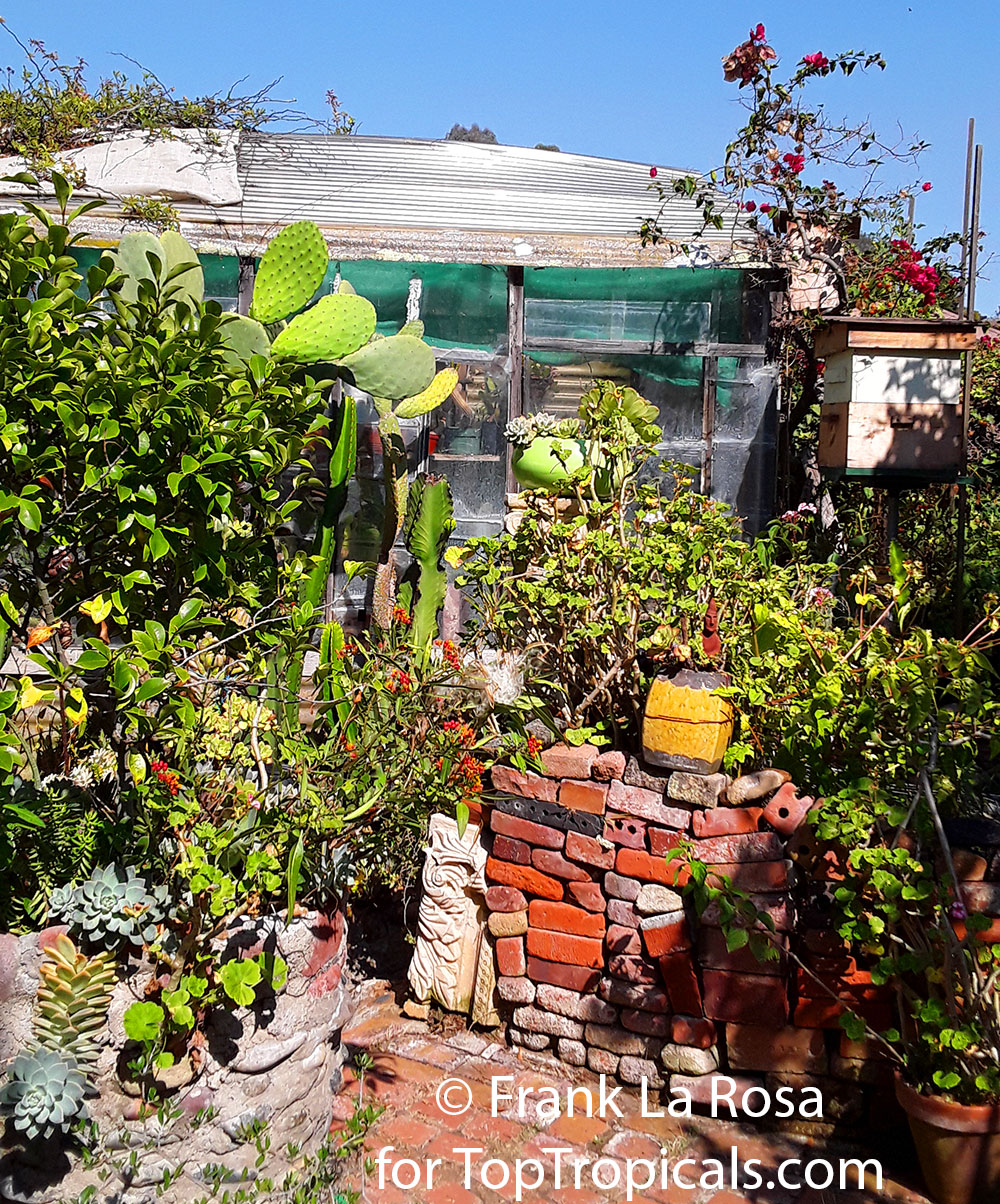
...I term my garden one of memories because almost every plant in it have been given to me by some person that I cared for. The Sicilian jasmin came from a nice lady who brought it from Sicilia in her purse, and she in turn gave me a cutting from which I have propagated three more plants. The Mermaid rose came from my father-in-law a rosarian, who "bootlegged" it, actually (in his boot) in the trunk of his car as he drove from Texas where he lived. Today that rose reaches up up the second story and covers the arch out front...
I have made four stone arches in this Memory garden. One is the entrance to the Chapel of All Good Spirits. It took me two years to build it from stones I collected from many loved places...

CONTINUE READING >>

Date: 20 Aug 2020

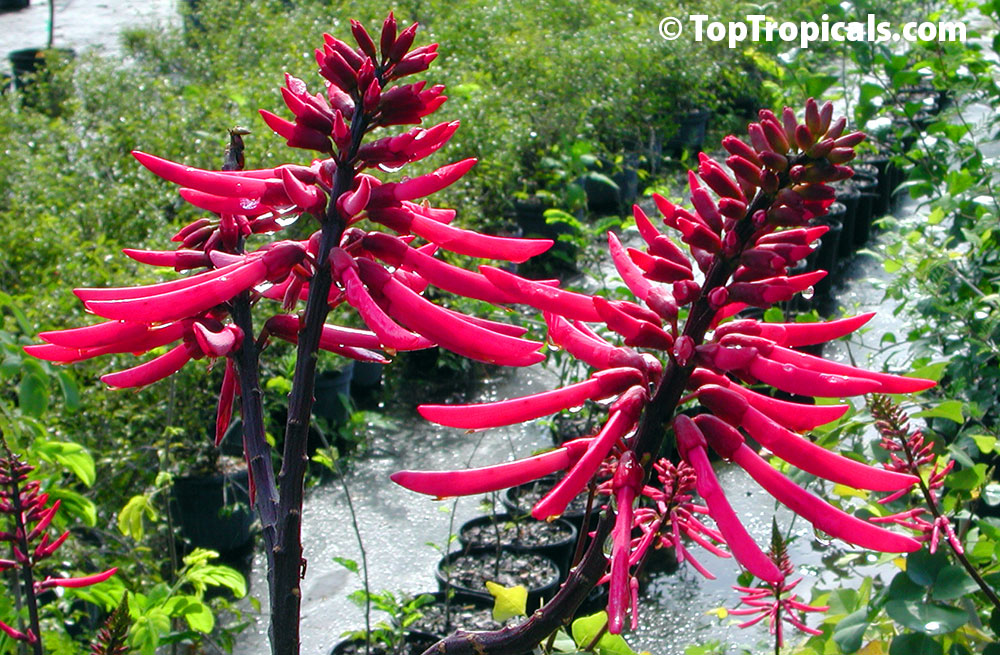
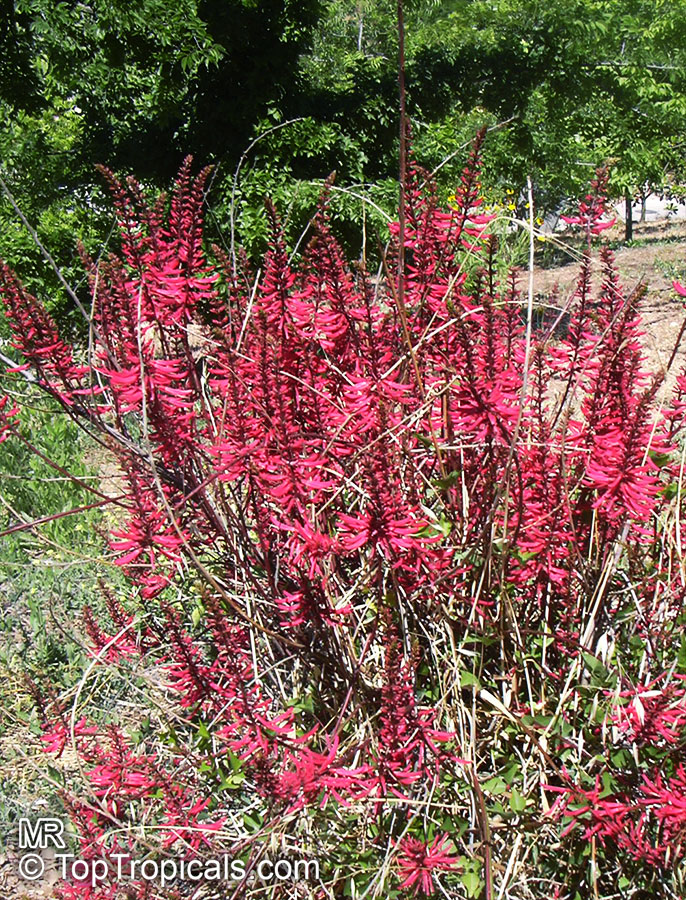
Coral Bean - Hummingbird Delight

Erythrina herbacea

by Onika Amell, tropical plant expert

Q: I am creating a natural, native garden on the southwest coast of Florida. In some of the far corners of my landscape, my soil unfortunately is poor and my irrigation does not reach these areas. I am hoping to find something unusual and native to grow in these challenging areas of my garden. Any luck of finding something tough that will also attract hummingbirds and/or butterflies?

A: Most of us have these areas in our gardens where the soil is sandy or where irrigation simply does not reach. It is always wise to choose tough, native plants that will grow in these areas with minimum care, fertilizer or the luxury of being watered regularly.

One plant to consider is the Coral bean or Erythrina herbacea. This legume, native to the southern portions of the United States, is Florida-friendly, unusual and a great choice for natural and informal planting. It will add interest to these challenging area(s) of your landscape from spring to fall...

CONTINUE READING >>

Date: 13 Aug 2020

An unknown Florida native Swamp Lily?

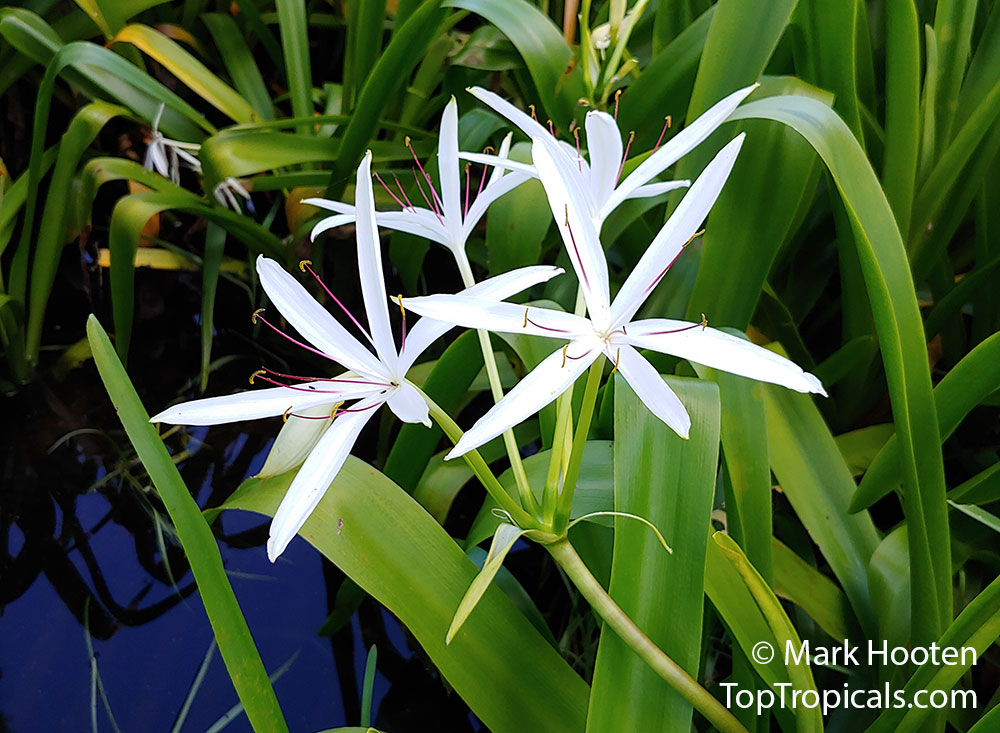
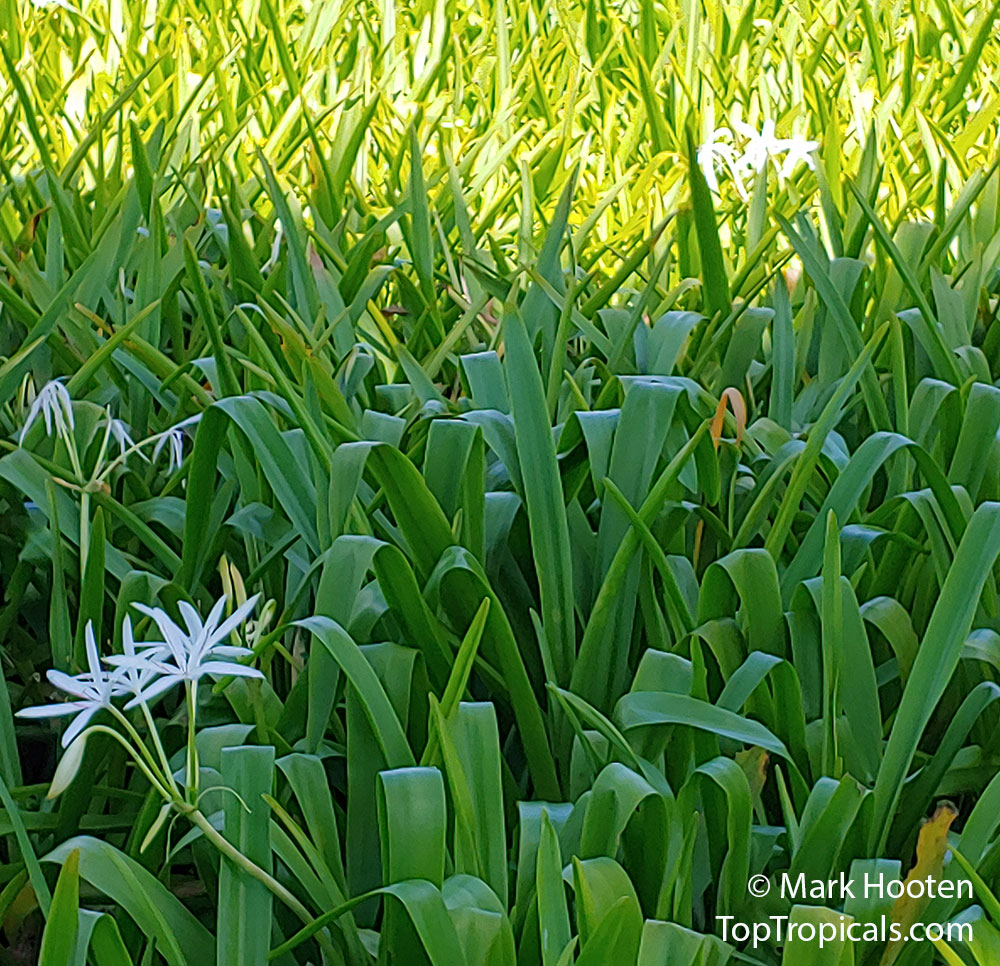
Crinum americanum Punta Rassa Giant

by Mark Hooten, the Garden Doc

This unknown Florida native form of Crinum americanum might actually represent an unpublished species! We have a few of these, they are very special and now nearly 2 years old plants.
This most beautiful and fragrant of Florida's native lilies, most commonly known simply as "Swamp Lily", has a very wide native range, extending from the Everglades northward across all of the Gulf states. While being wide-spread in distribution, natural colonies generally occur widely separated from one another, often by miles. Because isolation of breeding populations often leads to speciation due to intense in-breeding, many of these populations develop traits which make them distinct...

CONTINUE READING >>