Garden Blog - Top Tropicals

Date: 16 Mar 2026

🌞 Spring Nutrition Strategy: How to Identify and Fix Plant Nutrient Starvation

Smokey  the  tuxedo  cat  holding  a  golden  mango  trophy  next  to  a  giant  mango  while  Sunshine  the  ginger  cat  relaxes  with  coffee  and  donuts  in  a  tropical  garden  contest  scene
Sunshine: Smokey, I knew from the start you would win. You used Sunshine Boosters and Green Magic. They are named after me, so I had insider knowledge. But my organic program is still good.

Smokey: Yes, it is good. However, it managed to grow your waistline, not the mango. Starting tomorrow, you begin exercising.

Sunshine: Exercising? Like running?

Smokey: No. Pulling weeds.

Read more about Smokey & Sunshine

🌱 The Spring Fertilizer Rush

It's the middle of March. The weather warms up, plants wake up, and gardeners rush to Home Depot to buy fertilizer. We see this every spring: one big feeding, then weeks or months of nothing.

Tatiana Anderson, horticultural expert from Top Tropicals, reminds gardeners that plants do not eat that way. They grow best when nutrients arrive little by little, not in one giant spring dump. That idea is the science behind Green Magic controlled-release fertilizer usage.

🎢 The Fertilizer Roller Coaster

After that big spring feeding, plants usually respond quickly. Leaves turn greener, growth speeds up, everything looks great. But a few weeks later something strange happens. Growth slows down. Leaves lose color. The plant looks hungry again. So gardeners fertilize again.

This cycle of nutrient spikes followed by starvation is very common with traditional fertilizers. Plants do not like roller coasters. They grow best with steady nutrition.

🚽 Where Traditional Fertilizers Go

Traditional fertilizers are usually made from soluble nutrient salts. When you water the soil or when it rains, part of those nutrients dissolve and become available to plants.

But plants cannot absorb everything at once. The unused portion continues moving with water through the soil. In gardens and container plantings, that excess often travels through drainage and eventually reaches nearby canals, lakes, or rivers causing algae growth.

These dissolved salts are also the reason gardeners sometimes see what is called "fertilizer burn". When too many salts accumulate around the roots, they can pull water out of plant tissues and damage sensitive roots and leaf edges.

It is also important to understand that traditional fertilizers are not the same as slow-release fertilizers. Traditional fertilizers dissolve quickly, while slow or controlled-release fertilizers are designed to release nutrients gradually over time.

This is why large fertilizer applications often lead to two problems: a short nutrient spike for plants and nutrient pollution.

⏳ The Idea Behind Slow Release

Gardeners and scientists recognized this problem a long time ago. If nutrients dissolve too quickly, plants receive a spike and the rest is washed away before roots can use it. The obvious solution was to slow things down. Instead of dumping nutrients all at once, slow-release fertilizers were developed to feed plants gradually over time.

The goal is simple: keep nutrients in the soil longer and deliver them to plants little by little, closer to the way plants actually grow.

⚖️ Slow Release vs Controlled Release

Not all gradual fertilizers work the same way. There is an important difference between slow-release and controlled-release fertilizers.

Slow-release fertilizers rely on natural processes such as moisture, temperature changes, soil microbes, or simple coatings that slowly break down. The release rate can vary depending on weather, soil conditions, and watering.

Controlled-release fertilizers use engineered coatings that regulate how nutrients leave the fertilizer granule. The coating acts like a membrane, allowing nutrients to move out gradually in a more predictable way.

In simple terms, slow-release fertilizers slow things down, while controlled-release fertilizers are designed to control how nutrients are delivered over time.
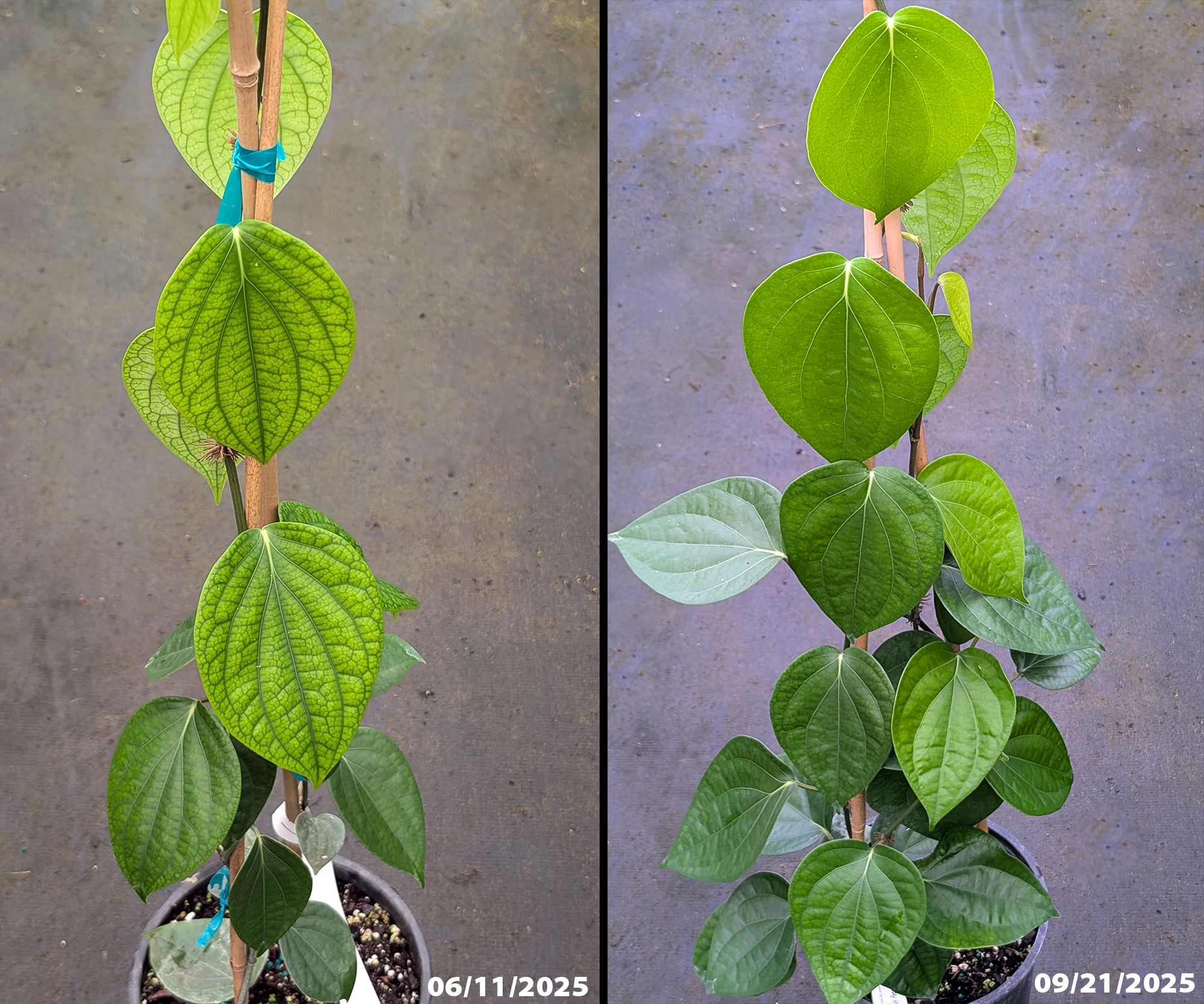
Black  Pepper  plant  (Piper  nigrum)  showing  nutrient  deficiency  before 
 treatment  and  healthy  green  leaves  after  correction  using  Green  Magic 
 fertilizer.

Black Pepper (Piper nigrum): nutrient deficiency corrected with Green Magic fertilizer.

🌡️ The 75°F Trap

Most controlled or slow-release fertilizers are tested under laboratory conditions where soil temperature is around 75°F. But in real gardens, especially in warm climates, soil temperatures can be much higher. Container soil in full sun can easily reach 90°F or more. Higher temperature speeds up chemical and biological processes, including nutrient release from fertilizer coatings.

As a result, a fertilizer labeled 6-month release at 75°F may actually finish releasing nutrients in about 3 months in hot soil. That means plants receive nutrients too quickly early in the season and then may run short of food later, right when growth is strongest.

At 90°F and above, the issue is not only faster feeding. The fertilizer coating can release nutrients so quickly that the soil solution becomes highly concentrated with dissolved salts. In containers especially, this sudden surge of salts can pull water away from the roots through osmotic pressure, effectively dehydrating the roots at the exact moment when the plant needs water most. Instead of steady nutrition, the plant experiences a brief nutrient spike followed by stress.

⚙️ Why Release Mechanisms Matter

Different fertilizers use different coating technologies. Some rely on simple coatings that release nutrients mainly in response to moisture. When it rains or the soil stays wet, nutrients are released faster. When the soil dries, release slows down. This moisture-driven mechanism can be unpredictable because it depends heavily on rainfall and watering patterns.

More advanced fertilizers use membranes designed to regulate nutrient movement based primarily on temperature. Because plant metabolism is closely tied to temperature, this creates a much more scientific and predictable feeding process. As temperatures rise and plants grow faster, nutrients are released more actively. When temperatures drop and plant activity slows, the release rate also slows.

This scientific, temperature-based mechanism helps deliver nutrients gradually and predictably, reducing the large spikes and sudden shortages that often occur with simpler fertilizer coatings.

Controlled Release Technology

Modern controlled-release fertilizers use polymer coatings that act like a thin membrane around each granule. Water enters the granule, nutrients dissolve inside, and then slowly move through the coating into the soil.

The speed of this process is influenced mainly by soil temperature, which generally follows the plant's natural growth rate.

Polyon coating technology is known for its very consistent polymer layer, which helps deliver nutrients more evenly from granule to granule. This consistency is one reason controlled-release fertilizers are widely used in professional nurseries and container plant production.

Green Magic fertilizer uses advanced Polyon controlled-release technology to provide steady background nutrition for plants without the large nutrient spikes common with traditional fertilizers.

⚠️ The Calcium Gap

One nutrient that is often missing from many controlled-release fertilizers is Calcium. Calcium is essential for plant cell structure. It strengthens cell walls and supports healthy development of new leaves, roots, and fruit. In many ways, its role is similar to how calcium supports bone structure in the human body.

Unlike many other nutrients, Calcium is not mobile inside plants. The plant cannot move it from older leaves to support new growth. This is why calcium deficiency usually appears first in the newest leaves and growing tips. When plants lack calcium, new growth may become distorted, weak, or fail to develop properly because the cells cannot form strong walls.

Another important detail is that Calcium is not mobile inside plants. Once it becomes part of plant tissue it cannot move to new growth, which is why fresh leaves are the first to show deficiency symptoms.

No matter how much NPK fertilizer is added, plants cannot grow properly without enough Calcium because new cells simply cannot build their structure.

Calcium is difficult to include inside polymer-coated fertilizer granules because many calcium salts are highly soluble and can interfere with the stability of the coating.

For this reason most controlled-release fertilizers focus on delivering nitrogen, phosphorus, and potassium, while assuming that Calcium will come from irrigation water or soil amendments such as gypsum.

Garden advice often recommends bone meal as a Calcium source. While bone meal does contain Calcium, it releases very slowly and depends on soil biology and acidity, so it may take months before plants can actually use it. A more reliable Calcium source for many growers is gypsum, which supplies Calcium. However, adding it to container mixes is risky because the correct amount is difficult to control.

The most reliable way to supply Calcium is simple: use Sunshine Boosters. These liquid fertilizers deliver readily available Calcium directly to plants in soil and in containers, supporting strong new growth and preventing the hidden deficiencies that often limit plant development. We explained this approach in detail in our previous newsletter.

The Two-Layer Feeding System

Professional growers rarely rely on a single fertilizer. The most stable approach is combining controlled-release nutrition with targeted liquid feeding.

Green Magic provides steady background nutrition through Polyon controlled-release technology, supplying nitrogen, phosphorus, potassium, and essential microelements gradually over time.

Sunshine Boosters complement this base feeding by delivering Calcium and additional micronutrients in a form plants can absorb quickly when growth is most active.

Together they create a balanced system: Green Magic feeds plants continuously, while Sunshine Boosters provide the nutrients that controlled-release fertilizers cannot easily deliver.

Green Magic builds the foundation, Sunshine Boosters power the growth.
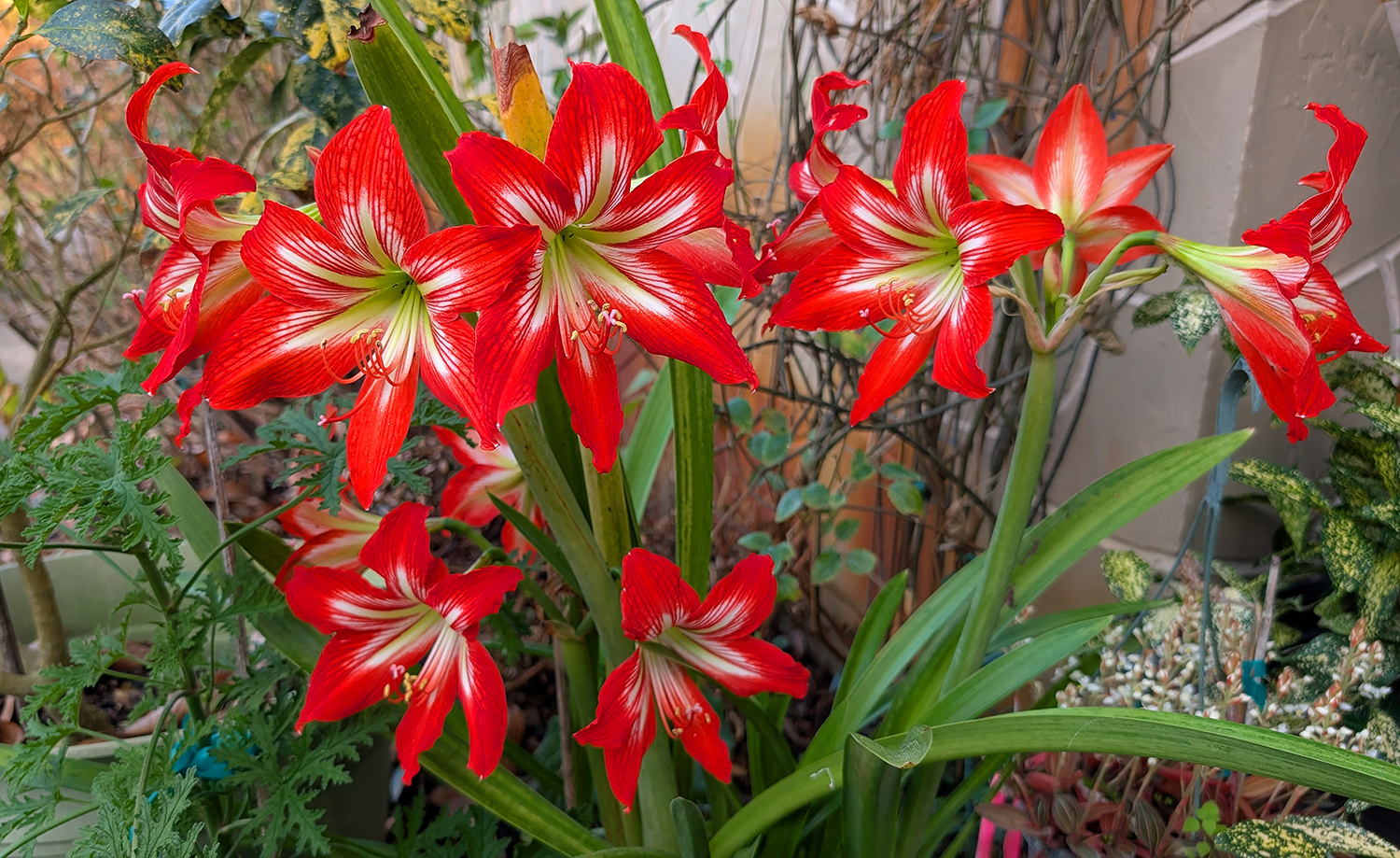
Amaryllis  'Minerva'  producing  multiple  bright  red  and  white  striped 
 flowers  after  feeding  with  Green  Magic  and  Sunshine  Megaflor  bloom  booster.

Amaryllis 'Minerva' flowering profusely after feeding with Green Magic and SUNSHINE Megaflor bloom booster.

🛒 Feed your plants

Date: 20 Feb 2026

Top Ten Flowering Tree Winners of Florida 2026 Record Freeze

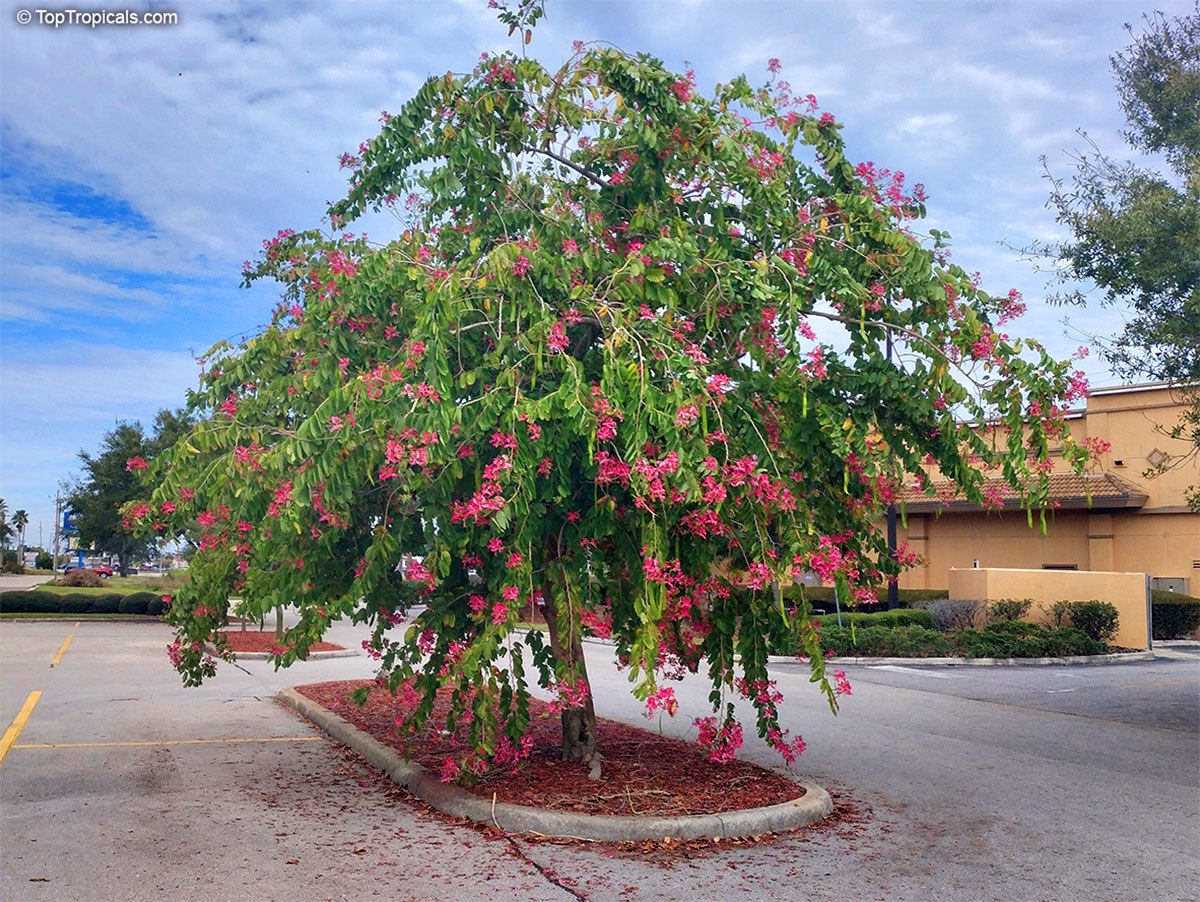
Bauhinia Orchid Tree

Bauhinia Orchid Tree

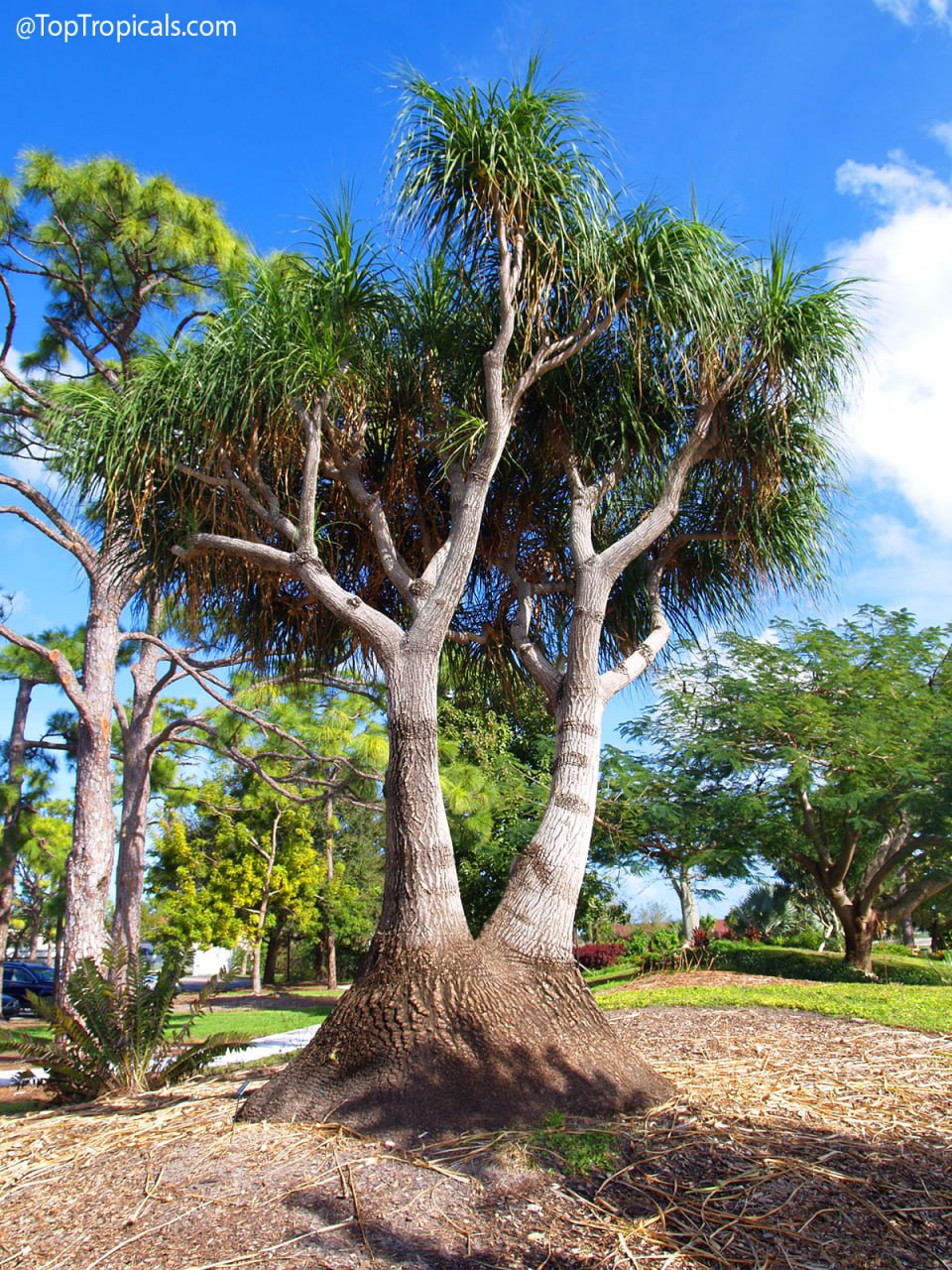
Beaucarnea recurvata - Pony Tail

Beaucarnea recurvata - Pony Tail

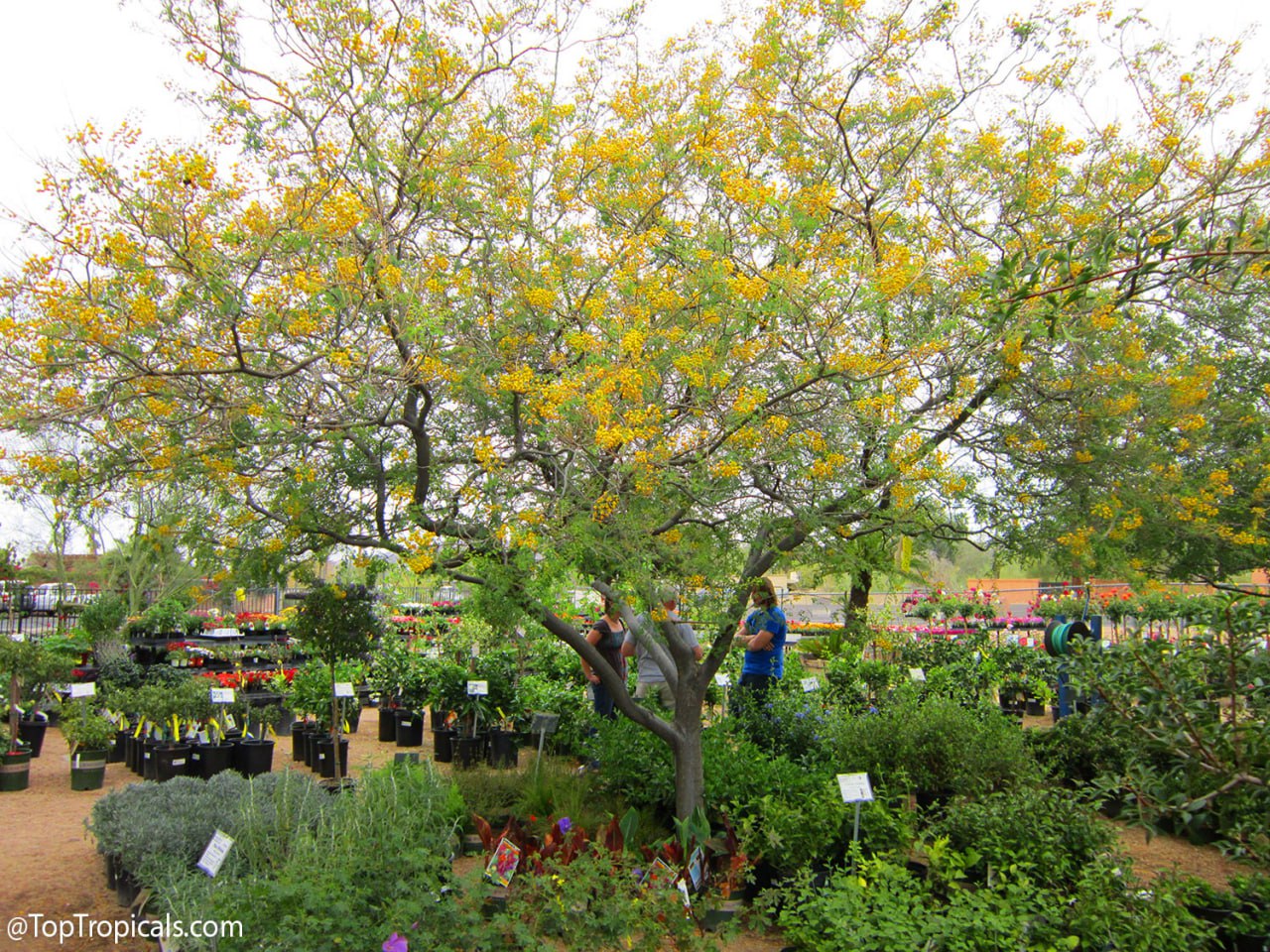
Caesalpinia mexicana, Mexican Bird of Paradise

Caesalpinia mexicana, Mexican Bird of Paradise

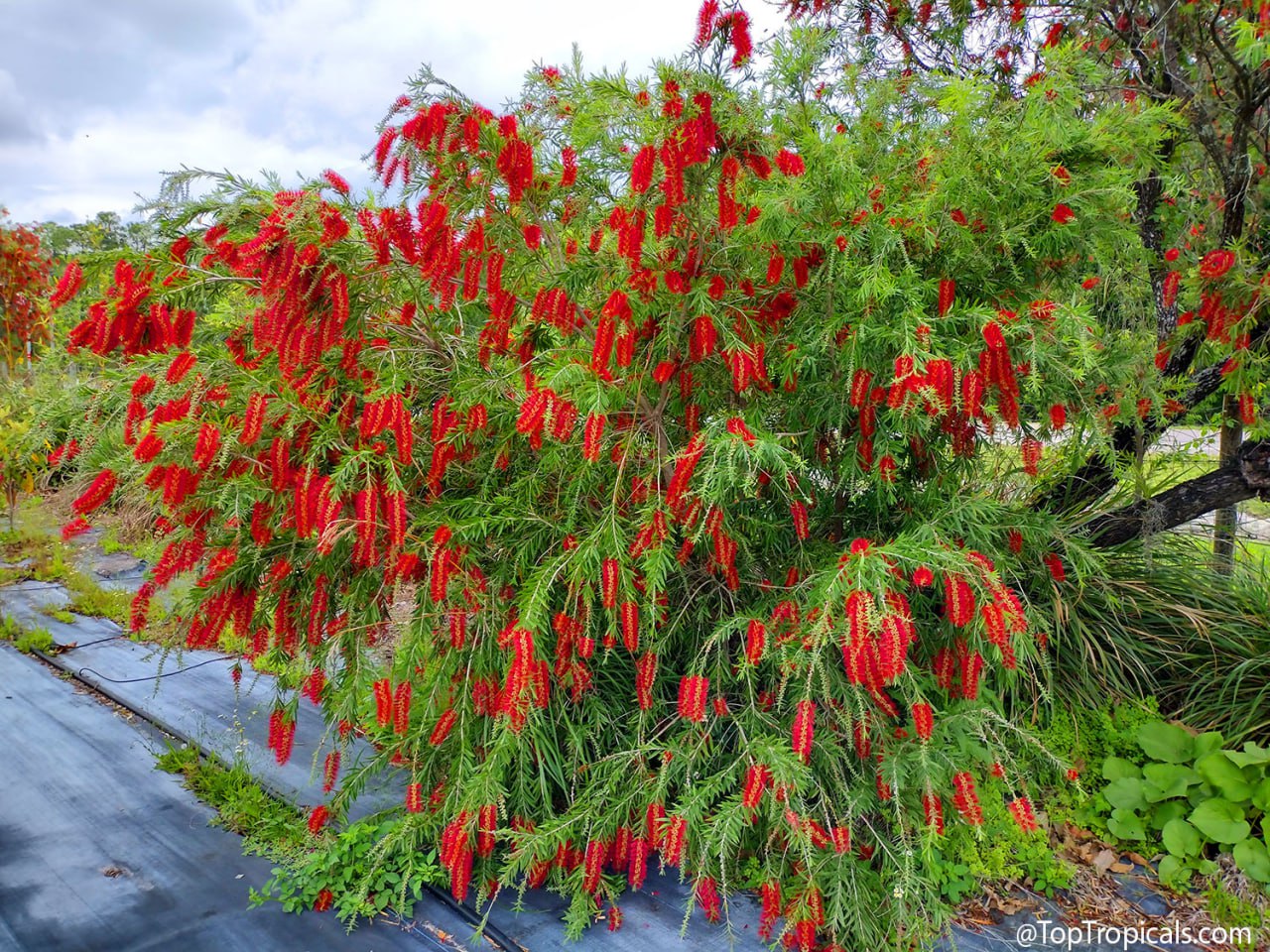
Callistemon - Bottlebrush

Callistemon - Bottlebrush

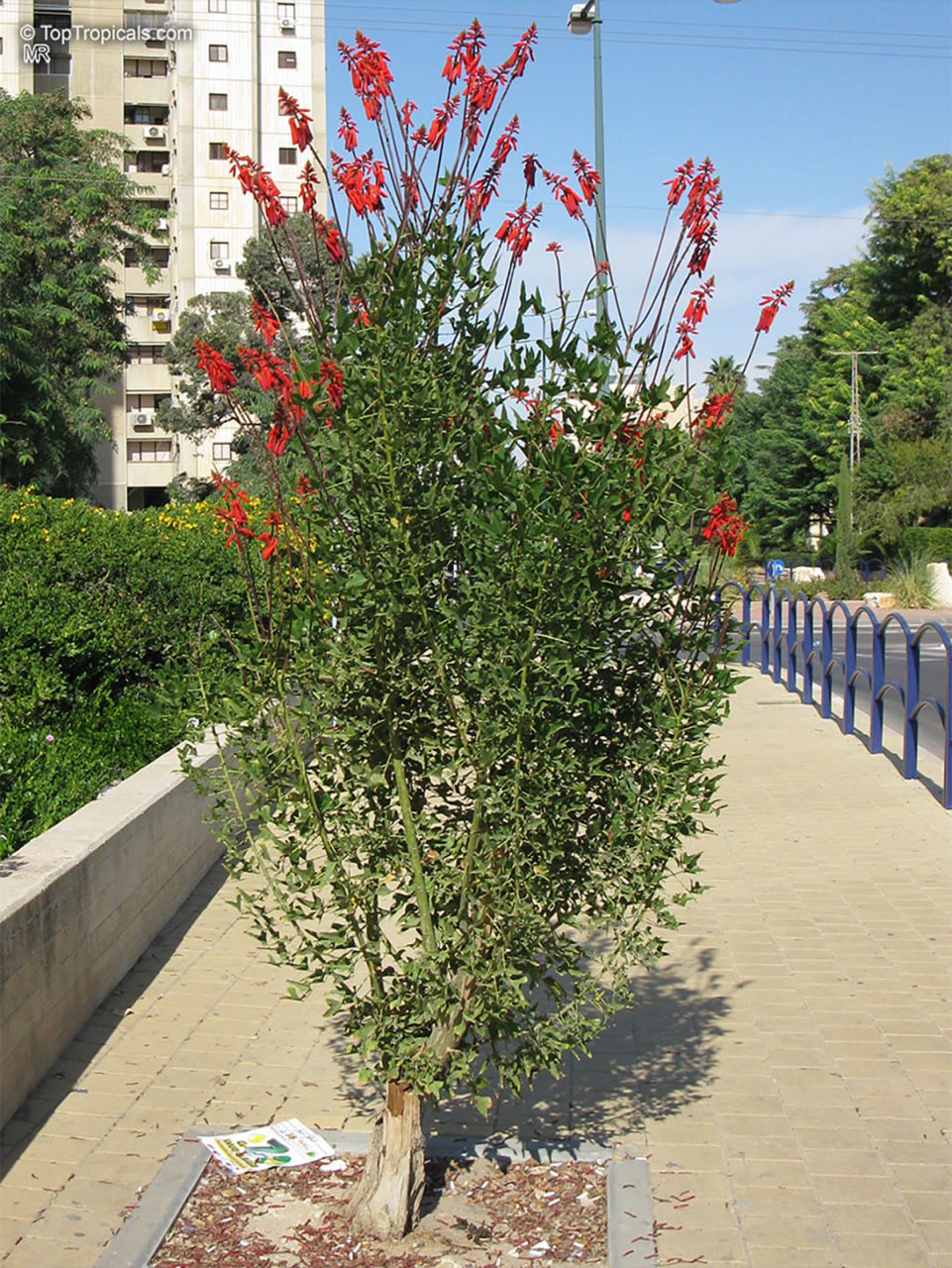
Erythrina

Erythrina

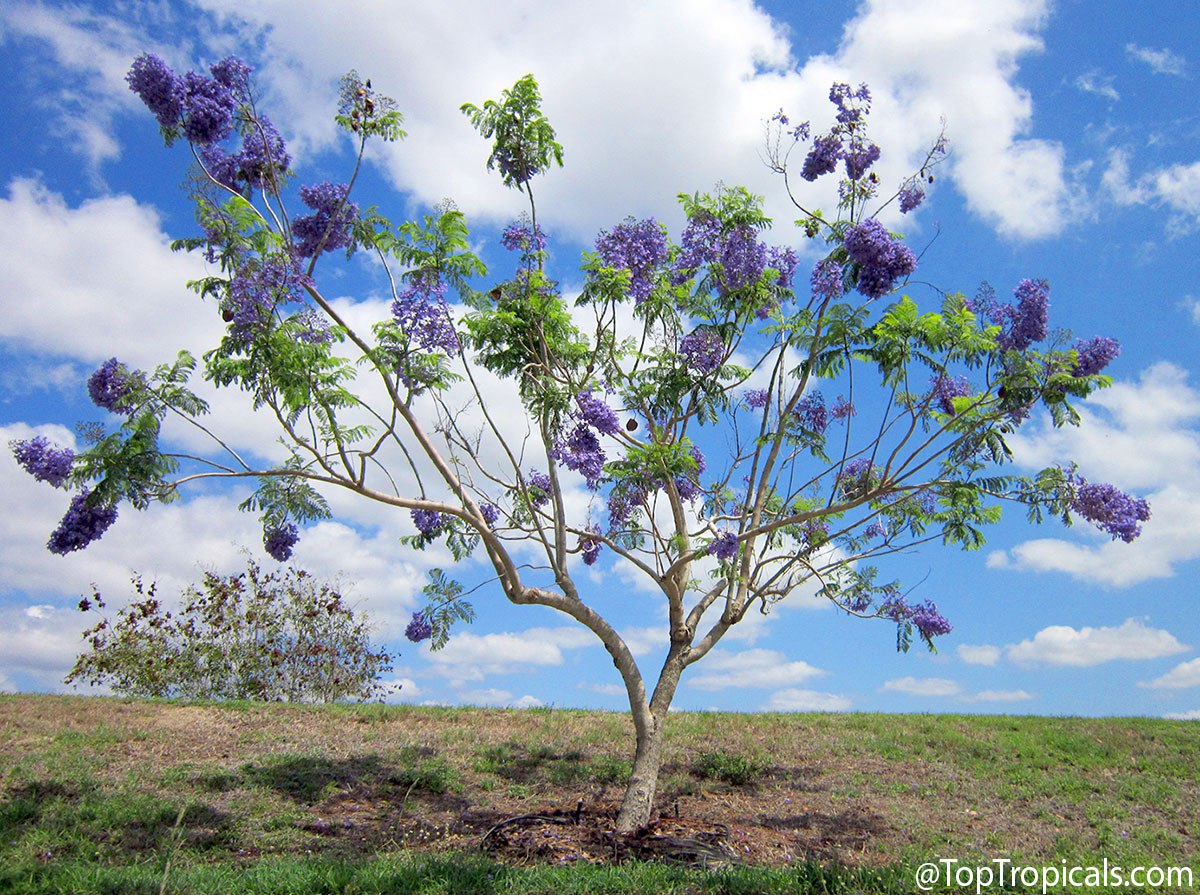
Jacaranda tree

Jacaranda tree

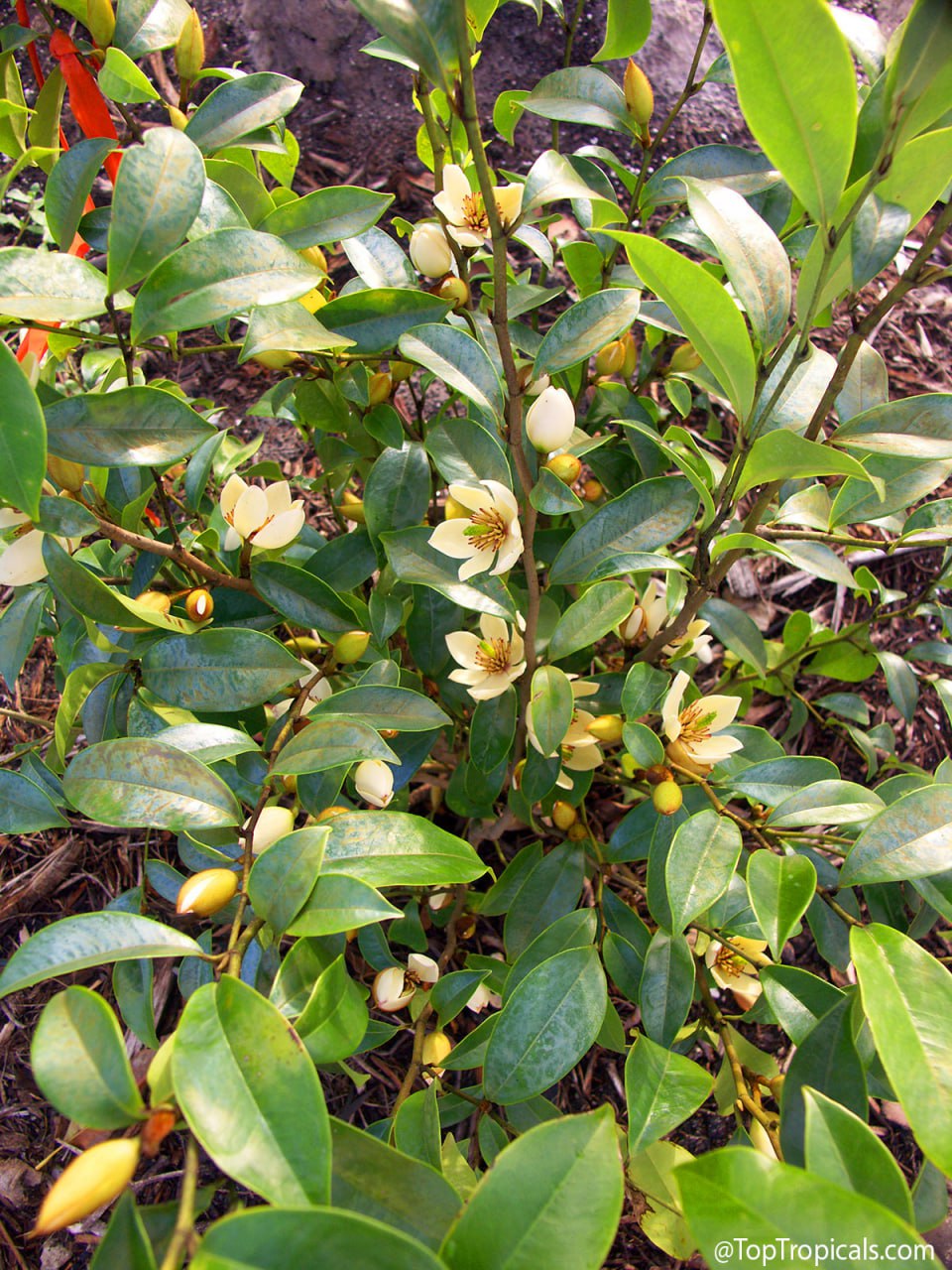
Magnolia figo

Magnolia figo

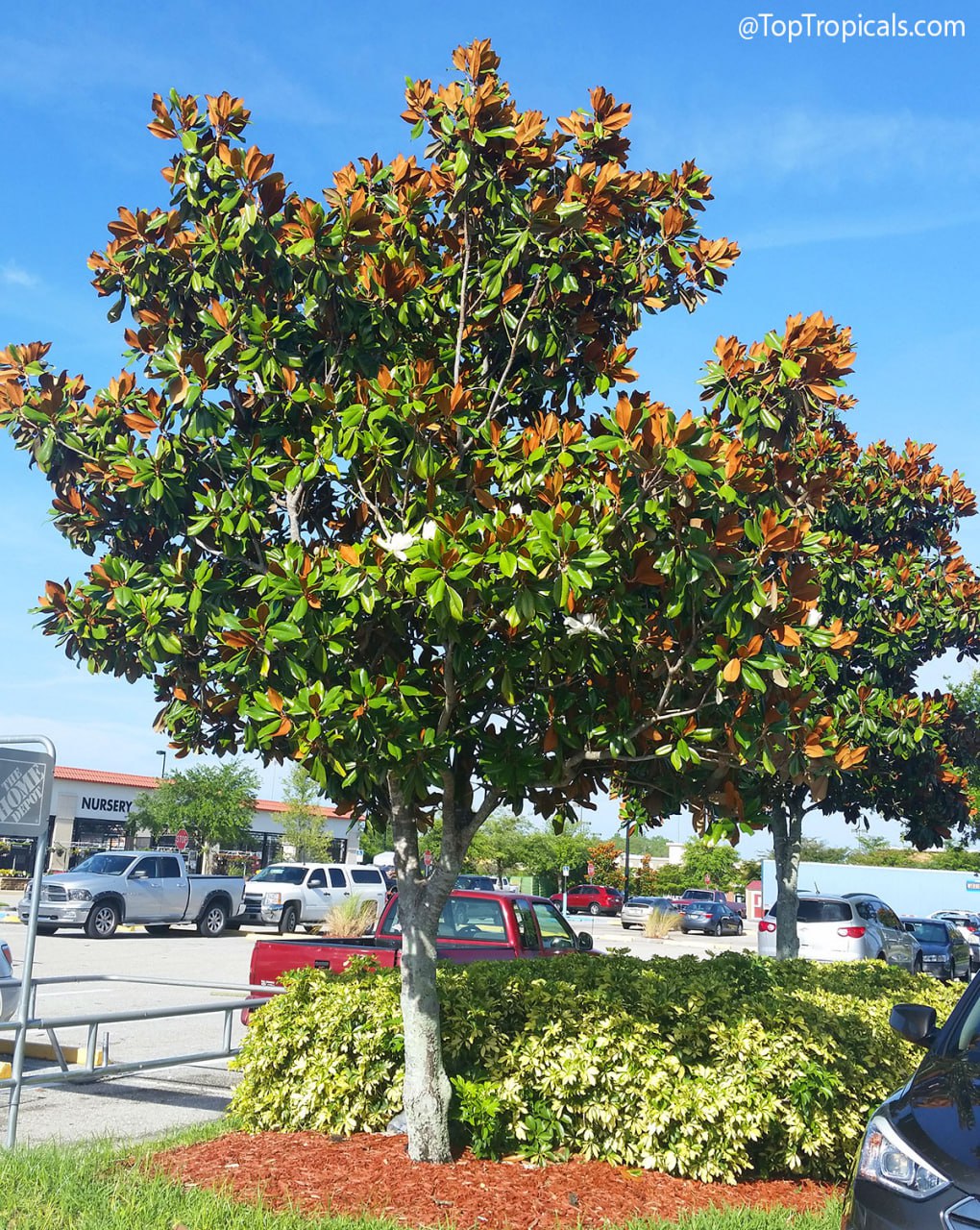
Magnolia Little Gem

Magnolia Little Gem

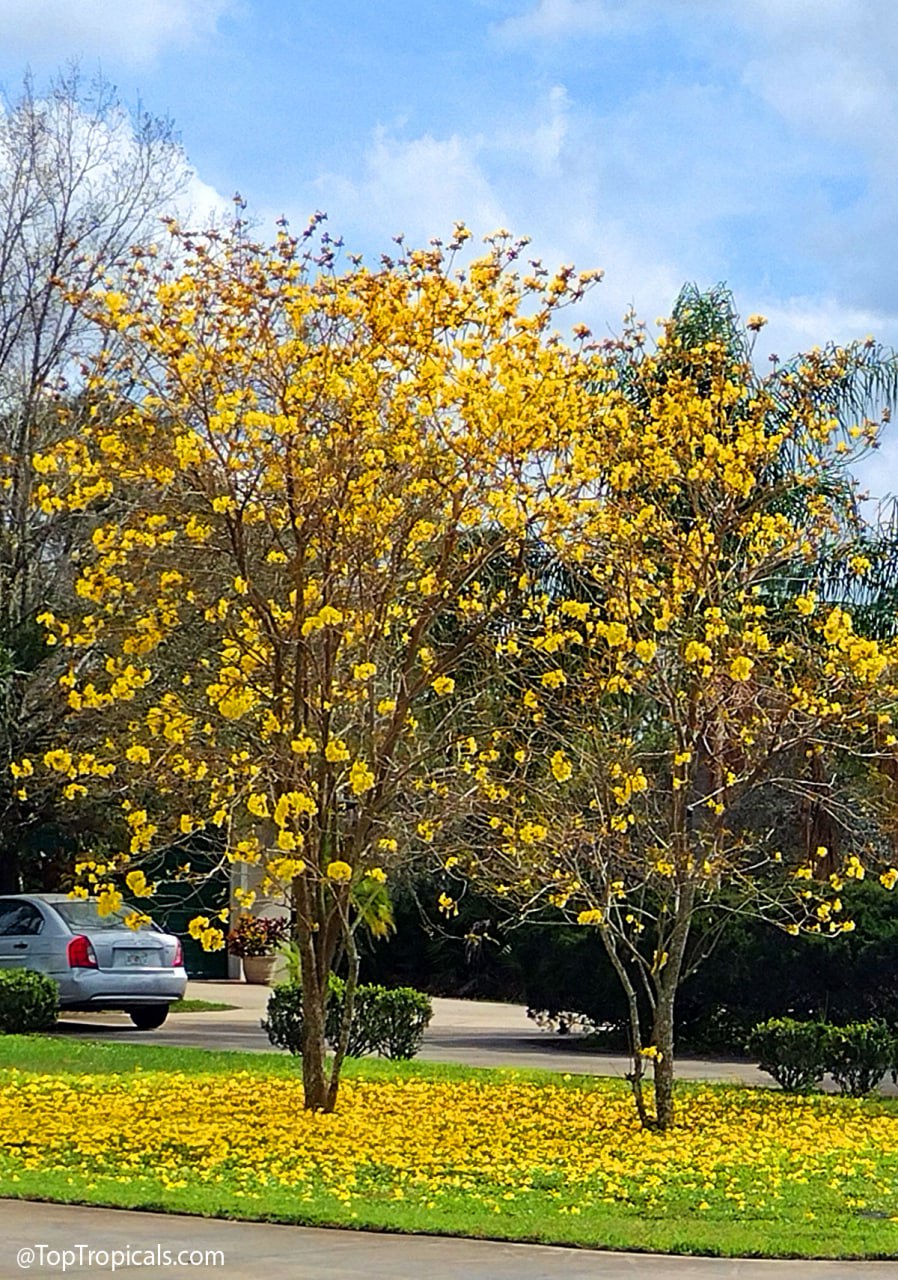
Tabebuia chrysotricha

Tabebuia chrysotricha

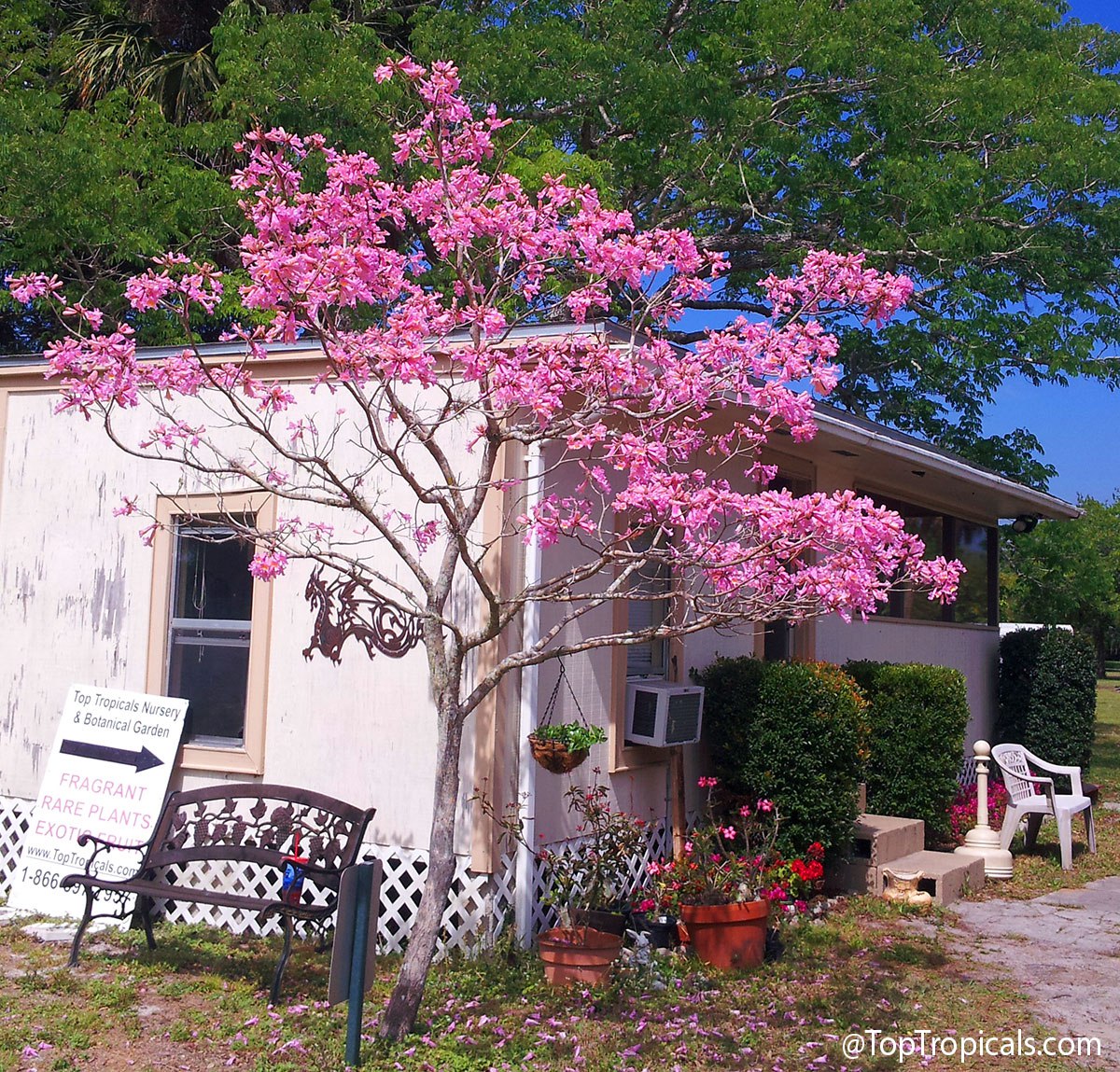
Tabebuia impetiginosa

Tabebuia impetiginosa

🏆 Top Ten Flowering Tree Winners of Florida 2026 Record Freeze


These flowering trees had no damage after 3 nights of hard freeze (25F) with NO PROTECTION:

✔️ Bauhinia Orchid Trees - several species
✔️ Beaucarnea recurvata - Pony Tail

Ponytail Palm Plant Facts

Botanical name: Beaucarnea recurvata, Nolina recurvata
Also known as: Ponytail Palm, Pony Tail, Bottle Palm, Nolina, Elephant-foot Tree
USDA Zone: 10 - 11
Highligths Plant with caudexPlant used for bonsaiSmall tree 10-20 ftFull sunWater Requirement: Low. Allow soil to dry out between wateringsPalm or palm-like plant
Get personalized tips for your region

✔️ Caesalpinia mexicana, Mexican Bird of Paradise

Mexican Bird of Paradise Plant Facts

Botanical name: Caesalpinia mexicana
Also known as: Mexican Bird of Paradise, Dwarf Poinciana
USDA Zone: 9 - 11
Highligths Small tree 10-20 ftSemi-shadeFull sunWatering: Moderate. Water when top soil feels dryYellow, orange flowersIrritating plantFragrant plantSubtropical plant. Mature plant cold hardy at least to 30s F for a short timeSeaside, salt tolerant plant
Get personalized tips for your region

✔️ Callistemon - Bottlebrush
✔️ Erythrina - several species
✔️ Jacaranda tree
✔️ Magnolia figo

Banana Magnolia Plant Facts

Botanical name: Magnolia figo, Michelia figo, Magnolia fuscata
Also known as: Banana Magnolia, Banana Shrub, Port Wine Magnolia
USDA Zone: 7 - 10
Highligths Large shrub 5-10 ft tallSmall tree 10-20 ftSemi-shadeShadeWatering: Regular. Let topsoil dry slightlyWhite, off-white flowersFragrant plantSubtropical plant. Mature plant cold hardy at least to 30s F for a short time
Get personalized tips for your region

✔️ Magnolia Little Gem
✔️ Tabebuia chrysotricha

Dwarf Golden Tabebuia Plant Facts

Botanical name: Handroanthus chrysotrichus, Tabebuia chrysotricha, Tabebuia chrysantha
Also known as: Dwarf Golden Tabebuia
USDA Zone: 9 - 11
Highligths Small tree 10-20 ftFull sunWatering: Moderate. Water when top soil feels dryYellow, orange flowersDeciduous plantSubtropical plant. Mature plant cold hardy at least to 30s F for a short time
Get personalized tips for your region

✔️ Tabebuia impetiginosa

Pink Tabebuia Plant Facts

Botanical name: Tabebuia impetiginosa, Handroanthus heptaphyllus, Handroanthus impetiginosus, Tabebuia avellanedae
Also known as: Pink Tabebuia, Ant Wood, Pau DArco, Ipe Roxo, Lapacho, Taheebo
USDA Zone: 9 - 11
Highligths Small tree 10-20 ftFull sunWatering: Moderate. Water when top soil feels dryWatering: Regular. Let topsoil dry slightlyPink flowersPlant attracts butterflies, hummingbirdsDeciduous plantEthnomedical plant.
Plants marked as ethnomedical and/or described as medicinal, are not offered as medicine but rather as ornamentals or plant collectibles.
Ethnomedical statements / products have not been evaluated by the FDA and are not intended to diagnose, treat, cure, or prevent any disease. We urge all customers to consult a physician before using any supplements, herbals or medicines advertised here or elsewhere.Subtropical plant. Mature plant cold hardy at least to 30s F for a short time
Get personalized tips for your region

🛒 Explore cold tolerant tropical plants

🎥 What tropical plants survived Florida's historic freeze without protection
🎥 These Avocados survived 3 nights of 25F hard freeze, Florida Record Freeze

📚 Learn more:


· Top Ten Fruit Tree Winners of Florida 2026 Record Freeze
· To trim or not to trim? When and how to trim damaged plants after winter
· Cold-hardy avocado varieties - what freezing they really survive

Avocado Plant Facts

Botanical name: Persea americana, Persea gratissima
Also known as: Avocado, Alligator Pear, Aguacate, Abacate
USDA Zone: 9 - 11
Highligths Large tree taller than 20 ftSmall tree 10-20 ftFull sunWatering: Regular. Let topsoil dry slightlyEdible plantSubtropical plant. Mature plant cold hardy at least to 30s F for a short time
Get personalized tips for your region

· Cold-hardy avocado survival groups - what the numbers really mean

#Discover #How_to #Trees

🟢 Join 👉 TopTropicals

Date: 10 Feb 2026

These Avocados survived 3 nights of 25F hard freeze, Florida Record Freeze

Cold hardy avocados

⛄️ These Avocados survived 3 nights of 25F hard freeze, Florida Record Freeze


⛄️ Recent winter freezes have once again raised the same urgent question among avocado growers - which varieties actually survive cold weather, and what does survival really look like afterward?

Avocado Plant Facts

Botanical name: Persea americana, Persea gratissima
Also known as: Avocado, Alligator Pear, Aguacate, Abacate
USDA Zone: 9 - 11
Highligths Large tree taller than 20 ftSmall tree 10-20 ftFull sunWatering: Regular. Let topsoil dry slightlyEdible plantSubtropical plant. Mature plant cold hardy at least to 30s F for a short time
Get personalized tips for your region


⛄️ After widespread freeze events, trees across many regions showed very different outcomes, from minor leaf burn to complete canopy loss.

⛄️ This video taken on February 4, 2026 at Top Tropicals BFarm in Sebring, FL, reflects what we observed in real conditions after 3 nights of hard freeze.

⛄️ The trees in the video had no protection.

❄️Weather data

Feb 1-6, 2026, Coldest in Recorded History (132 years of observations)
Top Tropicals Farm and Nursery at Sebring FL

🌡 Min temps: 25F, wind chill 14F
⏳ Duration of cold: 3 nights of 8-10 hour hard freeze, along with 7 days of cool daytime temps around 50F
🌀 Wind: 20 mph, with 40-50 mph gusts.

🛒 Explore cold hardy Avocado varieties

📖 Our Book: Avocado Variety Guide, Snack or Guacamole?
·
Hard copy · PDF File Download

📚 Learn more:


· Avocado Variety Guide
· How to protect Avocado from cold and how hardy is it?
· Avocado that laughs at frost: Mexicola Grande for cooler climates
· Cold hardy Avocado Joey - you eat it with the skin
· Cold-hardy avocados: how cold-hardy are they?
· Cold-hardy avocado varieties - what freezing they really survive
· Cold-hardy avocado survival groups - what the numbers really mean

#Food_Forest #Avocado #Discover #How_to

🟢 Join 👉 TopTropicals

Date: 27 Jan 2026

🌸 Adenium, Coffee, and Donuts

Smokey  and  Sunshine  with  a  blooming  adenium  desert  rose  on  a  worktable,  surrounded  by  potted  adeniums  in  the  background.
Smokey: Desert rose. One caudex. Multiple grafts. Different flowers.
Sunshine: So it is a team plant. Everyone blooms, nobody agrees.
Smokey: Yet it grows just fine.
Sunshine: That is the secret. Coffee and donuts.

Adenium Plant Facts

Botanical name: Adenium sp.
Also known as: Adenium, Desert Rose, Impala Lily
USDA Zone: 9 - 10
Highligths Plant with caudexLarge shrub 5-10 ft tallSmall tree 10-20 ftFull sunWater Requirement: Low. Allow soil to dry out between wateringsWatering: Moderate. Water when top soil feels dryYellow, orange flowersRed, crimson, vinous flowersUnusual colorBlue, lavender, purple flowersWhite, off-white flowersPink flowersToxic or Poisonous
Get personalized tips for your region

🌸Featured Adeniums

Recommended by our Horticulturist, Tatiana Anderson

Moung KusumaMoung  Kusuma  adenium  flower  with  deep  magenta  velvety  petals  and  dark  edging

Deep magenta flowers with a velvety look and a darker, almost black edge. A bold, elegant adenium that stands out immediately.

SunshineAdenium  Sunshine  flower  with  pink  and  white  petals  and  bright  color  contrast

Bright yellow and mauve swirls across layered petals create a warm, cheerful bloom that lives up to its name.

White RabbitAdenium  White  Rabbit  flower  with  white  petals  and  bright  pink  streaks.Clean white petals brushed with playful pink streaks. A reliable bloomer with soft ruffled flowers.
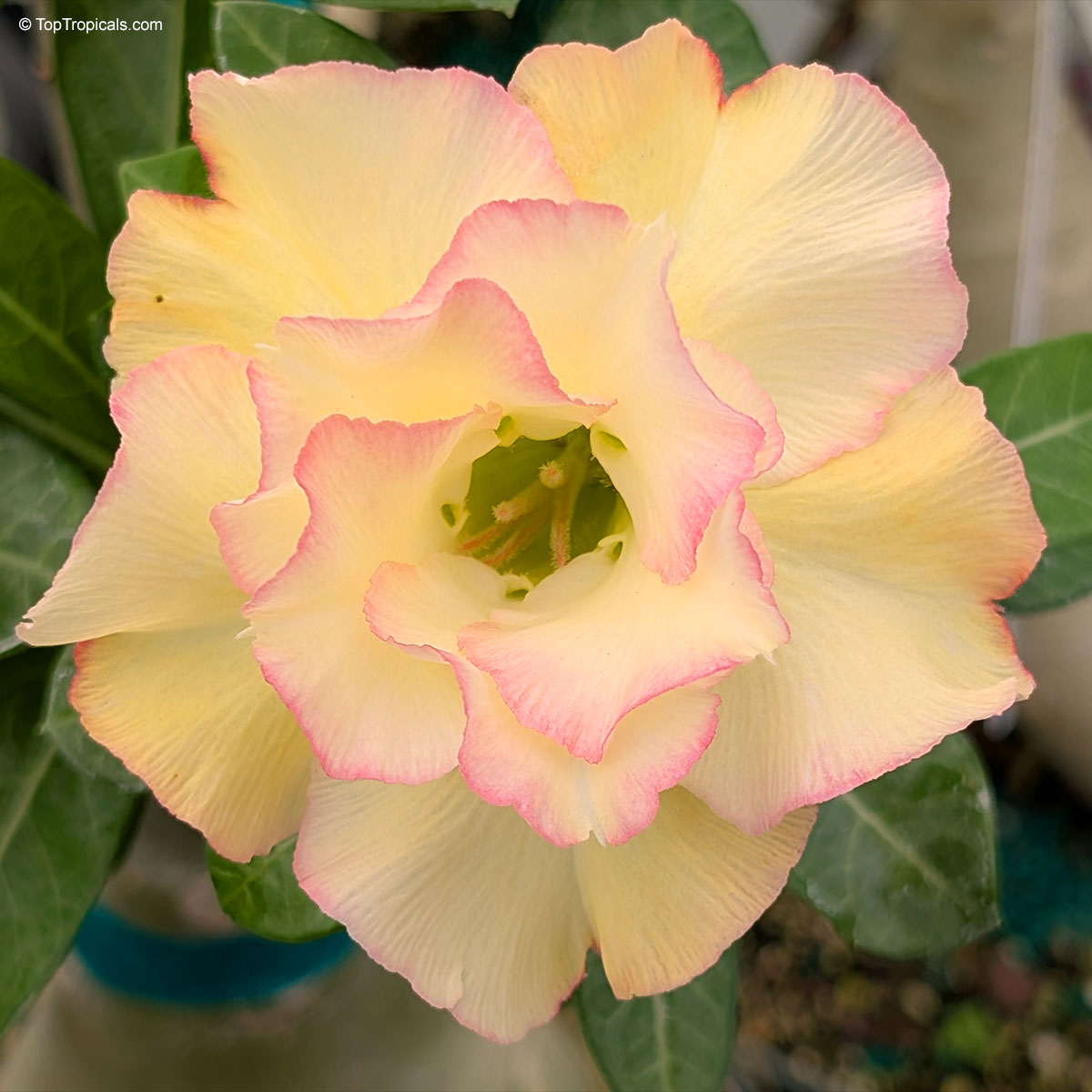
Thong SamseeAdenium  Thong  Samsee  flower  with  creamy  yellow  petals  and  soft  pink  edges

Known for its three-color effect, shifting from yellow to pink to nearly white on the same plant.

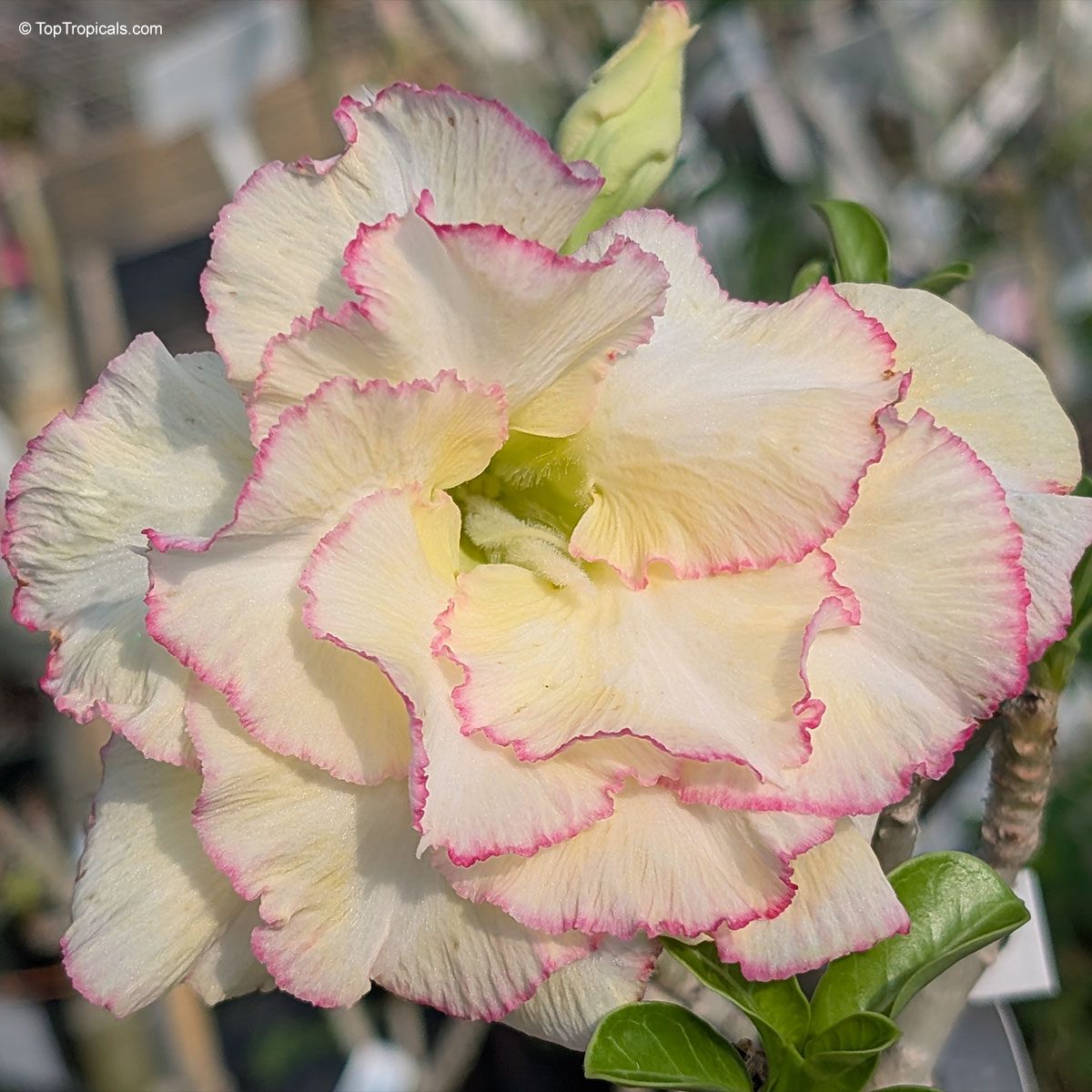
CandyAdenium  Candy  flower  with  creamy  white  petals  and  soft  pink  edges

Cheerful yellow petals dipped in cherry red with bold ruffled layers. Bright, playful, and impossible to miss.

Black SheepAdenium  Black  Sheep  flower  with  nearly  black  petals  and  deep  red  highlights

Nearly black petals with a glowing red center. Dark, dramatic, and different.

Free Adenium (Desert Rose) Shipping
Plant now, bloom soon. Get select Adenium (Desert Rose) varieties shipped to you with FREE S&H.
Offer valid through 02/06/2026. Limited quantities. While supplies last.
Free shipping applies to qualifying Adenium items only. Excludes other items and prior orders.

✍️ Learn About Adeniums

🎥 Watch Adenium Videos

🛒 Shop Adeniums

Date: 23 Jan 2026

Insulin Ginger traditional remedies: Quick-n-fun exotic recipes

Insulin Ginger (Chamaecostus cuspidatus) traditional remedies recipes

Insulin Ginger (Chamaecostus cuspidatus) traditional remedies recipes

❣️ Insulin Ginger traditional remedies: Quick-n-fun exotic recipes


6 very simple, real-world ways people actually use Insulin Ginger (Chamaecostus cuspidatus)

✦ 1. 🍵 Simple leaf tea


Steep 1–2 fresh leaves (or dried) in hot water for 10–15 minutes. Drink warm, plain or lightly sweetened.

2. ❄️ Refreshing iced herbal drink
Blend a couple of leaves with water, strain, add ice. Some people add a squeeze of lemon.

✦ 3. Coconut water blend


Blend 1–2 leaves with fresh coconut water. Drink chilled as a mild daily tonic.

✦ 4. 🌿 Fresh leaf chew


The simplest method - chew a fresh leaf in the morning, then discard. Very common traditional use.

✦ 5. Salad add-in


Finely slice young leaves and mix with other greens. Use lightly, like a functional herb.

✦ 6. 🍲 Leaf Chutney


Leaves can be blended with spices and other herbs into a savory condiment. Meals like this make the leaves easy to include in everyday diet (though you’d want to adapt it for flavor and personal preferences).

👆This plant has a long history of traditional use. Everyone’s body is different, so if you have diabetes or take medication, it’s wise to check with your healthcare provider first.

🛒 Add Insulin Ginger to your medicinal herb garden

📚 Learn more:

Insulin Plant Facts

Botanical name: Costus igneus, Chamaecostus cuspidatus
Also known as: Insulin Plant, Fiery Costus, Spiral Flag
USDA Zone: 9 - 11
Highligths Large shrub 5-10 ft tallSmall plant 2-5 ftSemi-shadeShadeWatering: Regular. Let topsoil dry slightlyYellow, orange flowersEdible plantSpice or herb plantEthnomedical plant.
Plants marked as ethnomedical and/or described as medicinal, are not offered as medicine but rather as ornamentals or plant collectibles.
Ethnomedical statements / products have not been evaluated by the FDA and are not intended to diagnose, treat, cure, or prevent any disease. We urge all customers to consult a physician before using any supplements, herbals or medicines advertised here or elsewhere.Subtropical plant. Mature plant cold hardy at least to 30s F for a short time
Get personalized tips for your region

Costus igneus (Chamaecostus cuspidatus) - Insulin Ginger in Plant Encyclopedia
A leaf you grow, not a pill you buy: Insulin ginger - the plant people actually use
How to make lots of Insulin Ginger plants quickly and get more health benefits
How to lose weight naturally with tropical fruit and plants
The fiery plant that fights sugar: Nature secret insulin?
Most interesting edible gingers

#Food_Forest #Remedies #Shade_Garden #Discover #Recipes

🟢 Join 👉 TopTropicals