Happy 4th of July from the tropics! Whether you're staying local or
escaping for the long weekend, it's the perfect time to enjoy your garden, start
something new, or grab that plant you've been eyeing. Red Desert Roses, white fragrant Gardenias and
Jasmines, rare Blue
Ginger - tropical blooms are showing off right now, and we are
celebrating with a hot summer sale: 20% off everything with code HAPPY4TH25,
plus extra savings on combined DEALS and
BOGO! Add some color to your summer and let your garden do the
fireworks!
Use the code below to save 20% on your entire
order:
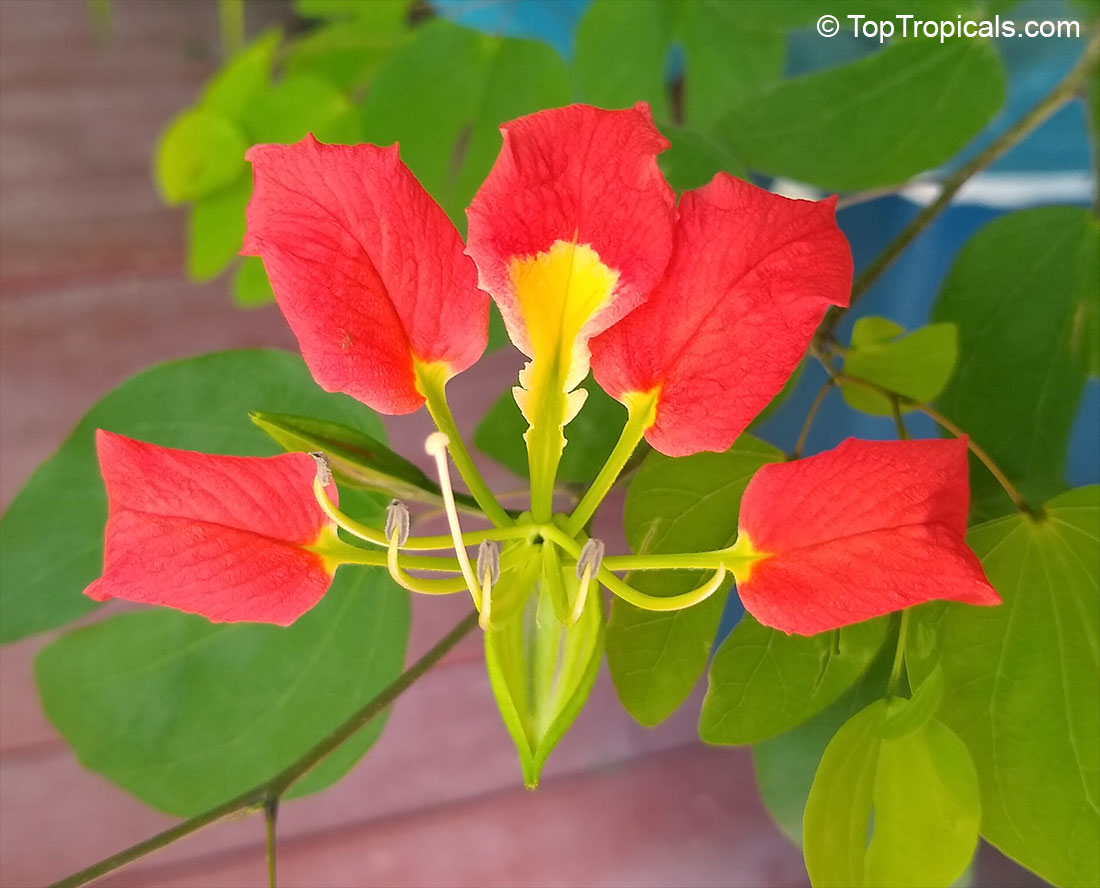
In the photo above: Bauhinia madagascariensis, Red Butterfly Orchid Tree - dazzles with
bright red flowers striped in gold. A rare, fast-growing tropical that brings
serious color to your garden, it is one of the most striking Orchid trees you
can grow. It thrives in sun and rewards with nonstop color.
Date: 20 Feb 2026
Top Ten Flowering Tree Winners of Florida 2026 Record Freeze
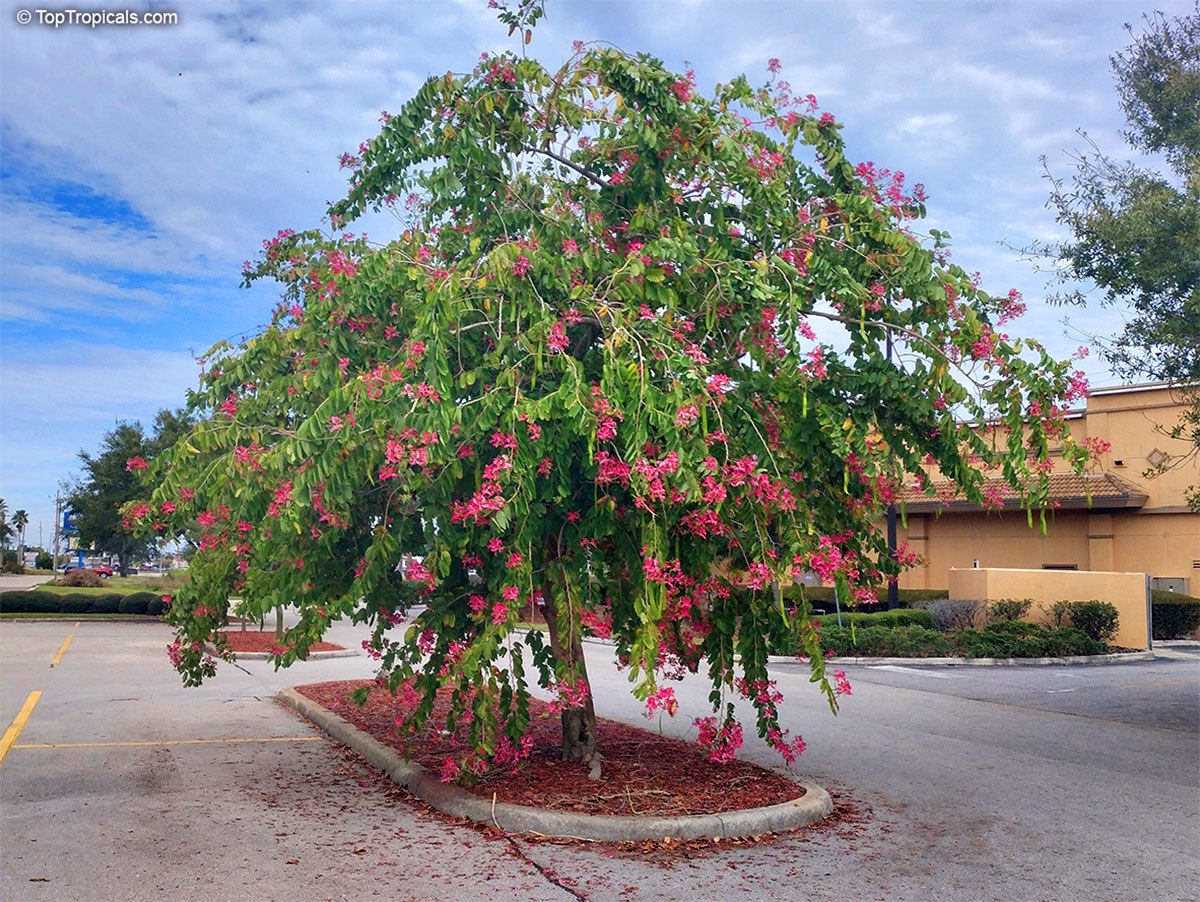
Bauhinia Orchid Tree
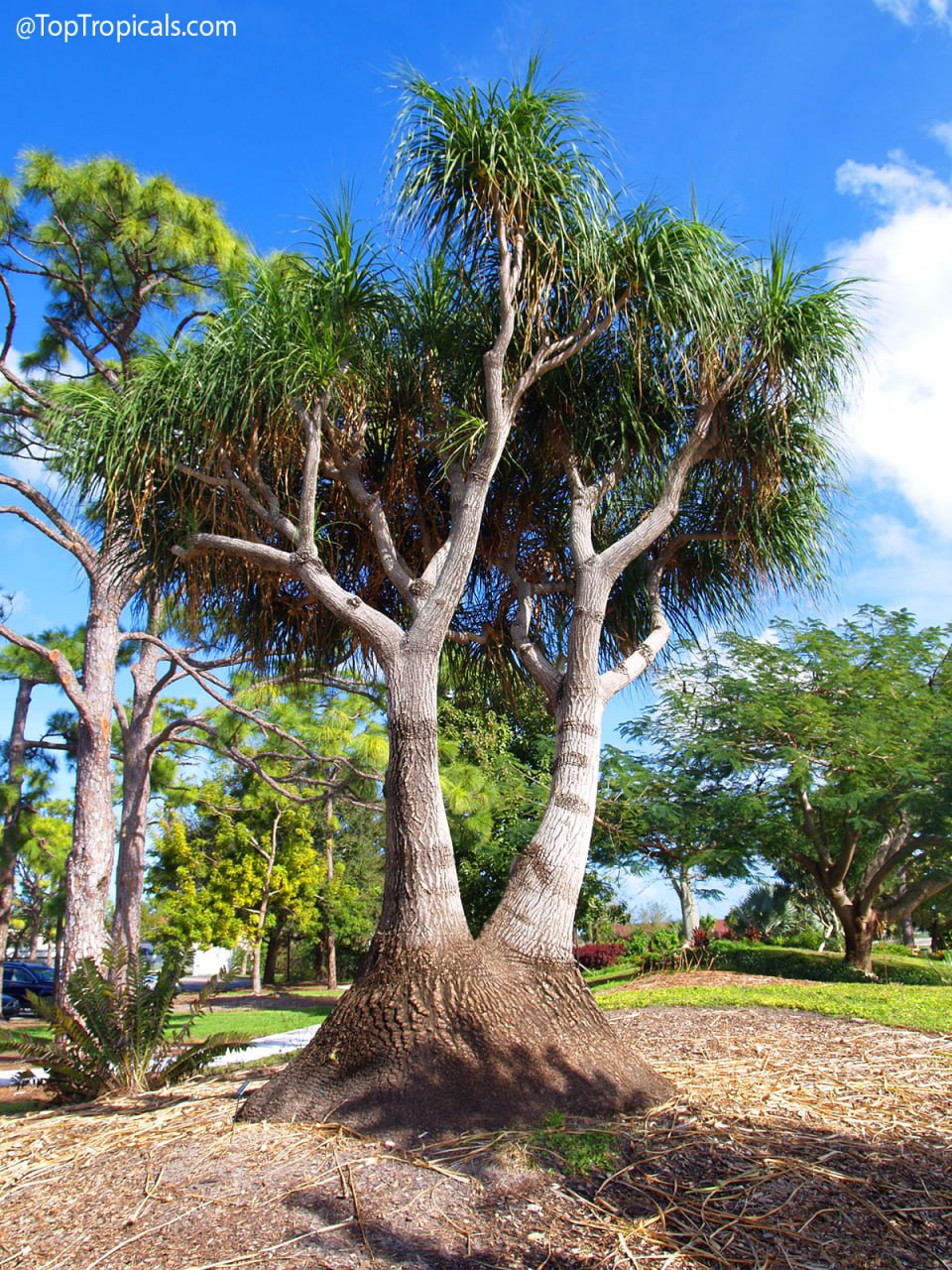
Beaucarnea recurvata - Pony Tail
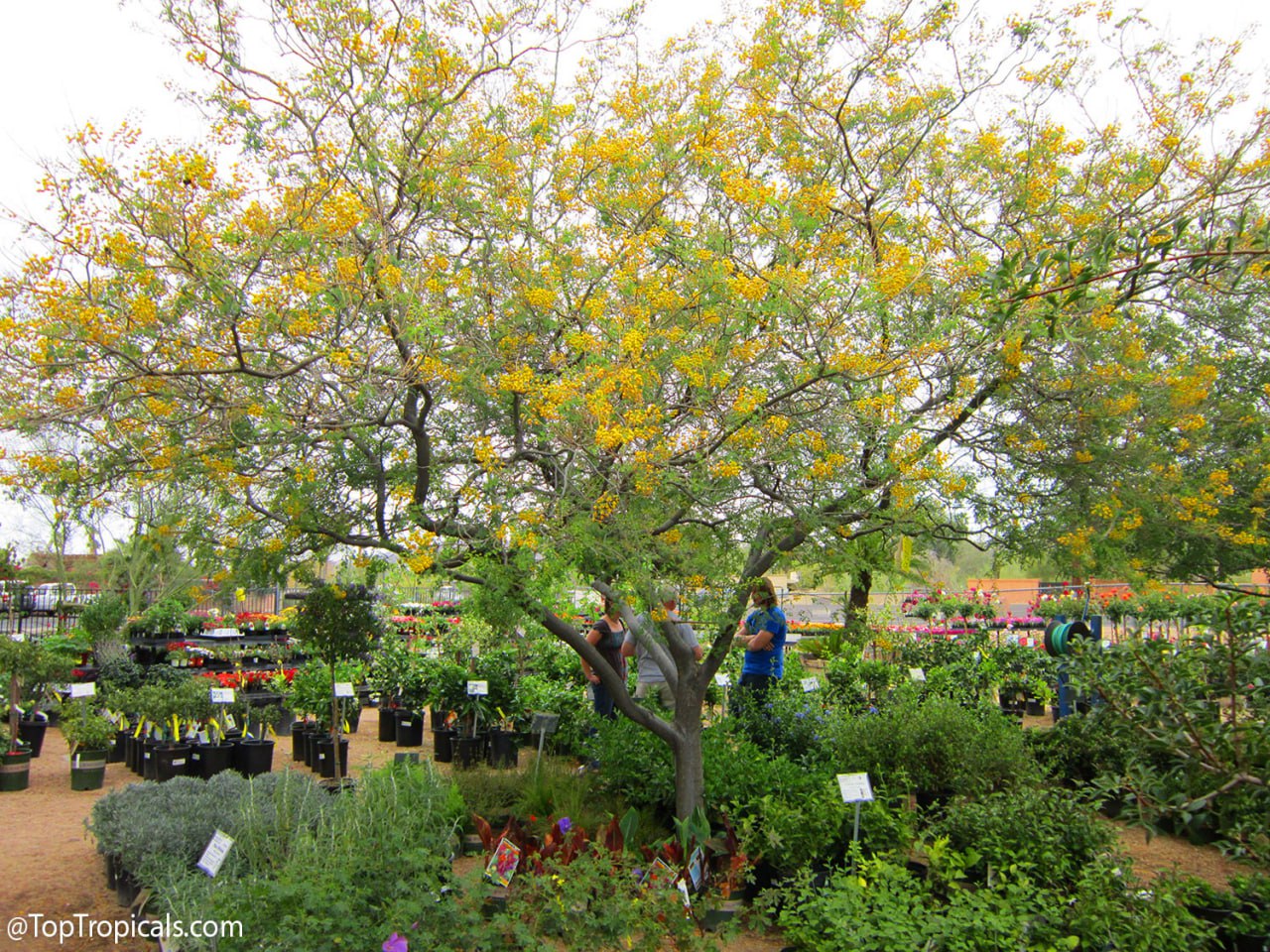
Caesalpinia mexicana, Mexican Bird of Paradise
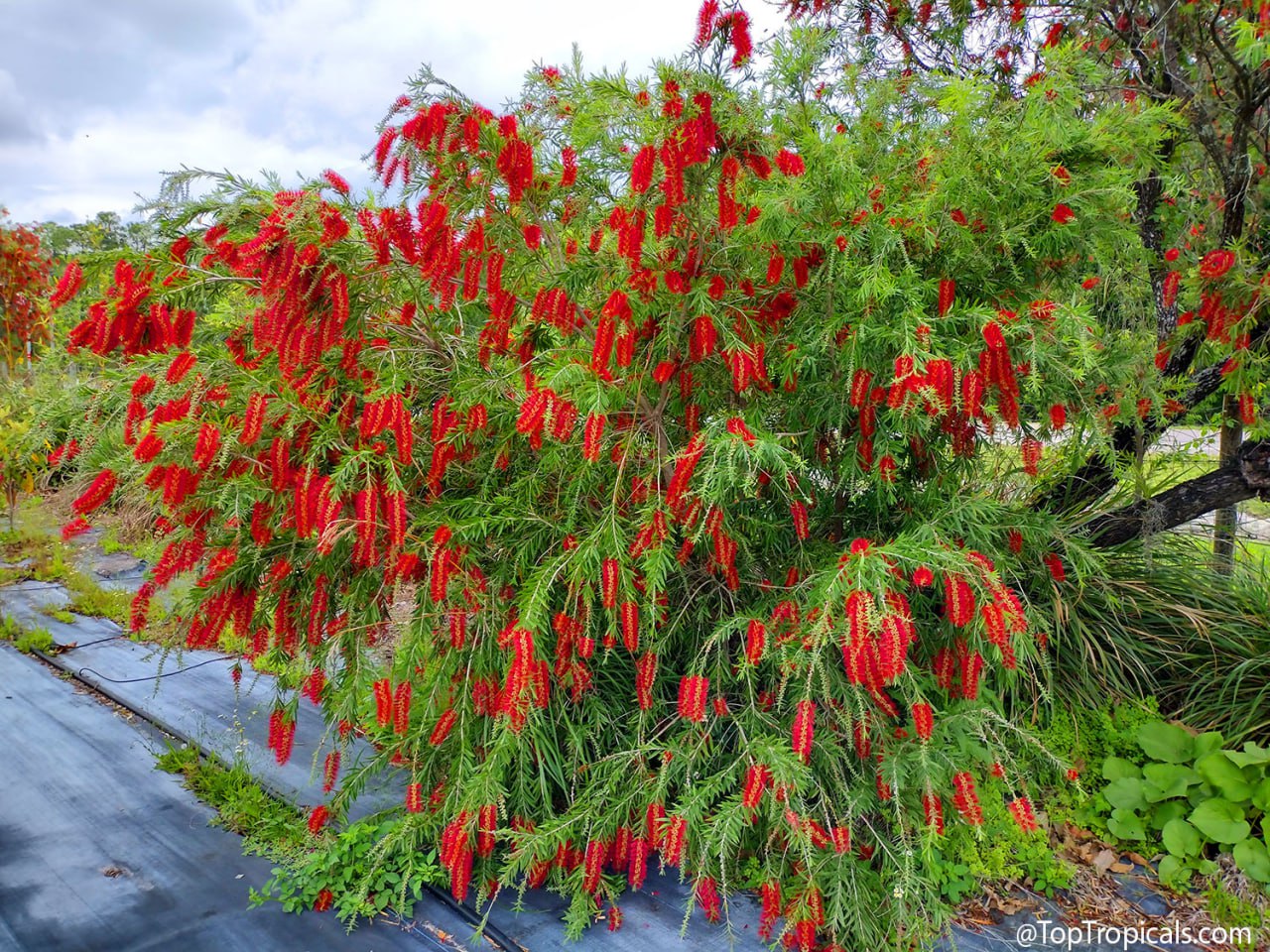
Callistemon - Bottlebrush
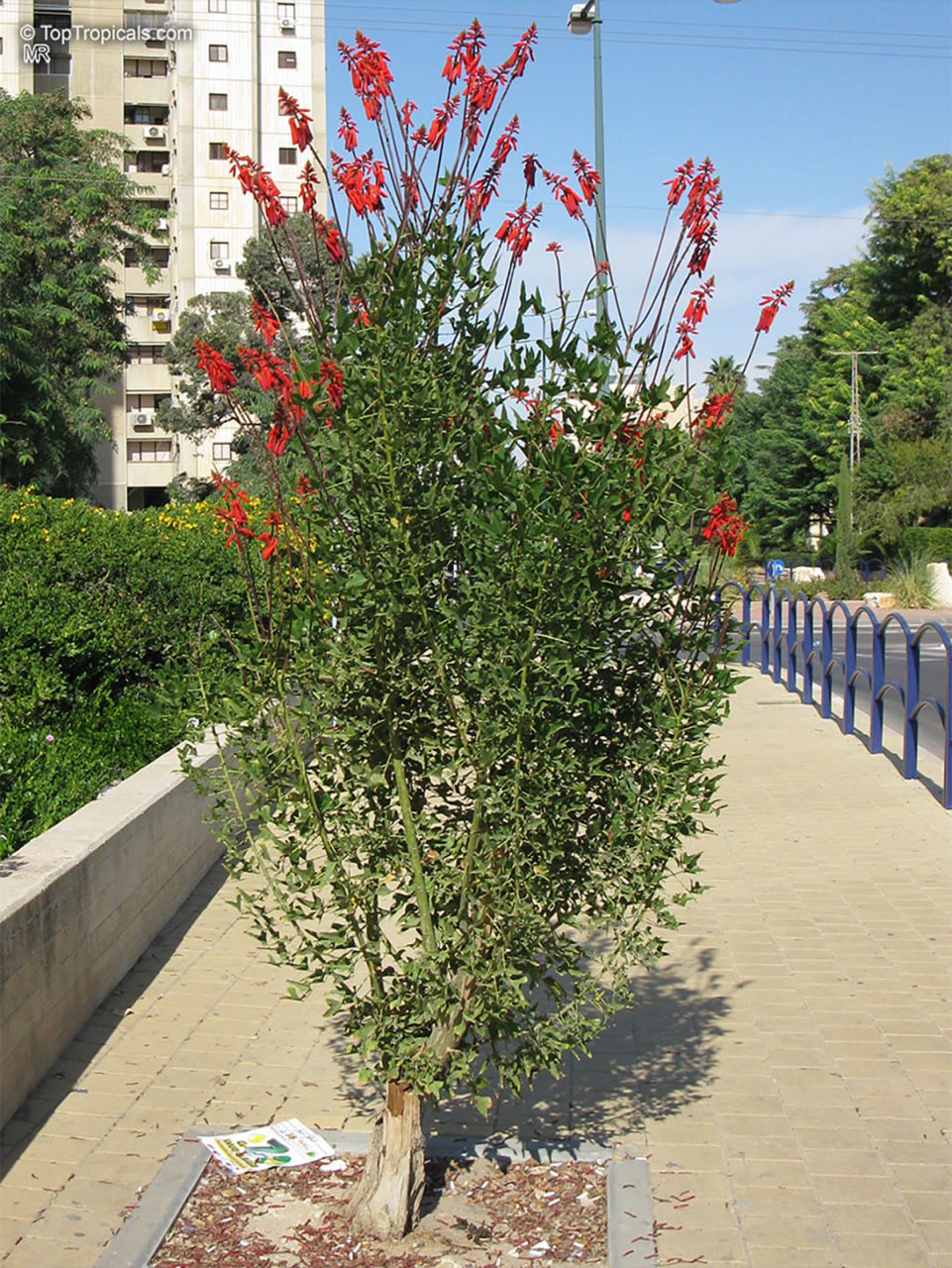
Erythrina
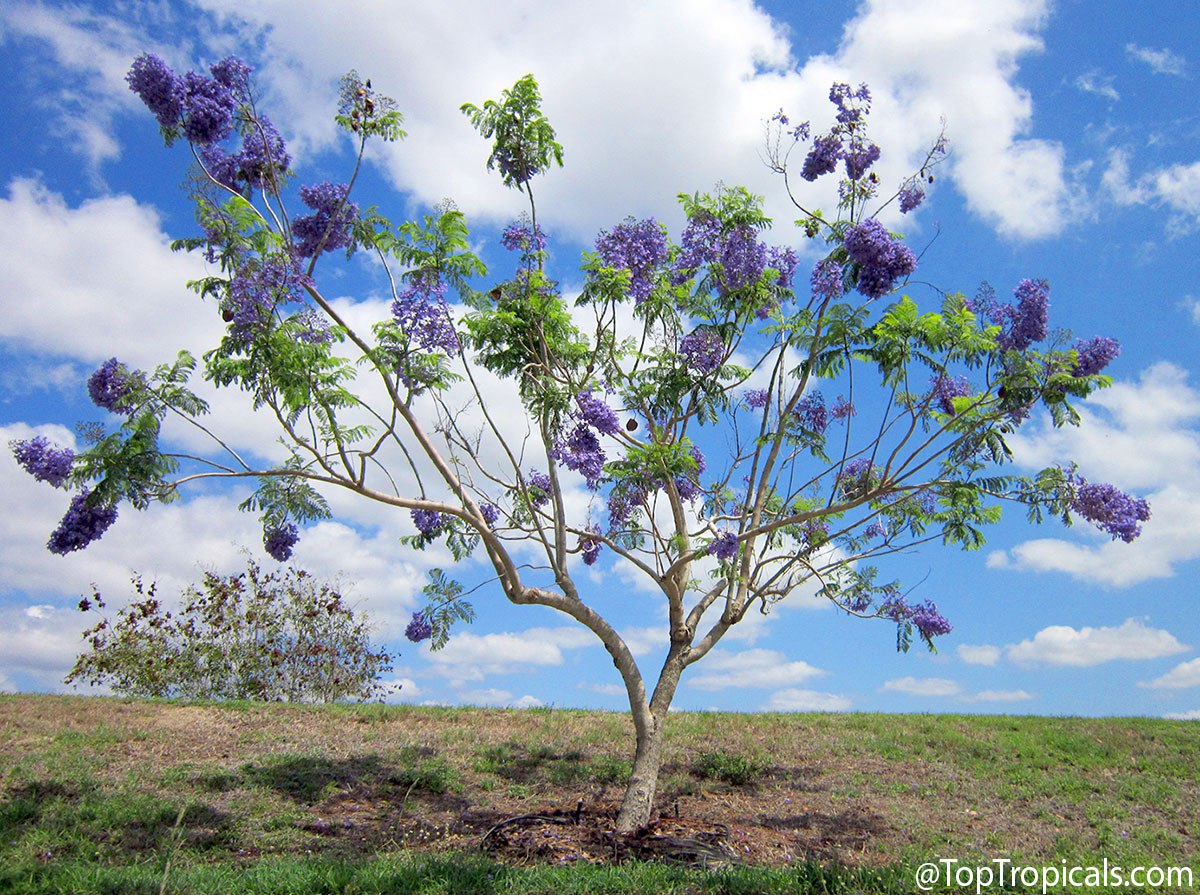
Jacaranda tree
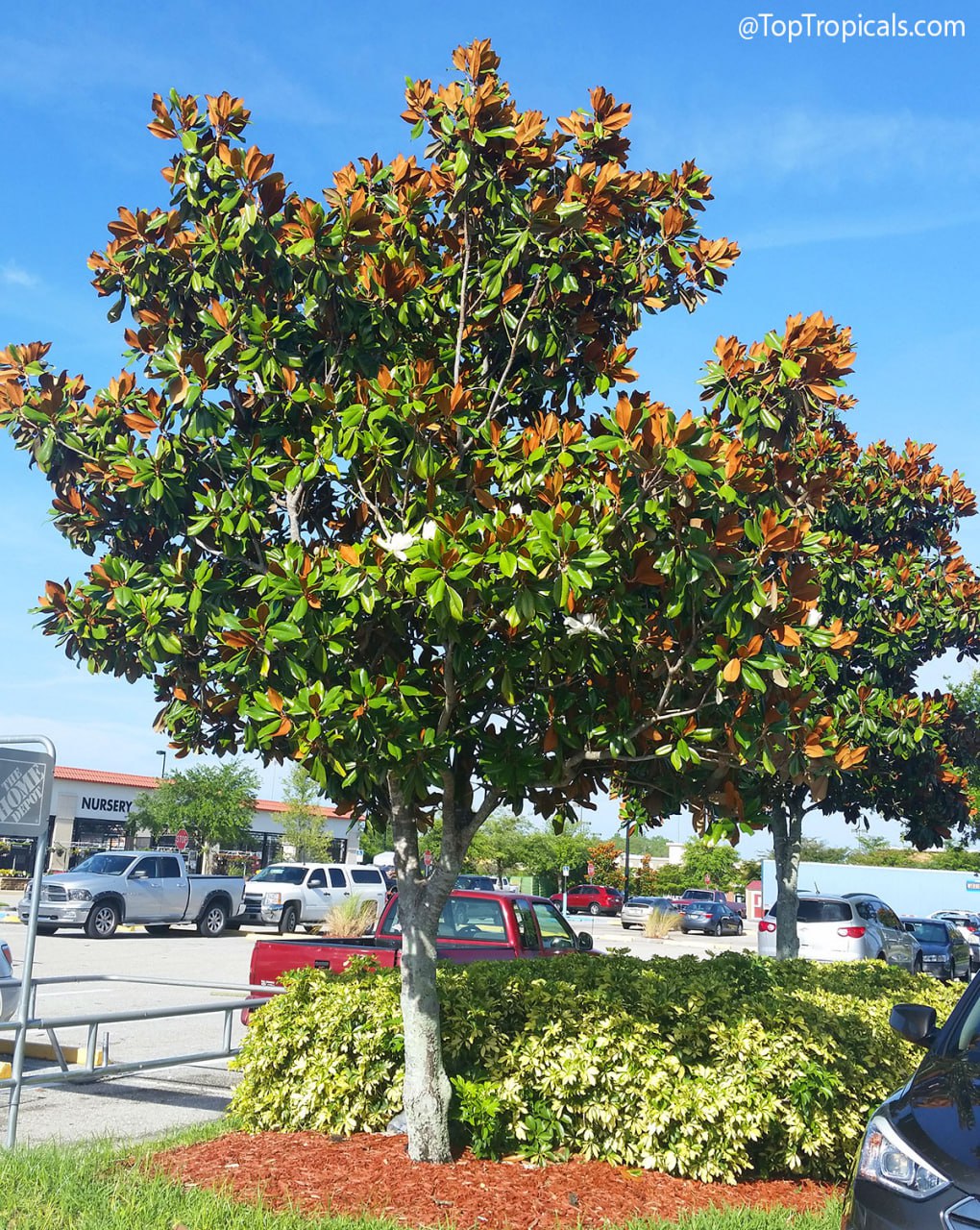
Magnolia figo
Magnolia Little Gem
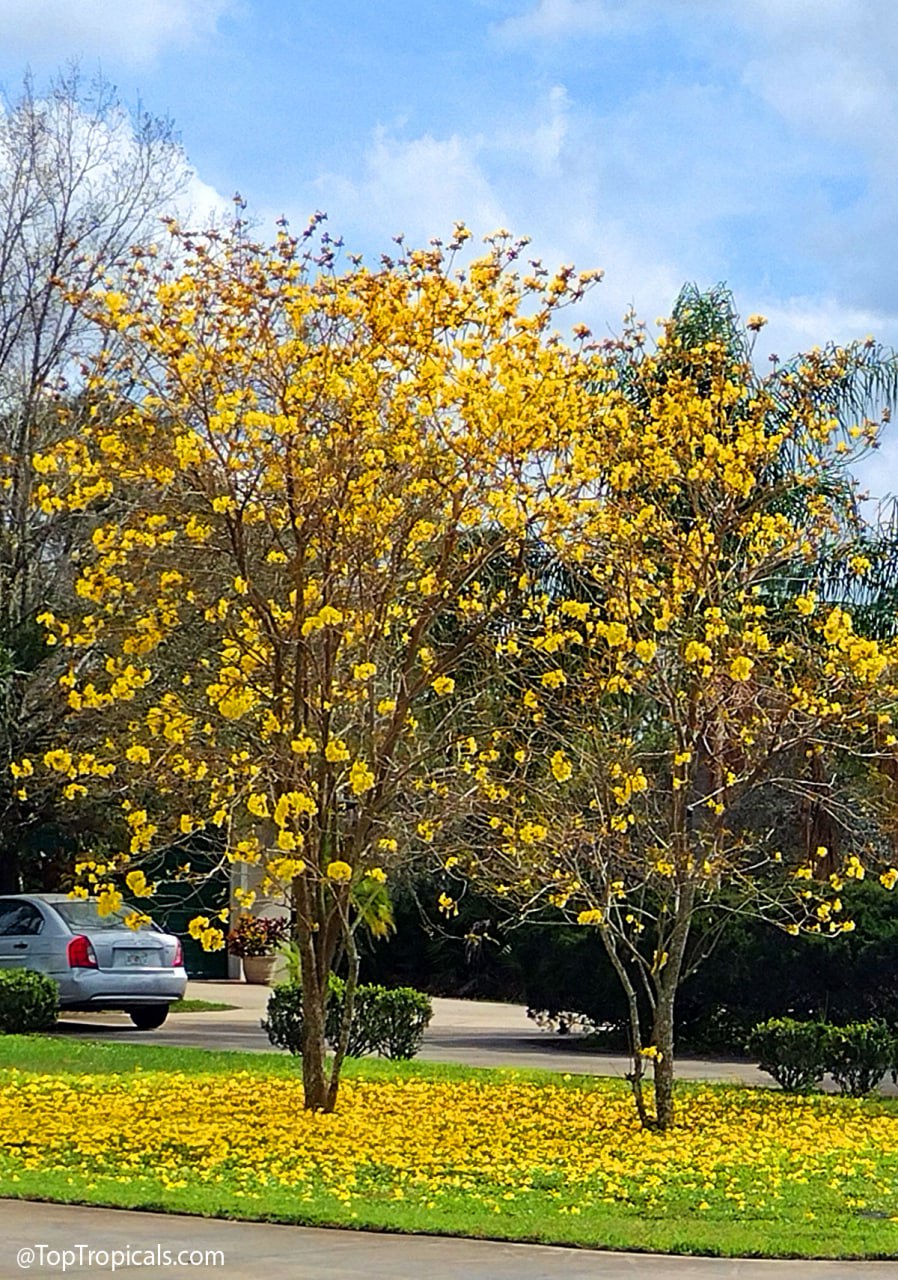
Tabebuia chrysotricha
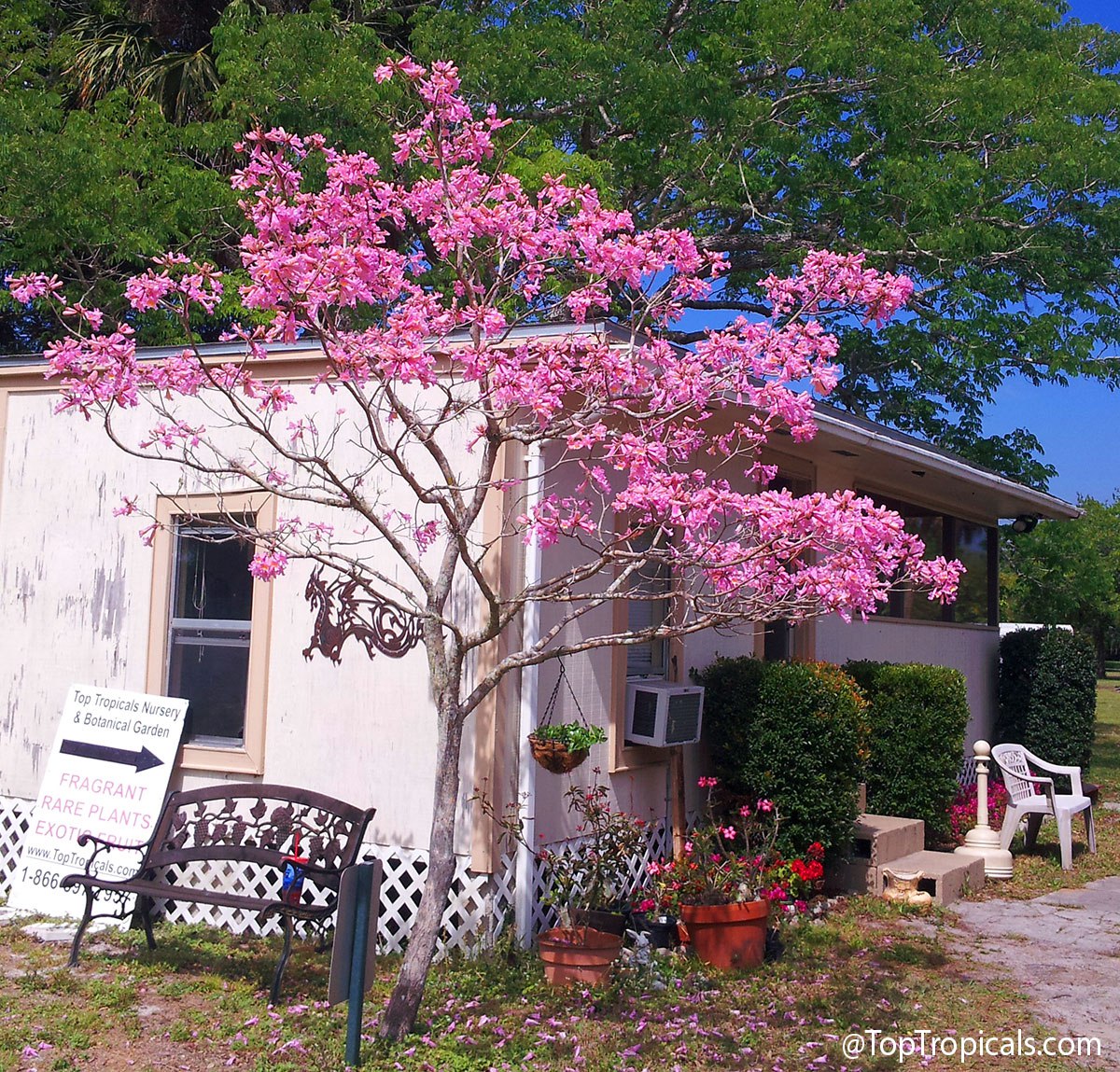
Tabebuia impetiginosa
🏆 Top Ten Flowering Tree Winners of Florida 2026 Record Freeze
These flowering trees had no damage after 3 nights of hard freeze (25F) with NO PROTECTION:
Eight favorite plants of romance, affection, and emotional connection
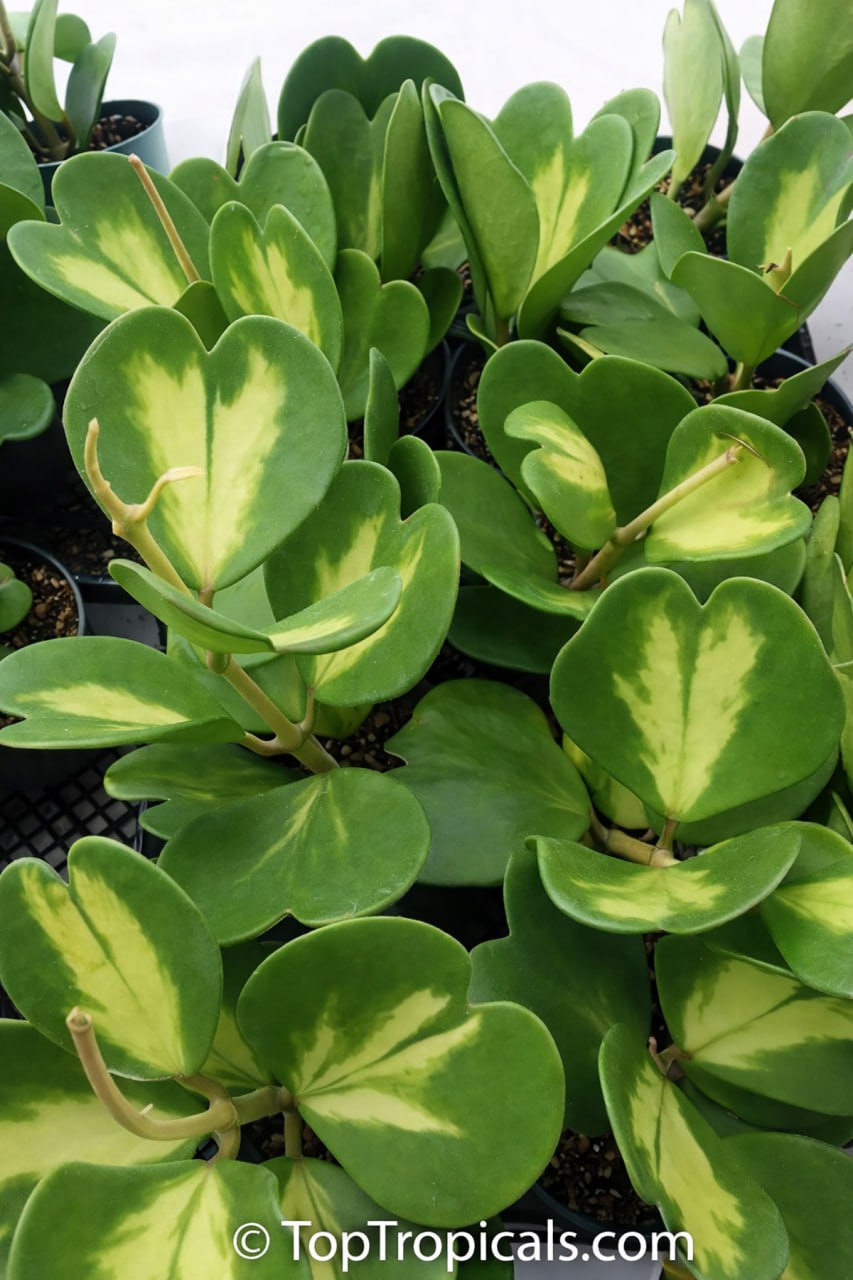
Sweetheart Hoya (Hoya kerrii)
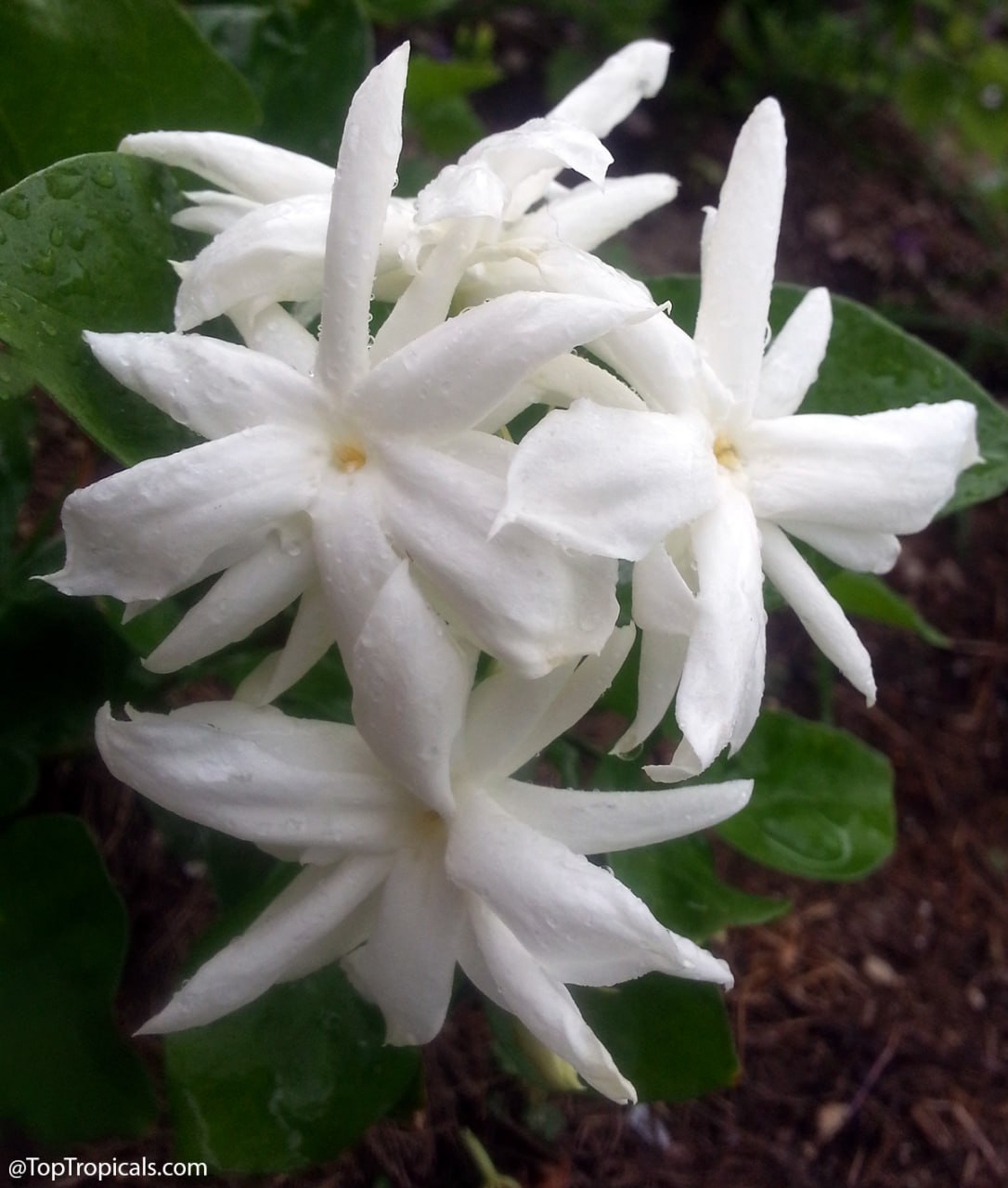
Jasminum sambac
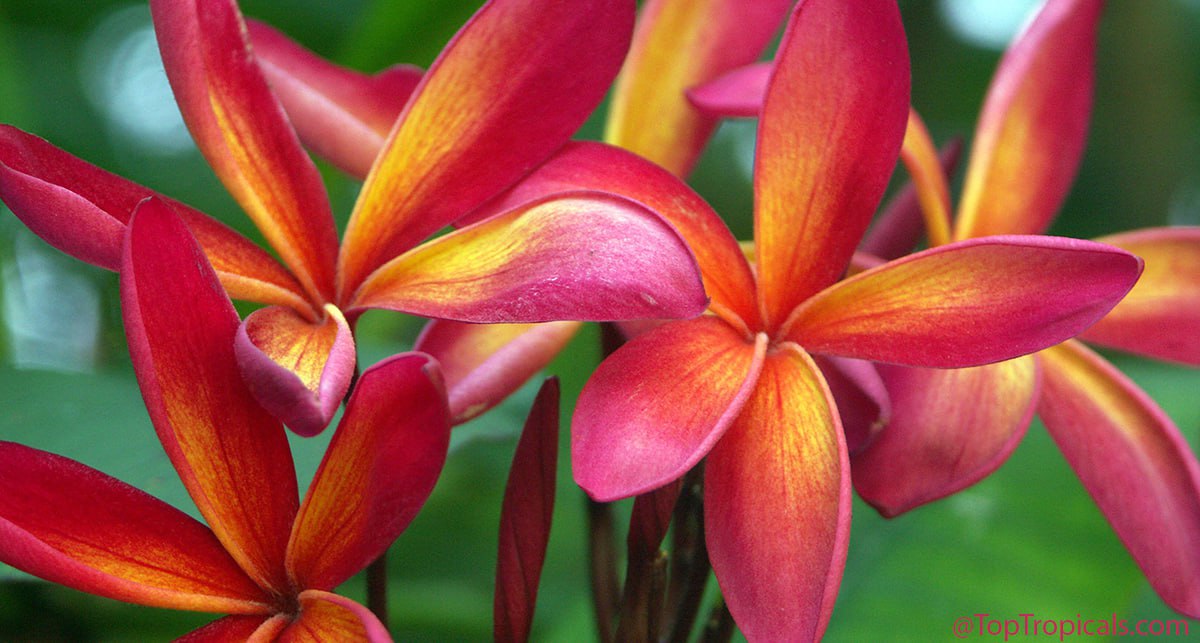
Plumeria (Frangipani)
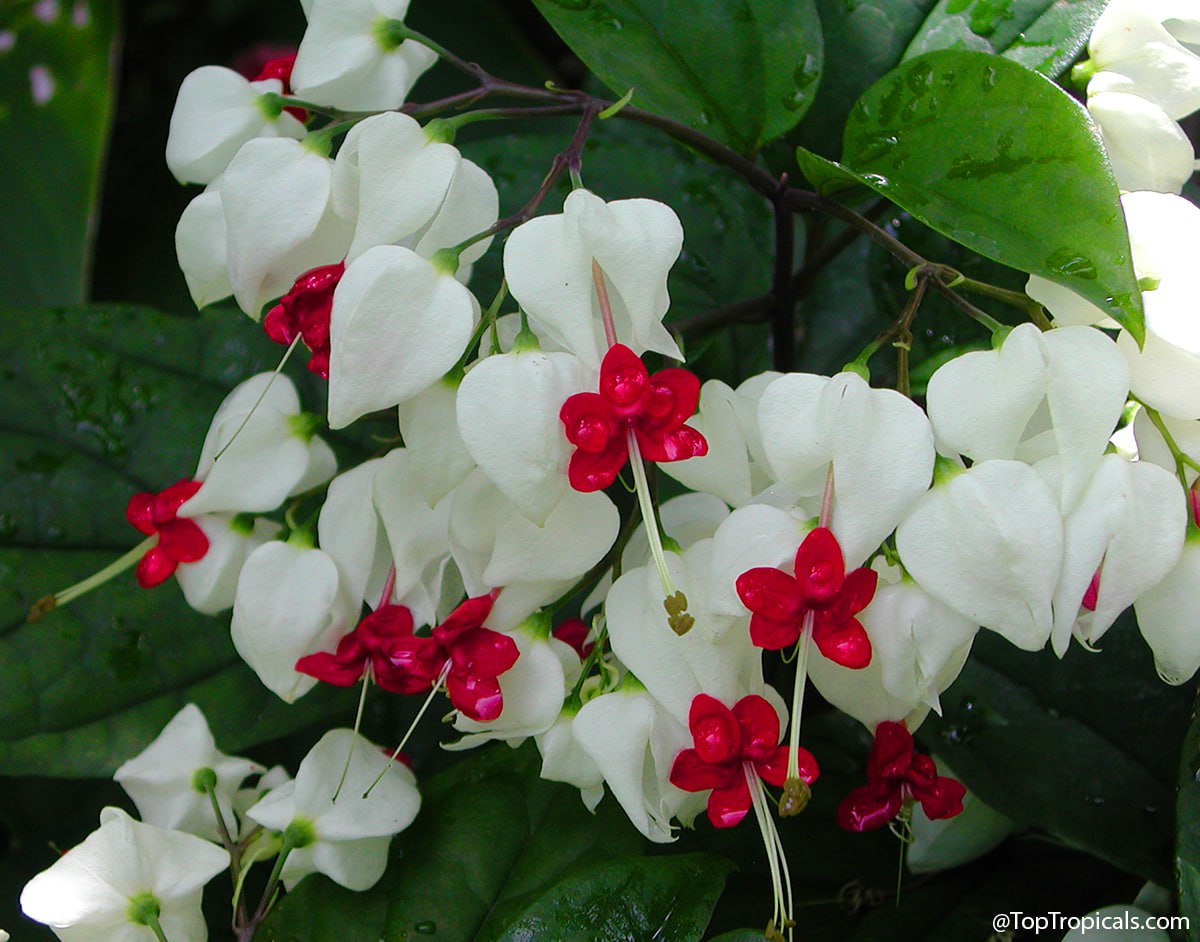
Clerodendrum thomsoniae, Bleeding Heart Vine
💕 Eight favorite plants of romance, affection, and emotional connection
These plants communicate love visually and emotionally. They are associated with beauty, admiration, devotion, and long-lasting relationships.
💖 1. Anthurium
With its unmistakable heart-shaped spathes, anthurium is one of the strongest visual symbols of love. In Latin America, it represents hospitality, passion, and enduring affection, making it a natural Valentine plant. 👉 Anthurium gift
💖 2. Orchids
In many Asian cultures, orchids symbolize refined love, fertility, and deep emotional connection. They are associated with elegance, respect, and long-term devotion rather than fleeting romance or infatuation. 👉 Orchid gift
💖 3. Valentine’s Sweetheart Hoya (Hoya kerrii)
Hoya kerrii is known for its thick, heart-shaped leaves, making it one of the clearest visual symbols of love. This long-lived vine represents loyalty and lasting commitment, and is found in several varieties with different leaf variegation patterns: regular green leaf, variegated Moonlight (gold on green) and Sunshine (white-and green).
Wax Hearts Plant Facts
Botanical name: Hoya kerrii Also known as: Wax Hearts, Sweetheart Hoya, Valentine Hoya, Heart leaf
In Polynesia and Southeast Asia, plumeria represents love, beauty, and new beginnings. In Hawaii, its flowers are a classic part of leis and have become an enduring symbol of romance, affection, and island love.
Plumeria Plant Facts
Botanical name: Plumeria sp. Also known as: Plumeria, Frangipani
Jasmine Sambac is strongly associated with romance, devotion, and spiritual love. In Hawaii it is used in leis, while in the Philippines, this so-called Sampaguita jasmine symbolizes purity, fidelity, and deep affection and is woven into garlands for lovers, weddings, and sacred ceremonies.
Sambac Plant Facts
Botanical name: Jasminum sambac Also known as: Sambac
Hibiscus symbolizes delicate beauty, attraction, and the fleeting intensity of passion. In many tropical cultures, it is associated with feminine energy and romantic expression. 👉 Hibiscus gift
💖 7. Clerodendrum Bleeding Heart
Clerodendrum thomsoniae, called the Bleeding Heart Vine, is known for its red, heart-like flowers held inside white lantern-shaped bracts. It has long been associated with love, emotional vulnerability, and deep personal bonds, making it a natural fit for Valentine symbolism.
Bleeding heart Plant Facts
Botanical name: Clerodendrum thomsoniae Also known as: Bleeding heart, Glory bower, Clerodendron
Traditionally associated with marital happiness and fidelity, Stephanotis has long been used in wedding garlands and bouquets in tropical regions. 👉 Stephanotis gift 🛒Explore gift plants 🎁 Get a Gift Card
🍁 Fall is the right time to get winter bloomers in the ground. Plant them now, and by the time the cool season settles in, you’ll have flowers to enjoy. We get a lot of snowbirds asking us what to plant when they’re here for just the season, and the answer is simple: pick trees and shrubs that show off in winter!
🏆 8 best flowering trees that will bloom for you in Winter
💐 1. Royal poinciana - Flamboyant tree, Delonix regia
Known for fiery red-orange blooms, the flamboyant tree creates a spectacular canopy. Even in the cooler season, mature specimens may flower heavily in warm climates. 👉 Learn more
💐 2. Tabebuia chrysotricha - Dwarf Golden Tabebuia
One of the brightest winter bloomers, this small tree bursts into golden-yellow flowers on bare branches, turning the whole crown into a glowing dome. 👉 Learn more
💐 3. Tabebuia impetiginosa - Dwarf Pink Tabebuia
A smaller tabebuia with trumpet-shaped pink to lavender blooms. Its leafless winter display is striking and well-suited for compact gardens. 👉 Learn more
💐 4. Jacaranda mimosifolia (acutifolia)
Famous for its lavender-blue clouds of trumpet flowers, Jacaranda puts on a dramatic show even when most trees are bare. Perfect for lining streets or as a specimen tree. 👉 Learn more
💐 5. Koelreuteria paniculata (bipinnata) - Golden Rain Tree
This tree stands out in winter with clusters of golden flowers followed by papery lantern-like seed pods. It’s ornamental in every stage, even when not in full bloom. 👉 Learn more
💐 6. Callistemon citrinus - Weeping Red Bottlebrush
Its crimson brush-like flowers appear in flushes during the cooler months. This tree is tough, drought-tolerant, and attracts pollinators while keeping color in the winter garden. 👉 Learn more
💐 7. Bauhinia variegata - Pink Butterfly Orchid Tree
Soft pink to lavender blooms open on leafless branches in the cool season. The butterfly-shaped petals make this tree both graceful and eye-catching. 👉 Learn more
💐 8. Bauhinia blakeana - Hong Kong Orchid Tree
A sterile hybrid that doesn’t produce seed, this tree is prized for its huge magenta flowers that cover bare branches in winter. Rare and highly ornamental, it’s a true collector’s tree. 👉 Learn more
To assist our customers in creating a happy and enjoyable gardening
experience this year, we consulted with our horticulturist to compile a list of
ten recommended items. Here are the results...
1. A favorite. Get yourself a favorite small flowering plant that is compact, manageable, and easy. Such as Ground
Orchid. Keep it in a pot or plant in the ground by the entryway where it can
be seen often and enjoyed. 2. A fruit of your labor. You need at least one (or one more) fruit tree for your
garden, or for container culture if you live in colder climate. Growing and
especially harvesting tropical fruit will make you happy. The Winner of the last
year was Cherry
Lolita - an easy, compact fruit tree that can produce almost year
around. Some fruit
trees will fruit right away! 3. Be exclusive. A rare plant is a must for every gardener. It can be a useful gem such as
Noni Tree
or an unusual-looking like a Bat Lily - Tacca. Show your friends and neighbors something different
they have never seen! 4. Make it cool. Finally plant that shade tree by your driveway. Yes it takes time to grow, but the sooner
you plant it, the sooner you get that shade! There are some fast growing species, some only take a couple of years to the mature
size. 5. Beauty. If you have an ugly fence or unwanted view in your yard,
cover it with a
flowering vine. Look at the beauty every day and make your life better.
Replace a boring standard hedge with colorful flowering shrubs that will make you smile. 6. Scent. Add some fragrant plants to your landscape and inhale their healing magic. 7. Tropical. For a shady corner, select a showy tropical with lush foliage such as Philodendron or Monstera, or
all time favorite
Banana. Get a feel of tropics. 8. Happiness of giving. Buy a gift plant for someone you care about but don't know how to thank them.
Live plant is the best expression of love and gratitude. If you are unsure
what plant to pick, ask our Team or simply buy a Gift Certificate that will never expire - let them chose the plant they
like. 9. Food for all. A set of quality liquid fertilizers is a must - try Sunshine Boosters that can be used year around. They will make your
plants healthy, strong, fast growing, cold hardy and disease-resistant. You can
choose formulas for different plant types from our selection, or simply buy online a Nutrition Kit of 8 bottles that will cover all your needs and save you
50% on fertilizer cost! 10. Share. Subscribe your friend to TopTropicals Newsletter so they can get a weekly Piece of Tropics in
their mailbox. Cool Cat Photos come as a bonus!
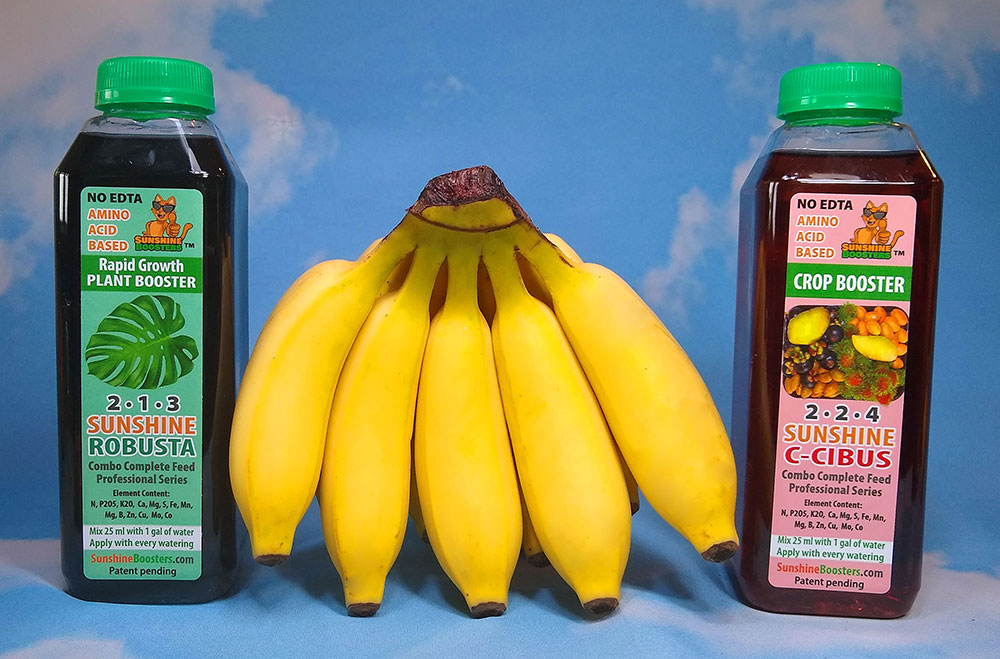
Make sure to always have on hand at least 2 main formulas of Sunshine
Boosters - Robusta for vegetative growth, and C-Cibus that will satisfy plant needs for both fruit production and
profuse flowering