Garden Blog - Top Tropicals

Date: 9 Apr 2023

How Gardening improves your health

Flowering  Adenium

Q: Can gardening improve my health?

A: Gardening is not only a fun way to spend time but also an opportunity to bond with family and friends. Get everyone involved in planting flowers, starting a vegetable patch, or even organizing a whimsical Easter egg hunt amidst the blooming garden.

The joy of gardening offers mood-boosting benefits, leaving you feeling invigorated and cheerful during the festive holiday. Plus, the sense of accomplishment when your garden begins to flourish perfectly aligns with Easter's spirit of personal growth and transformation.

Head out to your garden with a spring in your step and a smile on your face. Revel in the beauty of nature, spend time with loved ones, and watch as your garden transforms into a lively, colorful haven.

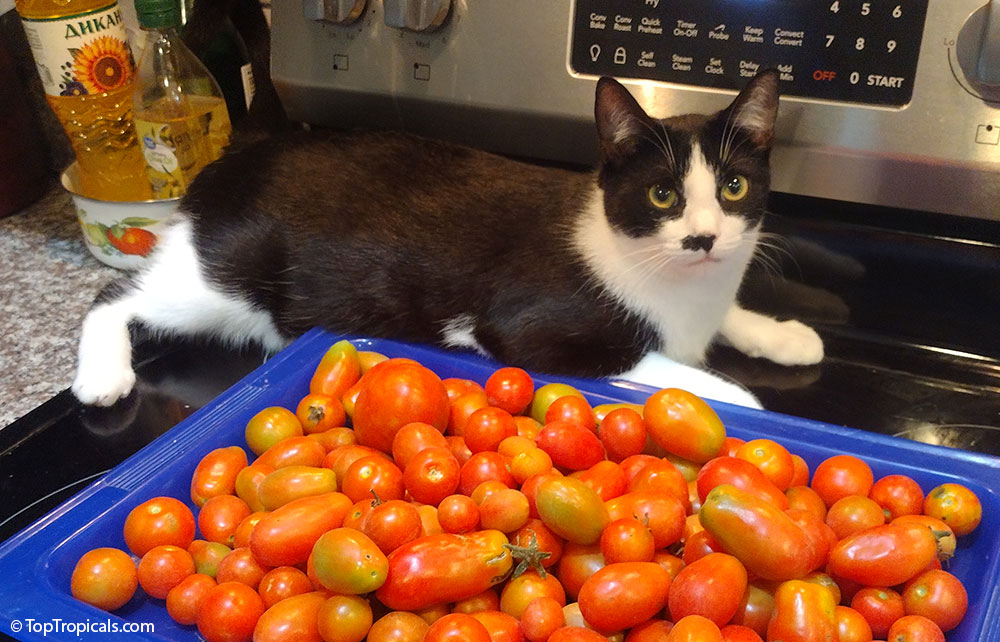
Tuxedo  cat  with  tomatoes

Date: 24 Jun 2018

Adenium: a Rose by any Other Name

New article by Jane Jordan.
"...The famous quote is often used to imply that the names of things do not affect what they really are, in the case of The Desert Rose (Adenium obesum) it is not a rose at all, rather a succulent that thrives in hot, dry and sunny conditions. These spectacular plants have no relation to the rose family, they are a species of flowering plant from the dogbane family, Apocynaceae. The naming of this plant is partly correct as they originate in sub-Saharan Africa and the Arabian Peninsula, where they can grow into large trees with huge swollen trunks..."
Continue reading...

Date: 17 May 2026

9 awesome accent plants and vines that love heat and dry conditions

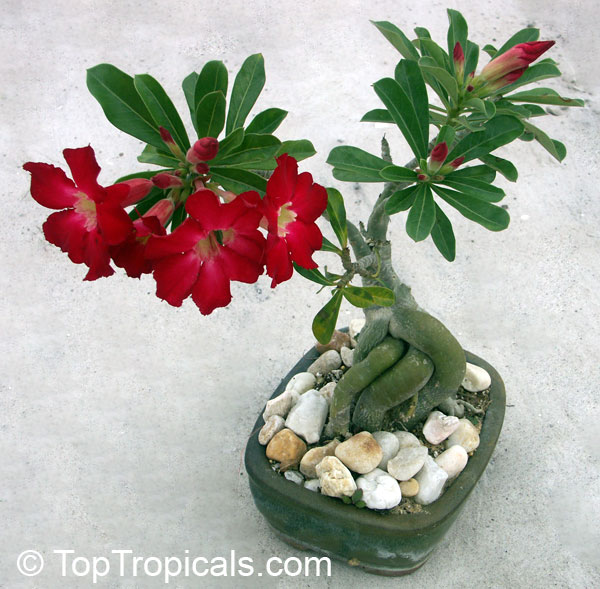
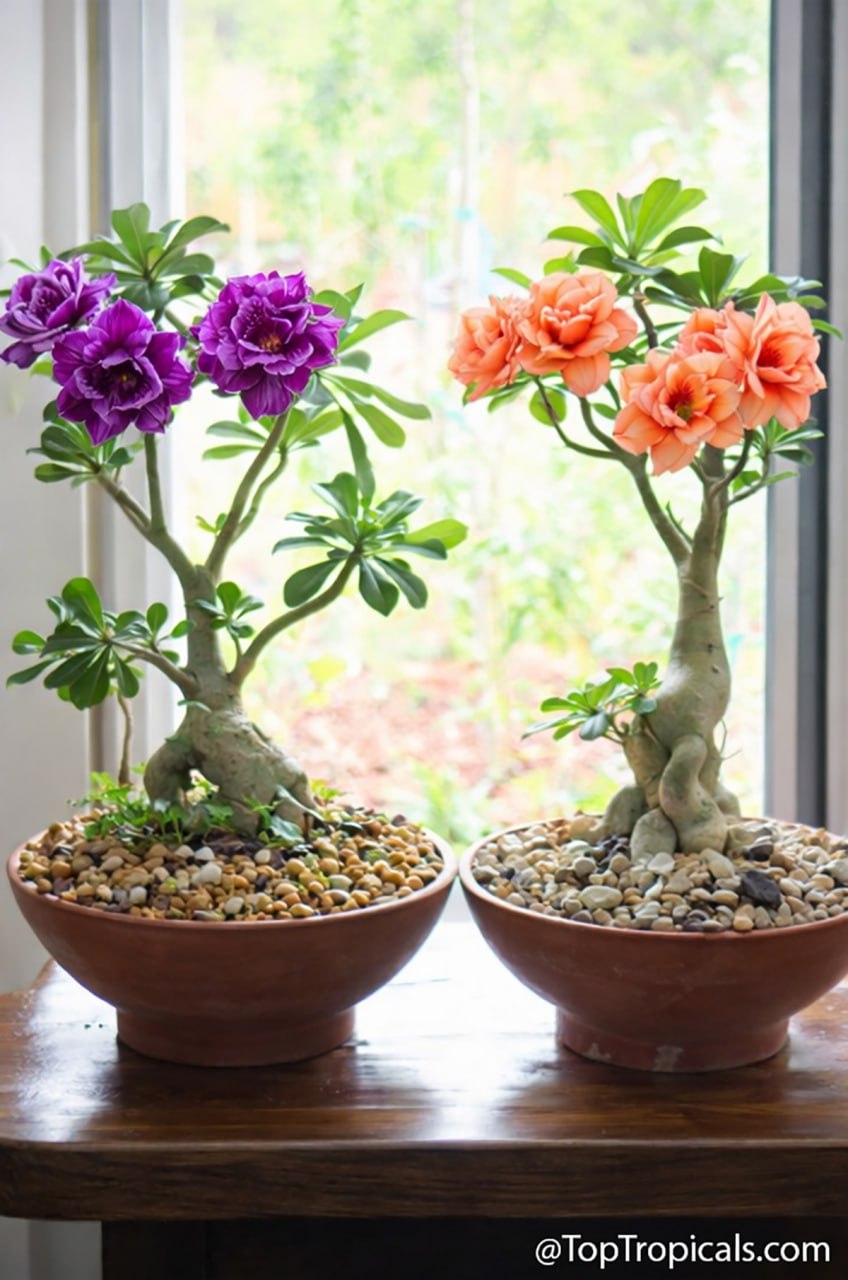
Adeniums in pots

Adeniums in pots

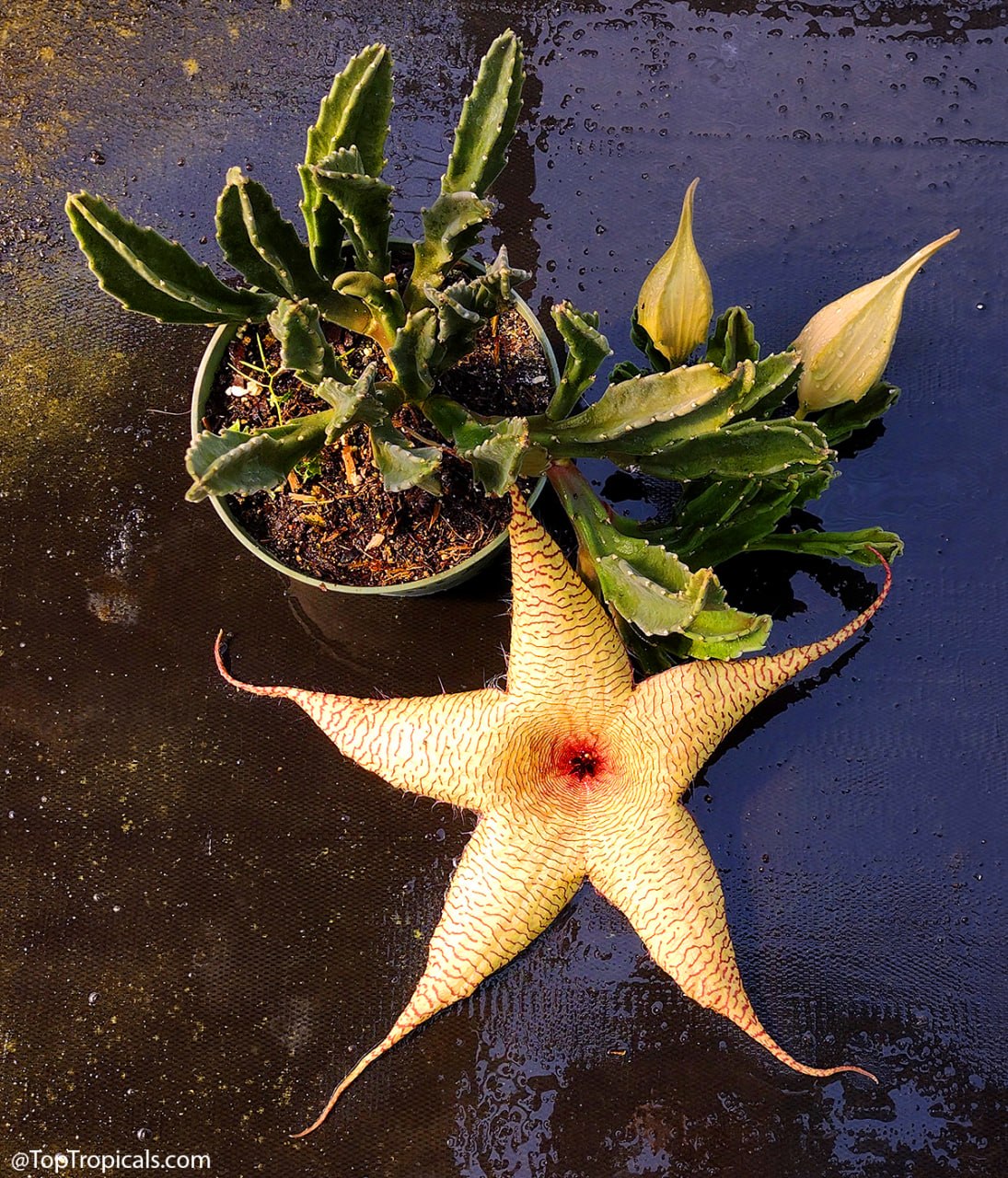
Stapelia gigantea - Starfish Flower

Stapelia gigantea - Starfish Flower

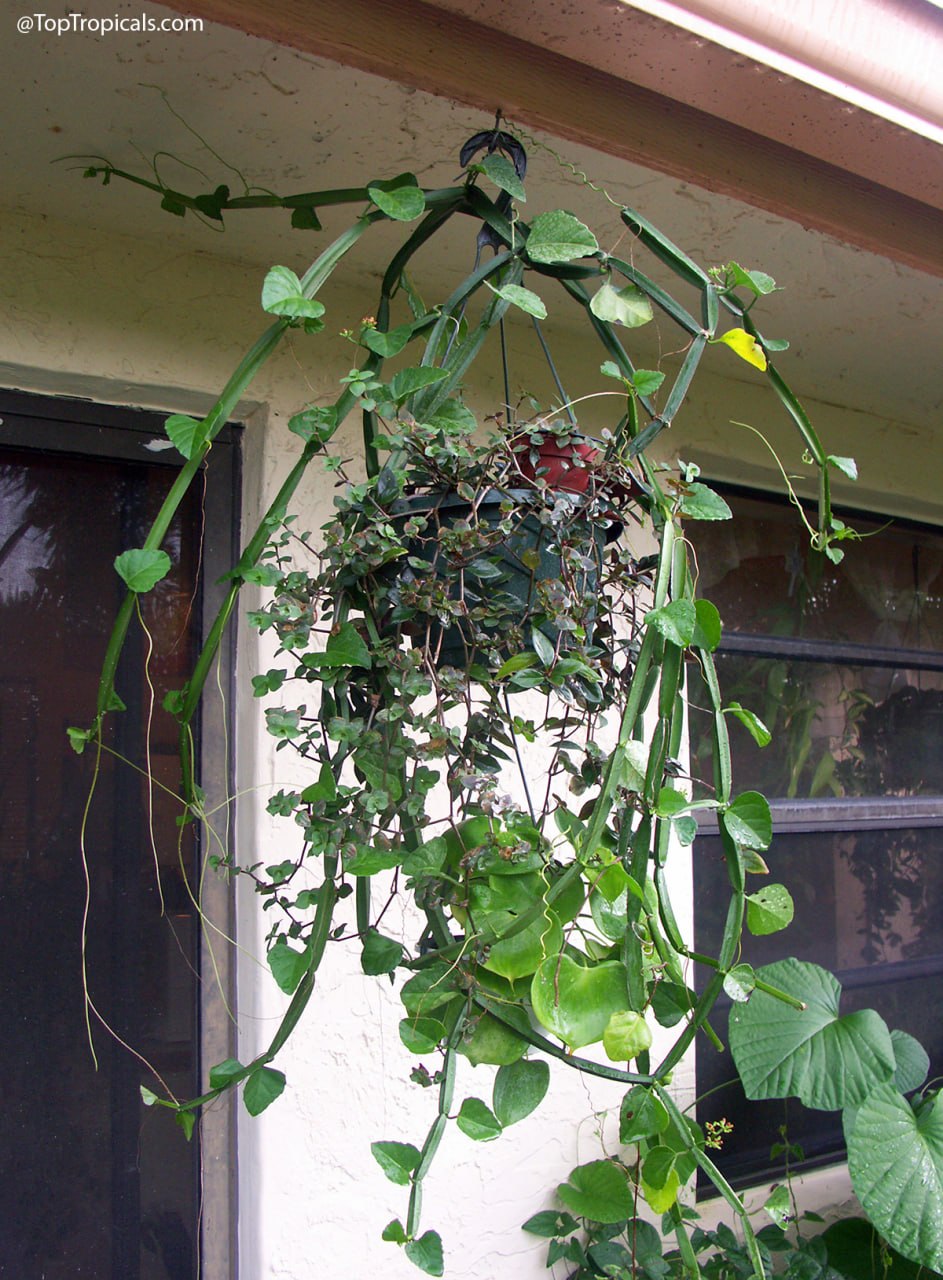
Cissus quadrangularis - Veld Grape Vine

Cissus quadrangularis - Veld Grape Vine

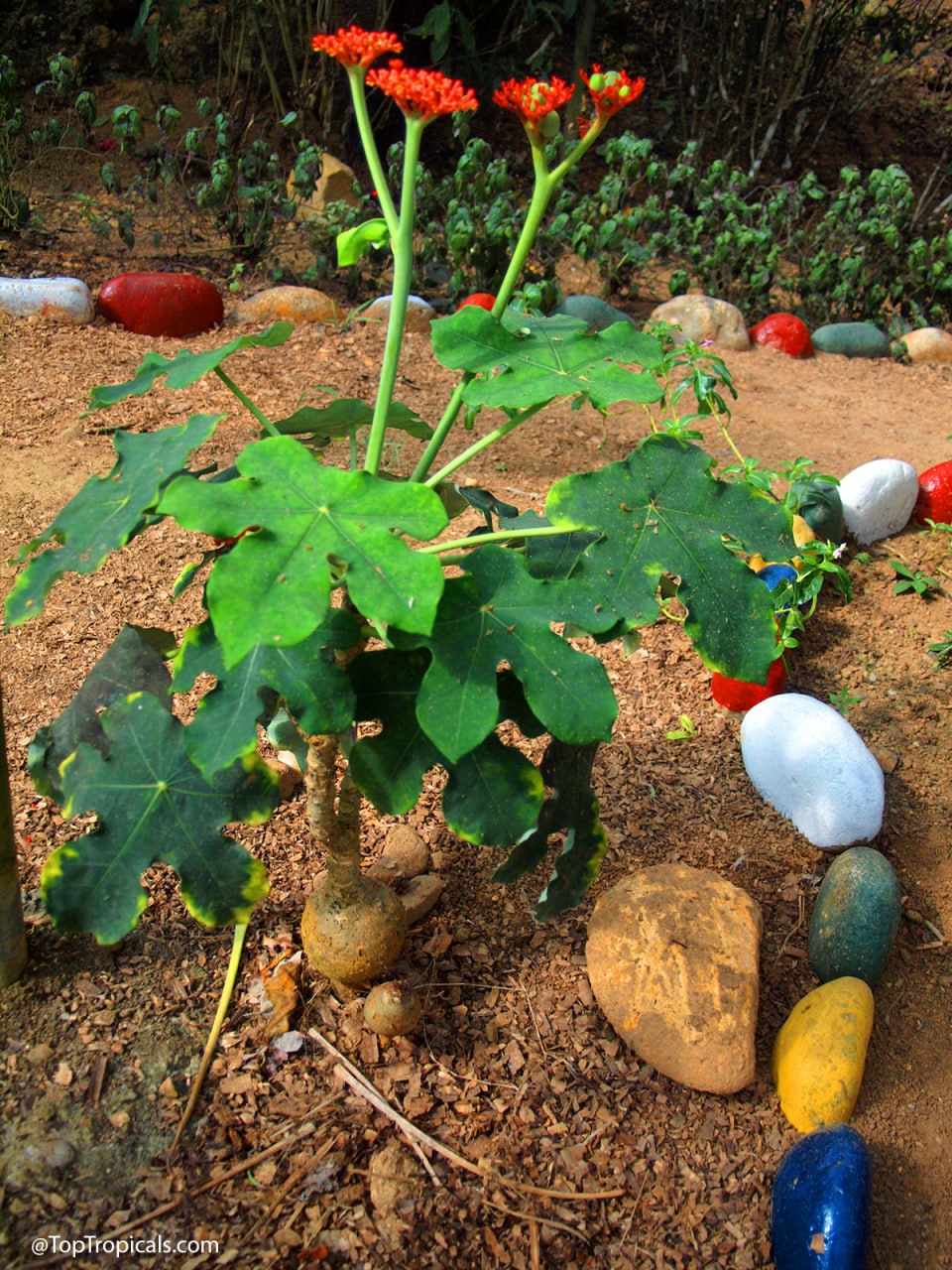
Jatropha podagrica - Gout Plant

Jatropha podagrica - Gout Plant

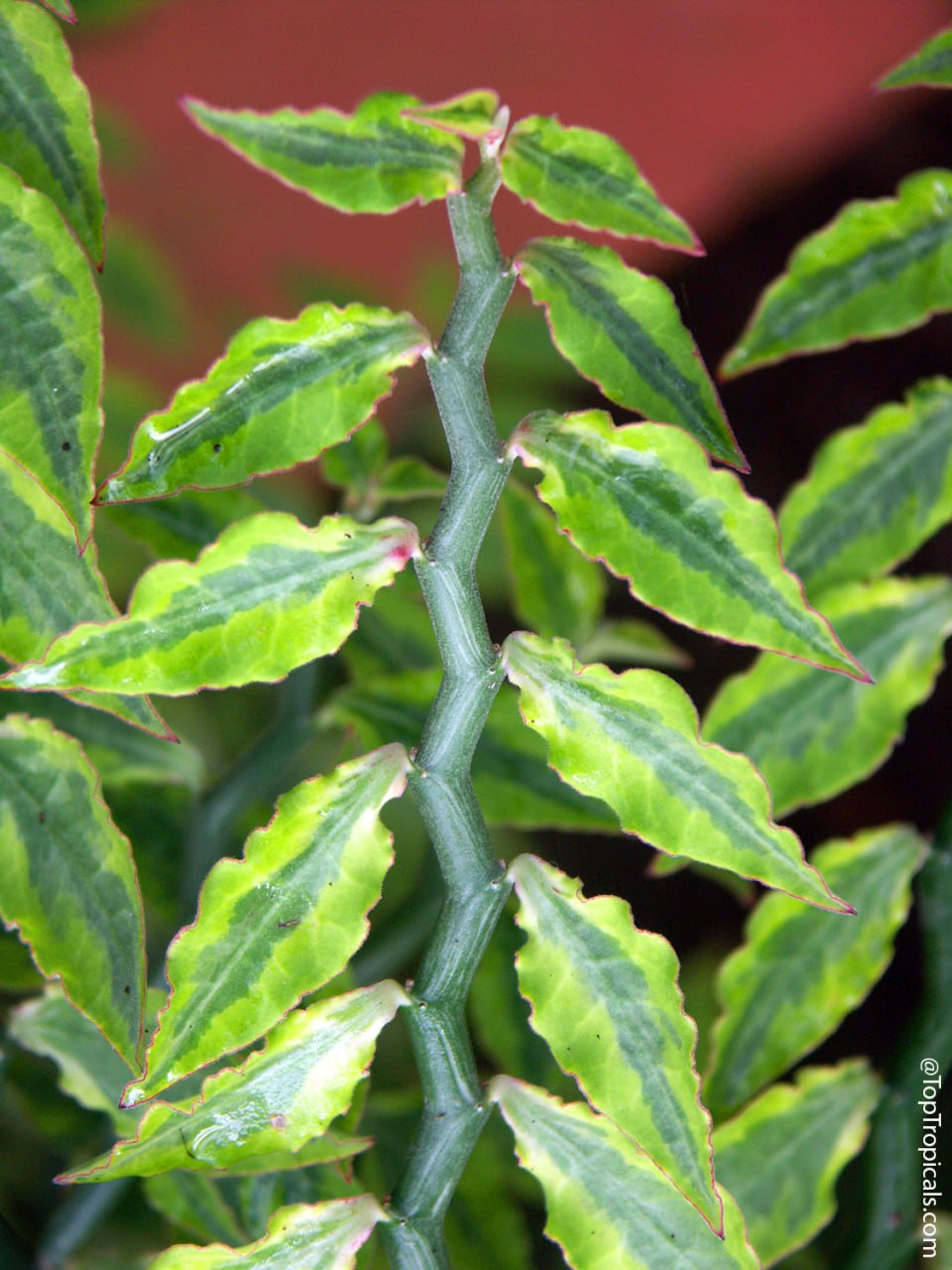
Pedilanthus tithymaloides - Devil's Backbone

Pedilanthus tithymaloides - Devil's Backbone

☀️ 9 awesome accent plants and vines that love heat and dry conditions


The hardest spots aren’t for trees - they’re for everything else. The toughest areas are often smaller spaces - along walls, patios, containers, or rocky patches where soil dries out fast. This is where most plants fail quickly.
These picks don’t just survive - they stand out. They bring texture, color, and structure - without needing constant watering or perfect soil.


Why containers are the toughest of all in heat


Growing in pots in hot, dry conditions is a different game. The soil heats up fast, roots can literally overheat, and moisture disappears much quicker than in the ground. If you’re using containers, protect the root zone - group pots together, tuck them into partial shade, or shield the container itself from direct sun. Choosing drought-tolerant plants helps, but don’t assume they can go totally without water - even tough plants in pots can dry out quickly, so check regularly and don’t let them go bone dry.

🔥 9 best smaller plants and vines for hot, dry spots


☀️ 1. Adenium - Desert Rose 📸
Stores water in its caudex and thrives in heat - one of the best flowering plants for dry conditions.

Adenium Plant Facts

Botanical name: Adenium sp.
Also known as: Adenium, Desert Rose, Impala Lily
USDA Zone: 9 - 10
Highligths Plant with caudexLarge shrub 5-10 ft tallSmall tree 10-20 ftFull sunWater Requirement: Low. Allow soil to dry out between wateringsWatering: Moderate. Water when top soil feels dryYellow, orange flowersRed, crimson, vinous flowersUnusual colorBlue, lavender, purple flowersWhite, off-white flowersPink flowersToxic or Poisonous
Get personalized tips for your region
More details

☀️ 2. Stapelia gigantea - Starfish Flower 📸
Unusual and tough - thrives in dry soil and produces massive, eye-catching blooms.

Zulu Giant Plant Facts

Botanical name: Stapelia gigantea
Also known as: Zulu Giant, Carrion Plant, Starfish Flower
USDA Zone: 9 - 10
Highligths Small plant 2-5 ftFull sunWatering: Moderate. Water when top soil feels dryUnusual colorPlant attracts butterflies, hummingbirds
Get personalized tips for your region
More details

☀️ 3. Cissus quadrangularis - Veld Grape Vine 📸
A succulent vine that handles heat and drought while adding a unique structural look.

Veld grape Plant Facts

Botanical name: Cissus quadrangularis, Vitis quadrangularis
Also known as: Veld grape
USDA Zone: 9 - 11
Highligths Groundcover and low-growing 2ft plantVine or creeper plantSemi-shadeFull sunWatering: Moderate. Water when top soil feels dryOrnamental foliageEthnomedical plant.
Plants marked as ethnomedical and/or described as medicinal, are not offered as medicine but rather as ornamentals or plant collectibles.
Ethnomedical statements / products have not been evaluated by the FDA and are not intended to diagnose, treat, cure, or prevent any disease. We urge all customers to consult a physician before using any supplements, herbals or medicines advertised here or elsewhere.Subtropical plant. Mature plant cold hardy at least to 30s F for a short time
Get personalized tips for your region
More details

☀️ 4. Jatropha podagrica - Gout Plant 📸
Thick stems store water, making it surprisingly drought tolerant with a bold tropical look.

Gout Plant Facts

Botanical name: Jatropha podagrica
Also known as: Gout Plant, Gout Stick, Buddha Belly, Guatemala Rhubarb, Tartogo
USDA Zone: 9 - 11
Highligths Plant with caudexPlant used for bonsaiSmall plant 2-5 ftSemi-shadeShadeFull sunWatering: Moderate. Water when top soil feels dryYellow, orange flowersRed, crimson, vinous flowersOrnamental foliageToxic or PoisonousPlant attracts butterflies, hummingbirdsSubtropical plant. Mature plant cold hardy at least to 30s F for a short timeSeaside, salt tolerant plant
Get personalized tips for your region
More details

☀️ 5. Pedilanthus tithymaloides - Devil's Backbone 📸
Extremely forgiving - thrives on neglect, heat, and dry soil.

Devil's backbone Plant Facts

Botanical name: Euphorbia tithymaloides, Pedilanthus tithymaloides
Also known as: Devil's backbone, Zigzag plant, Jacob's ladder
USDA Zone: 9 - 11
Highligths Large shrub 5-10 ft tallSmall plant 2-5 ftSemi-shadeFull sunWatering: Moderate. Water when top soil feels dryOrnamental foliagePink flowersIrritating plantSubtropical plant. Mature plant cold hardy at least to 30s F for a short time
Get personalized tips for your region
More details

☀️ 6. Agave species - Tequila Agave, Century Plant


Classic drought plants - architectural, extremely tough, and almost maintenance-free.

Century plant Facts

Botanical name: Agave americana
Also known as: Century plant
USDA Zone: 8 - 11
Highligths Large shrub 5-10 ft tallFull sunWater Requirement: Low. Allow soil to dry out between wateringsWatering: Moderate. Water when top soil feels dryThorny or spinySubtropical plant. Mature plant cold hardy at least to 30s F for a short time
Get personalized tips for your region
More details

☀️ 7. Crocosmia species - Coppertips / Falling Stars


Handles heat well once established and adds bright seasonal color with minimal care.

Coppertips Plant Facts

Botanical name: Crocosmia sp.
Also known as: Coppertips, Falling Stars, Montbretia
USDA Zone: 8 - 11
Highligths Small plant 2-5 ftSemi-shadeFull sunWatering: Moderate. Water when top soil feels dryWatering: Regular. Let topsoil dry slightlyYellow, orange flowersRed, crimson, vinous flowersPlant attracts butterflies, hummingbirdsSubtropical plant. Mature plant cold hardy at least to 30s F for a short time
Get personalized tips for your region
More details

☀️ 8. Ipomoea platensis - Caudiciform Morning Glory


A rare vine with a swollen base - built to handle dry cycles and intense sun.

Plata Ipomoea Plant Facts

Botanical name: Ipomoea platensis, Ipomoea platense, Ipomoea lineariloba
Also known as: Plata Ipomoea, Caudiciform Morning Glory
USDA Zone: 9 - 11
Highligths Plant with caudexVine or creeper plantSemi-shadeWatering: Moderate. Water when top soil feels dryWatering: Regular. Let topsoil dry slightlyPink flowersSubtropical plant. Mature plant cold hardy at least to 30s F for a short time
Get personalized tips for your region
More details

☀️ 9. Plectranthus hadiensis tomentosus - Camphor Basil


Soft, aromatic foliage that tolerates dry conditions better than most leafy plants.

Camphor Plant Facts

Botanical name: Plectranthus tomentosus, Plectranthus hadiensis var. tomentosus
Also known as: Camphor Plant, Camphor Basil, Vicks Plant, Succulent Coleus
USDA Zone: 9 - 10
Highligths Groundcover and low-growing 2ft plantSmall plant 2-5 ftSemi-shadeFull sunWater Requirement: Low. Allow soil to dry out between wateringsWatering: Moderate. Water when top soil feels dryOrnamental foliageBlue, lavender, purple flowersPlant attracts butterflies, hummingbirdsSpice or herb plantEthnomedical plant.
Plants marked as ethnomedical and/or described as medicinal, are not offered as medicine but rather as ornamentals or plant collectibles.
Ethnomedical statements / products have not been evaluated by the FDA and are not intended to diagnose, treat, cure, or prevent any disease. We urge all customers to consult a physician before using any supplements, herbals or medicines advertised here or elsewhere.Fragrant plant
Get personalized tips for your region
More details

🛒 Shop drought tolerant plants - for hot and dry spots

📚
Learn more:
Jatropha podagrica - in Plant Encyclopedia
7 tough shrubs that handle heat and dry soil
9 tough trees for hot, dry spots that actually thrive
9 best tropical shrubs that bloom all summer long or year around
The bizarre bloom you cant stop staring at
Coral-blooming bonsai with a bottle-shaped trunk - perfect container plant
Caudiciform Morning Glory
Grows in neglect: tough plant for tough spots

#Discover #Hedges_with_benefits #How_to

🟢 Join 👉 TopTropicals

Date: 22 Mar 2017

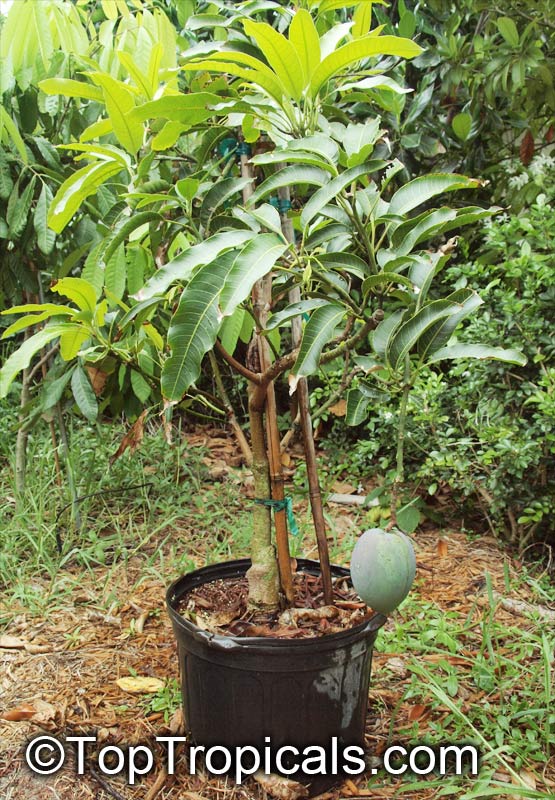
Condo Mango

Q: I was curious about indoor fruiting mango trees. I live in upstate New York and was thinking about trying to grow an indoor tree for fruit. I have a small heated greenhouse. Is there a variety that can be grown from seed that would suit my purposes and if not what is the most economical way I could obtain a cutting or small grafted plant? I keep my greenhouse around 60F in the winter and have no supplemental lighting. Are there any varieties that may work in a sunroom or other well lit indoor location?

A: There are many dwarf varieties of mango suitable for container culture. They are called "condo mangoes".
The most popular condo varieties are: Carrie, Cogshall, Cushman, Fairchild, Graham, Ice Cream, Julie , Mallika, Nam Doc Mai, Pickering. You may read more about them in our online catalog. You may also look into variety Lancetilla which is also a compact tree, and produces one of the biggest size fruit, up to 5 pounds. If you want some rare variety that hardly anyone else has - try Baptiste, an exotic Haitian dessert mango.

Your greenhouse should work for the winter time. Mango trees can take as low as mid 40s during winter and even lower as long as that cold is occasional. If you keep the temperature around 60, this should work well for over wintering. Just make sure to reduce watering to a minimum, because cool temperatures, low light and wet soil - is a bad combination for tropical plants, especially for mango trees which prefer to be kept on a dry side.

Many indoor gardeners have fruiting mango trees in their collection. However, keep in mind that the most important requirement for a mango is full sun. While you may over winter the plant for a few months in a low light conditions, in order for it to flower and produce fruit it needs lots of light. If moving the tree into full sun your yard during the summer is possible, this would be the best solution.

We always recommend SUNSHINE boosters for both over wintering tropical plants in colder climates, and for indoor gardening. SUNSHINE applications will help your tree to cope with cool temperatures and low light conditions. This will also dramatically increase flowering and fruiting performance. Another important factor for keeping your container plant healthy is quality of your potting soil. We offer a special professional mix that contains lots of good stuff: coconut fiber, peat moss, pine bark, and perlite. Fertilizing potted plants is also very important during the warm season, because this is the only way for them to get nutrients (which in the ground can be reached by spreading root system).

As far as seedlings vs. grafting - the only way to have a nicely fruiting mango tree is to plant a grafted variety. Seedlings start producing only after 8-15 years, and the quality of such fruit may be questionable. Only grafted plants can guarantee the desired taste of a variety. Besides, grafted mangoes start producing immediately - you may see fruit forming on plants as small as 3 ft, in 3 gal containers. However, during the first 1-2 years you will need to remove extra fruit and leave only 1-2 fruit so the plant doesn't get exhausted and has enough energy to establish strong root system.

For fun stories about growing mango, check out our Radio Show recording YO Tango Mango!

Date: 4 Jun 2019

Plants for South Texas and other hot states

Q: Pretty much adore last newsletter. Haven't been buying because our weather here in deep south Texas is so bad it is stunting and killing even the Tamaulipan Scrub! Do you have a cure for that? :) I have every expectation the new grafted Plumeria I purchased from you last year will bloom soon. One of my favorite plants. Thanks again and keep up the good works.

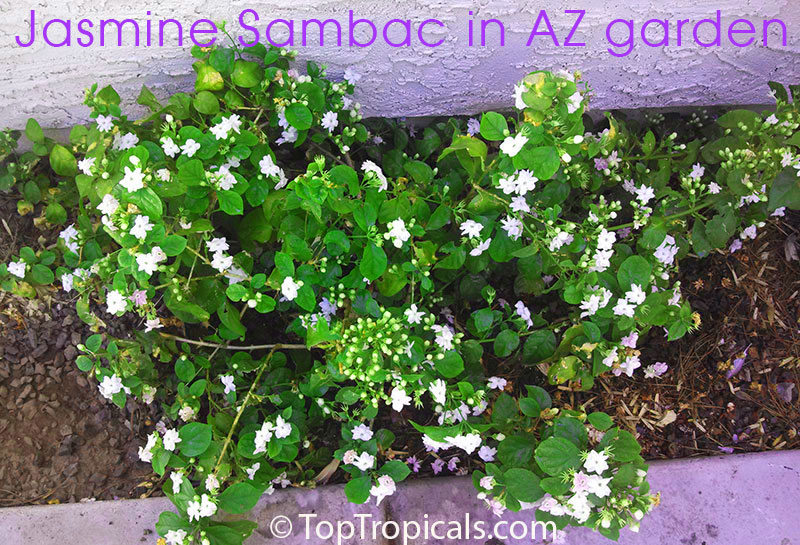
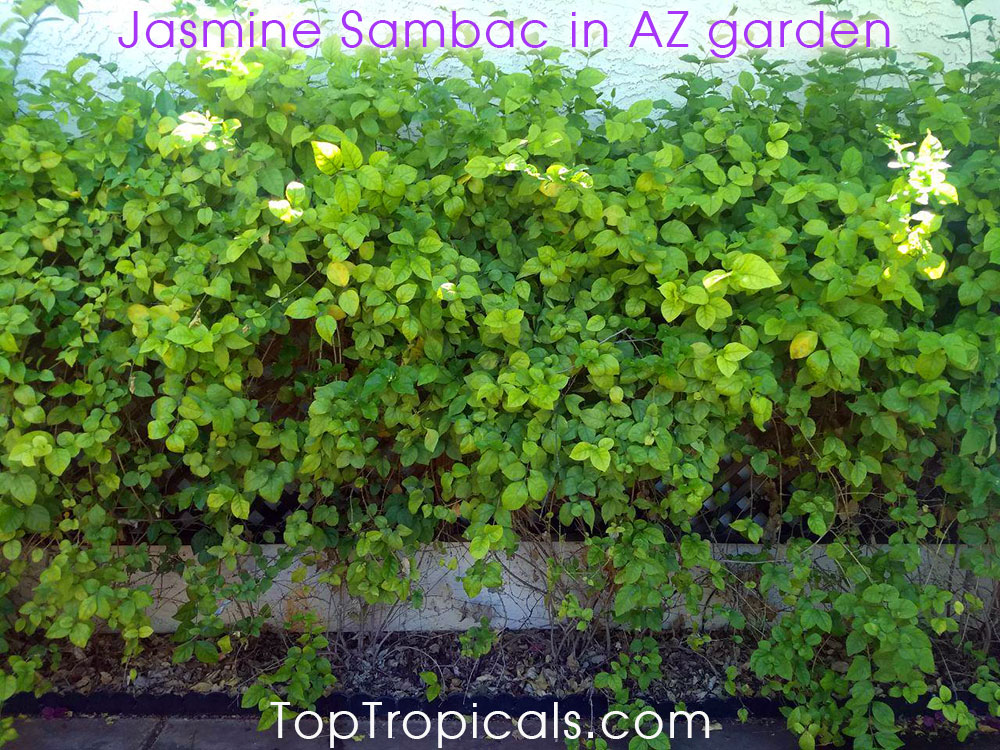
A: Yes, there is a "cure" - using biostimulants that improve drought- and heat- resistance (SUNSHINE boosters), plus the right plant selection. In fact, there is a large number of tropical rare plants that can be successfully grown in hot climates like yours. One of our partners lives in hot and dry Arizona area and has an amazing tropical garden that includes many fruit trees (Mango, Persimmons, Pomegranates, Loquats, etc). Here you can see a few pics from his garden.
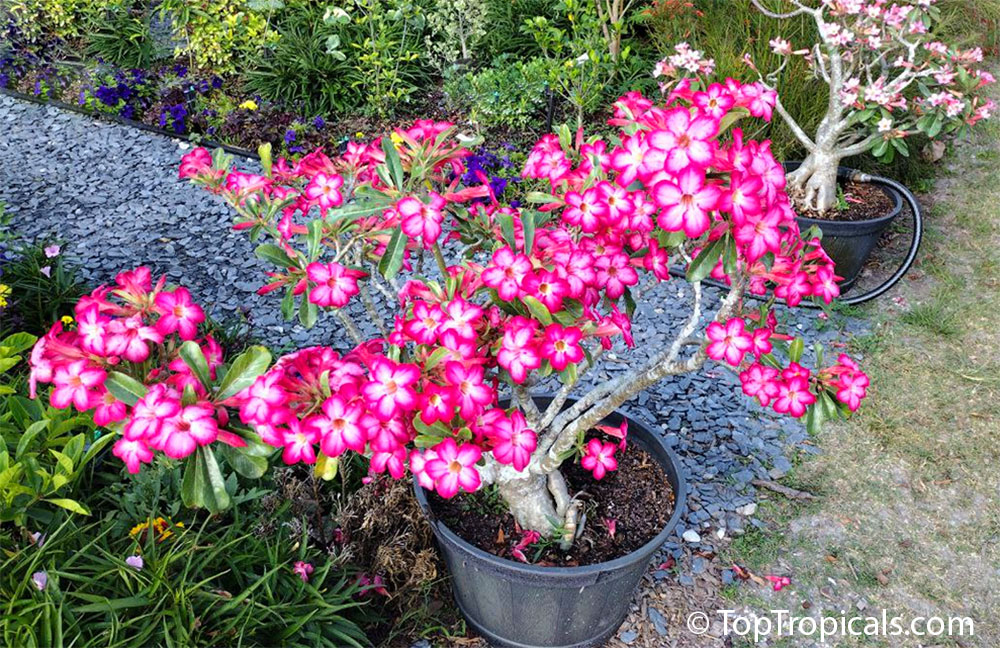
Your choice is absolutely right about plumerias. Other easy plants would be Desert roses - Adeniums, and Fancy Euphorbia millii - all these come in so many varieties of colors and bloom throughout most of the year. Our special recommendations for you would be also:
Bougainvillea Dwarf Pixie
Jasmine sambac
Calliandra selloi Pink Lilian
Dracaena marginata Tricolor - Colorama, Money Tree
Hamelia patens Lime Sizzler - Variegated Fire Bush
Jatropha berlandieri - Buddah Belly
Pedilanthus tithymaloides - Devils Backbone
Trachelospermum asiaticum Mandaianum - Dwarf Confederate Jasmine

See full list of more plants that are suitable for hot and dry landscapes.

Apply fertilizers, miscroelements, and plant stimulants for improving heat tolerance