Garden Blog - Top Tropicals

Date: 15 Jun 2026

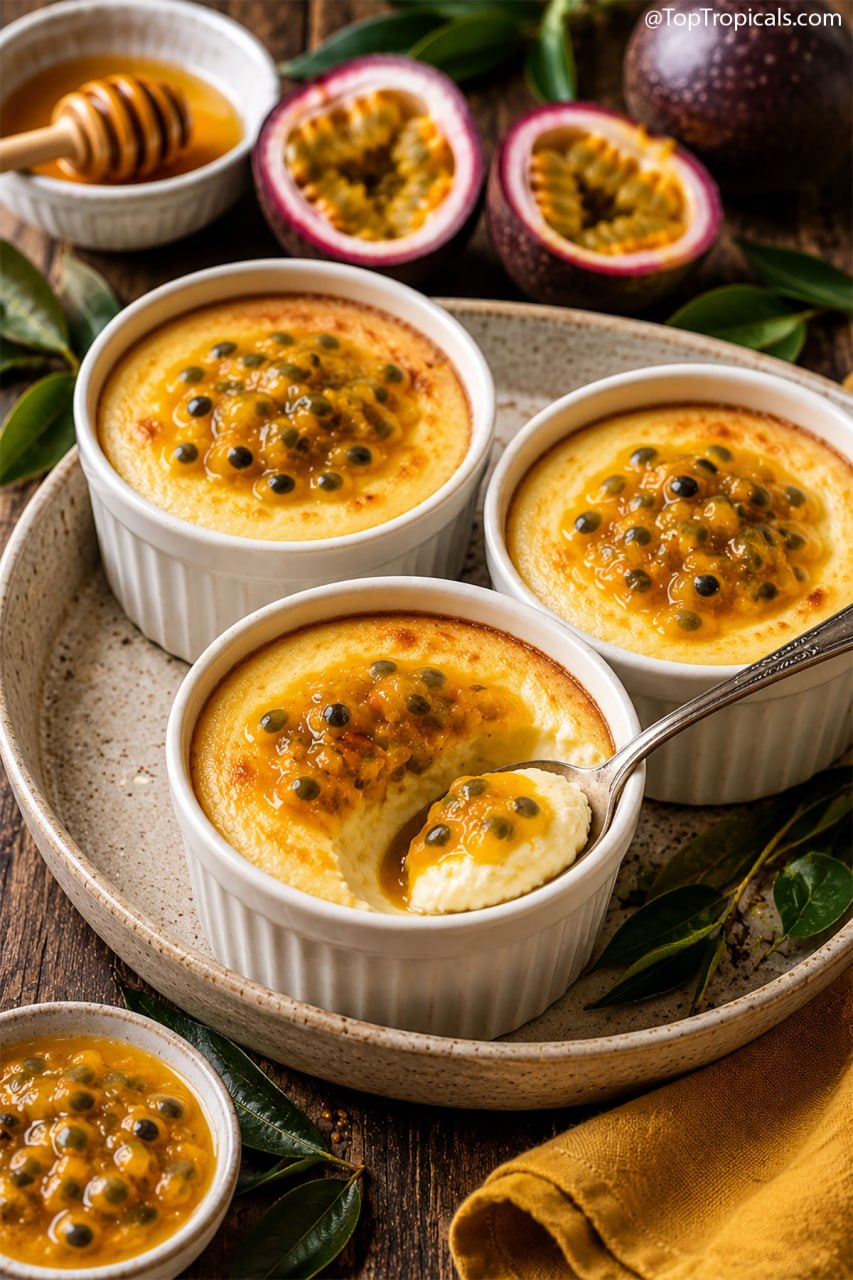
Passion fruit baked yogurt
Passion fruit baked yogurt
Passion fruit baked yogurt

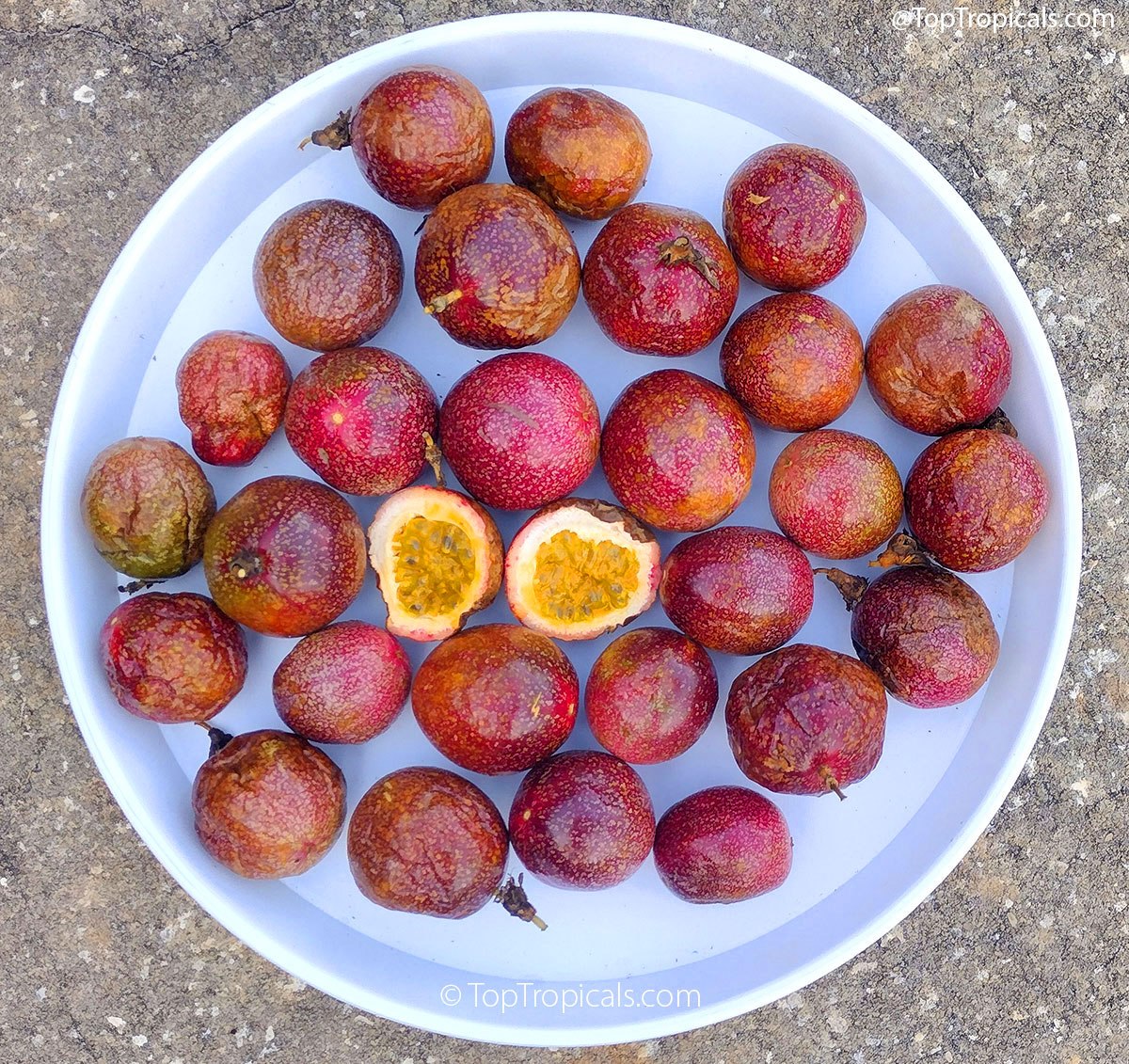
Passion fruit Passiflora edulis red fruit

Passion fruit Passiflora edulis red fruit

🍴 Passion fruit baked yogurt: quick-n-fun exotic recipes

🟡Stir fresh passion fruit pulp and a drizzle of honey into plain yogurt until evenly combined.
🟡Spoon the mixture into small ramekins and place them in a baking dish.
🟡Bake gently until the yogurt is just set but still slightly creamy in the center.
🟡Allow to cool, then chill for at least an hour to develop a smooth, custard-like texture.
🟡Top with a spoonful of fresh passion fruit pulp before serving for an extra burst of tropical flavor.

🌿 About the plant:


Passion fruit belongs to the genus Passiflora, known for its intricate, almost architectural flowers with layered filaments and bold central structures. The fruit develops after pollination, forming a tough rind around fragrant pulp.

🏡 In the garden:


Vines can grow aggressively in warm climates and quickly cover trellises or fences. Regular pruning after fruiting keeps the plant manageable and encourages new flowering growth.

🛒 Plant Passionfruit Vine - fast growing and rewarding

📚 Learn more:

Passion Fruit Plant Facts

Botanical name: Passiflora edulis
Also known as: Passion Fruit, Parcha, Maracuya, Granadilla
USDA Zone: 8 - 11
Highligths Vine or creeper plantFull sunWatering: Moderate. Water when top soil feels dryBlue, lavender, purple flowersWhite, off-white flowersEdible plantSubtropical plant. Mature plant cold hardy at least to 30s F for a short time
Get personalized tips for your region

Passiflora edulis in Plant Encyclopedia
Passion fruit butter glaze: quick-n-fun exotic recipes
The truth about Passion flower and Passion fruit.

#Food_Forest #Recipes

🟢 Join 👉 TopTropicals
Date: 14 Jun 2026

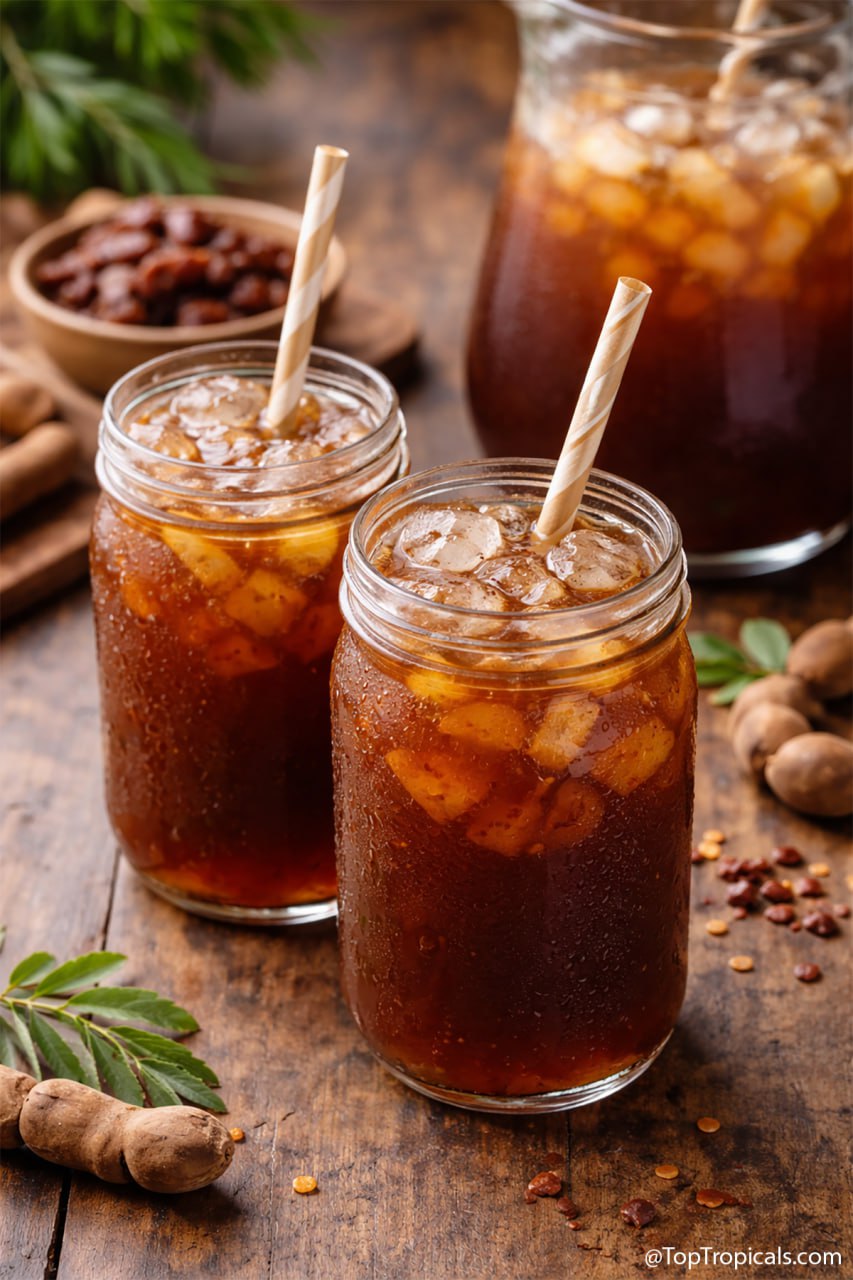
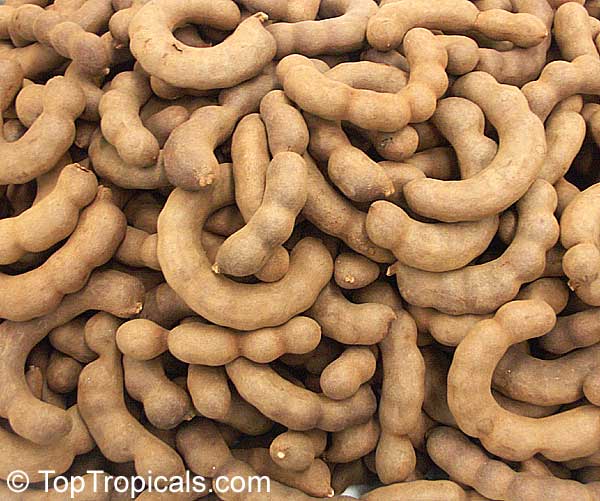
Tamarind Agua Fresca: quick-n-fun exotic recipes

Tamarind Agua Fresca

Tamarind Agua Fresca

Tamarindus indica - Tamarind

Tamarindus indica - Tamarind

🍴 Tamarind Agua Fresca: quick-n-fun exotic recipes


🟡Soak tamarind pulp in warm water, mash and strain.
🟡Add sugar to taste and serve over ice.
🟡Refreshing and bold.

🌿 About the plant:


In Mexico, tamarind drinks are incredibly popular. The pulp dissolves easily in water, creating a naturally tangy beverage without needing citrus.

🏡 In the garden:


Tamarind (Tamarindus indica) prefers full sun and good drainage. It is relatively low maintenance once established and rarely troubled by pests.

🛒 Plant a Tamarind tree for summers drinks

📚 Learn more:

Tamarind Plant Facts

Botanical name: Tamarindus indica
Also known as: Tamarind, Sampalok
USDA Zone: 9 - 11
Highligths Large tree taller than 20 ftFull sunWatering: Moderate. Water when top soil feels dryEdible plantSubtropical plant. Mature plant cold hardy at least to 30s F for a short timeFlood tolerant plantSeaside, salt tolerant plant
Get personalized tips for your region

Tamarindus indica in Plant Encyclopedia

#Food_Forest #Recipes

🟢 Join 👉 TopTropicals
Date: 24 Jun 2026

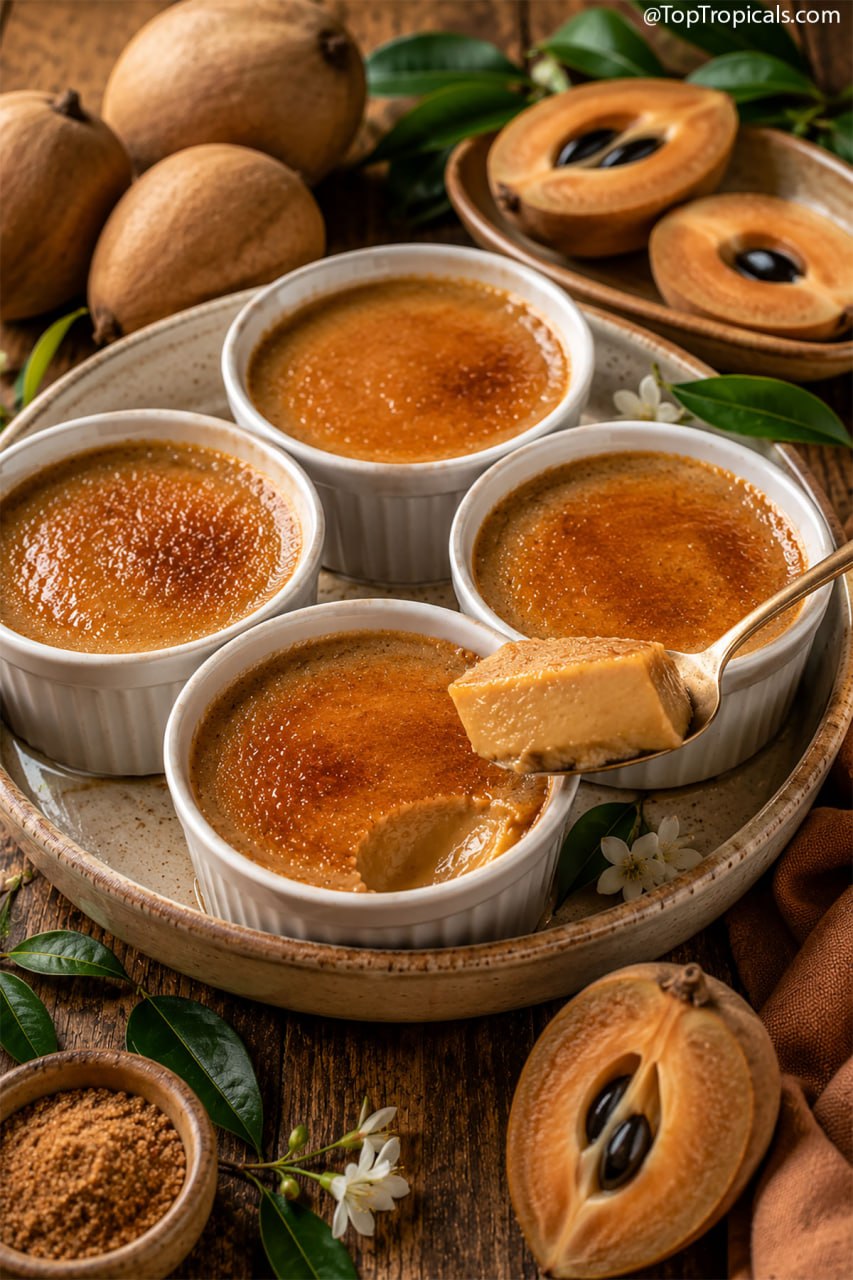
Sapodilla baked custard

Sapodilla baked custard Sapodilla baked custard
🍴 Sapodilla baked custard: quick-n-fun exotic recipes

🔴Blend ripe sapodilla pulp with eggs, milk, and a touch of sugar until smooth and creamy.
🔴Pour the mixture into small ramekins or a lightly greased baking dish.
🔴Bake gently until the custard is set around the edges but still slightly soft in the center.
🔴Allow to cool for a few minutes as the custard finishes setting.
🔴Serve warm or chilled for a dessert that tastes remarkably like natural caramel pudding with hints of brown sugar and pear.

🌿 About the plant:


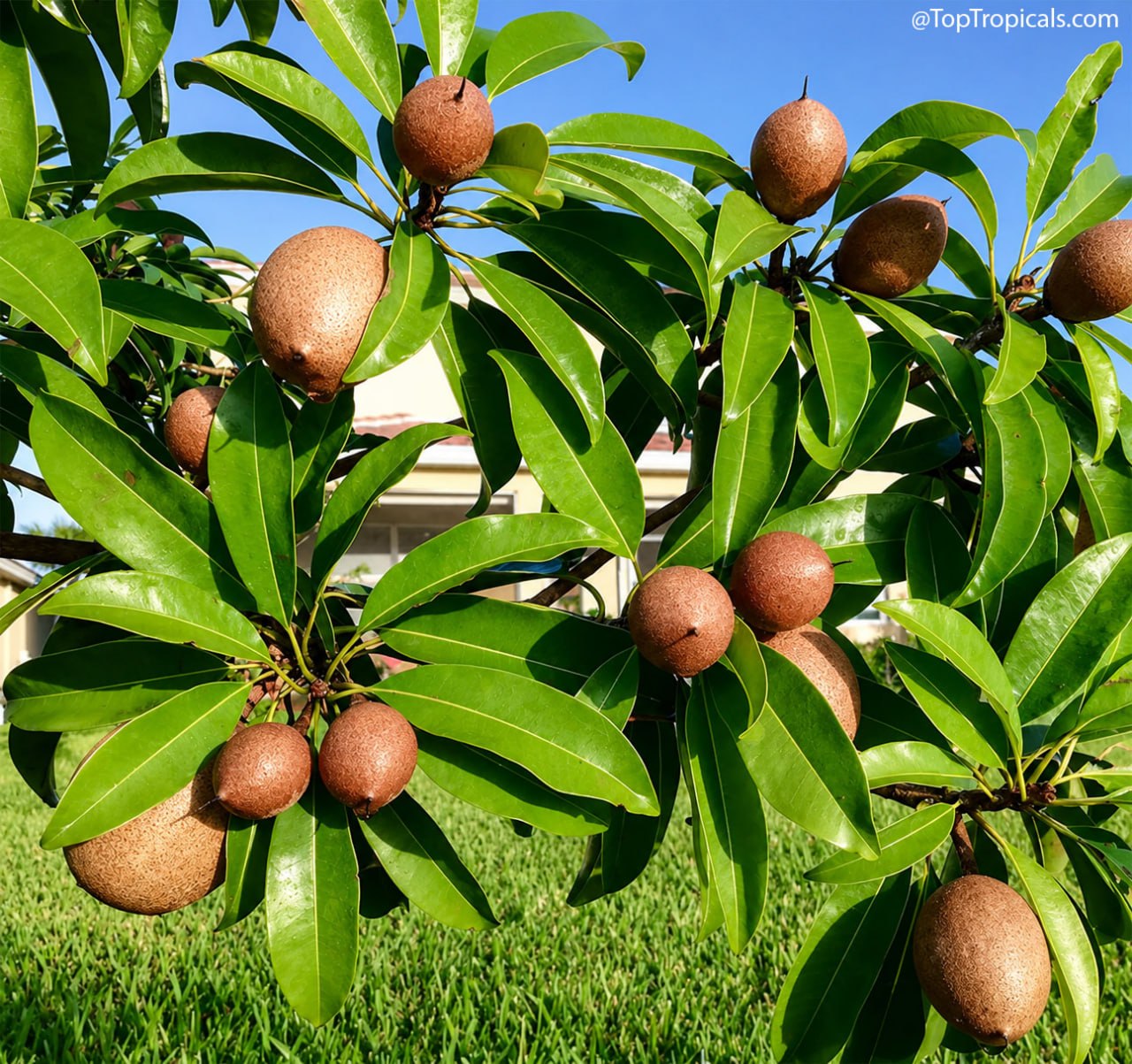
The flesh of sapodilla is naturally high in sugars and fiber, with a flavor often compared to caramel, pear, and brown sugar. It is also a source of vitamin C and several antioxidants.

🏡 In the garden:


Regular feeding during the growing season improves flowering and fruit size. Young trees benefit from consistent moisture, especially during fruit development.

🛒 Add Sapodilla - Brown Sugar Fruit tree to your Food Forest

📚 Learn more:

Sapodilla Plant Facts

Botanical name: Manilkara zapota, Manilkara achras, Achras sapota
Also known as: Sapodilla, Ciku, Naseberry, Nispero, Sapote, Brown Sugar Fruit
USDA Zone: 9 - 11
Highligths Large tree taller than 20 ftSemi-shadeFull sunWatering: Regular. Let topsoil dry slightlyEdible plantSubtropical plant. Mature plant cold hardy at least to 30s F for a short timeSeaside, salt tolerant plant
Get personalized tips for your region

Sapodilla (Achras zapota) in Plant Encyclopedia
Sapodilla caramel toast: quick-n-fun exotic recipes
How to make Sapodilla fruit profusely?
A sugar that’s good for your health
When does Sapodilla start fruiting and what is the best variety
New variety of Sapodilla: Thai Brownie

#Food_Forest #Recipes

🟢 Join 👉 TopTropicals

Date: 14 Jul 2019

A Cup of Tea Plant

By Onika Amell, tropical plant specialist

A: I live in Ave Maria, Florida. I want to try my hand at growing my own tea. Which plant do I need?

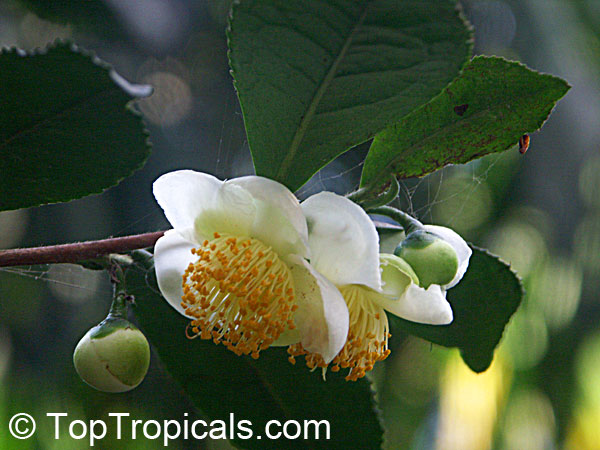
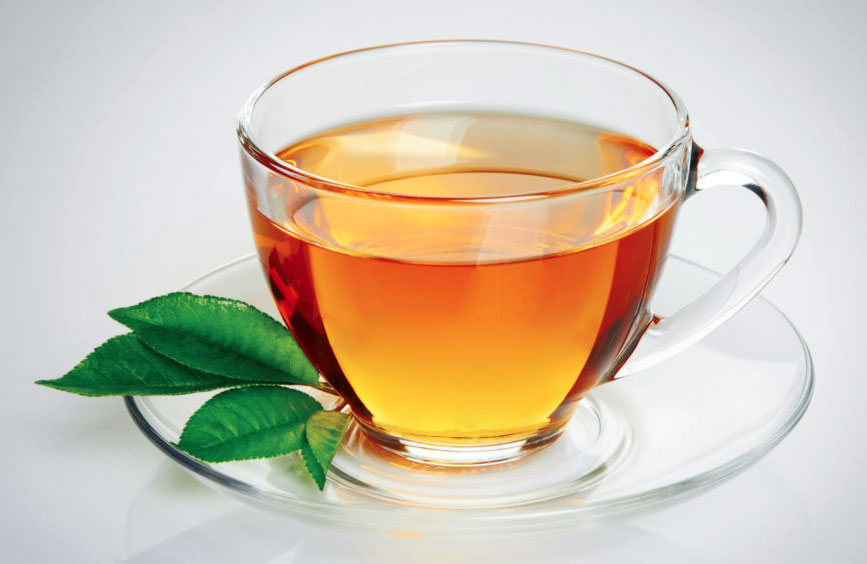
A: Most people do not realize they are actually enjoying camellias when they sip their cup of tea. True tea comes from the Camellia sinensis plant, an evergreen shrub or small tree.
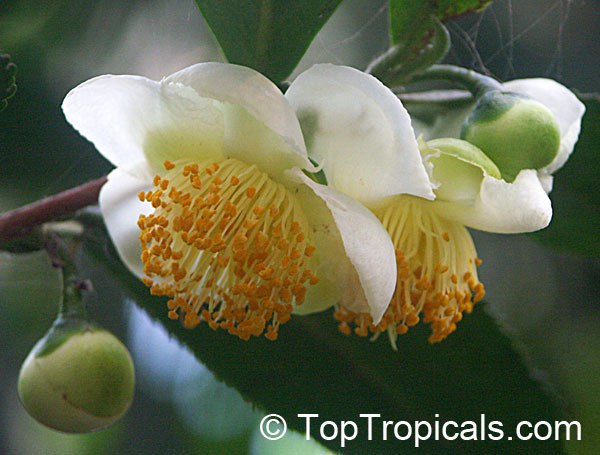
In the fall and winter, the plant will produce small white flowers with a lovely fragrance. The foliage is shiny and dark green with a very nice informal and open look. Camellia sinensis (or tea plant, as it is commonly known) prefers a temperature between 65 and 86 degrees, which makes Florida an ideal area to grow them. However, if you live in colder zones, you can certainly succeed growing your own tea plants using a greenhouse. Alternatively, you can use containers which can be brought inside when temperatures start falling. Tea plants will usually survive a very slight freeze, though the leaves may be damaged or killed. It will not tolerate a hard freeze. They prefer full sun or light shade in the garden.
Tea plants will become small trees or large bushes if not pruned. Hardcore tea growers trim back the shoots repeatedly to a height of around 4 feet to encourage new growth and to contain the size.
Make sure to pick an area of your landscape where it does not flood or remain wet during our rainy season. Camellia sinensis does not like wet feet at all. They prefer well-drained, sandy and slightly acidic soil. If grown in a container, add some sphagnum moss to the potting mix. They will benefit from frequent applications of small amounts of fertilizer.
You will need some patience, too. Your plant should be around 3 years old before you start harvesting leaves.

Recommended fertilizers:

Tropical Greenhouse Plus - Plant Booster
Tropical Allure - Smart-Release Booster

Harvesting recipes

Now that you know how to grow the Tea, you need to check this out: the Harvesting recipes how to harvest and make different kinds of real tea: Green Tea, Japanese Style Green Tea, Oolong Tea, Black Tea, Orthodox Indian Tea... Continue reading...

Date: 9 Jun 2024

Where does the tea come from?

Camellia sinensis - Tea Leaf

Camellia sinensis - Tea Leaf

☕️ Where does the tea come from? Tea Leaf Plant!


🍃 Camellia sinensis - Tea Leaf. Yes, tea comes from a camellia!

🍃 Tea Leaf is a small evergreen tree, usually pruned back to shrubs in cultivation.

🍃 In the fall and winter, the plant will produce small white flowers with a lovely fragrance.

🍃 Tea is the second most commonly drank liquid on earth after water. It has numerous medicinal benefits mainly due to its antibacterial and antioxidant properties.

🍃 To grow Tea Leaf Plant, make sure to pick an area of your landscape where it does not flood or remain wet during our rainy season. Camellia sinensis do not like wet feet at all. They prefer well-drained, sandy and slightly acidic soil.

📚 Learn more: Tea Leaf Plant and Tea Harvesting Recipes

🛒 Shop Tea Leaf Plant

#Food_Forest #Recipes

🏵 TopTropicals