Date: 21 May 2019
Perfecting a Mango Tree
Q: I recently purchased a Mangifera indica - Coconut Cream Mango from you and would like to know if it is possible
to keep this in a large pot rather than putting it in the ground. If so, I
have a few questions:
1. How large would you expect this variety to get?
2. What are the ideal growing conditions? Full sun, partial sun,
etc...?
3. What is the ideal soil?
4. Any specific watering directions for ideal growth?
A: Coconut Cream mango tree has a moderate growth. We've planted
one in our garden 4 years ago and it is still under 10 ft tall. This variety
should be well suitable for container culture.
1. Keep the branches trimmed after fruiting is over. Mango trees can be
grown in 15 to 25 gal containers and can be trimmed under 7-8 ft high.
2. All mango trees need full sun, the more sun the better.
3. Mango needs very well draining soil, ideally with lots of bark and
perlite. We recommend our professional soilless mix or a similar formula.
4. Mango trees hate wet feet, and prefer to stay on a dry side: make
sure soil in a pot doesn't stay wet; allow it to dry a little between the
waterings.
Remember to apply Mango Food fertilizer during warm season for vigorous growth and heavy
crop!

Date: 13 Nov 2025
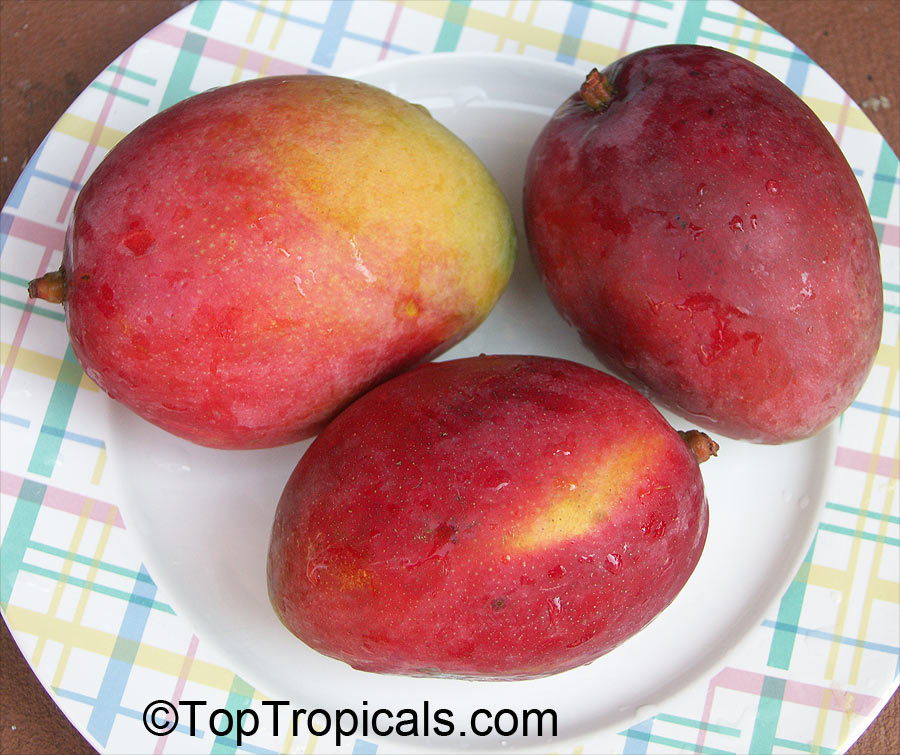
Mangos hidden power: the orange fruit that helps your immune system fight cancer
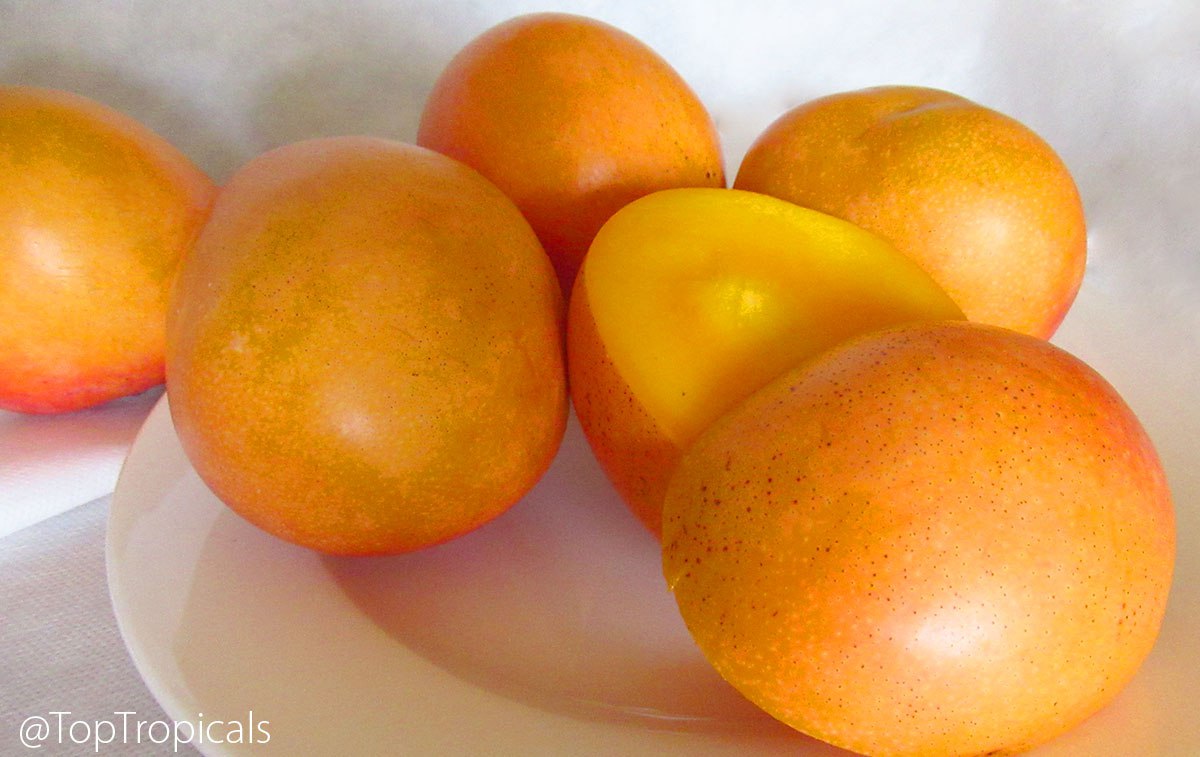
Orange mango fruit
🥭 Mango's hidden power: the orange fruit that helps your immune system fight cancer
- 🔸 A new study from the University of Chicago (Cell Reports Medicine) found that zeaxanthin - a carotenoid that gives mangoes their golden color - may do much more than support eye health. It can actually make your immune system stronger against cancer!
- 🔸 Researchers discovered that zeaxanthin boosts the performance of the body’s CD8+ T cells, the immune cells that hunt down and destroy tumor cells. In lab and animal tests, diets rich in zeaxanthin slowed tumor growth, and when paired with cancer immunotherapy, the results were even more impressive.
- 🔸 Zeaxanthin helps T cells form stronger receptor structures and increases their signaling and tumor-killing power. The compound occurs naturally in colorful foods like Mango, orange peppers, corn, cantaloupe, and dark leafy greens.
- 🔸 Because it’s already known to be safe and available as a dietary supplement, scientists see zeaxanthin as a promising addition to future cancer therapies. So, eating mangoes and other orange or yellow fruits may not only brighten your plate but also help your body’s natural defenses stay sharp: Pineapple, Carambola, Canistel, Garcinia, Loquat and more.
🛒 Select from Mango varieties
📚 Learn more:
- Grow your own brain food: avocado and cacao
- Plant a fruit tree - and breathe easier: fruit might be the surprising key to healthier lungs
- 11 tropical fruits to eat instead of taking a fiber supplement
- Tropical fruit health benefits guide - what fruit and edibles can help with health issues and vitamin deficiencies, Part 1 and Part 2.
- Top 10 fruiting plants you'll ever need for your health benefits
#Food_Forest #Mango #Remedies #Discover
🟢 Join 👉 TopTropicals
Date: 16 Mar 2026
🌞 Spring Nutrition Strategy: How to Identify and Fix Plant Nutrient Starvation

Smokey: Yes, it is good. However, it managed to grow your waistline, not the mango. Starting tomorrow, you begin exercising.
Sunshine: Exercising? Like running?
Smokey: No. Pulling weeds.
Read more about Smokey & Sunshine
🌱 The Spring Fertilizer Rush
It's the middle of March. The weather warms up, plants wake up, and gardeners rush to Home Depot to buy fertilizer. We see this every spring: one big feeding, then weeks or months of nothing.
Tatiana Anderson, horticultural expert from Top Tropicals, reminds gardeners that plants do not eat that way. They grow best when nutrients arrive little by little, not in one giant spring dump. That idea is the science behind Green Magic controlled-release fertilizer usage.
🎢 The Fertilizer Roller Coaster
After that big spring feeding, plants usually respond quickly. Leaves turn greener, growth speeds up, everything looks great. But a few weeks later something strange happens. Growth slows down. Leaves lose color. The plant looks hungry again. So gardeners fertilize again.
This cycle of nutrient spikes followed by starvation is very common with traditional fertilizers. Plants do not like roller coasters. They grow best with steady nutrition.
🚽 Where Traditional Fertilizers Go
Traditional fertilizers are usually made from soluble nutrient salts. When you water the soil or when it rains, part of those nutrients dissolve and become available to plants.
But plants cannot absorb everything at once. The unused portion continues moving with water through the soil. In gardens and container plantings, that excess often travels through drainage and eventually reaches nearby canals, lakes, or rivers causing algae growth.
These dissolved salts are also the reason gardeners sometimes see what is called "fertilizer burn". When too many salts accumulate around the roots, they can pull water out of plant tissues and damage sensitive roots and leaf edges.
It is also important to understand that traditional fertilizers are not the same as slow-release fertilizers. Traditional fertilizers dissolve quickly, while slow or controlled-release fertilizers are designed to release nutrients gradually over time.
This is why large fertilizer applications often lead to two problems: a short nutrient spike for plants and nutrient pollution.
⏳ The Idea Behind Slow Release
Gardeners and scientists recognized this problem a long time ago. If nutrients dissolve too quickly, plants receive a spike and the rest is washed away before roots can use it. The obvious solution was to slow things down. Instead of dumping nutrients all at once, slow-release fertilizers were developed to feed plants gradually over time.
The goal is simple: keep nutrients in the soil longer and deliver them to plants little by little, closer to the way plants actually grow.
⚖️ Slow Release vs Controlled Release
Not all gradual fertilizers work the same way. There is an important difference between slow-release and controlled-release fertilizers.
Slow-release fertilizers rely on natural processes such as moisture, temperature changes, soil microbes, or simple coatings that slowly break down. The release rate can vary depending on weather, soil conditions, and watering.
Controlled-release fertilizers use engineered coatings that regulate how nutrients leave the fertilizer granule. The coating acts like a membrane, allowing nutrients to move out gradually in a more predictable way.
In simple terms, slow-release fertilizers slow things down, while controlled-release fertilizers are designed to control how nutrients are delivered over time.
🌡️ The 75°F Trap
Most controlled or slow-release fertilizers are tested under laboratory conditions where soil temperature is around 75°F. But in real gardens, especially in warm climates, soil temperatures can be much higher. Container soil in full sun can easily reach 90°F or more. Higher temperature speeds up chemical and biological processes, including nutrient release from fertilizer coatings.
As a result, a fertilizer labeled 6-month release at 75°F may actually finish releasing nutrients in about 3 months in hot soil. That means plants receive nutrients too quickly early in the season and then may run short of food later, right when growth is strongest.
At 90°F and above, the issue is not only faster feeding. The fertilizer coating can release nutrients so quickly that the soil solution becomes highly concentrated with dissolved salts. In containers especially, this sudden surge of salts can pull water away from the roots through osmotic pressure, effectively dehydrating the roots at the exact moment when the plant needs water most. Instead of steady nutrition, the plant experiences a brief nutrient spike followed by stress.
⚙️ Why Release Mechanisms Matter
Different fertilizers use different coating technologies. Some rely on simple coatings that release nutrients mainly in response to moisture. When it rains or the soil stays wet, nutrients are released faster. When the soil dries, release slows down. This moisture-driven mechanism can be unpredictable because it depends heavily on rainfall and watering patterns.
More advanced fertilizers use membranes designed to regulate nutrient movement based primarily on temperature. Because plant metabolism is closely tied to temperature, this creates a much more scientific and predictable feeding process. As temperatures rise and plants grow faster, nutrients are released more actively. When temperatures drop and plant activity slows, the release rate also slows.
This scientific, temperature-based mechanism helps deliver nutrients gradually and predictably, reducing the large spikes and sudden shortages that often occur with simpler fertilizer coatings.
Controlled Release Technology
Modern controlled-release fertilizers use polymer coatings that act like a thin membrane around each granule. Water enters the granule, nutrients dissolve inside, and then slowly move through the coating into the soil.
The speed of this process is influenced mainly by soil temperature, which generally follows the plant's natural growth rate.
Polyon coating technology is known for its very consistent polymer layer, which helps deliver nutrients more evenly from granule to granule. This consistency is one reason controlled-release fertilizers are widely used in professional nurseries and container plant production.
Green Magic fertilizer uses advanced Polyon controlled-release technology to provide steady background nutrition for plants without the large nutrient spikes common with traditional fertilizers.
⚠️ The Calcium Gap
One nutrient that is often missing from many controlled-release fertilizers is Calcium. Calcium is essential for plant cell structure. It strengthens cell walls and supports healthy development of new leaves, roots, and fruit. In many ways, its role is similar to how calcium supports bone structure in the human body.
Unlike many other nutrients, Calcium is not mobile inside plants. The plant cannot move it from older leaves to support new growth. This is why calcium deficiency usually appears first in the newest leaves and growing tips. When plants lack calcium, new growth may become distorted, weak, or fail to develop properly because the cells cannot form strong walls.
Another important detail is that Calcium is not mobile inside plants. Once it becomes part of plant tissue it cannot move to new growth, which is why fresh leaves are the first to show deficiency symptoms.
No matter how much NPK fertilizer is added, plants cannot grow properly without enough Calcium because new cells simply cannot build their structure.
Calcium is difficult to include inside polymer-coated fertilizer granules because many calcium salts are highly soluble and can interfere with the stability of the coating.
For this reason most controlled-release fertilizers focus on delivering nitrogen, phosphorus, and potassium, while assuming that Calcium will come from irrigation water or soil amendments such as gypsum.
Garden advice often recommends bone meal as a Calcium source. While bone meal does contain Calcium, it releases very slowly and depends on soil biology and acidity, so it may take months before plants can actually use it. A more reliable Calcium source for many growers is gypsum, which supplies Calcium. However, adding it to container mixes is risky because the correct amount is difficult to control.
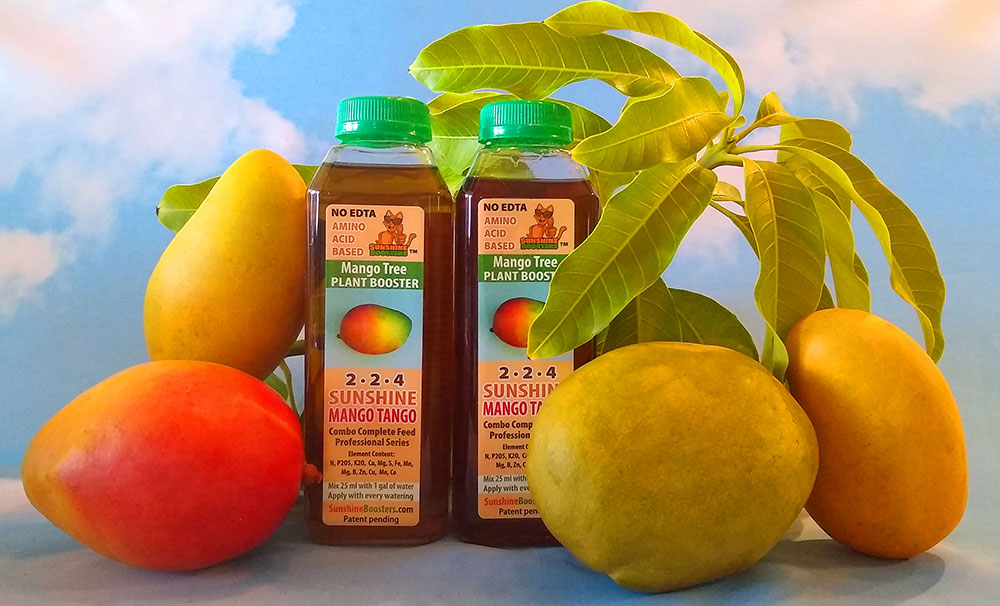
The most reliable way to supply Calcium is simple: use Sunshine Boosters. These liquid fertilizers deliver readily available Calcium directly to plants in soil and in containers, supporting strong new growth and preventing the hidden deficiencies that often limit plant development. We explained this approach in detail in our previous newsletter.
The Two-Layer Feeding System
Professional growers rarely rely on a single fertilizer. The most stable approach is combining controlled-release nutrition with targeted liquid feeding.
Green Magic provides steady background nutrition through Polyon controlled-release technology, supplying nitrogen, phosphorus, potassium, and essential microelements gradually over time.
Sunshine Boosters complement this base feeding by delivering Calcium and additional micronutrients in a form plants can absorb quickly when growth is most active.
Together they create a balanced system: Green Magic feeds plants continuously, while Sunshine Boosters provide the nutrients that controlled-release fertilizers cannot easily deliver.
Green Magic builds the foundation, Sunshine Boosters power the growth.
Date: 23 Jan 2025
Discover 10
best fruit trees to grow
in Florida and Southern landscapes
Q: We recently moved into our new home in Florida, and the property is a great size - 5 acres - but it currently has no trees, just a few palms. I'm looking to plant some productive fruit trees to start building our own Food Forest. What fruit trees would you recommend as a good starting point?
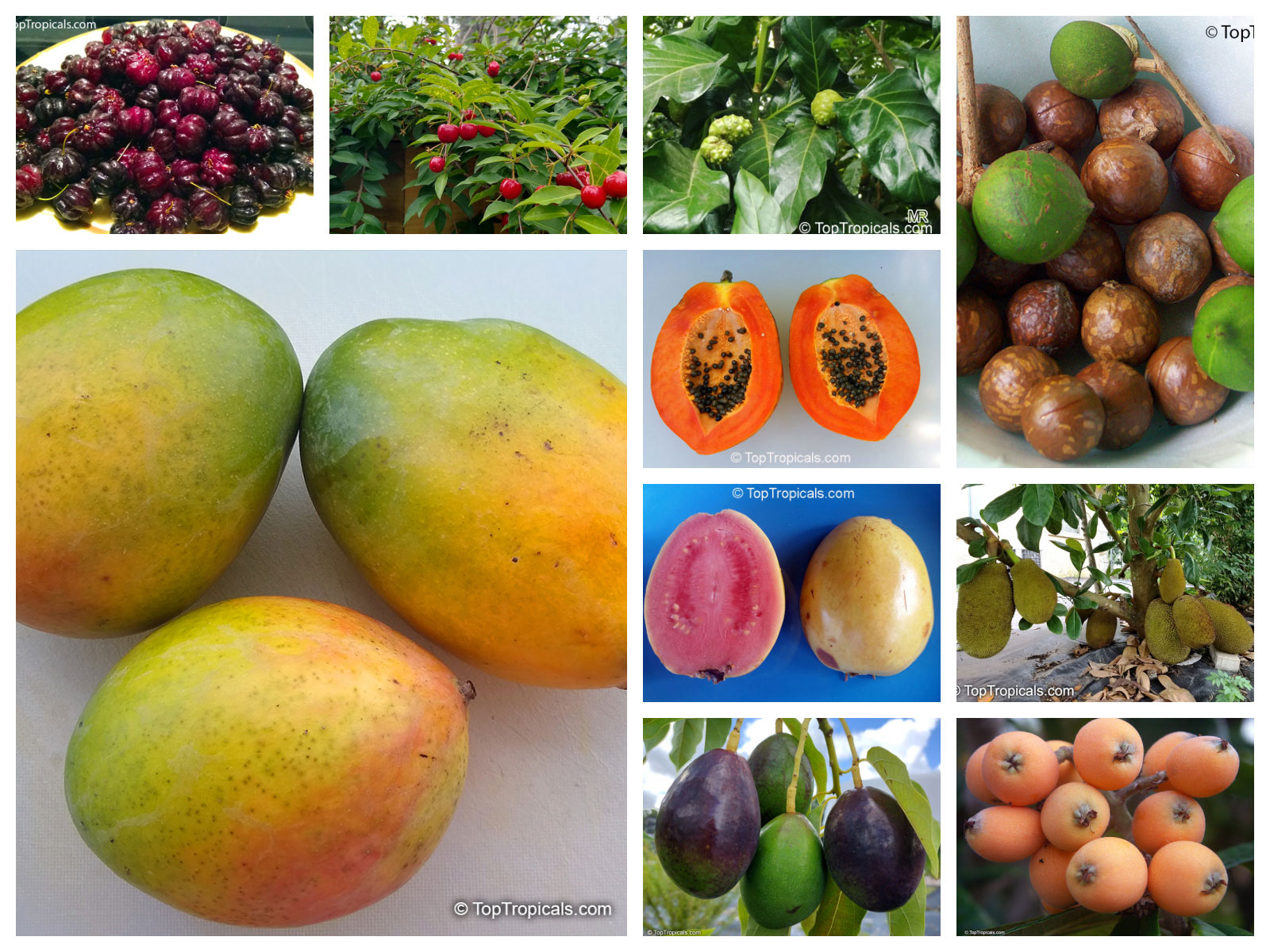
A: With five acres of space, you have a fantastic opportunity to create a fruitful garden that can provide for your family for many years to come. Below are our top recommendations for must-have, easy-to-grow fruit trees that thrive in Florida's climate, grow quickly, and start producing right away.
1. Mango Tree
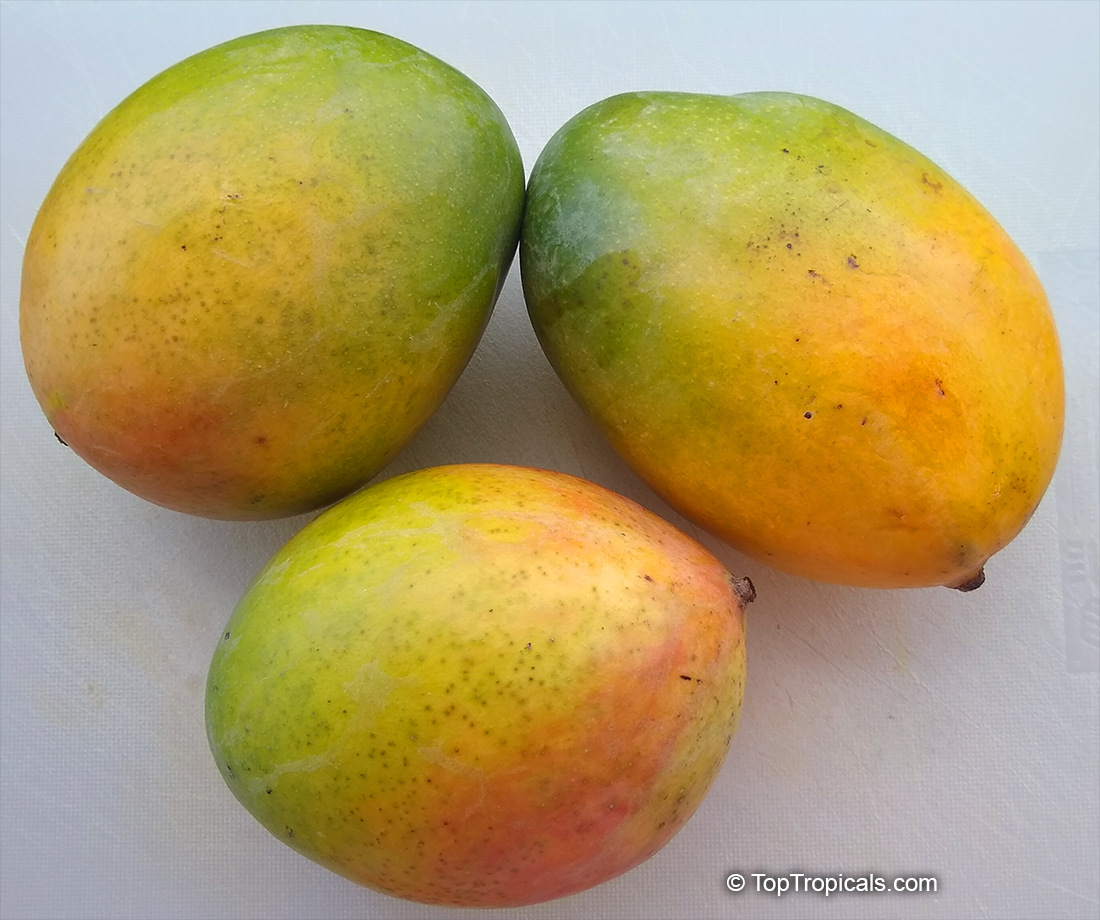
Mango trees (Mangifera indica) are a must-have for any Florida garden, embodying the essence of the Sunshine State with their delicious and nutritious fruit packed with vitamins and fiber. These fast-growing, low-maintenance trees thrive with minimal water and are heat-tolerant. Grafted varieties produce high-quality, fiberless fruit in just 2-3 years, while dwarf "condo" mangoes are perfect for smaller spaces or containers. While young trees need frost protection, mature trees handle cold better. Grafted mangoes offer rich taste that you won't find in commercially grown, fibrous varieties, ensuring a sweet and vibrant harvest from your own garden.
2. Avocado Tree
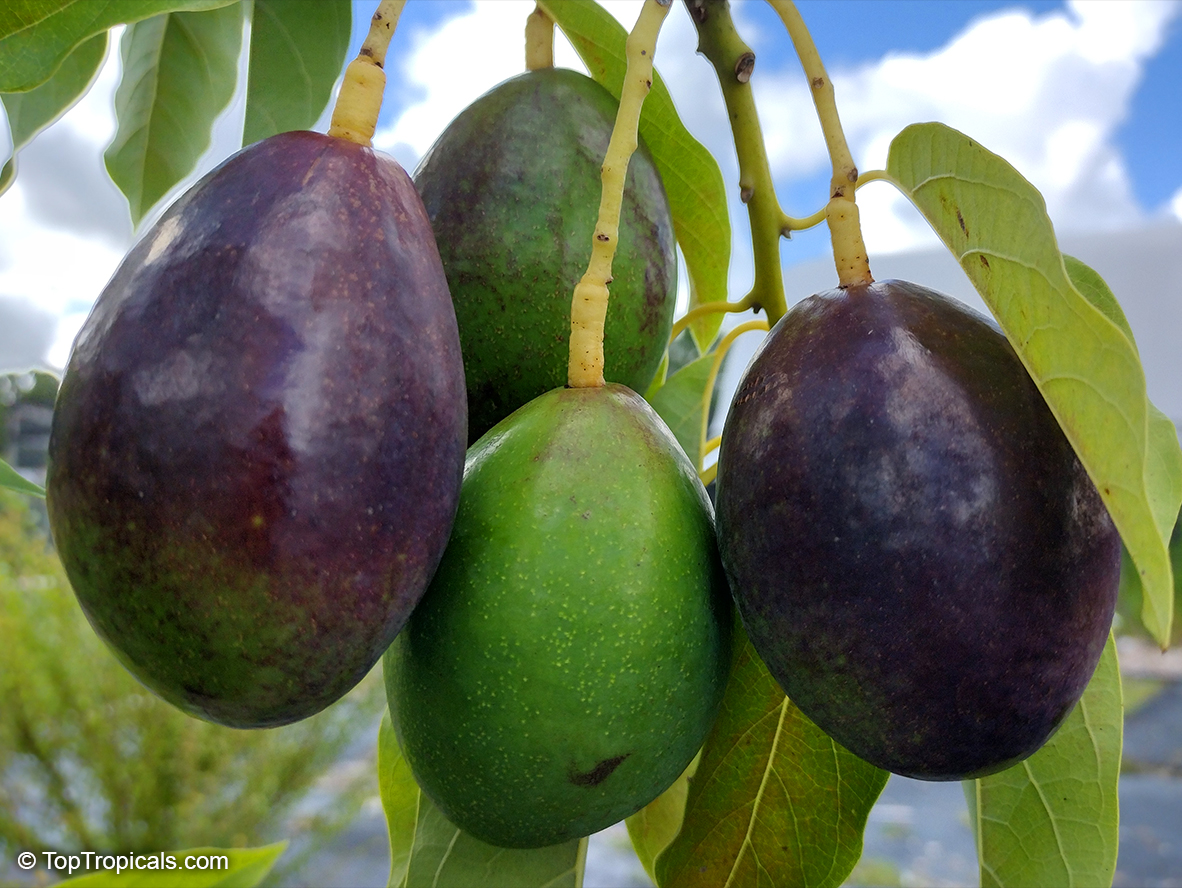
The Avocado tree (Persea americana) is an essential addition to any tropical or subtropical garden. Known for its health benefits and superfood status, it's a favorite fruit that's not only productive but also a beautiful ornamental tree. Some avocado varieties are more cold-tolerant than mango trees, with the ability to survive temperatures below 25F. While many enjoy growing avocado from seed, only grafted trees guarantee quality fruit and immediate production, as seedlings can take 7-8 years to bear fruit. To successfully grow avocado, ensure good drainage by planting on a raised mound (4-6 inches) and keep the soil consistently moist. There are also compact varieties like Wurtz and Fuerte that thrive in containers or small spaces, making them ideal for patios and small gardens.
3. Tropical Cherries
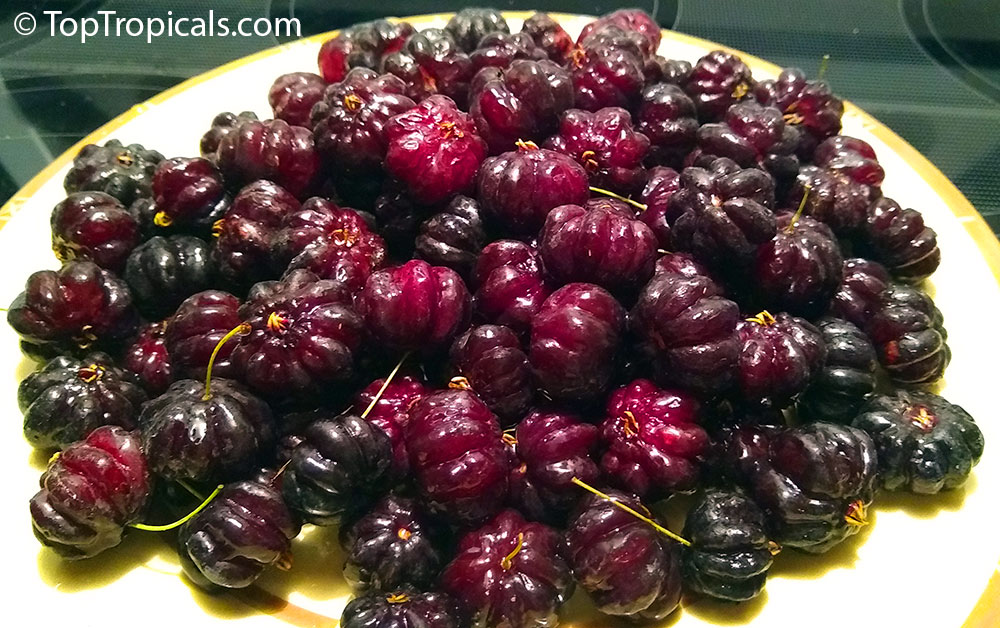
Tropical cherries, such as Cherry of the Rio Grande (Eugenia aggregata), Grumichama (Eugenia brazilensis), Pitomba (Eugenia luschnathiana), and Black Surinam Cherry (Eugenia uniflora var. Lolita), are popular and easy-to-grow fruit trees that offer fast growth and excellent fruit production. These compact, versatile trees thrive in both the ground and containers, starting to produce fruit almost immediately. Eugenias are low-maintenance, requiring minimal water, thriving in various soil types, and being pest-free. They are heat-tolerant and can endure cool winters, surviving light frosts. Birds love the fruit, but don't worry - there will always be plenty for everyone.
4. Barbados Cherry Tree
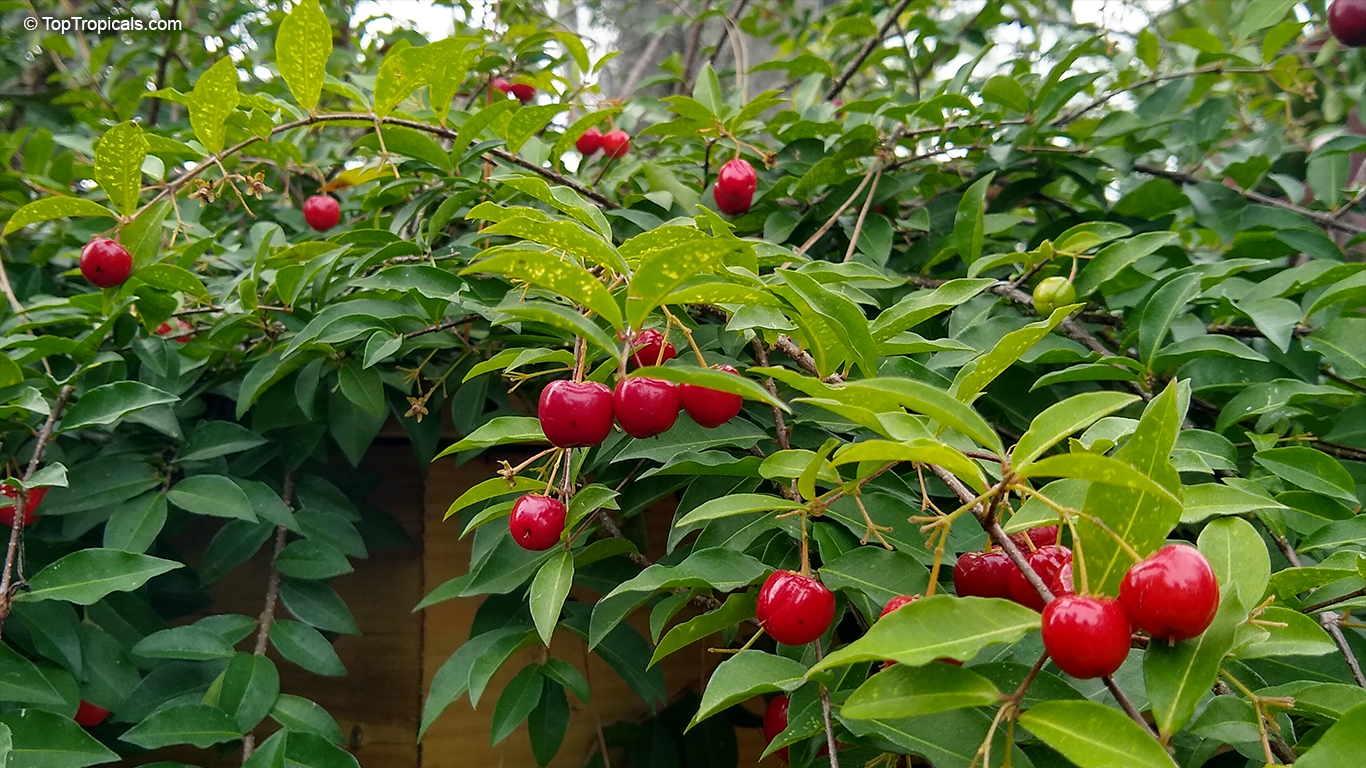
Barbados Cherry (Malpighia glabra), also known as Acerola, is a tropical cherry renowned for having the highest vitamin C content of any fruit. This nutrient-packed fruit is perfect for jellies, jams, and freezing without losing its vitamin C. The Barbados Cherry is a fast-growing, dense shrub that fruits multiple times a year, providing abundant harvests for gardeners seeking quick results. It thrives in alkaline soil, tolerates drought, and is relatively cold-hardy, withstanding light freezes. Birds love the fruit, making it a great addition to wildlife-friendly gardens. The dwarf variety, Nana, with its small leaves and fruit, is perfect for containers, borders, or even bonsai, adding ornamental value to any space.
5. Noni Tree
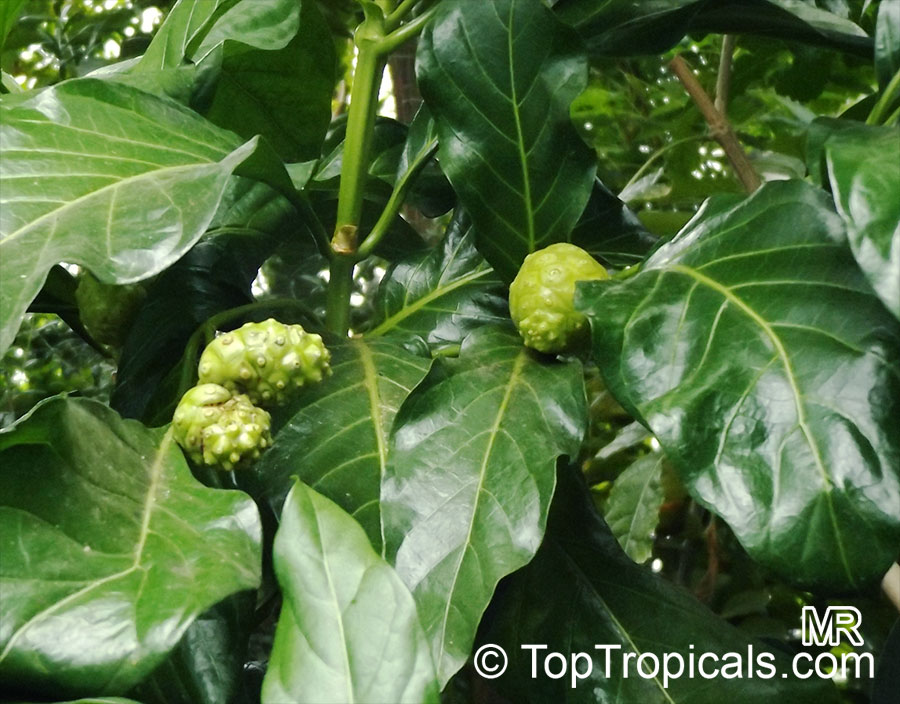
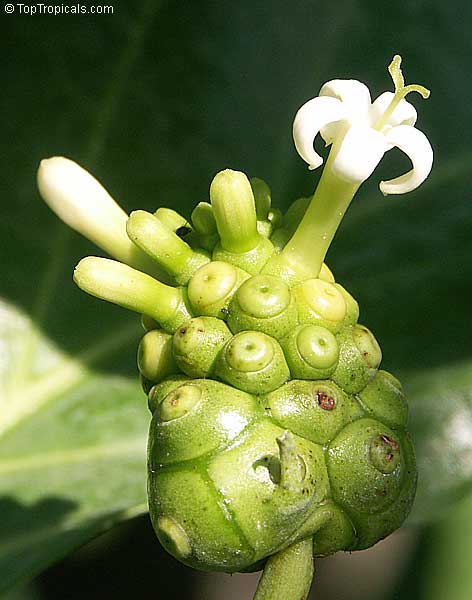
The Noni Tree (Morinda citrifolia) is a top superfood plant that makes a fantastic addition to any Southern garden. Known for its numerous medicinal benefits, Noni fruit offers anti-inflammatory properties, relief from arthritis, and support for conditions like diabetes, metabolism, and weight loss. It's even believed to help fight cancer. Noni trees grow quickly and begin producing fruit within 2 years from seed. This tough, resilient plant thrives in poor soil, endures summer heat, and withstands drought conditions. Despite its tropical appearance, Noni is surprisingly cold-hardy, recovering well after leaf damage in cooler weather. In addition to its health benefits, the Noni tree has ornamental value, with large, waxy leaves and unique fruit, where the flower appears to grow directly on the fruit!
6. Macadamia Nut Tree
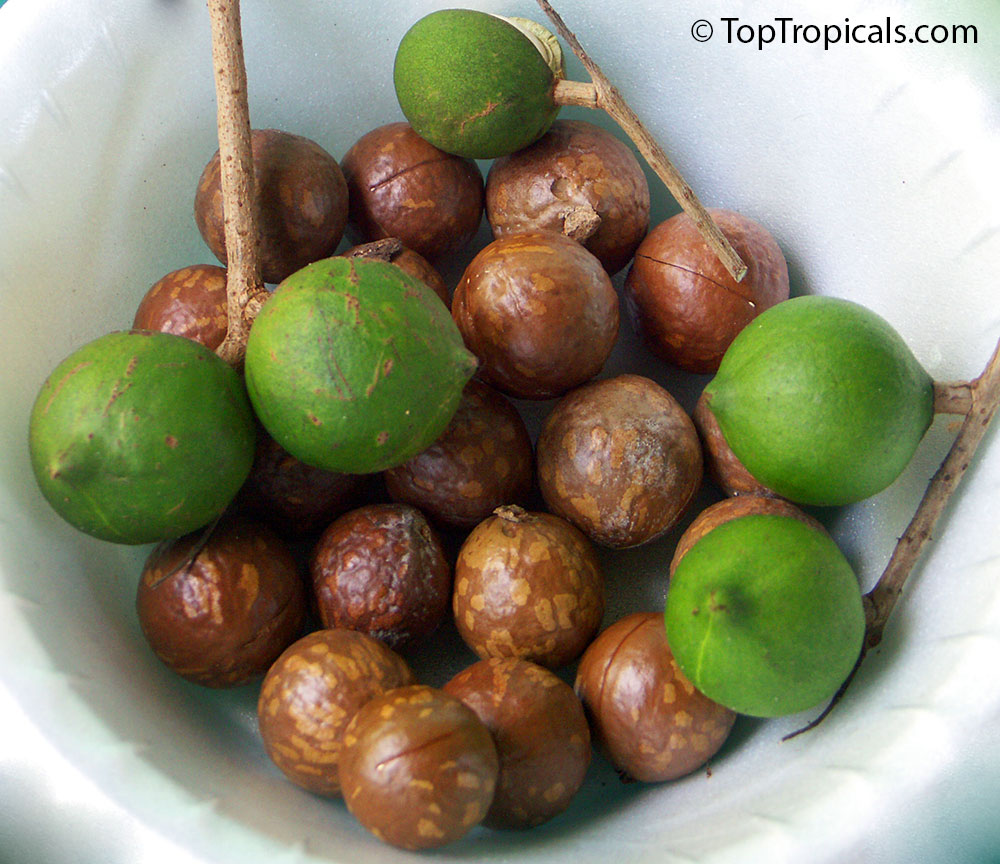
The Macadamia Nut Tree (Macadamia integrifolia) is a fantastic addition to any garden, allowing you to grow these delicious, high price tag, nutrient-rich nuts right at home. These trees are cold-hardy, grow quickly, and thrive in all Florida soil types. Once established, they are productive and can tolerate both flooding and drought. Older trees can survive colder winters, while young trees need protection from temperatures below 25-26F. Macadamia trees like plenty of water and a special fertilizer program, including liquid fertilizers and microelements, to ensure healthy root development and optimal production. Aside from being rich in healthy fats, vitamins, and minerals, macadamia nuts offer numerous health benefits, such as improved digestion, heart health, weight management, and blood sugar control. They are also packed with tocotrienols - antioxidants which may protect against cancer and brain diseases.
7. Papaya Tree
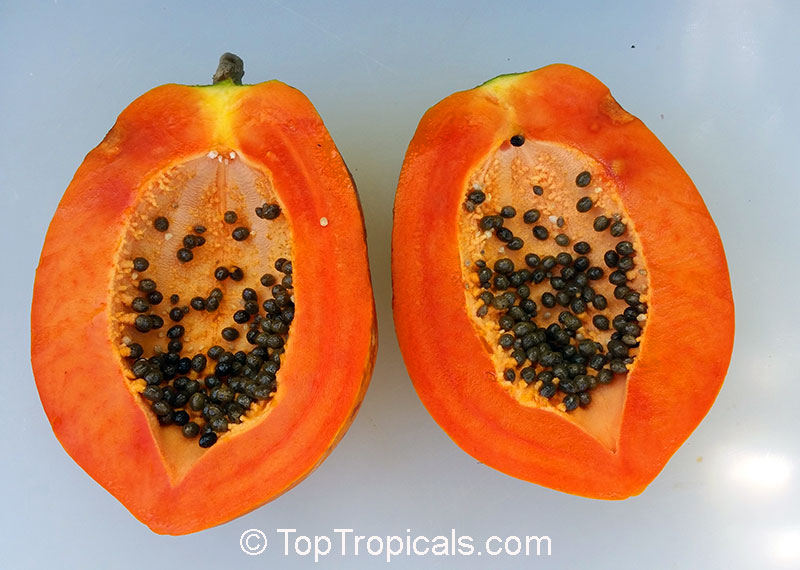
Papaya trees (Carica papaya) are resilient, easy to grow, and produce fruit year-round. Rich in papain, a digestive enzyme, papayas are a superfood that promotes gut health. These fast-growing trees often begin producing fruit within the same year they're planted, providing quick rewards for gardeners. Many varieties, especially dwarf papayas, are space-efficient, reaching only 6-8 feet tall while still yielding large crops, making them perfect for small gardens. Surprisingly hardy for a tropical plant, papayas can withstand light freezes and strong winds (tested in hurricanes!). While they are self-fertile, planting 2-3 different cultivars improves pollination and increases yields. "Solo" cultivars, with their smaller, round or oval fruits, are sweet and less susceptible to fruit flies.
8. Guava Tree
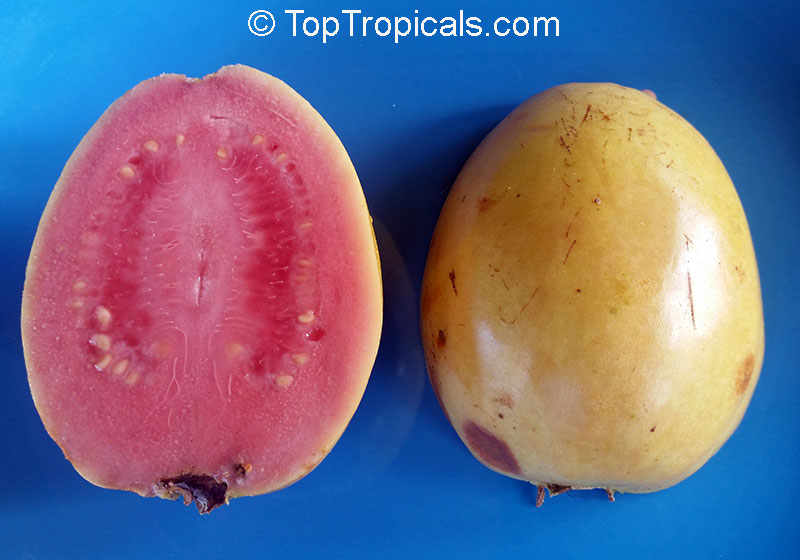
Guava trees are beloved for their flavorful fruit, commonly used in juices, drinks, and desserts. Popular varieties include Tropical Guava (Psidium guajava), Cattley Guava (Psidium littorale), Cas Guava (Psidium friedrichsthalianum), and Pineapple Guava (Feijoa sellowiana). Despite their tropical nature, guavas are surprisingly cold-hardy, suitable for cooler climates and occasional frost. These trees thrive in moist conditions and can tolerate some flooding, while their compact growth makes them easy to maintain at any height or shape. Guavas are fast-fruiting, often producing fruit within a year of planting, and even some varieties in 1 gal containers. The dwarf Nana variety is perfect for container culture, producing full-sized fruit in a compact form. Guava trees are mostly pest-resistant, though mealybugs may require occasional treatment with neem oil in humid, rainy areas. Planting multiple guava trees ensures a continuous supply of fresh, juicy fruit and delicious guava juice for everyone to enjoy.
9. Jackfruit Tree
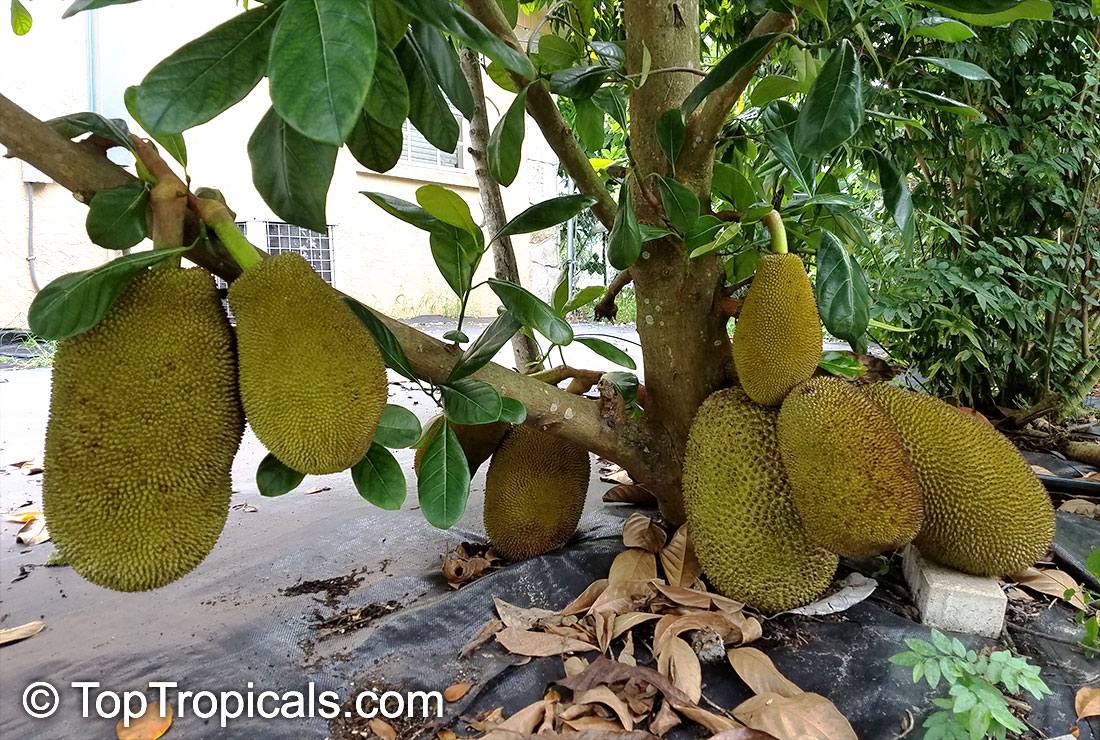
The Jackfruit tree (Artocarpus heterophyllus) is a striking, fast-growing tree known for producing the largest fruit grown on a tree, making it a showstopper in any garden. Nutrient-packed and often used as a meat substitute in South Asian cuisine, Jackfruit is also delicious in curries, chutneys, and as dehydrated chips. These trees grow quickly, have large waxy leaves, and can be maintained at a compact height of 7-8 feet, making them ideal for smaller spaces and easier cold protection. Despite being a tropical species, Jackfruit trees are relatively cold-tolerant and can survive light frost (although on the account of production volume), with established trees being more hardy than seedlings. Jackfruit trees begin producing fruit within 3-4 years from seed, and varieties come true to seed, eliminating the need for grafting, though it can be done for specific varieties.
10. Loquat Tree
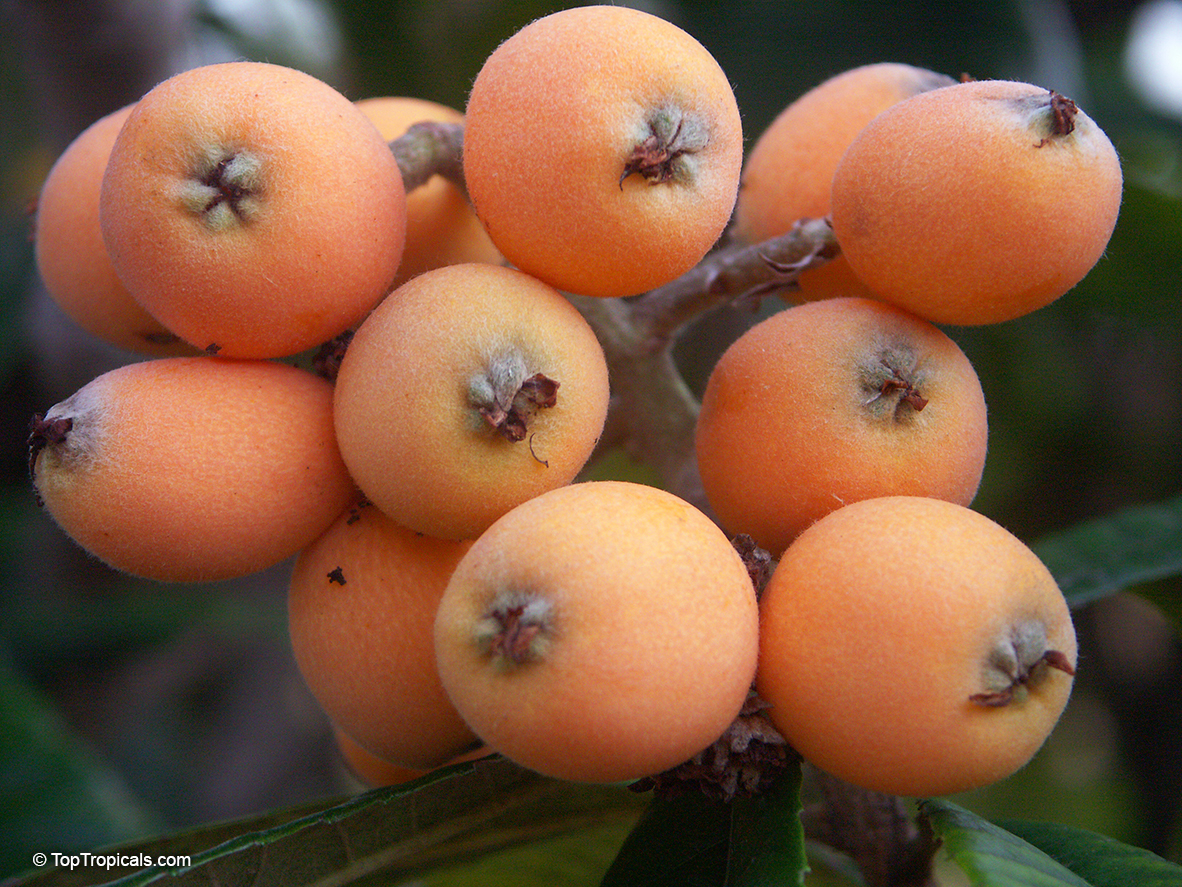
The Loquat tree (Eriobotrya japonica) is a fast-growing, drought-tolerant, and highly cold-hardy tropical fruit tree that thrives in Florida gardens. Loquats are heavy producers, with juicy, aromatic fruit that ripens from early spring to early summer, offering a delicious apricot-like flavor. This compact tree is perfect for small gardens, beginners, and those with limited space. Loquats are undemanding, thriving in any soil and withstanding summer heat, winter cold, heavy rains, and occasional flooding. Nutrient-rich, they are high in sugar, acids, vitamins B and C, minerals, and pectin. Loquats are versatile, enjoyed fresh or used in fruit salads, jams, jellies, chutneys, pies, sauces, and even wine-making, and they are often used as a natural sweetener.
Date: 17 Mar 2021

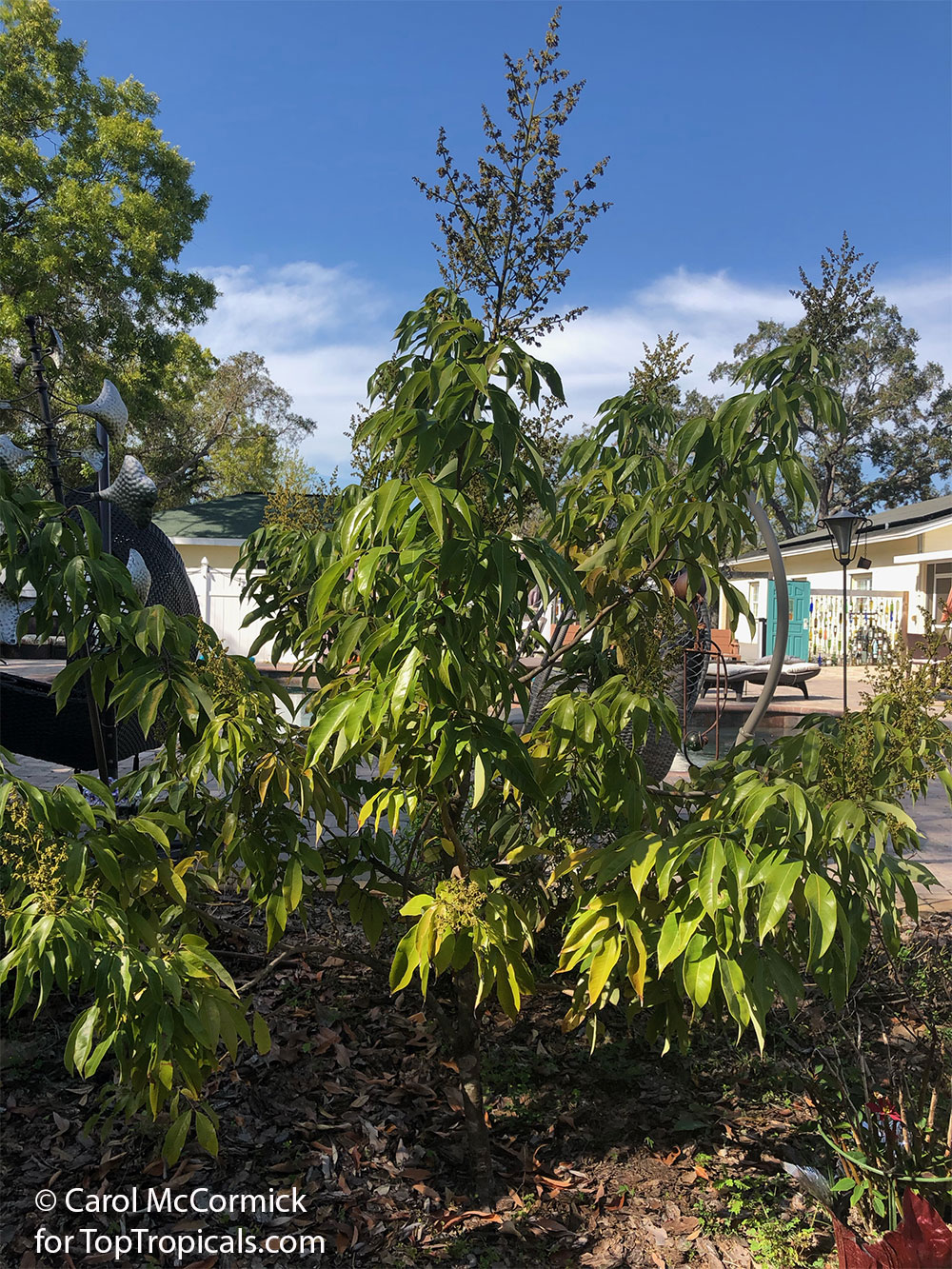
Mango tree finally bloomed!
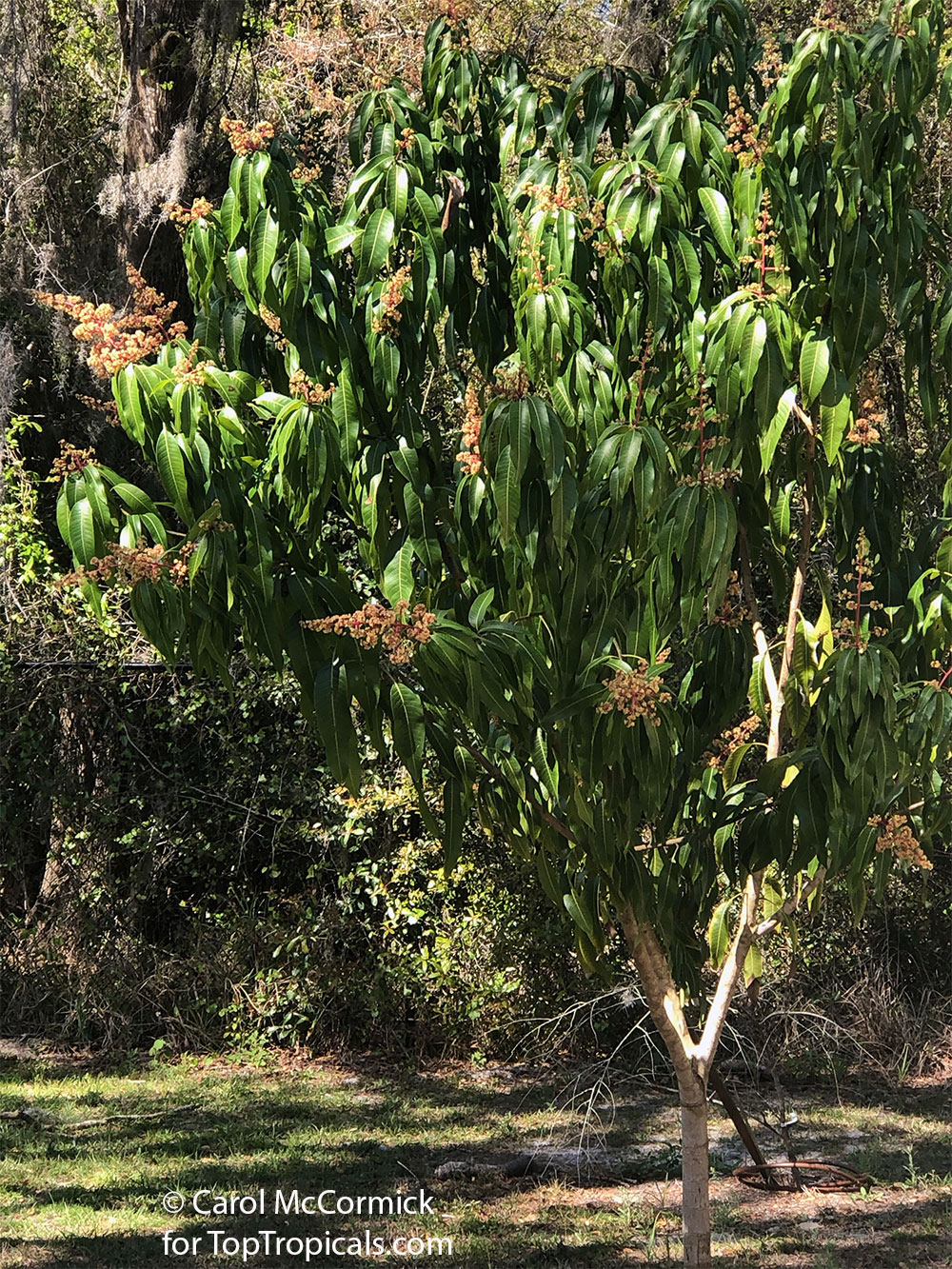
A word from a happy customer
...Thank you for the email about mango booster. My mango tree has never fruited so I bought it. Attached is picture from today. So excited. Used it on lychee as well - same result. Very happy!..