Date: 5 Sep 2024
10 common mistakes to avoid
with mail order plants

Q: How to get happy and healthy plants from mail order? Will they survive the trip and grow well after transportation? What mistakes should I avoid?
A: At Top Tropicals, we have over 20 years of experience shipping plants. We know how to pack them properly and ensure the safest journey possible. We ship the biggest and healthiest plants, and our customers are often amazed at how great they look after a few days in a dark box. But receiving a healthy plant is only half the adventure. Now that the plant is in your hands, it's up to you to keep it thriving. The first couple of weeks after shipping are critical. With the right care, your new plant can reward you with beautiful flowers and fruit for years to come. Here are 10 common mistakes to avoid when buying plants by mail order.
1. Not unpacking plants immediately
Leaving plants in the box too long can cause stress or damage. Unpack them as soon as they arrive to let them
breathe and adjust.
2. Ignoring acclimation
Plants need time to adjust to their new environment. Don't place them in full sun or
extreme conditions (heat, wind) right away.
3. Overwatering right after arrival
Many people water their new plants too much. Plants often need time to recover from transit, and too much water can cause root rot.
4. Stepping up too soon
Repotting immediately in a large pot can cause root rot. Plant in a pot just the size of a root ball, step up only after the plant is showing new growth.
5. Ignoring the plant's needs
Research the specific needs of your plant before it arrives. Light, water, and soil requirements vary greatly, and misunderstanding them can lead to issues.
6. Placing the plant in the wrong environment
It's important to give your plant the right temperature, light, and humidity based on its natural habitat. We grow tropical plants. They
won't survive in areas with freezing temperatures.
7. Not trimming damaged branches.
Transit can cause minor damage to leaves or branches. Trimming these parts can help the plant recover faster.
8. Expecting immediate growth
Plants need time to adjust after the trip. Give them a chance to settle for a few weeks before expecting new growth or blooms.
9. Fertilizing too soon
Do not fertilize your plant right after arrival. Let it get established first - usually a few weeks - before adding fertilizer to avoid stressing the
plant.
10. Not checking for pests
Always inspect new plants for pests. Shipping stress can lead to infestations, so a close check is vital.
By avoiding these mistakes and following the planting instructions included with your order, you'll be on the right path to creating your tropical paradise. Take care of your new plant, and it will thrive, rewarding you with vibrant growth for years to come.
Date: 18 Feb 2025
Unlock
Your Carefree Tropical Paradise:
Discover Our Useful Succulent Sale!
Beautiful flowers and Edibles
It's no secret that everyone's dream plant is the one that requires little to no care yet still blesses us with the beauty of flowers or the bounty of fruits. Does such a plant exist? Some might say, "Sure, get a plastic one!" But the truth is, some tropical plants, which typically need a lot of water and nourishment, can thrive with minimal effort.
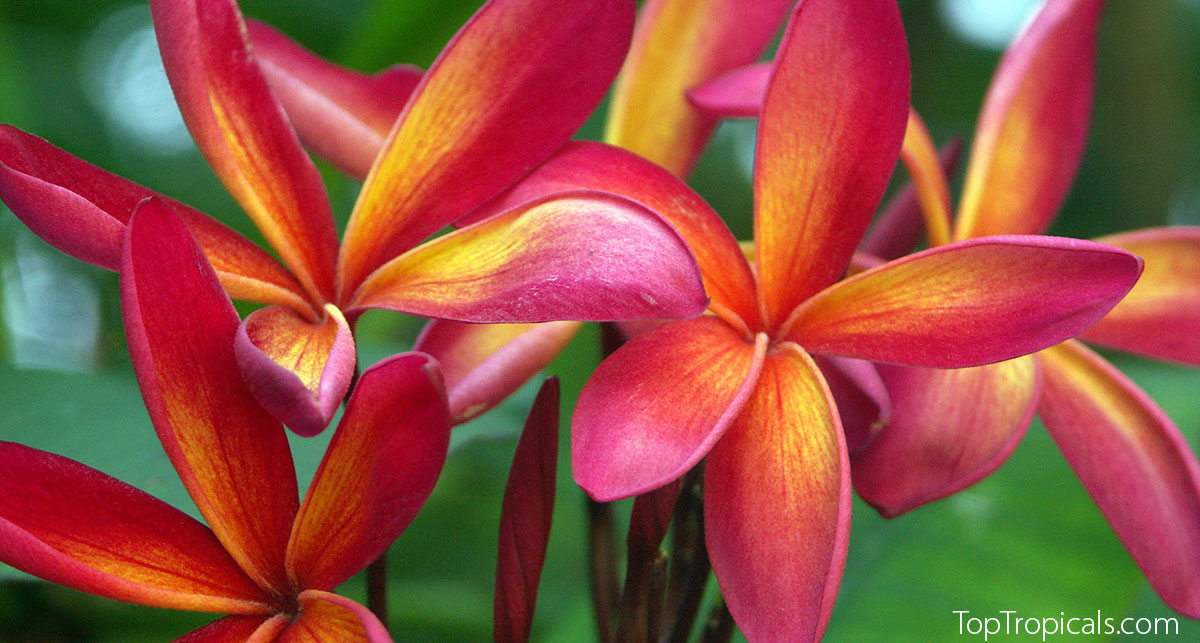
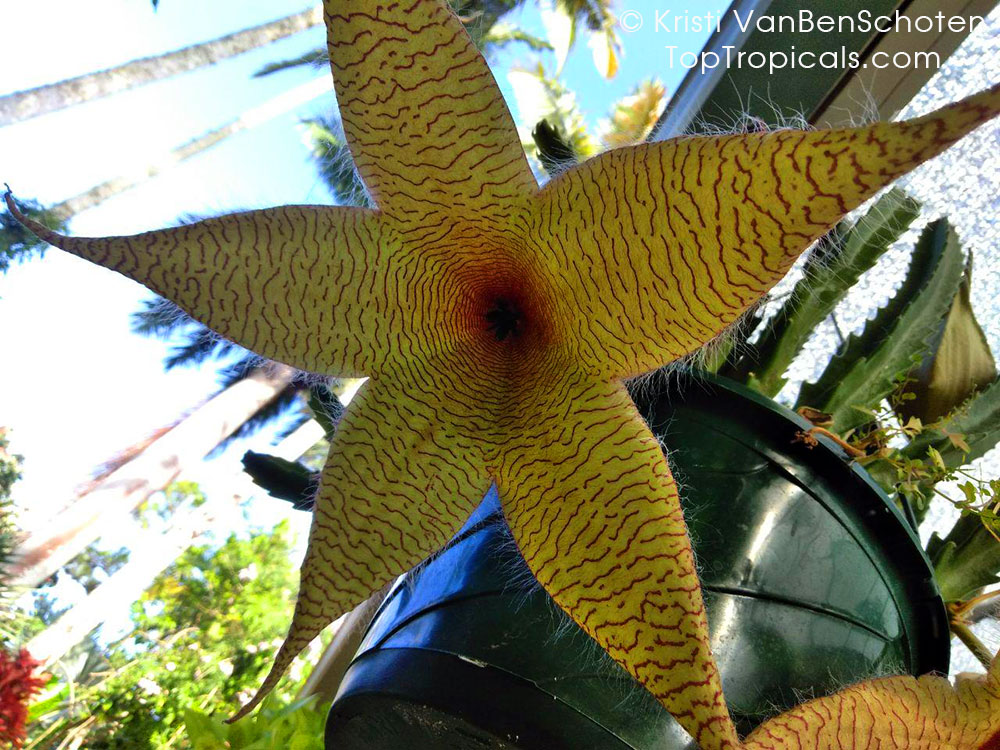
Dive into our Useful Succulent Sale, where you'll find plants like the enchanting Plumerias, the striking Adeniums (Desert Roses) and Starfish Flower, fragrant Epiphyllums (Queen of the night), delicious Dragon Fruits, and exotic Barbados Gooseberries that promise a low-maintenance slice of paradise. These hardy succulents need just sunshine, occasional watering, and a splash of our liquid Sunshine Boosters for flourishing flowers and fruits. Take advantage of our INSTANT 15% discount on all these splendid succulents - one week only!
Instant 15% discount to start your carefree tropical garden today!
No code required!
No min order. Exp. 2-25-25
Reminder: use our FREE and DISCOUNTED SHIPPING for qualified orders

Dragon Fruit, or Pitaya - a striking member of the cactus family known for its spectacular night-blooming flowers and vibrant fruit. This climbing cactus can stretch up to 30 feet, producing fruit with flesh in shades of white, red, or magenta. Rich in antioxidants, it offers health benefits such as reducing the risk of cancer and heart disease. A staple in both traditional and modern cuisine, it's featured in products from major brands like Tropicana and Snapple. According to the legend the fruit was created thousands of years ago by fire breathing dragons.
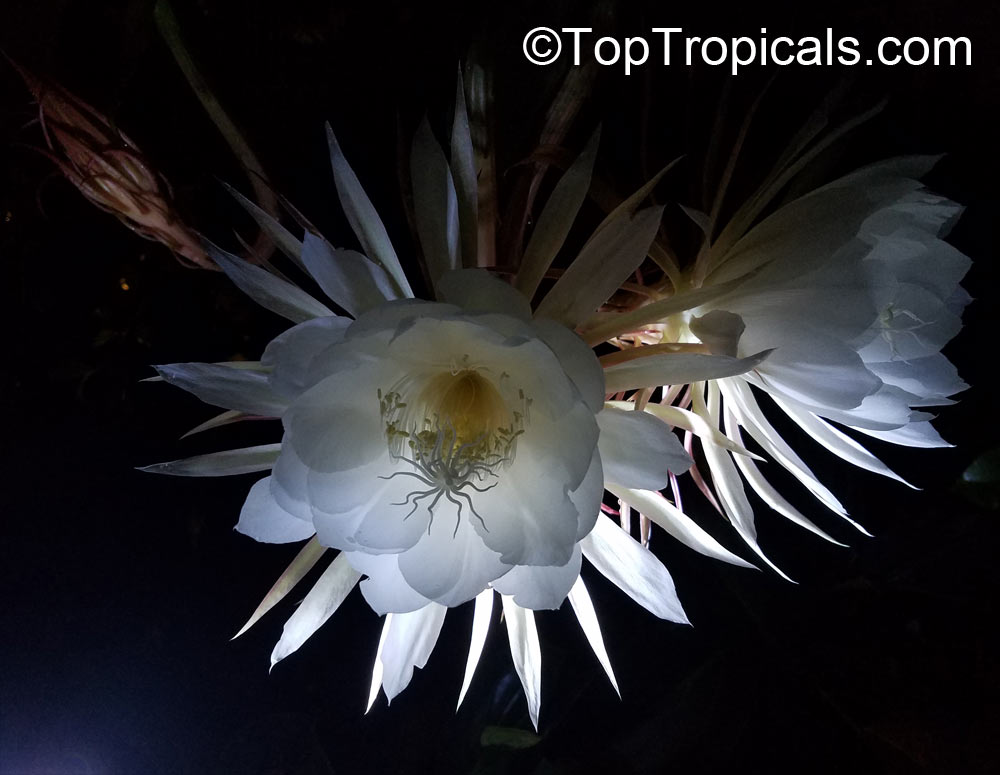
Epiphyllum oxypetalum - Queen of the Night - exotic cactus from tropical rainforests with large, meaty leaves and spectacular, huge white flowers that bloom nocturnally, filling the night with their powerful fragrance. A truly mesmerizing addition to any Southern or indoor garden.
Date: 4 Jul 2025
Happy Independence Day!
4th of July Sale

"Independence is happiness." - Susan B. Anthony
Happy 4th of July from the tropics! Whether you're staying local or escaping for the long weekend, it's the perfect time to enjoy your garden, start something new, or grab that plant you've been eyeing. Red Desert Roses, white fragrant Gardenias and Jasmines, rare Blue Ginger - tropical blooms are showing off right now, and we are celebrating with a hot summer sale: 20% off everything with code HAPPY4TH25, plus extra savings on combined DEALS and BOGO! Add some color to your summer and let your garden do the fireworks!
Use the code below to save 20% on your entire order:
HAPPY4TH25
Min order $200. Excluding S/H. Exp. 7-7-25
Reminder: use our FREE and DISCOUNTED SHIPPING for qualified orders
Shop Now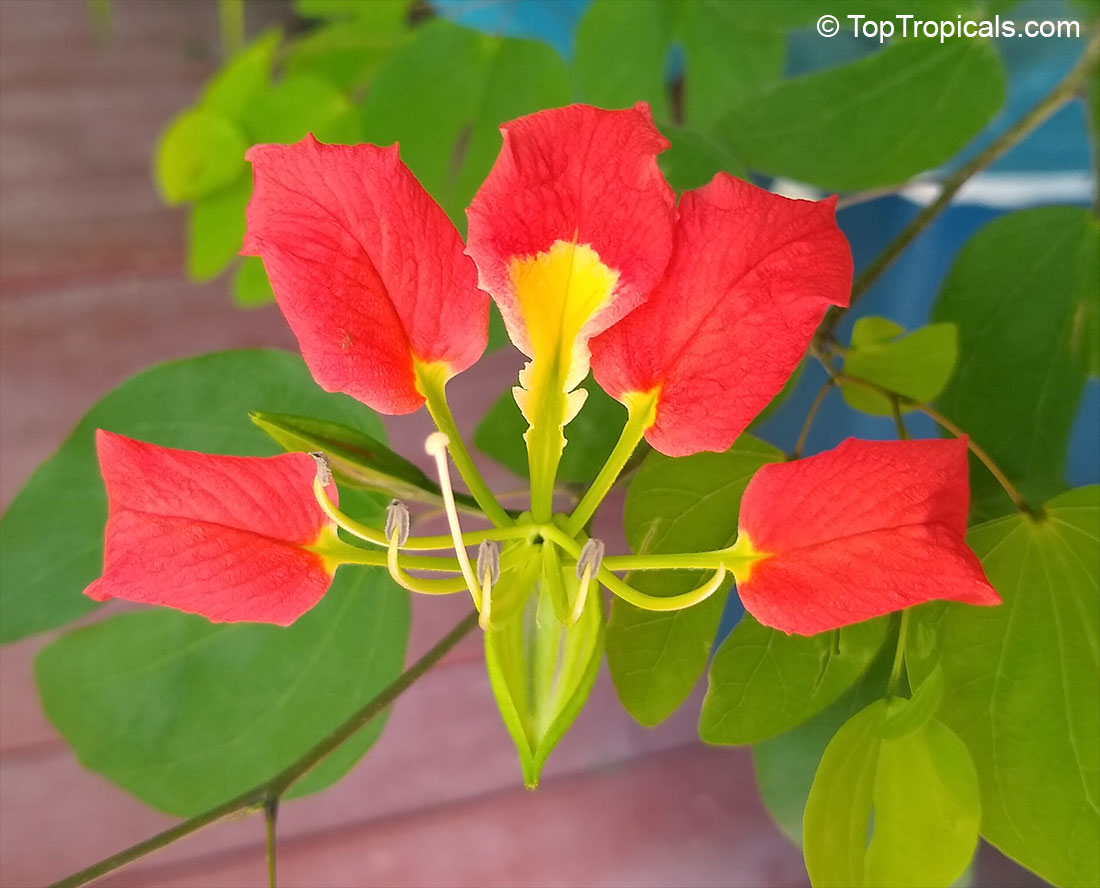
In the photo above: Bauhinia madagascariensis
Date: 13 Sep 2018
Season Colors from Kristi, TopTropicals Flower Queen

Q: I live in New Jersey and I have a collection of potted tropical plants in my sun room. Our Fall season comes in bright colors, do you have something with colorful foliage for Fall?
A: For our northern customers it's almost time for the changing of the seasons. It is a very exciting and enjoyable time. The onset of fall means, less humidity, cooler nights and the Fall foliage. Here in Florida we do not get the chance to see the changing of the leaves, except maybe a few like Florida Maple Tree. So we use plants that mimic the season change, for all year round color! These are a few examples of the plants with colorful leaves that you may use for your Fall colors, plus remember - there is always a big list of Fall and Winter Flowering Tropicals!
Colorful tropical plants for Fall
Hibiscus tiliaceus - Variegated MahoeAcalypha wilkesiana - Chicago Brick Copper Leaf - see all acalyphas
Mussaenda philippica x flava - Calcutta Sunset Marmelade
Pseuderanthemum atropurpureum Purple Haze
Acer rubrum - Red Maple
Adenium Nil with red veined leaves
Cerbera x manghas hybrid - Enchanted Incense
Cordyline fruticosa Willies Gold - see all codyline
Graptophyllum pictum Chocolate Queen
See Fall and Winter Flowering Tropicals.

Date: 15 Aug 2018
Care for a Baobab Bonsai
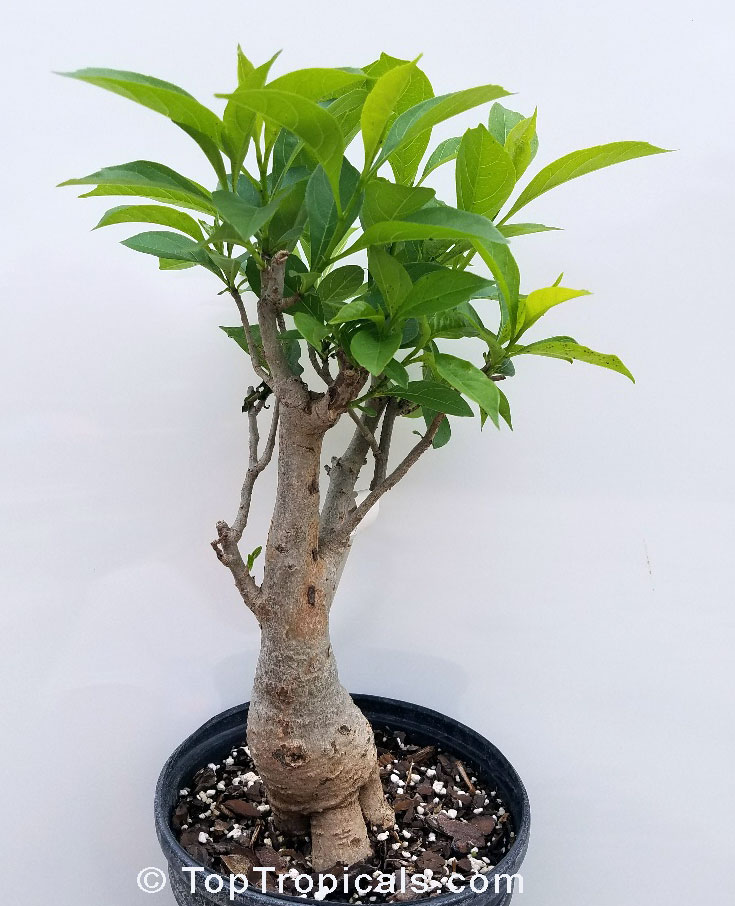
Q: How to grow Baobab bonsai properly? How long does it take to shape a nice little bonsai tree?
A: Baobab,
or Adansonia digitata, is a unique addition to a bonsai collection. Native
to Africa, it has an unusual structure and appearance. Some legends say that
the tree was cast down from the heavens and landed upside down, where it
began to grow. This story is no doubt a result of its appearance in the
winter, when the upper branches of the tree look more like roots than treetops.
The Baobab has some specific needs, but if you pay careful attention to its
requirements, this tree is not difficult to grow and makes an excellent
bonsai specimen.
1. Keep Baobab warm, it is sensitive to freeze.
2. Place Baobab in a bright, sunny window. Baobabs need at least six
hours of full sunlight per day, so a window with a western or southern exposure
is best. If your house doesn't get enough light, supplement natural light
with artificial grow lights. See article Indoor lighting for
tropical plants.
3. Water Baobab regularly during the growing season whenever the soil
is dry. Never water the tree when it is dormant (dropped leaves).
4. Feed Baobab a good-quality fertilizer about once a month. Apply
micro-element solution SUPERFOOD once a month, as well as SUNSHINE-BC plant booster for Bonsai and Caudex plants.
5. Prune the branches of your Baobab bonsai as often as they need it to
give the tree the shape you desire, pruning or pinching off branches that
are growing at odd angles or are too long. Trim early in the spring before new
growth appears.
6. Repot the baobab bonsai every year in Spring. Remove it from pot and
trim the roots back by one-third of their length, completely removing any
that are damaged or dead. Place it in a container that is twice the size of the
root ball and fill the pot with a well-drained soil like Adenium Mix.
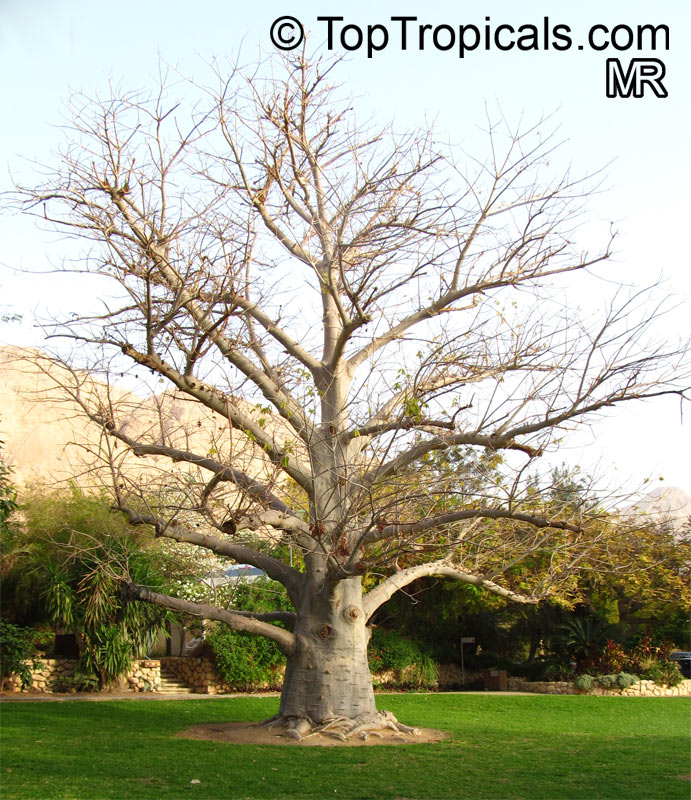
It is believed that it takes forever to form a nice shaped tree, up to a few years. However if you provide warmth and bright light, branches grow very quickly, and an experienced bonsai hobbyist can make a unique specimen within 2-3 years. And then, the tree will stay with you for 5000 years - it can be passed from generation to generation!
Check
out this plant... with FREE shipping to all states!
Se also Baobab Bonsai Kit and save more!