Garden Blog - Top Tropicals

Date: 20 Jun 2026

We Followed the Fragrance and Found This Remarkable Vine
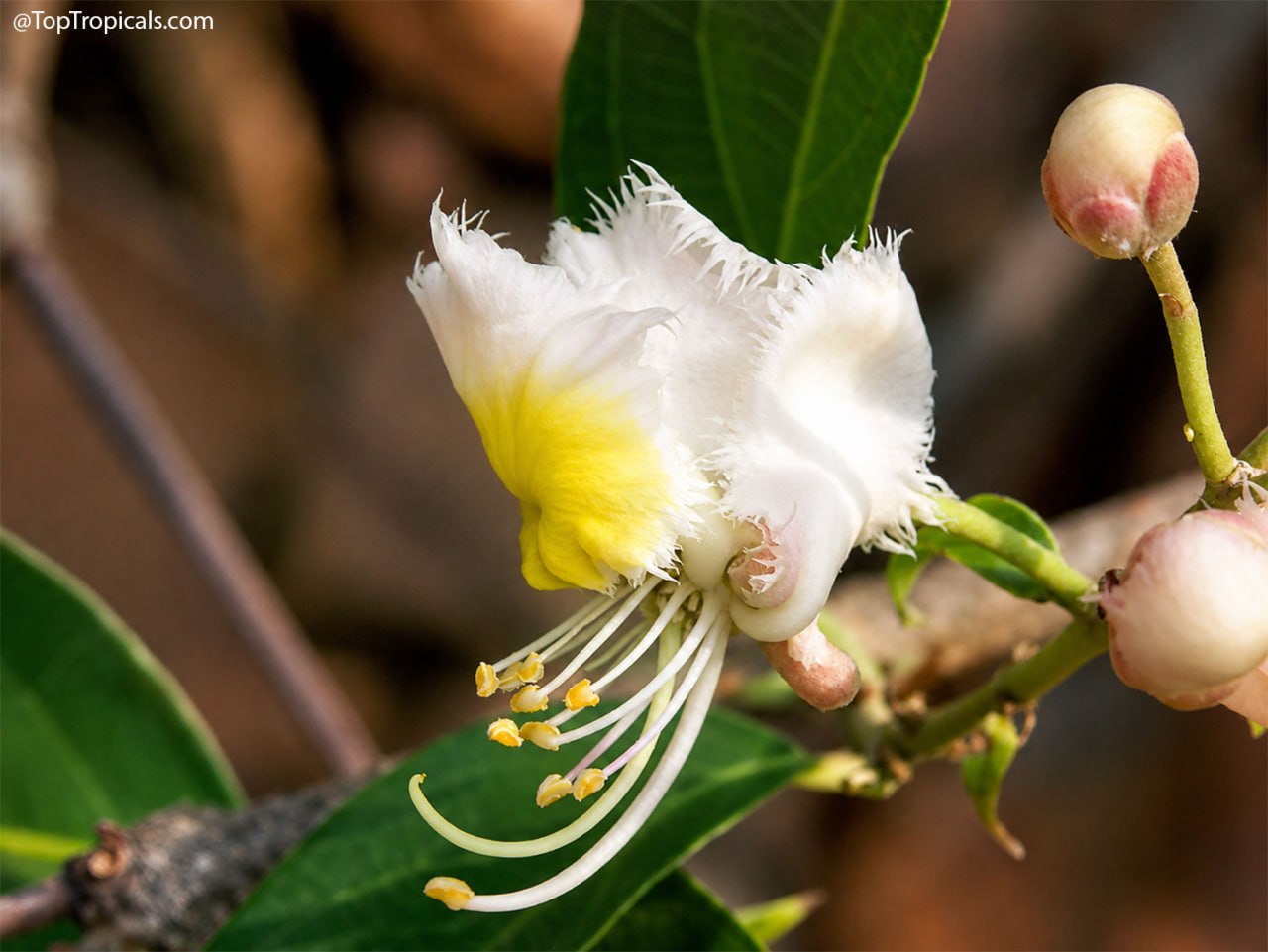
Hiptage benghalensis - Helicopter Flower

Hiptage benghalensis - Helicopter Flower

🚁 We Followed the Fragrance and Found This Remarkable Vine

Hiptage benghalensis - Helicopter Flower - was one of the most memorable plants we discovered in Thailand.
We actually noticed its fragrance long before we ever saw it. A sweet, fruity perfume drifted through the air, stopping us in our tracks. Following the scent led us directly to a vigorous flowering vine covered in clusters of unusual pink, white, and yellow blooms.


🌟 Why "Helicopter" Flower?


The unique nickname comes from its distinctive, three-winged seed pods that spin through the air like tiny helicopters when they drop. But the flowers are the real attraction. Their frilly petals, striking colorful markings, and powerful fragrance are intense enough to perfume an entire garden.

🌟 The Ultimate Winter Bloomer


What makes Hiptage especially valuable to a gardener is its perfect timing. It blooms heavily during winter and early spring, right when many other tropical plants are still resting. Just when the garden seems quiet, this vine steps up to fill the air with perfume.

🌟 Tough, Versatile, and Easy to Grow


Despite its exotic appearance, Hiptage is surprisingly adaptable and forgiving. Depending on your space and goals, you can train it in multiple ways:

Climbing Vine: Let it scale a trellis or fence for a vertical privacy screen.
Small Tree or Large Shrub: Shape it with regular pruning to create a standalone focal point.
Container Plant: Easily maintained in a large pot for patios or moving indoors during cold snaps.
✓ It grows quickly, tolerates a wide range of soils, and thrives beautifully in both full sun and partial shade.

💡Did You Know? In India, Hiptage is known as Madhavi, or the "Spring Herald." Traditional folklore often pairs it with mango trees - the sturdy mango supports the fragrant vine, together symbolizing strength, beauty, devotion, and the arrival of spring.

🌟 Bring the Perfume Home


It is easy to understand why this plant has been cherished for centuries. Few vines combine such intense fragrance, long-lasting cold-season beauty, adaptability, and rich history in a single package.
If you love fragrant plants, the Helicopter Flower may just be one of the most rewarding, head-turning discoveries you can add to your collection this year.
👉 More...

🛒 Bring Home the Fragrance of Madhavi

📚 Learn more:

Hiptage Plant Facts

Botanical name: Hiptage benghalensis, Hyptage bengalensis
Also known as: Hiptage, Helicopter Flower, Madhavi
USDA Zone: 9 - 10
Highligths Large shrub 5-10 ft tallVine or creeper plantSemi-shadeFull sunWatering: Regular. Let topsoil dry slightlyYellow, orange flowersWhite, off-white flowersPink flowersPlant attracts butterflies, hummingbirdsEthnomedical plant.
Plants marked as ethnomedical and/or described as medicinal, are not offered as medicine but rather as ornamentals or plant collectibles.
Ethnomedical statements / products have not been evaluated by the FDA and are not intended to diagnose, treat, cure, or prevent any disease. We urge all customers to consult a physician before using any supplements, herbals or medicines advertised here or elsewhere.Fragrant plantSubtropical plant. Mature plant cold hardy at least to 30s F for a short time
Get personalized tips for your region

· Hiptage benghalensis in Plant Encyclopedia
· Helicopter flower Madhavi - the Spring Herald that clings to a Mango Tree

#Perfume_Plants #Hedges_with_benefits #Discover

🟢 Join 👉 TopTropicals
Date: 16 Jun 2026

Summer is finally here!

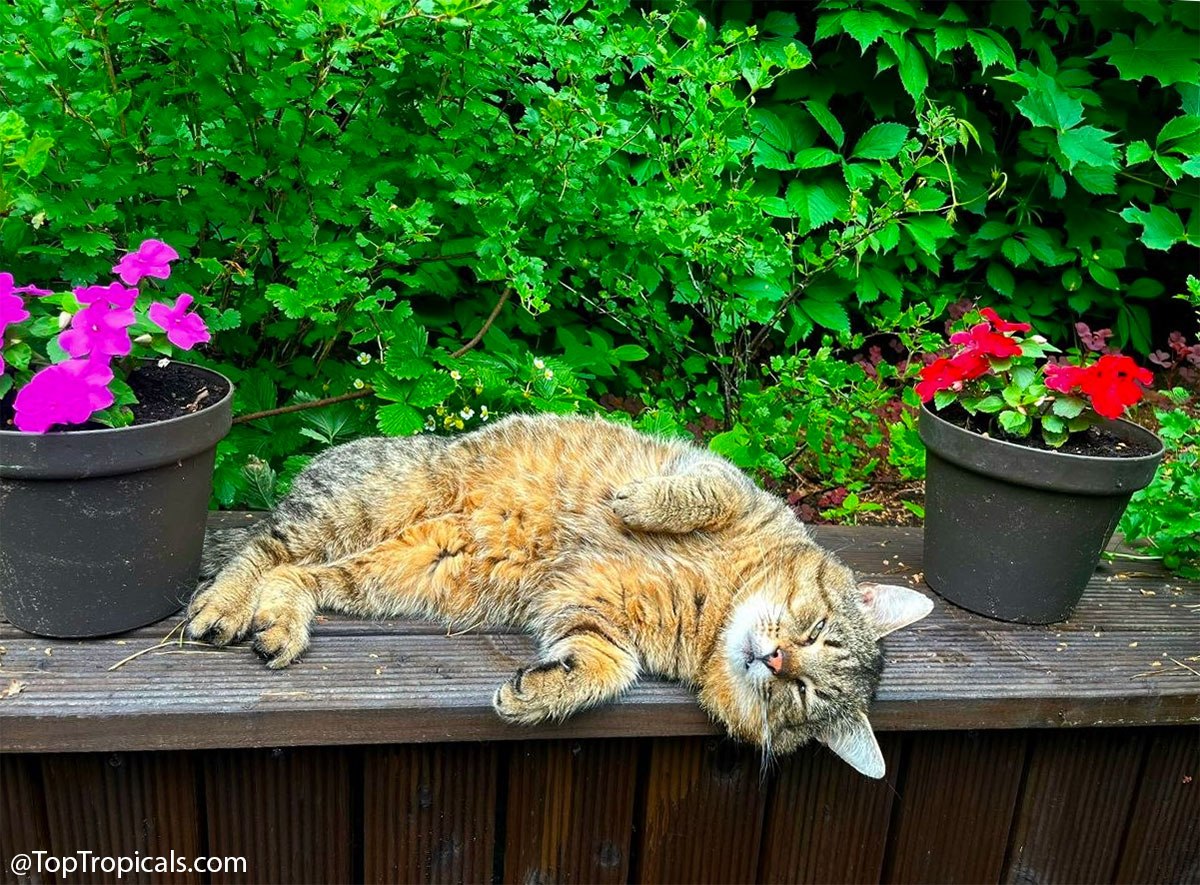
Cat Thyme enjoying the warm sun rays

Cat Thyme enjoying the warm sun rays

🌞 Summer is finally here!


"Rest is not idleness, and to lie sometimes on the grass under trees on a summer's day - is by no means a waste of time." - John Lubbock

🐈📸 Cat Thyme enjoying the warm sun rays. Thyme is a friend of TopTropicals PeopleCats.Garden.

#PeopleCats #Quotes

🟢 Join 👉 TopTropicals

Date: 23 Jun 2026

Move Over Adeniums: Why This Unusual Gout Plant Is the Ultimate Natural Bonsai

Move Over Adeniums: Why This Unusual Gout Plant Is the Ultimate Natural Bonsai

🔥 Move Over Adeniums: Why This Unusual "Gout Plant" Is the Ultimate Natural Bonsai


If you love the sculpted look of Adeniums (Desert Roses), there is a rare tropical showpiece you need to add to your collection right now: Jatropha podagrica, commonly known as the Gout Plant.
With its knobby, swollen bottle-like stem and striking blooms, this plant looks less like a typical houseplant and more like a piece of living coral reef art.


The Ultimate Lazy Gardener's Bonsai


Unlike traditional bonsai trees that require years of meticulous wire training, pruning, and root shaping, Jatropha podagrica is a "natural bonsai." It does all the hard structural work for you.
Staying compact at just 2 to 3 feet tall, this unusual succulent is an absolute must-have for container gardens, succulent collectors, and bonsai lovers looking for an effortless, natural focal point.

The Caudex (Swollen Trunk): It forms a distinctive, bottle-shaped, knobby trunk completely on its own, mimicking the aged look of a masterfully trained bonsai from day one.
Massive Tropical Foliage: It features surprisingly large, umbrella-like leaves that can reach 10 to 12 inches in diameter, creating a bold contrast against the rugged trunk.
Coral-Red Flowers: It produces vibrant, eye-catching red flower clusters that resemble ocean coral. These terminal clusters pop brilliantly and stand high above the foliage canopy.

The Shade Trick for Giant Leaves


One of the coolest features of the Gout Plant is how it adapts to light. While it prefers partial sun and handles bright conditions beautifully, it thrives in the shade.
When kept in lower light or partial shade, the plant reacts by growing even larger, broader leaves to catch the light. This creates a dramatic, lush tropical canopy right above that textured, rugged trunk - giving you an even more exaggerated, stunning bonsai silhouette.

Effortless Care: Low Water, High Reward


If you are prone to forgetting to water, this is the plant for you. Because that beautiful, swollen trunk acts as a built-in water reservoir, the Gout Plant is highly drought-tolerant.

👉 Quick Care Guide


Light: Partial sun to partial shade (shade yields bigger leaves).
Soil: Must be planted in loose, well-draining soil mix.
Water: Low. Let the soil dry out significantly between waterings.
Size: Stays a manageable 2-3 feet high, making it ideal for small patios, bright windowsills, or compact garden spaces.

Easy to care for, completely unique, and an instant conversation starter - the Gout Plant brings an exotic, dramatic flair to any space without demanding constant attention.

🛒 Get Yours Before They're Gone

📚 Learn more:

Gout Plant Facts

Botanical name: Jatropha podagrica
Also known as: Gout Plant, Gout Stick, Buddha Belly, Guatemala Rhubarb, Tartogo
USDA Zone: 9 - 11
Highligths Plant with caudexPlant used for bonsaiSmall plant 2-5 ftSemi-shadeShadeFull sunWatering: Moderate. Water when top soil feels dryYellow, orange flowersRed, crimson, vinous flowersOrnamental foliageToxic or PoisonousPlant attracts butterflies, hummingbirdsSubtropical plant. Mature plant cold hardy at least to 30s F for a short timeSeaside, salt tolerant plant
Get personalized tips for your region

· Jatropha podagrica in Plant Encyclopedia
· 9 awesome accent plants and vines that love heat and dry conditions
· Coral-blooming bonsai with a bottle-shaped trunk - perfect container plant
· Attention grabber: swollen trunk, giant leaves, and flowers just like corals

🎥 Plant this bonsai with a bottle-shaped trunk - perfect container plant

#Container_Garden #Nature_Wonders #Discover

🟢 Join 👉 TopTropicals

Date: 24 Jun 2026

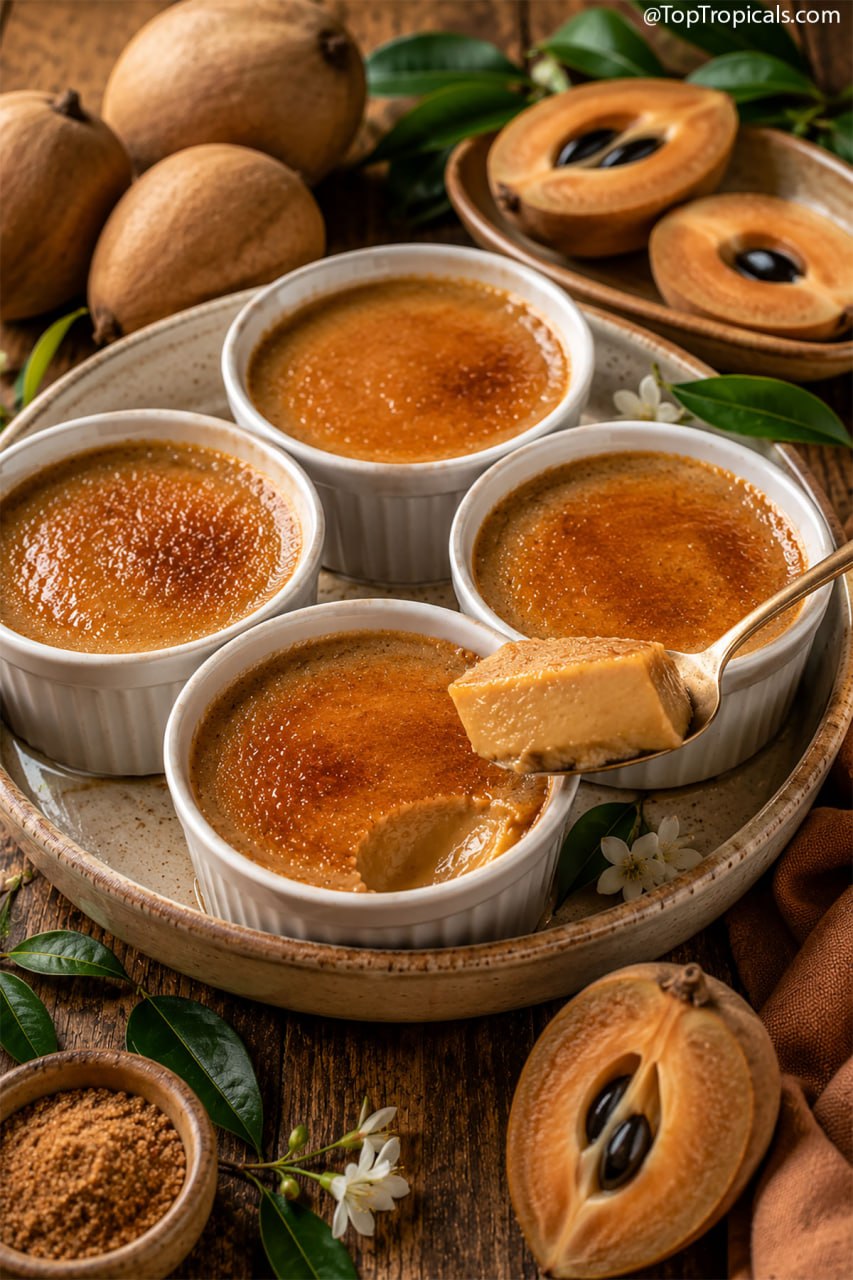
Sapodilla baked custard

Sapodilla baked custard Sapodilla baked custard
🍴 Sapodilla baked custard: quick-n-fun exotic recipes

🔴Blend ripe sapodilla pulp with eggs, milk, and a touch of sugar until smooth and creamy.
🔴Pour the mixture into small ramekins or a lightly greased baking dish.
🔴Bake gently until the custard is set around the edges but still slightly soft in the center.
🔴Allow to cool for a few minutes as the custard finishes setting.
🔴Serve warm or chilled for a dessert that tastes remarkably like natural caramel pudding with hints of brown sugar and pear.

🌿 About the plant:


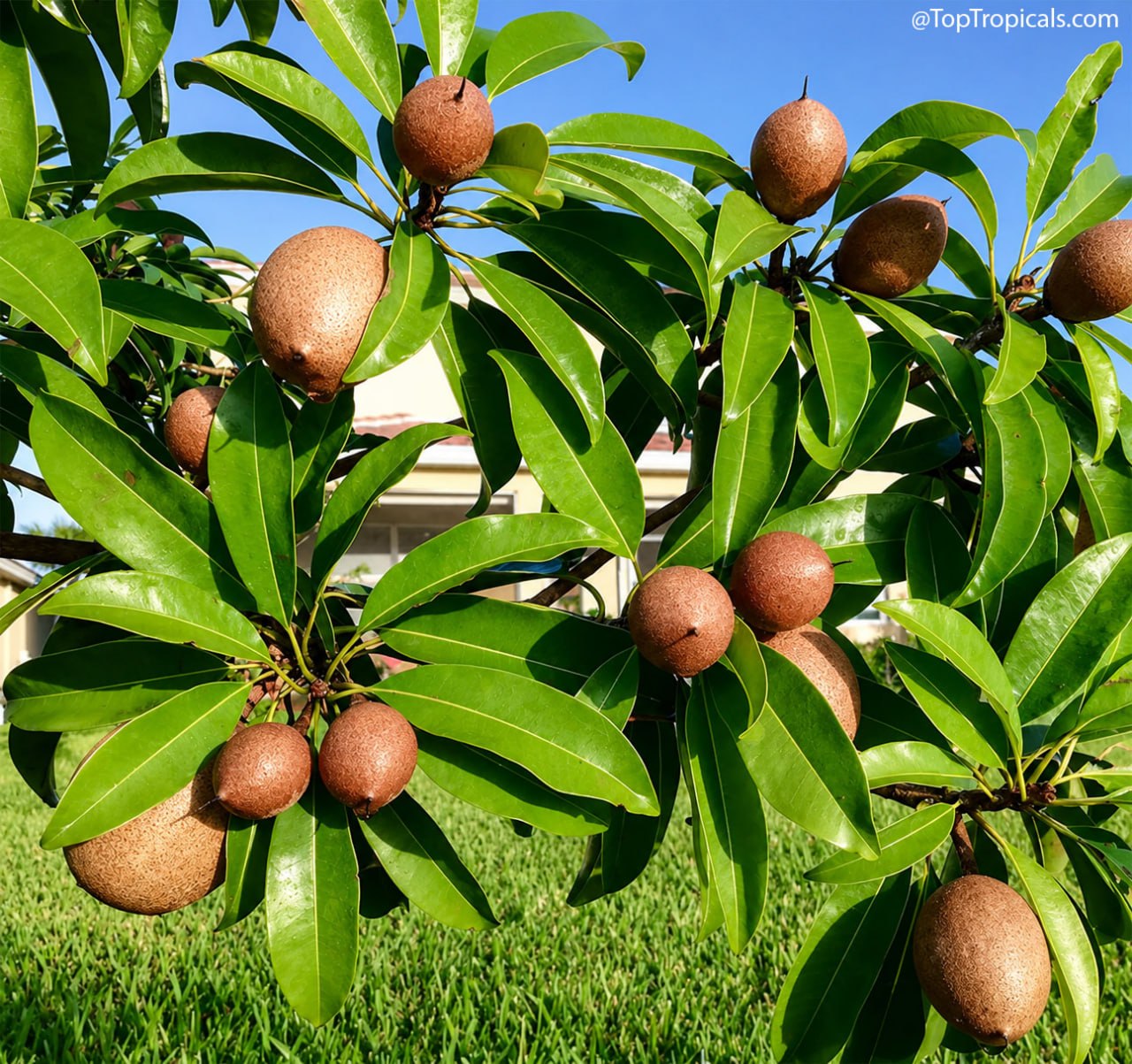
The flesh of sapodilla is naturally high in sugars and fiber, with a flavor often compared to caramel, pear, and brown sugar. It is also a source of vitamin C and several antioxidants.

🏡 In the garden:


Regular feeding during the growing season improves flowering and fruit size. Young trees benefit from consistent moisture, especially during fruit development.

🛒 Add Sapodilla - Brown Sugar Fruit tree to your Food Forest

📚 Learn more:

Sapodilla Plant Facts

Botanical name: Manilkara zapota, Manilkara achras, Achras sapota
Also known as: Sapodilla, Ciku, Naseberry, Nispero, Sapote, Brown Sugar Fruit
USDA Zone: 9 - 11
Highligths Large tree taller than 20 ftSemi-shadeFull sunWatering: Regular. Let topsoil dry slightlyEdible plantSubtropical plant. Mature plant cold hardy at least to 30s F for a short timeSeaside, salt tolerant plant
Get personalized tips for your region

Sapodilla (Achras zapota) in Plant Encyclopedia
Sapodilla caramel toast: quick-n-fun exotic recipes
How to make Sapodilla fruit profusely?
A sugar that’s good for your health
When does Sapodilla start fruiting and what is the best variety
New variety of Sapodilla: Thai Brownie

#Food_Forest #Recipes

🟢 Join 👉 TopTropicals
Date: 26 Jun 2026

How to Grow Mahoe: The Fast-Growing Shade Tree That Changes Color - Tropical Chameleon

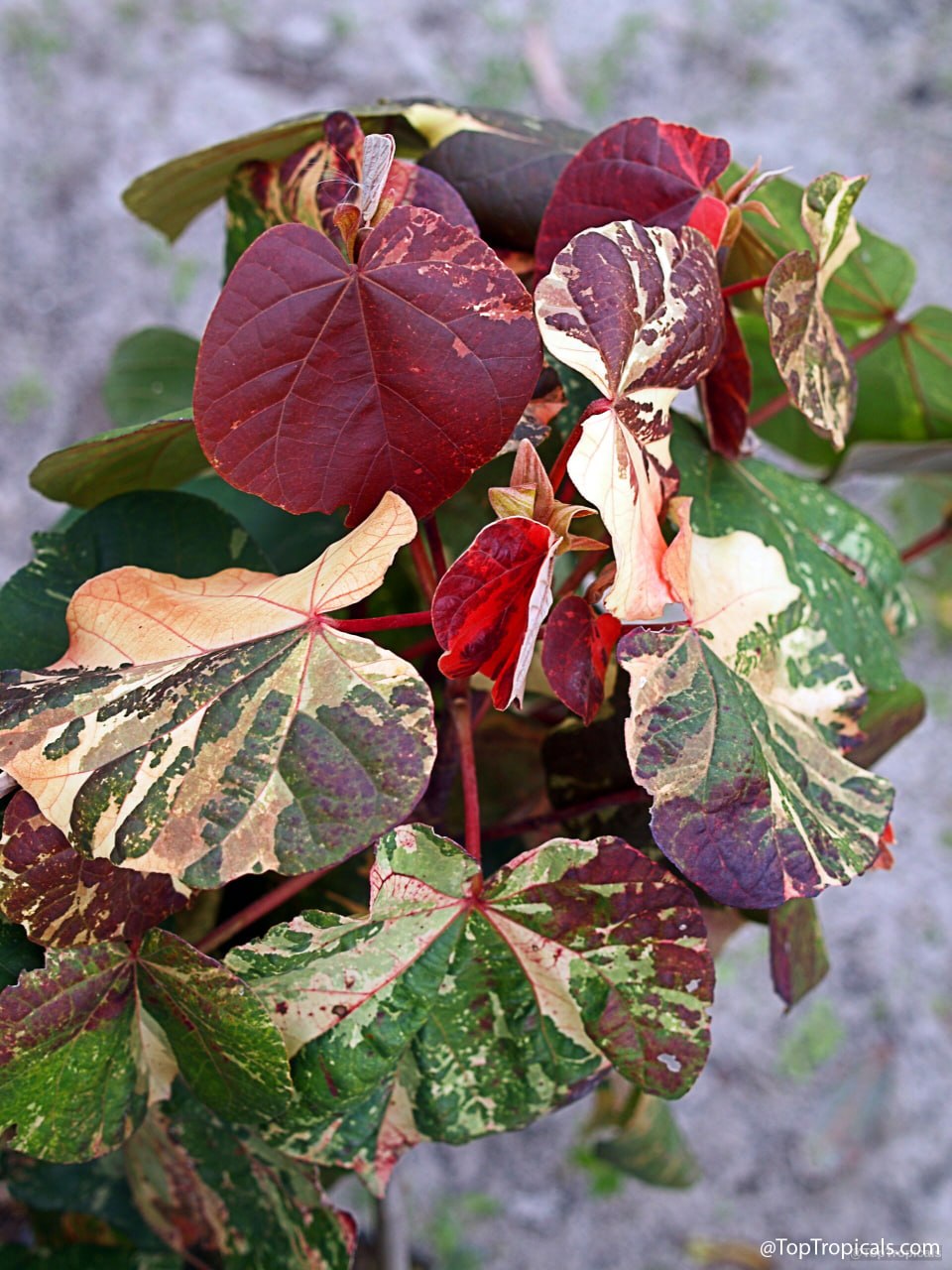
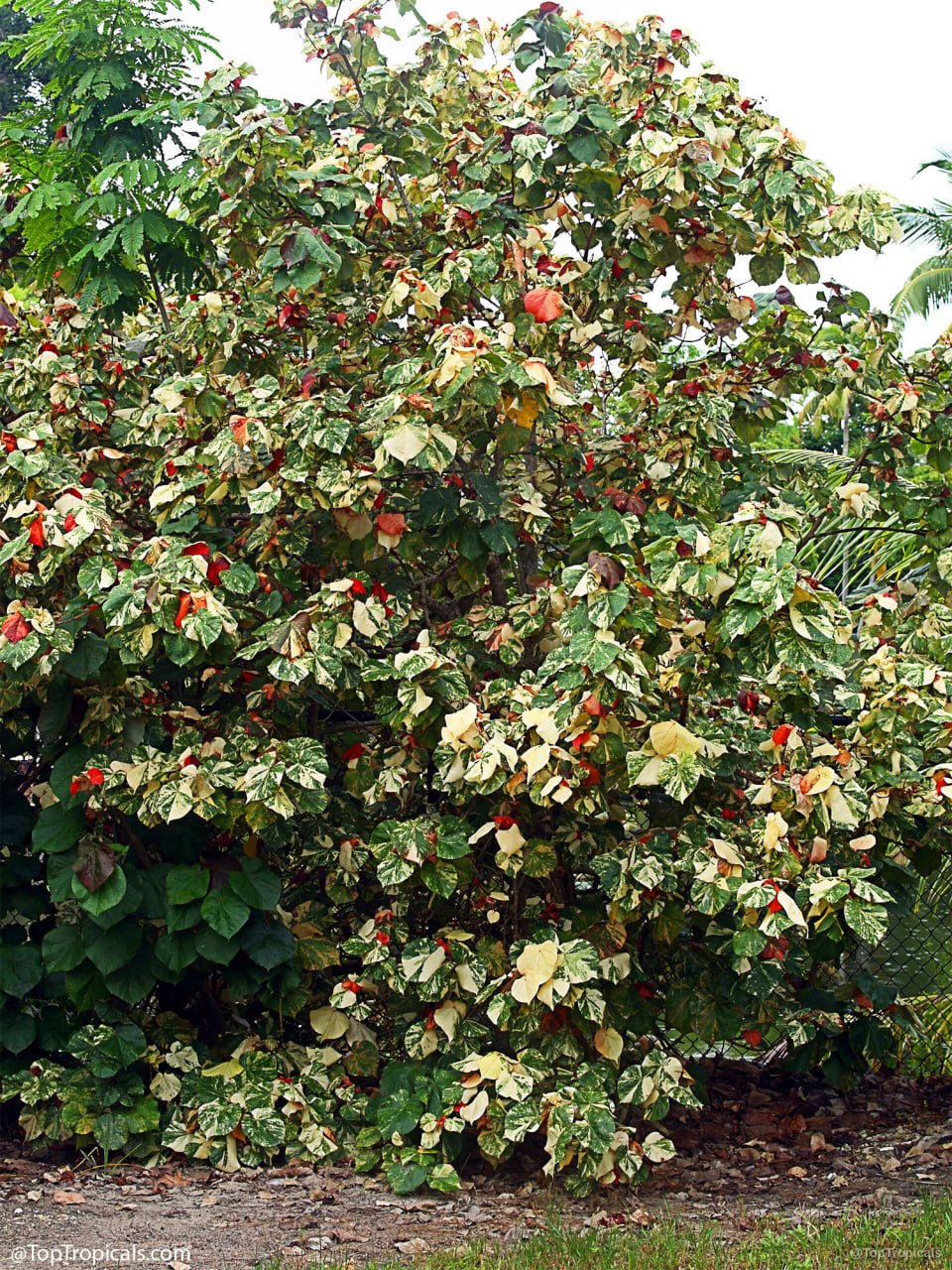
How to Grow Mahoe: The Fast-Growing Shade Tree That Changes Color - Tropical Chameleon How to Grow Mahoe: The Fast-Growing Shade Tree That Changes Color - Tropical Chameleon How to Grow Mahoe: The Fast-Growing Shade Tree That Changes Color - Tropical Chameleon
🌳 How to Grow Mahoe: The Fast-Growing Shade Tree That Changes Color - Tropical Chameleon

Looking for a fast-growing, low-maintenance tropical tree that brings effortless shade, constant color, and a parade of pollinators to your yard - Mahoe is the one! Talipariti tiliaceum, formerly Hibiscus tiliaceus - is native to coastal pantropical regions. This sturdy evergreen is a true garden workhorse. Whether grown as a dense, 5-to-10-foot privacy shrub or trained into a beautiful, umbrella-shaped small tree reaching up to 20 feet, Mahoe delivers that lush, instant-jungle vibe in just one season.

🌳 Nature's Color-Changing Magic


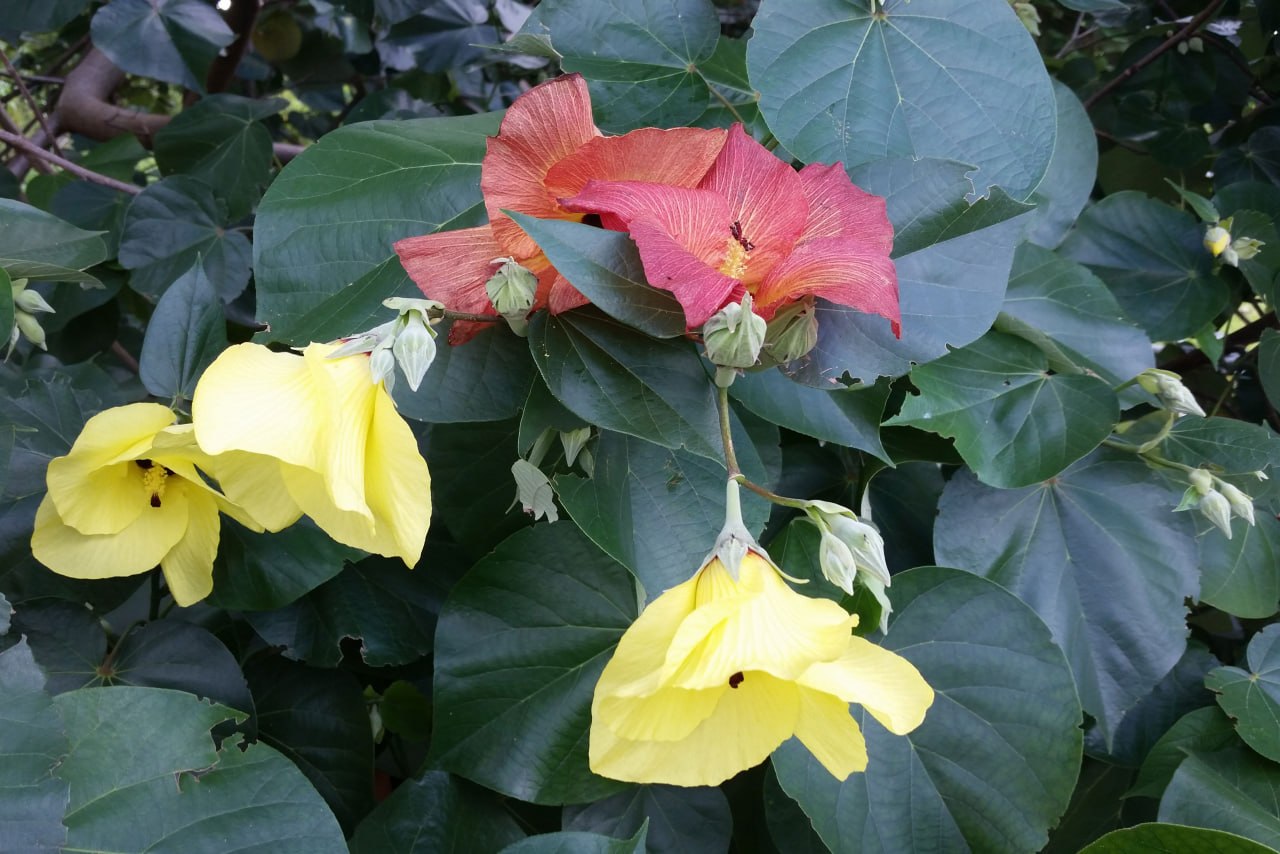
The real magic of the Mahoe lies in its blooms. Throughout the year, magnificent flowers open a bright, vibrant yellow in the morning. As the day goes on and the blooms age, they undergo a stunning transition - deepening to rich orange, crimson, and vinous red before they drop. This shifting color wheel creates a breathtaking, multi-colored display that acts as a magnet for hummingbirds and butterflies.

🌳 Landmark Shade for Warm Climate Landscapes


Mahoe thrives in full sun, loves regular water, and is exceptionally salt-tolerant, making it an absolute powerhouse for coastal and southern landscapes (USDA Zones 9b-11).

Instant Canopy: Because it grows with incredible vigor, it can transform a wide-open, sunny spot into a dense, shady retreat in just one or two seasons.

Growth Management: In the ground, it quickly matures into a substantial, wide-spreading tree. While its wild growth habit means regular, aggressive pruning is mandatory to keep it shaped and contained within typical garden bounds, it rewards that effort with unmatched privacy and a massive, tropical canopy.

🌳 The Designer Upgrade: Variegated Mahoe


If you want all the fast-growing stamina of the standard Mahoe but want to turn the visual drama up to ten, the Variegated Mahoe (Hibiscus tiliaceus Variegatum) is the absolute must-have tree of the year.

While its color-changing flowers are just as magical as the original, its foliage is a spectacular show all on its own. The large, heart-shaped leaves are a living kaleidoscope, splashed with dramatic patterns of white, cream, deep green, and even soft pink and red.

Even better for smaller yards! The variegated variety tends to naturally maintain a tighter, more compact, and symmetrical umbrella-like shape than its wild green cousin, giving you high-end landscape style with minimal effort.

Whether you choose the classic, pollinator-loving green or the eye-popping variegated cultivar, the Mahoe family is guaranteed to be the centerpiece of your garden.

🛒 Get Instant Tropical Shade - Mahoe

📚 Learn more:
· Talipariti tiliaceum (Hibiscus tiliaceus) in Plant Encyclopedia
· The Tree Everyone's Talking About: Variegated Mahoe

#Trees #Discover

Mahoe Plant Facts

Botanical name: Talipariti tiliaceum, Hibiscus tiliaceus
Also known as: Mahoe
USDA Zone: 9 - 11
Highligths Large shrub 5-10 ft tallSmall tree 10-20 ftFull sunWatering: Regular. Let topsoil dry slightlyYellow, orange flowersRed, crimson, vinous flowersPlant attracts butterflies, hummingbirds
Get personalized tips for your region
🟢 Join 👉 TopTropicals