Garden Blog - Top Tropicals

Date: 15 Jan 2021

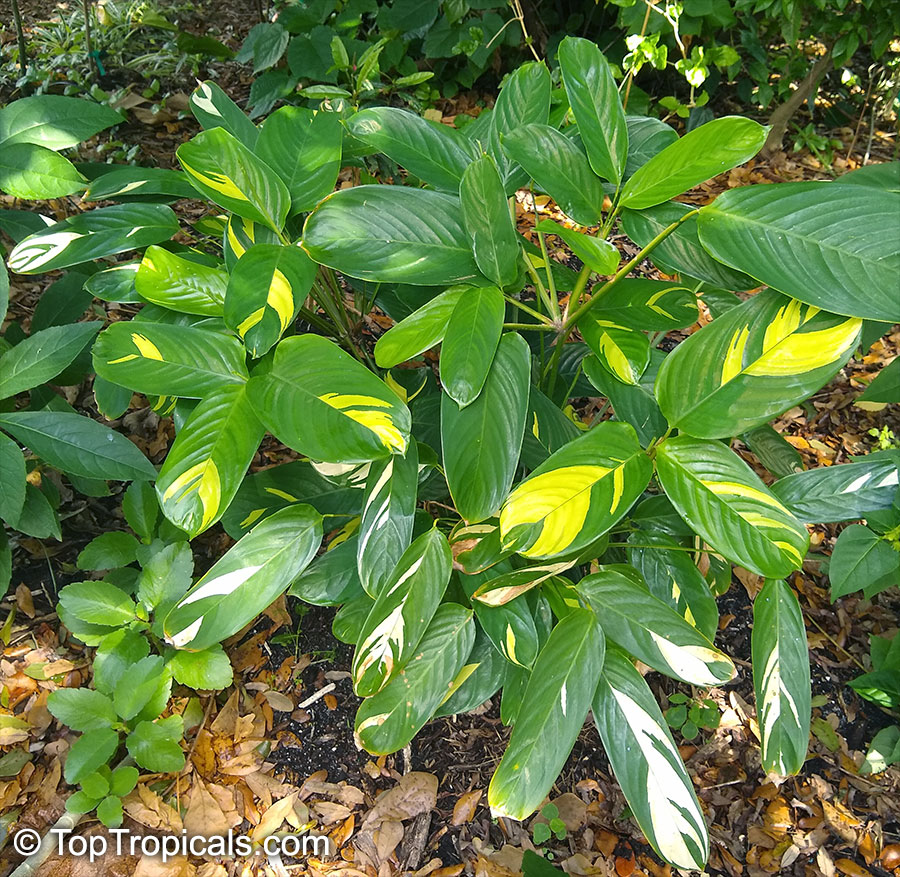
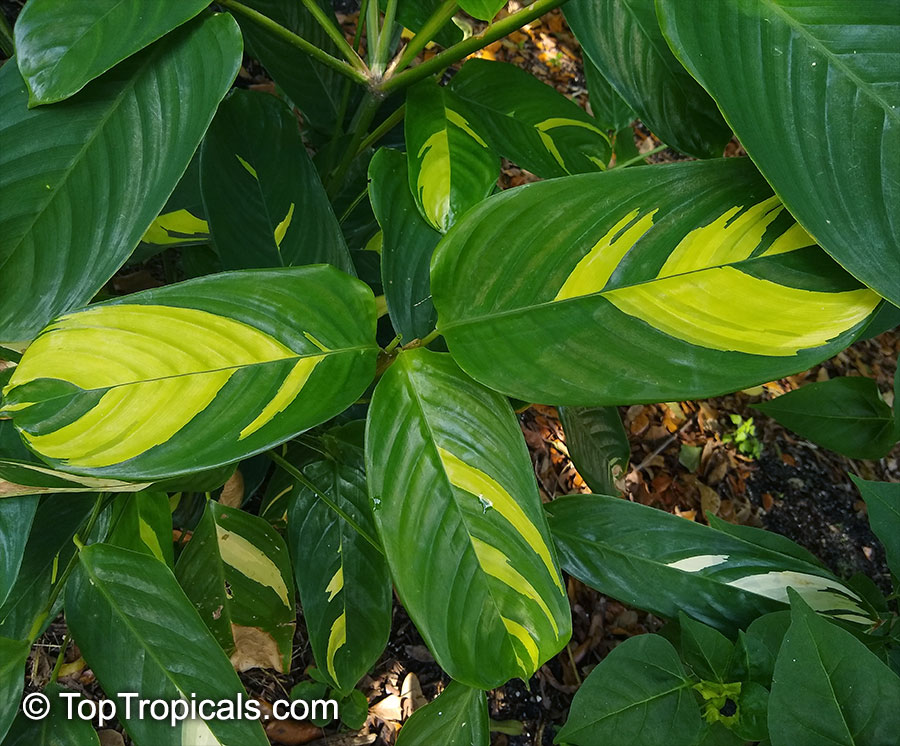
Never-never be without one! Ctenanthe lubbersiana variegata
Stevie's Pick: what's special today?

Our exotic plant grower Steven Gowdy spotlights the most interesting plants he discovers and recommends today while working in TopTropicals greenhouses.

Year 2021 is celebrated as a Year of Variegated Foliage plants, and I have something special for those rare plant collectors. Besides exclusive Monstera variegata Thai Constellation, there are a few less expensive plants that are as much beautiful and yet fit into any budget.

Known as the Never-never plant, this beauty is native to Brazil. I think in South Florida a shade garden should never-never be without one!
Ctenanthe lubbersiana variegata has deep variegation, with branching bamboo-like stems and oblong green, veined leaves that are mottled with cream and gold. Needing high humidity and indirect, bright filtered light, it just screams tropical and fun! Ctenanthe is a close relative of showy Marantas grown for the beauty of their foliage, and also makes a great house plant in cooler climates.
In warmer climates, it can be planted as an under story plant. The plant is growing to 2-3 feet high and 4-6 feet wide, with leaf patterns of indistinct cream and green marbling. It does have a rapid growth rate and liking soil moist, but not soggy. In the winter, water should only be given when the dirt is somewhat dry. Watch out for mealy bugs, spider mites, and aphids and apply Sunshine NoBug if you notice any - they will be easy to get rid of.

Give it a liquid fertilizer SUNSHINE Robusta - Rapid Growth Booster and divide as needed.

This plant is one of my favorites. I planted a nice specimen at TopTropicals entrance gate last year, and now we finally have beautiful baby plants propagated from it, looking great!

Date: 20 Dec 2020

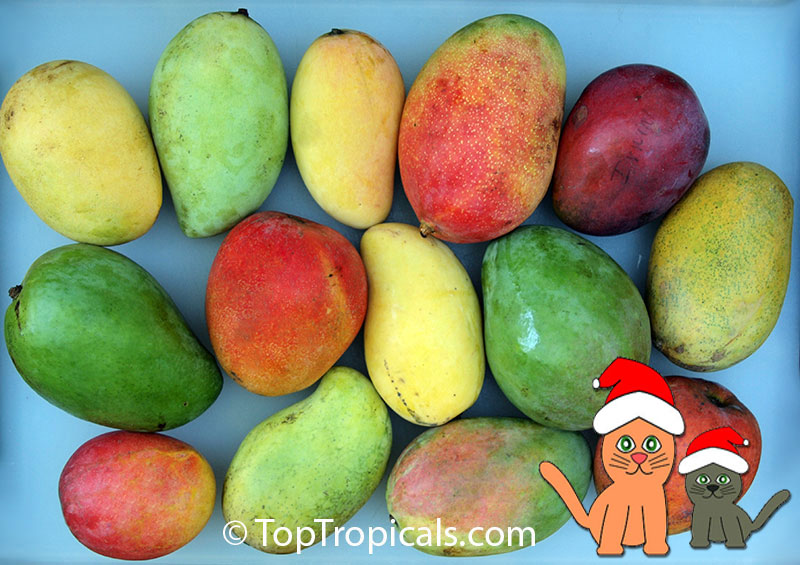
Mango ID and ripeness

Q: As the World's Leading Authority on Tropical Plants, I hope you can help us out. We obtained a mango tree from a City giveaway, and planted it a few years ago. This is the 1st year it has produced fruit. They are almost all green color, & range from 6-7 inches in length. Attached are a few photos of the tree & its fruit. Please help to identify the type, and how to determine when they would be ready to pick. Or should we just wait until they fall off of the tree?

A: If the tree is grafted, it normally starts flowering within a year after planting. If the tree is over 6 years old and just now started fruiting - chances are, this is a seedling (possible at giveaways) without specific variety. However the fruit looks pretty good size and shape, hopefully it tastes great. You will find out soon!
Based on the pictures, there maybe a few possible choices, including varieties (or their seedlings) Keitt, Rosigold, it can be even Lancetilla if fruit grows bigger than 7" long. The next step would be, wait until the fruit get some color, then it will be easier to narrow down the variety. Also see if there is a lot of fiber or no fiber.
You may wait until at least one fruit ripens on the tree and let it fall naturally - that will be the color (can be all green, but in your case it looks like it's turning yellow blush). After that, you may pick full size fruit before they fall and let them ripen on a kitchen table. Usually once the fruit starts showing color, it is close to ripening. For all-green varieties, just wait till fruit grows to maximum full size. You may also check if the fruit gets softer to touch, then it's ready.

Date: 19 Nov 2020

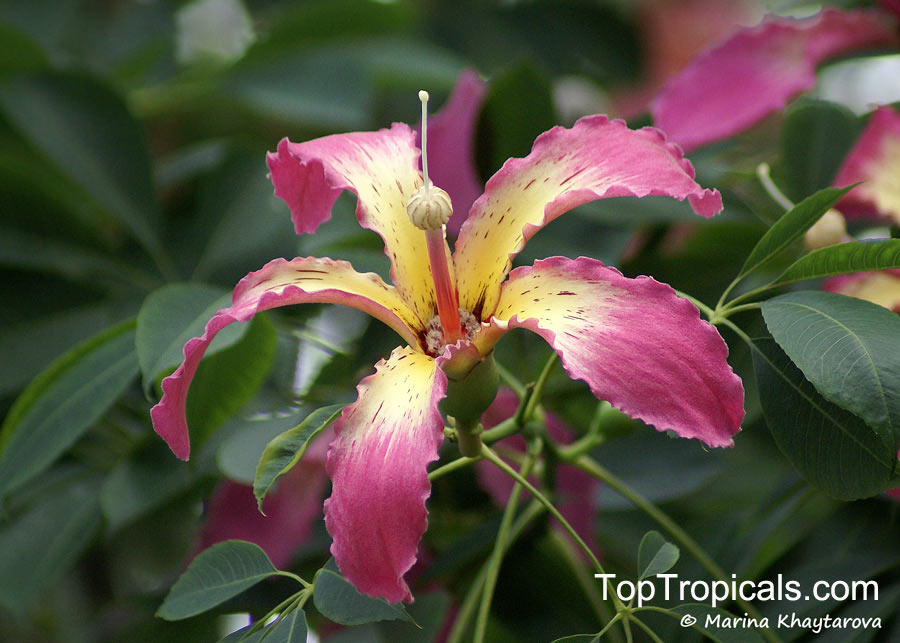
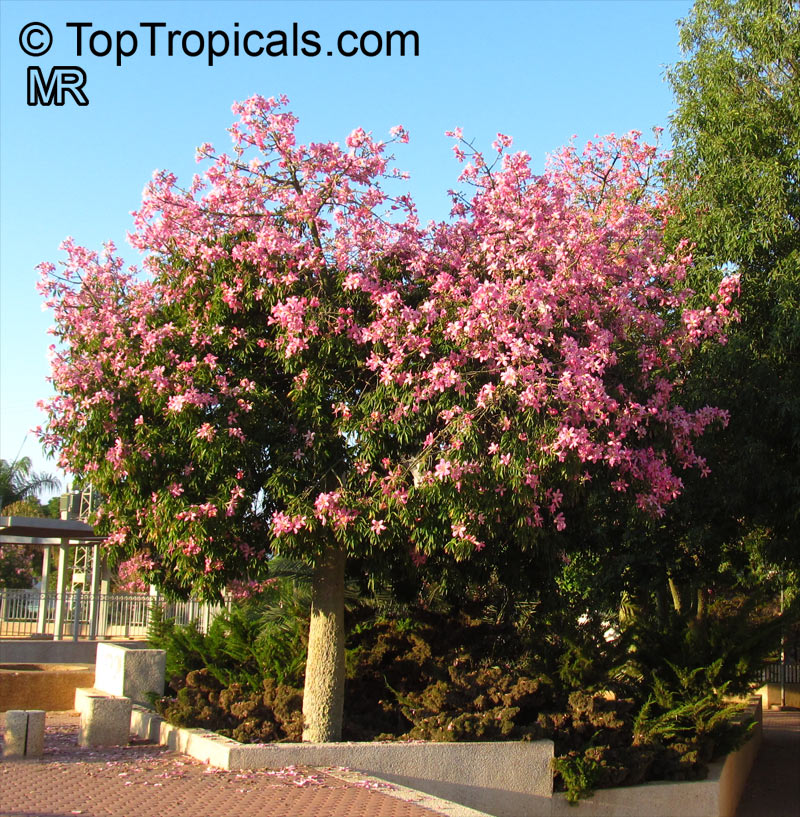
Chorisia speciosa - Exotic Pink Silk Floss Tree

by Onika Amell, tropical plant expert

When I stumbled upon my first Pink Silk Floss tree at the Naples Botanical Garden in Florida, it stopped me in my tracks. It was in full bloom and one of the most beautiful flowering trees I had ever laid my eyes upon. This tree has so much wow factor. Not only are the flowers of this native from the Amazon Rain Forest in South America spectacular, but the trunk, seeds and attractive, umbrella-like crown makes it exceptionally unique and interesting. This tree will stand out in any garden....

CONTINUE READING >>

Date: 11 Sep 2020

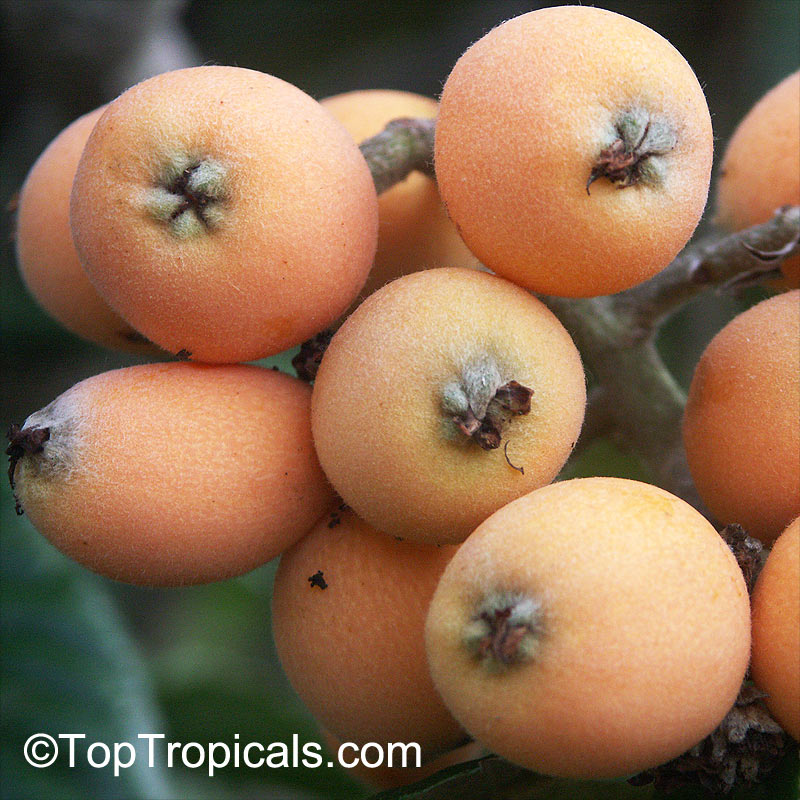
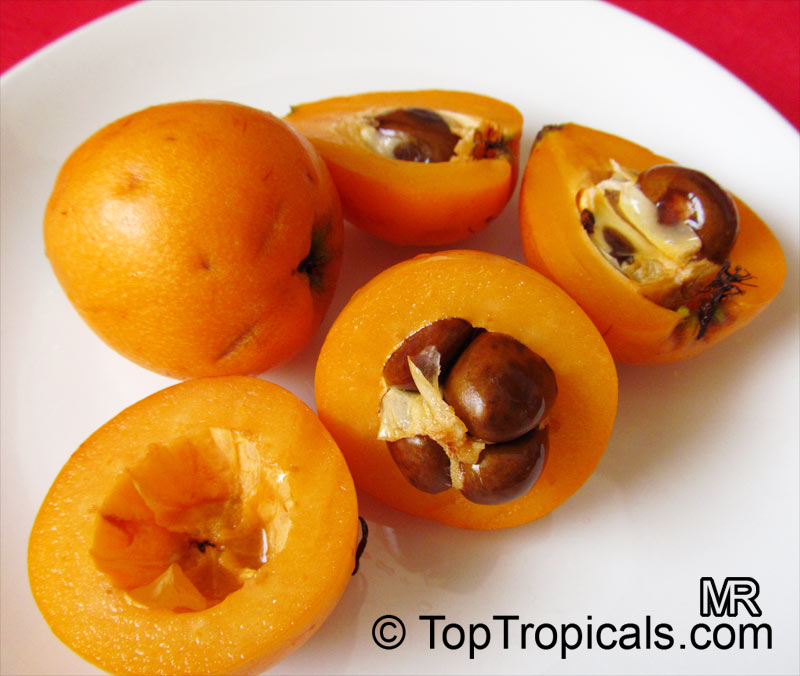
The best Loquat varieties with big, sweet fruit

Q: I'm interested in loquat and read through the varieties you offer but wanted your recommendation. I'm looking for a variety that is big, sweet (not tart) with 1 seed. Of the varieties you offer... Which variety would you recommend?

A: From our experience, the most popular Loquat variety is Christmas. It is an early ripening type hence the name Christmas. Fruits are very large for a loquat, they are bright yellow with a tangy apricot flavor.
Another good variety we recommend is Yehuda - it has a large fruit and very small seed Also, variety Oliver for many years has been considered the best loquat for South Florida. The fruiting season is March to May. It has medium to large fruit. The fruit is very sweet with only one-two seeds.
Loquats are very cold hardy tropical fruit trees, easy to grow, drought tolerant, fast growing. Fruit is great for eating fresh or making jam.

Check them out while they are on sale!

Date: 20 Aug 2020

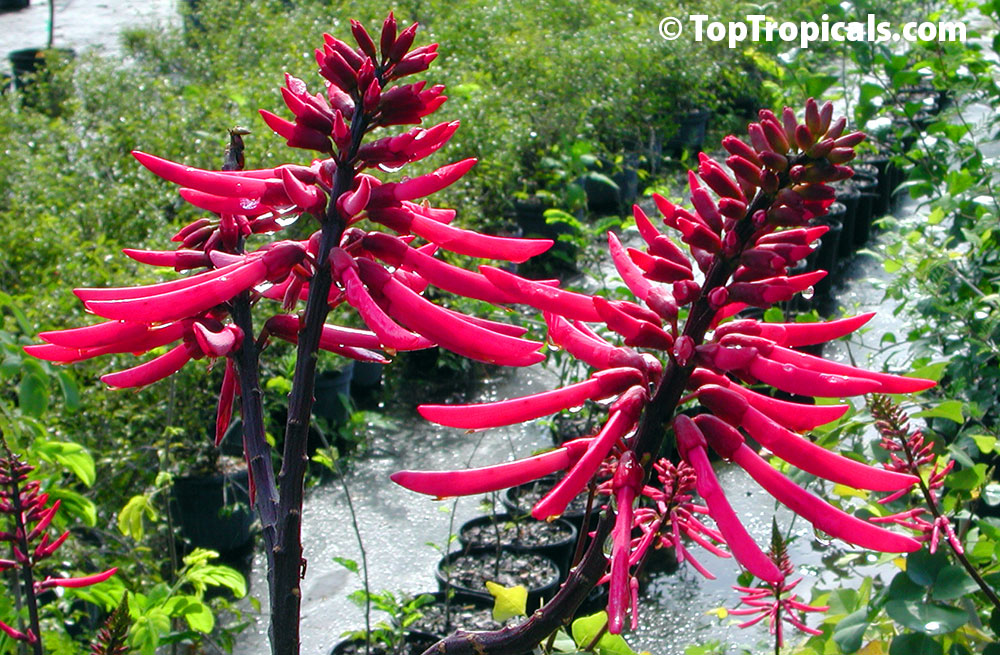
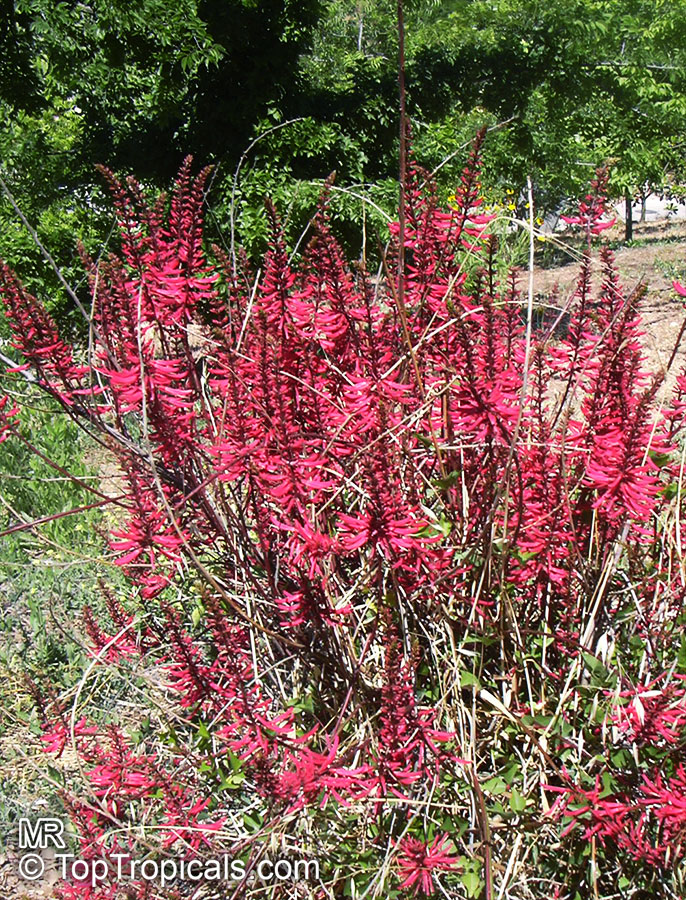
Coral Bean - Hummingbird Delight

Erythrina herbacea

by Onika Amell, tropical plant expert

Q: I am creating a natural, native garden on the southwest coast of Florida. In some of the far corners of my landscape, my soil unfortunately is poor and my irrigation does not reach these areas. I am hoping to find something unusual and native to grow in these challenging areas of my garden. Any luck of finding something tough that will also attract hummingbirds and/or butterflies?

A: Most of us have these areas in our gardens where the soil is sandy or where irrigation simply does not reach. It is always wise to choose tough, native plants that will grow in these areas with minimum care, fertilizer or the luxury of being watered regularly.

One plant to consider is the Coral bean or Erythrina herbacea. This legume, native to the southern portions of the United States, is Florida-friendly, unusual and a great choice for natural and informal planting. It will add interest to these challenging area(s) of your landscape from spring to fall...

CONTINUE READING >>