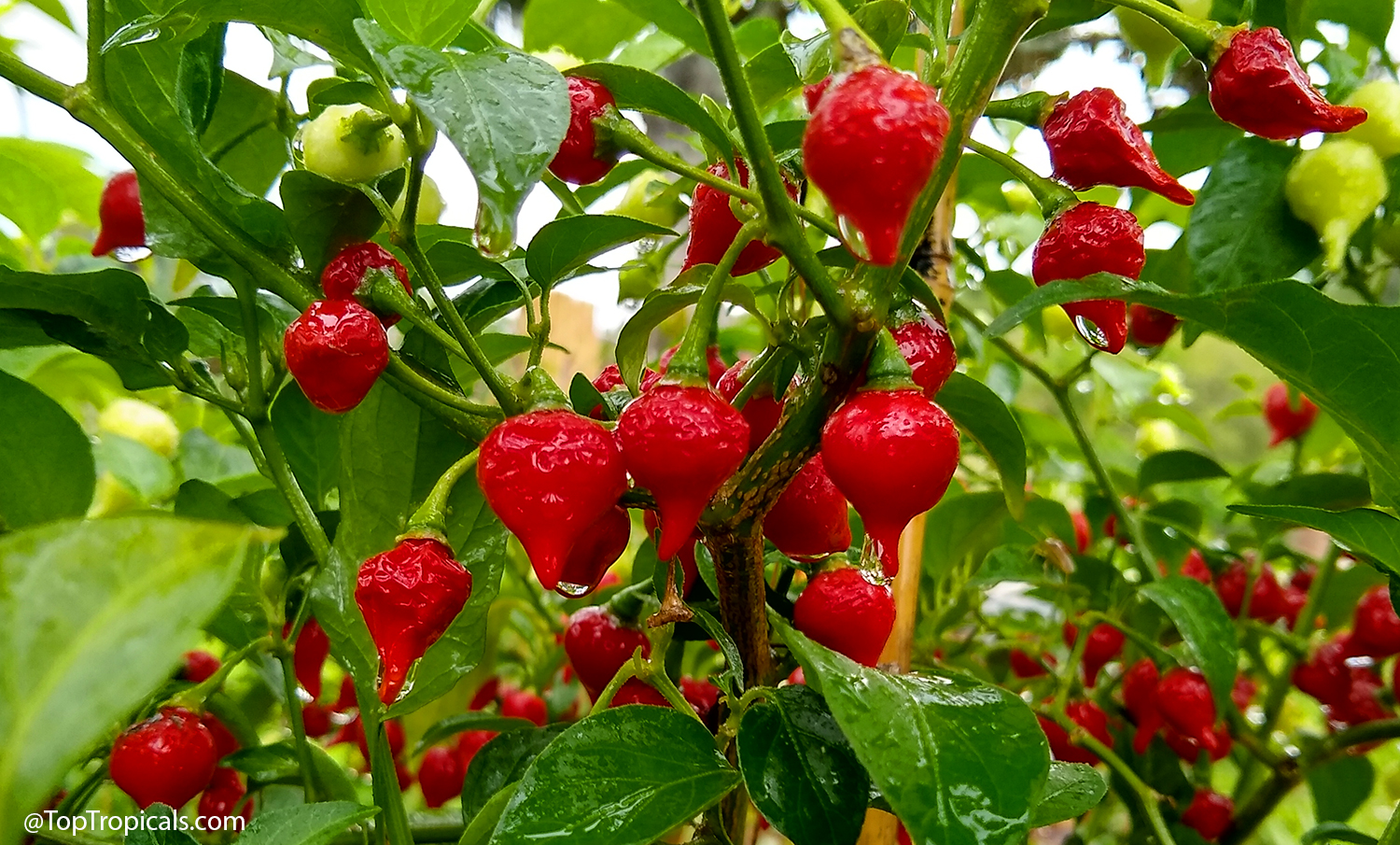
Biquinho
pepper loaded with fruit - small, beak-shaped peppers ripen
from green to bright red, offering intense fruity habanero flavor with
little to no heat on a compact, heavy-producing plant.
Sweet Pepper Plant Facts
Botanical name: Capsicum annuum Also known as: Sweet Pepper, Chilli Pepper, Cayenne Pepper, Paprika, Ornamental pepper
USDA Zone: 4 - 10
Highligths
A lot of plants that thrive in Florida heat have deep roots in Mexico, and
not just as ornamentals. Think coral vine or flame vine climbing a fence in
summer, or bird of paradise
sitting at the edge of a patio like it owns the place. These are not plants
that need coaxing. They grow fast, full, and unapologetically.
Then there are the plants you actually eat: peppers,
prickly
pear, sweetleaf,
and fruit trees like avocado, guava,
and sapodilla.
They do not just decorate the yard. They change how the yard works, and how
the kitchen feels all year.
Avocado Plant Facts
Botanical name: Persea americana, Persea gratissima Also known as: Avocado, Alligator Pear, Aguacate, Abacate
USDA Zone: 9 - 11
Highligths
That is the part that sneaks up on you. Gardening stops being about having a
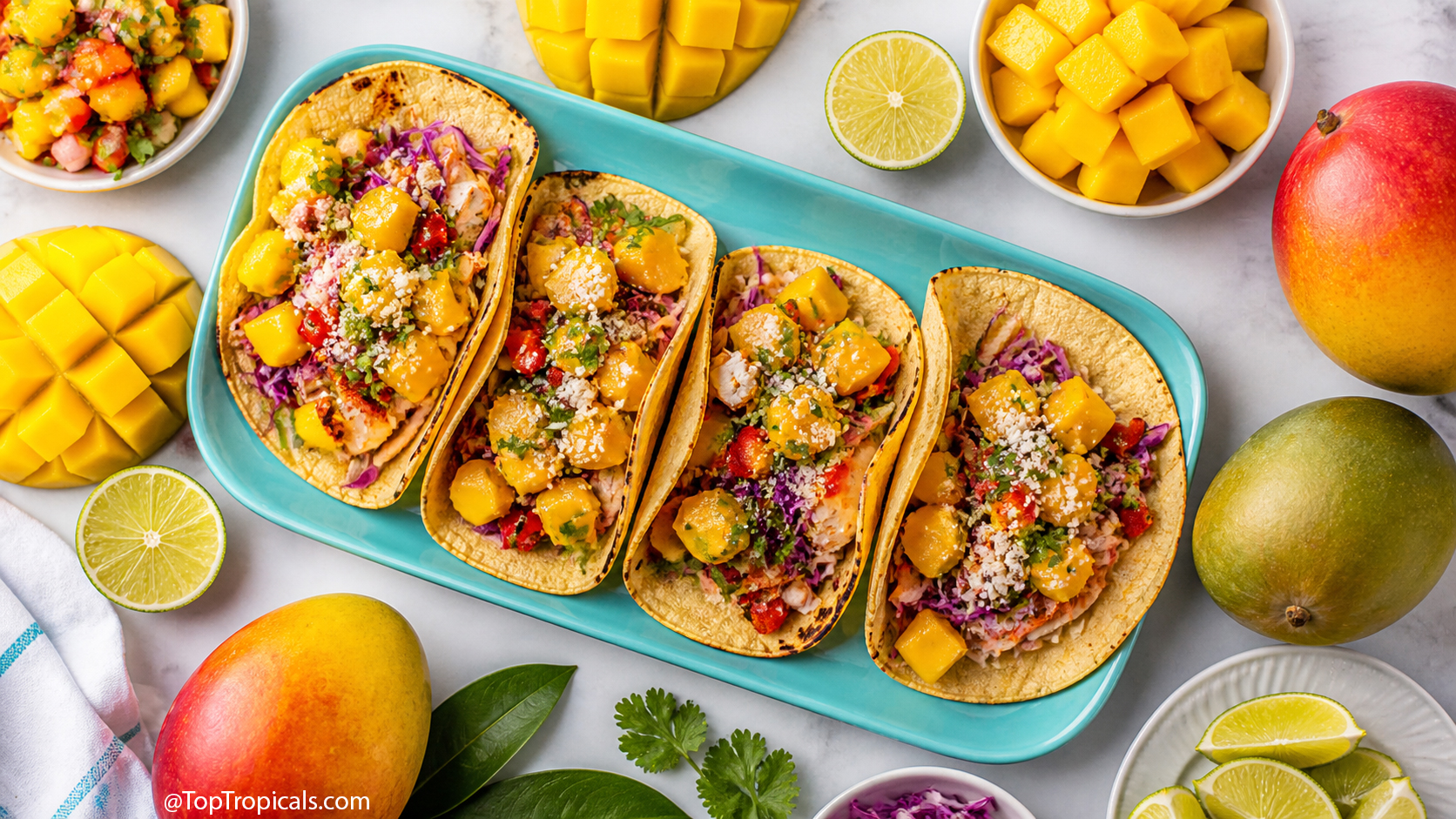
pretty yard and starts becoming a way of living. Mango tacos taste
different when you picked the mango yourself. Everything does.
Mango Plant Facts
Botanical name: Mangifera indica Also known as: Mango
USDA Zone: 9 - 11
Highligths
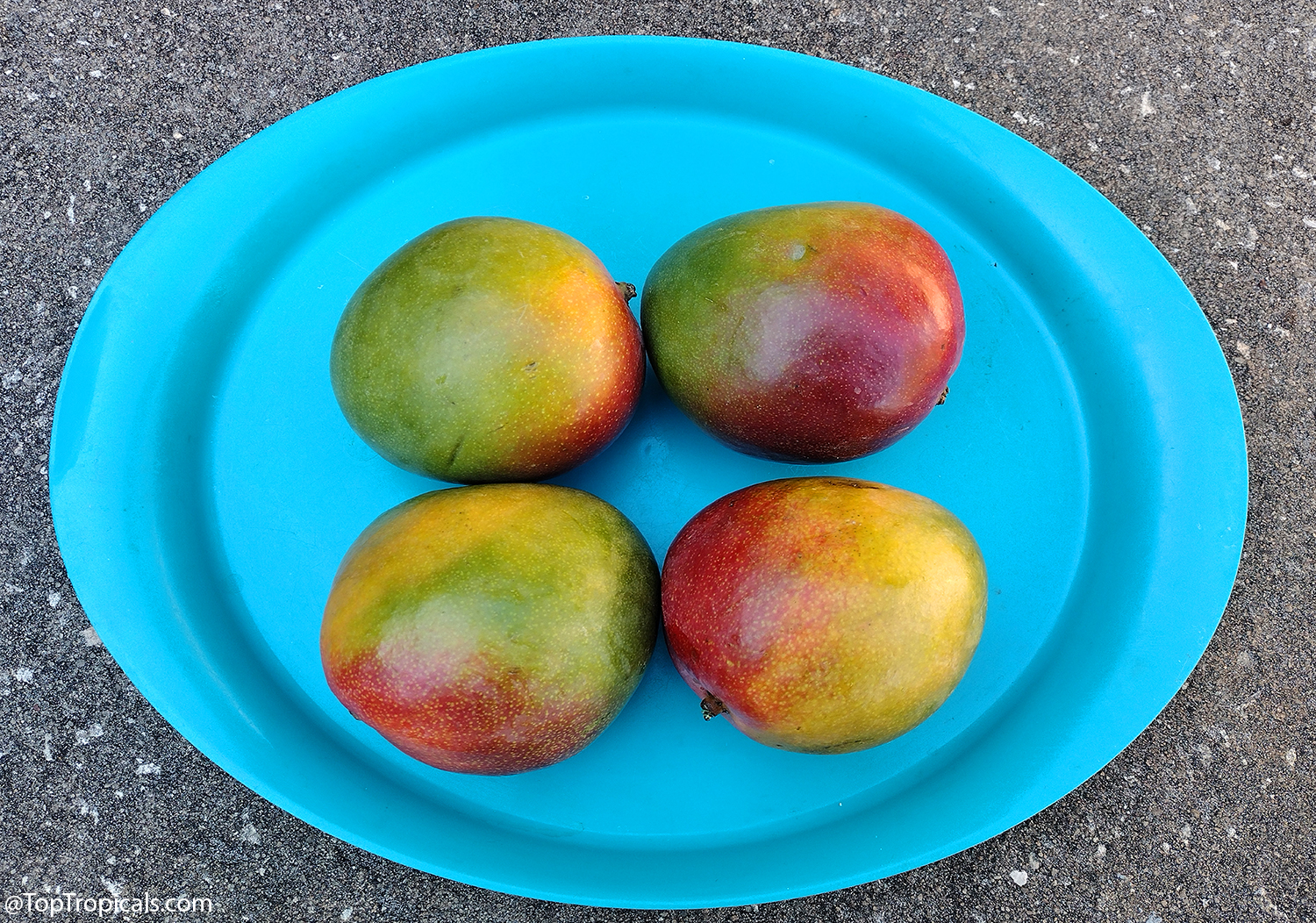
Kent mango - classic late-season variety with smooth,
fiberless flesh and rich, sweet flavor.
🍀Mexican
Plants That Thrive With Minimal Effort
by Tatiana Anderson, Top Tropicals Garden
Expert
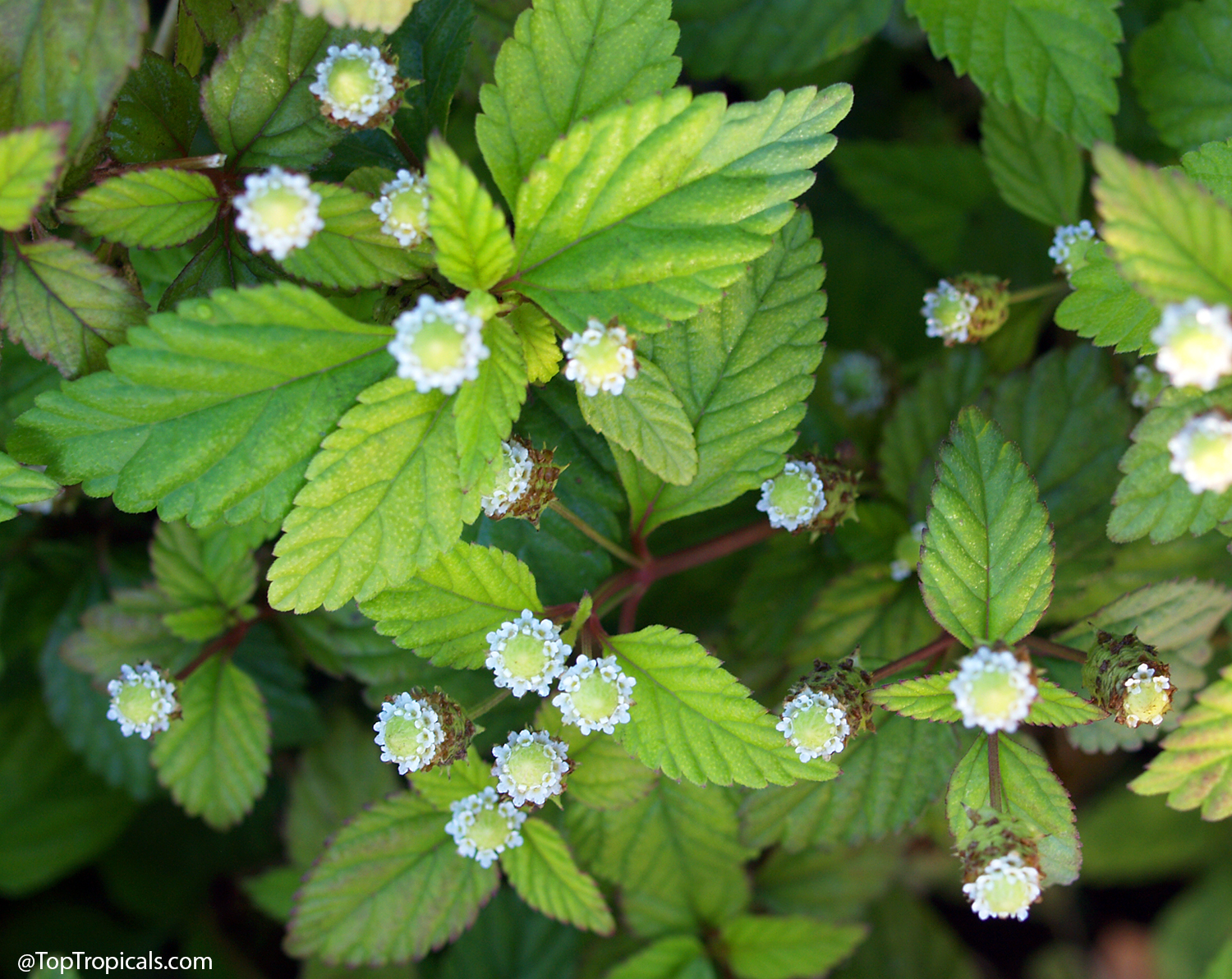
Lippia
dulcis - Aztec Sweet Herb in bloom - a low-growing Mexican herb
with tiny white flowers and remarkably sweet leaves that can be eaten fresh
or added to fruit dishes, traditionally used since Aztec times for coughs
and colds.
Aztec Sweet Herb Plant Facts
Botanical name: Phyla dulcis, Lippia dulcis, Phyla scaberrima, Lippia mexicana Also known as: Aztec Sweet Herb, Sweetleaf
USDA Zone: 9 - 11
Highligths
These Mexican plants are surprisingly easy to grow if you give them what
they expect: sun, heat, and good drainage. Most of them are built for tough
conditions and will grow fast with minimal care once established.
The one rule that matters: fill the planting hole with water. If it does
not drain in 5-10 seconds, plant on a mound or use a container.
Flowering
vines will take off quickly, edibles like peppers and sweetleaf
lippia
are very forgiving, and cactus types prefer to be left alone rather than
overwatered.
For full, step-by-step growing tips and plant-specific advice, read our blog
- we break everything down in practical, real-world terms.
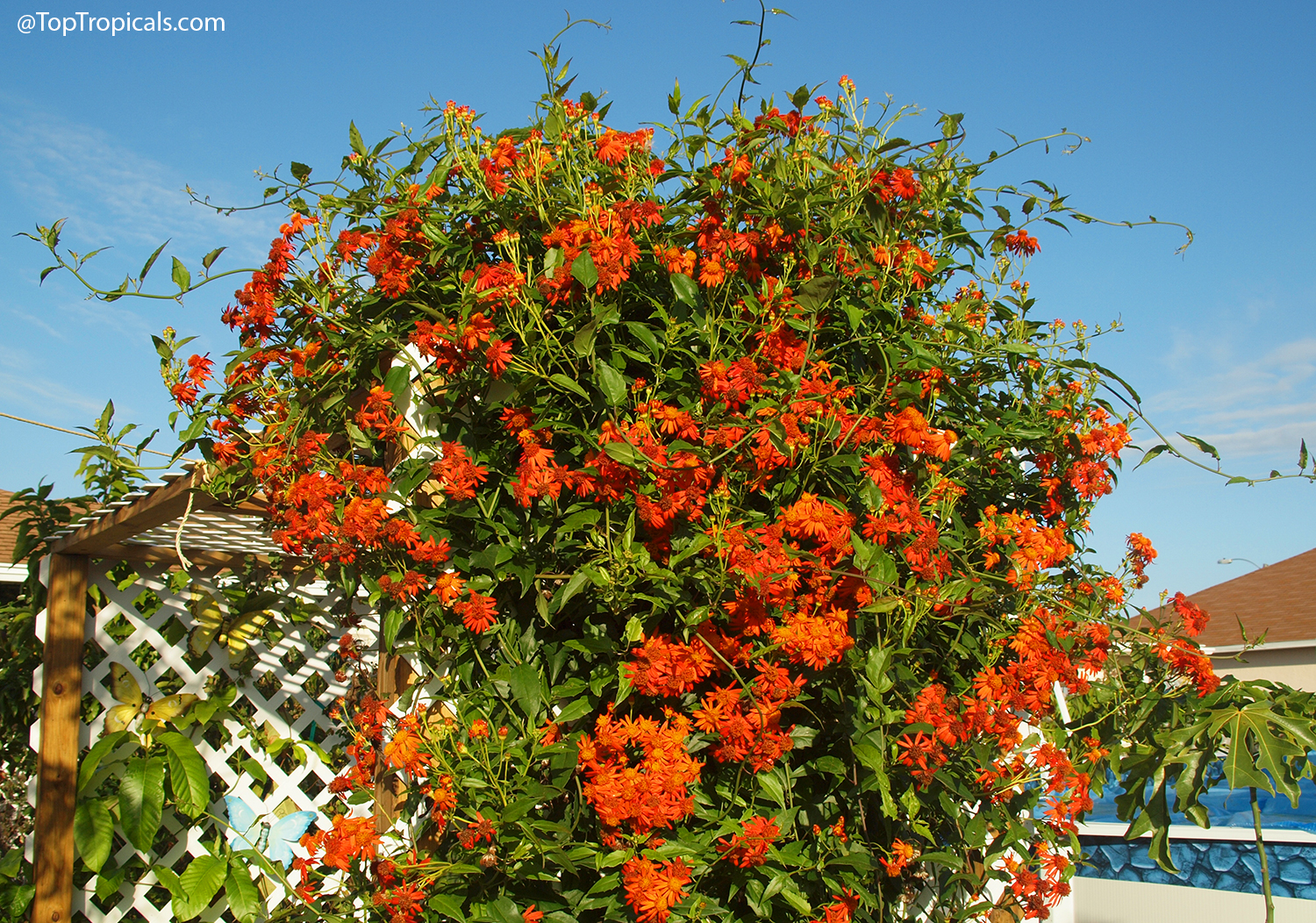
Mexican Flame Vine in full bloom - a fast-growing,
drought-tolerant climber that quickly covers fences with vivid red flowers,
attracting
pollinators and adding bold color with minimal care.
Mexican Flame Vine Plant Facts
Botanical name: Pseudogynoxys chenopodioides, Senecio confusus Also known as: Mexican Flame Vine, Orangeglow Vine
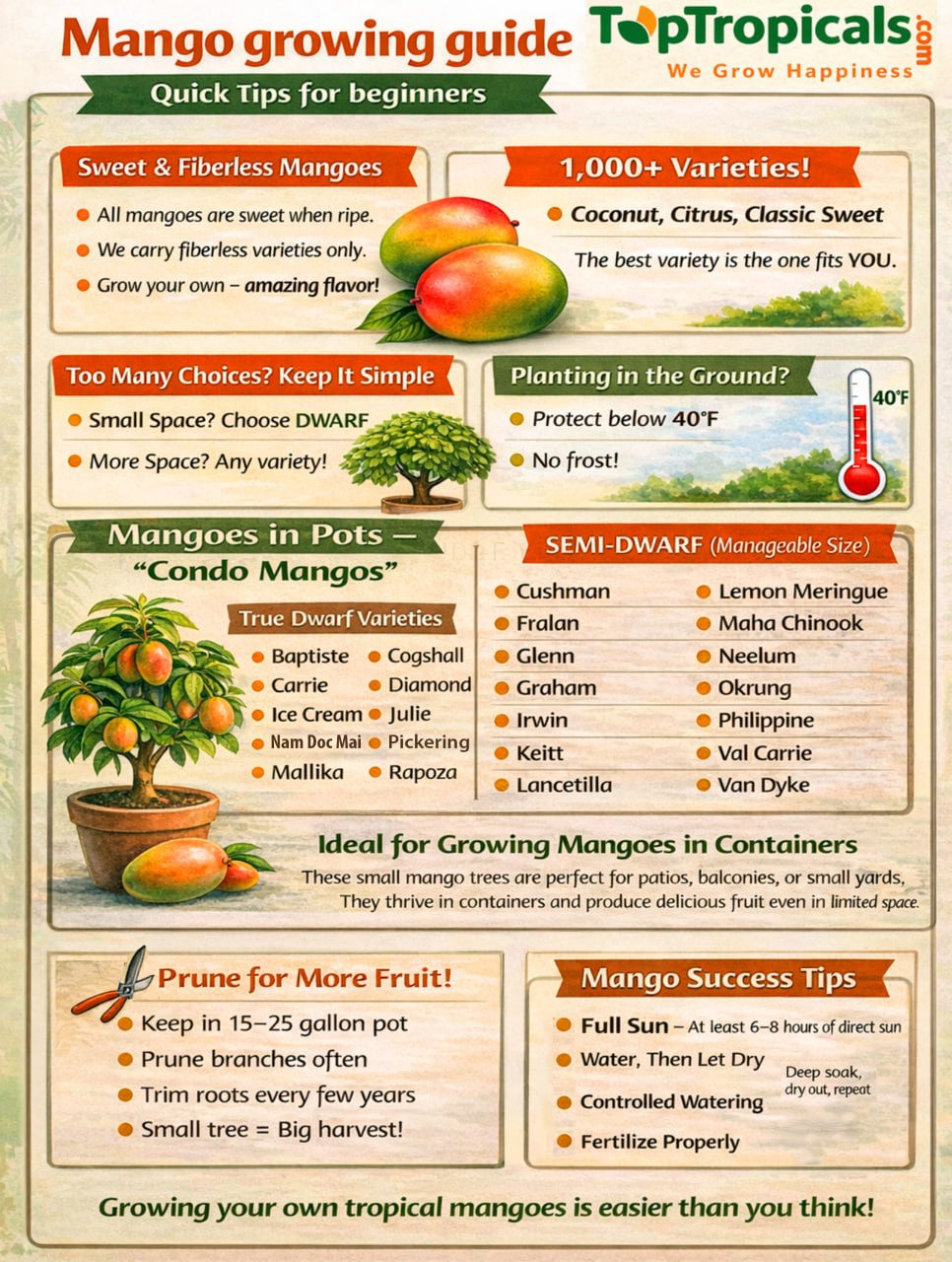
Growing mangoes at home is easier than most people think.
Mango Plant Facts
Botanical name: Mangifera indica Also known as: Mango
USDA Zone: 9 - 11
Highligths
You don’t need a big yard. You don’t need perfect conditions.
You just need the right variety - and a few simple rules.
🔻Small space? Go with condo mango varieties 🔻Full sun is key 🔻Water deep, then let it dry 🔻Prune to keep trees compact and productive
Most store mangoes are picked early.
Homegrown fruit - completely different experience.
Sweeter, richer, and actually worth the wait.
Start with the basics, keep it simple, and your mango tree will reward you.
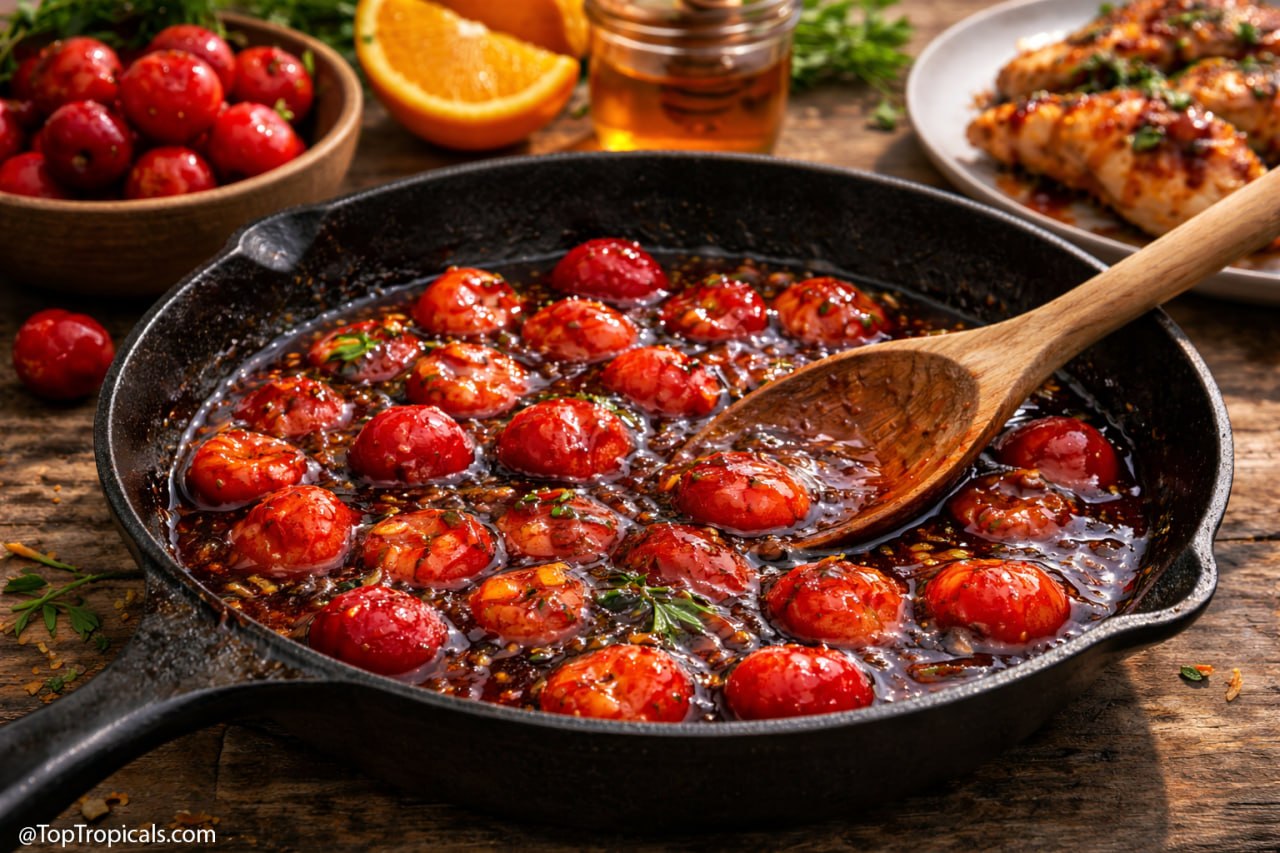
🔴Halve ripe Surinam cherries, take the seed out 🔴Cook in a pan with honey and a squeeze of orange. Simmer until syrupy. 🔴Pour over grilled chicken or roasted vegetables.
🌿 About the plant:
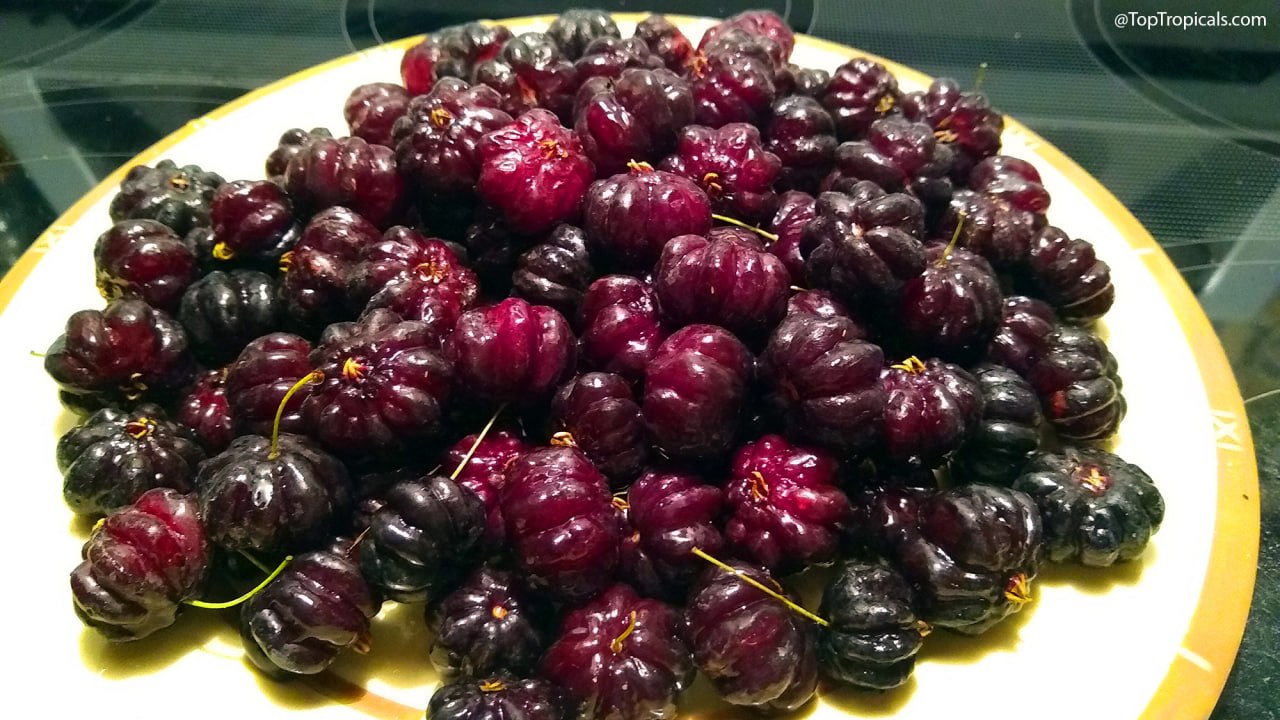
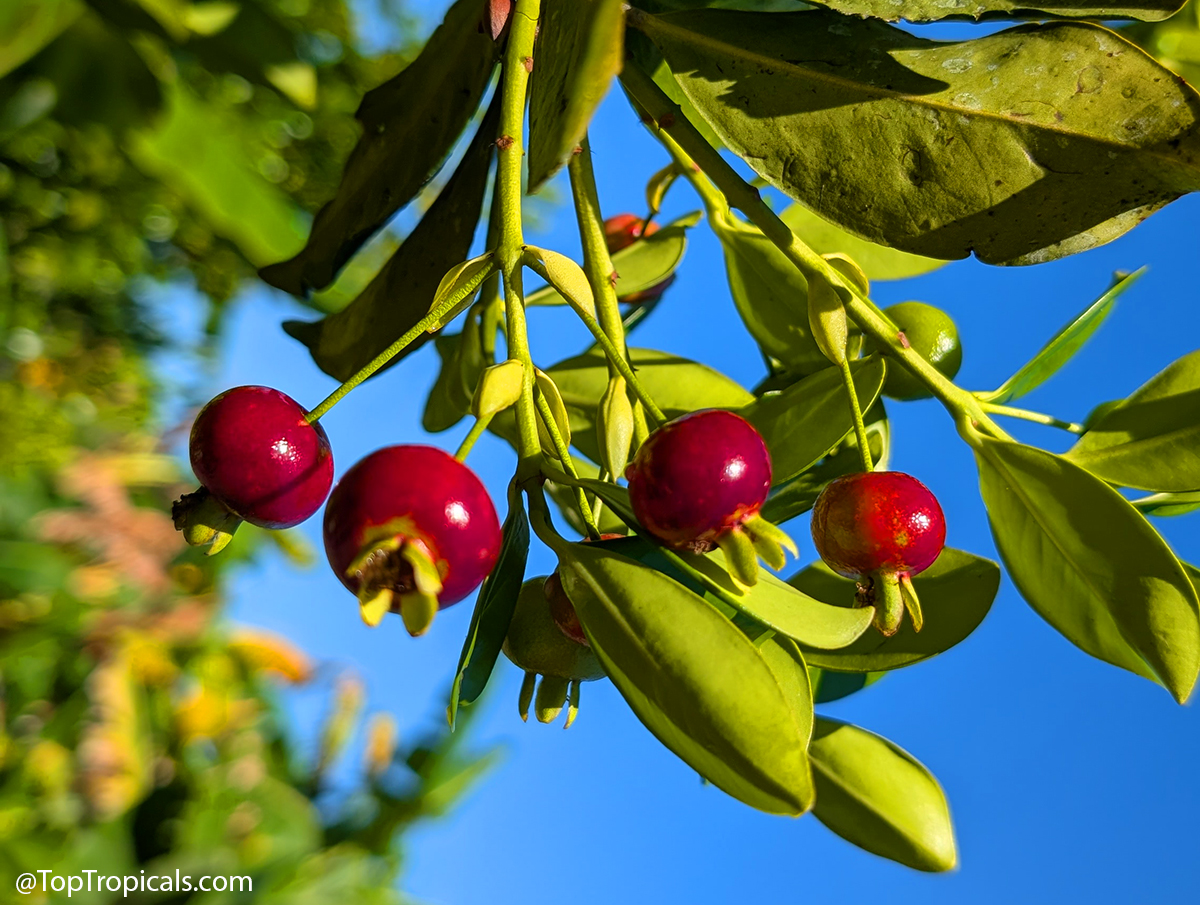
Surinam cherry produces bright ribbed fruit that range from sweet to tangy depending on variety and ripeness.
🏡 In the garden:
A tough, adaptable shrub that can be trimmed as a hedge. Fruits multiple times a year in warm climates.
Sunshine: Look what I can do. It all started with
plumerias. Aloha, backyard edition.
Smokey: You are not just planting a tree - you are building
a tropical island lifestyle around it. Not bad for
staying home.
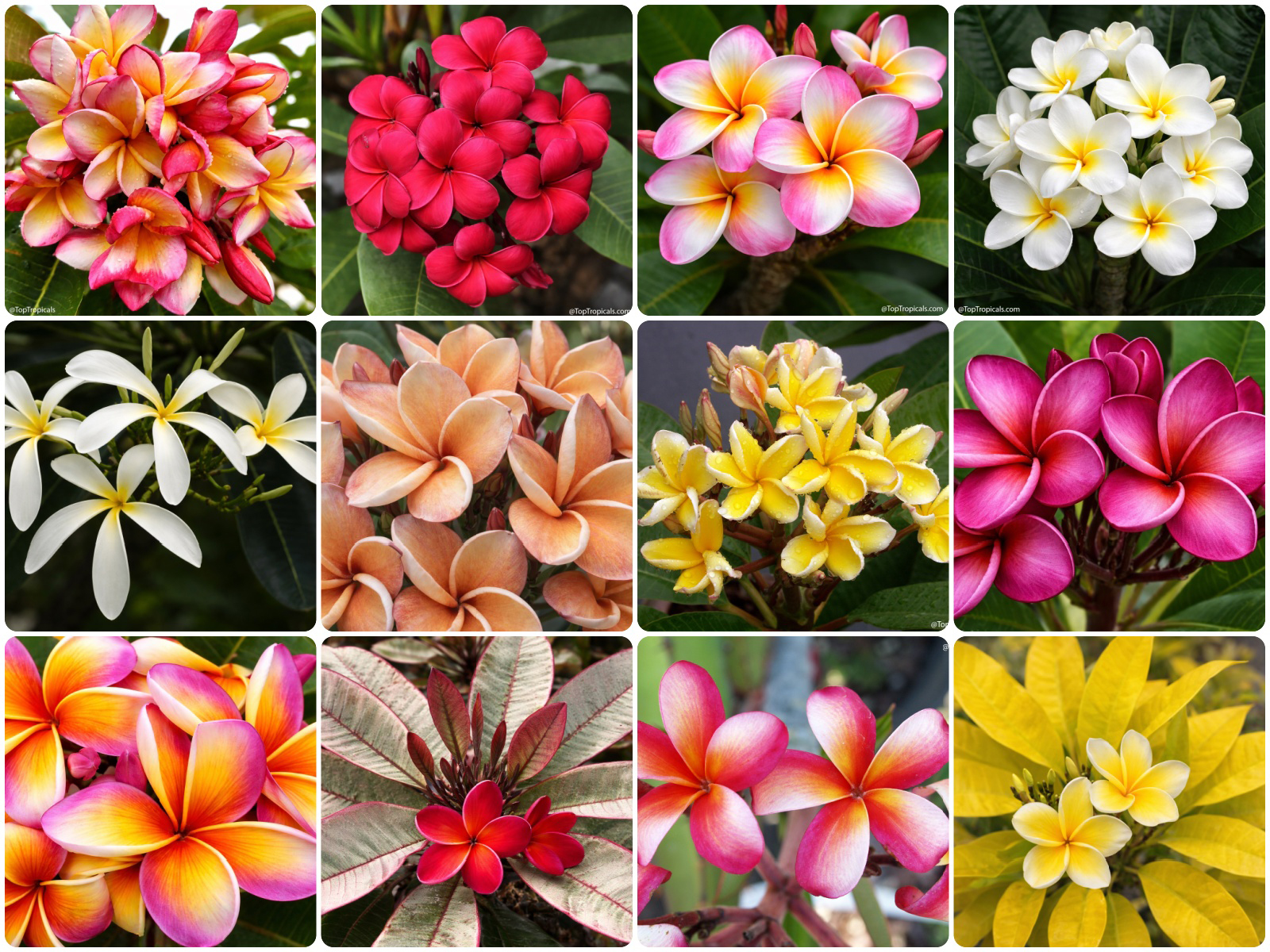
It usually starts simple. A plumeria in a pot by the patio. The flowers
catch your eye first, then the scent follows you,
soft but unmistakable. And that scent does something strange - it brings
back places you have been, or places you wish you had. Warm evenings, ocean
air,
tropical vacations that stay with you long after they are over.
Plumeria Plant Facts
Botanical name: Plumeria sp. Also known as: Plumeria, Frangipani
USDA Zone: 9 - 11
Highligths
That is the part people do not expect. One plant changes how the space
feels. But
adding a few changes everything. Different colors, slightly different
fragrances, layers that build on each other. It stops being a plant and
becomes an atmosphere that
pulls you outside without thinking.
Plumeria carries that tropical world with it. The same feeling people travel
for can live
right outside your door. Mix a few varieties, and your backyard starts
feeling like a place you never want to leave.
Plumerias are one of those plants you don't just grow
- you start collecting. One turns into two, then five, then suddenly you
want them
all!
Botanical name: Mangifera indica Also known as: Mango
USDA Zone: 9 - 11
Highligths
Groundhog said long winter… and it sure felt like it. But now it is
finally over, and balconies and patios are waking up again.
Easter is here, and with it comes that fresh start feeling - time to open
the doors, bring plants back out, and start growing.
We made it through the cold. For northern gardeners, that is every year;
for borderline zones, it is a reminder that freezes happen. That is exactly
why
growing in pots makes sense - you stay flexible.
Container growing is not just about pots - it is about choosing the right
plants. The best options stay manageable, produce well, and handle being
moved.
Let's look at what works. Start with plants that naturally stay compact and
adapt well to containers. These are the ones that won’t outgrow your
space and will reward you quickly. These are proven performers in containers
-
compact, productive, and easy to manage:
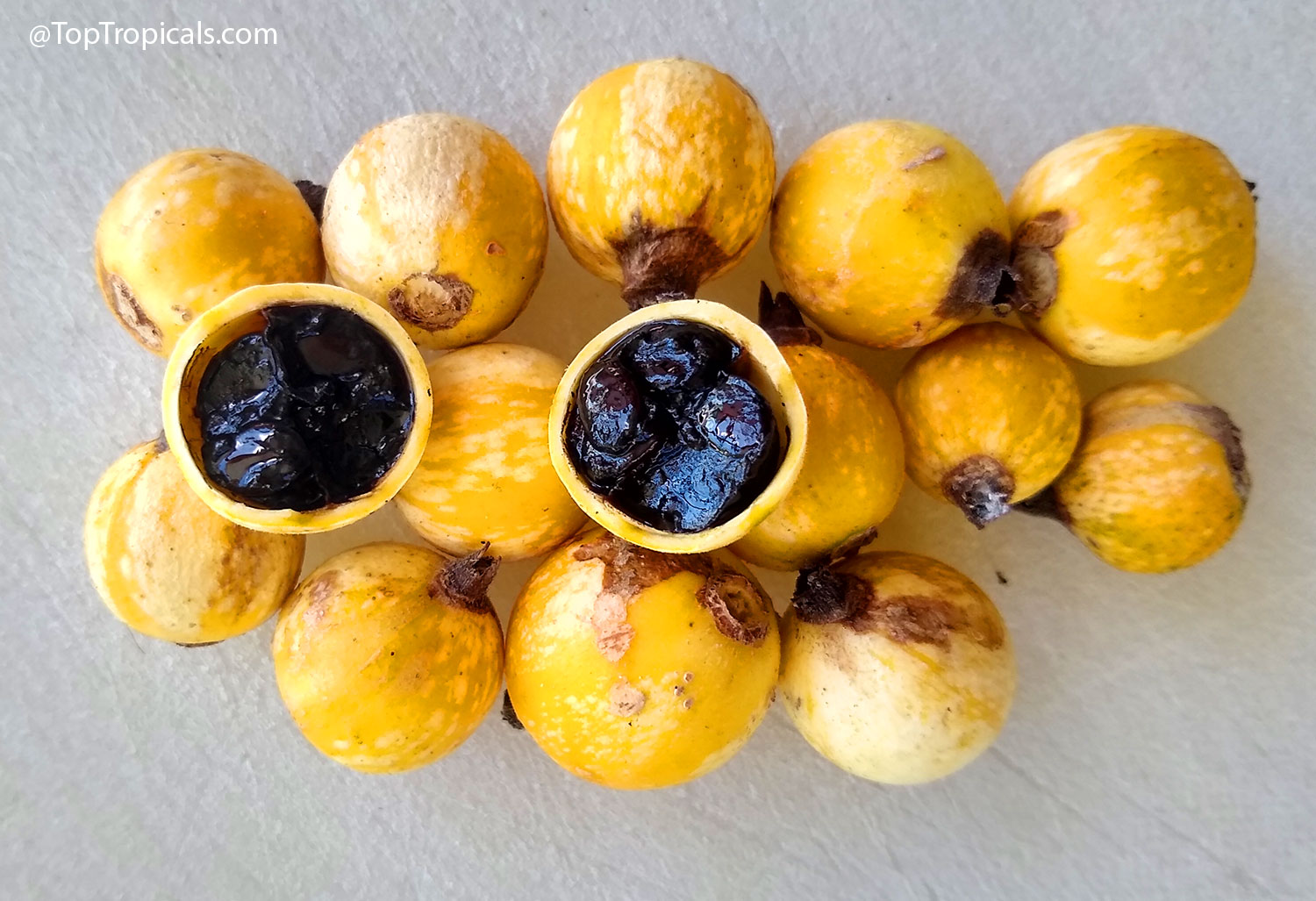
Botanical name: Randia formosa, Mussaenda formosa, Randia mussaenda, Rosenbergiodendron formosum Also known as: Blackberry Jam Fruit, Jasmin de rosa
USDA Zone: 9 - 11
Highligths
Fig Tree Plant Facts
Botanical name: Ficus carica Also known as: Fig Tree, Brevo
USDA Zone: 7 - 10
Highligths
Simple rule: if it stays compact and handles pruning, it
works in a container.
Skip the egg hunt this year - go on a plant hunt instead.
Start with one or two plants this Easter - not ten. Get them established,
learn how they grow, and then expand.
Container basics (keep it simple):
Pot size: start with 3–7 gallon, upgrade as
plant grows
Soil: fast-draining mix (never heavy garden soil)
Water: soak well, then let top inch dry
Feeding: consistent light feeding works better than
heavy doses
Sun: most tropicals want full sun (6+ hours)
🐣 Browse our Easter Container Collection
Randia formosa - Blackberry Jam Fruit
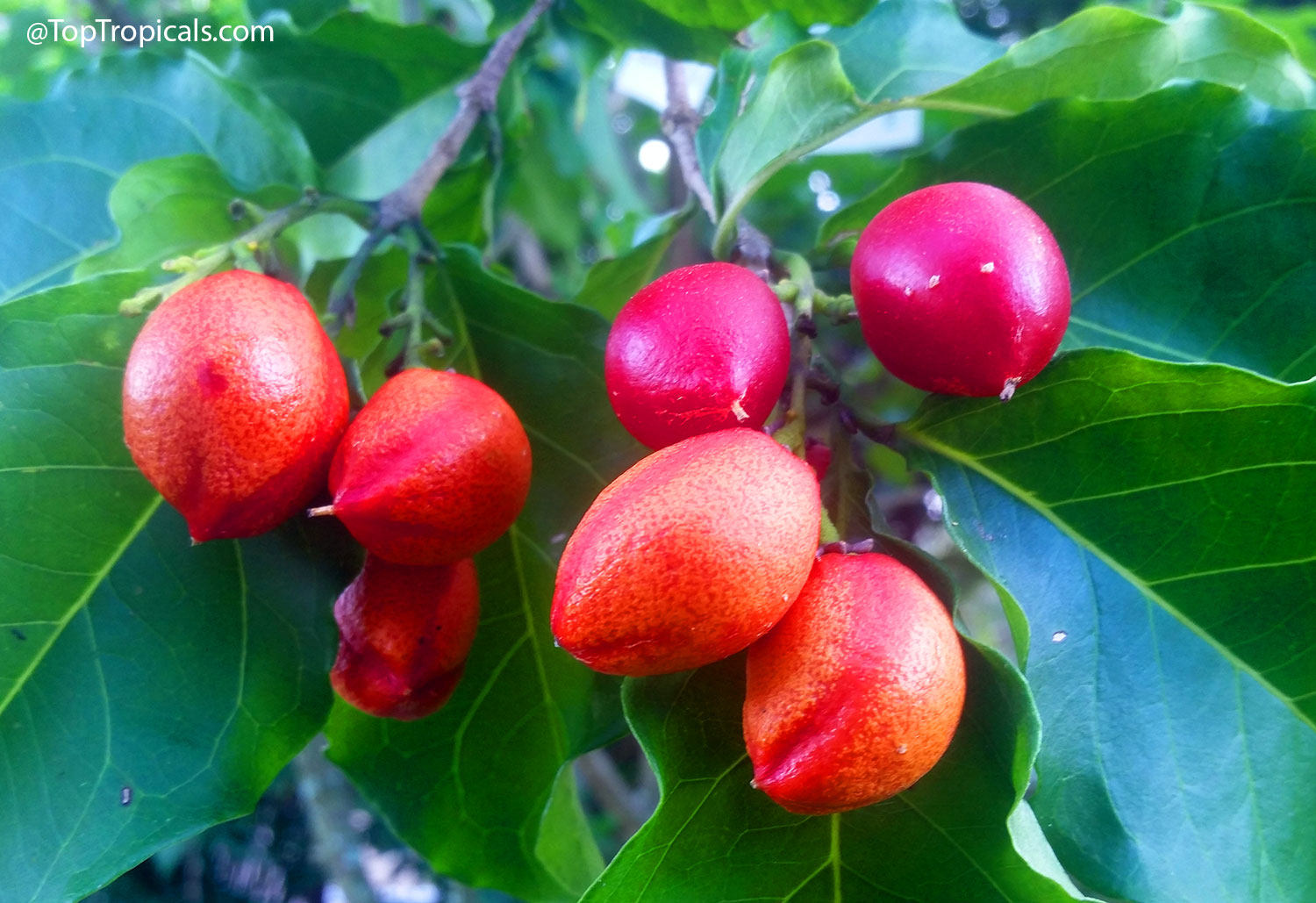
Bunchosia argentea - Peanut Butter Fruit
Peanut Butter Fruit Tree Plant Facts
Botanical name: Bunchosia argentea, Bunchosia armeniaca Also known as: Peanut Butter Fruit Tree, Ciruela Del Monte
USDA Zone: 9 - 11
Highligths
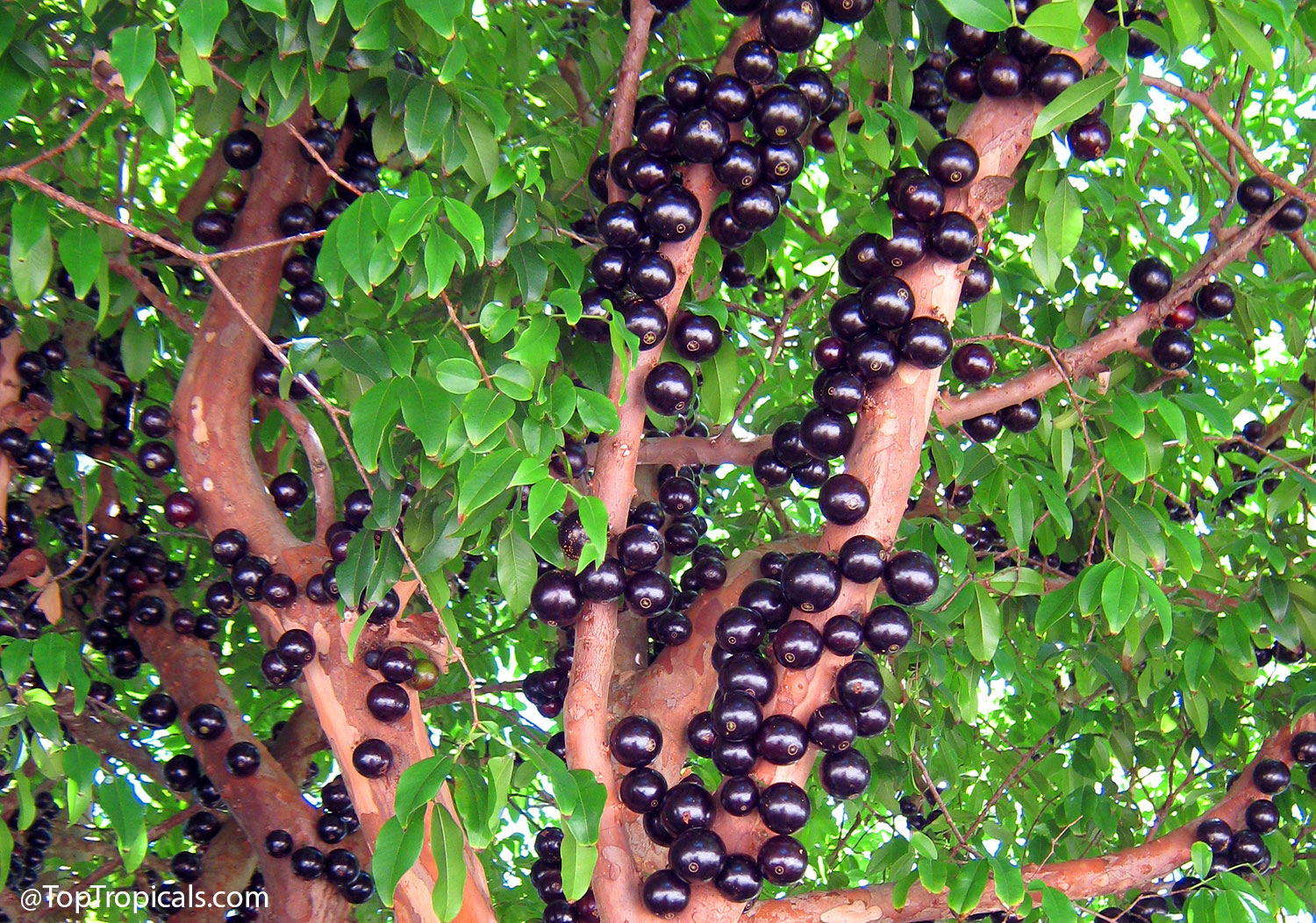
Myrciaria cauliflora - Jaboticaba
Jaboticaba Plant Facts
Botanical name: Myrciaria cauliflora, Plinia cauliflora, Eugenia cauliflora Also known as: Jaboticaba, Duhat