Garden Blog - Top Tropicals

Date: 1 Jan 2019

Top Tropicals New Year Resolutions

We take this opportunity to extend our grateful thanks to all visitors and friends of our garden and website. The entire Top Tropicals team wishing you a Happy New Year with Happy New Plants!

In 2019, Top Tropicals plans include (but are not limited to):
- improved design of the website, online store and shopping cart
- many new introductions of rare flowering plants including Red Jade Vine, lots of new Adeniums
- rare fruit trees, including Mangosteen, Nutmeg, Clove and more
- extended selection of rare tropical seeds
- many new videos of rare tropical plants
- free and discounted shipping
Stay informed with our Newsletter updates!

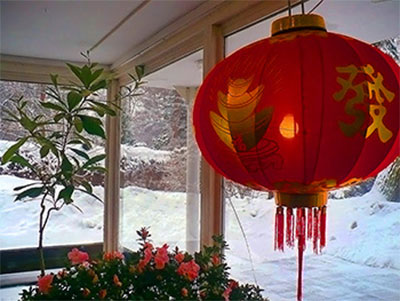
New Year Resolutions for Gardeners in 2019
TopTropicals.com

January is the month to plan and dream about your yard and garden. Grow your garden a few steps at a time each year: pick a few resolutions for 2019 and plan accordingly. Next year, a few more, and so on until you build the garden of your dreams.
This winter, resolve to:
- Hang a bird feeder.
- Order seeds of some rare plants so you can have an early start.
- Prune a tree into an espalier - it's a perfect time before Spring.
- Ask your grandparents what they grew in their gardens.
- Build a raised bed for succulents.
- If you live in a warm climate, plant a fruit tree or two.
- Start a compost pile.
- Plant a palm tree.
- Try some plant boosters to improve your plants hardiness.
- Chose Flowering trees, shrubs and vines suitable for areas in your garden that still have room...
- Install a rain barrel.
- Eat outside as often as possible.
- Show a child how to plant a tree.
- Provide a water source for bees and butterflies. They are not only cool, but also pollinators that will help to set fruit and seeds!
- Call TopTropicals for garden advise - what to plant, where to plant, and how not to kill it!
- Plant a berry-bearing tree or shrubs to feed the birds. Mulberry, Blackberry, Tropicals Cherries - are always good choices. They are 15% OFF now, offer expires 1/8/19.
- Rake and save fallen leaves for winter mulch for your garden beds.
- Save seeds from flowers to plant next year.
- Give plants as gifts all year long.

Happy gardening in 2019!
Date: 13 Nov 2025

Mangos hidden power: the orange fruit that helps your immune system fight cancer

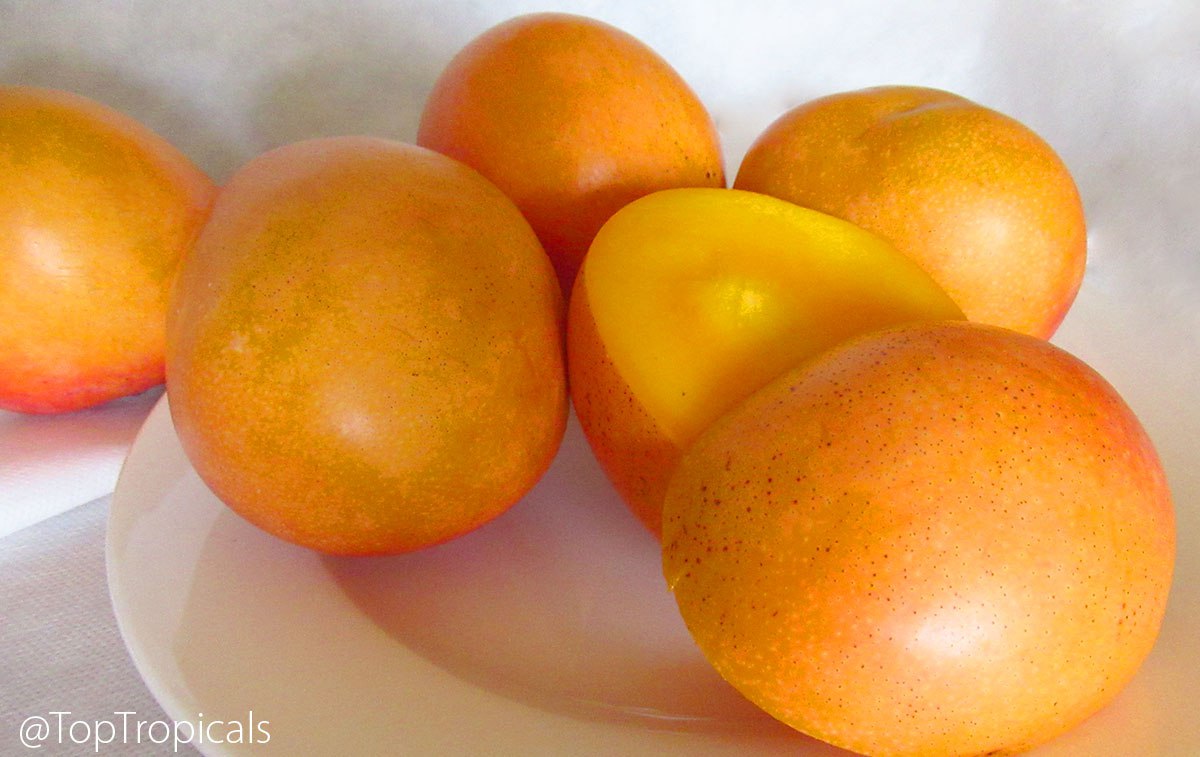
Orange mango fruit

Orange mango fruit

🥭 Mango's hidden power: the orange fruit that helps your immune system fight cancer

  • 🔸 A new study from the University of Chicago (Cell Reports Medicine) found that zeaxanthin - a carotenoid that gives mangoes their golden color - may do much more than support eye health. It can actually make your immune system stronger against cancer!
  • 🔸 Researchers discovered that zeaxanthin boosts the performance of the body’s CD8+ T cells, the immune cells that hunt down and destroy tumor cells. In lab and animal tests, diets rich in zeaxanthin slowed tumor growth, and when paired with cancer immunotherapy, the results were even more impressive.
  • 🔸 Zeaxanthin helps T cells form stronger receptor structures and increases their signaling and tumor-killing power. The compound occurs naturally in colorful foods like Mango, orange peppers, corn, cantaloupe, and dark leafy greens.
  • 🔸 Because it’s already known to be safe and available as a dietary supplement, scientists see zeaxanthin as a promising addition to future cancer therapies. So, eating mangoes and other orange or yellow fruits may not only brighten your plate but also help your body’s natural defenses stay sharp: Pineapple, Carambola, Canistel, Garcinia, Loquat and more.


🛒 Select from Mango varieties

📚
Learn more:
#Food_Forest #Mango #Remedies #Discover

🟢 Join 👉 TopTropicals

Date: 18 Oct 2016

Checklist - preparing for winter in subtropical areas.
Watering. Start reducing the amount you water your plants in early fall, once the temperature drops below 65 °F. Avoid watering your plants during cool nights, as this may cause serious root rot.
Mulch. When a plant is protected by a thick layer of mulch, the root system stays healthy.
No Pruning. Avoid pruning, trimming, or pinching branch tips altogether during the fall and winter which encourages new shoots that are soft, tender, and very cold sensitive.
No Fertilizer. Avoid fertilizers during the winter. The main reason being the same as above for pruning: fertilizing promotes growth of the upper plant parts which should be avoided during the winter months.

Time to clean your yard!
In the South. It's getting cooler in subtropical areas, and garden work becomes even more enjoyable. Your garden now is in the most perfect shape after summer vigorous growth. It is the best time now to run the last trim before winter, as well as last fertilizer application. Clean up your yard without sweating off, add mulch to help plants to survive through possible winter chills. Don't forget to start reducing watering! Remember once temperatures drop below 65F, tropical plants slow down or stop growing and go into winter dormancy sleep.

Up North. When temperatures drop below 45 °F, start bringing sensitive plants indoors or into protected areas. Prepare/cover greenhouse, check availability of covers (sheets, plastic) and condition of heaters. Plants indoors will experience environment change, may drop leaves, and need different care than out in the sun. Reduce watering, check for insects once a week, and stop fertilizing until spring. Remember to pick the brightest spots for overwintering your tropical plants!

Enjoy cooler weather, fresh air, and thank yourself for a wonderful work you have done in your yard!

Date: 19 May 2016

Care of mail-order plants during hot summer

Q: I live in California and about a month ago ordered several plants from you, including fruit trees (Carambola, Mango, Avocado) and flowering trees (Xanthostemon, Adeniums, Champaca, Ylang Ylang). They were all doing well until I tried to move them into full sun, when they got leaf burn immediately. Ylang Ylang was doing great in a shade, but I repotted it from 1 gal into 3 gal and it is drooping leaves now. It has been very hot (over 100F) and dry (humidity is less than 25%). Any suggestions?

A: Hot summer can be pretty challenging time for establishing new plants. These are some guidelines to make your summer gardening more successful and rewarding.

1. You can order plants at any time, but keep your eye on your local weather forecast and try to chose cooler periods to schedule your plant shipments. Here at TopTropcals we monitor weather at destinations, and we can also delay shipment per your request until more favorable conditions.

2. During hot Summer months, many plants are still OK to ship, and to be planted, many species are heat tolerant. It's usually safe to ship most succulents, including Desert roses and Euphorbias. Some fruit trees are pretty easy too, like Loquats, Mango, Eugenias. Many flowering trees can take heat: Acacias, Clusias, Jatropha, Sausage Tree, Plumerias and many others. Check our full list of plants suitable for hot and dry conditions. Most jasmines, including Jasmine Sambac and Trachelospermum make also a safe choice for hot weather planting.

3. Use shade cloth or simply white sheets to protect young plants and new plantings from hot sun.

4. When establishing mail ordered plants during hot weather, keep them in shade for longer period of time than average recommended 1-2 weeks. Give them a chance to establish really well. In areas with low air humidity, try to create a simple mist system. It can be purchased in your local Home Depot for only $20 and set up takes only 10 minutes! It makes a big difference and can help you save many plants from hot weather stress.

5. Although it may seem that during hot weather plants need more water due to high evaporation, be careful with watering, and check soil with your finger before watering - don't water if it is still wet. Combination of "hot and wet" can be as harmful for the root system as "cold and wet" during winter. Protect root systems from overheating: covering black pots with white cloth will work. Remember when temperature is above 90F, most of plants slow down their metabolism, which means roots slow down or even stop pumping water and become more vulnerable to overwatering. For the same reason, do not hurry to step up into bigger container if roots haven't filled yet the existing pot.

Date: 22 Mar 2026

Do Fruit Trees Increase Property Value? Tropical Plants That Pay Off

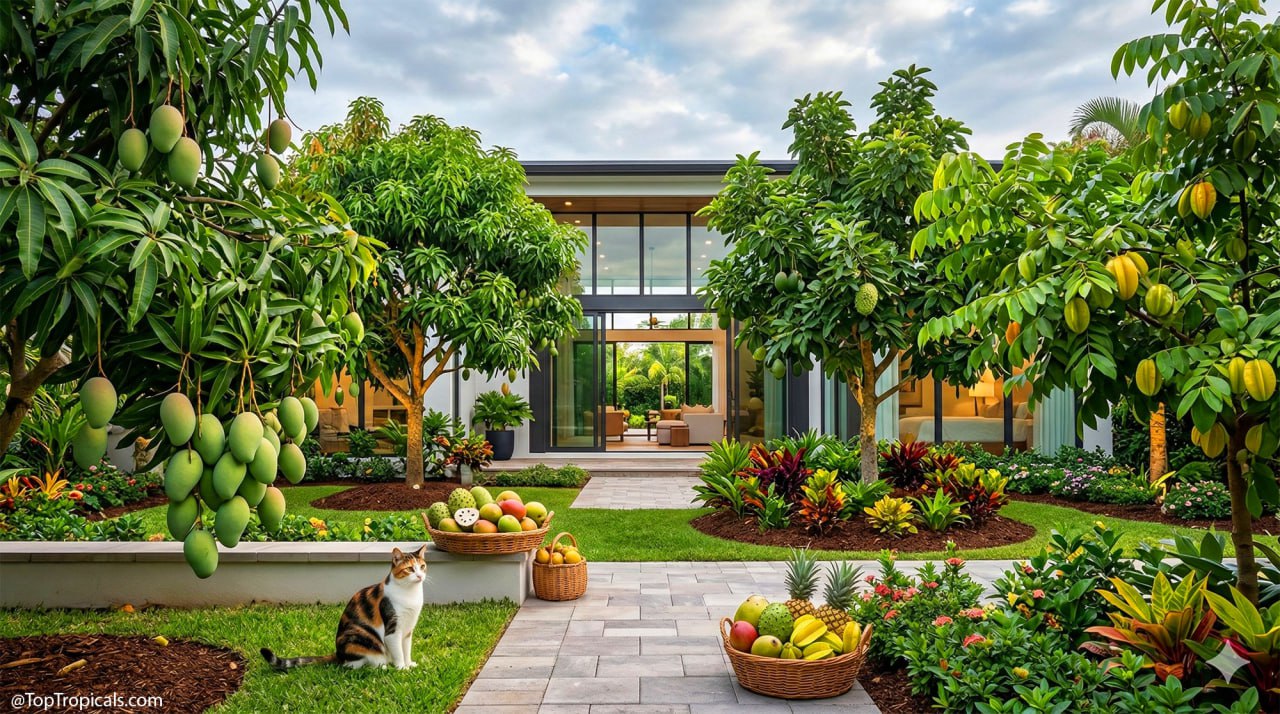
Yard with fruiting tropical trees

Yard with fruiting tropical trees

Landscaped yard in Florida

Landscaped yard in Florida

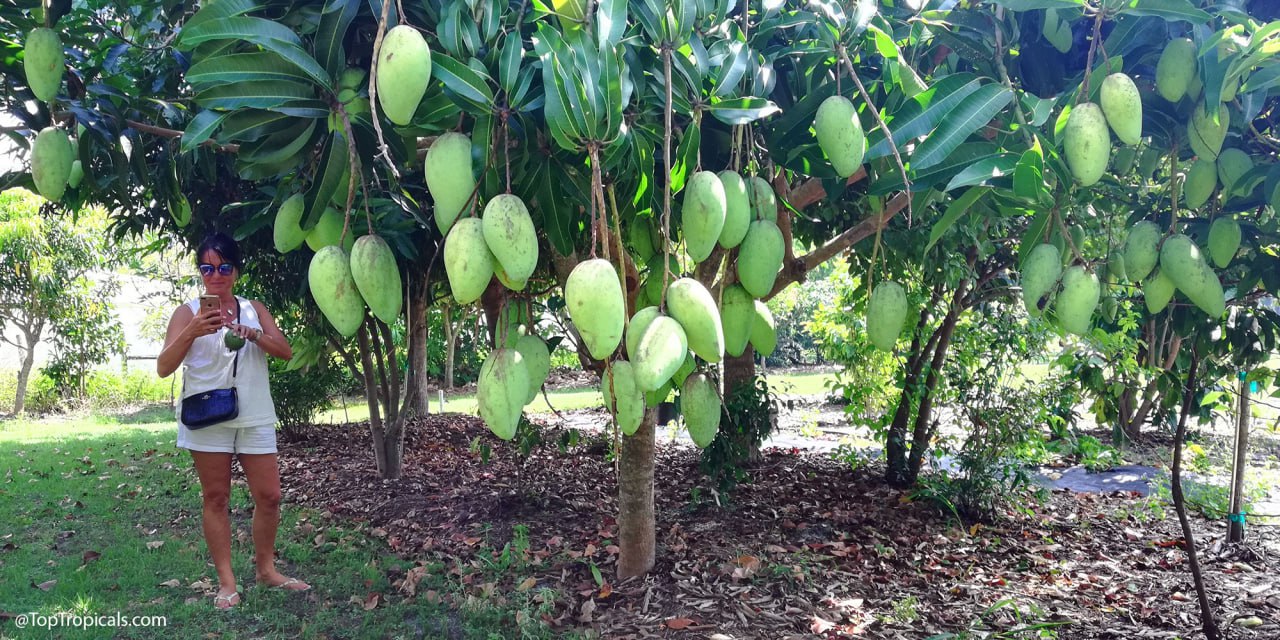
Mango tree fruiting in the garden

Mango tree fruiting in the garden

Do Fruit Trees Increase Property Value? Tropical Plants That Pay Off 🏡

Can your backyard pay for itself? Learn which 12 tropical fruit trees real estate experts say are the smartest investment for your landscape. Discover how tropical fruit trees like mango and avocado add "edible equity" and curb appeal to your property, making it more desirable to future buyers. Turn your yard into a private paradise that lowers grocery bills and boosts home value.

In warm climates like Florida, a mango tree isn't just landscaping - it’s a food-producing asset. Mature tropical fruit trees offer "edible equity," saving homeowners hundreds in grocery bills while creating a unique, memorable aesthetic for buyers.
  • 🥭 1. Focus on "Instant Recognition" Favorites


    Trees buyers already know and love provide the strongest ROI. They signal that the yard is already productive - something new builds can’t offer.

  • •  Top Picks: Mango, Avocado, Papaya, Banana, Guava, and Loquat.
  • •  The Value: A single mature avocado or mango tree can yield hundreds of pounds of fruit annually.


🥭 2. Create a "Memorable Discovery" with Exotic Varieties


Unusual fruits turn a standard yard into a tropical orchard, acting as a conversation piece during home tours.
  • •  The Exotic List: Jackfruit, Sugar Apple, Soursop, Sapodilla, Ice Cream Bean, and Star Fruit.


🥭 3. Strategic Placement for Energy Savings


Large-canopy trees like jackfruit or mango do more than provide food; they act as natural insulation.
  • •  Natural Cooling: Strategic planting reduces afternoon sun exposure and lowers AC costs.
  • •  Indoor/Outdoor Flow: Use trees to frame window views, block neighbors, and create private "outdoor rooms."


🥭 4. The Power of the "Mini Orchard"


A collection of 3–5 trees creates a stronger emotional pull than a lone plant. Buyers begin to visualize a lifestyle of smoothies and harvests.
  • •  Winning Combos: Mango + Avocado + Papaya or Guava + Star Fruit + Banana.


🥭 5. Maintenance: Health Equals Value


Fruit trees only add value if they look manageable. A neglected tree suggests a neglected home.
  • •  Pre-Sale Prep: Prune for tidiness, mulch the base, and clear fallen fruit.
  • •  Spacing Matters: Avoid overcrowding; ensure buyers can walk comfortably through the yard without feeling "closed in."


🥭 The Long-Term Play


Unlike decorative plants that may need frequent replacement, fruit trees appreciate over time. Because a mango tree takes years to reach peak production, the best time to plant for future resale value is now. By the time you list, your yard will offer shade, privacy, and a harvest that buyers find hard to resist.

🛒 Start Growing Your Edible Equity - Find the Perfect Fruit Tree for Your Yard

📚 Learn more:

Plant Facts

Mangifera indica
Mango
USDA Zone: 9-11
Large tree taller than 20 ftSmall tree 10-20 ftFull sunModerate waterYellow, orange flowersPink flowersEdible plantSeaside, salt tolerant plant

Mango trees in Plant Encyclopedia

#Food_forest #How_to #Discover

🟢 Join 👉 TopTropicals