Garden Blog - Top Tropicals

Date: 26 Jan 2017

Aquarius Zodiac lucky plants

Aquarius - 1/22 - 2/18. Aquarius is an AIR sign ruled by odd-ball Uranus.
The water-bearer's plants will often grow in unusual places and may vary in appearance. They often have purple or blue flowers, or may have unusual colors.
The most healing and beneficial plants for Aquarius are the ones that help circulation, relax the nervous system, or promote inspiration. When Uranus was discovered, it replaced Mercury as ruler of Aquarius. Physiologically, Uranus rules the bioelectrical impulses that power the body's nervous system (nervous tension and nervous exhaustion brought on by powerful changes in the environment are related to both Mercury and Uranus). Physically, Aquarius rules the lower legs, the calves, and the ankles, and the electrical impulses that travel through the body's nervous system. The nervous system itself is ruled by Mercury, and Uranus is said to be a "higher octave" of Mercury. Since Uranus was discovered after the correspondences with plants had been established, the herbs used in Aquarius are Mercury herbs. Always difficult to pinpoint, quirky Aquarius appreciates the unusual and complex flavor of star anise. Use this star-shaped spice when you wish to bring happy surprises into your life.

Aquarius Zodiac lucky plants: Anise, Orchid, Golden rain - Koelreuteria paniculata, Bird of Paradise, Heliconia, Petrea, Mandevilla, Jasminum, Kiwi, Persimmon, Loquat, Olive, Alocasia, Colocasia, Citrus, Apple, Peppers, Gingers, Carambola, herbs spicy with an unusual flavor, White Pothos, Ivy, Shami - Prosopis cineraria, Neem, Medinilla, Sheesham Tree, Catnip, Passion fruit, Valerian, Aloe, Myrrh, Kava-kava, Cinnamon, Clove, Eucalyptus, Coffee, Cola nut, Nepenthes, Vanilla Orchid, Strongylodon - Jade vine, Tacca - Bat Lily, Eranthemums, Agapanthus, Orchid trees, Bolusanthus, Chamaedorea metallica, Clerodendrum ugandense, Clitoria, Duranta, Guaiacum, Jacaranda, Lavanda.

For other signs information, see full Plant Horoscope.

New Video: TopTropicals at TPIE show in Ft Lauderdale. Last week, your friends at Top Tropicals attended the 2017 Tropical Plant International Expo in sunny Ft. Lauderdale Florida. The Expo was an opportunity for Top Tropicals to introduce our SUNSHINE in a Bottle plant boosters as well as to bring a very rare plant Enchanted Incense to the tropical plant market!

Check out this video: TopTropicals at TPIE.

Stay updated with TopTropicals Videos by subscribing to our channel at YouTube.com/TopTropicals and get our latest video news of what's fruiting and blooming!

Date: 18 Jan 2026

Five steps to everblooming Rose Hydrangea

Dombeya seminole - Tropical Rose Hydrangea

🌸 Five steps to everblooming Rose Hydrangea


🌸 Dombeya seminole - Tropical Rose Hydrangea: everyone who sees this plant falls in love at first sight. Exceptional rose-pink flower clusters cover the shrub, and butterflies and bees go wild over it. While it is considered a winter bloomer, here at Top Tropicals garden we regularly see it flower multiple times a year, with peak bloom from November through January and surprise blooms the rest of the year.

Tropical Rose Hydrangea Plant Facts

Botanical name: Dombeya Seminole
Also known as: Tropical Rose Hydrangea
USDA Zone: 9 - 11
Highligths Large shrub 5-10 ft tallSmall plant 2-5 ftSemi-shadeFull sunWatering: Regular. Let topsoil dry slightlyPink flowersSubtropical plant. Mature plant cold hardy at least to 30s F for a short time
Get personalized tips for your region


🌸 Here is how to keep your Dombeya seminole happy and blooming more:

💋 1. Full sun


The more sun it gets, the more flowers it produces. Sun equals bloom power.

💋 2. Adequate water


Dombeyas are heavy drinkers. Regular watering fuels fast growth and heavier flowering.

💋 3. Feed for flowers


Use Sunshine Megaflor bloom booster with regular watering, or apply Green Magic controlled-release fertilizer every 6 months.

💋 4. Trim after flowering


Prune once blooms fade. A bushier plant means more flowering points next season.

💋 5. Give it space


This is a round, airy shrub. Allow at least 6 x 6 ft for good air circulation and even light exposure.

🌸 Quick facts you will appreciate:
💋Often called Tropical Hydrangea because of its hydrangea-like flower clusters
💋Blooms fall through spring, often all winter
💋Reaches about 6-7 ft tall and wide, but can be kept smaller with pruning
💋Thrives in full sun to partial shade and tolerates poor soil
💋An excellent nectar source for butterflies

If you want a beautiful color that refuses to quit, this shrub earns its spotlight.

🛒 Add Beautiful Dombeya to your garden

📚 Learn more:


Dombeya seminole - Tropical Rose Hydrangea i- n Plant Encyclopedia
The number one seller of tropical flowering shrubs: Tropical Rose Hydrangea.
What is the most popular Winter-flowering shrub?
How to create privacy in your yard fast

#Hedges_with_benefits #Butterfly_Plants

🟢 Join 👉 TopTropicals

Date: 10 Nov 2022

Fertilizing indoor plants in Winter

Sunshine  boosters  for  indoor  palnts

What is the best fertilizer for indoor plants?
Can I fertilize house plants in Winter?

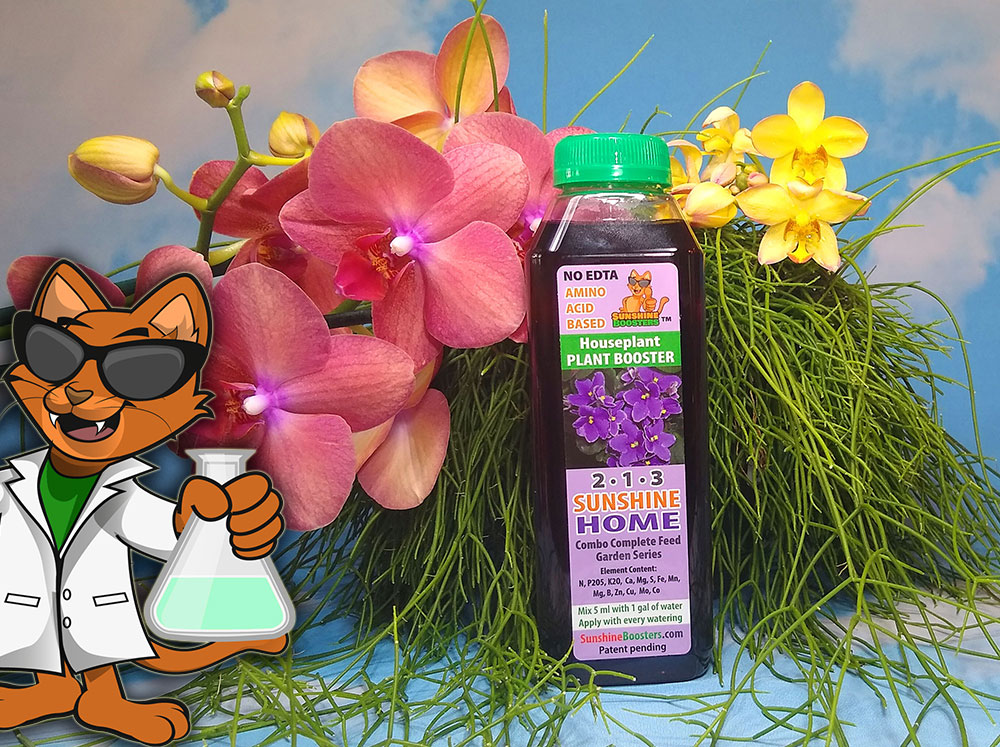
The best fertilizer for indoor plants is liquid fertilizer Sunshine Boosters (TM). It is amino-acid based, natural, and is safe to use with every watering and year around. Unlike dry fertilizers that are not recommended to use during Winter, Sunshine Boosters formula is mild and scientifically balanced. Your houseplants will consume exactly as much nutrients as they need even during cooler months of less active growth. Sunshine boosters will not burn roots and won't create nutrient lockup (excessive salts that often caused by dry fertilizers). Sunshine Boosters is a perfect food for all kinds of plants, and different boosters available for different plant types (flowering, fruiting, even for orchids). Check out Sunshine Boosters selection.

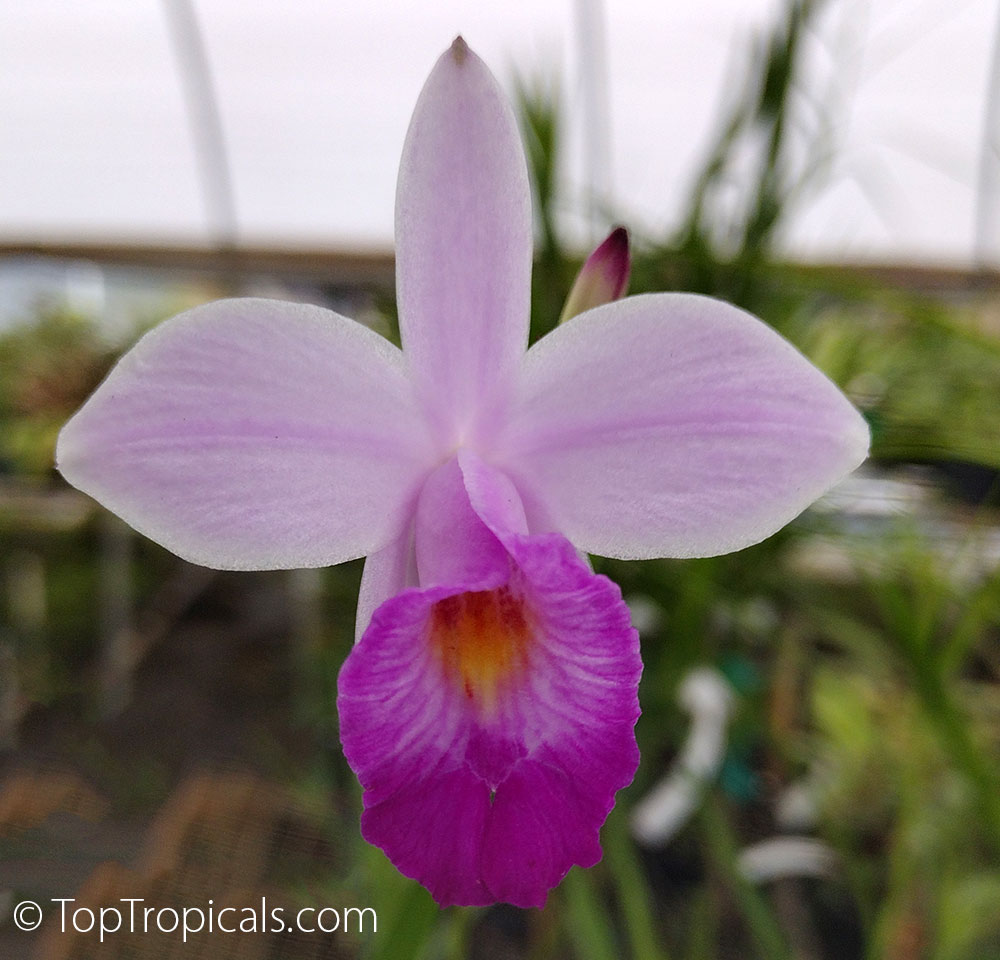
Arundina  graminifolia  -  Bamboo  Orchid,  Bird  Ground  Orchid

Grow Purple! In the photo: Arundina graminifolia - Bamboo Orchid, Bird Ground Orchid - Winter flowering orchid that grows in regular soil. These plants are in bloom right now, picture taken this week!

Date: 29 Sep 2020

Healthy Plant Food: Q&A from Mr Booster

Why my Sapodilla is not fruiting?

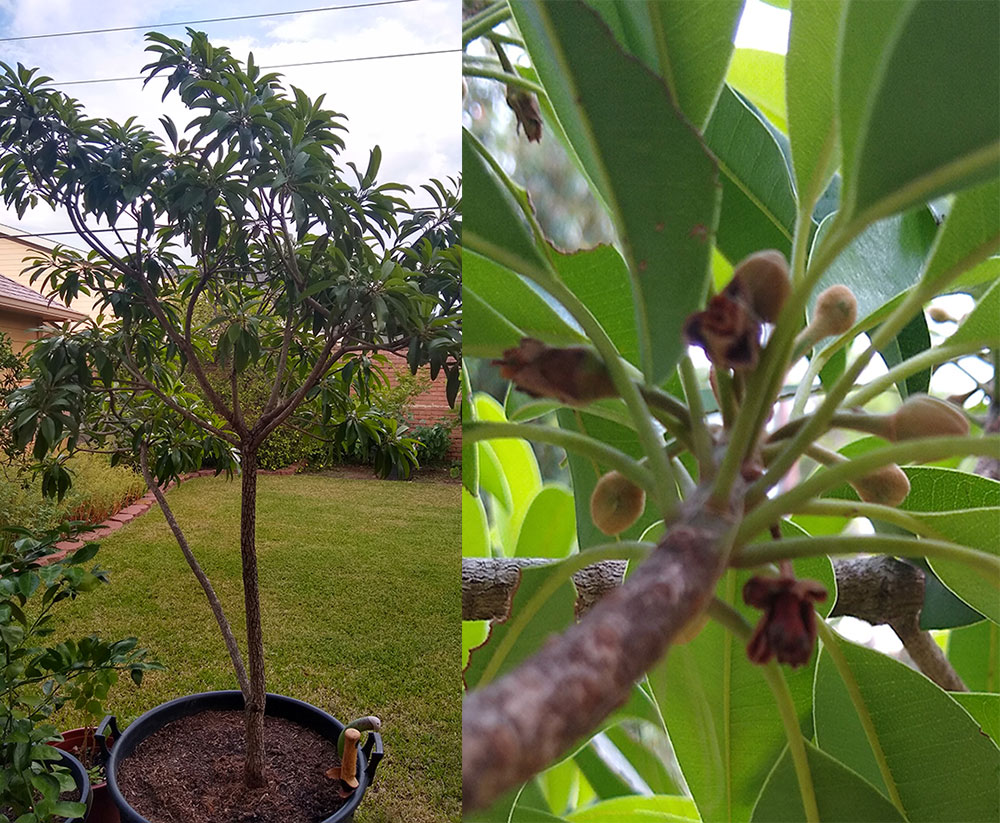
Q: I bought a Sapodilla tree from you several years ago, Silas Woods. I live in Houston area. The tree grows and produces blossoms for fruits, but then they just dry up and fall off. To-date, I have not gotten any fruits off the tree. Is there a reason for this? I really want a fruiting tree because Sapodilla is one of my favorite fruits. I have attached pictures of the tree. Please help.

A: Silas Woods is a free-flowering variety and in favorable conditions it should produce fruit almost year round, considering warm temperatures. The fact that the tree is producing flowers indicates that it is strong, overall healthy and ready for production, but for some reason these flowers don't set fruit. There may be several reasons for such behavior.

1) Too high temperature and too low humidity
In Houston area, humidity should be good in summer. However, if temperatures stay above 90F for a long time, this may cause flower dry-n-drop.
Solution: try to move the potted tree into filtered light, or in a spot where it does not get direct burning sun during the hottest hours of the day (morning sun is the best)

2) Root bound.
Solution: check if the tree needs stepping up into a larger container.

3) Lack of certain nutrients that are responsible for proper fruit formation.
In particular, elements B (Boron), Mo (Molybdenum), and a few other micro-elements (Fe - iron, Cu - Copper, etc.). This is most likely the cause of a flower drop. This is very common reason for undeveloped fruit or lack of fruit in container-grown fruit trees. When grown in the ground, plants can reach out to all necessary elements in surrounding soil (considering soils are not too poor on necessary elements). In a pot, a supply of nutrients can be exhausted very quickly, so a quality fertilizer program is very important. Fertilizer must include all necessary nutrients in easy accessible form, and a plant must have their constant supply for proper development.
Solution: prescribe to your Sapodilla tree the following combination of plant food:
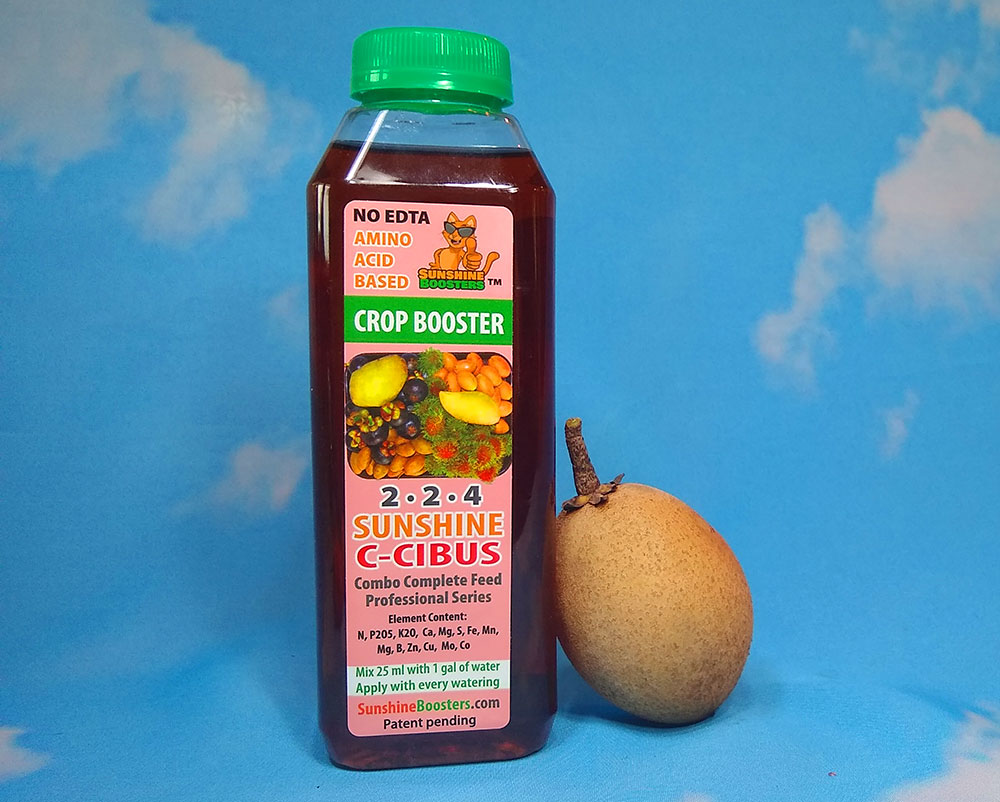
- SUNSHINE C-Cibus - Crop Nutrition Booster. It will provide well-balanced amounts of high absorption Nitrogen, as well as other macro-elements - to provide enough energy to the tree, plus a combination of all necessary micro-elements. It is safe to apply this fertilizer as frequent as with every watering, including winter time.
- SUNSHINE-Honey - sugar booster. This supplement has a high content of elements Mo and B - once the tree starts getting them on regular basis (a few times a year, according to the label), it will change its habit dropping flowers and/or premature fruit drop. As extra bonus, Sunshine Honey makes fruit sweeter by bringing sugars from all over the plant and concentrating them into fruit.

4) Lack of pollinating insects.
Solution: For most effective pollination, we always recommend to put some pieces of fruit under the tree, apple peels, or even banana peel. Those attract tiny beetles that are responsible for small flower pollination.

With winter time approaching, fruiting season is about to end, however, do not get discouraged and start the fertilizing program right away: this will bring up the plant into a healthy stage within a few months, and by next season it should be covered with fruit you like so much! Remember, Sunshine liquid fertilizers can be used year round, including winter, without a risk to burn roots or overdose, as long as you follow label instructions.

SUNSHINE C-Cibus - Crop Nutrition Booster from Garden Series, or Combo Total Feed Collection - all nutrients in just one bottle, for fruit trees and edibles.

Date: 8 Mar 2025

Why do you need Sunshine Boosters?

Why do you need Sunshine Boosters?

👍 Why do you need Sunshine Boosters?


👍Ever wanted to grow plants that reward you with lush foliage, cheerful flowers, or abundant fruit without the hassle?
Sunshine Boosters is your answer. These are natural liquid fertilizers for all kinds of plants and edibles.
And they are super easy to use!
All you need is a watering can, water, and a measuring cup.

👍 Sunshine Boosters are pet-safe and eco-friendly because they're made with organic amino acids - and you can use them year-round.

👍 Sunshine Boosters come in different formulas, or "flavors," to match your plant’s needs:
- For lush, green foliage
- For fruit trees, including mango and citrus
- For boosting blooms - from fragrant flowers to orchids and bromeliads

👍 Sunshine Boosters offer both essential plant food and supplements - micro-elements and growth stimulants - just like vitamins for people!

📱 Watch this video in high quality on YouTube:


🛍 Get Sunshine Boosters and make your plants happy

#Fertilizers #How_to

🔴 Join 👉 TopTropicals