Garden Blog - Top Tropicals

Date: 21 Jul 2025

On the superiority of the Cat over Futurism
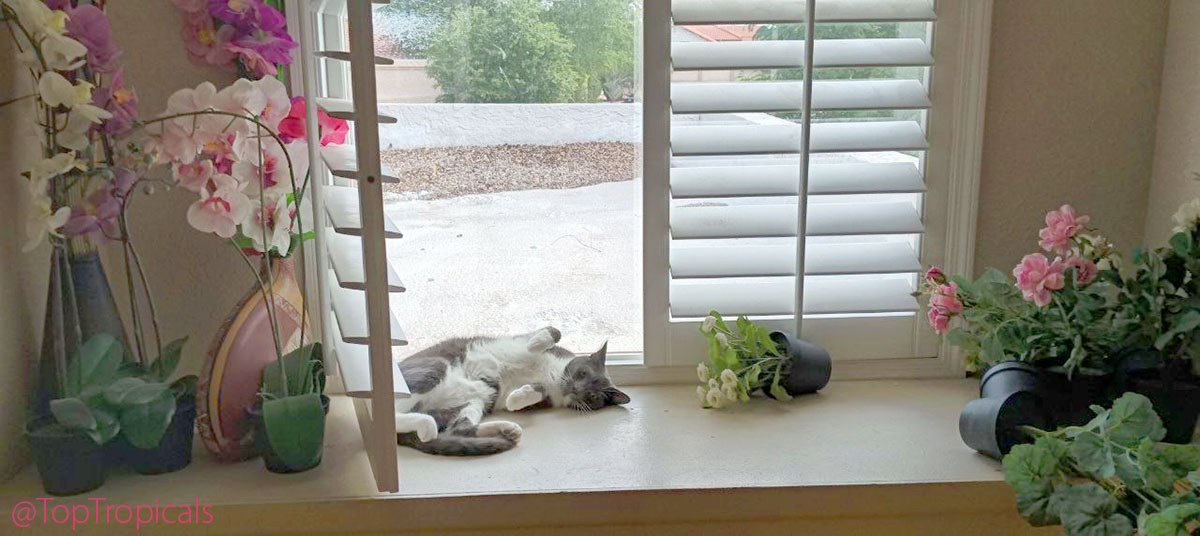
Cat Macaron on windowsill

Cat Macaron on windowsill

Cat Macaron yawning
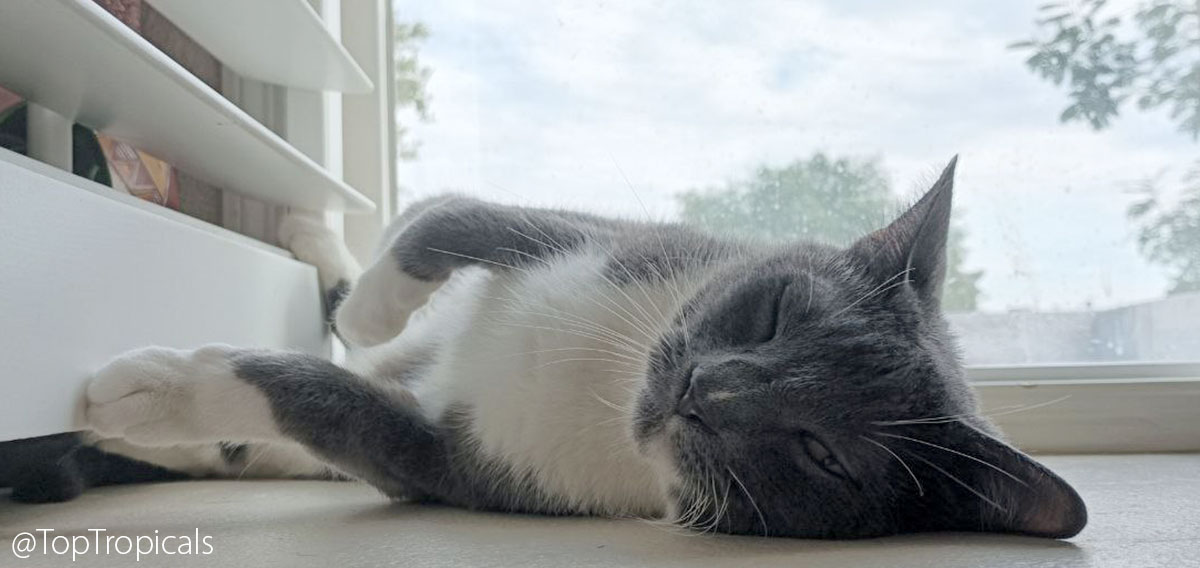
Cat Macaron yawning

Sleepy Cat Macaron

Sleepy Cat Macaron

On the superiority of the Cat over Futurism🐾

(or why cat hair on your pants is better than progress charts)

🐾"While they build charts and fly to Mars -
the cat simply lies on the keyboard and wins."


🐾"The cat doesn't ask: 'What is the meaning of life?'
It KNOWS: the meaning is a warm window, a bowl, and you nearby."


🐾"Futurism says: 'Soon everything will be better!'
The cat says: 'It’s already good. Pet me.'"


🐾"Ideal systems collapse.
The cat remains. Soft, independent, eternal."


🐾"When everything goes wrong - the cat starts to purr.
It's his way of saying: 'Hang in there. I’m here.'"


🐾"Futurists dream of terraforming Mars.
The cat naps under a blooming jasmine and calls it paradise."


🐾"While they plan vertical farms and biotech gardens -
the cat rolls in basil, digs up the mulch, and feels joy."


🐈📸 Macaron has been busy helping with plants and trying to show us the meaning of life.

PeopleCats.Garden  #PeopleCats

🟢 Join 👉 TopTropicals

Date: 12 Sep 2025

What flowers do NOT attract bees?

Butterfly on a flower that doesn't attract bees

❌ What flowers do NOT attract bees?


Most tropical flowers bring in pollinators, and bees are usually first in line. But what if you’d rather avoid them? Maybe you’re allergic, or just don’t want bees buzzing around. Good news: some flowers attract butterflies, hummingbirds, moths, or even flies - but not bees.

👉 Quick rules:


✔️ Night-blooming + strong fragrance = moths or bats, not bees.
✔️ Red tubular flowers with little scent = hummingbirds or butterflies, not bees.
✔️ Rotten or fermented smell = flies, not bees.
✔️ Carnivorous plants = trap insects, no bee nectar.

1.

Night-blooming, fragrant - moth and bat flowers


Bees forage by day, so many night-fragrant flowers skip them.

Brugmansia - Angel’s Trumpet - big, hanging blooms, moth and bat pollinated.
Cestrum nocturnum - Night-blooming Jasmine - powerful night scent, moths only.
Hylocereus Dragon Fruit - huge cactus flowers, bats and moths.
Brunfelsia - Lady of the Night - sweet fragrance at dusk, no bee interest.

2.

Hummingbird and butterfly flowers


Bees don’t see red well. Tubular reds, oranges, and yellows usually go to birds and butterflies.

Hibiscus - hummingbirds and butterflies visit, bees less so.
Heliconis and Gingers - designed for hummingbird beaks, bold tubes are for birds, not bees.
More good picks: Ruellia, Sanchezia, Aeschynanthus, Aphelandra, Anisacanthus, Cuphea, Fuchsia, Iochroma, Justicia, Lonicera, Hamelia, Russelia, Odontonema, Tecomaria, Bougainvillea.

3.

🐱 Fly-pollinated oddballs


Some flowers smell bad to us but irresistible to flies.

Amorphophallus (Voodoo Lily) - rotting meat scent.
Tacca (Bat Head Lily) - spooky black flowers, fly-pollinated.
Stapelia (Carrion Flower) - also fly-pollinated.
Aristolochia (Pelican Flower) - giant, bizarre fly-traps.

4.

🌸 Specialized orchids


Not all orchids rely on bees. Many use moths, butterflies, or beetles instead.

Vanilla orchid - its natural bee pollinator is absent in most regions, so no bee appeal elsewhere.
Brassavola nodosa and others - open at night for moths, not bees.

5.

🕷 Bonus: carnivorous curiosities


Carnivorous plants don’t offer nectar. They trap insects instead, so bees stay away.

Nepenthes (Pitcher Plant) - uses pitchers of liquid to lure and digest insects.

These flowers keep the beauty, fragrance, and wildlife appeal - but without making your garden a bee hotspot.

🛒 Explore butterfly attractors

#Butterfly_Plants #How_to #Discover


🟢 Join 👉 TopTropicals

Date: 18 Oct 2021

Flowering vine around garage trellis

Q: I want to grow flowering vines up and around my garage; however I want to make sure whatever I put will grow long enough to make it all the way around the top. I attached photo of my garage and where I mounted the bolts for the trellis. What plants do you recommend for doing something like this that will eventually grow long enough to complete the arch over the garage? Right now I have mandevillas there but I know they aren't the right species. I know bougainvilleas will work, but I was hoping to do something less thorny since it's near the walkway.

A: There are several vines that can fit your project. These are just a few suggestions:

1017 Aristolochia gigantea - Giant Pelican Flower
Camptosema grandiflora - Dwarf Red Jade Vine
Cissus rotundifolia - Arabian Wax Leaf (very fast glowing)
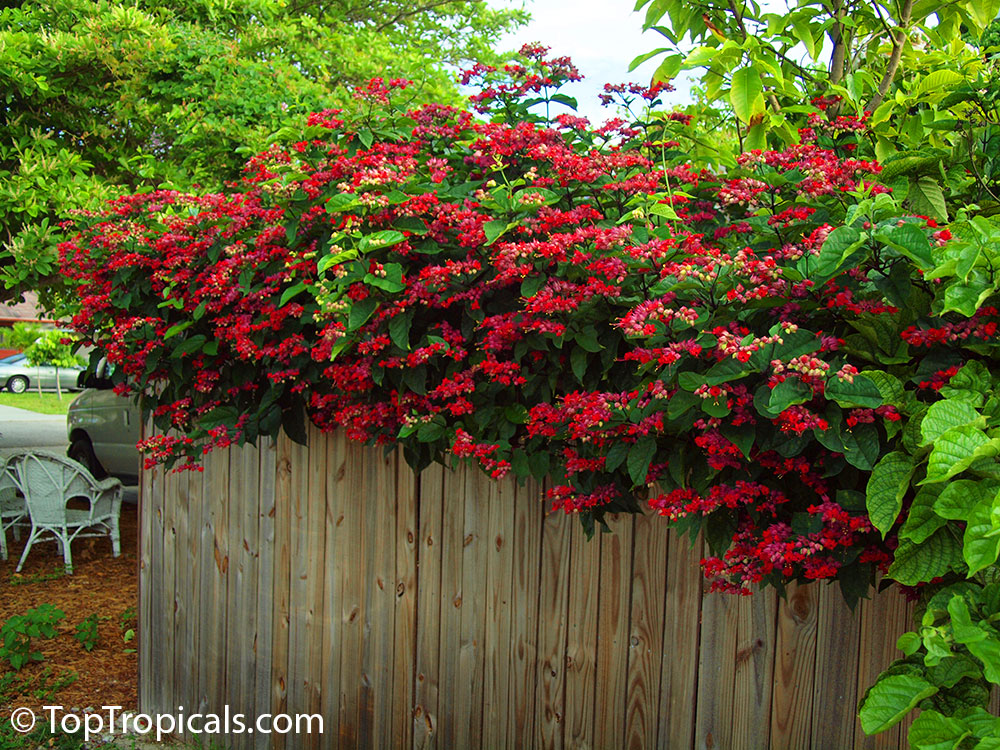
Clerodendrum speciosum - Red Bleeding Heart
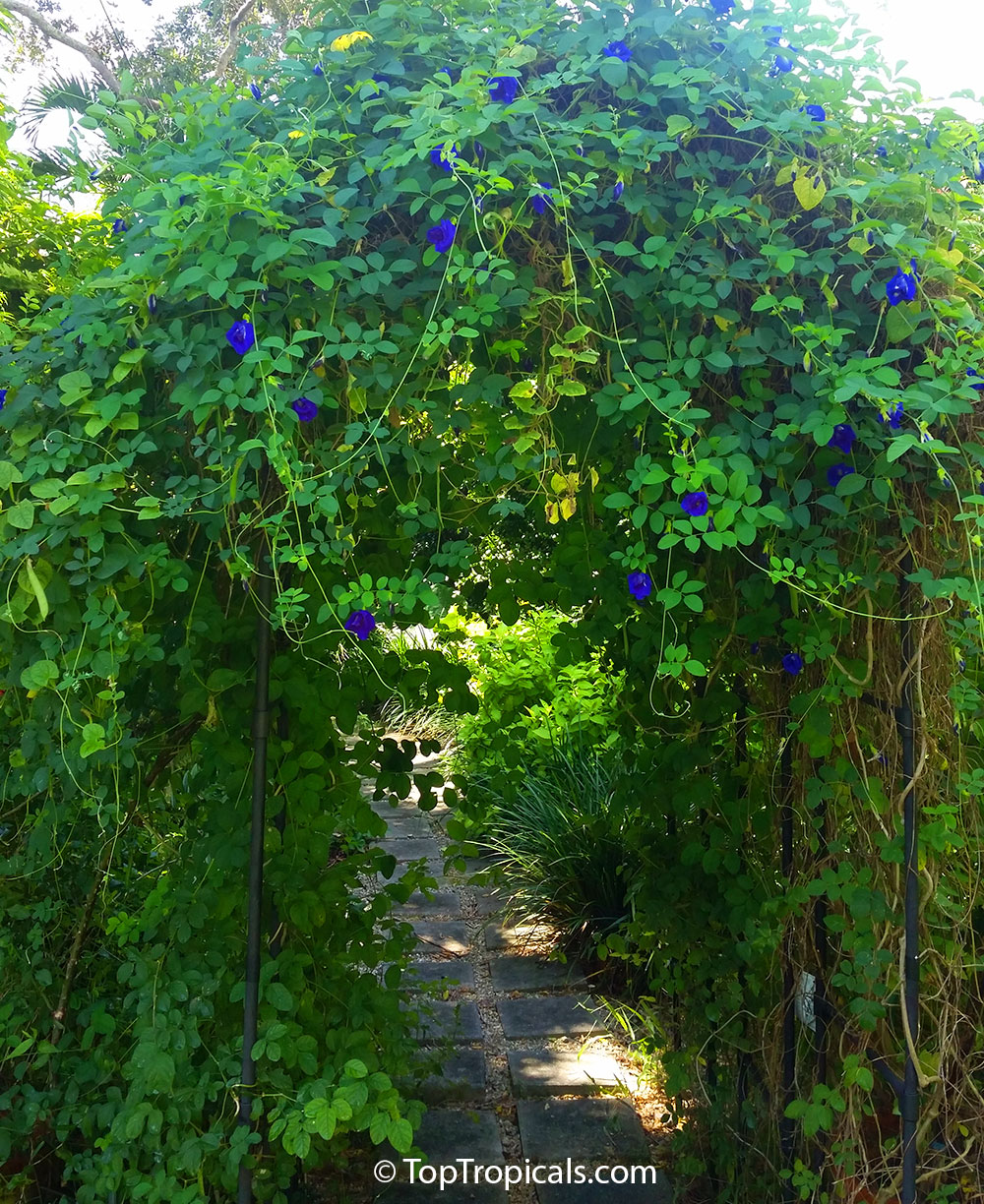
Clitoria ternatea - Blue Butterfly Pea (very fast glowing)
Jasminum sambac Maid of Orleans
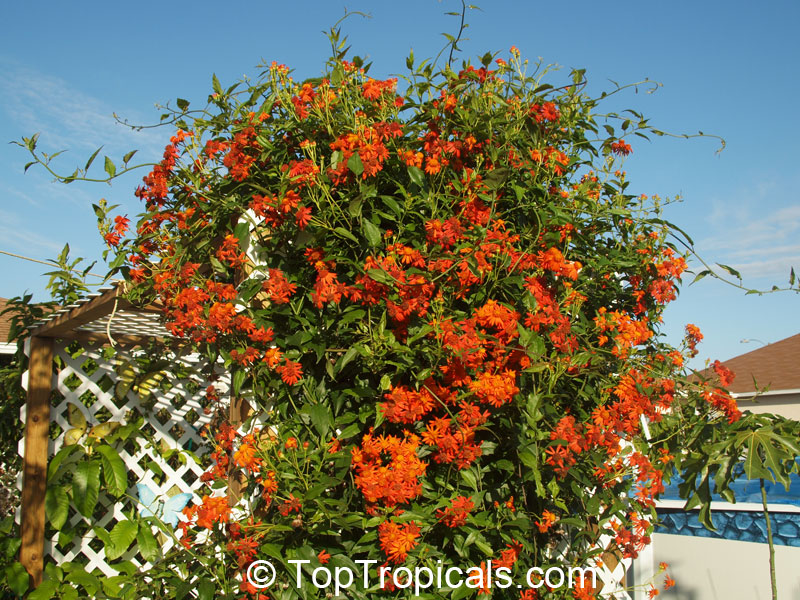
Senecio confusus - Mexican flame vine
Stictocardia beraviensis - Hawaiian Sunset Bell (very fast glowing)
Thunbergia alata var. aurea Sunlady
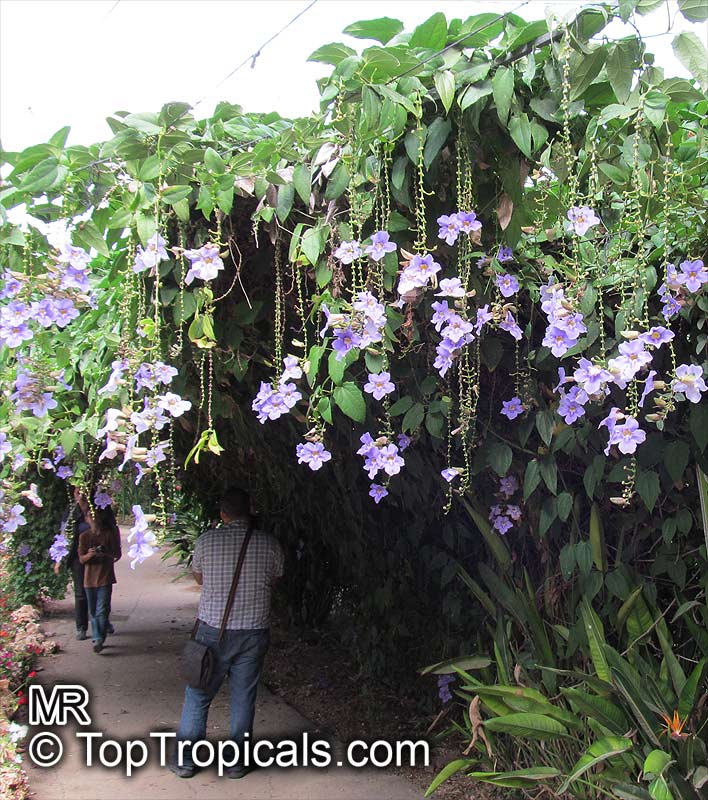
Thunbergia laurifolia - Blue Sky vine
Trachelospermum jasminoides - Confederate Jasmine
Urechites lutea - Yellow Mandevilla

Check out full list of flowering vines

Photo above: Clerodendrum speciosum - Red Bleeding Heart

Photo above: Senecio confusus - Mexican flame vine

Photo above: Clitoria ternatea - Blue Butterfly Pea

Photo above: Thunbergia laurifolia - Blue Sky vine

Date: 24 Jul 2019

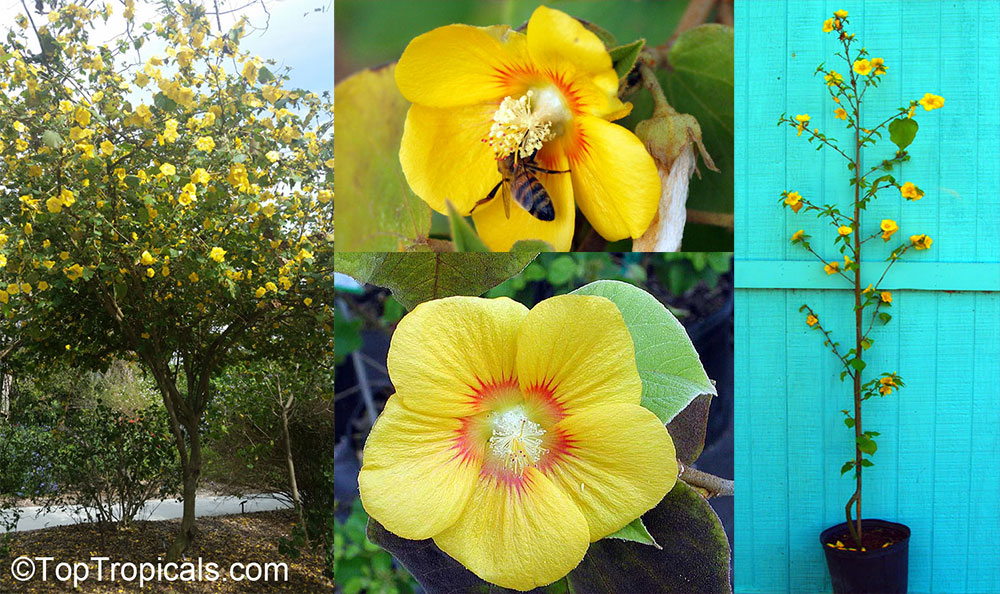
Perfect small tree for a pool area

Q: I need a tree for a space that is close to a pool and I don't want a tree that is shedding leaves all year long. I don't want it too big either. The canary tree caught my attention but I need to know if it is a tree that is dropping leaves all year. If it does then can you recommend another tree? I live in Fort Lauderdale.

A: Canary tree is a good choice. It is free-flowering pretty little tree. It is evergreen and doesn't shed leaves too much especially in your area with mild winter. However, keep in mind that every plant sheds leaves. Even evergreen trees replace old leaves with new ones. Some trees more than others. Flowers also have a seasonal drop. You may check the full list of compact flowering trees suitable for small spaces.

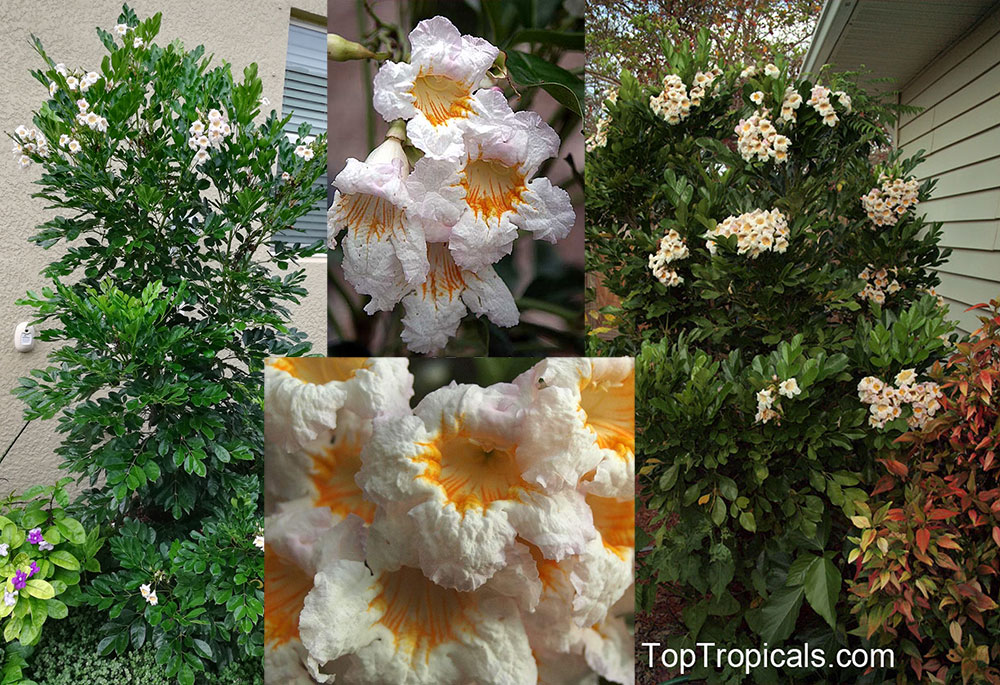
Another great choice is a Dwarf Tree Jasmine, Radermachera - also a free-flowering tree with rose-fragrant flowers and large, architectural leaves that hardly ever drop. It has very dense yet compact columnar shape, and is one of the greatest trees for smaller landscapes.

Recommended fertilizers and supplements:

Pink N Good Daily Plant Food - Flower Booster
Tropical Allure - Smart-Release Booster
SUNSHINE SuperFood - plant booster

Date: 31 Oct 2023

How to establish Tabernaemontana
and get more fragrant blooms

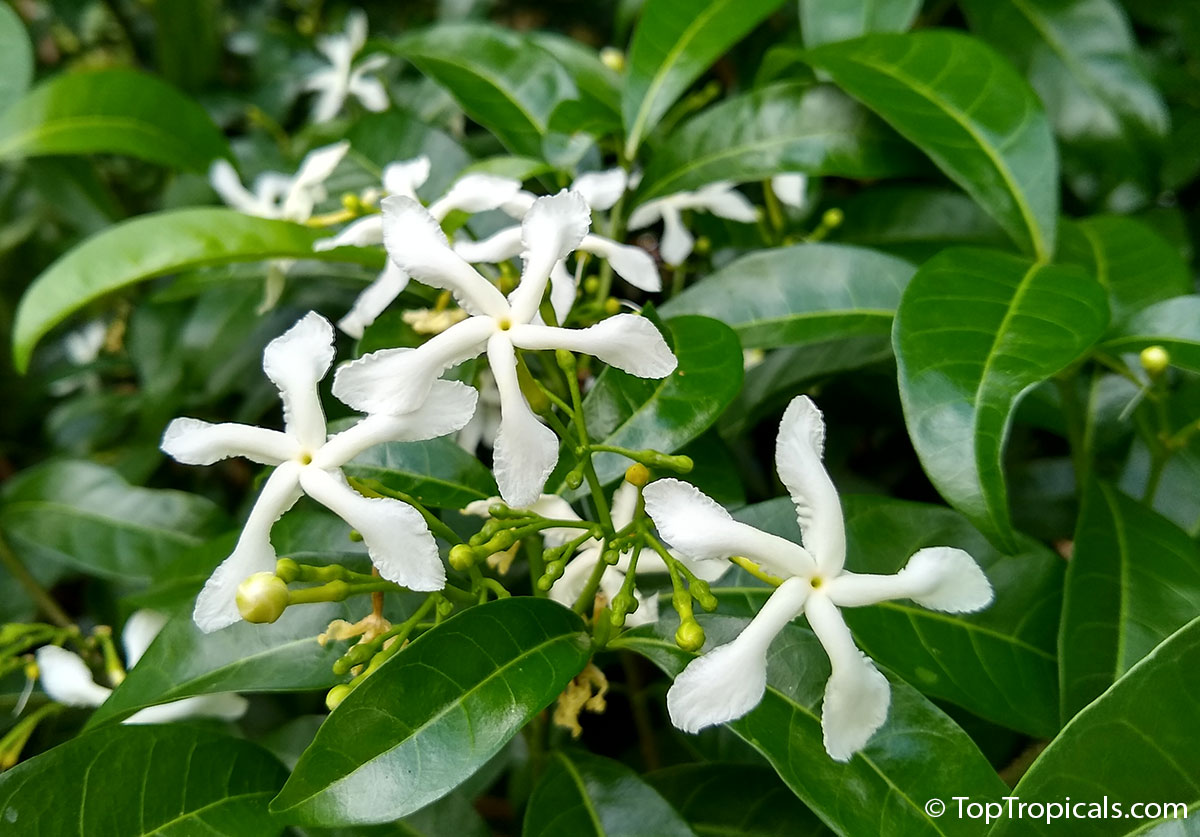
abernaemontana  australis  flowers

Q: I purchased Tabernaemontana australis from you back in June of this year and it recovered just fine, but the new growth got some chlorosis.   Older leaves still look normal.   The flowers also look normal but lack fragrance.   Since I live up north, I have it in a heated greenhouse for the winter, with a grow light to compensate for the short days.   I have it in a 10 inch clay pot in a mix of equal parts standard indoor potting soil, peat moss, and perlite.   It gets fed with half strength 10-10-10 about once a month on average.  Is there some specific culture that you would recommend for this plant ? I really love it and want it to thrive.

A: Tabernaemontana is a plant that may take some time to establish itself, and leaf chlorosis often becomes a common issue when the root system is not well-established. This symptom is indicative of Iron deficiency, and possibly other micro-element deficiencies, such as Boron or Molybdenum, which become more apparent when the plant receives excessive water. This problem tends to intensify as temperatures drop, particularly when a combination of cool and wet conditions prevails. It's worth noting that your potting mix seems to be appropriate for this plant.

In light of these circumstances, we recommend the following steps:

1) Reduce watering during the cooler season, especially when daylight hours are shorter. Allow the top layer of the soil to dry before watering again.

2) Consider supplementing with microelements using a product like   Sunshine Superfood. You can apply this as a foliar spray and mix it with your watering can.

3) Maintain your regular fertilizing program throughout the winter months, but ensure that you use only liquid amino-acid fertilizer, such as   Sunshine Megaflor. Follow the instructions on the label for the correct dosage and apply it with each watering, even during the winter. Since you will be reducing amount of water, the amount of fertilizer also will be adjusted accordingly.
Important: do not use any dry fertilizers during winter months (Nov-March).

Regarding the fragrance of the flowers, they typically emit a mild, sweet scent, although it may not be as potent as that of gardenia or jasmine. The strongest aroma usually becomes more prominent during warm (but not excessively hot) and humid conditions, particularly in the morning hours. As the plant grows larger and healthier, the fragrance should become more intense because the flowers produce more essential oil when the plant is robust. You may also apply Sunshine Honey supplement to improve flower quality and fragrance strength.

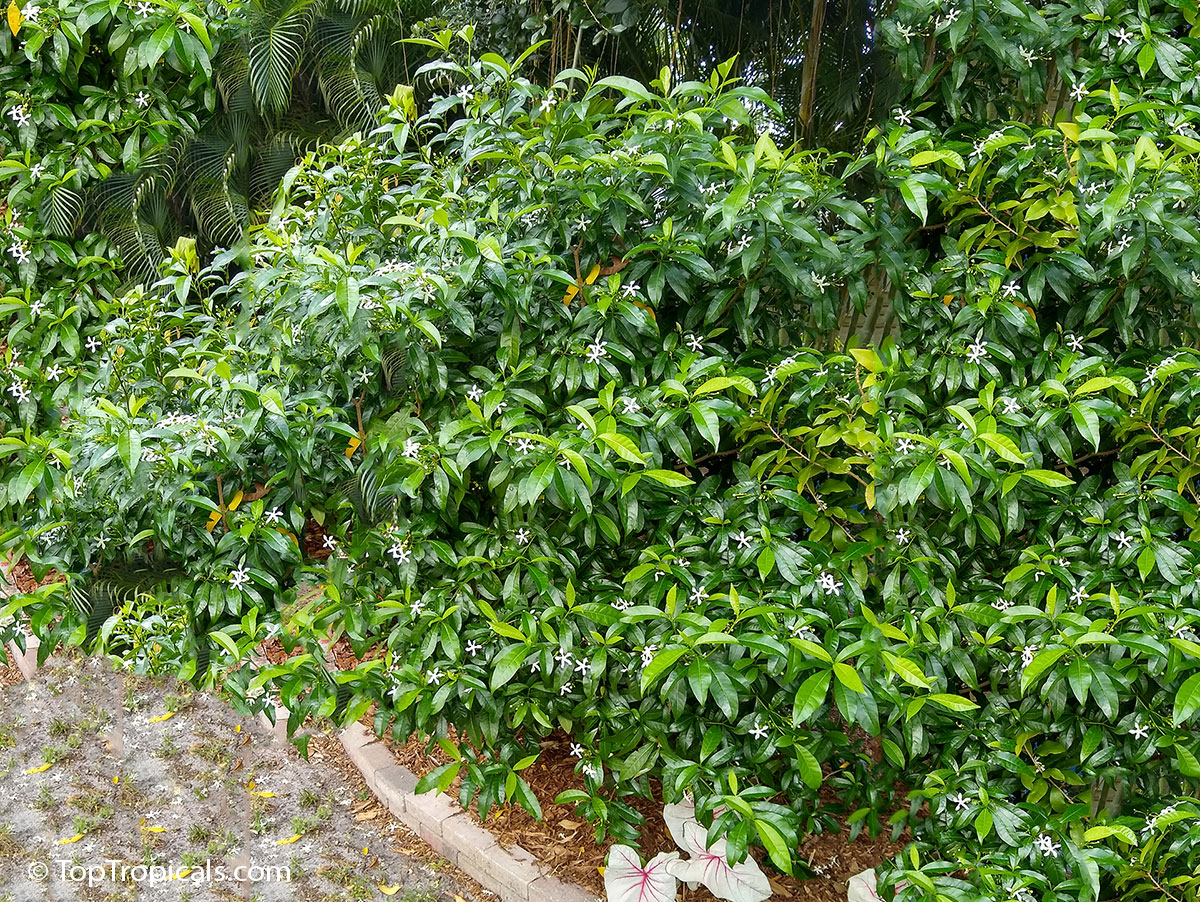
abernaemontana  australis  bush