Garden Blog - Top Tropicals

Date: 31 Oct 2023

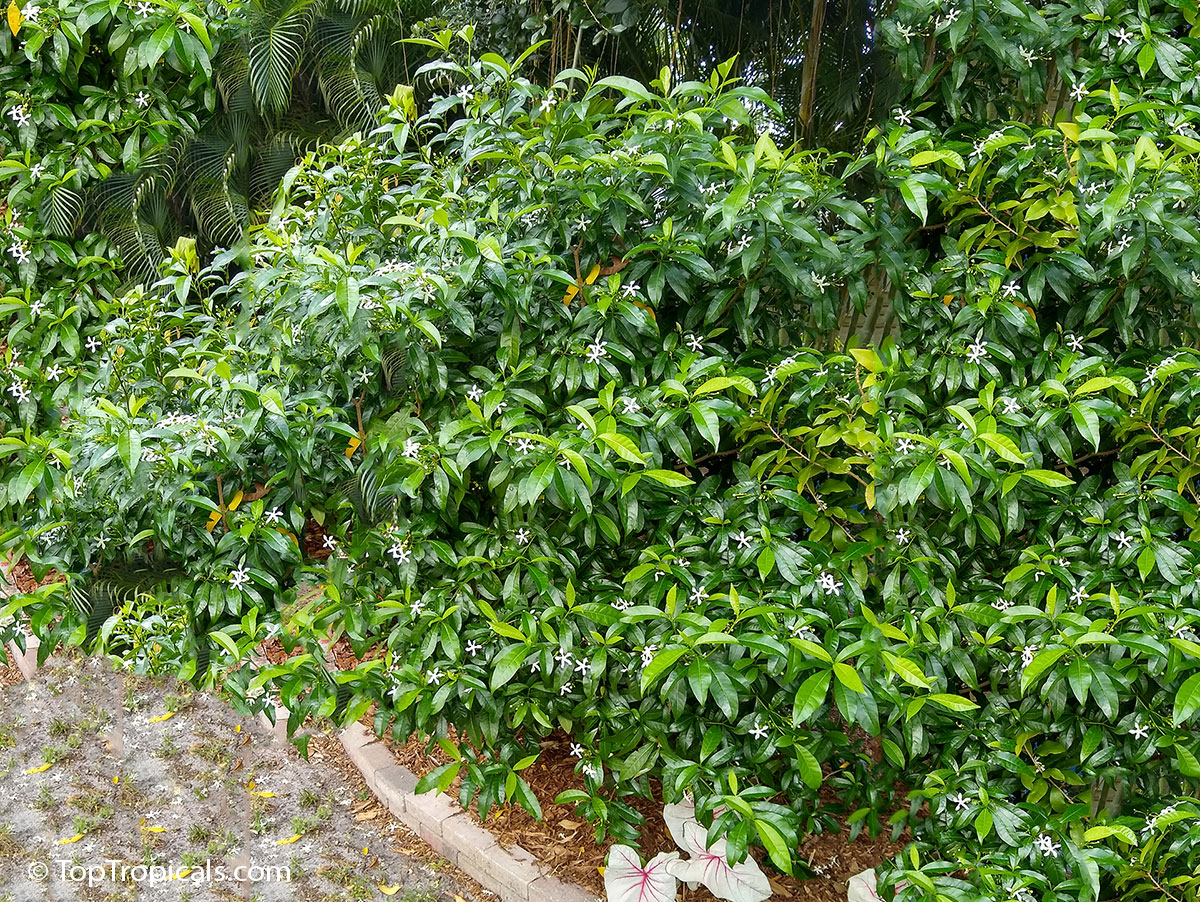
How to establish Tabernaemontana
and get more fragrant blooms

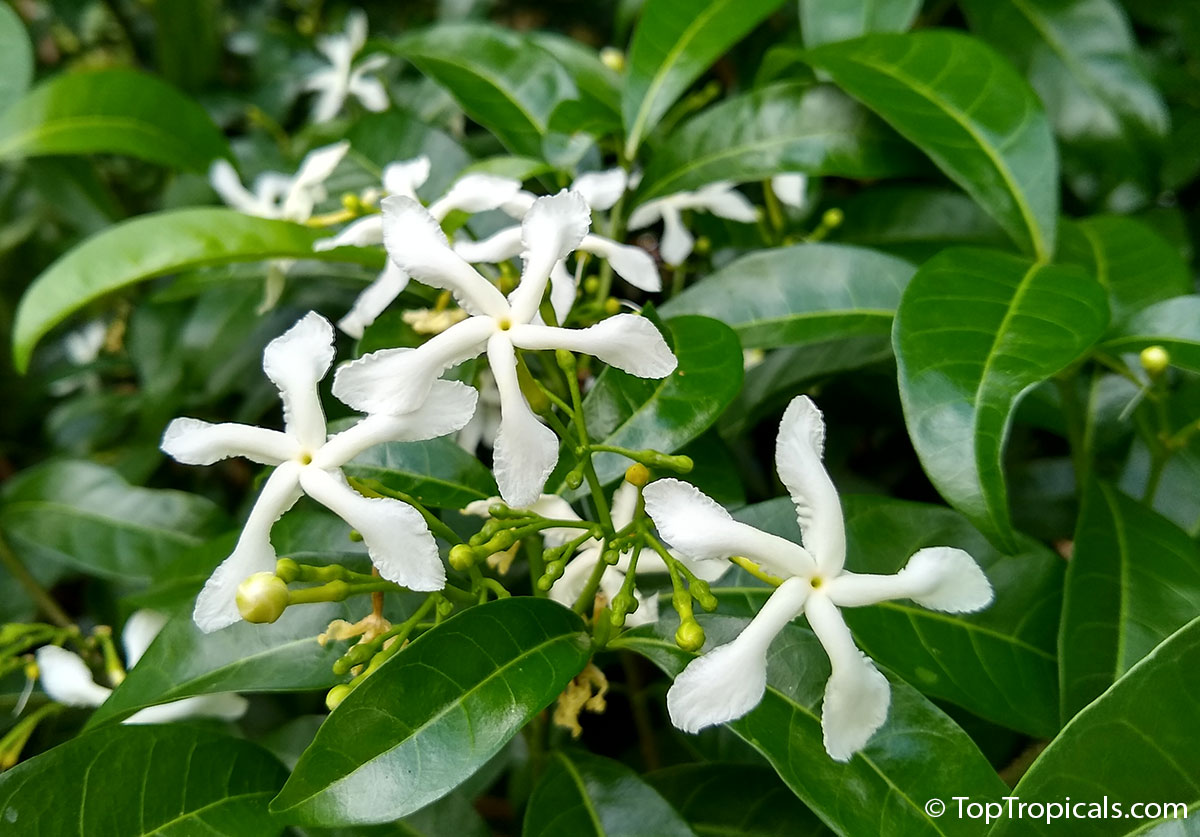
abernaemontana  australis  flowers

Q: I purchased Tabernaemontana australis from you back in June of this year and it recovered just fine, but the new growth got some chlorosis.   Older leaves still look normal.   The flowers also look normal but lack fragrance.   Since I live up north, I have it in a heated greenhouse for the winter, with a grow light to compensate for the short days.   I have it in a 10 inch clay pot in a mix of equal parts standard indoor potting soil, peat moss, and perlite.   It gets fed with half strength 10-10-10 about once a month on average.  Is there some specific culture that you would recommend for this plant ? I really love it and want it to thrive.

A: Tabernaemontana is a plant that may take some time to establish itself, and leaf chlorosis often becomes a common issue when the root system is not well-established. This symptom is indicative of Iron deficiency, and possibly other micro-element deficiencies, such as Boron or Molybdenum, which become more apparent when the plant receives excessive water. This problem tends to intensify as temperatures drop, particularly when a combination of cool and wet conditions prevails. It's worth noting that your potting mix seems to be appropriate for this plant.

In light of these circumstances, we recommend the following steps:

1) Reduce watering during the cooler season, especially when daylight hours are shorter. Allow the top layer of the soil to dry before watering again.

2) Consider supplementing with microelements using a product like   Sunshine Superfood. You can apply this as a foliar spray and mix it with your watering can.

3) Maintain your regular fertilizing program throughout the winter months, but ensure that you use only liquid amino-acid fertilizer, such as   Sunshine Megaflor. Follow the instructions on the label for the correct dosage and apply it with each watering, even during the winter. Since you will be reducing amount of water, the amount of fertilizer also will be adjusted accordingly.
Important: do not use any dry fertilizers during winter months (Nov-March).

Regarding the fragrance of the flowers, they typically emit a mild, sweet scent, although it may not be as potent as that of gardenia or jasmine. The strongest aroma usually becomes more prominent during warm (but not excessively hot) and humid conditions, particularly in the morning hours. As the plant grows larger and healthier, the fragrance should become more intense because the flowers produce more essential oil when the plant is robust. You may also apply Sunshine Honey supplement to improve flower quality and fragrance strength.

abernaemontana  australis  bush

Date: 16 Sep 2019

Fragrant Pakalana Vine - a delicious meal?

Q: I visited Thailand recently, and enjoyed a wonderful stir fry made with Cowslip flowers. I would love to grow it myself. I need this vine in my life! Do you have them in your inventory and if so, will I be able to grow it successfully here in SW Florida?

A: By Onika Amell, tropical flower specialist.
The extremely fragrant Telosoma cordata has many names: Cowslip Creeper, Pakalana vine, Tonkin Jasmine, Dok Kajon, or Chinese violet. It is a very sought after rare tropical fragrant ornamental, but not everyone knows that this flower makes a delicious meal!
The flowers have a lovely lemon-like fragrance and can be found in South East Asian food markets. It is typically fried with eggs to make omelets or stir-fried with tofu or pork and beef. Young leaves & flower buds can also be eaten fresh (in a salad) or battered & fried. Not only are the flowers delicious, but they are chock and block full of carbohydrates, proteins and vitamins A and C.
An old Chinese tale tells the story of the mystic, aromatic powers of the Pakalana vine...

CONTINUE READING »

Date: 22 Oct 2016

Plant Horoscope. Scorpio Zodiac lucky plants: Nearly indestructible plants

Scorpio - 10/23-11/21. A WATER sign ruled by both Mars and Pluto.
Scorpio's plants are often found in remote places or on poor ground. They will likely have thorns, can be red in color, and grow under adversity. The good news is, most of these plants are nearly indestructible! This makes them desirable for every gardener.
The reproductive organs are ruled by Scorpio, so these are plants that balance the hormones, regulate the menstrual cycle, help with childbirth and pregnancy. Until this century, Scorpio was ruled by Mars, and the herbs associated with it had to do with the urogenital system and the colon. Many of the herbs related to Scorpio are cleansing and revitalizing. Now, astrologers assign Scorpio to Pluto, discovered in 1930 (Pluto is said by astrologers to be a higher octave of Mars). Physiologically, Scorpio involves the processes of catabolism and anabolism, the death and regeneration of body cells. Diseases of Scorpio are often involved with the slow buildup of toxic substances in the body (carcinogens, etc) or in the mind (anger, jealousy). Scorpio loves a spice with depth and complexity. Camphor Basil adds rich flavor to every dish it seasons, and its own aphrodisiac tendencies appeal to Scorpio's lusty nature.

Scorpio Zodiac lucky plants: Ceiba,  Baobab,  Pistachio,  Nutmeg, Black-eyed Susan Thunbergia, Combretums,  Dragon fruit,  Medinilla,  Camphor Basil,  Cuban Oregano, Vanilla orchid,  Hibiscus, Various  cacti and succulents,  Adenium, Honeysuckle,  Peppers,  Cordyline,  Spider plant,  Jasmine,  Gooseberries, Wild indigo,  Bougainvillea,  Aloe vera,  Raspberry,  Palmetto,  Horseradish tree,  Camphor,  Allspice and Bay Rum, Jujube,  Sweet Mimosa,  Agave, Milkweed,  Hong Kong Orchid Tree,  Pony Tail,  Dwarf Poinciana, Bottlebrushes,  Clusias,  Crocosmia,  Zig-Zag Cactus,  Dracaena,  Fire Bush,  Hoyas,  Jatropha,  Kalanchoe,  Sausage tree,  Devils Backbone, Pereskia, Red Plumeria,  Firecracker,  Rattlebox,  Rhoeo, Calendula, Geranium, Thistles, Mint, Sage, Catnip, Coriander, Sandalwood, Ginseng, Euphorbias, Acacias.

For other signs information, see full Plant Horoscope.

Date: 10 Sep 2016

Organic remedy for indoor plants insect protection

Q: Winter is coming and I moved my collection of fragrant plants inside the house about a week ago. Today I noticed some aphids on my jasmine. I guess they sneaked in with the plant from the garden where it was a week ago. I don't want them to spread around and get to the nearby gardenia. What should I do to protect my plants from insects indoors?

A: Sometimes bugs attack indoor plants more than those outside in the garden. The main reason is lack of air circulation, lack of sunlight, lack of bug natural predators, and lack of plant's immune resistance due to winter dormancy. So, you need to pay extra attention at your plants health during colder months they spend indoors. Inspect leaves, especially underneath, at least on weekly basis.

If noticed first signs of insect attacks (insects and/or leaf damage such as holes, chewed edges, discoloration, dark or sticky coating), use a simple organic remedy that is handy in every house. Mix in a cup of hot water two tablespoons of any cooking oil: Canola, Vegetable, Sunflower, Olive; Neem oil is the best for this purpose, but it does have a pungent odor (bugs don't like it as well as some people). Add a few drops of dish-soap for better mixing oil in the water. You may add a clove of pressed fresh garlic - bugs hate it! Clean leaves with this solution using cloth, paper towel, and/or spray bottle.

If insects are persistent or your treatment arrived too late when a plant is excessively infested, after cleaning with the oil solution, you may use additionally systemic insecticide sprays sold in garden centers, with active ingredients of pyrethrin, imidacloprid or similar. Make sure to read product label and follow instructions.

However try the organic recipe first, it really works! You may repeat it as needed, as often as you want! See TopTropicals Video on Safe and Easy Pest Control.

Date: 19 May 2016

Care of mail-order plants during hot summer

Q: I live in California and about a month ago ordered several plants from you, including fruit trees (Carambola, Mango, Avocado) and flowering trees (Xanthostemon, Adeniums, Champaca, Ylang Ylang). They were all doing well until I tried to move them into full sun, when they got leaf burn immediately. Ylang Ylang was doing great in a shade, but I repotted it from 1 gal into 3 gal and it is drooping leaves now. It has been very hot (over 100F) and dry (humidity is less than 25%). Any suggestions?

A: Hot summer can be pretty challenging time for establishing new plants. These are some guidelines to make your summer gardening more successful and rewarding.

1. You can order plants at any time, but keep your eye on your local weather forecast and try to chose cooler periods to schedule your plant shipments. Here at TopTropcals we monitor weather at destinations, and we can also delay shipment per your request until more favorable conditions.

2. During hot Summer months, many plants are still OK to ship, and to be planted, many species are heat tolerant. It's usually safe to ship most succulents, including Desert roses and Euphorbias. Some fruit trees are pretty easy too, like Loquats, Mango, Eugenias. Many flowering trees can take heat: Acacias, Clusias, Jatropha, Sausage Tree, Plumerias and many others. Check our full list of plants suitable for hot and dry conditions. Most jasmines, including Jasmine Sambac and Trachelospermum make also a safe choice for hot weather planting.

3. Use shade cloth or simply white sheets to protect young plants and new plantings from hot sun.

4. When establishing mail ordered plants during hot weather, keep them in shade for longer period of time than average recommended 1-2 weeks. Give them a chance to establish really well. In areas with low air humidity, try to create a simple mist system. It can be purchased in your local Home Depot for only $20 and set up takes only 10 minutes! It makes a big difference and can help you save many plants from hot weather stress.

5. Although it may seem that during hot weather plants need more water due to high evaporation, be careful with watering, and check soil with your finger before watering - don't water if it is still wet. Combination of "hot and wet" can be as harmful for the root system as "cold and wet" during winter. Protect root systems from overheating: covering black pots with white cloth will work. Remember when temperature is above 90F, most of plants slow down their metabolism, which means roots slow down or even stop pumping water and become more vulnerable to overwatering. For the same reason, do not hurry to step up into bigger container if roots haven't filled yet the existing pot.