🌴 Twilight in the garden. Smokey is holding a glowing
pumpkin. Sunshine is sipping cocoa.
Sunshine: "Smokey, why does that plant look like it wants to fly away?"
Smokey: "That’s the Bat Lily - Tacca. It’s rare, it’s
weird, and it’s in bloom just in time for Halloween."
Sunshine: "Figures. You always find the spooky ones."
Meet the Bat Lily (Tacca)
Tacca is also called the Bat Lily or Devil Flower. This
tropical wonder grows bat-shaped wings and foot-long whiskers. The black
form
(Tacca chantrieri) looks straight out of a gothic dream, while the
white
one (Tacca nivea) is ghost-like and elegant.
Some of our plants are blooming right now in the nursery — true
Halloween magic! Blooms are delicate and may not travel, but the plants are
strong
and will flower again soon in your care.
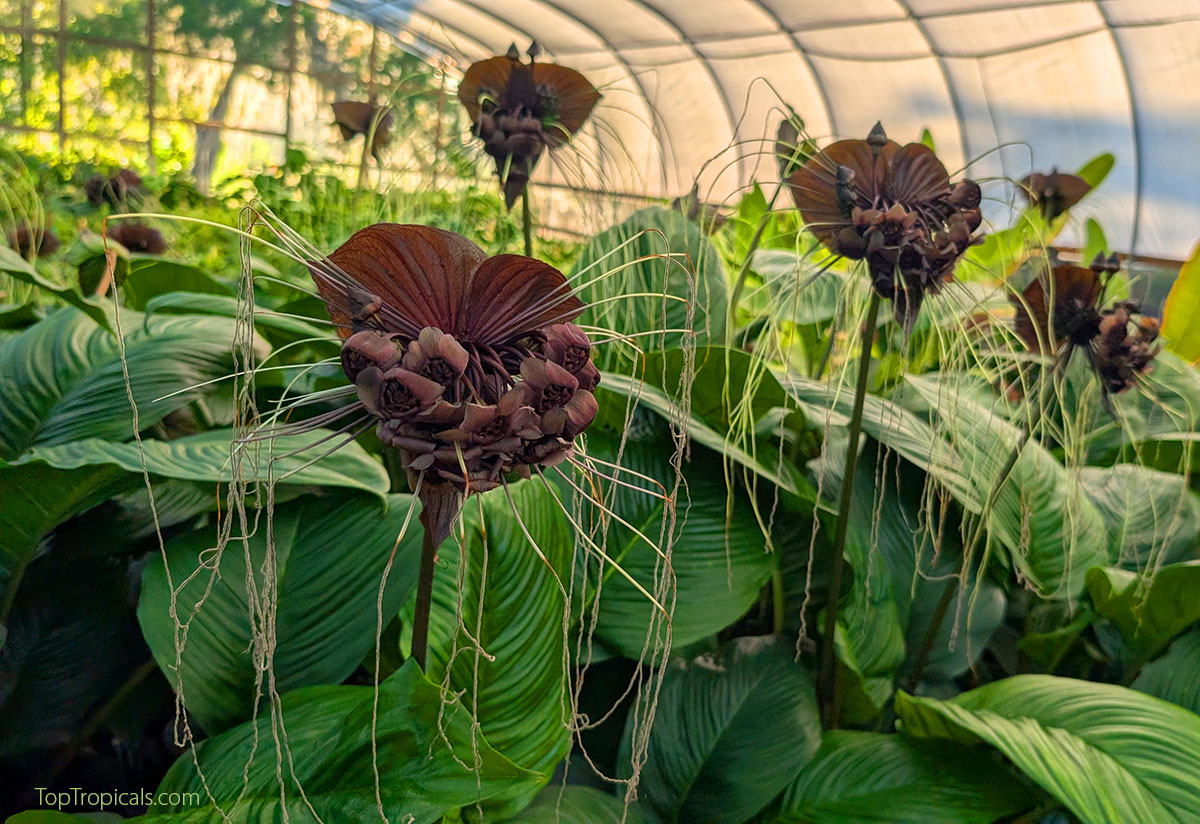
Black Bat Lily (Tacca chantrieri) with dark maroon wings and long
whiskers
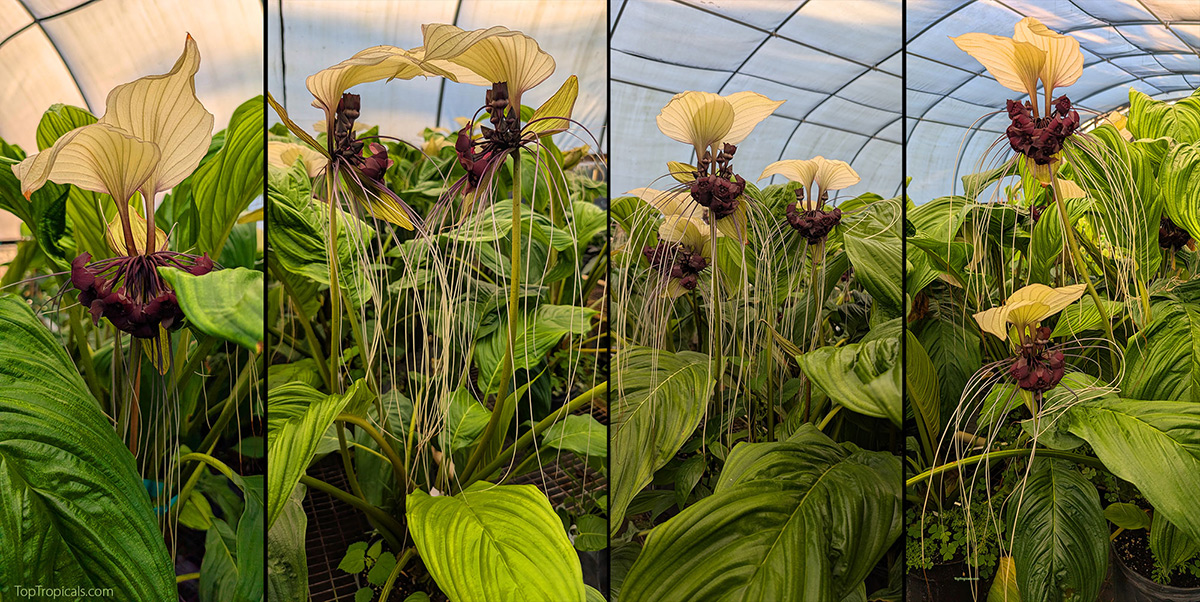
White Bat Lily (Tacca nivea) in bloom with wide ivory wings
"The White Bat Lily (Tacca nivea) is bold and sculptural, with oversized
ivory wings that command attention. Its pale bracts stretch wide above
clusters
of deep maroon flowers, and long, silvery whiskers spill gracefully through
the foliage. In filtered light, the plant seems to glow from within —
elegant, crisp, and perfectly balanced between the strange and the
beautiful.
If I could pick, I’d go with the White Tacca. It feels more
architectural, more balanced — those oversized wings catch light in a
way that
shows off every vein and curve. It looks engineered by nature, almost like
an
alien design prototype that actually works.
The Black Bat Lily (Tacca chantrieri) feels alive with shadow. Its dark
maroon wings and wiry whiskers make it look like something that fluttered
out of
the jungle at dusk. The bloom’s layered structure and near-black sheen
give it a quiet power — mysterious, understated, but impossible to
ignore. But if I were designing mood lighting for a greenhouse at night, the
Black Tacca wins. It’s subtle, mysterious, like a secret only visible
up
close. Together, they’re perfect opposites — yin and yang of the
tropical underworld: white for daylight, black for moonlight." — says
Tatiana Anderson, Top Tropicals Plant Expert
Special Offer: Discounts on Rare Tacca Plants
Grow your own Bat Lilies — White or Black — at a special
Halloween price!
Get 25% OFF Tacca plants with code
TACCA2025
Min order $25 (excluding S/H), valid online only,
cannot be combined with other offers.
Hurry, offer expires
November 03, 2025!
🎃
Storewide Halloween Sale – For Everything Beyond Tacca
Not into spooky plants? Enjoy savings on all other tropical plants
across the store!
Get 15% OFF tropical plants with code
HALLOWEEN2025
Min order $100 (excluding S/H), valid online only,
cannot be combined with other offers.
Smokey: Work first. Celebrations later. Sunshine: I am celebrating efficient workflow. Smokey: Impressive. Somehow your workflow smells like
tacos. Sunshine: I assembled mango tacos. Join my festivities.
Cinco de Mayo has a way of sneaking up the right way. The weather
settles, the evenings stretch a little longer, and suddenly everything moves
outside -
plants, people, and whatever happens to be for lunch. It is the kind of day
where you stay out longer than planned, something cold is sweating on the
table,
and dinner becomes whatever sounds good.
This year, it was mango tacos. Not a recipe we planned - just a few ripe
mangoes that needed a purpose and the kind of lazy
inspiration that shows up around 5pm in the garden. Nothing complicated.
Just something warm from the pan and a quick assembly that somehow feels
like a celebration.
Mango Plant Facts
Botanical name: Mangifera indica Also known as: Mango
USDA Zone: 9 - 11
Highligths
It's funny how a good meal can send you down a rabbit hole. One bite of
something fresh and you start wondering where it came from, whether you
could grow it yourself, and how much better it might taste if you did.
That is really the point. A small shift from planning to picking, where
the line between the garden and the kitchen starts to blur. If you are
growing fruit, or thinking about it, this is your reminder: the best meals
usually start about ten feet from your back
door.
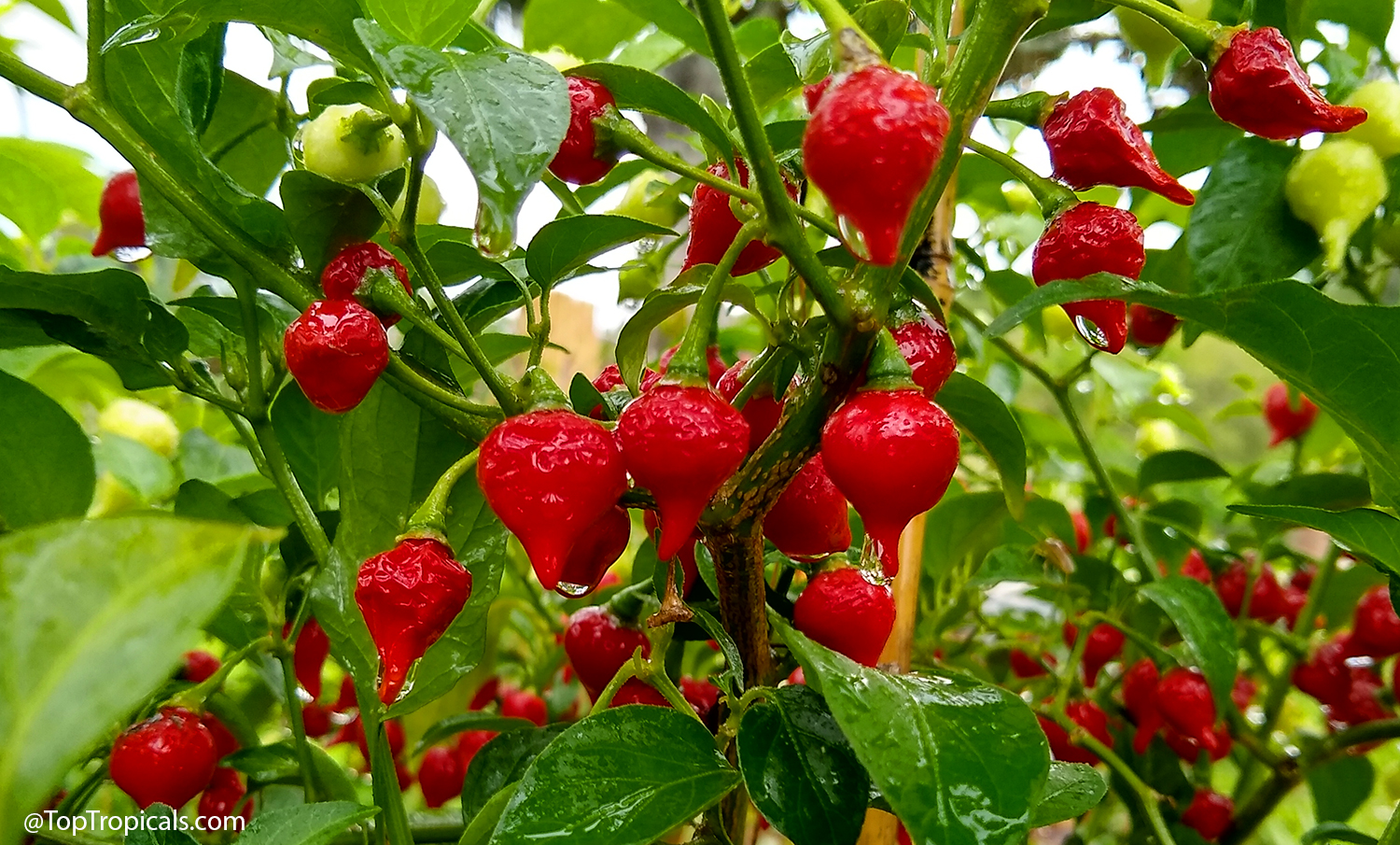
Biquinho
pepper loaded with fruit - small, beak-shaped peppers ripen
from green to bright red, offering intense fruity habanero flavor with
little to no heat on a compact, heavy-producing plant.
Sweet Pepper Plant Facts
Botanical name: Capsicum annuum Also known as: Sweet Pepper, Chilli Pepper, Cayenne Pepper, Paprika, Ornamental pepper
USDA Zone: 4 - 10
Highligths
A lot of plants that thrive in Florida heat have deep roots in Mexico, and
not just as ornamentals. Think coral vine or flame vine climbing a fence in
summer, or bird of paradise
sitting at the edge of a patio like it owns the place. These are not plants
that need coaxing. They grow fast, full, and unapologetically.
Then there are the plants you actually eat: peppers,
prickly
pear, sweetleaf,
and fruit trees like avocado, guava,
and sapodilla.
They do not just decorate the yard. They change how the yard works, and how
the kitchen feels all year.
Avocado Plant Facts
Botanical name: Persea americana, Persea gratissima Also known as: Avocado, Alligator Pear, Aguacate, Abacate
USDA Zone: 9 - 11
Highligths
That is the part that sneaks up on you. Gardening stops being about having a
pretty yard and starts becoming a way of living. Mango tacos taste
different when you picked the mango yourself. Everything does.
Mango Plant Facts
Botanical name: Mangifera indica Also known as: Mango
USDA Zone: 9 - 11
Highligths
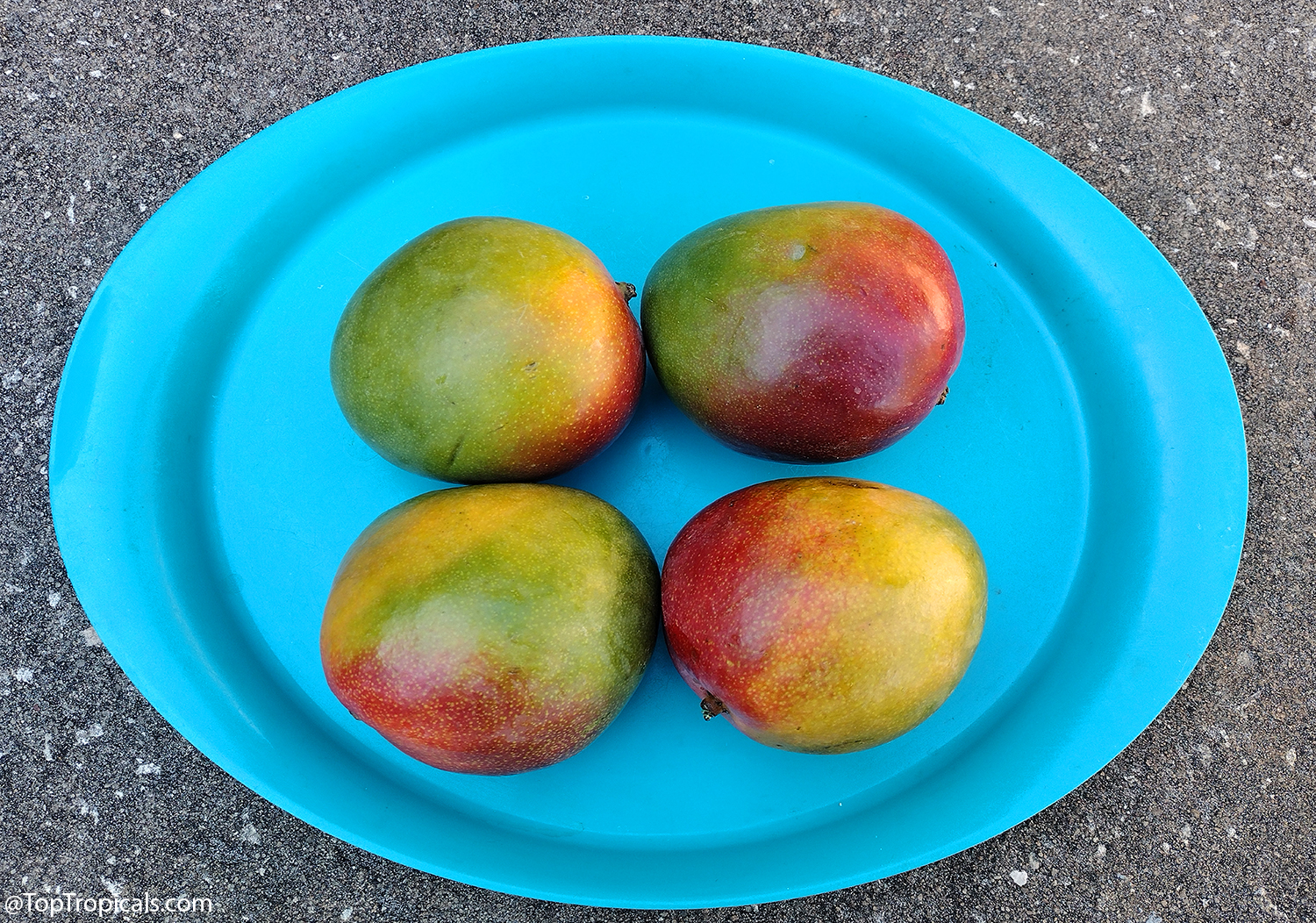
Kent mango - classic late-season variety with smooth,
fiberless flesh and rich, sweet flavor.
🍀Mexican
Plants That Thrive With Minimal Effort
by Tatiana Anderson, Top Tropicals Garden
Expert
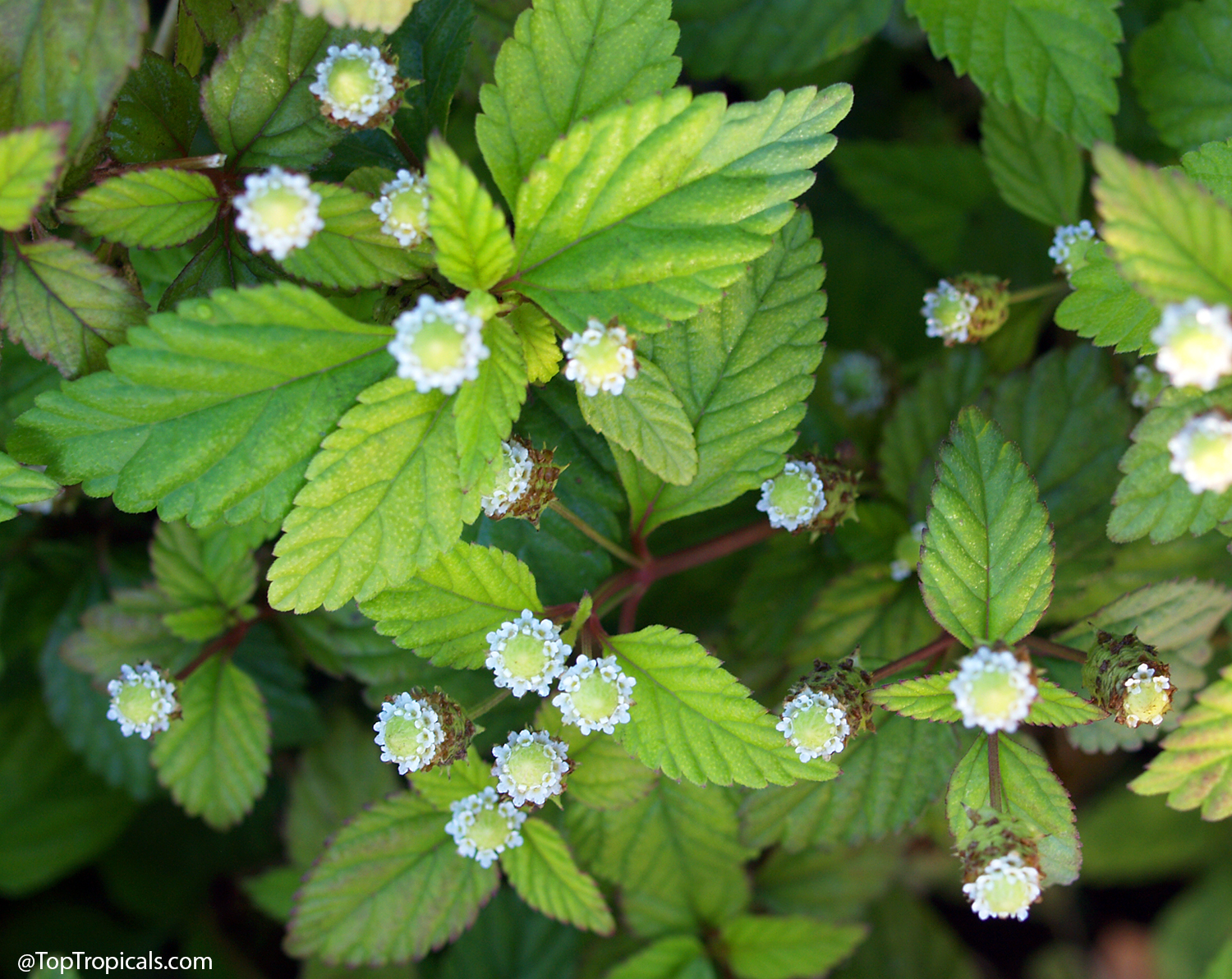
Lippia
dulcis - Aztec Sweet Herb in bloom - a low-growing Mexican herb
with tiny white flowers and remarkably sweet leaves that can be eaten fresh
or added to fruit dishes, traditionally used since Aztec times for coughs
and colds.
Aztec Sweet Herb Plant Facts
Botanical name: Phyla dulcis, Lippia dulcis, Phyla scaberrima, Lippia mexicana Also known as: Aztec Sweet Herb, Sweetleaf
USDA Zone: 9 - 11
Highligths
These Mexican plants are surprisingly easy to grow if you give them what
they expect: sun, heat, and good drainage. Most of them are built for tough
conditions and will grow fast with minimal care once established.
The one rule that matters: fill the planting hole with water. If it does
not drain in 5-10 seconds, plant on a mound or use a container.
Flowering
vines will take off quickly, edibles like peppers and sweetleaf
lippia
are very forgiving, and cactus types prefer to be left alone rather than
overwatered.
For full, step-by-step growing tips and plant-specific advice, read our blog
- we break everything down in practical, real-world terms.
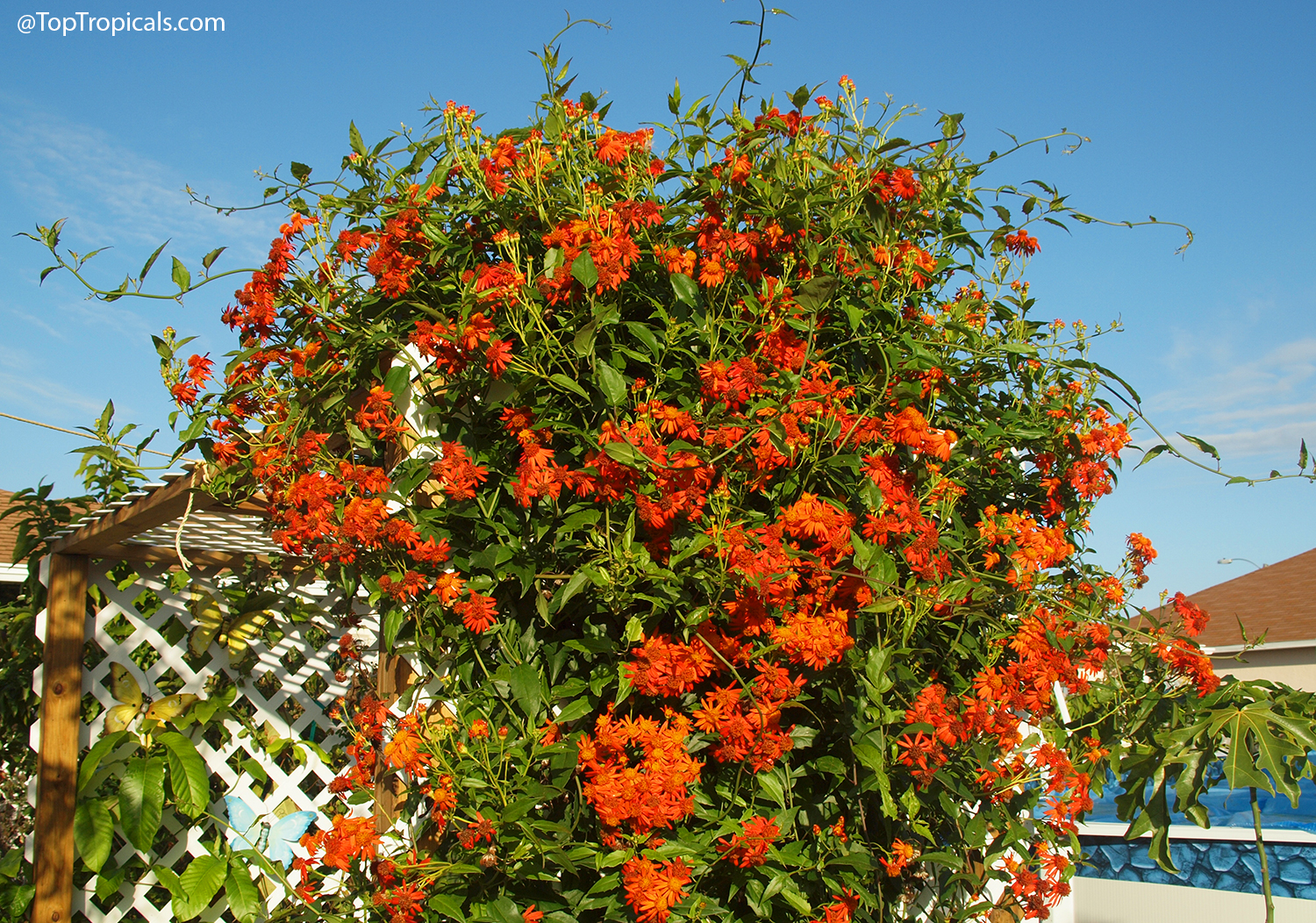
Mexican Flame Vine in full bloom - a fast-growing,
drought-tolerant climber that quickly covers fences with vivid red flowers,
attracting
pollinators and adding bold color with minimal care.
Mexican Flame Vine Plant Facts
Botanical name: Pseudogynoxys chenopodioides, Senecio confusus Also known as: Mexican Flame Vine, Orangeglow Vine
Growing mangoes at home is easier than most people think.
Mango Plant Facts
Botanical name: Mangifera indica Also known as: Mango
USDA Zone: 9 - 11
Highligths
You don’t need a big yard. You don’t need perfect conditions.
You just need the right variety - and a few simple rules.
🔻Small space? Go with condo mango varieties 🔻Full sun is key 🔻Water deep, then let it dry 🔻Prune to keep trees compact and productive
Most store mangoes are picked early.
Homegrown fruit - completely different experience.
Sweeter, richer, and actually worth the wait.
Start with the basics, keep it simple, and your mango tree will reward you.
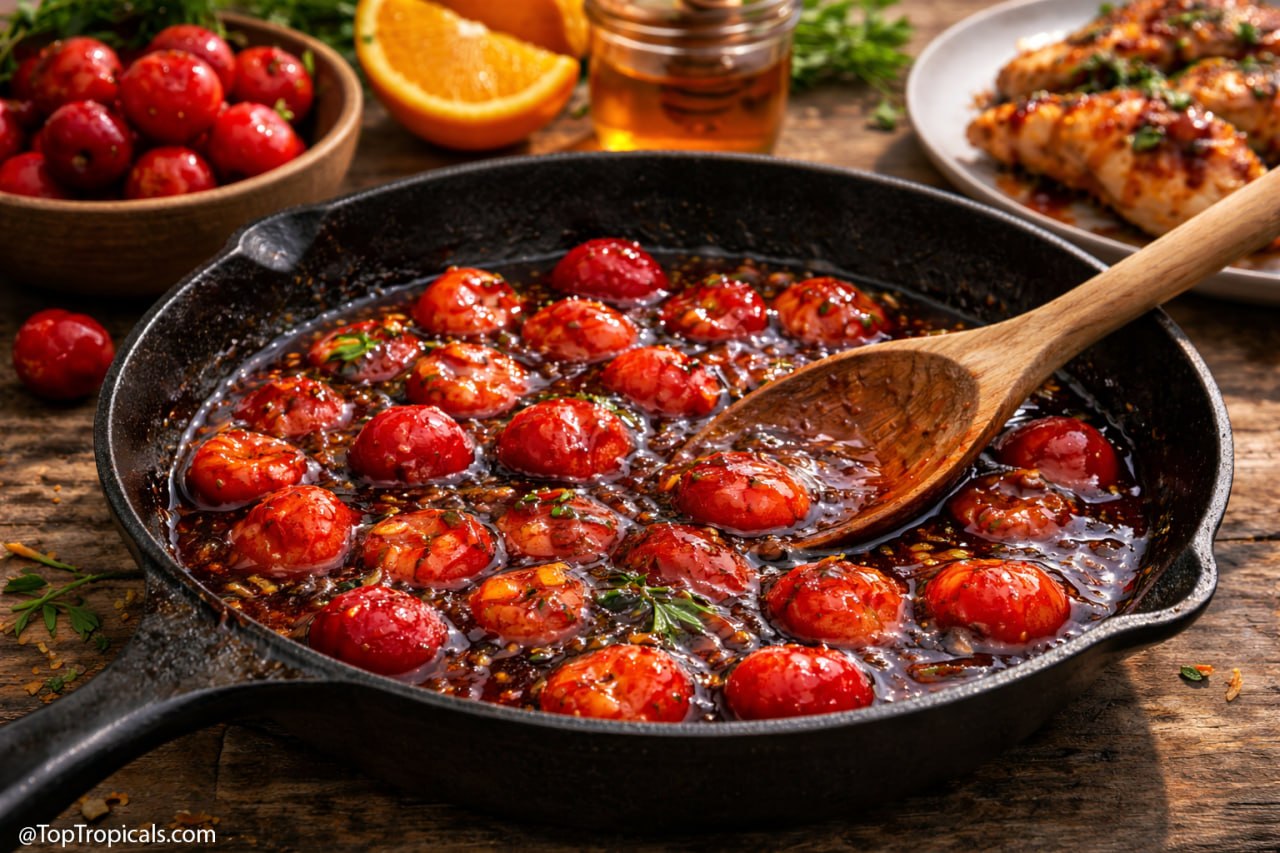
🔴Halve ripe Surinam cherries, take the seed out 🔴Cook in a pan with honey and a squeeze of orange. Simmer until syrupy. 🔴Pour over grilled chicken or roasted vegetables.
🌿 About the plant:
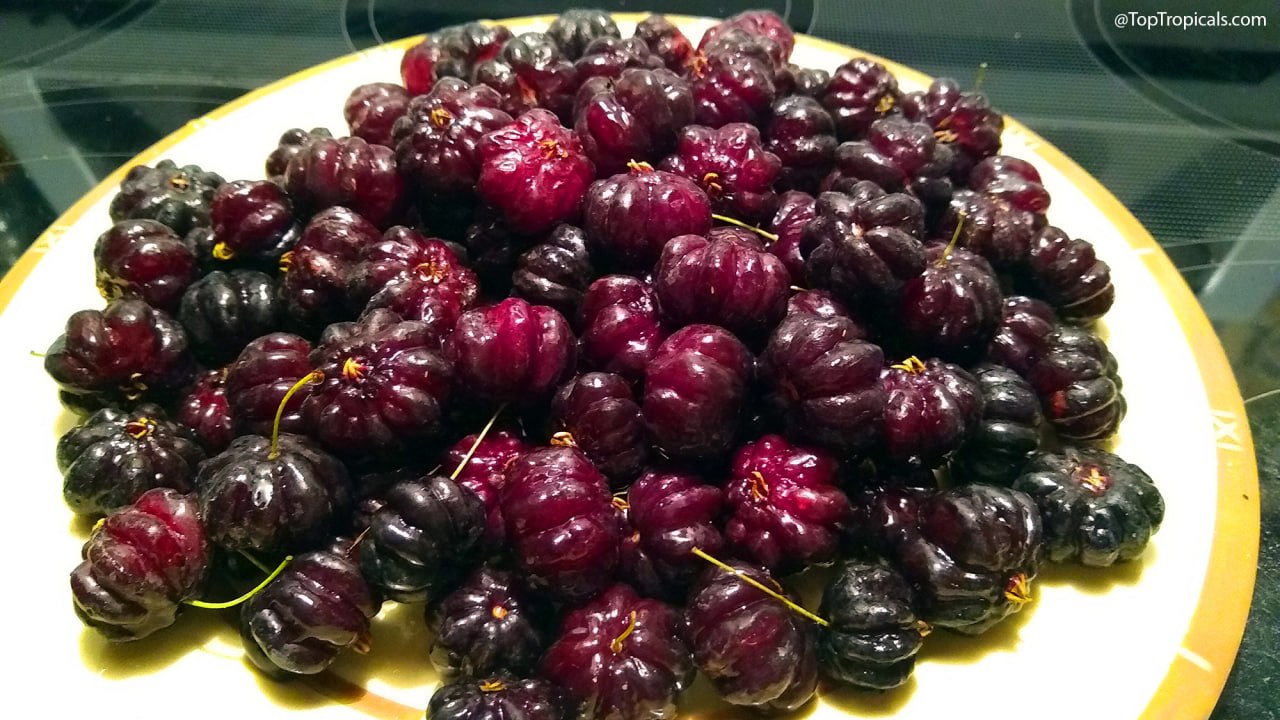
Surinam cherry produces bright ribbed fruit that range from sweet to tangy depending on variety and ripeness.
🏡 In the garden:
A tough, adaptable shrub that can be trimmed as a hedge. Fruits multiple times a year in warm climates.