Garden Blog - Top Tropicals

Date: 13 Aug 2019

What are the most rare fruit trees?
Q: What is the rarest and unusual plant that you have? I want something special for my tropical fruit tree collection. I already have everything I could possibly get...

A: Are you sure you have everything? Check out our rare plant section, and look at these couple plants we just received... these won't last long, we have only a few!

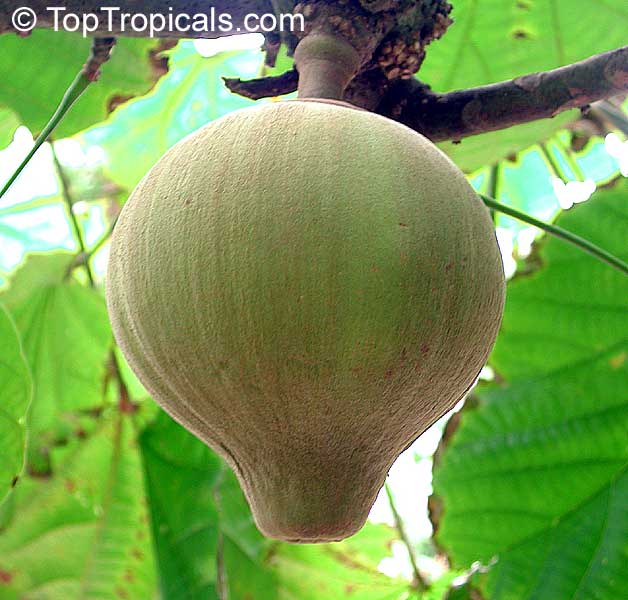
Quararibea cordata - Zapote Chupachupa, South American Sapote (with express shipping)

Chupa-chupa, Zapote, South American Sapote... One of the most amazing and showy tropical fruit trees with huge heart-shaped leaves, heart-shaped fruit, and fast-growing habit. The fruit has a bizarre shape like a large breast with a nipple, and the pulp is very tasty. For best performance, the tree needs full sun, rich soil, plenty of moisture and fertilizer.

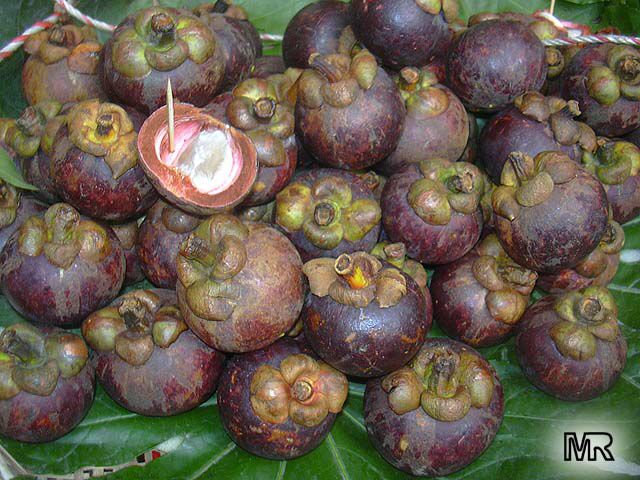
Garcinia mangostana - Mangosteen

Mangosteen... This delicious fruit has a thick, dark-red skin, inside which are creamy-white segments with a sweet, slightly tart flavor. Purported by many who have had the luxury of tasting it as being the best tasting fruit in the world.
Date: 8 Aug 2019

Tabernaemontana africana - a bush or a tree?

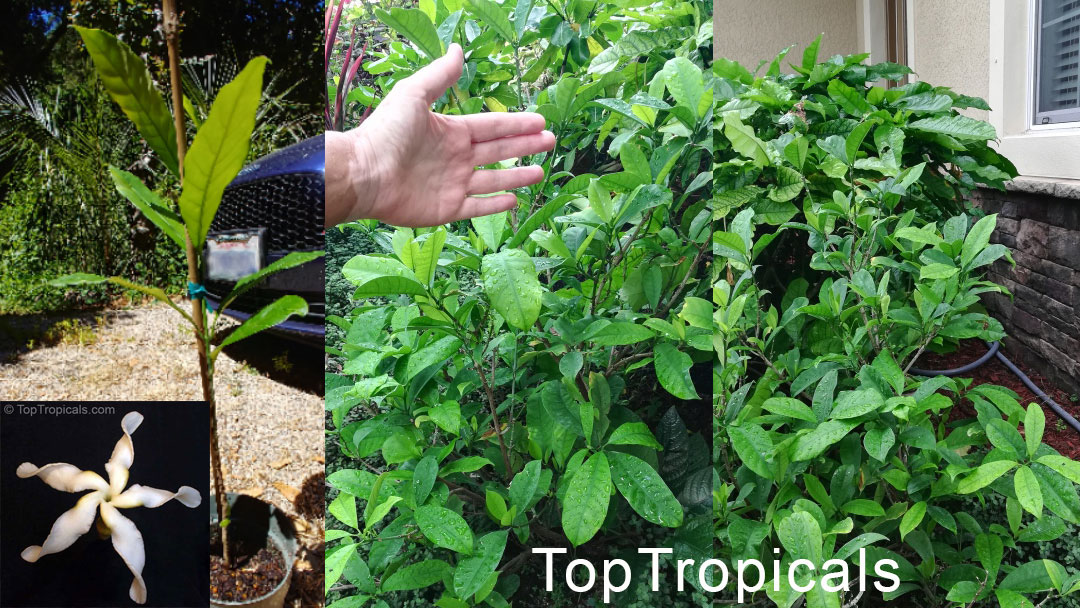
Q: I received a Tabernaemontana africana, but it is not the compact cultivar, from the photo, this is definitely the tree version, not the compact version?

A: The plant in your picture is Tabernaemontana africana and it is a shrub version, not a tree. The plants we have in stock are smaller size but very vigorous so they can be trained into standards.
We have this plant in our garden in the ground (3 years old) and by now it bushed out and remains under 4 ft without any pruning. Just keep in mind this plant requires regular applications of micro-elements, because the species is very susceptible to iron deficiency. The supplement we use, in case you notice any leaf yellowing, is Sunshine-Superfood.

Date: 19 Jul 2019

How to grow Soursop in a pot

Q: Is it possible to grow soursop in a large pot for life?

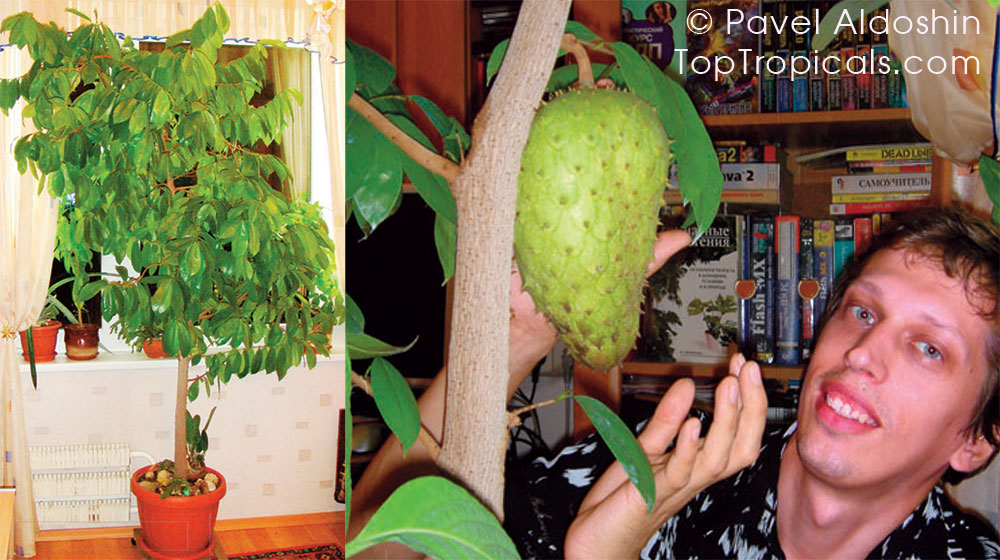
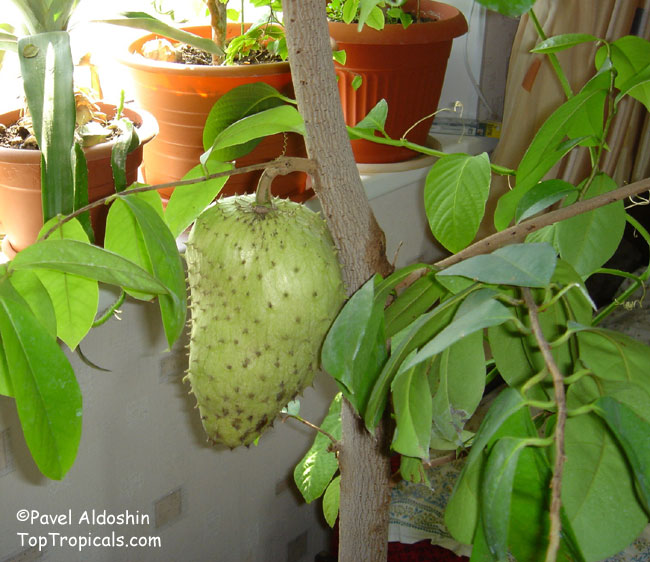
A: Soursop, or Guanabana - Annona muricata - is actually one of those tropicals fruit trees that can be easily cultivated in a container. Most plants of genus Annona have compact nature, and these fruit trees usually start production at a young age, as early as 3 years from seed. Annona muricata seedlings take a little longer to fruit, this is why we offer grafted trees, which can start producing right away.
We have a very interesting article about growing Soursop in an apartment. The article was written by an indoor gardener who lives in a very small apartment in Moscow, Russia. He grew this tree from seed and after years of cultivation fun, he finally got several large delicious fruit! It is an amazing story. We have it published in our Tropical Treasures magazine, download the whole issue #7, get a hard copy, or you may download PDF file of the single article.

Recommended fertilizers and supplements:

Fruit Festival Plant Food - Super Crop Booster
Mango-Food - Smart Release Fruit Tree Booster
SUNSHINE-Honey - sugar booster

Date: 9 Jul 2019

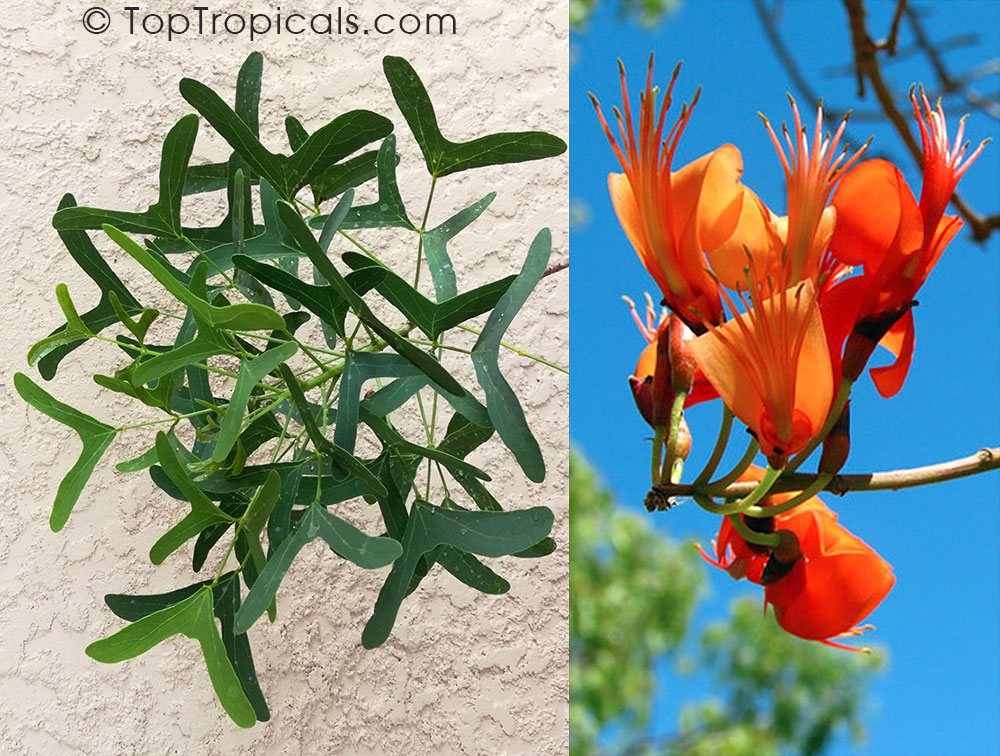
Erythrina vespertillio - Bat-Wing Coral Tree

by Mark Hooten, the Garden Doc

...Even in its native homeland, the species remains uncommon, and most Australians have never even heard of it!.. Now, the Bat-Wing Coral tree is likely my all-time favorite small growing flowering tree in existence. There are not enough superlative adjectives I know to properly and adequately describe it. Imagine closely packed long-lobed blue-green bat wings in groups of three on long thin stems which actually rather flutter in a breeze...

Continue reading...

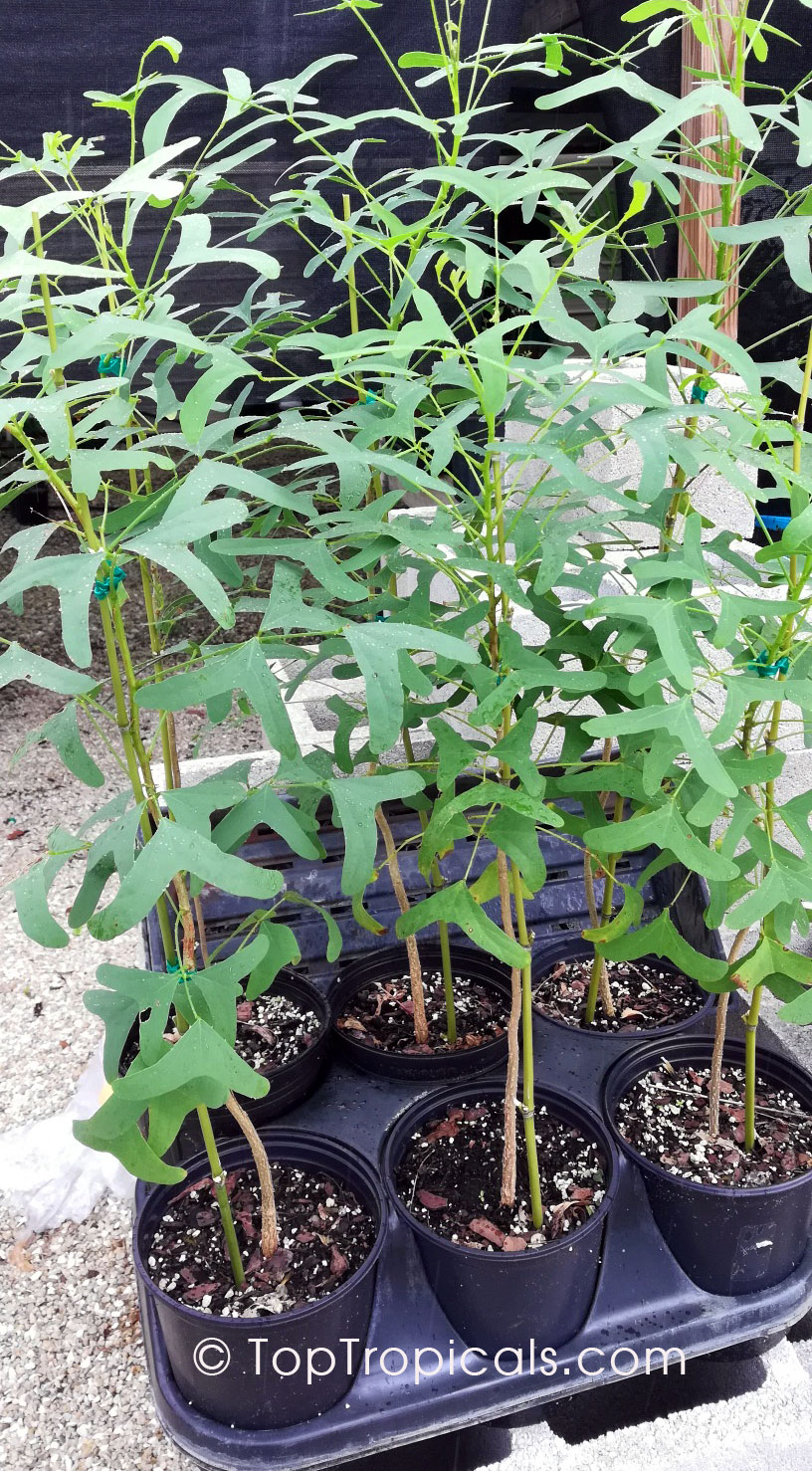
Picture of the actual plants for sale:

Date: 21 Jun 2019

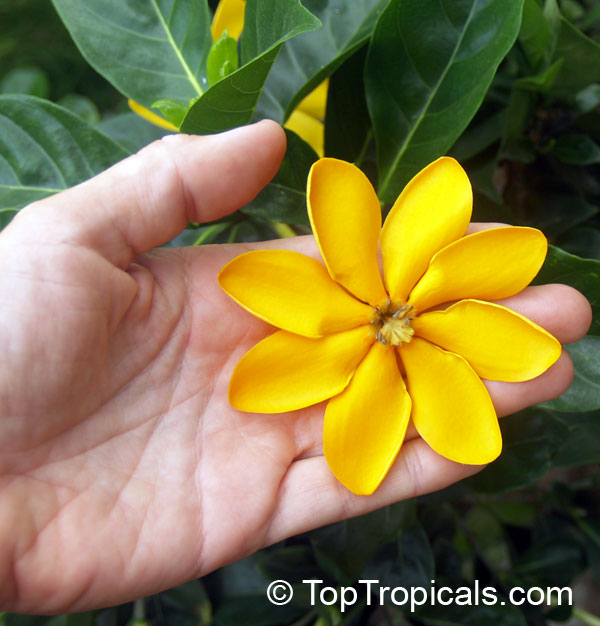
The Flower of Gold

By Onika Amell, tropical plant specialist

Q: I am concentrating on adding more fragrance to my garden. I've had great success growing gardenias and I have many different varieties, but their flowers are all white, and I would like to add some colors to my garden too. Are there any gardenias available in different colors? I live in Waipio Acres, Hawaii.

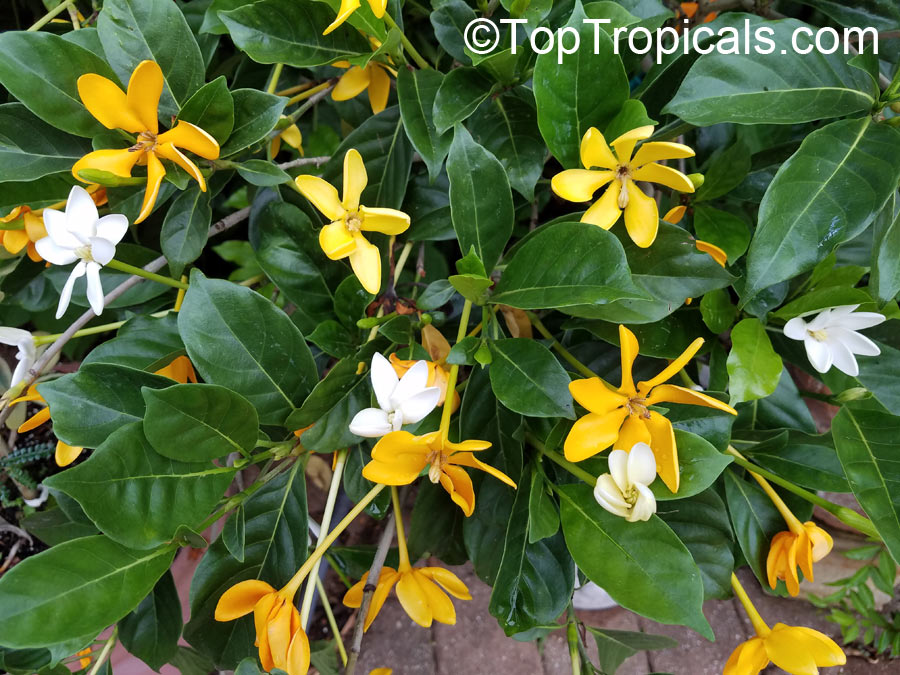
A: Meet the very rare and highly fragrant, tropical Gardenia tubifera Kula or Golden gardenia. Kula flowers change color as they mature, which is a unique feature! Kula flowers start out as cream, then change to yellow and finally to a beautiful gold. In addition to the spectacular flowers, this gardenia also has beautiful, leathery, deep green foliage.
This is a slow-growing and compact plant. Like all the other members in the Gardenia family, the Golden gardenia will do best in an acidic, well-drained, and fertile soil. It will appreciate a good deal of direct sunlight but will be very happy if provided with midday and afternoon shade. As with with gardenias, the more sunlight the more flowers.
It will eventually grow into a rounded shrub if left unpruned, but also can be trained into a small tree, maintainable to a height of under 7-8 feet. Blooms will appear from spring onward. Prune after flowering, this will encourage more flowers in a few months.
Gardeners living in colder areas, do not fret. Gardenias make perfect container plants and can be grown indoors in colder climates. Just be sure to provide high light when bringing them indoors.
The fragrance and changing colors of a Gardenia Kula is unforgettable. They are most fragrant near sunset and during early evening hours. Plant them near walks and patios where their lovely fragrance can be enjoyed.
This rare tropical Gardenia is sure to be a conversation piece in any garden. Great collector's plant!

Recommended fertilizers:
Pink N Good Daily Plant Food - Flower Booster
Tropical Allure - Smart-Release Booster

Limited time special offer:
Instant $5 OFF Golden Gardenia!