Garden Blog - Top Tropicals

Date: 20 Apr 2016

5 secrets of propagation
How to propagate rare plants? It is exciting and fascinating process - to be a Creator of a rare plant collection. Sometimes when you have a rare plant, you baby it and wish you could have at least two of the kind, just in case you lose one to weather conditions or an accident... If you lose one, it hurts! Plant collectors know the feeling - it is always a good idea to propagate a few more of the rare kind. Here at Top Tropicals we know that feeling too, and we want you to keep your baby plants alive and thriving, multiply them, share with others, and make our planet better - one plant at a time! Know your different plants, and different ways of their propagation. Ready for the secrets revealed?

1. Seeds. The most popular way and in most cases the most reliable. Also, a seedling has a strong, vertical root system (cuttings or air layers have shallow roots). However growing from seed is the only sexual method of propagation (vs other methods - asexual, or cloning), which means, some varieties don't come true from seed. Similar to a baby born from two parents, blonde mother and brunette father, can have either light or dark hair... or even red, genetically provided by the great-grand father! The most important factors of success when growing from seed are - well-drained germination mix (check out our Seed Germination Mix #3), and a combination of perfect temperature (high temperature 80-90F induces germination, but some species like it cooler!) and mix moisture level (can't stay soggy).

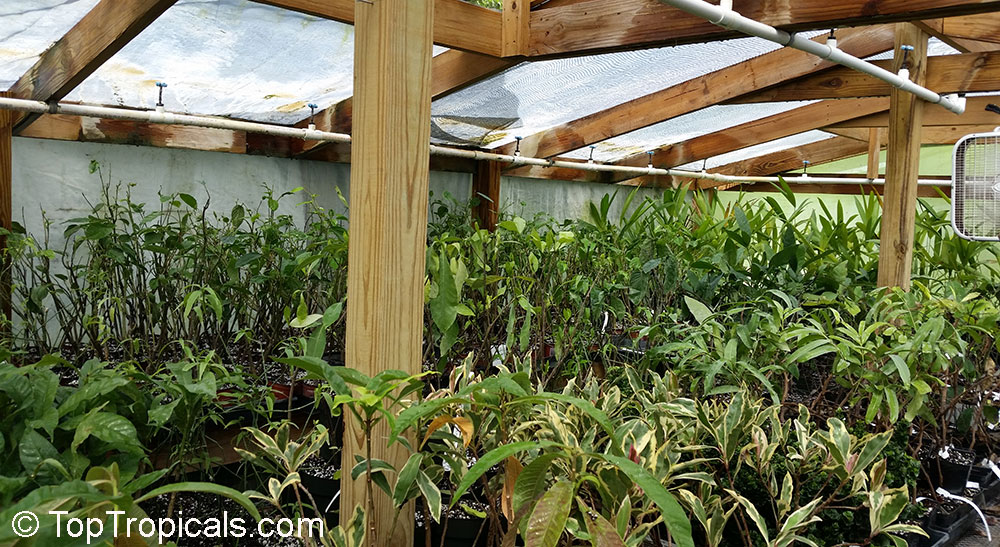
2. Cuttings. In most cases, works great as long as you know the secret for this method: clean (sterile) soil mix (check out our Propagation Mix #2), warm temperatures and very high air humidity (not moist soil, but humid air!). Mist house works well (see picture) with periodically controlled foggers (5-20 sec of fog every 5 to 20 min during light time - depending on species, and temperature), but simple clear plastic bag over a pot or tray works as well! Large leaves should be trimmed in half, or more, to eliminate extra evaporation, and soil should be only slightly moist, not soggy. Remember to use rooting hormone that not only improves rooting but keeps away fungus problems. You are welcomed to visit mist house in our facility, we will be happy to share experience.

3. Air Layers. From our experience, key to success with this method is patience. Most air layers take a few months to set root. Keep sphagnum moss moist, and create air layers only during active growth season - Sprint through Summer. Use rooting hormone.

4. Grafting. This method requires the most skills and experience but is not as difficult as it sounds. Plants can be grafted withing the same genus (e.g. one Gardenia sp. on another Gardenia sp.). There are many grafting manuals on internet. Try once, and you will get addicted to grafting! In many cases it is the most effective method. Especially when seeds not available and cuttings don't work with the species, while grafting works much faster than air-layering. The main secret in grafting is using the right type of graft, which comes with experience. Another important thing is keeping grafting parts and tools clean/sterile. Treat/clean surfaces with anti-fungicides horticultural soap (Example: Abound anti-fungal, Green Shield soap) and use rooting hormone.

5. Root divisions. All gardeners know that some plants are best to propagate by rhizome/root divisions, like Gingers, Heliconias, or Iris. And not everyone knows that some fruiting and flowering trees don't mind to reproduce by root divisions. For example, Jujube - Ziziphus jujuba, and Strawberry tree - Muntingia calabura, readily produce root suckers. Watch out for them and don't let them go to waist when spraying weeds. All time favorites, fragrant Clerodendrums also like this easy method of reproduction, especially C. bungei, C. philippinum, and many others.

Check out our Growing supplies section for professional soil mixes and drainage components that are so important in your propagation success. At Top Tropicals, we often use Coconut Coir for propagation. Good luck in your growing, and remember - if you propagated a few extra collectibles, Top Tropicals may trade or buy from you!
Date: 12 Apr 2016

Hot novelty plant for hot Arizona

Q: What plants would you recommend for very hot and dry spot in front of my house that gets full sun all day long? I live in AZ, we recently had a couple good rains but this is going to be it for a long time. It gets so hot during the day that every plant I tried didn't make it. We have a few nice orange trees growing well but I would like to plant something compact, colorful and hopefully fragrant if there is such plant.

A: There is a perfect small size plant for you that is extremely fragrant and yet will be thriving in these conditions. It is the famous Jasmine sambac. It will appreciate dry air of Arizona and will bloom profusely for you in full sun or in partial shade. It doesn't mind heat at all.

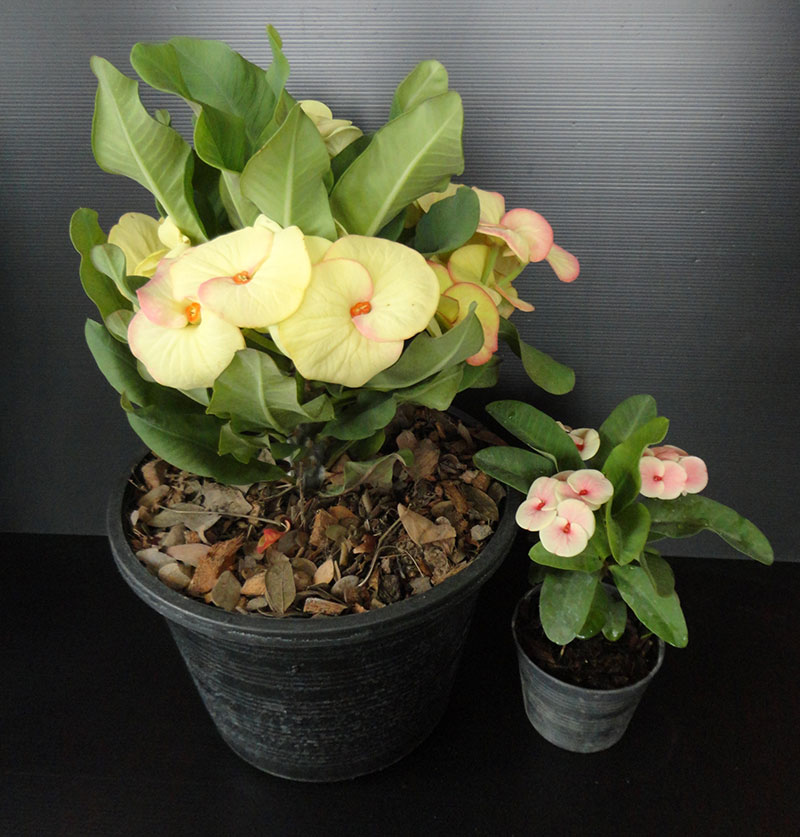
For colorful accents, a proven winner is Crown of Thorns - Euphorbia millii. New giant size flower varieties were recently selected in Thailand, and we just received a great selection, look at the colors! These plants don't mind hot sunny location at all. The more sun, the better the bloom! Small plants need regular watering until establish, then once they start developing, they will require less water.

Giant Euphorbia flowers from Thailand are 4-5 times bigger than regular flower euphorbia. Diameter of the flower is around 2". Compare giant flower to normal size - picture on the right.

See full list of plants for hot and dry spots.

Date: 13 Mar 2016

Growing Vanilla Orchid

Q: I want to buy Vanilla orchid and I wonder if I can grow it in my bathroom by the skylight.

A: Growing Vanilla orchid is no different than other orchids. It is very simple. All that the plant needs is a good light, good air humidity, and good porous support.

Light. Grow Vanilla orchid in a very bright light, but protected from direct hot sun.

Air humidity.The higher the air humidity, the better your plant will grow. Many people grow orchids in a bathroom where these plants can enjoy occasional "humidity treats" after showers.

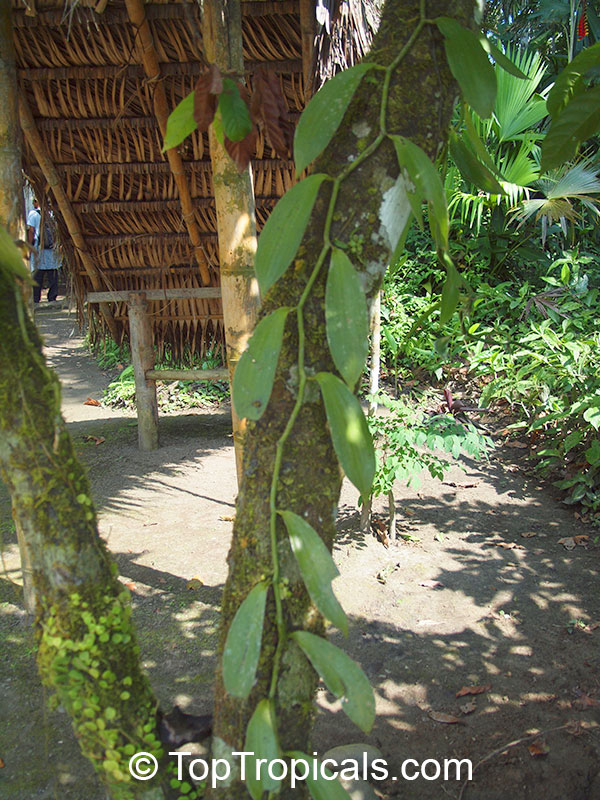
Growing media. Vanilla orchid cuttings are rooted very often in a regular potting mix with high content of pine bark and/or Perlite, Coconut Husk Chips. Once the little plant is well-rooted and starts developing, it will need a special porous surface to climb on and to attach to with developing aerial roots. A log covered with porous bark is used often. Another option is a piece of wood wrapped with a burlap fabric. In the Nature, this plant climbs up high onto trees and attaches to the bark with aerial roots - at this point, it doesn't need those terrestrial roots any more which may even die off. Climbing a porous support is absolutely necessary for your vanilla for setting buds, flowering and producing vanilla beans. If you are lucky to live in frost-free climate, plant you vanilla by a tree that will provide a shady canopy and a great natural climbing surface (bark). You may see the flowers as soon as within 1-2 seasons!

Date: 4 Apr 2025

Why settle for ordinary when you can have this?

👍 Why settle for ordinary when you can have this?


  • 🌸 Transform your garden with the Chinaberry Tree (Melia azedarach) - a fast-growing, fragrant beauty that doubles in size in just one season!

  • 🌸 Its lilac flowers and sweet vanilla-like scent will fill your garden with elegance, while its hardy nature ensures it thrives even in colder climates.

  • 🌸 Enjoy lush, green foliage and a lovely shade canopy, all with minimal care. Plus, it's low-maintenance, pest-resistant, and has medicinal benefits!

Ready to add this aromatic gem to your landscape? Don't wait bring home the Chinaberry Tree today!

📚 Learn more about Chinaberry Tree

🛒 Order Chinaberry Tree and breathe in the Vanilla Fragrance

#Trees #Remedies #Perfume_Plants #Discover

🔴 Join 👉 TopTropicals

Date: 19 Mar 2026

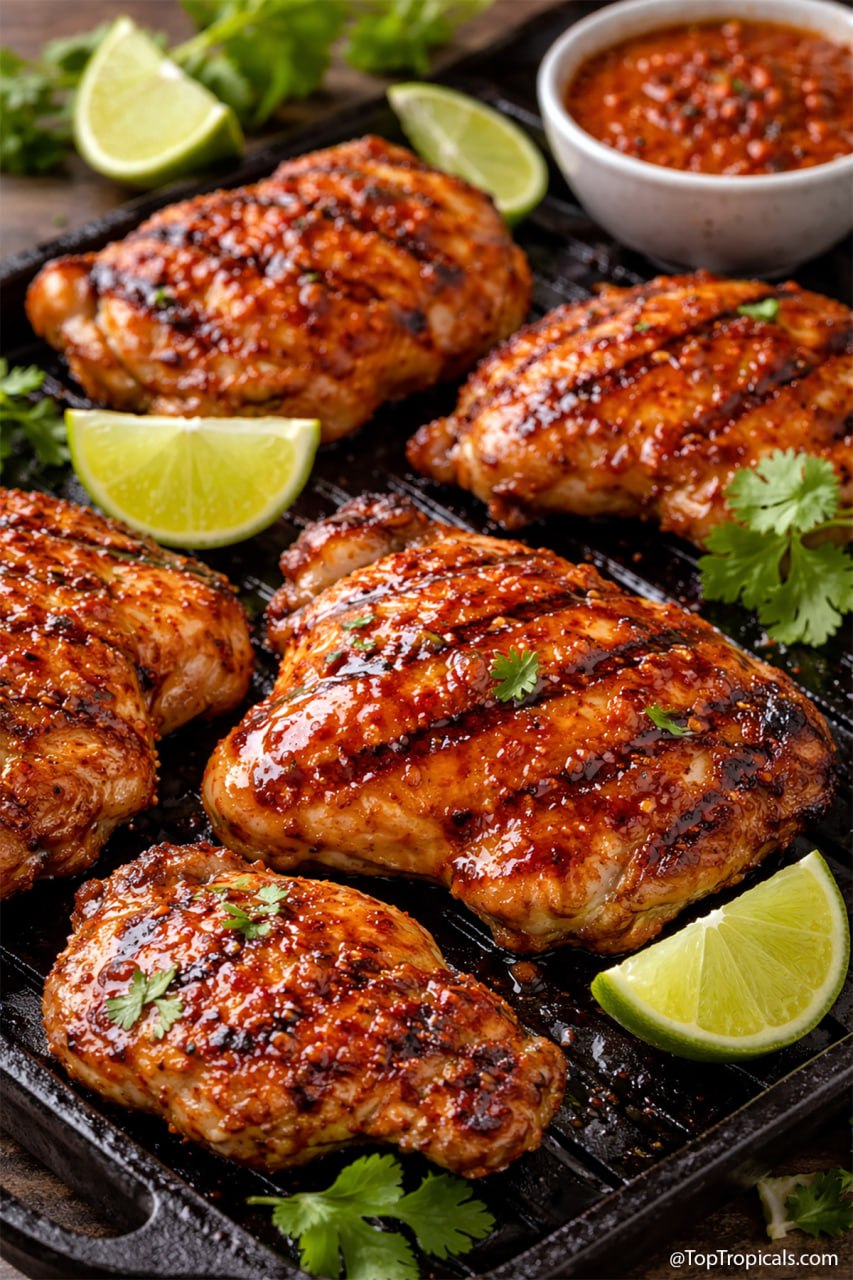
Guava chili glaze: quick-n-fun exotic recipes

Guava chili glazed grilled chicken

Guava chili glazed grilled chicken

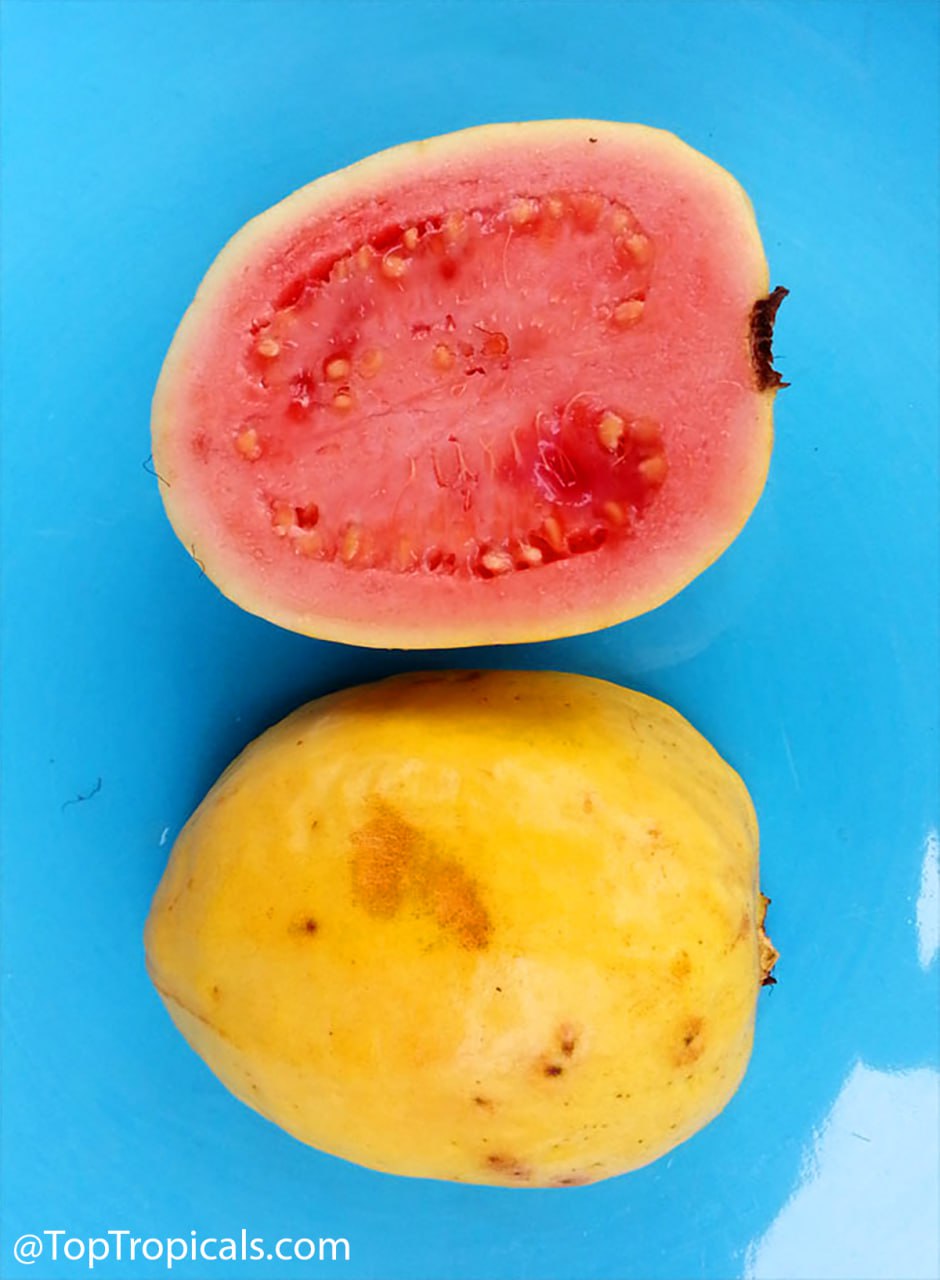
Guava fruit

Guava fruit

🍴 Guava chili glaze: quick-n-fun exotic recipes

  • 🔴Simmer guava puree with chili flakes and a squeeze of lime.
  • 🔴Brush onto grilled chicken


🌿 About the plant:


Guava is a tropical tree with fragrant fruit rich in vitamin C and aromatic pulp.

🏡 In the garden:


Thrives in warm climates, tolerates some drought. Responds well to pruning and can be grown in containers.

🛒 Grow your own guava tree

📚 Learn more:

Plant Facts

Psidium guajava
Tropical Guava, Guajava
USDA Zone: 9-11
Large shrub 5-10 ft tallSmall tree 10-20 ftSemi-shadeFull sunRegular waterWhite, off-white flowersEdible plantSubtropical plant. Mature plant cold hardy at least to 30s F for a short timeFlood tolerant plant
  • Guava trees in Plant Encyclopedia
  • Guava fudge: quick-n-fun exotic recipes
  • Six guava varieties that will keep you picking year-round
  • How to grow a Guava Tree: Practical Guide to Growing Guava
  • More about #Guava

  • #Food_Forest #Recipes

    🟢 Join 👉 TopTropicals