Garden Blog - Top Tropicals

Date: 4 Nov 2025

The secret Brain Food growing in my backyard (and it tastes like green peas!)

Tropical Asparagus (Sauropus androgynus)

🏆 The secret Brain Food growing in my backyard (and it tastes like green peas!)


🌿 Katuk, or Tropical Asparagus (Sauropus androgynus), is one of the most underrated edible plants you can grow. This leafy tropical shrub is a superfood in disguise. It grows fast, looks lush, and its tender young shoots taste just like green peas.

🌿 Native to Southeast Asia, Katuk is a kitchen staple in places like Vietnam, Malaysia, and Thailand. The leaves and shoots are used in soups, stews, and stir-fries with egg or seafood. It’s not only delicious but also incredibly nutritious - rich in nutrients linked to improved memory and reduced cognitive aging: folate, lutein, and especially vitamin K, which is rare in plants.

🌿 Katuk thrives in sun or partial shade, needs little care, and grows into a dense, bushy plant that gives you edible greens all year round. If you want something that feeds both your garden and your health, this one’s a winner!

🛒 Add Katuk Superfood to your Food Forest

Lean more:
🍴 Katuk egg stir-fry: Quick-n-Fun exotic recipes
✔️ Discover the health benefits of Katuk: a Superfood for your mind and body
📚 Tropical Asparagus, Katuk: Grow your own food
📱 How to cook with Katuk

#Food_Forest #Remedies #Discover

🟢 Join 👉 TopTropicals

Date: 21 Sep 2025

Why Desmos - a cousin of Ylang Ylang - is every gardeners dream

Desmos chinensis - Ylang Ylang Shrub

⭐️ Why Desmos - a cousin of Ylang Ylang - is every gardener's dream


⭐️ Desmos chinensis - Ylang Ylang Shrub - is a rare treasure for fragrance lovers. It's a compact, bushy, vining cousin of the famous Ylang Ylang tree, but with an even more intense perfume. The scent is often compared to sweet lemon candy.

⭐️This shrub shows off graceful, arching branches and pendant flowers that come in golden yellow or the even rarer bright red form. It thrives in warm, humid conditions and becomes vigorous once established.

⭐️Unlike the big Ylang Ylang tree (Cananga odorata) that can shoot up quickly and needs space, Desmos stays compact and can be maintained at about 3 to 6 ft. Perfect for smaller gardens or containers, while still delivering that unforgettable fragrance.

🎥 The rare red-flowered variety of Desmos is one of the most sought-after perfume plants of Southeast Asia.

🛒 Make Desmos the highlight of your fragrance collection

📚 Learn more:


Perfume in a pot: exotic Dwarf Chanel No 5 Tree

#Perfume_Plants #Hedges_with_benefits #Container_Garden

🟢 Join 👉 TopTropicals

Date: 23 Sep 2025

Dragon fruit coconut parfait: quick-n-fun exotic recipes

Dragon fruit coconut parfait

Dragon fruit coconut parfait

🍴 Dragon fruit coconut parfait: quick-n-fun exotic recipes


🔵Layer Dragon Fruit cubes with coconut cream and toasted granola.
🔵A tropical breakfast that looks neon and tastes fresh!

Dragon fruit coconut parfait recipe

Ingredients

  • 1 fresh Dragon Fruit, diced into cubes
  • 1 cup coconut cream
  • 1/2 cup toasted granola
  • Optional: honey or maple syrup for drizzle

Instructions

  1. Layer Dragon Fruit cubes in a glass or bowl.
  2. Add a layer of coconut cream, then sprinkle toasted granola.
  3. Repeat layers until glass is full, finishing with granola on top.
  4. Serve immediately for a refreshing tropical breakfast or snack.

🛒 Explore Dragon Fruit varieties

#Food_Forest #Recipes

🟢 Join 👉 TopTropicals

Date: 10 Mar 2024

Growing Adeniums: A Beginners Guide

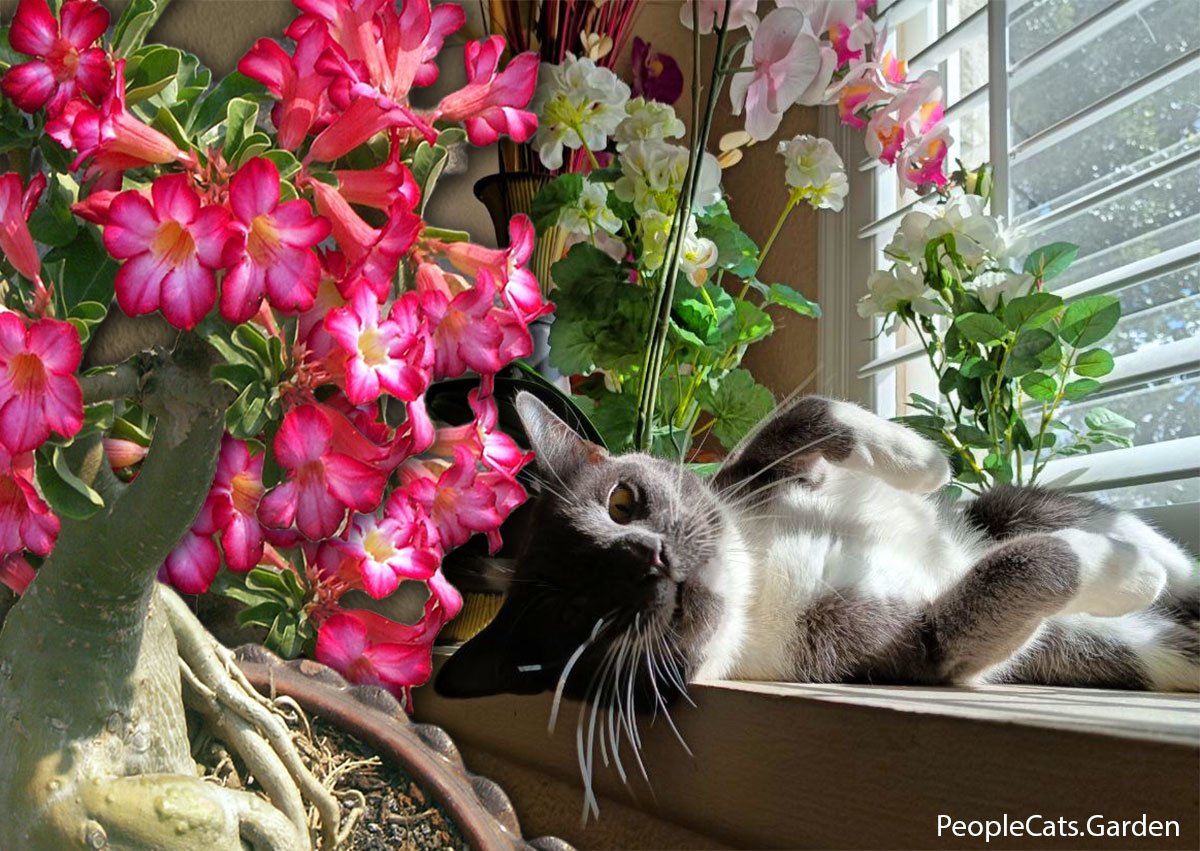
Cat  with  adenium  flowers

Q: How to you keep Adenium happy and blooming like on the pictures?

A: Adeniums, also known as Desert Roses, are exotic and striking plants that can bring beauty to any indoor or outdoor garden. Despite their desert origins, they require a bit of care to thrive. Here's a simple guide to help you grow healthy and vibrant adeniums:

Light and Location: Adeniums prefer filtered light, although they can tolerate full sun. In hot climates, they thrive in bright, indirect light. Position your plant accordingly to ensure optimal growth.

Potting and Soil: Use a small pot with excellent drainage to prevent waterlogging. Opt for a well-draining soil mix specifically designed for adeniums or create your own mix using cactus mix with added limestone for slightly alkaline conditions.

Watering: Water sparingly, allowing the soil to dry out between waterings. Avoid overwatering, which can lead to caudex rot. Water in the early morning and ensure the plant drinks up throughout the day.

Fertilization: Use a liquid fertilizer with high phosphate content to encourage both caudex growth and flowering. Apply according to label instructions, avoiding direct contact with the caudex. We recommend Sunshine Megaflor.

Caring for the Caudex: To promote a large swollen caudex, gradually raise the plant each time you repot it, exposing the upper roots. This encourages the formation of additional roots.

Maintenance and Blooming: Adeniums typically bloom from spring through fall. Ensure they receive ample light for heavy flowering. Avoid wetting the leaves and apply fertilizer to support overall plant health.

By following these simple steps, you can enjoy the beauty of adeniums in your own garden or home. With proper care and attention, your Desert Roses will flourish and delight you with their stunning blooms.

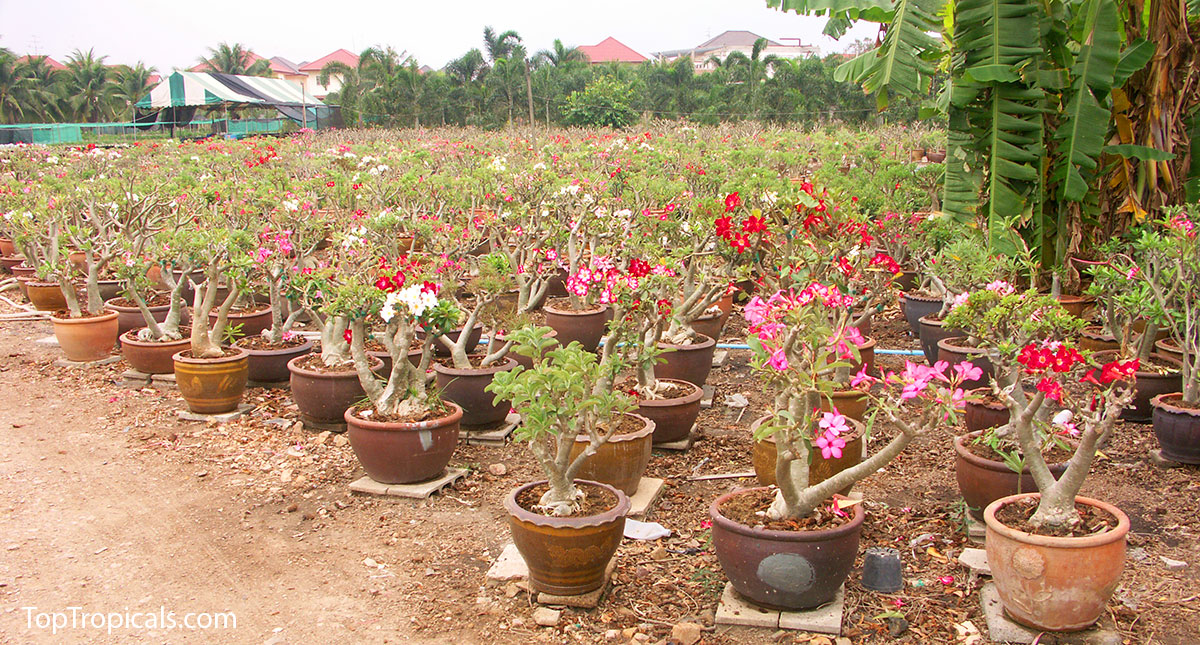
Adenium  field

Date: 12 Dec 2023

Easy compact bush for sandy soil

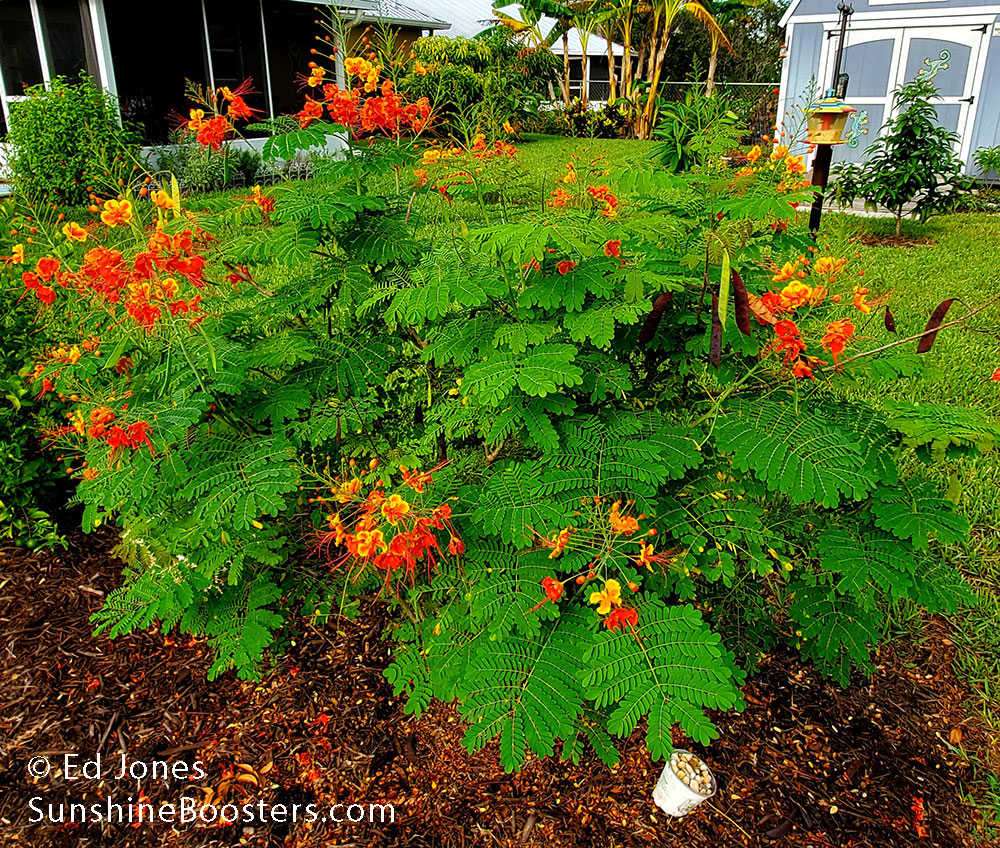
Caesalpinia  pulcherrima  -  Red  Dwarf  Poinciana,  Bird  of  Paradise

Caesalpinia pulcherrima - Red Dwarf Poinciana, Bird of Paradise.

Q: Can you recommend a flowering bush that will be in full sun and in sandy soil. I do not want it to exceed 10 feet.

A: For a garden specimen bush that is medium size and tolerates poor soils, we can recommend to choose from the plants below. These are all easy to grow, not fussy about soil and water, and stay compact and require minimal or no trimming at all.

Calliandra surinamensis - Powderpuff - 6-8 ft
Hibiscus mutabilis Cotton Candy - Mallow Hibiscus - 5-6 ft
Dombeya seminole - Tropical Rose Hydrangea 4-6 ft
Allamanda schottii - Dwarf Allamanda Bush 3-4 ft
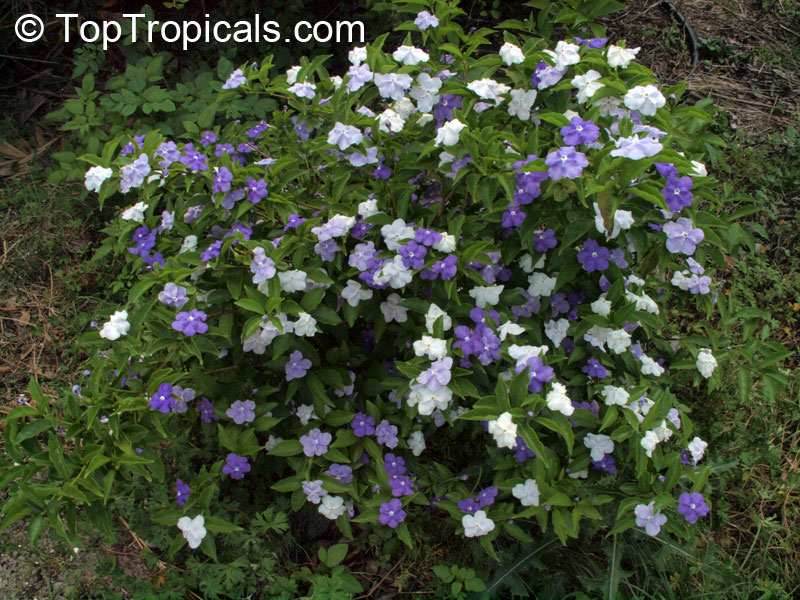
Brunfelsia pauciflora Compacta - Dwarf Yesterday-Today-Tomorrow - 4-5 ft
Calliandra schultzii - Dwarf calliandra - 4-5 ft
Plumbago auriculata Imperial Blue
Caesalpinia pulcherrima - Red Dwarf Poinciana, Bird of Paradise - 2-4 ft
Hibiscus schizopetalus - Coral Hibiscus - 5-6 ft
Jatropha integerrima compacta - 4-5 ft
Clerodendrum bungei - Glory Bower - tolerates shade, 4-5 ft
Eranthemum pulchellum - Blue Sage, Lead Flower (prefers shade) - 4-5 ft
Magnolia figo - Banana Magnolia - small tree, 6-8 ft
Megaskepasma erythrochlamys - Brazilian plume (tolerates shade) - 5-6 ft
Tibouchina lepidota - Ecuador Princess, Jules Dwarf - 3-4 ft
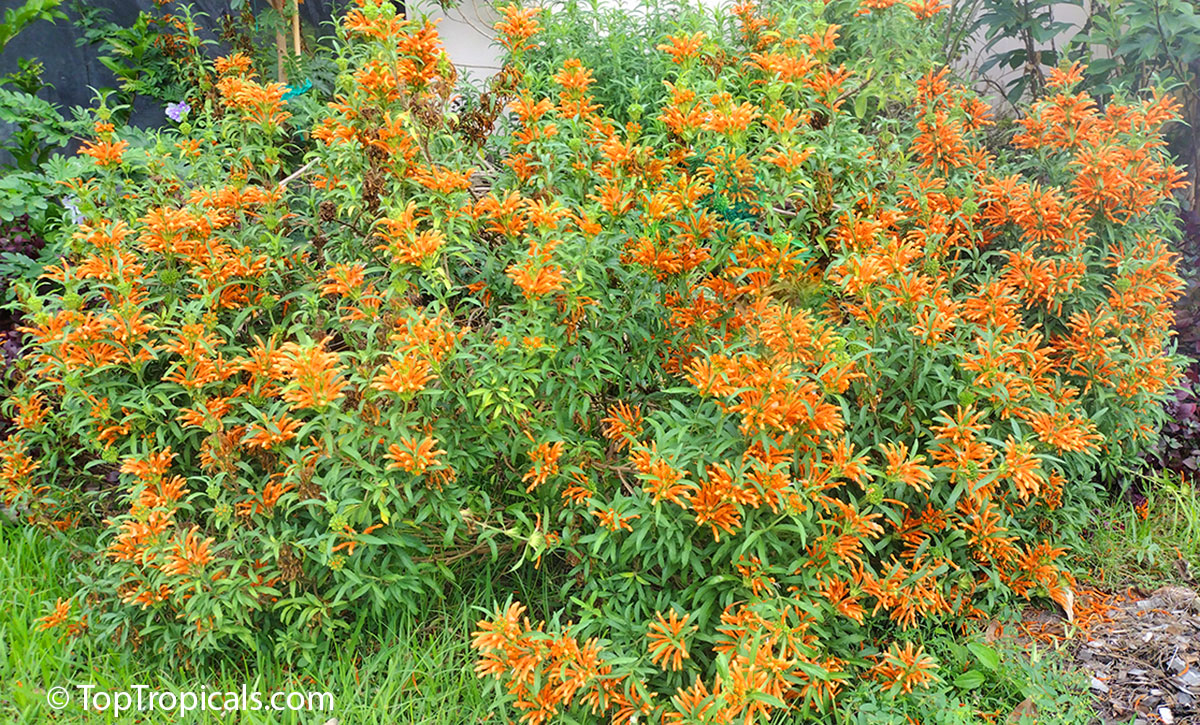
Leonotis leonurus - Lions Ears - 3-4 ft

Also, for your further reference, check out the reference chart Hedges with Benefits Chart to see different flowering bushes that are great for hedges as well as garden specimens, depending on your specific needs.

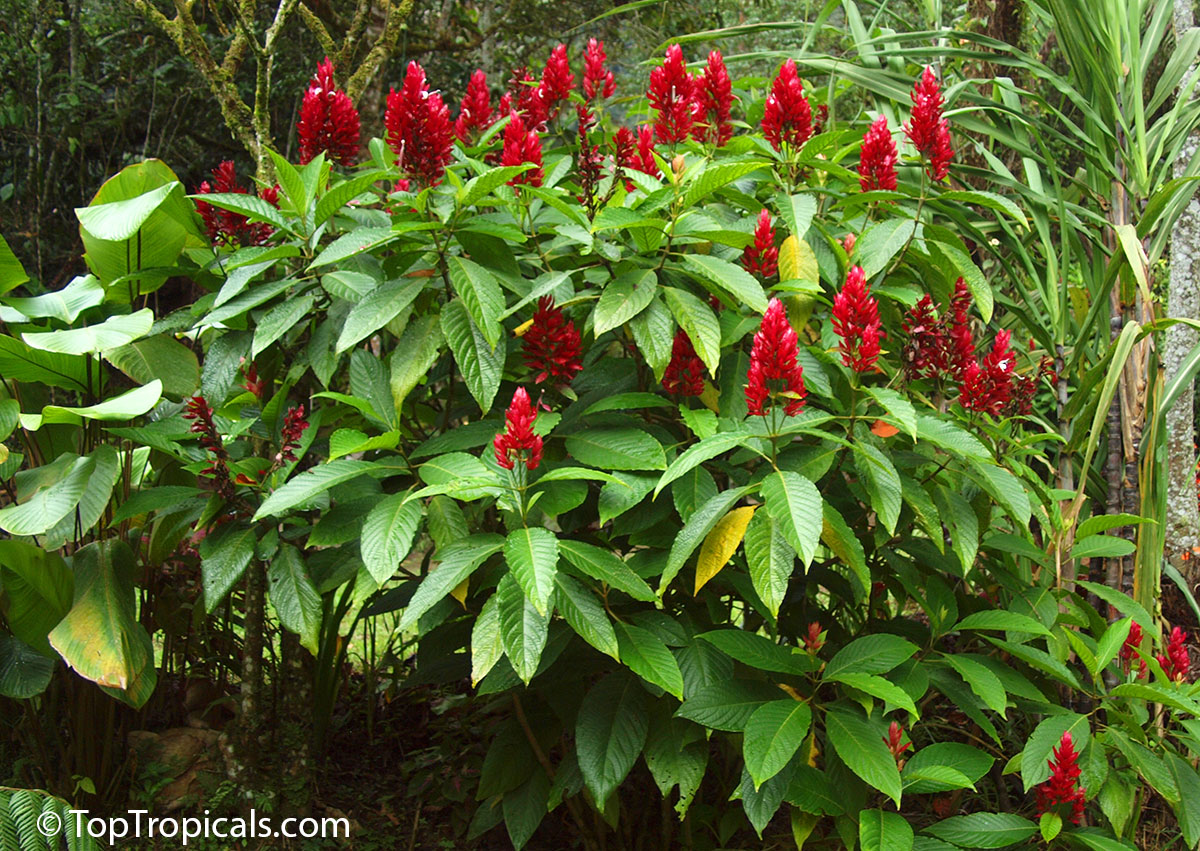
Megaskepasma  erythrochlamys  -  Brazilian  plume

Megaskepasma erythrochlamys - Brazilian plume.

Brunfelsia  pauciflora  Compacta  -  Dwarf  Yesterday-Today-Tomorrow

Brunfelsia pauciflora Compacta - Dwarf Yesterday-Today-Tomorrow.

Leonotis  leonurus  -  Lions  Ears

Leonotis leonurus - Lions Ears.