Garden Blog - Top Tropicals

Date: 12 Feb 2026

Hoa Mai and the Year of the Horse - why yellow flower Ochna is the luckiest plant of 2026?

Ochna integerrima - Vietnamese Mickey Mouse plant, Hoa Mai - seeds

Ochna integerrima - Vietnamese Mickey Mouse plant, Hoa Mai - seeds

Ochna integerrima - Vietnamese Mickey Mouse plant, Hoa Mai tree

Ochna integerrima - Vietnamese Mickey Mouse plant, Hoa Mai tree

Ochna integerrima - Vietnamese Mickey Mouse plant, Hoa Mai flowers

Ochna integerrima - Vietnamese Mickey Mouse plant, Hoa Mai flowers

🔥 Hoa Mai and the Year of the Horse - why yellow flower Ochna is the luckiest plant of 2026?


Ochna integerrima - Vietnamese Mickey Mouse plant, Hoa Mai has seeds and sepals that resemble the face of Mickey Mouse, hence the common name.
  • 💖 On February 17, 2026, the Lunar New Year begins - welcoming the Year of the Fire Horse


    And if there is one plant that perfectly captures the bold, bright energy of a new zodiac cycle, it is Ochna integerrima, known in Vietnam as Hoa Mai. This cheerful yellow bloomer is not just decorative. In Vietnam, it is the flower of Tet - a living symbol of luck, prosperity, and fresh beginnings.
  • 💖 Does Vietnamese New Year start on a different date in 2026?


    No. In 2026, Tet - the Vietnamese Lunar New Year - begins on the same day as the Chinese Lunar New Year: February 17. Tet follows the lunar calendar, just like Chinese New Year, so both celebrations align this year.
    Tet, officially called Tet Nguyen Dan, marks the arrival of spring and is the most important holiday in Vietnam. And nothing represents Tet in southern Vietnam more than Hoa Mai in full bloom.
  • 💖 Why Hoa Mai is the flower of Tet


    Hoa Mai literally means "yellow blossoms". In southern Vietnam, these bright yellow flowers open right around Lunar New Year, often covering the entire plant.
    The color yellow symbolizes:

· Wealth
  • · Prosperity
  • · Happiness
  • · Good fortune

Families display flowering Hoa Mai trees in homes, courtyards, and businesses during Tet. The more blossoms, the more luck the coming year is believed to bring.
  • 💖 Why it is called the Mickey Mouse plant


    After flowering, Ochna integerrima produces glossy black berries that sit on bright red sepals. The combination looks surprisingly like a tiny cartoon face - two black "ears" and a round head - which is how it earned the nickname Vietnamese Mickey Mouse plant.

    It is playful, unusual, and a total conversation starter.
  • 💖 A perfect plant for Year of the Fire Horse energy


    The Fire Horse year is associated with:

· Passion
  • · Independence
  • · Bold action
  • · Fast movement
And honestly? A plant that explodes into golden blooms in the middle of winter feels exactly right for that kind of year!
If you have been waiting to start something new - planting a rare shrub, reshaping your garden, training a miniature tree - this zodiac cycle carries that "go for it" momentum.
  • 💖 Can you grow Hoa Mai outside Vietnam?


    Yes - and that is part of its appeal. Ochna integerrima - Hoa Mai - is:

· A slow-growing, medium shrub
  • · Trainable into a small tree or bonsai form
  • · Suitable for containers
  • · Relatively tolerant of light frost
It blooms in winter, when many tropical collections feel quiet. That alone makes it valuable in warm-climate gardens like Florida.

To encourage winter blooms, steady feeding before and during the cooler season helps stimulate bud formation. Consistent light, good drainage, and balanced fertilization are key.

💖 A living symbol of luck for 2026


Every Lunar New Year carries its own theme. The Year of the Fire Horse is about bold growth, forward motion, and courage.
Hoa Mai blooms exactly at the moment when people reset intentions, clean their homes, and welcome fresh energy. It is not just a plant - it is a seasonal signal that a new chapter has begun.

And if you want to invite a little more golden luck into your garden this February, few plants say "new year, new beginning" better than Hoa Mai in full bloom.

🛒 Plant your own lucky Mickey Mouse Plant

📚 Learn more:

Plant Facts

Ochna integerrima, Ochna thomasiana
Vietnamese Mickey Mouse Plant, Hoa Mai, Mai Vang, Hoang Mai
USDA Zone: 9-11
Large shrub 5-10 ft tallSemi-shadeFull sunModerate waterYellow, orange flowersWhite, off-white flowersPlant attracts butterflies, hummingbirdsEthnomedical plant.
Plants marked as ethnomedical and/or described as medicinal, are not offered as medicine but rather as ornamentals or plant collectibles.
Ethnomedical statements / products have not been evaluated by the FDA and are not intended to diagnose, treat, cure, or prevent any disease. We urge all customers to consult a physician before using any supplements, herbals or medicines advertised here or elsewhere.Fragrant plant
  • Ochna integerrima in Plant Encyclopedia
  • What is Mickey Mouse Plant?
  • 2026: Year of the Fire Horse - time to grow bold, live free, and plant lucky
  • Year of the Fire Horse - what should you grow in 2026?
  • More #Horoscope info for plants and cats

  • #Horoscope #Hedges_with_benefits #Nature_Wonders #Fun_Facts

    🟢 Join 👉 TopTropicals
    Date: 4 Feb 2026

    Top nine plants of love, desire, and the senses: aphrodisiacs and sensory connections

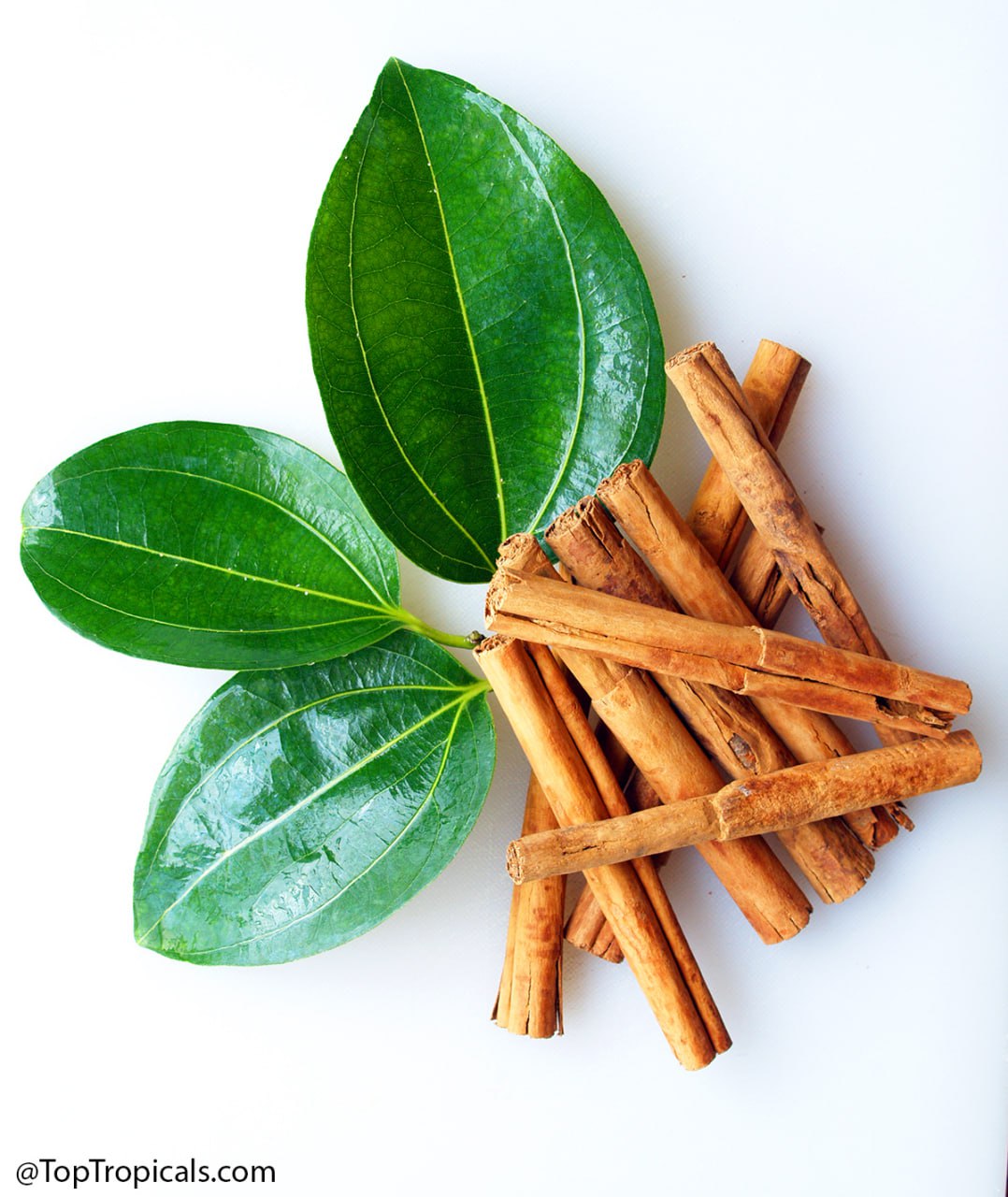
    Cinnamon (Cinnamomum zeylanicum)

    Cinnamon (Cinnamomum zeylanicum)

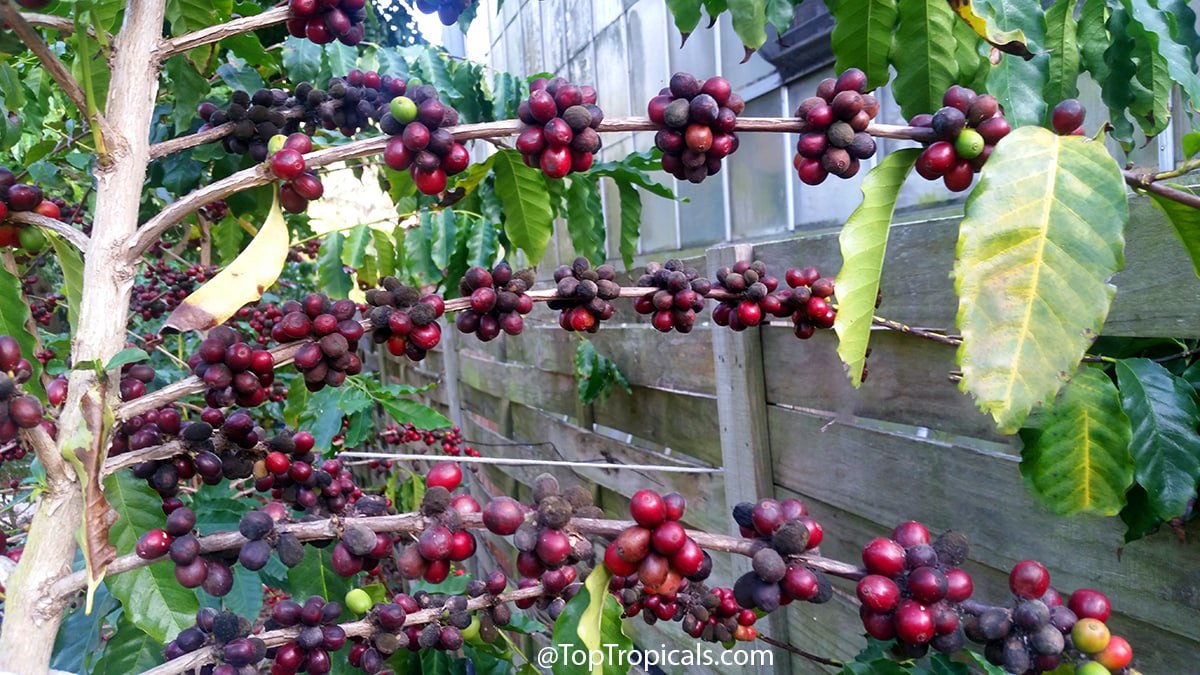
    Coffee - Coffea arabica

    Coffee - Coffea arabica

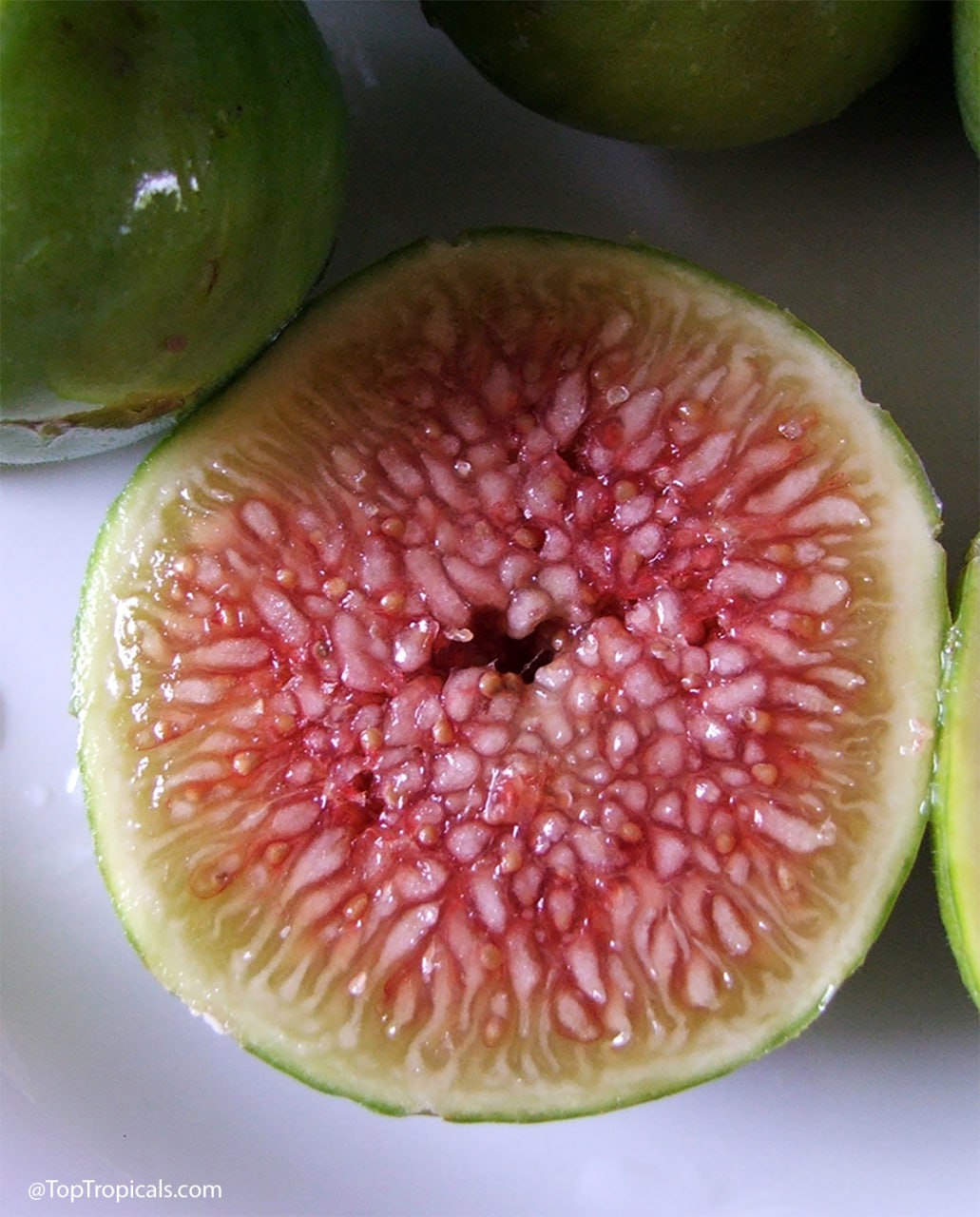
    Fig tree fruit (Ficus carica)

    Fig tree fruit (Ficus carica)

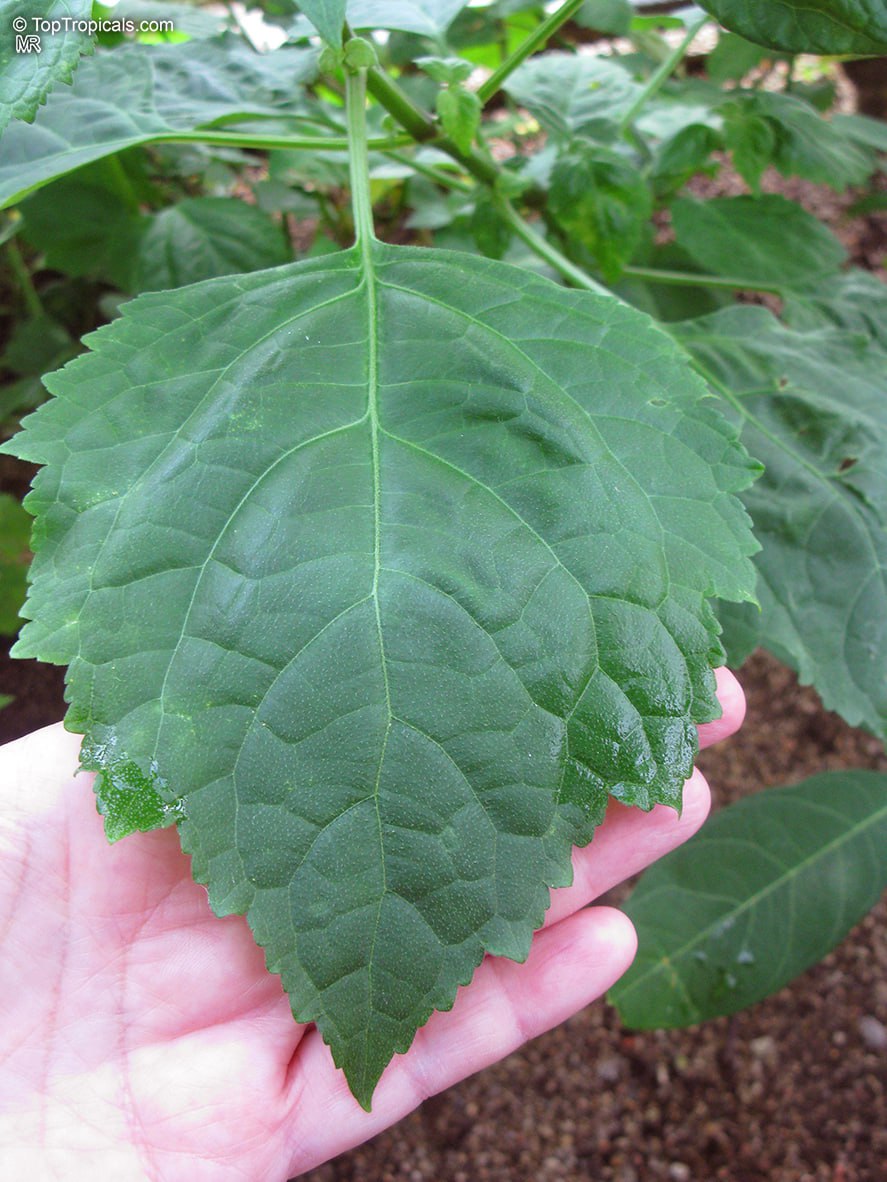
    Patchouli - Pogostemon cablin

    Patchouli - Pogostemon cablin

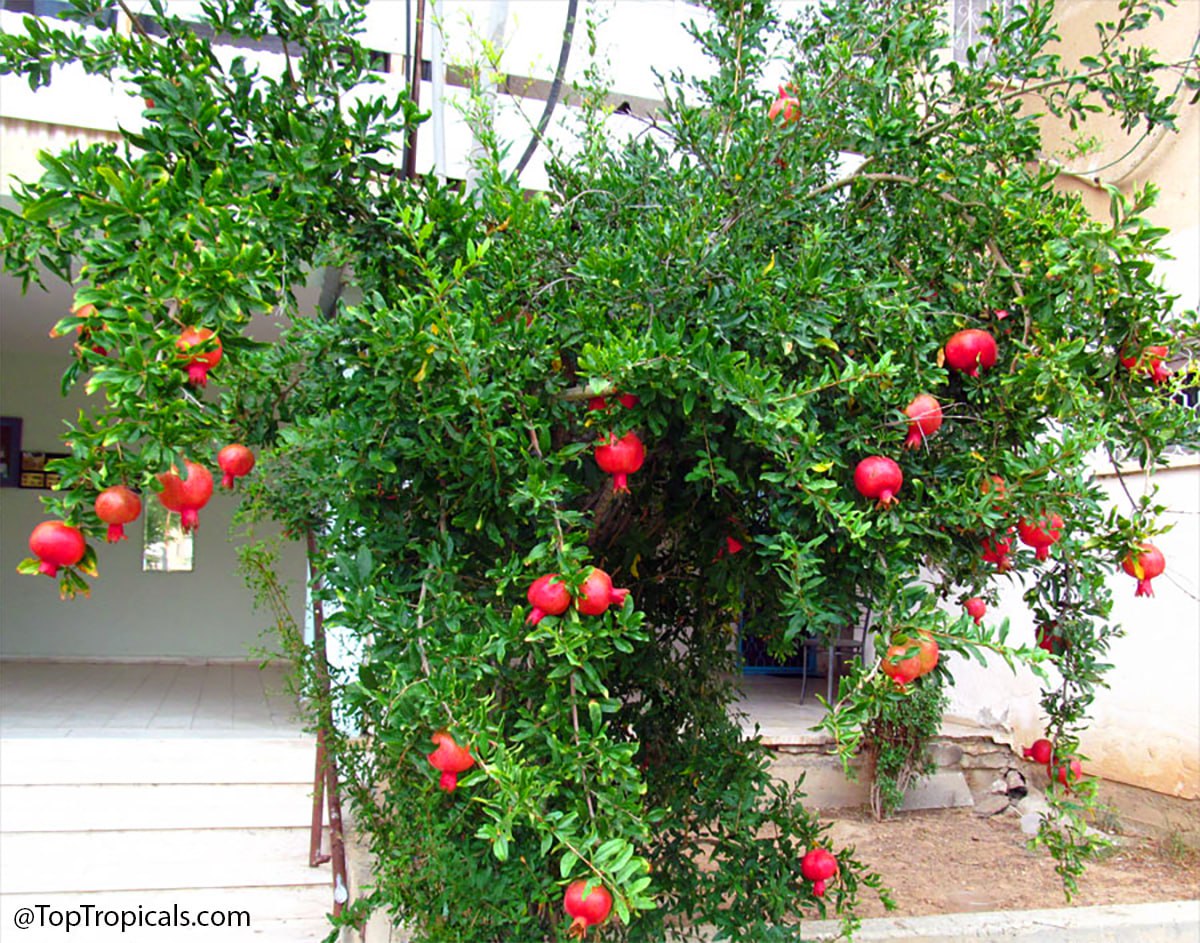
    Pomegranate (Punica granatum)

    Pomegranate (Punica granatum)

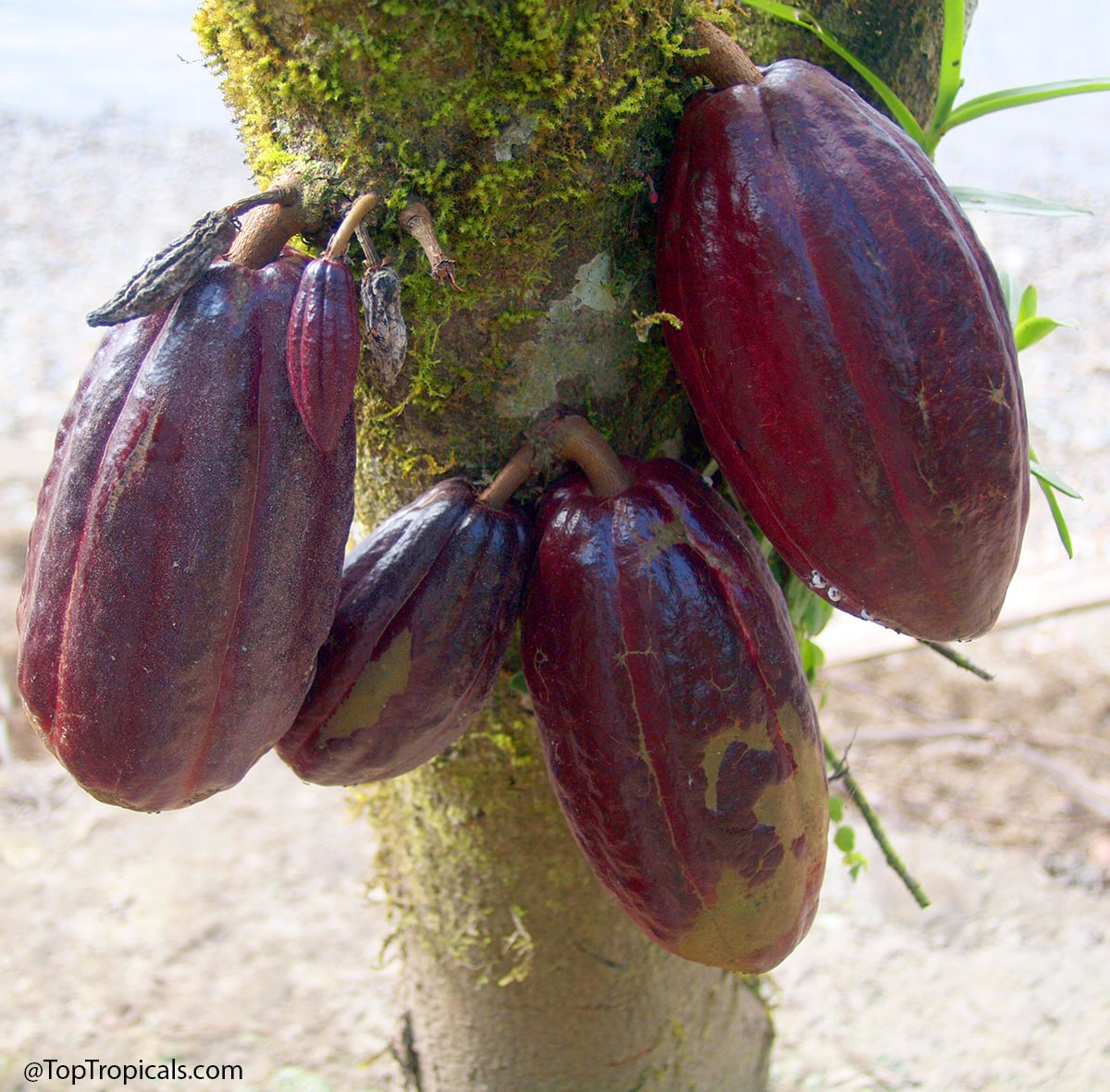
    Cacao - Chocolate Tree (Theobroma cacao)

    Cacao - Chocolate Tree (Theobroma cacao)

    💖 Top nine plants of love, desire, and the senses: aphrodisiacs and sensory connections


    Across cultures, love has also been expressed through taste, scent, warmth, and shared ritual. These tropical plants were valued not just for beauty, but for how they awaken the body and deepen connection.
    • 💘 1. Cacao


      Cacao - Chocolate Tree (Theobroma cacao) - has one of the strongest global associations with love. Revered by the Aztecs as a “food of the gods”, it was consumed to increase desire and emotional bonding. Chocolate contains compounds linked to feelings of pleasure and infatuation, making cacao a natural Valentine symbol.

    👉 Chocolate Tree gift
    • 💘 2. Vanilla Orchid


      Vanilla (Vanilla planifolia) is both an orchid and one of the most sensual plant aromas known. Historically paired with cacao in love remedies, vanilla represents intimacy, warmth, and attraction. Its fragrance alone carries powerful emotional associations.

    👉 Vanilla orchid gift
    • 💘 3. Ginger


      Ginger symbolizes heat, vitality, and passion. Used worldwide to stimulate circulation and warm the body, it represents spark, chemistry, and physical energy.

    👉 Ginger gift
    • 💘 4. Cinnamon


      Cinnamon (Cinnamomum zeylanicum) has long been associated with attraction and stimulation. Its warm, lingering aroma makes it a classic plant of desire, comfort, and emotional warmth.

    👉 Cinnamon gift
    • 💘 5. Pomegranate


      Pomegranate (Punica granatum) has long symbolized love, fertility, and union, with its many ruby-red seeds representing abundance and deep connection. In ancient traditions, it was linked to goddesses of love and marriage and remains a symbol of passion balanced by continuity and commitment.

    👉 Pomegranate gift
    • 💘 6. Coffee


      Coffee (Coffea arabica) represents connection through shared ritual. Sacred to African Sufis for its stimulating properties, coffee symbolizes conversation, alertness, and social bonding rather than purely romantic love.

    👉 Coffee tree gift
    • 💘 7. Fig Tree


      Figs (Ficus carica) have ancient associations with fertility, sensuality, and indulgence. Their voluptuous form, sweet flesh, and rich texture made them symbols of desire and abundance in many cultures.

    👉 Fig tree gift
    • 💘 8. Betel Leaf and Betel Nut


      Betel Leaf (Piper betle) is a powerful symbol of love, respect, and partnership across South and Southeast Asia. It is exchanged in courtship, weddings, and ceremonies, representing acceptance and shared experience. Its heart-shaped leaves reinforce its Valentine symbolism.
      Betel nut (Areca catechu) - traditionally used as a stimulant and aphrodisiac, betel nut represents intensity, ritual, and sensory awakening. In this context, it is best presented as a cultural symbol rather than a casual love plant.

    👉 Betel gift

    💘 9. Patchouli


    Patchouli (Pogostemon cablin) represents deep attraction and emotional grounding. Its earthy, musky scent has long been associated with intimacy and physical presence. Unlike sweet florals, patchouli symbolizes mature, rooted love that lingers.

    🛒 Explore gift plants
    🎁 Get a Gift Card

    📚 Learn more:


    🎥 Secret Sex Life of Vanilla Orchid: how to produce your own vanilla

    #Shade_Garden #Container_Garden

    🟢 Join 👉 TopTropicals

    Date: 22 Feb 2026

    How to grow Papaya from seed, step-by step - FAQ

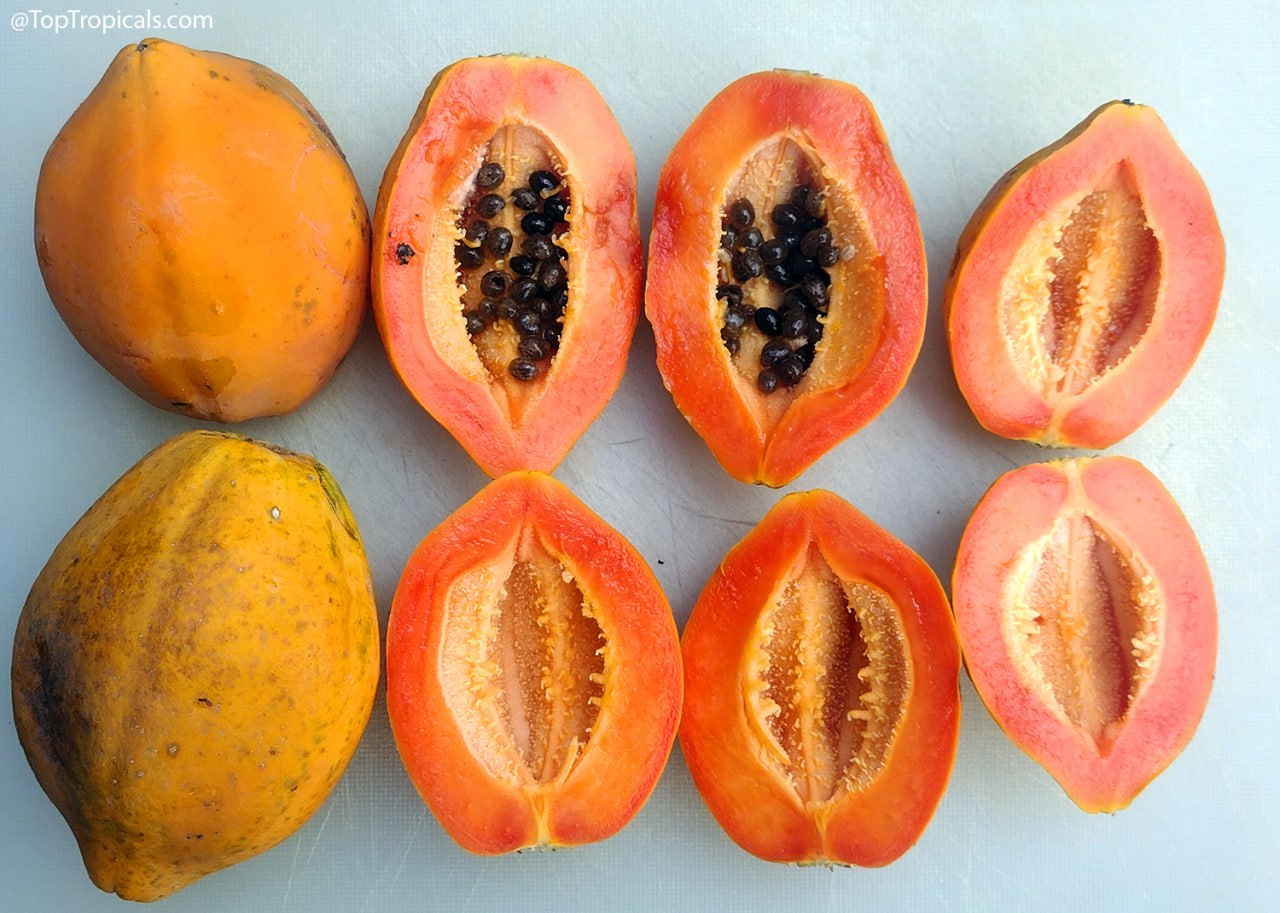
    Carica papaya - Papaya fruit

    Carica papaya - Papaya fruit

    🍊 How to grow Papaya from seed, step-by step - FAQ

    • 💚 Is papaya a tree?


      No. Papaya is a herbaceous plant with a hollow trunk. Treating it like a tree is one of the most common mistakes growers make.
    • 💚 How fast does papaya grow from seed?


      Very fast. Papaya can start producing fruit in 10–15 months when grown in warm conditions.
    • 💚 Can papaya be grown in containers?


      Yes. Dwarf papaya varieties stay under 4–5 ft tall in containers and still produce full-size fruit.
    • 💚 Will seeds from grocery store papaya work?


      They will germinate, but the variety is unknown and usually not dwarf. If you want a compact plant, use seeds from a known dwarf variety.
    • 💚 Do papaya plants come true from seed?


      Yes. When the seed source is known, papaya grows true to type.
    • 💚 How long do papaya seeds take to germinate?


      Fresh seeds usually germinate in 2–3 weeks with warmth. Stored dry seeds can take 8–10 weeks.
    • 💚 What temperature do papaya seeds need?


      Above 70F, ideally 85–90F. Bottom heat greatly improves success.
    • 💚 Do papaya seeds need to be cleaned before planting?


      Yes. The slimy coating must be removed or seeds may rot instead of sprouting.
    • 💚 What soil is best for papaya seedlings?


      A well-draining mix or coconut fiber. Soil should be moist, never soggy.
    • 💚 Why do papaya seedlings rot so easily?


      Overwatering and poor drainage are the main causes. Young papaya roots are very sensitive to excess moisture.
    • 💚 Do papayas like transplanting?


      No. Papayas hate root disturbance. Reduce transplanting and move into larger containers sooner rather than stepping up gradually.
    • 💚 How big should the container be?


      After a 4-inch pot, move directly into a 1-gallon or even 3-gallon container to minimize root disturbance.
    • 💚 Does papaya need staking?


      Yes. Papaya grows fast, and the stem can outpace root development. Even light wind can knock it over.
    • 💚 How much sun does papaya need?


      Full sun. Shade causes leggy growth, poor flowering, and little to no fruit.
    • 💚 Should papaya be watered heavily?


      No. Once established, papaya prefers drier conditions. Large plants tolerate rain better than young ones.
    • 💚 Can papaya be planted in the ground?


      Yes, but only in well-drained soil and elevated spots. Low areas with standing water will kill it.
    • 💚 Is fertilizer important for papaya?


      Yes. Papaya is a heavy feeder. Poor soil means poor growth and little or no fruit. Use Green Magic once every 6 months or Sunshine Boosters C-Cibus with every watering.
    • 💚 Should papaya be pruned to control height?


      No. Pruning ruins its natural form. If height is an issue, grow a dwarf variety instead.


    🛒 Explore Papaya varieties

    📚 Learn more:

    Plant Facts

    Carica papaya
    Papaya
    USDA Zone: 9-11
    Small tree 10-20 ftFull sunDry conditionsModerate waterYellow, orange flowersWhite, off-white flowersEdible plantEthnomedical plant.
Plants marked as ethnomedical and/or described as medicinal, are not offered as medicine but rather as ornamentals or plant collectibles.
Ethnomedical statements / products have not been evaluated by the FDA and are not intended to diagnose, treat, cure, or prevent any disease. We urge all customers to consult a physician before using any supplements, herbals or medicines advertised here or elsewhere.Subtropical plant. Mature plant cold hardy at least to 30s F for a short time
  • · Carica papaya in Plant Encyclopedia
  • · How to grow papaya from seed without killing it:
  • Part 1: Papaya basics
    Part 2: Seeds germination
    Part 3: Containers, sunlight, and common mistakes
  • · Carefree Garden: How Easy Is It to Grow a Papaya Tree?
  • · Male papaya produces fruit!
  • · Top 10 fast-fruiting trees: #6. Papaya
  • · How to have fresh Papaya fruit year around
  • · The truth about Papaya
  • · Papayas contain a secret enzyme

    🎥 Nobel Prize goes to this pregnant male papaya

    #Food_Forest #How_to #Papaya #Discover

    🟢 Join 👉 TopTropicals
  • Date: 2 Mar 2026

    Beyond fruit: how this African tree supports wildlife and garden health

    Vangueria infausta - Spanish Tamarind

    Vangueria infausta - Spanish Tamarind

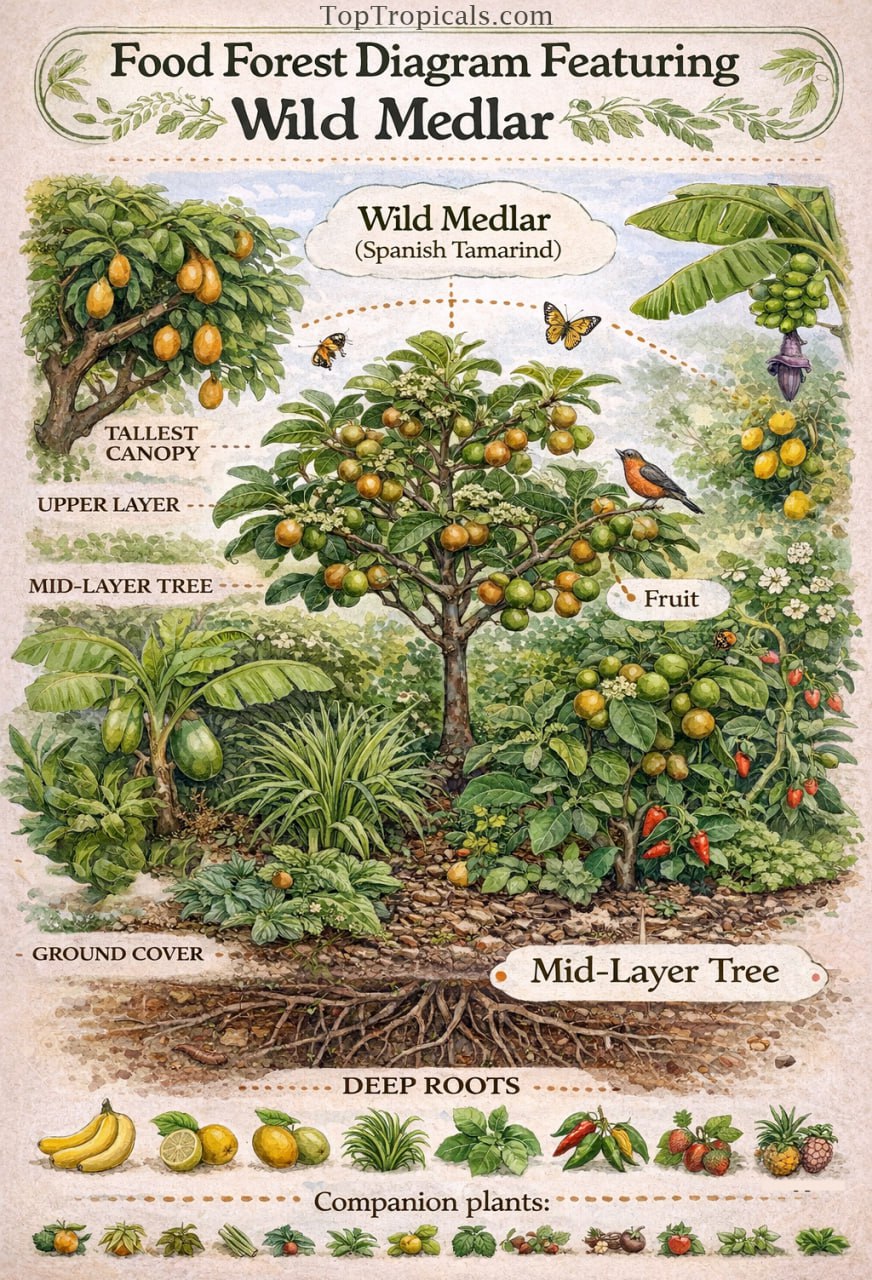
    Beyond fruit: how this African tree supports wildlife and garden health: Wild Medlar in the ecological food forest 🍊

    Vangueria infausta (Spanish Tamarind, Wild Medlar) might win your heart for its sweet-tart fruit and folk medicine magic - but did you know it’s also a quiet hero in the ecosystem? Whether you’re planting a full-blown food forest or just a mixed backyard garden, Vangueria infausta brings more than fruit to the table. It brings balance, beauty, and biodiversity.

    🐝 Pollinator power


    When in bloom, this tree produces nectar-rich flowers that attract bees, butterflies, and other pollinators. These beneficial insects don’t just help the Wild Medlar fruit - they boost productivity in your entire garden.
    If you grow mangos, citrus, guava, or veggies nearby, Spanish Tamarind helps keep the pollinator traffic moving.

    🐦 Bird magnet


    Birds are big fans of this tree. They nest in its dense branching, snack on overripe fruit, and help spread seeds. In return, they’ll help keep down pests like caterpillars and beetles.
    Even in a small garden, one Wild Medlar can be a micro-habitat for birds, insects, and other helpful wildlife.

    🌱 Soil stabilizer


    With its deep roots and drought-hardy nature, Wild Medlar helps hold soil in place, especially on slopes or rocky patches. It improves drainage and reduces erosion, which makes it a great addition to food forests in challenging spots.

    🍂 Natural mulch & green cleanup


    The tree drops a modest amount of leaf litter, which breaks down into soft, rich mulch. In a diverse planting, that means fewer weeds, better soil structure, and less watering needed.

    🌿 Companion planting & food forest stacking
    • · Works great as a mid-layer tree in multi-tiered systems
    • · Provides light shade for herbs or smaller fruiting plants
    • · Plays well with bananas, papaya, guava, lemongrass, and ground covers
    In zones 9-11, it can live happily in a mixed border or permaculture guild. In colder zones, just keep it potted and move it around as needed - it still offers many of the same benefits.

    🛡 Pest and disease resistant


    One more bonus: Spanish Tamarind is incredibly low-maintenance. It resists most common pests and doesn’t suffer from fungal issues like many tropical fruit trees do. That means fewer chemicals and more harmony in your garden ecosystem.

    ✍️ Ready to plant something that gives back?


    Think you need more than just another fruit tree? More life. More movement. More meaning in your garden?
    Grow Wild Medlar for the fruit - but keep it for everything else it brings. The pollinators. The shade. The quiet medicine. The steady presence that makes your space feel alive.
    If you’re building a food forest - or simply want a tree that earns its place every single season - this one doesn’t just sit there. It contributes.

    🛒 Plant Spanish Tamarind in your Food Forest for a happy wildlife

    📚 Learn more:

    Plant Facts

    Vangueria infausta
    Wild Medlar, Spanish Tamarind
    USDA Zone: 9-11
    Small tree 10-20 ftFull sunModerate waterEdible plantDeciduous plantEthnomedical plant.
Plants marked as ethnomedical and/or described as medicinal, are not offered as medicine but rather as ornamentals or plant collectibles.
Ethnomedical statements / products have not been evaluated by the FDA and are not intended to diagnose, treat, cure, or prevent any disease. We urge all customers to consult a physician before using any supplements, herbals or medicines advertised here or elsewhere.Subtropical plant. Mature plant cold hardy at least to 30s F for a short time
  • Vangueria infausta - Spanish Tamarind in Plant Encyclopedia
  • 10 ways to enjoy Wild Medlar - Spanish Tamarind
  • 7 steps for a care-free Spanish Tamarind - the easiest rare fruit to grow
  • The wild fruit with a secret: health benefits of rare Spanish Tamarind - the exotic fruit you've never heard of

  • #Food_Forest #Discover

    🟢 Join 👉 TopTropicals

    Date: 7 Mar 2026

    🌞 Spring Nutrition Strategy: How to Identify and Fix Plant Nutrient Starvation

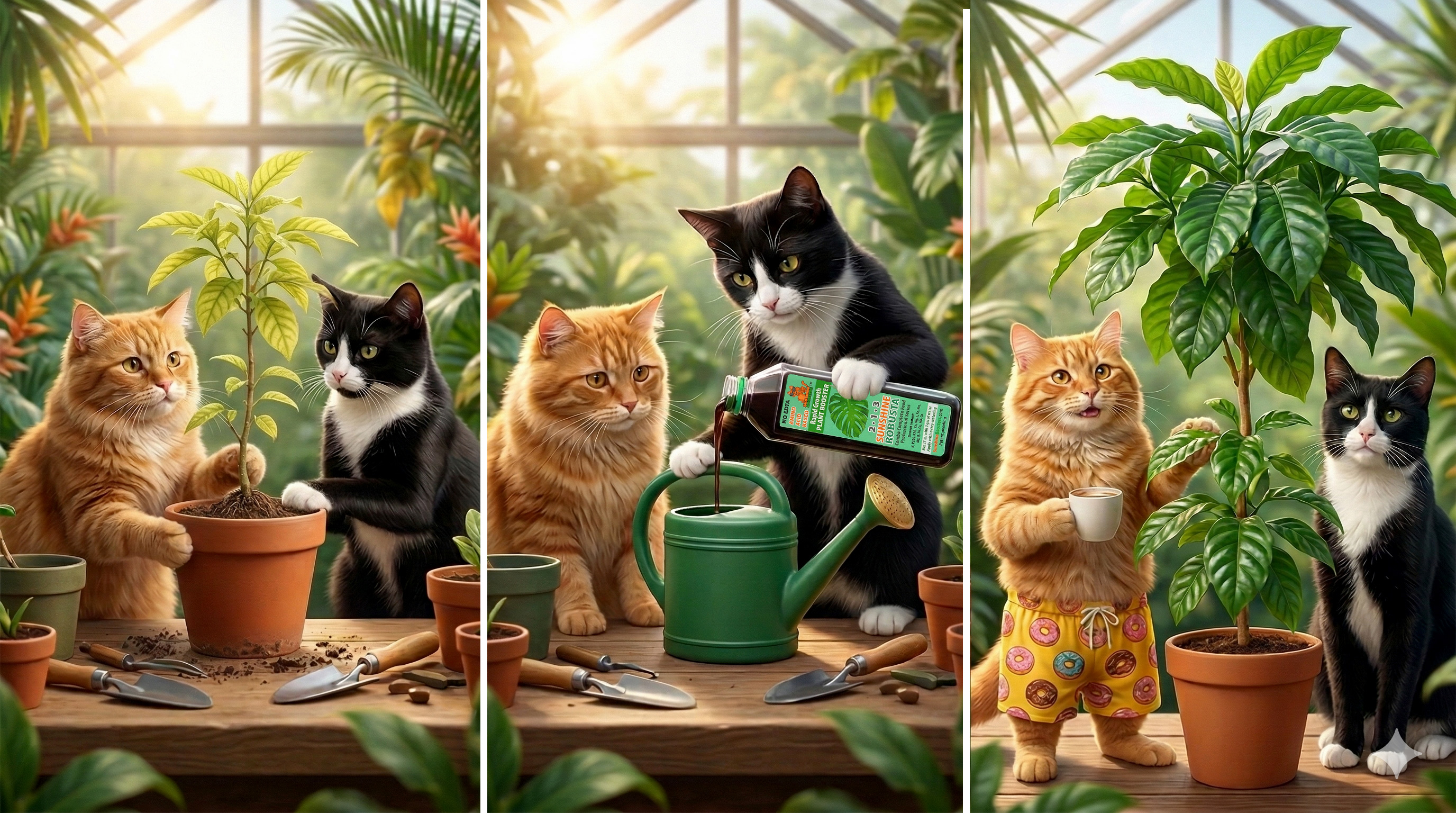
    Smokey  and  Sunshine  PeopleCats  diagnose  a  starving  coffee  plant  and 
 revive  it  using  Sunshine  Robusta  boosters,  turning  a  weak  yellow  plant  into 
 a  healthy  green  coffee  tree  after  one  month..
    Sunshine: I'm trying to fight rising coffee prices. So I planted my own coffee plant. But it's dying.

    Smokey: It's not dying. It's starving. Classic nutrient collapse. Imagine going two days without donuts.

    Sunshine: Two days? That's a PeopleCats rights violation. Catstitution First Amendment: food, including donuts, must remain available.

    Smokey: Exactly. Plants feel the same. Let's feed it. Sunshine Robusta. Robusta is coffee, you know.

    Sunshine: Obviously they named Sunshine Boosters after my charm. And since it's coffee, it should work perfectly.

    One month later

    Sunshine: Holy whiskers! You're a magician.

    Smokey: No magic. Just boosters.

    Sunshine: Great. Coffee is on me when this tree starts producing. You bring the donuts.

    Read more about Smokey & Sunshine

    Fellow gardeners,

    Spring has arrived, and plants are coming back to life. New shoots are appearing, fresh leaves are unfolding, and roots are beginning to grow actively again. As plants enter this important stage of the season, they need more than just water to support their growth. Proper nutrition is essential for strong development and healthy plants. SUNSHINE Boosters provide the balanced nutrition plants need to start the growing season strong.

    A simple rule we follow in our nursery: new growth responds best to foliar feeding. When nutrients are sprayed directly on the leaves, plants can absorb them quickly and efficiently.

    • Immediate action – nutrients are absorbed through the leaves and start working right away.
    • No delay traveling through soil – plants do not need to wait for nutrients to move down to the roots.
    • Avoids soil lockout – micronutrients can become unavailable in high pH soils, but foliar feeding bypasses this problem.
    • Supports stressed plants – when roots are cold, damaged, or newly transplanted, foliar feeding helps plants recover faster.

    However, sometimes plants begin to show visible nutrient deficiencies. Yellow leaves, slow growth, brown leaf edges, or distorted new leaves are often early signs that the plant is missing essential elements needed for healthy development.

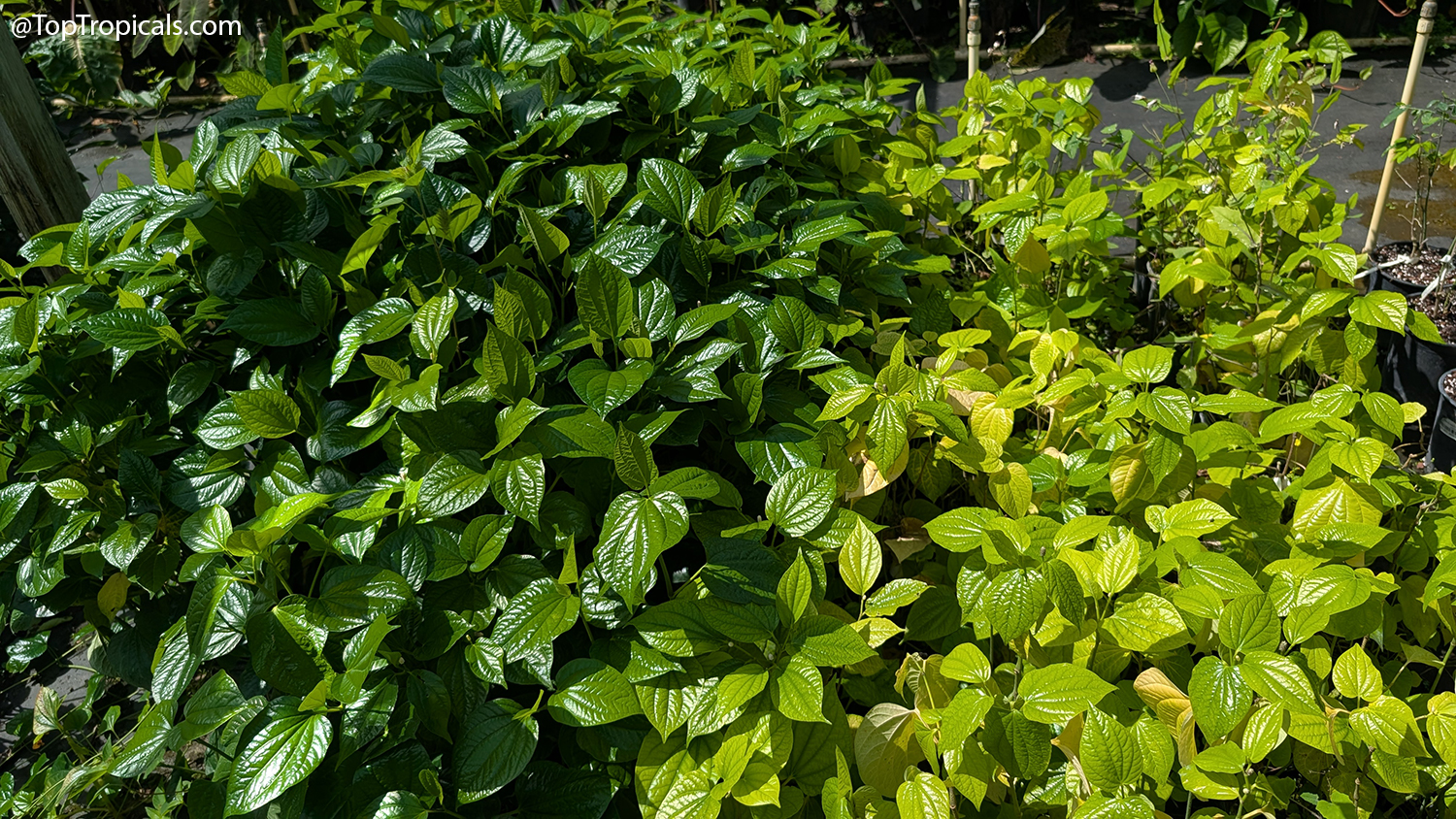
    Piper  sarmentosum  Vietnamese  pepper  plants  comparison  with  fertilizer 
 on  the  left  and  without  fertilizer  on  the 
 right

    Piper sarmentosum - Vietnamese Pepper - with fertilizer (left) and without (right)

    These symptoms are especially common in container plants, where nutrients can be quickly depleted or become unavailable due to soil pH and watering conditions.

    Use the quick reference table below to identify common nutrient-related symptoms and the recommended SUNSHINE solution to correct them.

    Symptom you see What to do
    Pale leaves, slow growth, weak new shoots
    (often nitrogen related)
    Spray SUNSHINE Robusta to stimulate strong vegetative growth.
    Brown leaf edges or weak plant vigor
    (often potassium related)
    Apply SUNSHINE Robusta to restore nutrient balance.
    Yellow leaves with green veins
    (iron or manganese deficiency)
    Apply SUNSHINE Superfood to correct micronutrient deficiency.
    Small distorted leaves or poor flowering
    (zinc or boron deficiency)
    Use SUNSHINE Superfood during active growth period.

    🌿Foliar Feeding: How Much and How Often

    For most plants, foliar feeding works best when applied lightly and regularly during active growth.

    • Regular feeding (maintenance): Mix with tap water according to the ratio on the label. For SUNSHINE Robusta use 25 ml (5 tsp)per gallon of water and spray leaves every 5-7 days during active growth.
    • Correction feeding ("medicine" dose): if plants show visible nutrient deficiencies, combine SUNSHINE Robusta with SUNSHINE Superfood and spray every 5–7 days until new growth appears healthy. All SUNSHINE Boosters products are compatible and can be mixed with water in the same sprayer.
    • Best time to spray: early morning or evening when temperatures are cooler and leaves can absorb nutrients efficiently.
    • Important: spray both the top and underside of leaves for maximum absorption.

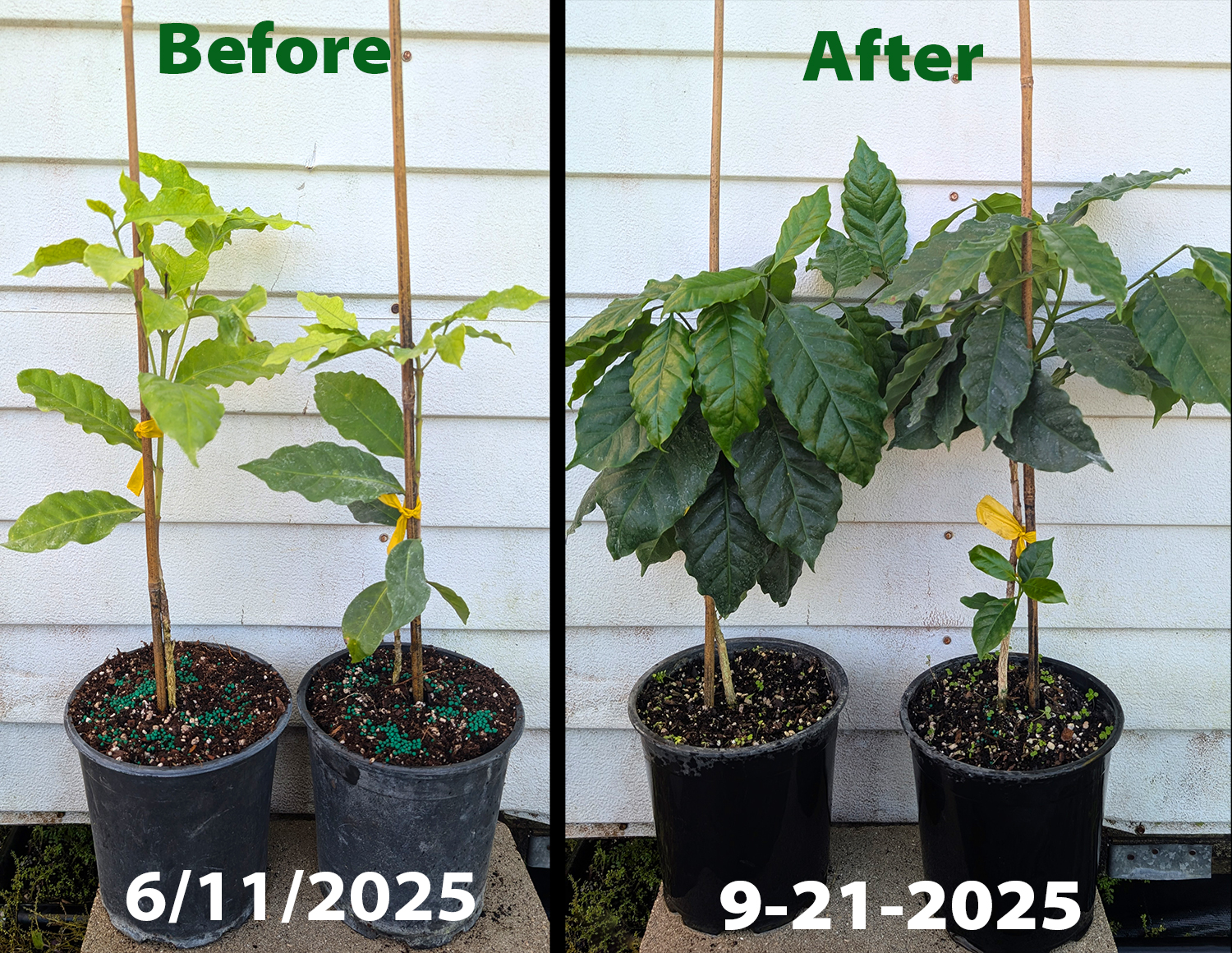
    Coffee  plants  before  and  after  regular  Sunshine  Robusta  fertilizer 
 applications  showing  darker  leaves  and  stronger 
 growth

    Coffee plants before and after regular Sunshine Robusta applications

    🛒 Feed your plants