Garden Blog - Top Tropicals

Date: 24 Jun 2018

TopTropicals

New 2018 release: SUNSHINE SuperFood

"Two out of every five people on Earth today owe their lives to the higher crop outputs that fertilizer has made possible." (Bill Gates)

Micronutrient Supplement and Plant Health Booster
Misshapen, small fruit or no fruit?
Poor root growth?
Pale or yellow leaves?
Die backs?
Curled leaves?
Slow growth?
Don't let your plants starve... SUNSHINE SuperFood is your answer to all these problems!
Read more why your plants need SUNSHINE-SuperFood - Essential Element Complex that has them all: N-NH2, Mg, Fe, Mn, Zn, Cu, B, Mo, S...
SUNSHINEâ„¢ SuperFood is a revolutionary new product released in 2018. It is a super micro-element supplement (Amino Acid Chelated Micronutrient) containing microelements, ultra-microelements, glycinates, as well as SUNSHINE-Honey ingredients. It shows amazing results in plant development, treating different element deficiencies, and improving fruit trees production.

GREEN-EARTH-ECOLOGY FRIENDLY! And it is GREEN color!

Buy SUNSHINE Superfood... item # 6000!

Date: 24 Jun 2018

TopTropicals

Date: 24 Jun 2018

TopTropicals

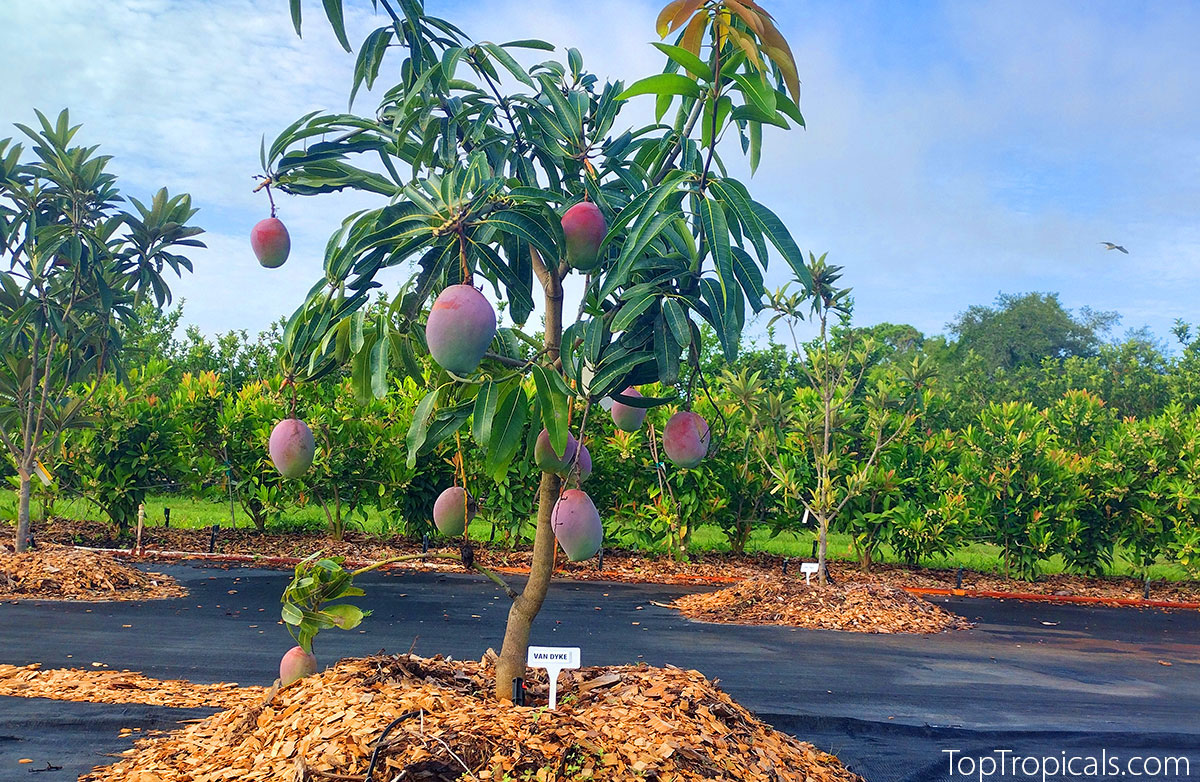
How to make a Mango tree bloom and fruit

Mango trees are especially beautiful during spring time when they flush out multi-color new leaves! But you want your mango be not only beautiful but fruitful as well. Here are some tips:

1) Fertilize Mango tree with a balanced slow release fertilizer starting March. Use 1 tsp of granulated fertilizer per 1 gal of soil, or a handful or two for an in-ground tree. You may add one application of foliar spray of a water-soluble bloom booster fertilizer (the one for Roses or Azaleas will work). This will give your tree a good macro-nutrient kick-start.

2) Spray entire tree with SUNSHINE-Superfood solution. This will provide all necessary micro-elements and keep the plant healthy and strong throughout the season. Repeat treatment once a month until harvest time.

3) For sweeter fruit, apply SUNSHINE-Honey

Date: 24 Jun 2018

TopTropicals

Cleanest fruit?

"Dirty" fruit: According to the Environmental Working Group research, Strawberries are top the list of the 12 "dirtiest" fruits and vegetables grown commercially. Spinach is the second, followed by (in order of contamination) nectarines, apples, grapes, peaches, cherries, pears, tomatoes, celery, potatoes and sweet bell peppers. Each of these foods tested positive for pesticide residues and contained higher concentrations of pesticides than other produce. This causes of course chronic health implications. Children are of special concern as younger bodies have greater susceptibility to pesticides than adult bodies, the report emphasizes. Pesticides may induce chronic health complications in children, including neuro- and behavioral problems, birth defects, allergies, asthma, and even cancer...

"Clean 15": Avocados lead 2018's clean fruits and veggies list, that also includes: mangoes, papayas, pineapples, kiwi, sweet corn, cabbage, onions, frozen sweet peas, asparagus, eggplant, honeydew melon, cantaloupe, cauliflower and broccoli.
Obviously, home grown fruit and vegetables are even better. Such fruit as Custard Apples, Sapodilla, Sapote, Jackfruit, Dragon Fruit, Passion Fruit and other rare varieties of tropical fruit, are even better for you because they are not grown commercially, and the choice from your own organic garden is the healthiest for yourself and your family!
Plant them today and get your cleanest fruit tomorrow!

Check out all tropical fruit trees and all tropical spice plants

Date: 24 Jun 2018

TopTropicals

Mysterious Night Blooming Cactus - Epiphyllum. How to grow it?

Q: My friend has a huge Queen of the Night Cactus, and the blooms are so gorgeeous! She gave me a cutting but I am not sure how do I plant it? How long will it take till it starts blooming? Is it true that it has only one flower once a year and only at night?

A: Queen of the Night is a very popular and yet mysterious plant. The flowers open once a year after sunset for one night. However the flowering period can last a month or two during the warm season. So each flower lasts only one night, but there will be more flowers to come! In the Nature, Epiphyllum oxypetalum - Queen of the Night - grows on trees in the jungles of Central and South America. It is actually very easy to grow as an indoor plant in colder climates. Here is South Florida we grow them outside in hanging baskets. This is how to start Queen of the Night from a cutting:
1) Put the cutting in a dim, dry place for three days, with no soil and its base exposed to the air, so it will form a callus.
2) Fill a 4-6-inch pot with slightly damp potting soil or succulent mix. Insert the cutting 1 or 2 inches into the soil and tamp the soil around its base.
3) Place the pot where the cutting will get bright light, but no direct sun. Spritz it occasionally with a spray bottle of water to keep the soil only slightly moist. It should root in couple weeks.
4) Keep the plant on an east- or west-facing windowsill where it will receive direct sunlight only in early morning or late afternoon. Water the cactus until water runs out of the pot's drainage holes. Dump the excess out of the pot's saucer immediately, and wait until the surface of the soil is dry to the touch before watering your cactus again.
5) Fertilize once a month from March through October with a balanced plant food, and apply micro-elements once a month for a healthy vigorous growth. Refrain from feeding the plant in December and January.
6) Position the cactus in partial shade under a porch roof or tree, if you decide to move it outdoors during the summer. This plant likes summer humidity!
7) Repot the cactus only once every two years or so, to keep it slightly root bound. Wait until after it flowers in summer, and repot it after it blooms. Prune off any damaged growth at that time as well.
8) Move the plant to a cooler room over the winter months, one that remains dark during the evening hours with temperatures above 45 degrees. Reduce the frequency of watering, waiting until its soil is dry. Resume regular watering in March.

If grown from cutting, it may take 2-3 years until the plant starts blooming, so if you don't want to wait that long - just get a blooming size plant from our store!

We only have a few plants... if sold out, add to wish list and we will have more soon!