Garden Blog - Top Tropicals

Date: 13 Jan 2026

A dancing water nymph revealed!
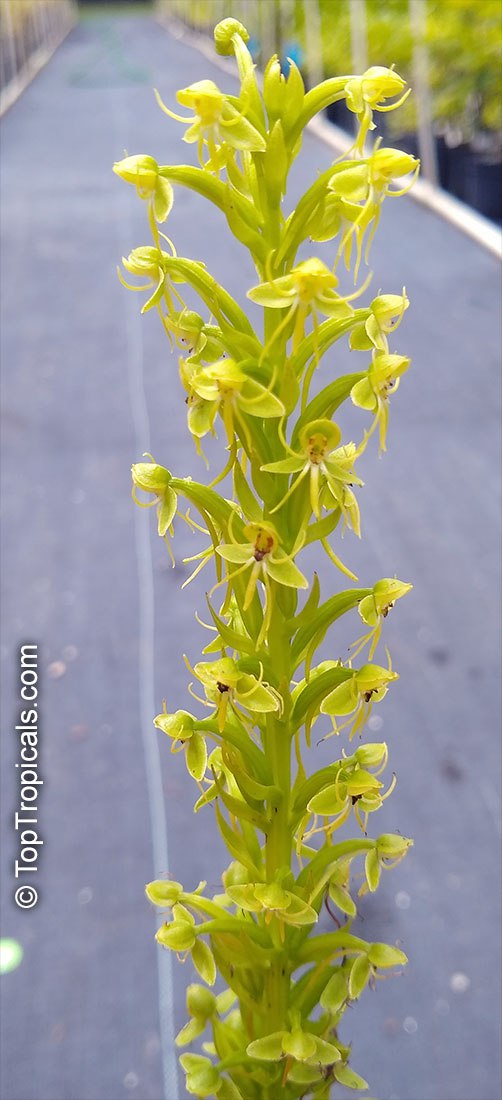
Habenaria repens - Dancing Water-Spider orchid, Floating Orchid, flower spike
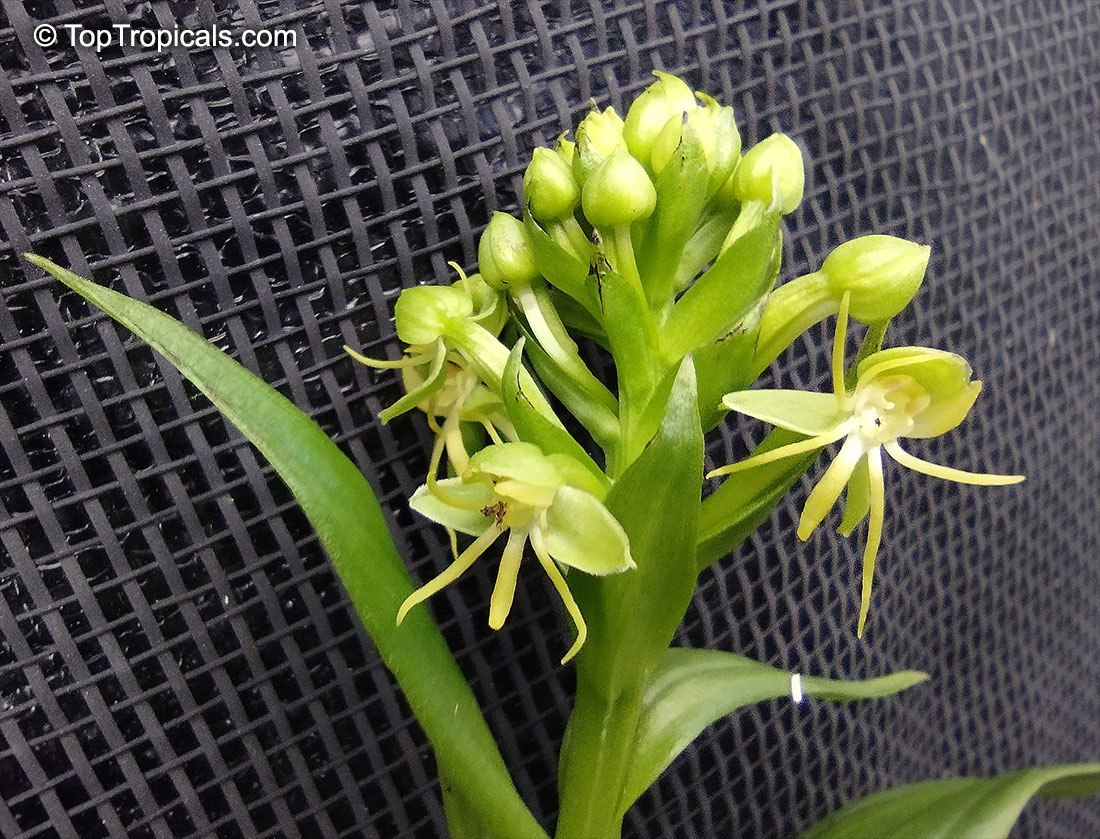
Habenaria repens - Dancing Water-Spider orchid, Floating Orchid, flower spike

Habenaria repens - Dancing Water-Spider orchid, Floating Orchid, flower close up
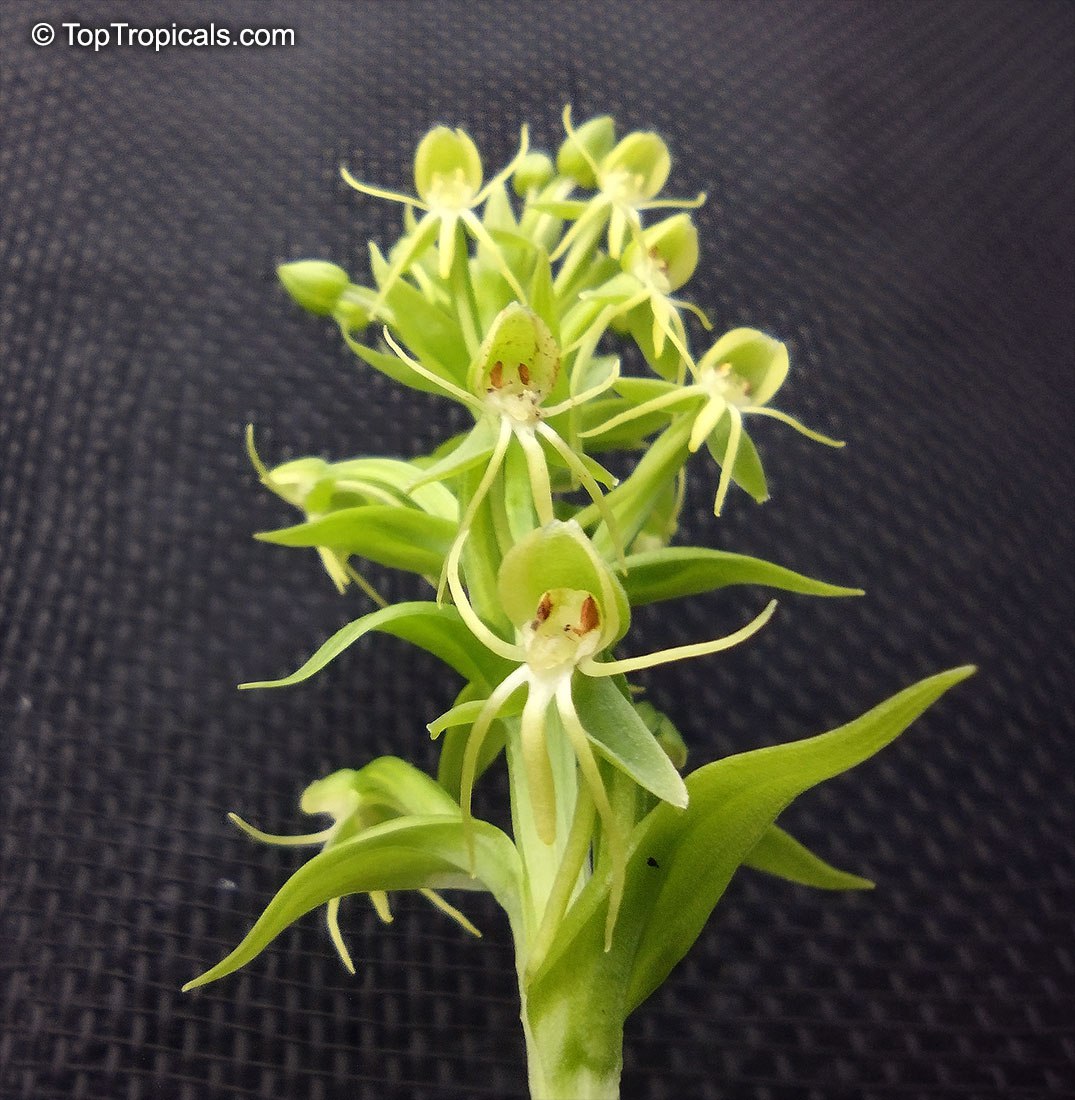
Habenaria repens - Dancing Water-Spider orchid, Floating Orchid, flower close up
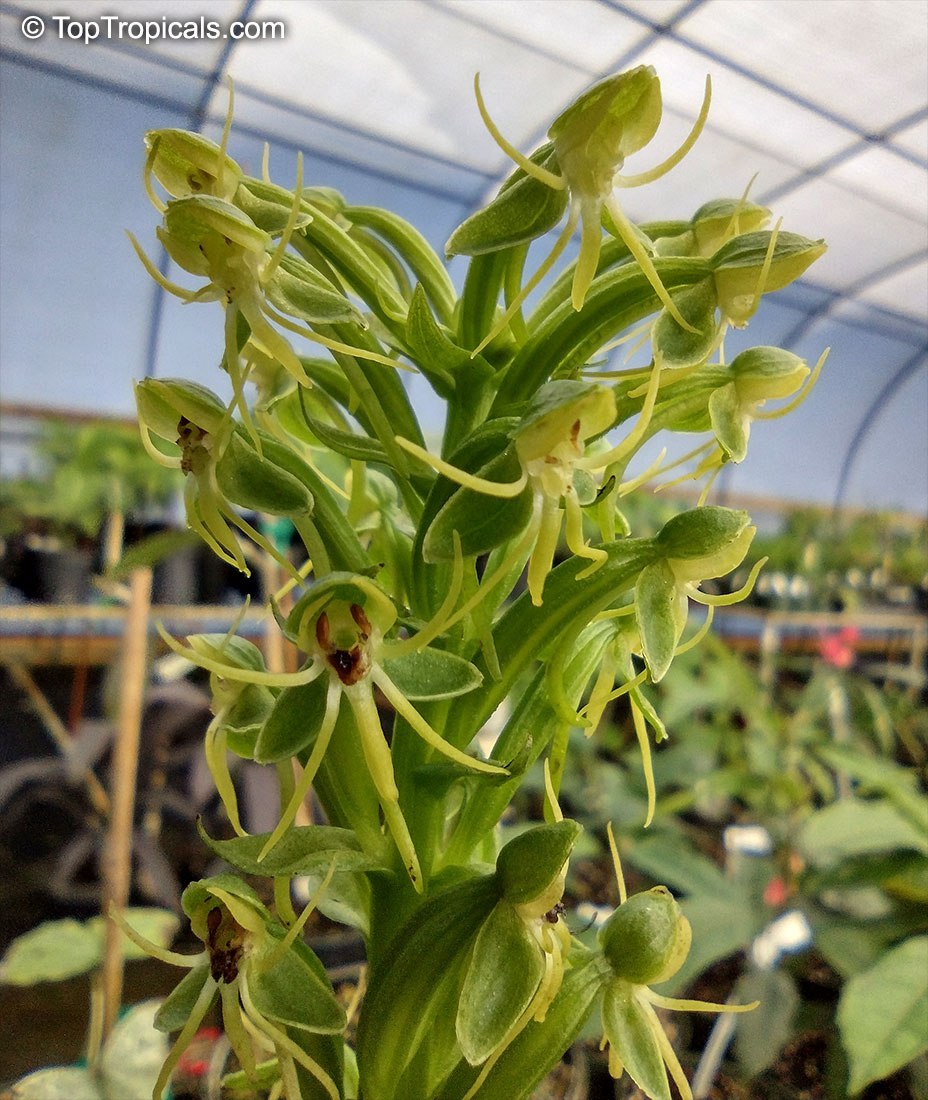
Habenaria repens - Dancing Water-Spider orchid, Floating Orchid, flower close up

Habenaria repens - Dancing Water-Spider orchid, Floating Orchid, flower close up

Habenaria repens - Dancing Water-Spider orchid, Floating Orchid, flowers

Habenaria repens - Dancing Water-Spider orchid, Floating Orchid, flowers

💃 A dancing water nymph revealed!


Habenaria repens - the tiny Dancing Water-Spider orchid, Floating Orchid, a dancing fairy, sprite, sylph, pixie - or a water nymph?
  • 💞 If you look closely, this native orchid really does look like it is dancing. The tiny, spidery flowers of Habenaria repens seem to hover in motion, giving rise to its charming common name - Water-spider Bog Orchid, also called Floating Orchid.
  • 💞 Habenaria repens is one of the few orchids that can live both on land and in water. It naturally grows in wet ditches, marshes, meadows, and along pond and lake edges, and it can even form floating mats in still water. In warm climates, it may bloom almost year-round, sending up tall flower spikes packed with 10-50 delicate greenish-white blooms. The narrow, spider-like petals and lip are designed to attract pollinators, while the light green sepals blend perfectly into wetland surroundings.
  • 💞 This orchid produces several yellow-green leaves along its stem, with smaller leaves near the flower spike. It prefers consistently moist to wet conditions and slightly acidic soil. In cultivation, it does best in bog gardens, shallow pond margins, alongside carnivorous plants like pitcher plants, or even in containers kept very wet.
  • 💞 Small, subtle, and easy to overlook at first glance, Habenaria repens rewards anyone who stops and looks closely. Once you see that little flower dancing, you will never forget it.


❓ What does this tiny flower look like to you?


A dancing fairy, sprite, sylph, pixie - or a water nymph?

🛒 Add Dancing Spider Orchid to your rare plant collection

📚 Learn more:

Plant Facts

Habenaria repens, Orchis repens, Platanthera repens
Water-spider Bog Orchid, Floating Orchid
USDA Zone: 9-11
Small plant 2-5 ftSemi-shadeFull sunKeep soil moistBog or aquatic plantYellow, orange flowersUnusual colorSubtropical plant. Mature plant cold hardy at least to 30s F for a short timeFlood tolerant plant

Habenaria repens - Water-spider Bog Orchid, Floating Orchid in Plant Encyclopedia

#Nature_Wonders #Container_Garden

🟢 Join 👉 TopTropicals
Date: 14 Jan 2026

Did you know that Tacca is a cat?

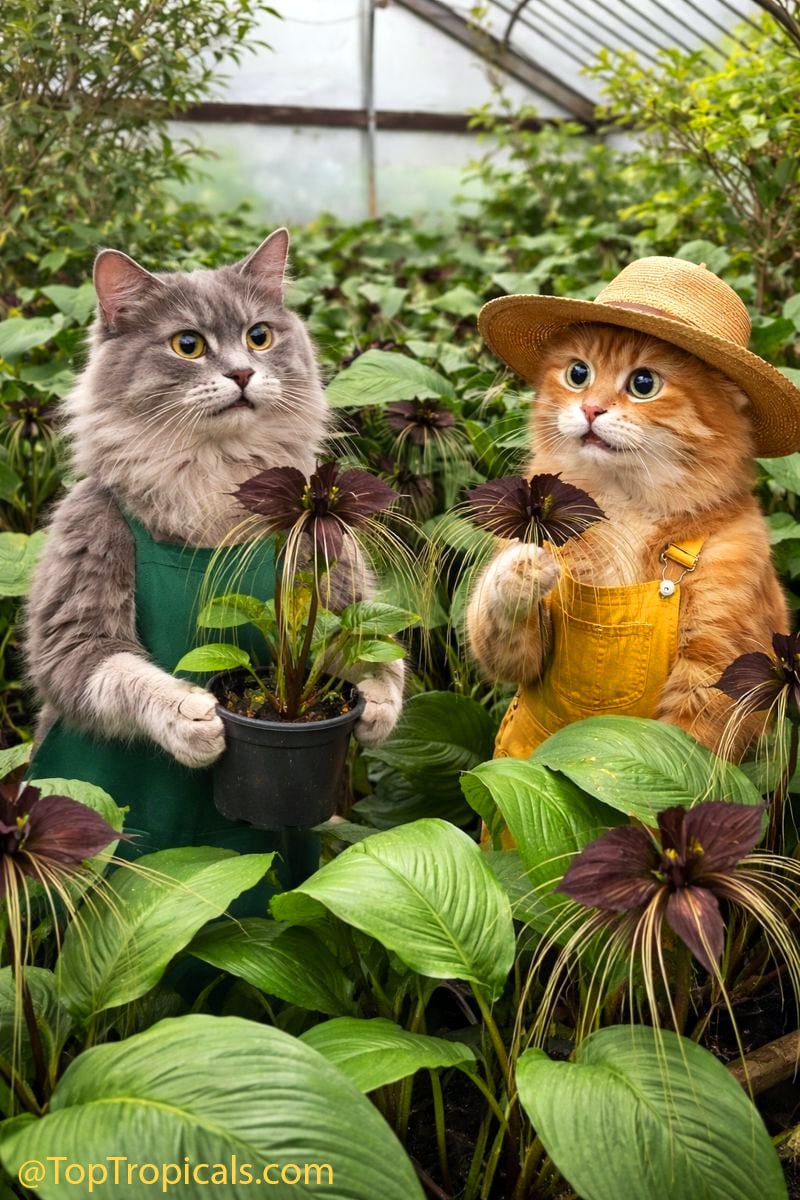
Tacca plants and Cats

Tacca plants and Cats

🐈 Did you know that Tacca is a cat?


That’s probably the real evolutionary secret no botanist will admit! Those whiskers? Pure marketing genius from nature.
Cats had it figured out first — look mysterious, add long elegant whiskers, and everyone falls in love.
Tacca just took notes and said, “Alright, I can work with that!
Continue reading: Tacca wants to be a cat! - and everyone loves cats!

Tacca colors: Black, White, Green:


Tacca nivea - White Tacca
Tacca chantrieri - Black Tacca
Tacca leontopetaloides - Green Tacca

🛒 Add Get your own Bat Head Lily Tacca

📚 Learn more:

Plant Facts

Tacca chantrieri
Bat Head Lily, Bat Flower, Devil Flower, Black Tacca
USDA Zone: 9-11
Small plant 2-5 ftShadeRegular waterOrnamental foliageUnusual color

#Container_Garden #Shade_Garden #Nature_Wonders

🟢 Join 👉 TopTropicals

Date: 23 Jan 2026

Insulin Ginger traditional remedies: Quick-n-fun exotic recipes

Insulin Ginger (Chamaecostus cuspidatus) traditional remedies recipes

Insulin Ginger (Chamaecostus cuspidatus) traditional remedies recipes

❣️ Insulin Ginger traditional remedies: Quick-n-fun exotic recipes

  • 6 very simple, real-world ways people actually use Insulin Ginger (Chamaecostus cuspidatus)


✦ 1. 🍵 Simple leaf tea


Steep 1–2 fresh leaves (or dried) in hot water for 10–15 minutes. Drink warm, plain or lightly sweetened.
  • 2. ❄️ Refreshing iced herbal drink
Blend a couple of leaves with water, strain, add ice. Some people add a squeeze of lemon.
  • ✦ 3. Coconut water blend


    Blend 1–2 leaves with fresh coconut water. Drink chilled as a mild daily tonic.
  • ✦ 4. 🌿 Fresh leaf chew


    The simplest method - chew a fresh leaf in the morning, then discard. Very common traditional use.
  • ✦ 5. Salad add-in


    Finely slice young leaves and mix with other greens. Use lightly, like a functional herb.
  • ✦ 6. 🍲 Leaf Chutney


    Leaves can be blended with spices and other herbs into a savory condiment. Meals like this make the leaves easy to include in everyday diet (though you’d want to adapt it for flavor and personal preferences).


👆This plant has a long history of traditional use. Everyone’s body is different, so if you have diabetes or take medication, it’s wise to check with your healthcare provider first.

🛒 Add Insulin Ginger to your medicinal herb garden

📚 Learn more:

Plant Facts

Costus igneus, Chamaecostus cuspidatus
Insulin Plant, Fiery Costus, Spiral Flag
USDA Zone: 9-11
Large shrub 5-10 ft tallSmall plant 2-5 ftSemi-shadeShadeRegular waterYellow, orange flowersEdible plantSpice or herb plantEthnomedical plant.
Plants marked as ethnomedical and/or described as medicinal, are not offered as medicine but rather as ornamentals or plant collectibles.
Ethnomedical statements / products have not been evaluated by the FDA and are not intended to diagnose, treat, cure, or prevent any disease. We urge all customers to consult a physician before using any supplements, herbals or medicines advertised here or elsewhere.Subtropical plant. Mature plant cold hardy at least to 30s F for a short time

#Food_Forest #Remedies #Shade_Garden #Discover #Recipes

🟢 Join 👉 TopTropicals

Date: 26 Jan 2026

Why Turmeric was named the 2026 Herb of the Year

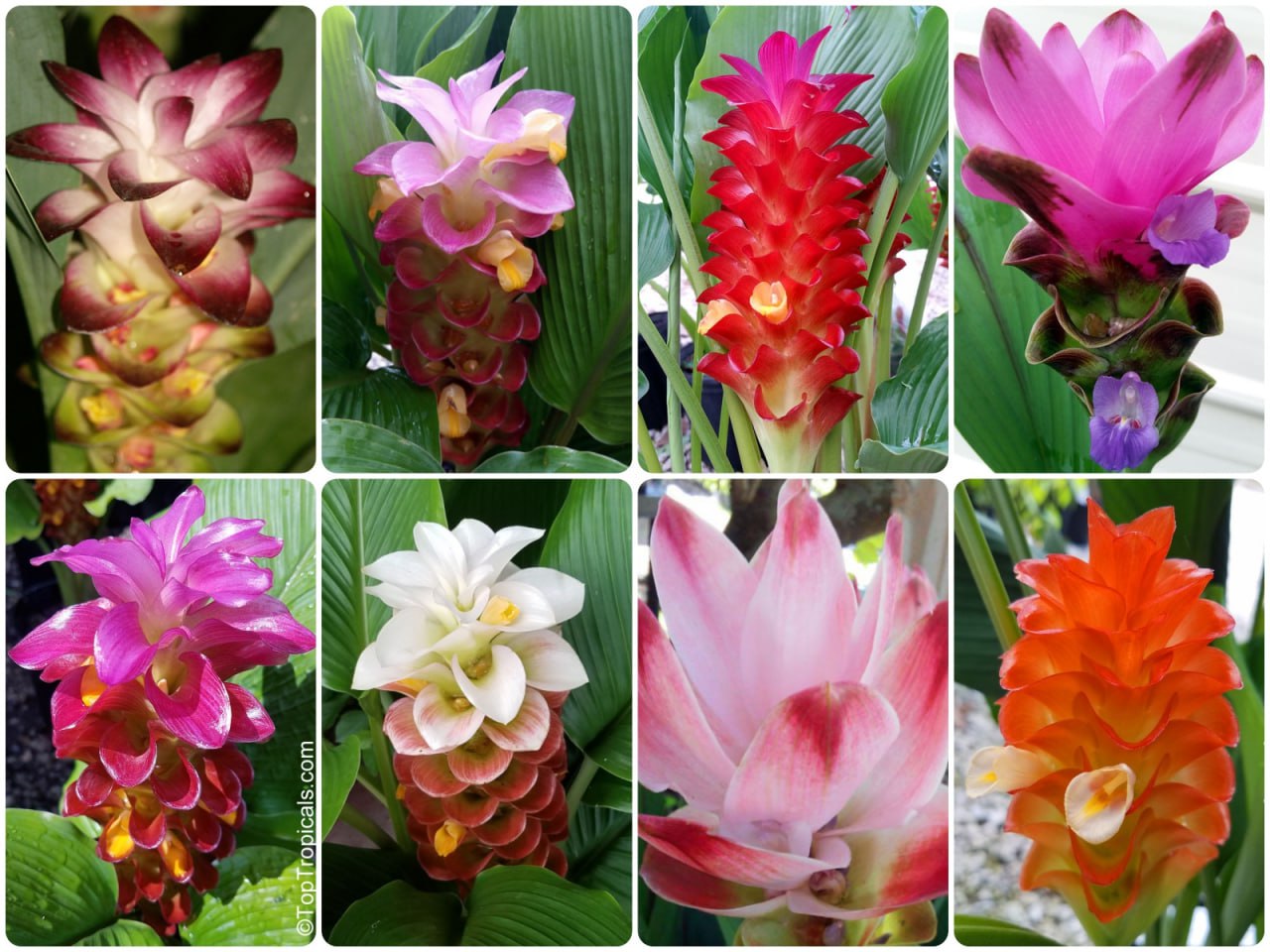
Turmeric - Curcuma

Turmeric - Curcuma

🌷 Why Turmeric was named the 2026 Herb of the Year

  • 🌷 Turmeric was named the 2026 Herb of the Year by the International Herb Association, and it is easy to see why gardeners are paying attention. This tropical plant from the ginger family is best known for its bright orange underground rhizomes, used for centuries as a spice, natural dye, and traditional remedy.
  • 🌷Native to India, Turmeric (Curcuma longa) is closely related to Ginger and Cardamom. Its rhizomes are a staple in curry and widely used in Asian, African, and Caribbean cuisines. In recent years, turmeric has also gained attention for potential anti-inflammatory properties.
  • 🌷 Herb, spice or flower?


  • • Botanically, turmeric is a spice, since it comes from the plant’s rhizomes rather than its leaves. In the kitchen, however, it often functions like an herb. Fresh turmeric can replace powdered turmeric in most recipes and delivers brighter flavor and color.
  • • Beyond edible Turmeric, there are many Curcuma hybrids grown purely for ornament. These selections produce striking, long-lasting flower spikes in shades of pink, white, orange, red, and purple, rising above lush tropical foliage. Ornamental curcumas are popular as patio plants and indoor accents, adding dramatic color and texture even where they are grown strictly in containers.


🌷 Growing turmeric anywhere - even in cool climates


Although Turmeric is a tropical perennial, it grows very well in containers, making it suitable for gardeners everywhere. When grown in pots, turmeric is treated as a warm-season plant that can be moved indoors as temperatures cool.
  • 🌷 How to grow Turmeric


    Turmeric is a compact, but bold plant, reaching 3-4 feet tall and wide, so it needs a roomy container. It prefers:

  • • Rich, well-drained soil
  • • Slightly acidic conditions (around pH 6–6.5)
  • • Consistent moisture
  • • Warm temperatures and bright, indirect light

The plant produces flowers that do not set seed, so turmeric is grown entirely from rhizomes.

🌷 Harvesting and using Turmeric


As the season ends, turmeric naturally goes dormant and the leaves yellow and dry. This signals harvest time. Dig the rhizomes, clean them, and dry them in a cool, shaded place.

Rhizomes can be:
  • • Boiled, dried, and ground into powder
  • • Frozen whole and grated as needed
  • • Pickled for long-term storage

Some healthy rhizomes can also be saved and replanted the following season, making turmeric both productive and renewable.

Compact, bold, and useful, turmeric proves that tropical plants can thrive well beyond the tropics - especially when grown in pots.

🛒 Plant Curcuma for both flowers, spice and herb

📚 Learn more :

Plant Facts

Boesenbergia rotunda, Curcuma rotunda
Chinese Keys, Fingerroot, Lesser Galangal, Chinese Ginger
USDA Zone: 9-11
Small plant 2-5 ftSemi-shadeModerate waterRegular waterWhite, off-white flowersPink flowersEdible plantSpice or herb plantEthnomedical plant.
Plants marked as ethnomedical and/or described as medicinal, are not offered as medicine but rather as ornamentals or plant collectibles.
Ethnomedical statements / products have not been evaluated by the FDA and are not intended to diagnose, treat, cure, or prevent any disease. We urge all customers to consult a physician before using any supplements, herbals or medicines advertised here or elsewhere.

#Food_Forest #Container_Garden #Remedies #Discover

🟢 Join 👉 TopTropicals

Date: 6 Feb 2026

💘Rooted love lasts longer than flowers

Smokey  the  tuxedo  cat  and  Sunshine  the  ginger  cat  sit  in  a  greenhouse 
 beside  a  Sweetheart  Hoya  with  heart-shaped  leaves,  a  tag  reading  rooted 
 love,  and  a  cup  of  coffee  with  donuts  on  a  wooden 
 table.
Sunshine: Valentine Day soon. We need flowers.
Smokey: Nope. Heart-shaped hoya. Flowers fade. Plants stay.
Sunshine: Alright. One for my Valentine. One for me, with coffee.

💖 Sweetheart Hoya: a Valentine gift that lasts

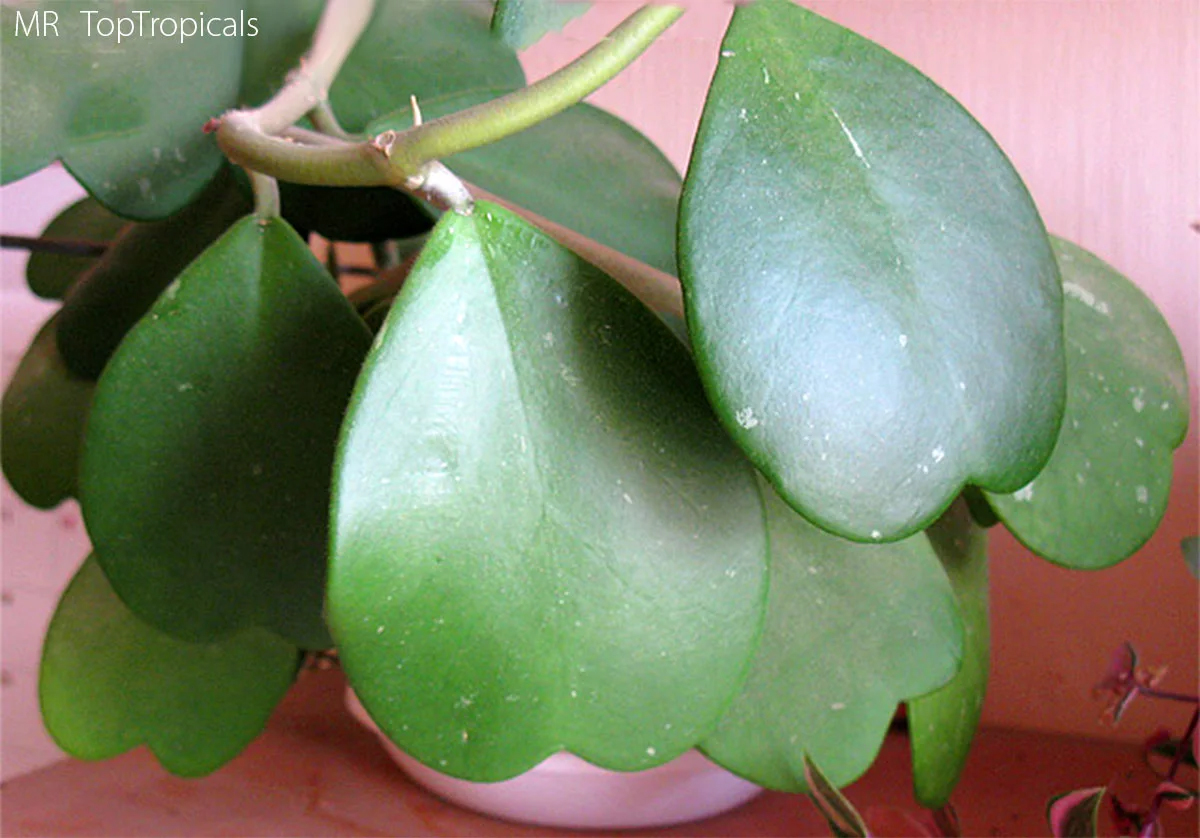
Sweetheart Hoya (Hoya kerrii) has thick, heart-shaped leaves and a compact form that fits easily on a windowsill, desk, or shelf. It does not need constant attention, bright sun, or frequent watering. In fact, it prefers a lighter touch.

This is a plant that works well indoors, grows slowly, and forgives missed waterings. It is comfortable in normal home conditions and does not require special tools or experience. That makes it a good gift not only for plant lovers, but also for people who have never kept a houseplant before.

Unlike flowers, it does not come with an expiration date. It becomes part of daily life and stays there quietly, doing its job. Over time, it feels less like a purchase and more like something chosen with intention.

For Valentines Day, Sweetheart Hoya is a simple, lasting way to give something real.

Sweetheart Hoya care: quick how-to

  • Light: Bright window light is ideal. Avoid harsh, hot direct sun.
  • Water: Let the potting mix dry between waterings. When you water, water thoroughly, then let it drain.
  • Feeding: Light feeding during active growth helps. A balanced fertilizer like Sunshine™ Robusta keeps growth steady and leaves healthy.
  • Pace: Slow-growing and patient. Do not overwater or overpot.

❓Sweetheart Hoya: quick FAQ

  • Is it good for beginners? Yes. It is forgiving and does not need constant attention.
  • Can it live indoors year-round? Yes, in bright indoor light and normal home conditions.
  • Does it need flowers to be special? No. The heart-shaped leaves are the main feature.
  • Learn more: What is the best Valentines Day gift that actually lasts?

♥️ Shop Sweetheart Hoya

Valentine  Sweetheart  Hoya  Plant