Garden Blog - Top Tropicals

Date: 21 May 2026

Rare Pineapple that looks like a sunset and thrives on neglect
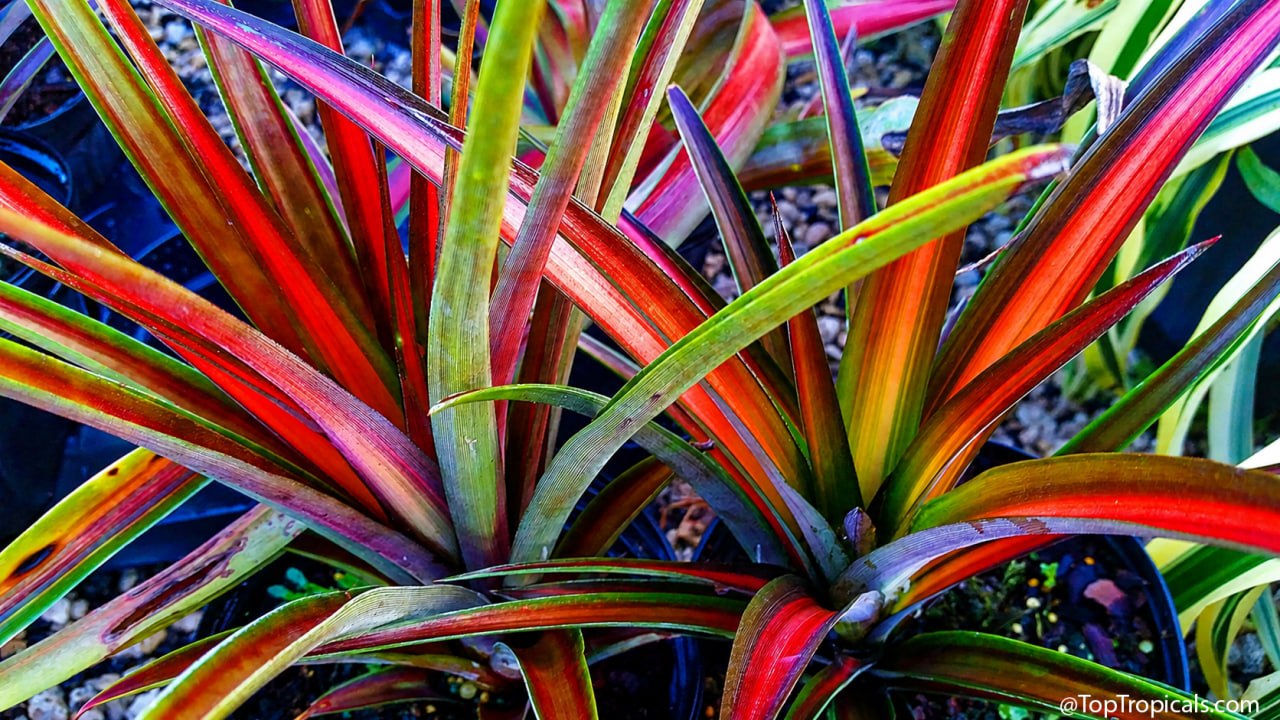
Pineapple Lava Burst colorful leaves
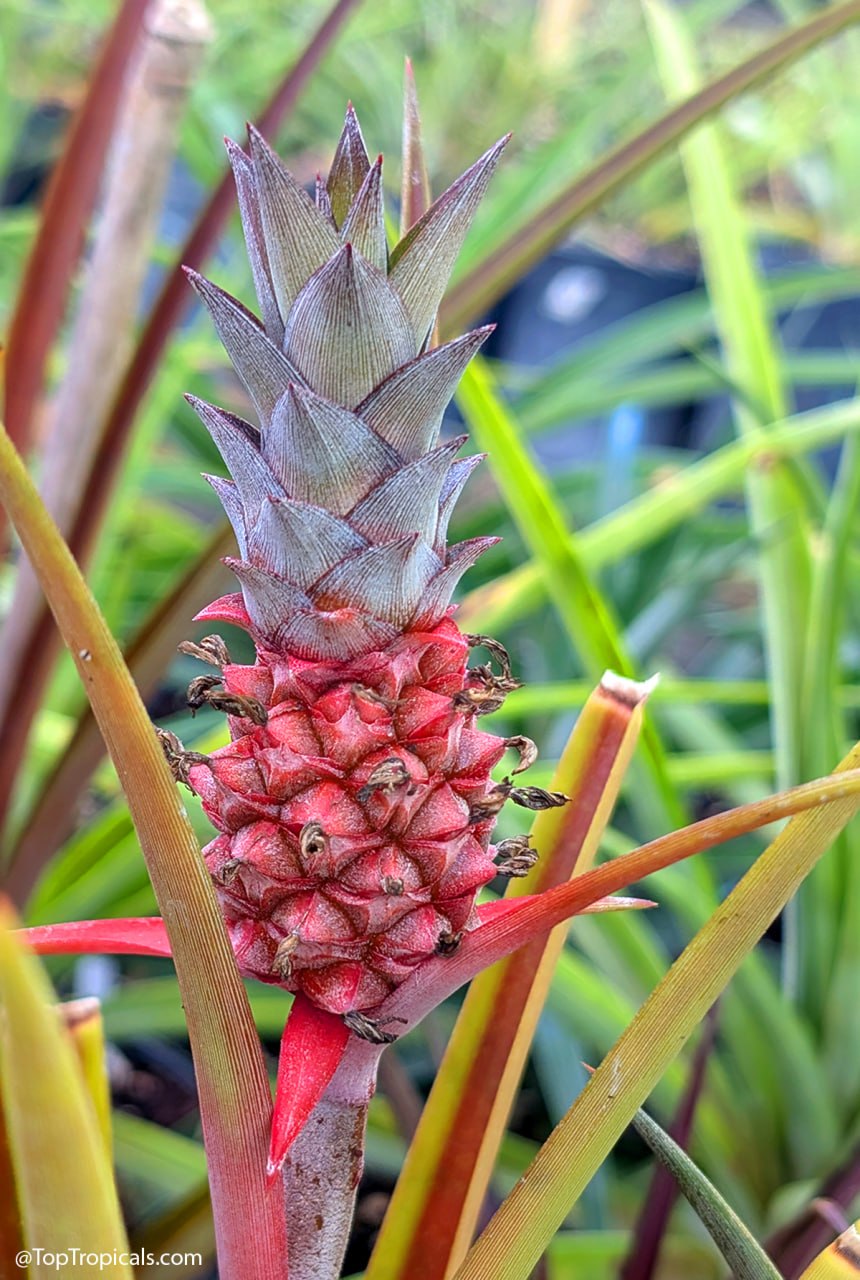
Pineapple Lava Burst colorful leaves

Pineapple Lava Burst fruit
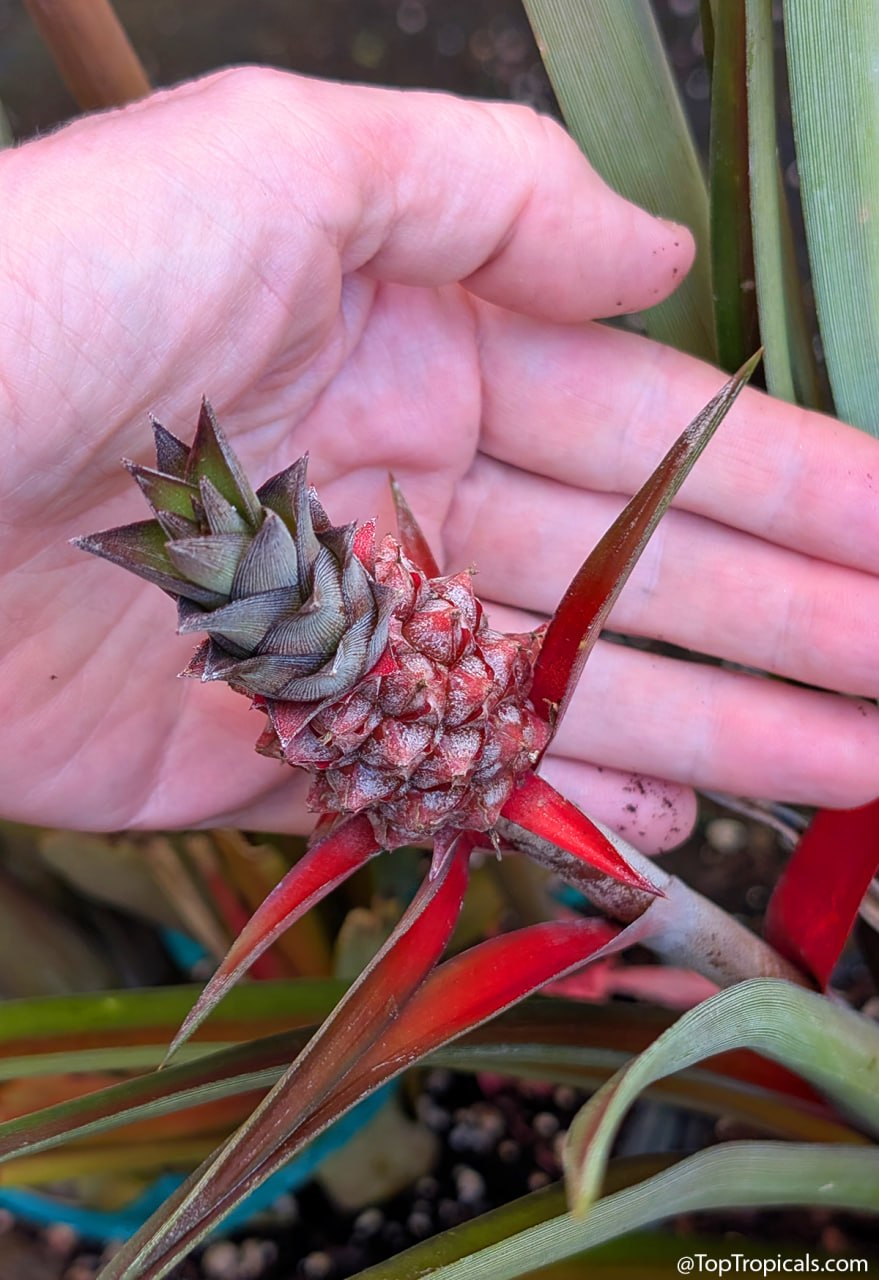
Pineapple Lava Burst fruit

Pineapple Lava Burst fruit

Pineapple Lava Burst fruit

🌅 Rare Pineapple that looks like a sunset and thrives on neglect


Forget plain green plants - this pineapple looks like a tropical sunset! One look at Pineapple Lava Burst and you immediately understand why people stop and stare. This isn't your typical pineapple plant hiding quietly in the background; the leaves explode with shades of burgundy, pink, cream, green, and bronze, often changing intensity depending on sunlight and temperature. Even gardeners who don't normally collect bromeliads suddenly want one after seeing it in person.

Pineapple Plant Facts

Botanical name: Ananas comosus
Also known as: Pineapple, Pina
USDA Zone: 9 - 11
Highligths Small plant 2-5 ftSemi-shadeFull sunWatering: Moderate. Water when top soil feels dryOrnamental foliageThorny or spinyEdible plantSubtropical plant. Mature plant cold hardy at least to 30s F for a short time
Get personalized tips for your region


🍍 A pineapple plant that acts like living artwork


Pineapple Lava Burst belongs to the same plant family as bromeliads, and it definitely inherited the dramatic side of the family. The long arching leaves create a fountain-like shape, while the bold variegation gives the plant a painted appearance. In bright light, the burgundy and pink tones become especially intense, making the whole plant glow with tropical color.

Unlike many ornamental plants that only shine during bloom season, Lava Burst stays visually interesting year-round. Even without fruit, it looks like a centerpiece.

🍍 Yes - it actually produces a pineapple


One of the fun surprises about Lava Burst is that it does produce a real edible pineapple. The fruit is usually smaller than grocery store pineapples, but that’s not really the point. When the colorful fruit forms in the center, the plant becomes a tropical sculpture - a combination of striped foliage and bright fruit that looks like it belongs in a botanical garden rather than a typical backyard.

🍍 Pro-Grower Tips for Success


👌 Color Intensity: To get the most "lava" out of your plant, give it plenty of light. Increased UV exposure is the physiological trigger for anthocyanin production - the pigment responsible for those deep red and pink tones. If your plant is looking a bit green, it’s likely asking for a sunnier spot.

👌 Cold Hardiness & Protection: While these thrive in the heat, they are sensitive to frost. After the recent 25°F freezes we’ve seen in Florida, remember that these are the perfect "mobile" plants. Because they handle containers so well, you can easily move them into a garage or indoors during a cold snap to protect the foliage from burn.

👌 Fertilizing for Vibrancy: To keep the variegation crisp and the colors saturated, use a high-quality micro-element fertilizer - SUNSHINE Ananas - Pineapple and Bromeliad Booster with every watering. During active growth season, a gentle application of Green Magic provides the necessary nutrients to maintain plant health and color intensity without the risk of burning the delicate root system.

🍍 Surprisingly easy for a tropical-looking plant


Despite looking rare and complicated, ornamental pineapples are generally very manageable. Lava Burst likes warmth, bright light, and fast-draining soil. It handles containers extremely well, which makes it popular for patios, pool areas, lanais, and sunny windows indoors. Like many pineapple varieties, it dislikes soggy soil more than occasional dryness, making it much easier to grow than many fussy tropical foliage plants.

Its architectural shape also pairs beautifully with palms, crotons, cordylines, and other colorful tropical mainstays. Whether you have a sprawling poolside landscape or a small-space apartment garden, this plant brings a wow factor that is hard to beat.

🛒 Ready to add a burst of lava to your plant collection?
Check availability for Pineapple Lava Burst beyond traditional Pineapples

📚 Learn more:


Variegated Pineapple Lava Burst Rainbow in Plant Encyclopedia
What is the best pineapple to grow at home
What are the best varieties of Pineapples?
How we ate all pineapples from that ugly corner
The most luscious Hospitality Fruit: Pineapple
Three must-have fruit for every tropical garden

#Food_Forest #Container_Garden #Discover #Nature_Wonders

🟢 Join 👉 TopTropicals

Date: 19 May 2026

Be yourself

Cat Jim II at TopTropicals PeopleCats.Garden

Cat Jim II at TopTropicals PeopleCats.Garden

Be yourself

"Be yourself; everyone else is already taken"
- Oscar Wilde

🐈📸 Cat Jim II at TopTropicals PeopleCats.Garden.

#PeopleCats #Quotes

🟢 Join 👉 TopTropicals

Date: 15 Jun 2026

Beautiful masterpiece

Cat Mittens at TopTropicals

Cat Mittens at TopTropicals

🔤 Beautiful masterpiece


"My garden is my most beautiful masterpiece." - Claude Monet

🐈📸 Cat Mittens at TopTropicals PeopleCats.Garden.

#PeopleCats #Quotes

🟢 Join 👉 TopTropicals

Date: 24 Jun 2026

The Flower of God That Outsmarts Summer Heat: Why Your Garden Needs Queens Wreath

The Flower of God That Outsmarts Summer Heat: Why Your Garden Needs Queens Wreath

🔮 The "Flower of God" That Outsmarts Summer Heat: Why Your Garden Needs Queen's Wreath


Since April, one tropical climber has completely stolen the spotlight: Petrea volubilis, commonly known as Queen’s Wreath or Sandpaper Vine. Also called Fleur de Dieu ("Flower of God"), this fast-growing woody vine looks like a tropical wisteria but boasts a clever trick for surviving the heat.

💟 The Illusion of the Everlasting Bloom


Queen's Wreath produces massive, 12-inch cascading clusters of vibrant purple flower sprays. While the true flowers - small, deep purple velvet gems - drop after a few days, the star-like, pale blue-mauve calyxes remain on the vine for weeks. This botanical illusion creates a spectacular, continuous flowering display that draws in butterflies and hummingbirds all season.

Named for 18th-century plant collector Lord Petre, this Caribbean favorite is famous for its large, dull-green leaves. True to its nickname, the foliage feels exactly like rough sandpaper - even new leaves emerge stiff and resilient, giving the vine a striking texture year-round.

💟 Fast-Growing, Tough, and Low-Maintenance


Don't let the delicate look fool you; Petrea is exceptionally hardy and pest-resilient:

Growth: A vigorous climber that rapidly covers arbors, fences, or trellises. Without support, it naturally twines around itself to form a rounded landscape shrub. It also thrives in patio containers and hanging baskets.
Care: Best in full sun to part shade. It prefers moist soil but becomes highly drought-tolerant once established. If your soil is alkaline, use mulch and an acid-loving plant fertilizer such as Sunshine Booster Megaflor.
Cold Hardy: Tolerant down into the high 20s Fahrenheit.
💡 Pro Tip: For indoor arrangements, do not cut the woody stems, or the blooms will droop. Instead, snip just the individual flower sprays and float them in a shallow bowl to keep them fresh for days.

💟 The Master Pruning Schedule for Maximum Blooms


Because Queen’s Wreath blooms on new growth, strategic pruning is the key to maximizing its purple sprays:

Late Winter / Early Spring: Perform your major clean-up before spring growth begins. Cut unruly trailing stems back by one-third and thin out crowded areas to maximize sunlight and airflow.
Mid-to-Late Summer: Give the vine a light trim after the main flowering flush. Snipping off old flower stem tips triggers an immediate wave of fresh growth, forcing a heavy secondary bloom cycle for autumn.
The Technique: Always use sharp, sterile bypass pruners. Make your cuts at a 45-degree angle roughly 1/4 inch above a leaf node; this forces the branch to split into two flowering shoots instead of one.
👉 More...

🛒 Claim Your "Flower of God"

📚 Learn more:

Queen's Wreath Plant Facts

Botanical name: Petrea volubilis, Petrea kohautiana, Petrea racemosa
Also known as: Queen's Wreath, Sandpaper Vine, Tropical Wisteria
USDA Zone: 9 - 11
Highligths Vine or creeper plantSemi-shadeFull sunWatering: Moderate. Water when top soil feels dryBlue, lavender, purple flowersWhite, off-white flowersPlant attracts butterflies, hummingbirdsSubtropical plant. Mature plant cold hardy at least to 30s F for a short timeSeaside, salt tolerant plant
Get personalized tips for your region

· Petrea volubilis in Plant Encyclopedia
· Petrea volubilis, Queen's Wreath - stunning purple profusion from a Caribbean Garden
· You can't get enough of this purple: Queen's Wreath
· The Royal Snow White that everyone loves
· Want a Fence Covered in Royal Blooms?
· Top irresistible vines for a hummingbird haven

#Butterfly_Plants #Hedges_with_benefits #Discover

🟢 Join 👉 TopTropicals

Date: 26 Jun 2026

How to Grow Mahoe: The Fast-Growing Shade Tree That Changes Color - Tropical Chameleon

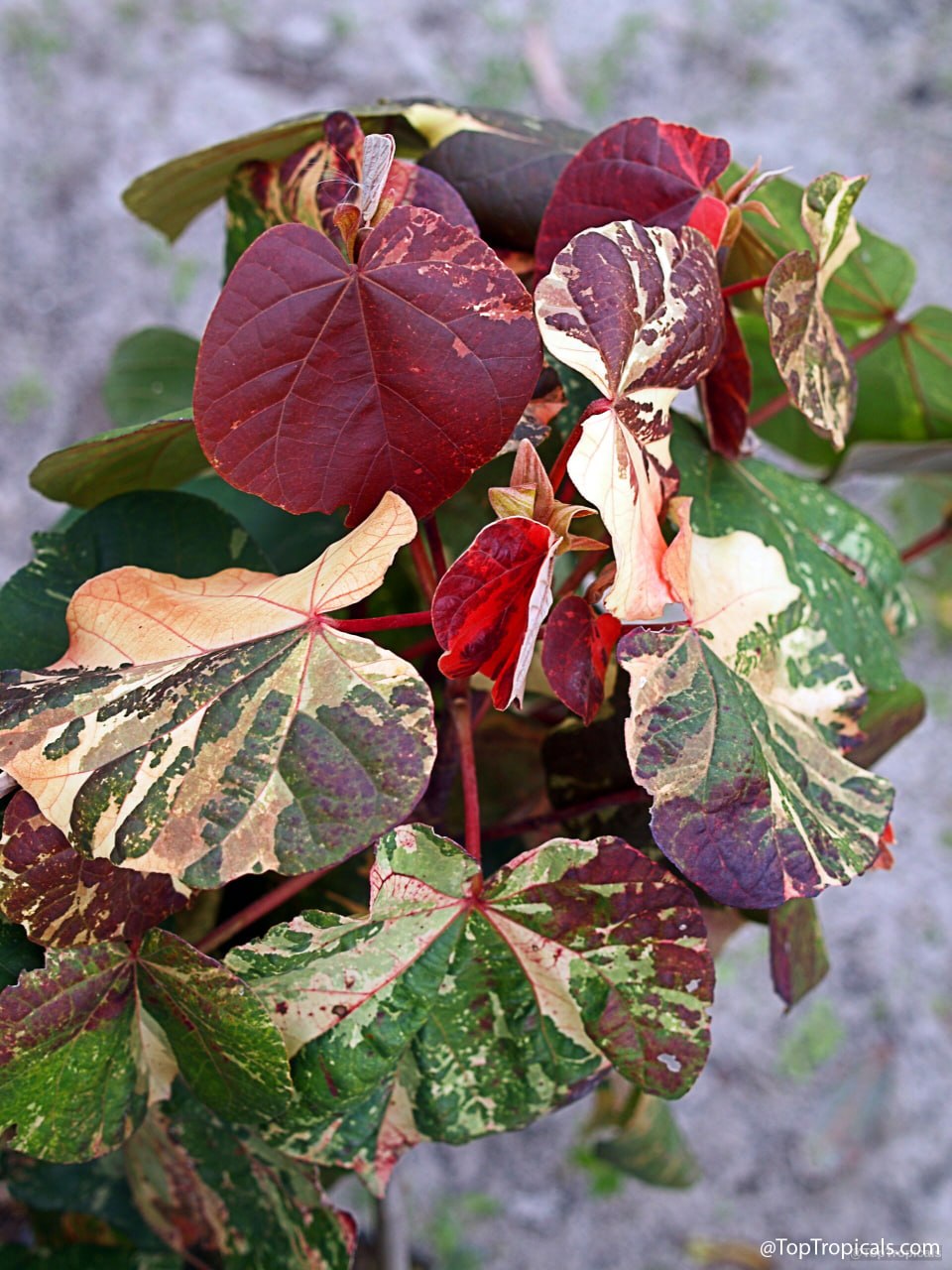
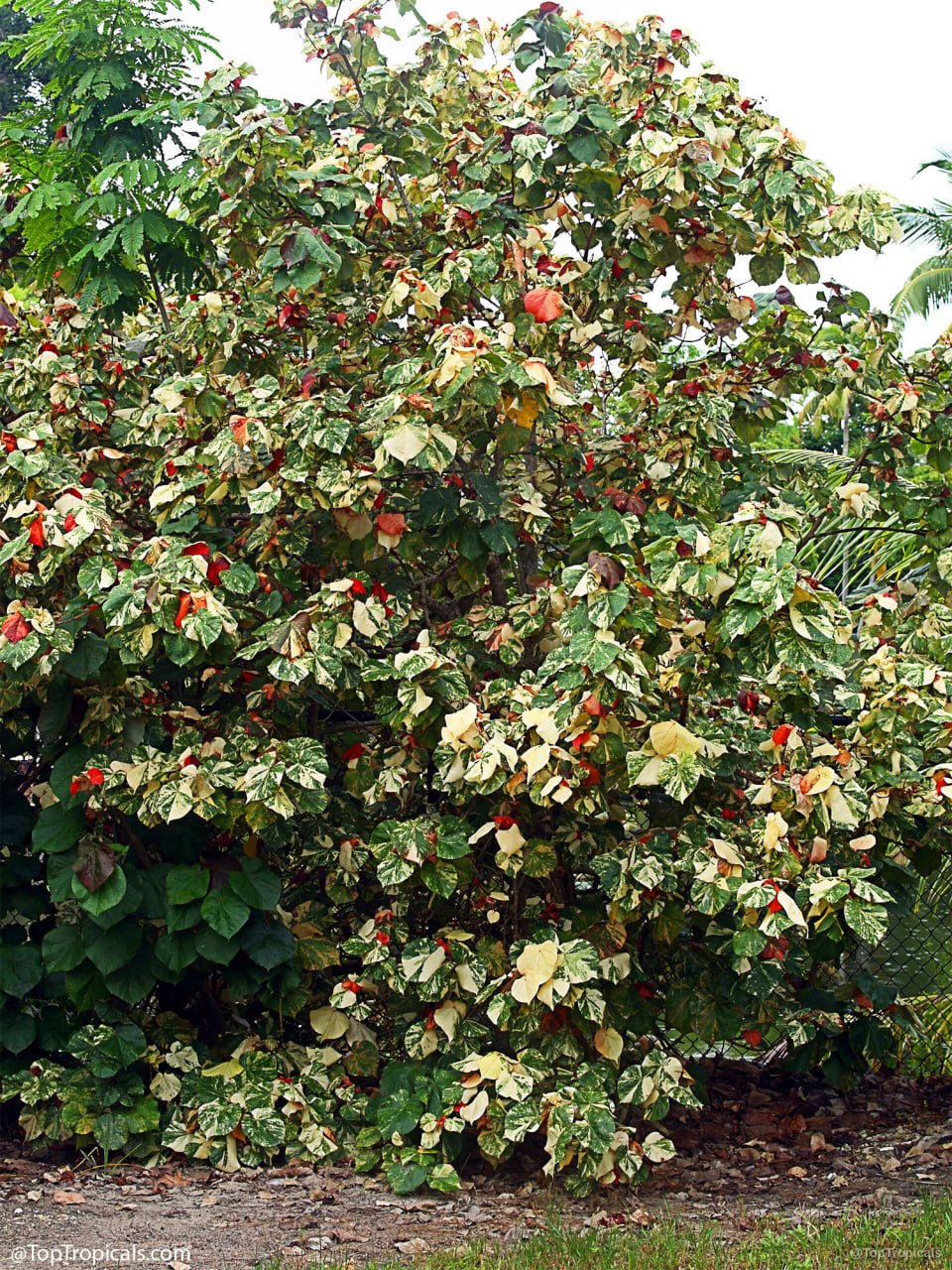
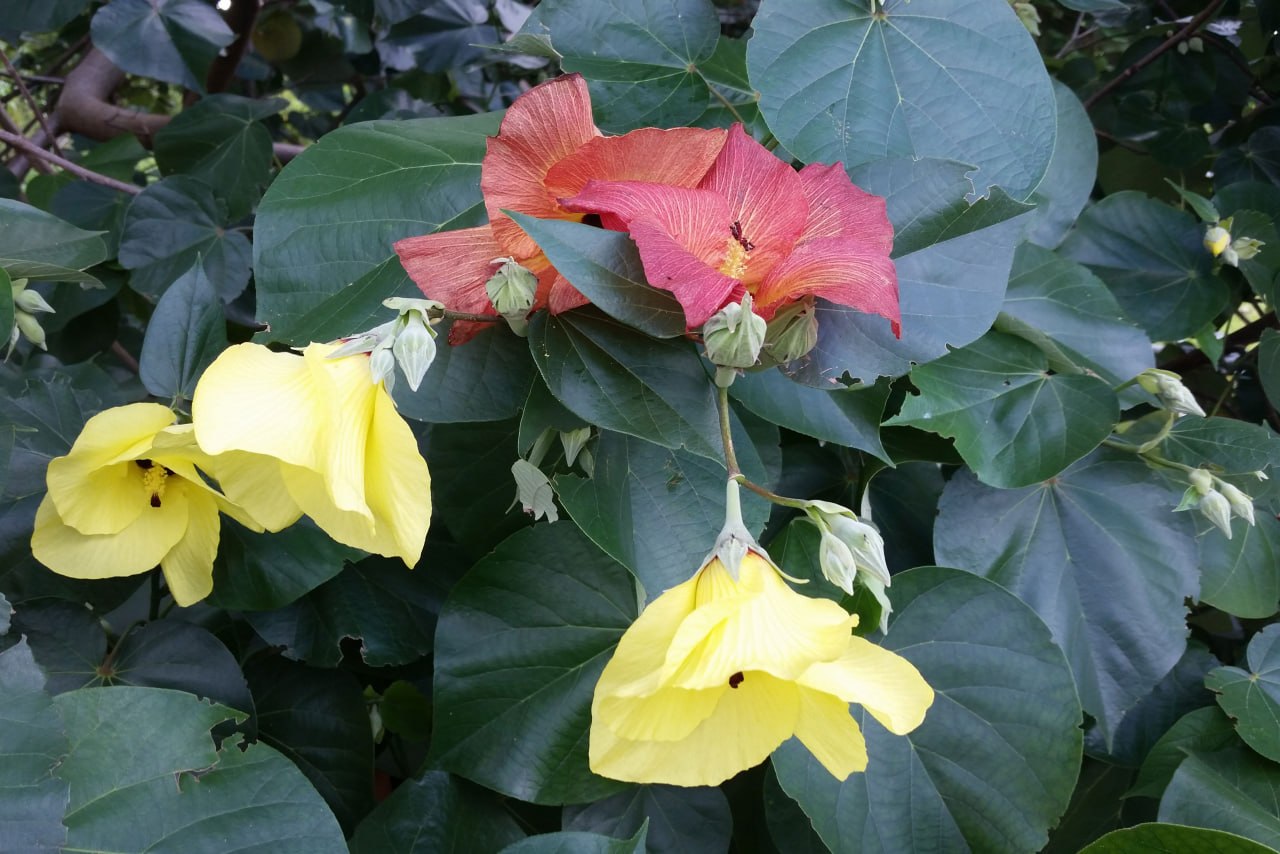
How to Grow Mahoe: The Fast-Growing Shade Tree That Changes Color - Tropical Chameleon How to Grow Mahoe: The Fast-Growing Shade Tree That Changes Color - Tropical Chameleon How to Grow Mahoe: The Fast-Growing Shade Tree That Changes Color - Tropical Chameleon
🌳 How to Grow Mahoe: The Fast-Growing Shade Tree That Changes Color - Tropical Chameleon

Looking for a fast-growing, low-maintenance tropical tree that brings effortless shade, constant color, and a parade of pollinators to your yard - Mahoe is the one! Talipariti tiliaceum, formerly Hibiscus tiliaceus - is native to coastal pantropical regions. This sturdy evergreen is a true garden workhorse. Whether grown as a dense, 5-to-10-foot privacy shrub or trained into a beautiful, umbrella-shaped small tree reaching up to 20 feet, Mahoe delivers that lush, instant-jungle vibe in just one season.

🌳 Nature's Color-Changing Magic


The real magic of the Mahoe lies in its blooms. Throughout the year, magnificent flowers open a bright, vibrant yellow in the morning. As the day goes on and the blooms age, they undergo a stunning transition - deepening to rich orange, crimson, and vinous red before they drop. This shifting color wheel creates a breathtaking, multi-colored display that acts as a magnet for hummingbirds and butterflies.

🌳 Landmark Shade for Warm Climate Landscapes


Mahoe thrives in full sun, loves regular water, and is exceptionally salt-tolerant, making it an absolute powerhouse for coastal and southern landscapes (USDA Zones 9b-11).

Instant Canopy: Because it grows with incredible vigor, it can transform a wide-open, sunny spot into a dense, shady retreat in just one or two seasons.

Growth Management: In the ground, it quickly matures into a substantial, wide-spreading tree. While its wild growth habit means regular, aggressive pruning is mandatory to keep it shaped and contained within typical garden bounds, it rewards that effort with unmatched privacy and a massive, tropical canopy.

🌳 The Designer Upgrade: Variegated Mahoe


If you want all the fast-growing stamina of the standard Mahoe but want to turn the visual drama up to ten, the Variegated Mahoe (Hibiscus tiliaceus Variegatum) is the absolute must-have tree of the year.

While its color-changing flowers are just as magical as the original, its foliage is a spectacular show all on its own. The large, heart-shaped leaves are a living kaleidoscope, splashed with dramatic patterns of white, cream, deep green, and even soft pink and red.

Even better for smaller yards! The variegated variety tends to naturally maintain a tighter, more compact, and symmetrical umbrella-like shape than its wild green cousin, giving you high-end landscape style with minimal effort.

Whether you choose the classic, pollinator-loving green or the eye-popping variegated cultivar, the Mahoe family is guaranteed to be the centerpiece of your garden.

🛒 Get Instant Tropical Shade - Mahoe

📚 Learn more:
· Talipariti tiliaceum (Hibiscus tiliaceus) in Plant Encyclopedia
· The Tree Everyone's Talking About: Variegated Mahoe

#Trees #Discover

Mahoe Plant Facts

Botanical name: Talipariti tiliaceum, Hibiscus tiliaceus
Also known as: Mahoe
USDA Zone: 9 - 11
Highligths Large shrub 5-10 ft tallSmall tree 10-20 ftFull sunWatering: Regular. Let topsoil dry slightlyYellow, orange flowersRed, crimson, vinous flowersPlant attracts butterflies, hummingbirds
Get personalized tips for your region
🟢 Join 👉 TopTropicals