Garden Blog - Top Tropicals

Date: 24 Jun 2018

TopTropicals

Winter mulching in Southern landscapes

"My rule of green thumb for mulch is to double my initial estimate of bags needed, and add three. Then I'll only be two bags short." (Author unknown)

Q: What is the best time for mulching in Florida? What type of mulch do you recommend and how much should I use?

A: Every gardener knows that spreading mulch in the garden helps to protect the soil in general, prevents weeds from growing, plus it has specific benefits during harsh winter conditions. A layer of mulch will keep the soil insulated, roots protected from possible freezing, so you'll also end up with better results in spring by laying down mulch in the cold months.
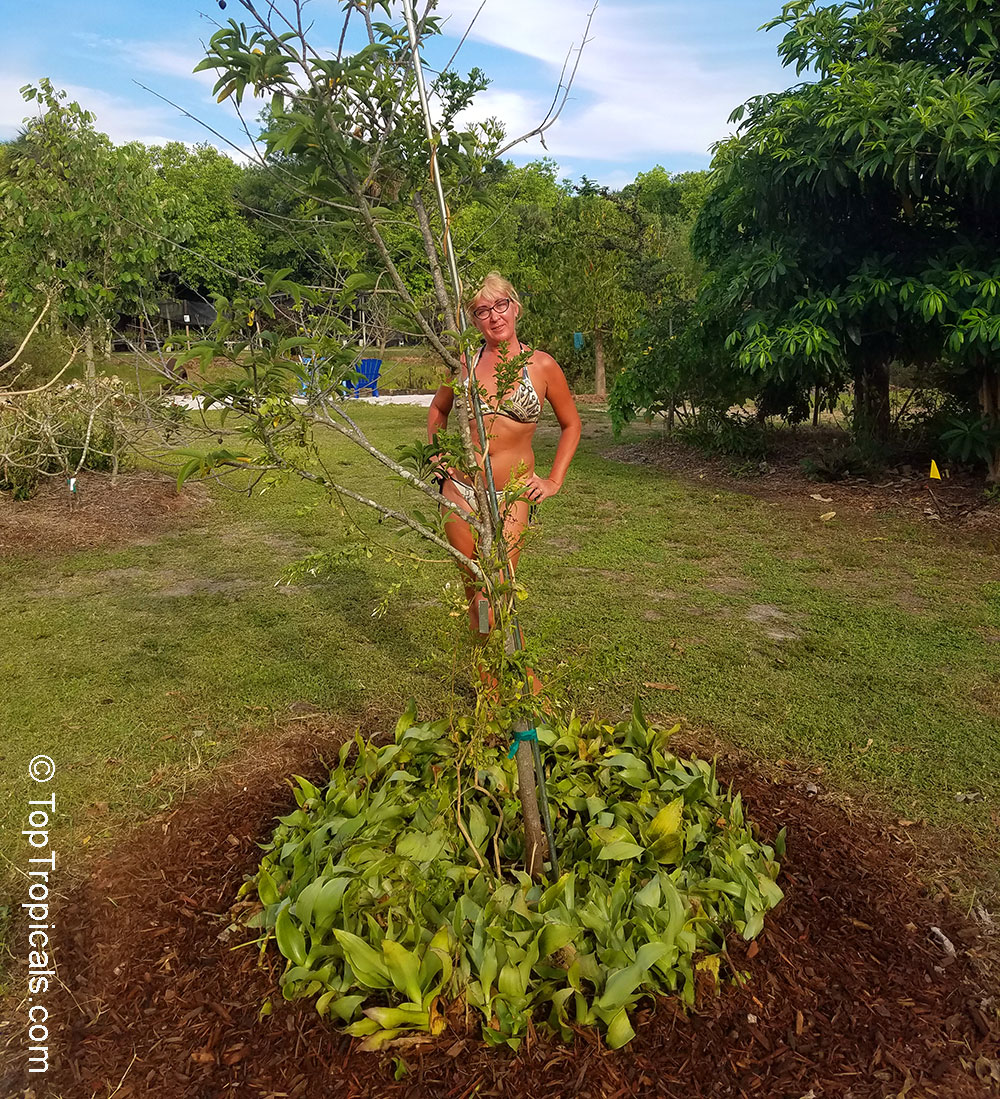
When? We lay mulch in our Florida garden right now. It is cool so we work twice more efficient. After rainy summer-fall season, most of mulch around plants had broken down and in many areas soil is exposed: easy target for weeds.
In general, in warm climates Fall and Winter mulching is the most effective. Mulch creates an insulating barrier between the soil and air, thereby protects plant roots from rapid fluctuations in soil temperature.
How much? There is never too much mulch. Just make sure to put it 2-3 inches away from the trunk to prevent rotting and mold.
What kind? Different types of mulch can be used, including wood chips, shredded leaves, straw and hay. Yes, leaves and hay too! Remember all green parts of a plant (= your leaves and grass) are full of Nitrogen so important for plant vigor, it eventually will go back into the soil as extra benefit. Unless you want to spend a fortune on a fancy red or cypress mulch, you may use these natural materials that are handy in every garden. After raking leaves, pile them up and in couple weeks of drying and breaking down leaves will become a perfect, soft mulch that is best to use around fragile and herbaceous plants. After mowing your lawn, save the cut grass and use the hay as mulch. It always works the best in our garden, keeps weeds away better than wood chips, and in spite of a common belief that cut grass is full of weed seeds, we never seen grass or weeds sprouting from that hay.
Happy mulching and stay warm!
Date: 24 Jun 2018

TopTropicals

New 2018 release: SUNSHINE SuperFood

"Two out of every five people on Earth today owe their lives to the higher crop outputs that fertilizer has made possible." (Bill Gates)

Micronutrient Supplement and Plant Health Booster
Misshapen, small fruit or no fruit?
Poor root growth?
Pale or yellow leaves?
Die backs?
Curled leaves?
Slow growth?
Don't let your plants starve... SUNSHINE SuperFood is your answer to all these problems!
Read more why your plants need SUNSHINE-SuperFood - Essential Element Complex that has them all: N-NH2, Mg, Fe, Mn, Zn, Cu, B, Mo, S...
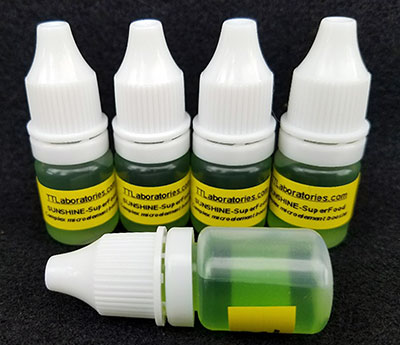
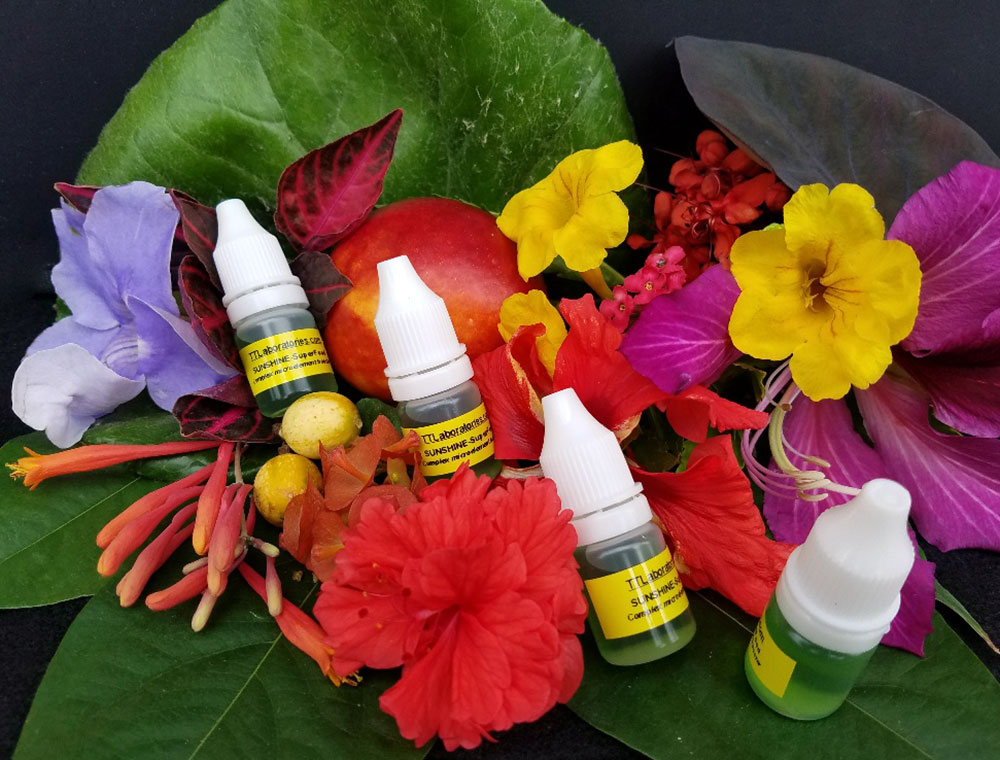
SUNSHINEâ„¢ SuperFood is a revolutionary new product released in 2018. It is a super micro-element supplement (Amino Acid Chelated Micronutrient) containing microelements, ultra-microelements, glycinates, as well as SUNSHINE-Honey ingredients. It shows amazing results in plant development, treating different element deficiencies, and improving fruit trees production.

GREEN-EARTH-ECOLOGY FRIENDLY! And it is GREEN color!

Buy SUNSHINE Superfood... item # 6000!

Date: 24 Jun 2018

Growing tropicals from seeds.

From Kristi the Wizard of Rose: I grow many plants from seeds, both for my personal collection, and for TopTropicals. I receive many questions from customers who want to grow tropical plants from seeds. Some of them live in colder climates and try to extend growing season of their tropical collections by starting new varieties early in the year from seeds. These are a few tips that may be helpful.

Q: What do I need to do to speed up germination process?

A: Many factors affect germination. Considering you get fresh seeds (for example from TopTropicals) and Mother Nature gives them a good kick start, there are a few things that may speed up germination:
1) Scarification. Large seeds with a hard outer shell can be slightly sanded down just enough for moisture to get inside to wake up the seed during the pre-soaking. Be careful not to damage the seed. See example of Lotus seed scarification.
2) Pre-soaking. We recommend pre-soaking most of the seeds for only a few hours (3-8 depending on species. Some seeds are very sensitive to moisture and may start rotting if stay wet without air circulation. Small seeds, especially tiny ones like dust, should not be soaked.
3) SUNSHINE-S treatment. Adding a few drops of SUNSHINE-S booster when pre-soaking seeds increases their germination rate 3-5 times.
4) Temperature. Warm temperatures help germination. If grown indoors, put seeds containers or trays in the warmest spot of your house; you may use heat pads. Outdoors, putting them in full sun helps a lot, just don't let soil to dry out.

Use only special porous seed germination mix to provide air circulation and prevent seeds from rotting.

Q: Should I keep seeds in refrigerator before planting?

A: Do not refrigerate tropical seeds. Stratification (treatment with cold) works only for temperate species, and some subtropical (like non-tropical Magnolias)

Q: How do you grow eucalyptus from seeds? I tried a few times with no success.

A: The secret of germinating tiny seeds like eucalyptus is - to sow them on top of the moist soil surface (soil must be very fine and soft), without covering. Keep container covered with clear plastic, in bright light. Use spray bottle to keep surface moist but not soggy. I have a customer who germinates eucalyptus seeds using an old fish tank, covered with a glass. Perfect environment - bright light and moist all the time.

Date: 24 Jun 2018

TopTropicals

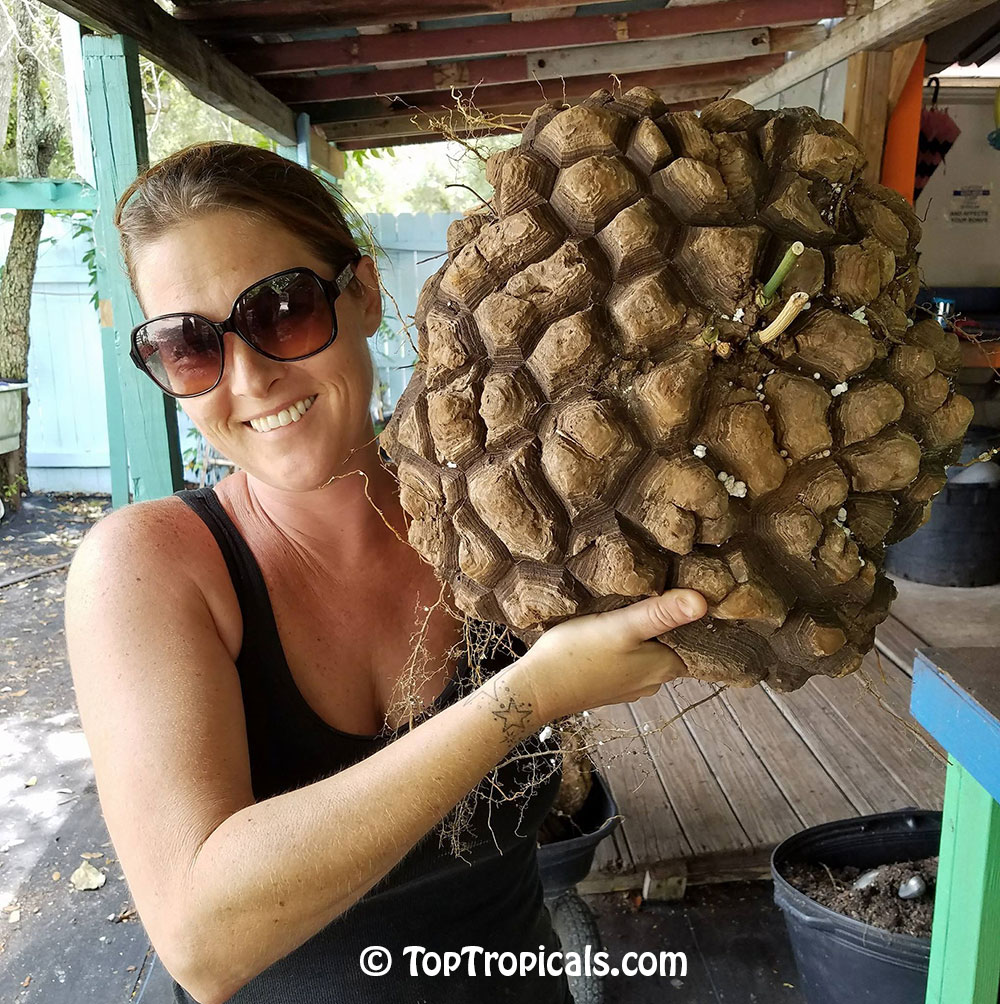
Elephant Foot, Turtle Shell - back in stock!

Dioscorea elephantipes.
Dioscorea is a curious plant with tuber above ground level covered with layers of corky bark, resembling a caudex. It is a slow growing, very unusual succulent. Tuber contains saponins, originally cooked and eaten as a famine food by the Hottentots. Caudex that grows up to 6' in nature, resembling an elephant's foot and looks as if it is segmented into geometric patterns (smaller plants look like tortoises) and looks dead but is actually a living tuber. A plant with 18"caudex can be almost 100 years old! The plant grows into a vine with attractive heart-shaped leaves and small yellow flowers. Culture is relatively easy. The vines may die back and regrow several times a year, depending on the particular plant and your region. The plant doesn't send down deep roots, so plant in a shallow pot about 1" larger than the diameter than the caudex. Potting soil should be very porous/loose so that there is easy drainage. Water well around the edges. Keep in a warm area and wait for the first shoots of the vine to appear. Water regularly from that point on. The plant should not be kept damp as with other tropical plants. Allow it to dry before watering again. Many books will say that they are winter growers, because they are native to the southern hemisphere. In fact, they grow in all seasons! Let the plant be your guide. You cannot force them to grow, and over watering will simply cause them to rot.
Elephant Foot is a collectors item, but remarkably easy to grow. It will be with you for years with no effort. It is a wonderful conversation piece! See more info about Dioscorea elephantipes.

We have limited stock, while supply lasts, hurry up!
*** 4-6"caudex *** 6-8" caudex *** 10-12"caudex *** Seeds. Don't forget special TopTropicals Adenium Soilless Mix that perfectly works for this plant!

Date: 24 Jun 2018

TopTropicals

Fruitful Fruit and SuperFood...

Q: I have a large fruit garden here in Florida with many mango trees, avocadoes, guavas, and other tropical fruit. Last year hurricane Irma and flooding killed a few avocado trees, but mangos and guavas survived OK, but the sad part is, very few flowers this year and almost no fruit setting. I noticed on your website your Superfood and Sunshine-Honey boosters that supposedly help fruiting? But I am afraid it is too late now as your instructions say first application must be in early Spring? I wish I discovered earlier that my trees wouldn't want to fruit this year...

A: First of all, it is never late to give the food! You may start applications of SUNSHINE products at any time of the year. The best results will be achieved once you treat your plants on regular basis throughout the whole year cycle of metabolism.
Couple weeks ago we started harvesting our 2 guava trees. These two are the same variety (Variegated Honeymoon), planted within 20 ft from each other and growing in the same conditions. The only difference was, one was treated with SUNSHINE-Honey and SUNSHINE-SuperFood, and another one didn't get any treats in order to have a control plant.
Results are very interesting, see the picture. Both trees were heavily covered with fruit. However the one with treatments developed fruit that is much larger, much sweeter and juicier, and the most interestingly - with less seeds, almost no seeds!
To answer your question: yes, you can start feeding your fruit trees right now. It is still a Springtime. Many mango varieties have late season; even early varieties may delay their fruiting if flowering triggered by miscro-elements. Guavas have very long season and most varieties can have multiple crops throughout Summer-Fall.
Here is a simple and affordable feeding schedule to help your fruit garden recover from last year hurricane stress, and establish reliable production:
1) SUNSHINE-E - for boosting metabolism - once a month
2) SUNSHINE-Honey - for bringing sugars to the heart of the tree and boosting fruit sweetness and quality - now and in 2 weeks
3) SUNSHINE-SuperFood - for overall health, recovering from hurricane and fixing root damage from flood - now and every 2 weeks throughout warm season.
4) You may apply regular balanced fertilizer NPK as usual (we apply once a month, a handful per in-ground tree)
It's that simple. Just try and watch your trees produce again!

Check out all SUNSHINE boosters... We offer FREE shipping on them, so you can make your plants happy!