Garden Blog - Top Tropicals

Date: 9 Nov 2018

Taste of Mango

TopTropicals.com

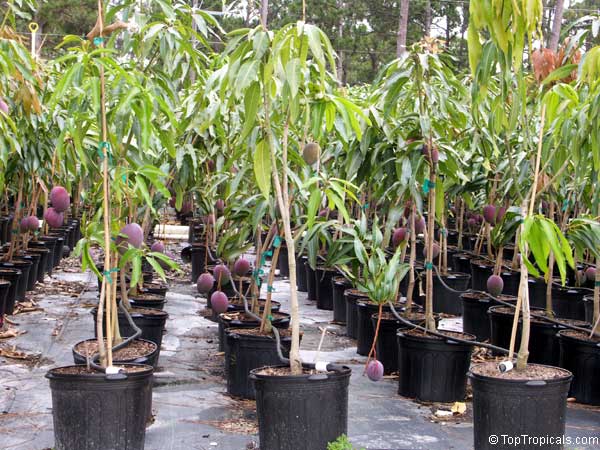
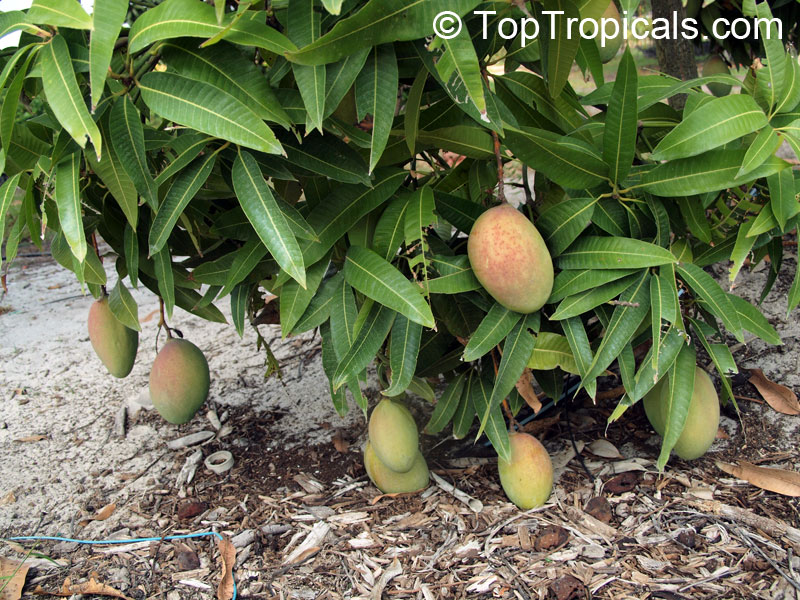
Mango harvest season is over, and now it's the time to plant young Mango trees for the next year season of flowering and fruiting. When choosing a mango tree, researching your location for proper growing conditions is relatively easy. But refining your decision-making process based on the taste of mango is both easy and fun (and filling)! However, since it is often difficult to find a convenient source for sampling a wide variety of mango fruits; we at Top Tropicals sat down and tasted a handful of varieties for you... Just another opinion on taste!

Pickering - Sweet, juicy, fiberless, with a hint of an apricot fragrance. (A universal favorite amongst the group.)

Nam Doc Mai - A slightly fibrous marmalade-like texture, with a sweet and floral flavor.

Cogshall - Very little fiber with a slightly tart and piney flavor.

Florigon - A mild, even flavor. Not too sweet, not too tart, and fiberless.

Mallika - A fiberless cantaloupe-like consistency. Slightly tart, with some semblance to non-acidic orange juice.

Valencia Pride - Slightly fibrous, with a tangy near citrus flavor.

Glenn - Very mild flavor, less sweet compared to other varieties, but very refreshing.

Read more about Mango varieties...

Date: 10 Nov 2025

❄️ How to Prepare Your Tropical Garden for Winter

Two  cats  in  a  tropical  garden  at  sunset.  Smokey,  a  black-and-white 


tuxedo  cat  wearing  a  wool  cap,  holds  a  thermometer  while  Sunshine,  a  fluffy 


orange  tabby,  sits  beside  mulch  and  folded  frost  cloths  surrounded  by  banana
 
 
  and  hibiscus  plants.

Smokey and Sunshine Wrap Up the Garden with Frost Cloth Before the Chill.

Smokey: "Thermometer says 45. Time to wrap the bananas!"
Sunshine: "You wrap the bananas. I’ll guard the mulch… from this sunny spot."
Smokey: "Teamwork, Sunshine. Teamwork."

🌡️ Cold nights are coming - but your tropicals do not need to shiver!

Even in sunny Florida and other warm zones, one cold snap can undo months of growth. Preparation is everything. Tropical plants can handle a lot, but they dislike surprises. Let’s make sure your garden stays safe, strong, and happy all winter long.

Tips from Tatiana Anderson, Top Tropicals Plant Expert

👉 Group and Check Your Plants

You already know which plants are in pots and which are in the ground. What matters now is prioritizing by cold sensitivity. Identify the tender tropicals – papaya, banana, plumeria, adenium, heliconia – and decide which ones get covered first when temperatures drop. Keep frost cloths or old sheets near those areas, ready to grab fast. If your garden is large, label protection zones or mark plants that always need extra care. The goal is to have a plan, not a panic, when the cold alert hits.

Once you know your priorities, you can plan the rest of your protection strategy.

👉 Feed and Mulch

Stop using high-nitrogen fertilizers by late fall. They push soft new growth that freezes easily. Add compost around the base of your plants and top with 3 to 4 inches of mulch. Mulch acts like a blanket: it keeps warmth in, protects the roots, and keeps soil moisture steady. Just make sure the soil drains well; cold and soggy soil leads to root rot. In raised beds, check that water flows away easily.

After you feed and mulch, it is time to look at how your local zone changes the game.

👉 Zone-by-Zone Tips
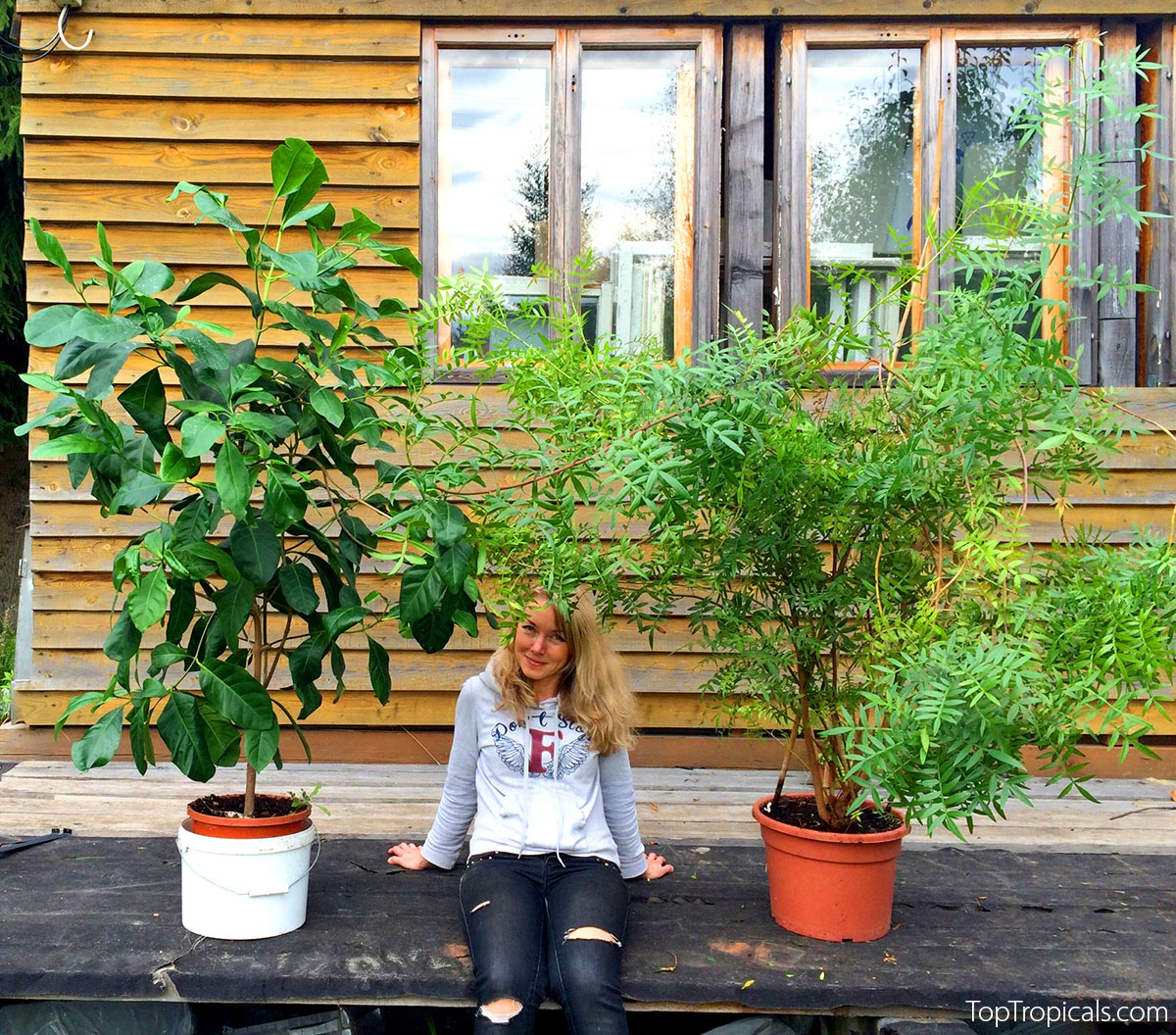
Woman  sitting  between  two  large  potted  tropical  plants  on  a  wooden  deck
 
 
  in  front  of  a  house,  preparing  to  move  them  indoors  for  the  winter.

Moving Tropical Plants Indoors for Winter Protection

  • Zone 10: You are lucky! This is mostly a maintenance season. Watch for root rot after heavy rain, trim lightly if needed, and protect tender young trees during surprise chills. Keep some frost cloth ready just in case.
  • Zone 9: This is the main action zone. Nights can dip into the 30s. Deep-water your trees once before cold nights to insulate the roots. Apply heavy mulch, and have frost protection ready to go. If you grow tropical fruit like mango or guava, consider wrapping young trunks in burlap or foam pipe insulation.
  • Zone 8: This is where tropical gardening becomes creative. Stick to cold-hardy tropicals such as loquat, guava, or cold-hardy avocado varieties. Use portable greenhouses, wrap trunks, and move smaller plants indoors or to a heated porch when frost threatens.

Now that the garden beds are set, let’s look at your pots and containers – your most mobile plants.

👉 Container and Patio Plants

Potted plants are the easiest to protect but also the quickest to freeze. Start reducing watering now so roots do not stay too wet in cooler weather. Before moving them, check for insects hiding under leaves or in the soil. Group your pots close to a wall for reflected heat and wind protection. If you plan to bring them indoors, do it gradually. Move them closer to the house for a few days before bringing them all the way inside to help them adjust to lower light and humidity.

When the chill starts, many gardeners rush to move everything inside at once – but a smooth transition works much better.

👉 Indoor Plants

When bringing plants inside, give them a good rinse to remove dust and bugs, and flush the soil to wash out salts from summer fertilizing. Keep them separate from your houseplants for a week to make sure no pests come along. Expect some leaf drop – it is normal as they adjust to lower light. Give them bright light near a window, and cut watering by about half until spring. Avoid misting too much; good airflow matters more than humidity during winter.

Many tropicals, like hibiscus, brugmansia, and crotons, may look tired for a while, but they will bounce back quickly once days get longer.

👉 Timing Is Everything

The key is to prepare before the first cold warning. Check your weather app regularly once nights start dropping into the 50s. Keep covers, mulch, and supplies ready so you are not running outside at midnight with a flashlight and a frozen hose. Have your frost cloths labeled by plant group and stored in an easy spot. A little organization now saves a lot of stress later.

Many tropicals, like hibiscus, brugmansia, and crotons, may look tired for a while, but they will bounce back quickly once days get longer.

Remember: the goal is to help your plants rest safely. Many gardeners prune or fertilize too late in the season – we will talk about why that can be risky next week." — says Tatiana Anderson, Top Tropicals Plant Expert

Coming next mail-list: The best gadgets for cold protection (lights, heaters, frost covers) and what NOT to do in winter.

📚 Learn more from Top Tropicals Blog:

Cold protection - winter action for your plant collection

What plants are good to order in Winter?

How to take care of house plants in Winter

How to protect tropical plants in Winter

How to take care of a mango tree in winter

How to protect Avocado from cold

Overwintering Adeniums outside of tropics
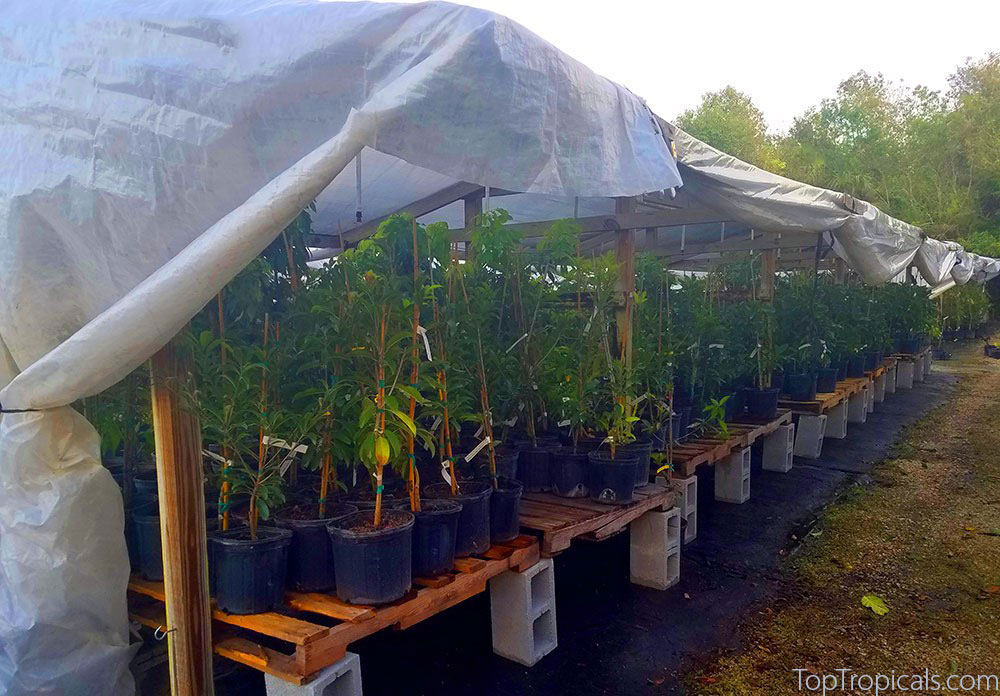
Rows  of  tropical  plants  in  black  pots  covered  with  frost  cloth  and 


plastic  sheeting  for  winter  protection  at  Top  Tropicals  nursery.

Protecting Tropical Plants with Frost Covers at Top Tropicals Nursery
Date: 25 May 2025

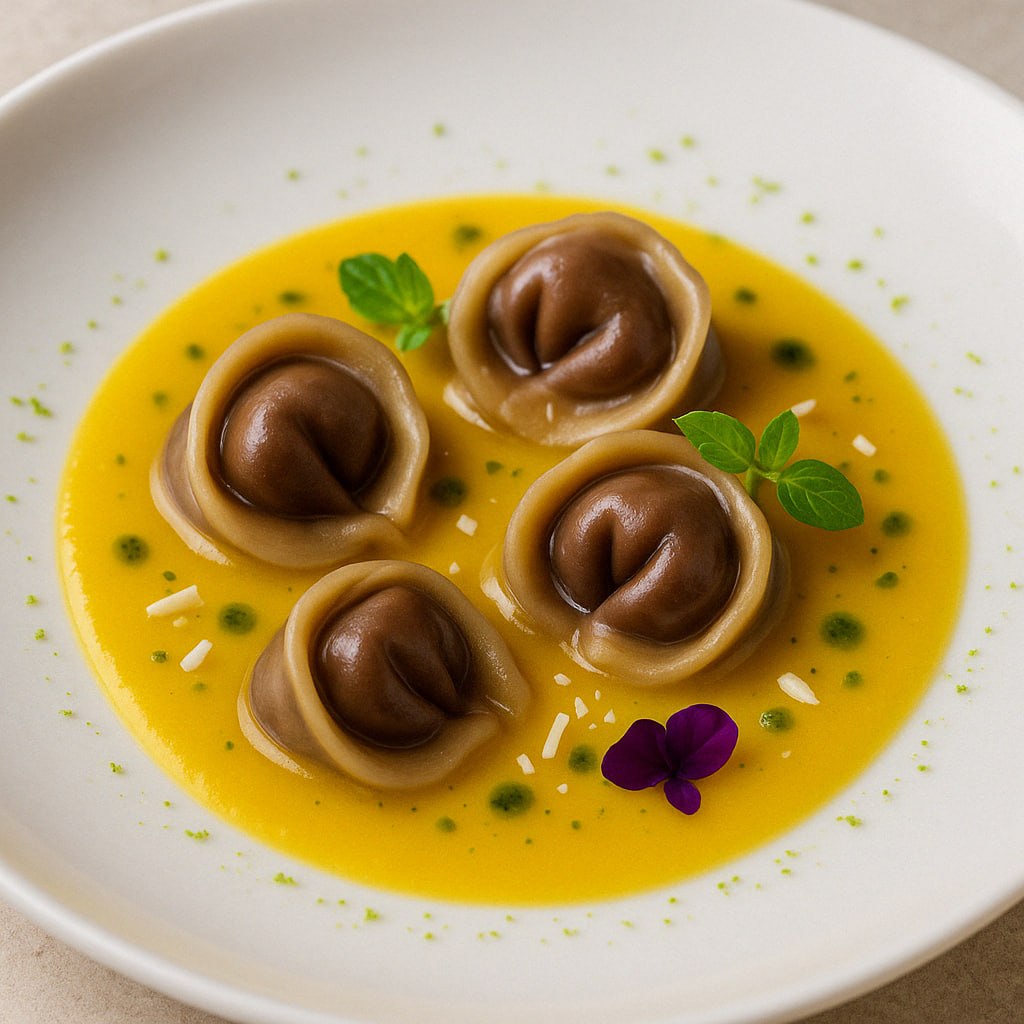
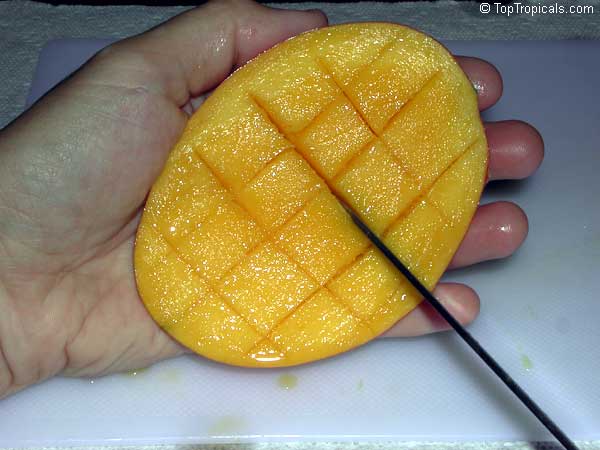
How to make chocolate dumplings in mango sauce: exotic recipe

chocolate dumplings in mango sauce

chocolate dumplings in mango sauce

How to make chocolate dumplings in mango sauce: exotic recipe


Ready to sneak this onto your dessert menu under a name like "Tropics Lost in Vienna"?

Ingredients

  • 🔸 For the dough:


• 200 g (1 ½ cups) all-purpose flour
  • • 1 egg
  • • 3 tbsp water
  • • Pinch of salt


🔸 For the filling:

  • • 70 g (2.5 oz) dark chocolate
  • • 3 tbsp heavy cream
  • • 1 tsp cocoa powder (optional)
  • • 1 tsp sugar (if chocolate is too bitter)


🔸 For the mango sauce:

  • • 1 ripe mango (or 150 g mango puree)
  • • 100 ml (just under ½ cup) heavy cream
  • • 1-2 tsp honey
  • • 1 tsp lime or lemon juice
  • • Pinch of salt


🔪 Instructions

  • ➡Make the dough: Mix flour, egg, water, and salt into a soft dough. Knead, wrap, and rest for 30 minutes.
  • ➡Prepare the filling: Melt chocolate with cream over a water bath. Stir in sugar and cocoa if using. Let cool until thick.
  • ➡Shape the dumplings: Roll out dough, cut into circles, fill with chocolate, and seal. Freeze for 10 minutes to firm up.
  • ➡Cook: Boil in lightly salted water. Once they float, cook 2–3 minutes more. Lift out gently.
  • ➡Make the mango sauce: Blend mango, then stir in cream, honey, citrus juice, and salt. Warm gently without boiling.
  • ➡Serve: Arrange dumplings, spoon over sauce, and garnish with mint or lime zest if desired.


🛒 Plant your own Mango Tree and always have mango supply

#Food_Forest #Recipes #Mango

🔴 Join 👉 TopTropicals

Date: 25 Feb 2021

Container mango - Condo varieties

Q: What are the good varieties of mango trees available for container grow? Can you please share the details?

A: There are some great varieties of Mango selected specifically for container culture, they even have a nick-name - "condo mangoes". They have compact growth habit and respond well to pruning to keep them in small size. Here are a few of our favorites that we currently have in stock:
Glenn
Ice Cream
Cotton Candy
Mallika
Manilita
Pram Kai Mai
Mun Kun Si
Maha Chinook
You can see more condo mangoes on this page.

Related articles:

How to grow a Dwarf Mango tree
Choosing the right Mango for your garden
10 secrets of successful Container Mango growing on a balcony.
Condo Mango

Date: 17 Nov 2025

Pram Kai Mai: a sweeter twist on Nam Doc Mai with a story - Mango Rainbow

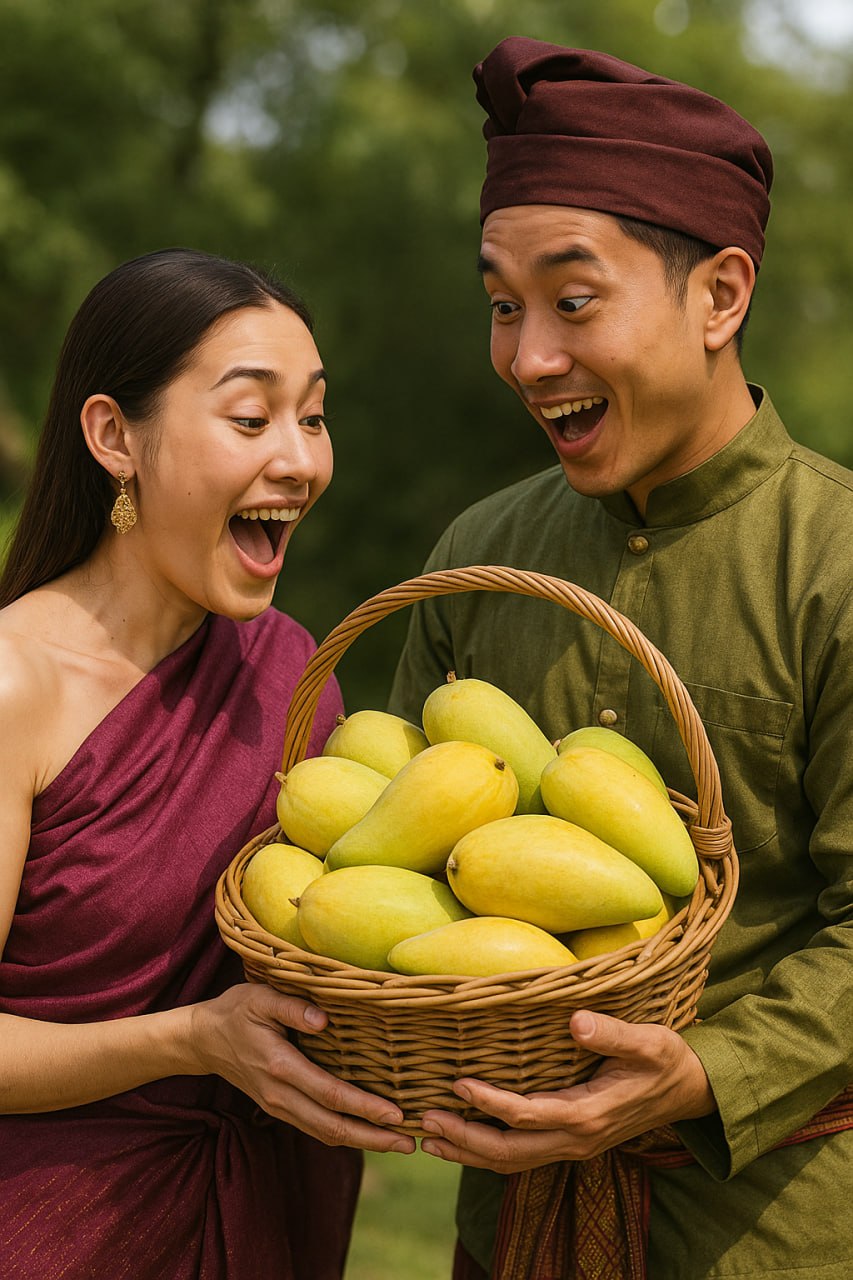
Pram Kai Mai Mango crop in a basket

Pram Kai Mai Mango crop in a basket

Pram Kai Mai Mango

Pram Kai Mai Mango

🥭 Pram Kai Mai: a sweeter twist on Nam Doc Mai with a story - Mango Rainbow🌈
  • 🟡Why mango collectors chase after Pram Kai Mai?
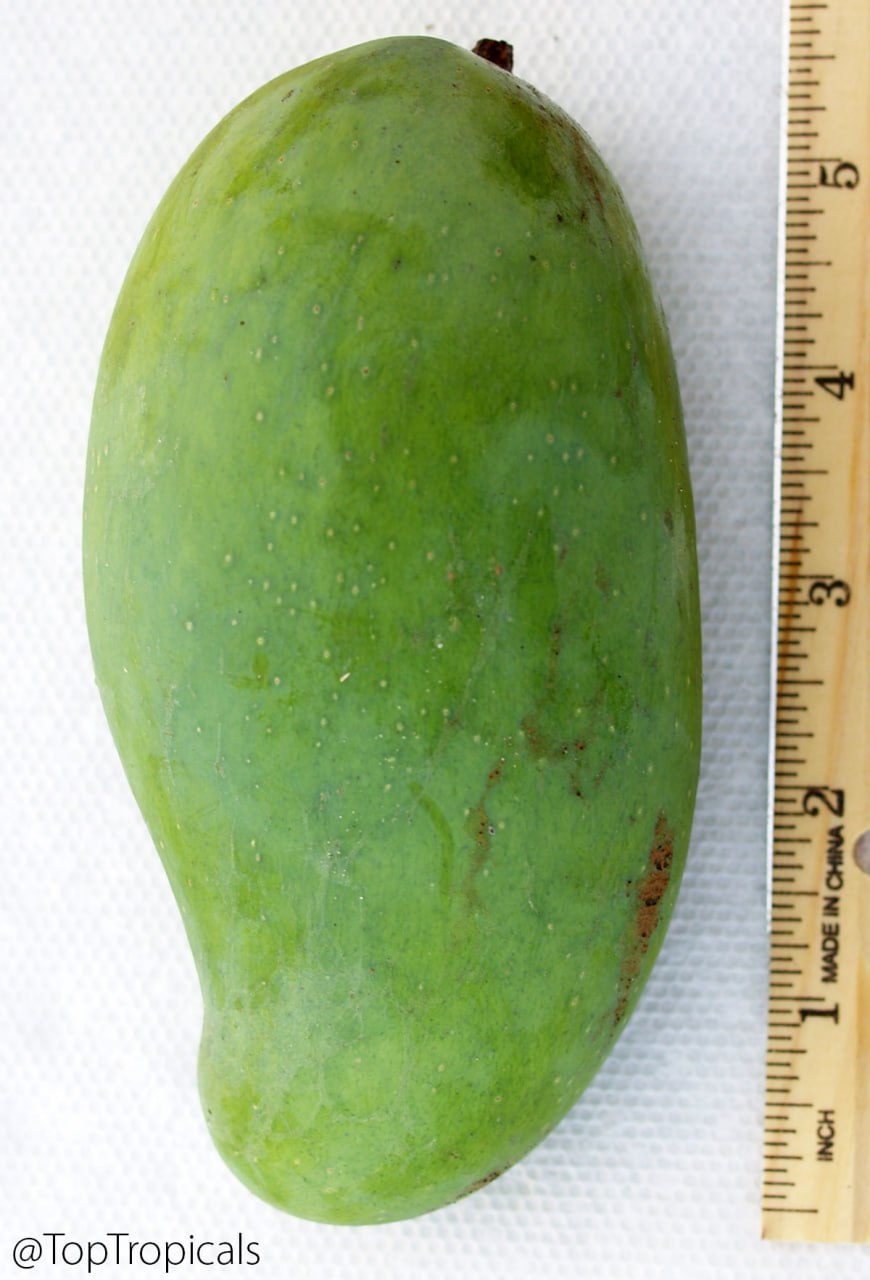
  • Pram Kai Mai is like Nam Doc Mai’s cooler cousin - with even better flavor. This Thai mango can be eaten green when it’s sweet and crispy, or fully ripe when it turns golden and silky. No fiber, just smooth, juicy flesh and a tropical aroma that hits you as soon as you slice it. It’s semi-dwarf, great for pots, and some trees even fruit more than once a year. Rare, compact, and loaded with flavor - this one’s a collector’s dream.
  • 🟡Pram Kai Mai is a Thai dessert mango known for its gentle sweetness and smooth, almost fiberless flesh. The name appears in several spellings - Pram Kai Mai, Pram Kai Mea, Pram Kai Mia, Prom Ki Mia, and even Brahm Kai Meu - all referring to the same variety.
  • 🟡If we break down the original Thai name พร้ามกายเมีย (Brahm/Pram/Prom Kai Mea/Mai/Mia) literally: Brahm / Pram / Prom relates to "noble, elevated, precious".

กาย - Kai means body
เมีย - Mia means wife
But no one in Thailand interprets this name word-for-word.
In mango names, this construction works as a cultural compliment, a gentle metaphor. The meaning is closer to:
"A mango so good you would save it for the one you love most."
or "A fruit worthy of a beloved wife".
Similar to how in other languages we may call something "royal", "special", or "meant for someone dear", this name is simply expressing admiration.

And the fruit truly matches that feeling. It is fragrant and sweet, with soft tender flesh. It can be enjoyed while still crisp and green, when its flavor is clean and refreshing, or fully ripe, when it becomes rich and smooth, almost melting on the tongue.

🛒 Shop Mango varieties

📚 Learn more: #Mango_Rainbow - varieties you should try

#Food_Forest #Mango #Mango_Rainbow

🟢 Join 👉 TopTropicals