Garden Blog - Top Tropicals

Date: 5 Jun 2026

Pitaya Eureka Red: dragon fruit beyond pink and white - A Collectors Guide
Pitaya Eureka Red: dragon fruit beyond pink and white - A Collectors Guide

🍉 Pitaya Eureka Red: dragon fruit beyond pink and white - A Collector's Guide


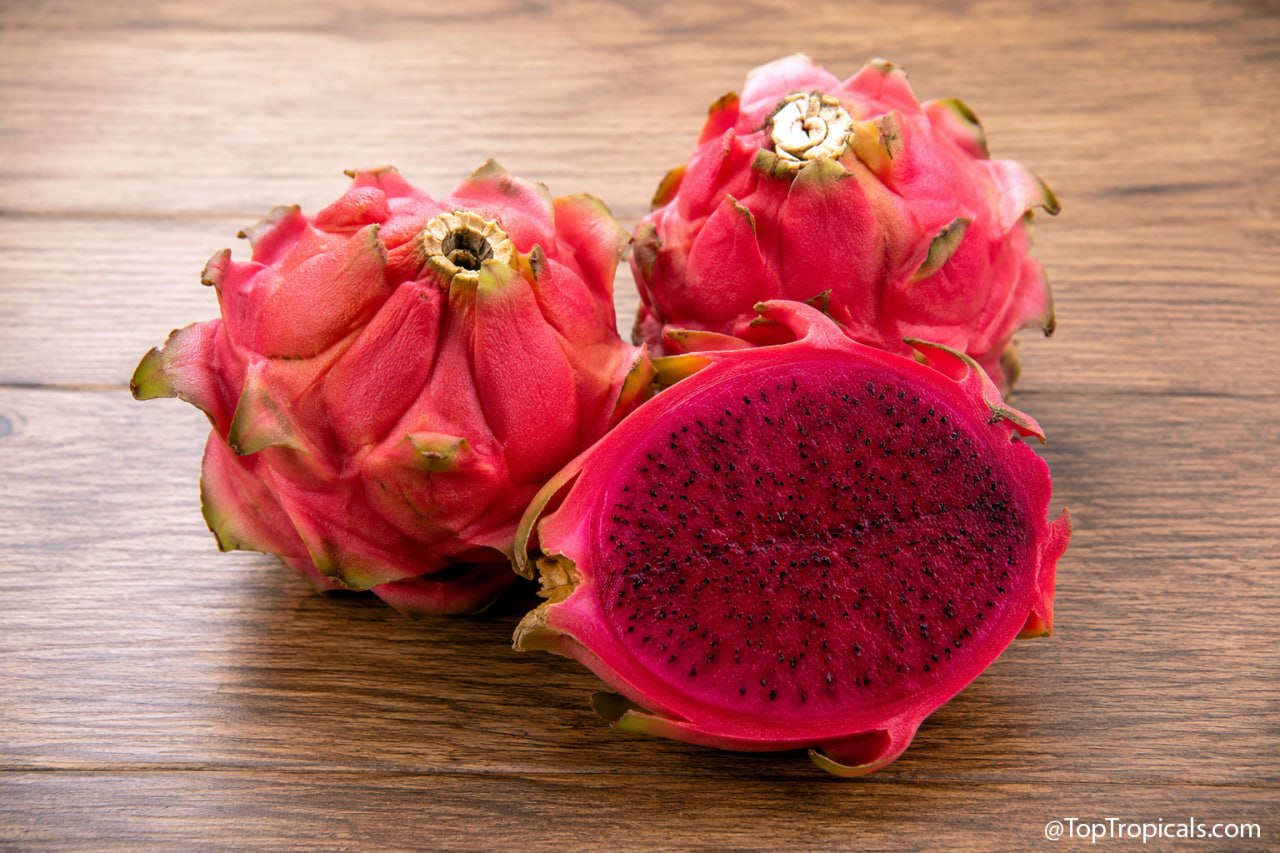
Most people think dragon fruit is a mild, white-fleshed fruit with bright pink skin; then they discover Eureka Red - the highly sought-after, red-fleshed dragon fruit variet, a hybrid of Hylocereus polyrhizus and Hylocereus costaricensis. It is prized for its bold tropical flavor, intense sweetness, and vibrant, antioxidant-rich dark red juice. Originally selected in Nicaragua, Eureka Red is a self-pollinating variety that produces large fruit with deep red flesh and a flavor that is noticeably richer than many common white-fleshed dragon fruits. It belongs to a group of dragon fruits prized not only for their beauty but also for their intense color and higher antioxidant content.

🔸 A fruit that stands out


The first thing you'll notice is the flesh. Slice open a ripe Eureka Red and you'll find a vivid ruby-red interior packed with tiny black seeds. The contrast between the bright pink skin and dark red flesh makes it one of the most striking dragon fruits you can grow.

The fruit are typically large, often larger than many standard white-fleshed varieties, making them especially rewarding for home gardeners.

🔸More flavor than you might expect


Many people describe white-fleshed dragon fruits as refreshing and mildly sweet. Eureka Red takes things a step further.

The flavor is richer and more complex, with berry-like notes and a deeper sweetness balanced by a pleasant tang. The texture remains smooth and juicy, making it excellent for eating fresh, blending into smoothies, or adding dramatic color to fruit salads and desserts.

🔸 Easy to grow and productive


One reason Eureka Red has become popular among collectors is that it is self-pollinating. A single plant can produce fruit without requiring a second variety for cross-pollination.

Like other dragon fruits, it is a climbing cactus that thrives in warm climates, appreciates good drainage, and rewards growers with enormous fragrant white flowers that open after sunset. Once established, the plants can be remarkably productive.

🔸 Why collectors love it


Dragon fruit enthusiasts are always searching for varieties that combine beauty, flavor, and reliability. Eureka Red checks all three boxes. Its large fruit, deep red flesh, self-pollinating nature, and excellent flavor have earned it a place among the most desirable dragon fruit varieties for home gardens.

If you've only tasted the typical supermarket dragon fruit, Eureka Red is a reminder that the world of dragon fruits is far more colorful - and flavorful - than most people realize. 👉 More...

🛒 Explore and collect Dragon Fruit varieties

📚 Learn more:

Pitaya Plant Facts

Botanical name: Hylocereus sp.
Also known as: Pitaya, Pitahaya, Dragon Fruit, Strawberry Pear
USDA Zone: 9 - 11
Highligths Large shrub 5-10 ft tallVine or creeper plantSemi-shadeFull sunWatering: Moderate. Water when top soil feels dryWhite, off-white flowersThorny or spinyEdible plantSubtropical plant. Mature plant cold hardy at least to 30s F for a short timeSeaside, salt tolerant plant
Get personalized tips for your region

· Dragon fruit Hylocereus in Plant Encyclopedia
· Pitaya David Bowie: Dragon Fruit Beyond Pink and White
· A Quick Guide to Dragon fruit varieties: Red, White, Yellow, Purple and more...
· What is the best Dragon fruit with red flesh?
· Planting your own Dragon Fruit plantation
· Do-It-Yourself Support Structure for Dragon Fruit
· Why you need to grow your own dragon fruit
· Do red, white and yellow Dragon fruit taste differently?

#Food_Forest #Dragon_Fruit #Discover

🟢 Join 👉 TopTropicals
Date: 7 Jun 2026

Which jaboticaba to grow: a quick guide to the most popular varieties

Which jaboticaba to grow: a quick guide to the most popular varieties Which jaboticaba to grow: a quick guide to the most popular varieties
🍇Which jaboticaba to grow: a quick guide to the most popular varieties

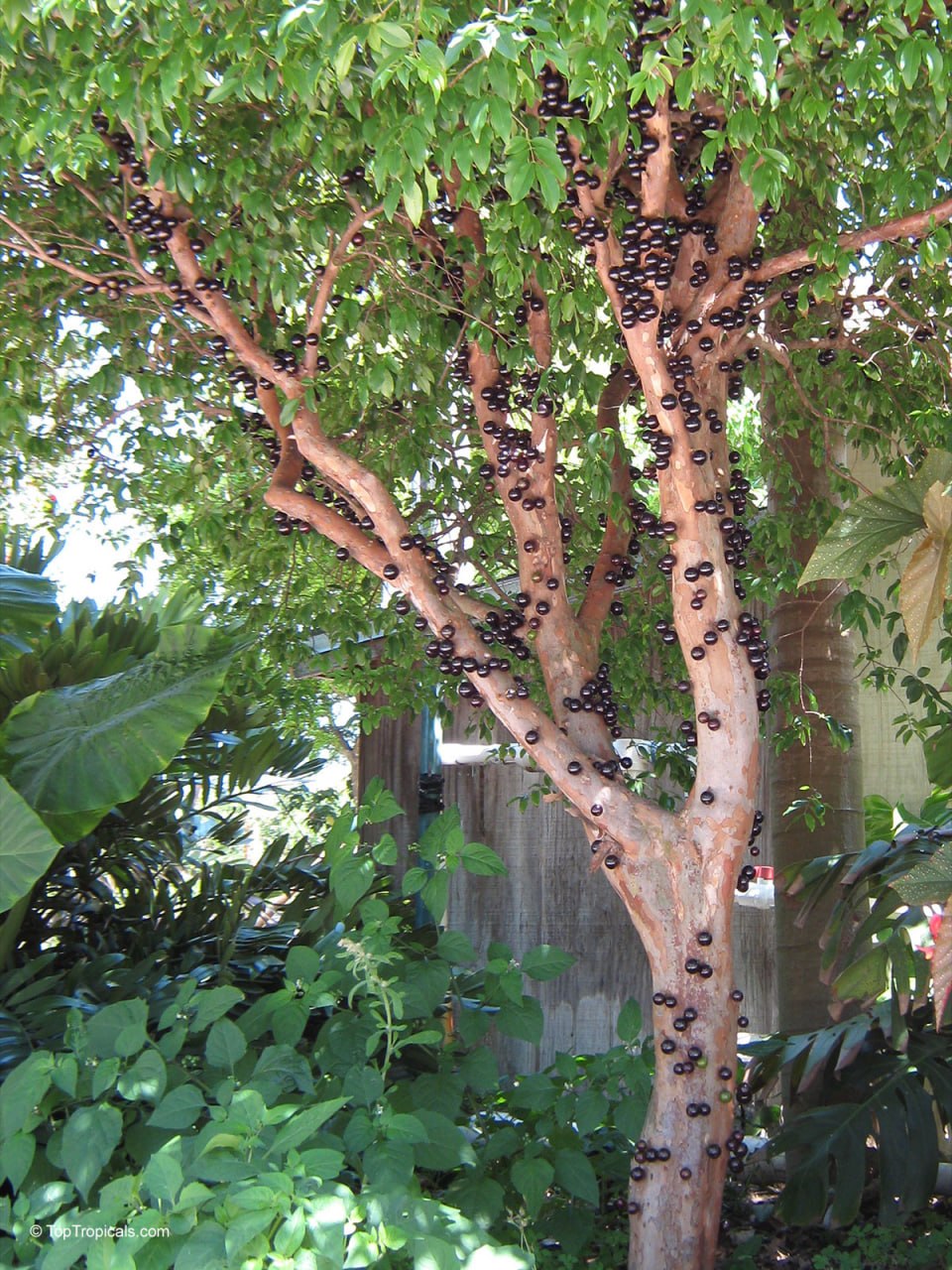
Jaboticabas are among the most unusual fruit trees in the world. Native to Brazil, they produce grape-like fruit directly on the trunk and branches. Most varieties have sweet pulp, can fruit multiple times per year, and grow well in containers.

Despite their tropical appearance, jaboticabas are surprisingly cold hardy. During our historic Florida freeze, established trees handled 25F for two nights and nearly two weeks of unusual cold without protection. Many varieties can tolerate temperatures into the 20s, making them one of the more cold-hardy tropical fruit trees for Florida.

From fast-fruiting dwarfs to giant-fruited collectors' varieties, each jaboticaba offers something a little different. Here's a practical guide to some of the most popular selections.

For beginners: Precoce Dwarf (Red Scarlet)


One of the fastest-fruiting jaboticabas, often producing in 3-5 years. Compact, container-friendly, ideal for gardeners who want fruit sooner.

•  Fruits young
•  Naturally compact
•  Excellent container plant
•  Good for cooler climates where winter protection is needed

The classic choice: Sabara


The classic Brazilian jaboticaba and still the most widely grown variety. Small, exceptionally sweet fruit with thin skin and juicy pulp. Can produce several crops per year.

•  Traditional jaboticaba flavor
•  Thin-skinned fruit
•  Sweet and juicy
•  Excellent for bonsai and containers
•  One of Brazil's most popular wine varieties

For large fruit: Grimal


Often called Giant Jaboticaba, with much larger fruit than most varieties. Thick juicy pulp, small seeds, heavy production.

•  Larger fruit
•  Thick pulp
•  Heavy producer
•  Excellent fresh eating quality

For exceptional flavor: ESALQ


Known for large, exceptionally sweet fruit and relatively early production.

•  Outstanding sweetness
•  Large fruit
•  Fruits in about 4-5 years
•  Collector favorite

For beauty and productivity: Branca Vinho


One of the most ornamental jaboticabas, with attractive foliage, upright growth, and excellent white-fleshed fruit. Fruits young and often several times per year.

•  Beautiful foliage and trunk
•  White-fleshed fruit
•  Excellent flavor
•  Multiple crops per year
•  Good cold tolerance

For collectors: Blue Jaboticaba


A close jaboticaba relative (Myrciaria vexator) producing blue-purple fruit with a sweet grape-like flavor. Often grown as much for its beauty as its fruit.

•  Unique blue fruit
•  Sweet grape-like flavor
•  Ornamental tree
•  Rare and unusual

For faster growth: Volcano Red (La Vinotinto)


More vigorous and faster growing than traditional jaboticabas. Famous in Hawaii for Volcano Red wine.

•  Faster growth
•  More vigorous tree
•  Good adaptability
•  Tolerates occasional waterlogging
•  Source of Hawaiian Volcano Red wine

Which one is right for you?


•  Fastest fruit: Precoce Dwarf
•  Classic flavor: Sabara
•  Largest fruit: Grimal
•  Sweetest fruit: ESALQ
•  Best ornamental: Branca Vinho or Blue Jaboticaba
•  Fastest growth: Volcano Red

👉 All jaboticabas share the same magical trait - flowers and fruit appearing directly on the trunk. The differences are in fruit size, growth rate, and how quickly you'll enjoy your first harvest. Jaboticabas are notoriously slow growing, and large fruiting-size trees can take many years to develop. Established specimens are hard to find and can save years of waiting. If you've been thinking about adding one to your garden, remember: the best time to plant a jaboticaba was years ago - the second-best time is today.

🛒 Select from Jaboticaba varieties

📚 Learn more:

Jaboticaba Plant Facts

Botanical name: Myrciaria cauliflora, Plinia cauliflora, Eugenia cauliflora
Also known as: Jaboticaba, Duhat
USDA Zone: 9 - 11
Highligths Plant used for bonsaiSmall tree 10-20 ftFull sunKeep soil moistEdible plantSubtropical plant. Mature plant cold hardy at least to 30s F for a short timeFlood tolerant plant
Get personalized tips for your region

Jaboticaba (Myrciaria cauliflora) in Plant Encyclopedia
Before you open a bottle of wine, meet the Secret Wine Tree from Brazil
What does Blue Jaboticaba taste like?
How Blue Jaboticaba is different from regular Jaboticaba?
What is Jaboticaba? I like the sound of this word!

#Food_Forest #Discover #How_to

🟢 Join 👉 TopTropicals