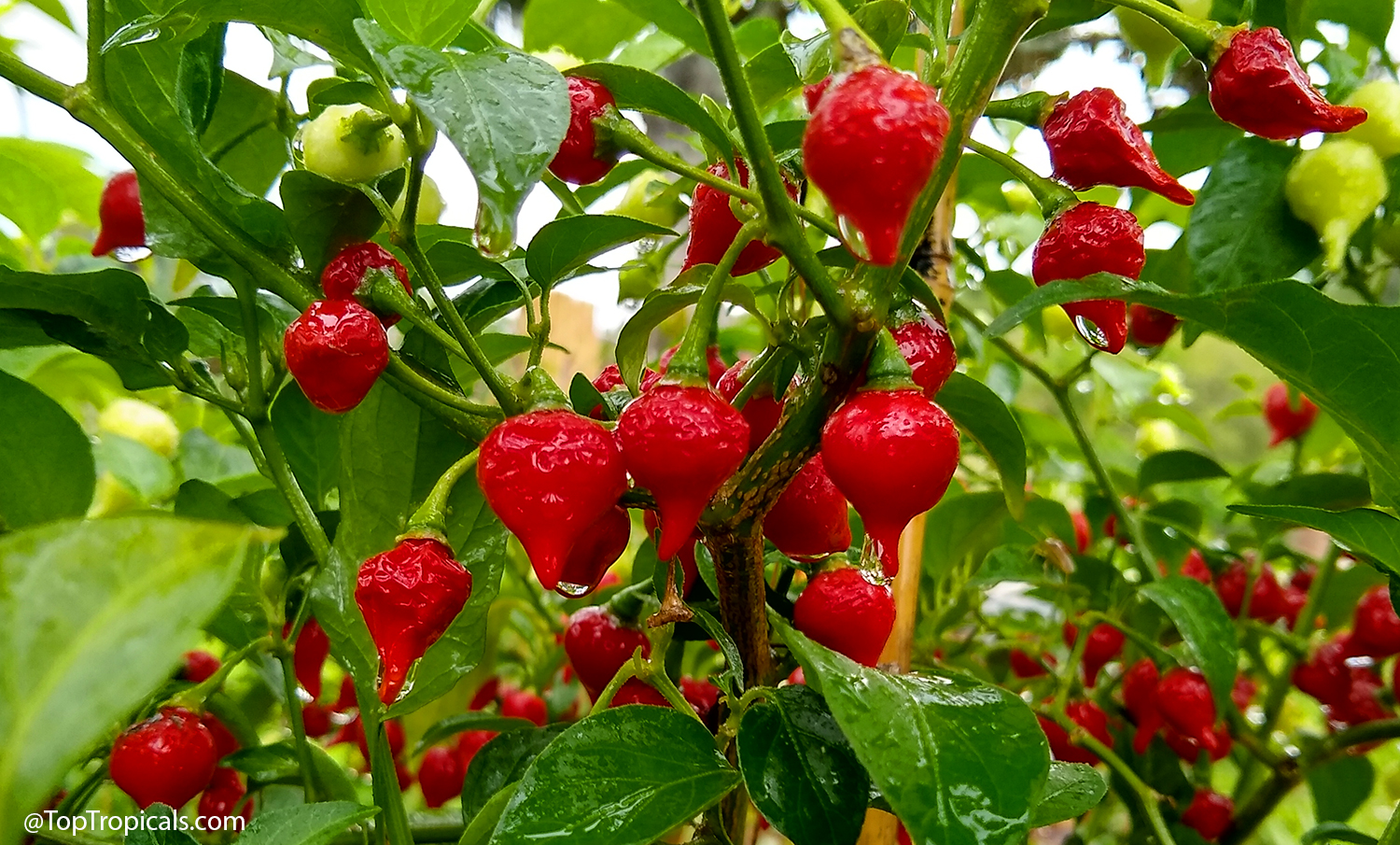
Biquinho
pepper loaded with fruit - small, beak-shaped peppers ripen
from green to bright red, offering intense fruity habanero flavor with
little to no heat on a compact, heavy-producing plant.
Sweet Pepper Plant Facts
Botanical name: Capsicum annuum Also known as: Sweet Pepper, Chilli Pepper, Cayenne Pepper, Paprika, Ornamental pepper
USDA Zone: 4 - 10
Highligths
A lot of plants that thrive in Florida heat have deep roots in Mexico, and
not just as ornamentals. Think coral vine or flame vine climbing a fence in
summer, or bird of paradise
sitting at the edge of a patio like it owns the place. These are not plants
that need coaxing. They grow fast, full, and unapologetically.
Then there are the plants you actually eat: peppers,
prickly
pear, sweetleaf,
and fruit trees like avocado, guava,
and sapodilla.
They do not just decorate the yard. They change how the yard works, and how
the kitchen feels all year.
Avocado Plant Facts
Botanical name: Persea americana, Persea gratissima Also known as: Avocado, Alligator Pear, Aguacate, Abacate
USDA Zone: 9 - 11
Highligths
That is the part that sneaks up on you. Gardening stops being about having a
pretty yard and starts becoming a way of living. Mango tacos taste
different when you picked the mango yourself. Everything does.
Mango Plant Facts
Botanical name: Mangifera indica Also known as: Mango
USDA Zone: 9 - 11
Highligths
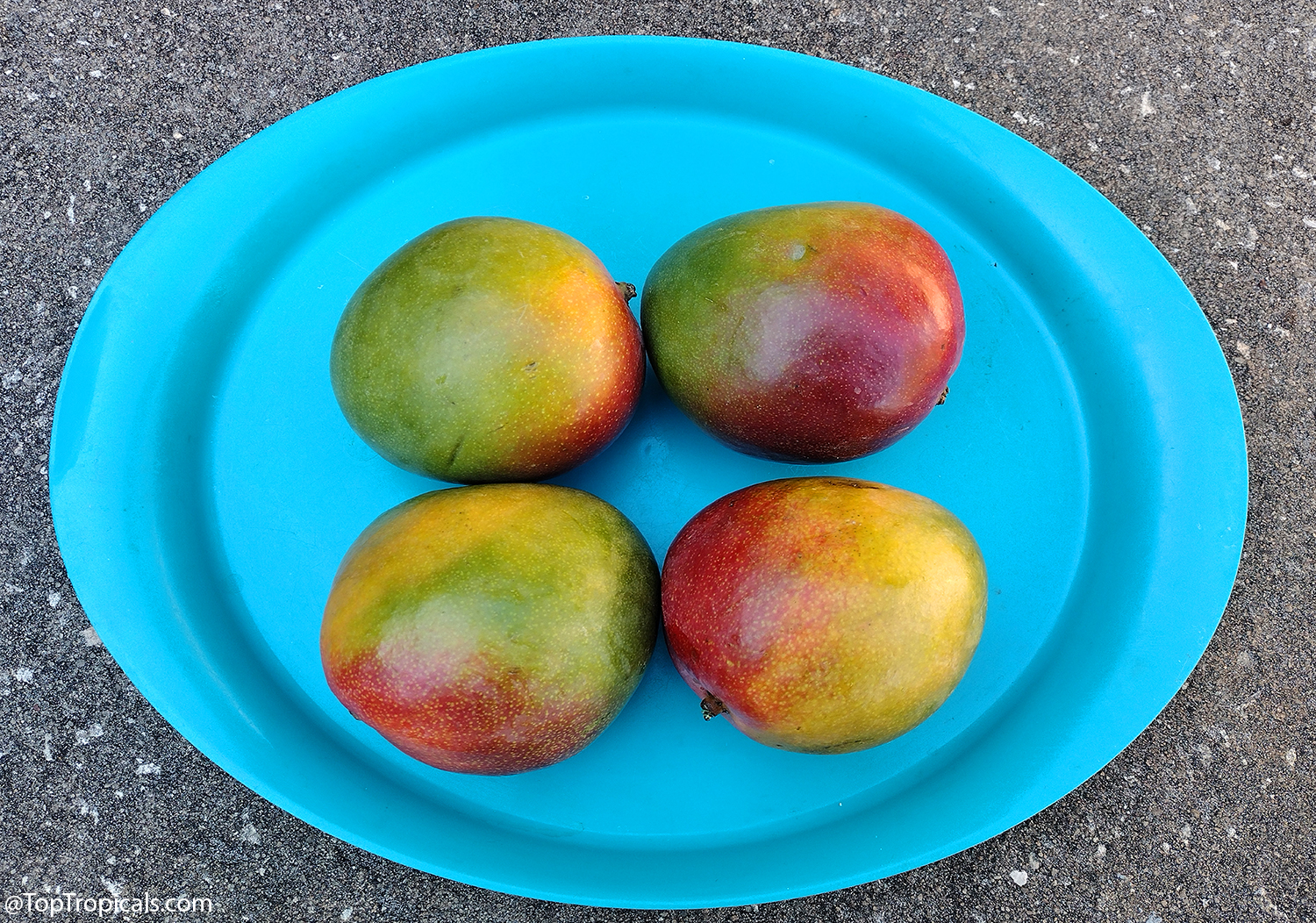
Kent mango - classic late-season variety with smooth,
fiberless flesh and rich, sweet flavor.
🍀Mexican
Plants That Thrive With Minimal Effort
by Tatiana Anderson, Top Tropicals Garden
Expert
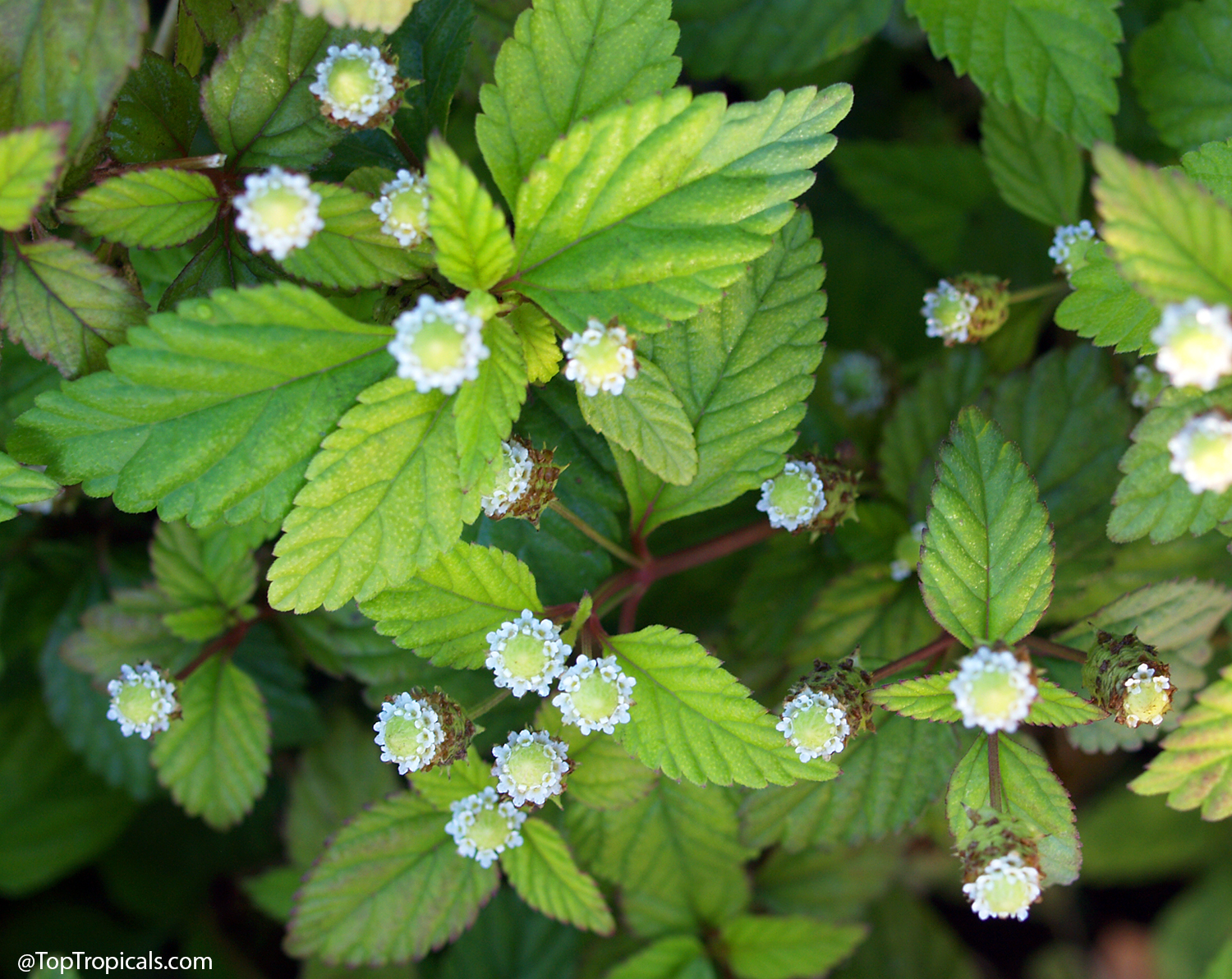
Lippia
dulcis - Aztec Sweet Herb in bloom - a low-growing Mexican herb
with tiny white flowers and remarkably sweet leaves that can be eaten fresh
or added to fruit dishes, traditionally used since Aztec times for coughs
and colds.
Aztec Sweet Herb Plant Facts
Botanical name: Phyla dulcis, Lippia dulcis, Phyla scaberrima, Lippia mexicana Also known as: Aztec Sweet Herb, Sweetleaf
USDA Zone: 9 - 11
Highligths
These Mexican plants are surprisingly easy to grow if you give them what
they expect: sun, heat, and good drainage. Most of them are built for tough
conditions and will grow fast with minimal care once established.
The one rule that matters: fill the planting hole with water. If it does
not drain in 5-10 seconds, plant on a mound or use a container.
Flowering
vines will take off quickly, edibles like peppers and sweetleaf
lippia
are very forgiving, and cactus types prefer to be left alone rather than
overwatered.
For full, step-by-step growing tips and plant-specific advice, read our blog
- we break everything down in practical, real-world terms.
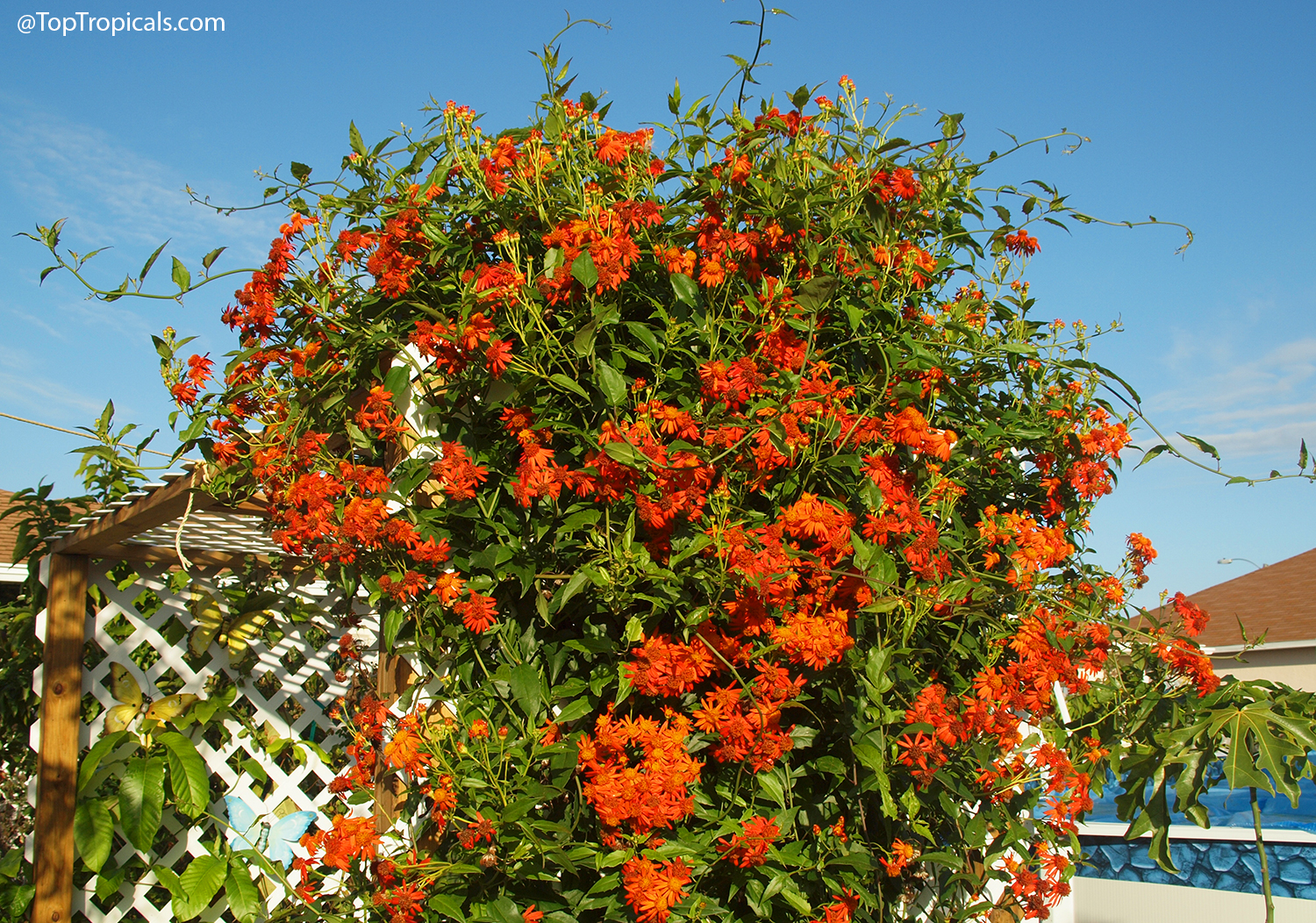
Mexican Flame Vine in full bloom - a fast-growing,
drought-tolerant climber that quickly covers fences with vivid red flowers,
attracting
pollinators and adding bold color with minimal care.
Mexican Flame Vine Plant Facts
Botanical name: Pseudogynoxys chenopodioides, Senecio confusus Also known as: Mexican Flame Vine, Orangeglow Vine
Top nine plants of love, desire, and the senses: aphrodisiacs and sensory connections
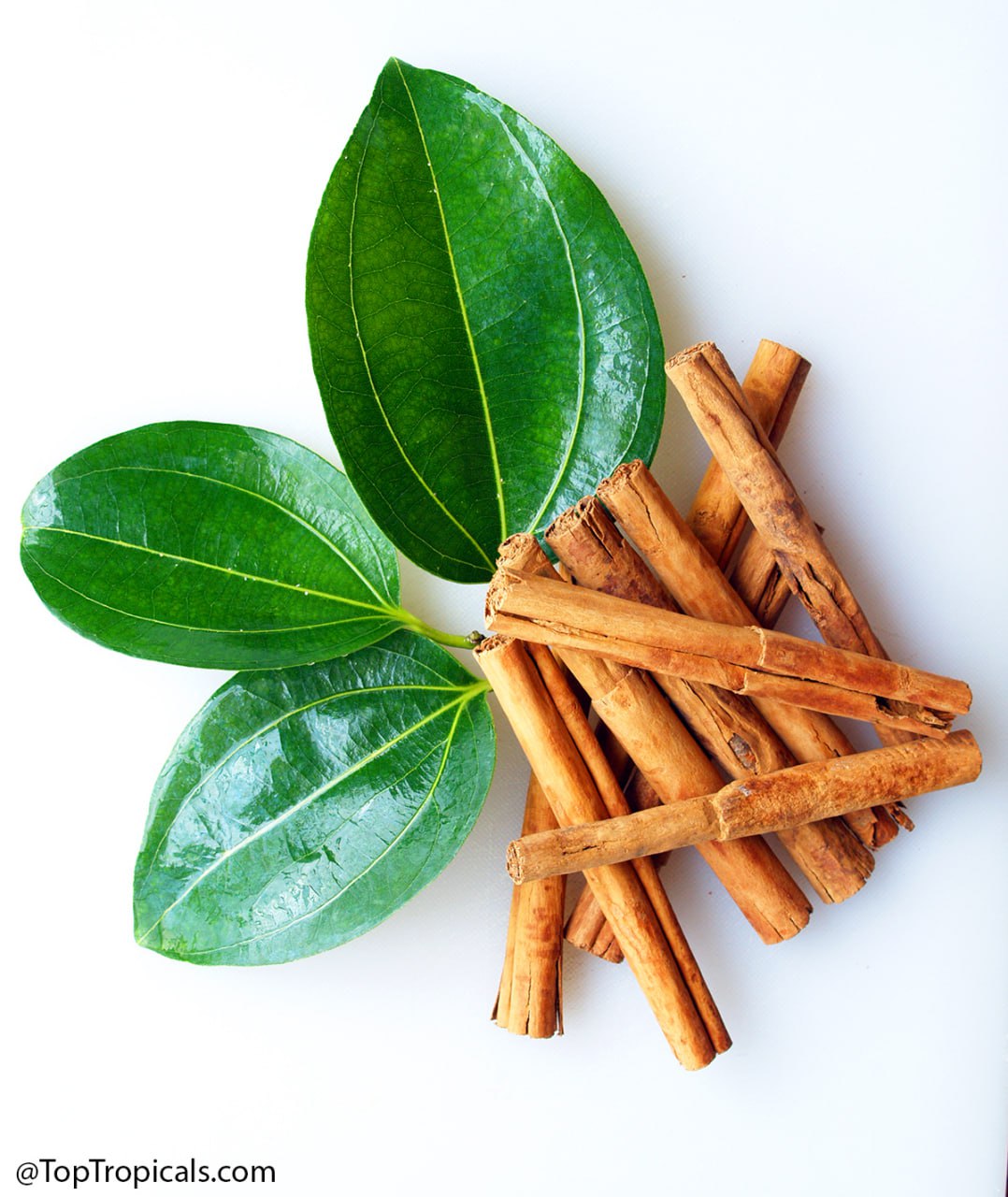
Cinnamon (Cinnamomum zeylanicum)
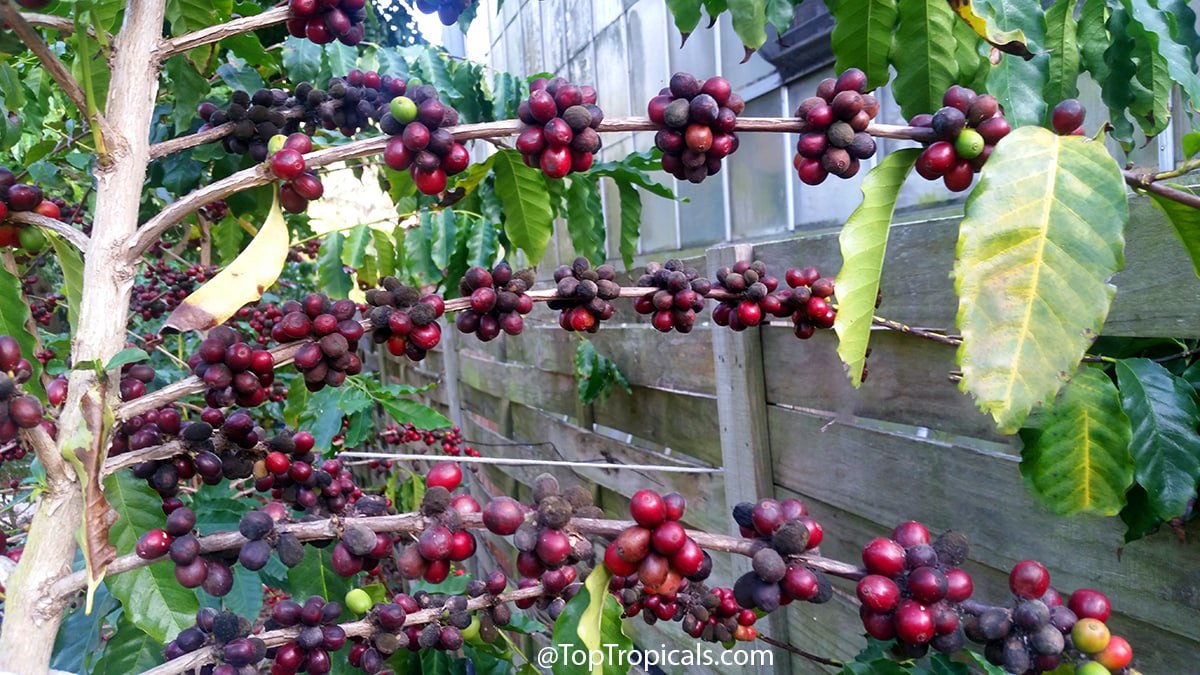
Coffee - Coffea arabica
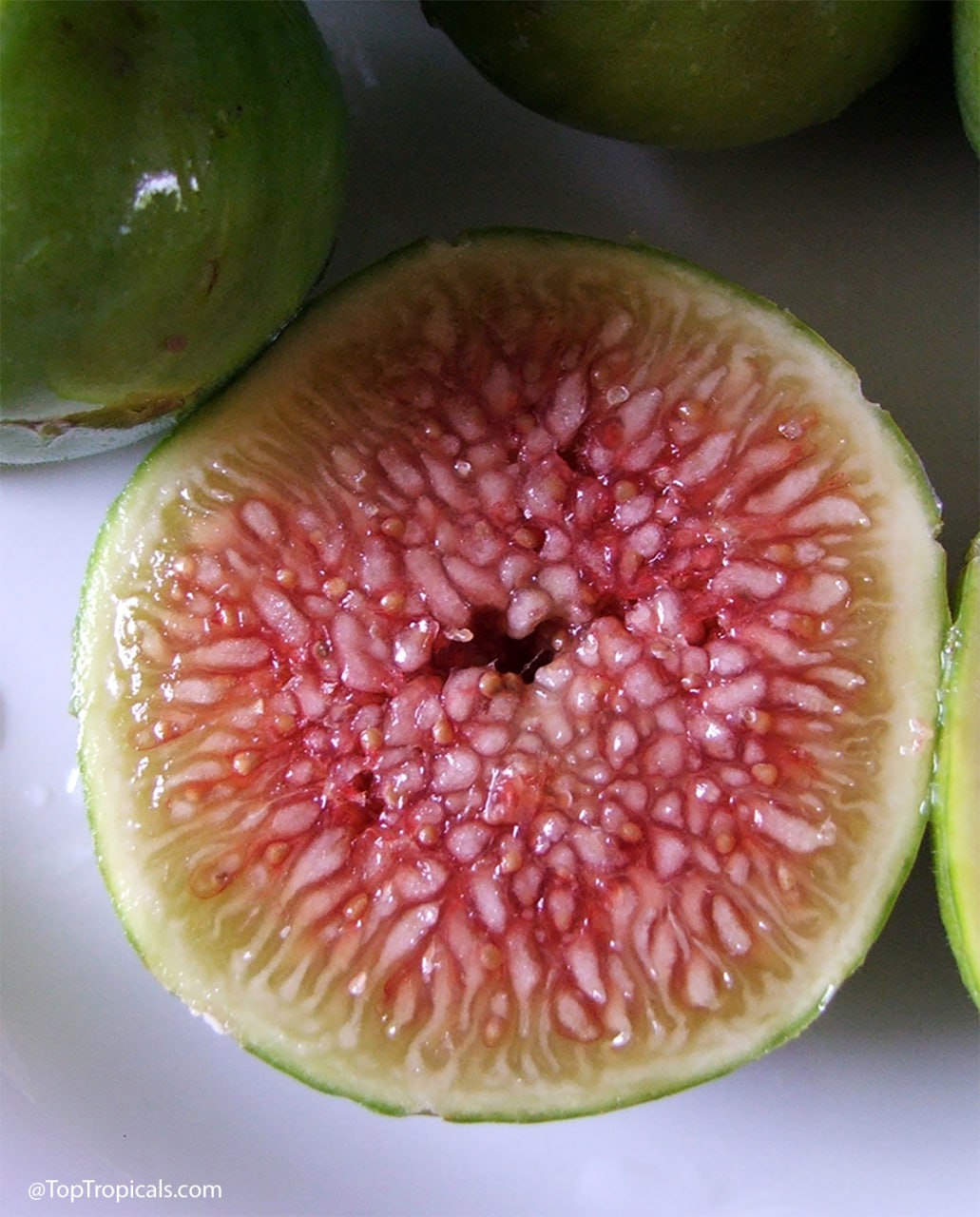
Fig tree fruit (Ficus carica)
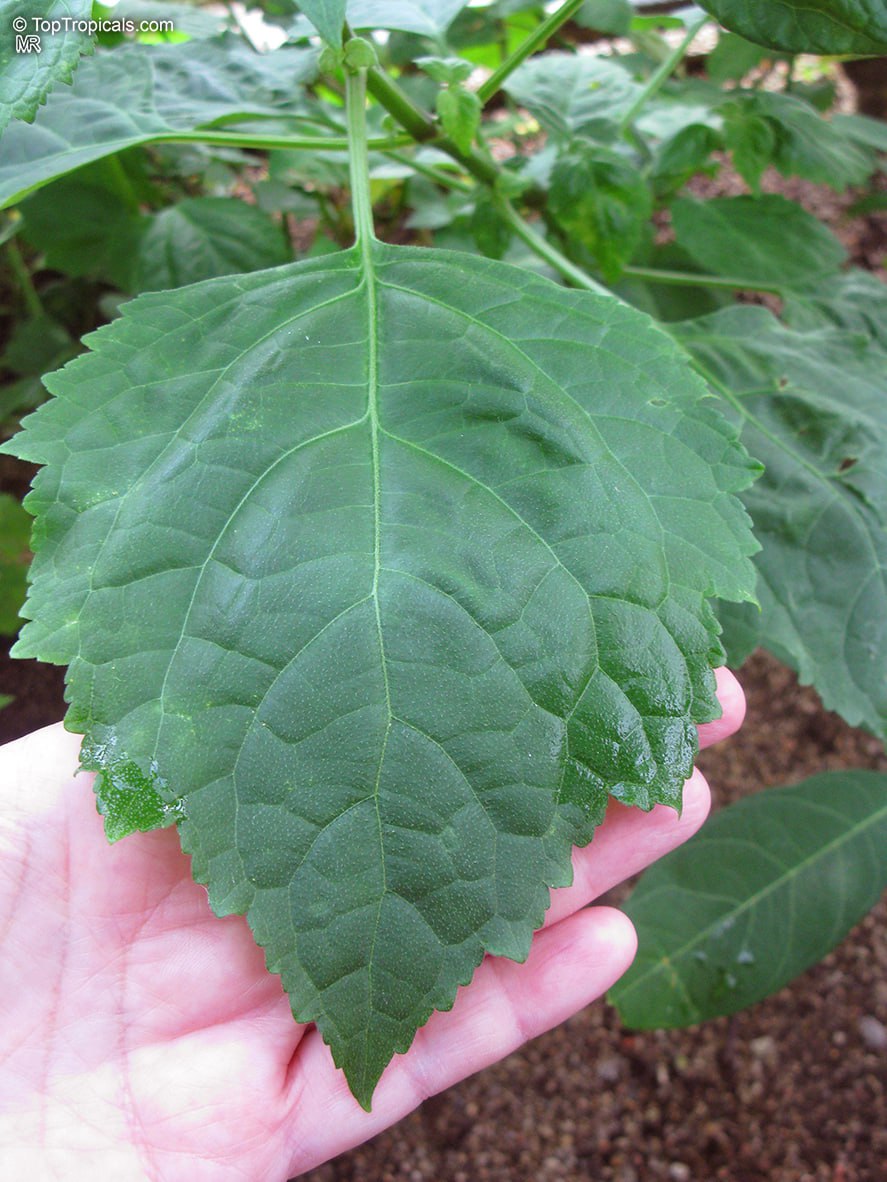
Patchouli - Pogostemon cablin
Pomegranate (Punica granatum)
Cacao - Chocolate Tree (Theobroma cacao)
💖 Top nine plants of love, desire, and the senses: aphrodisiacs and sensory connections
Across cultures, love has also been expressed through taste, scent, warmth, and shared ritual. These tropical plants were valued not just for beauty, but for how they awaken the body and deepen connection.
💘 1. Cacao
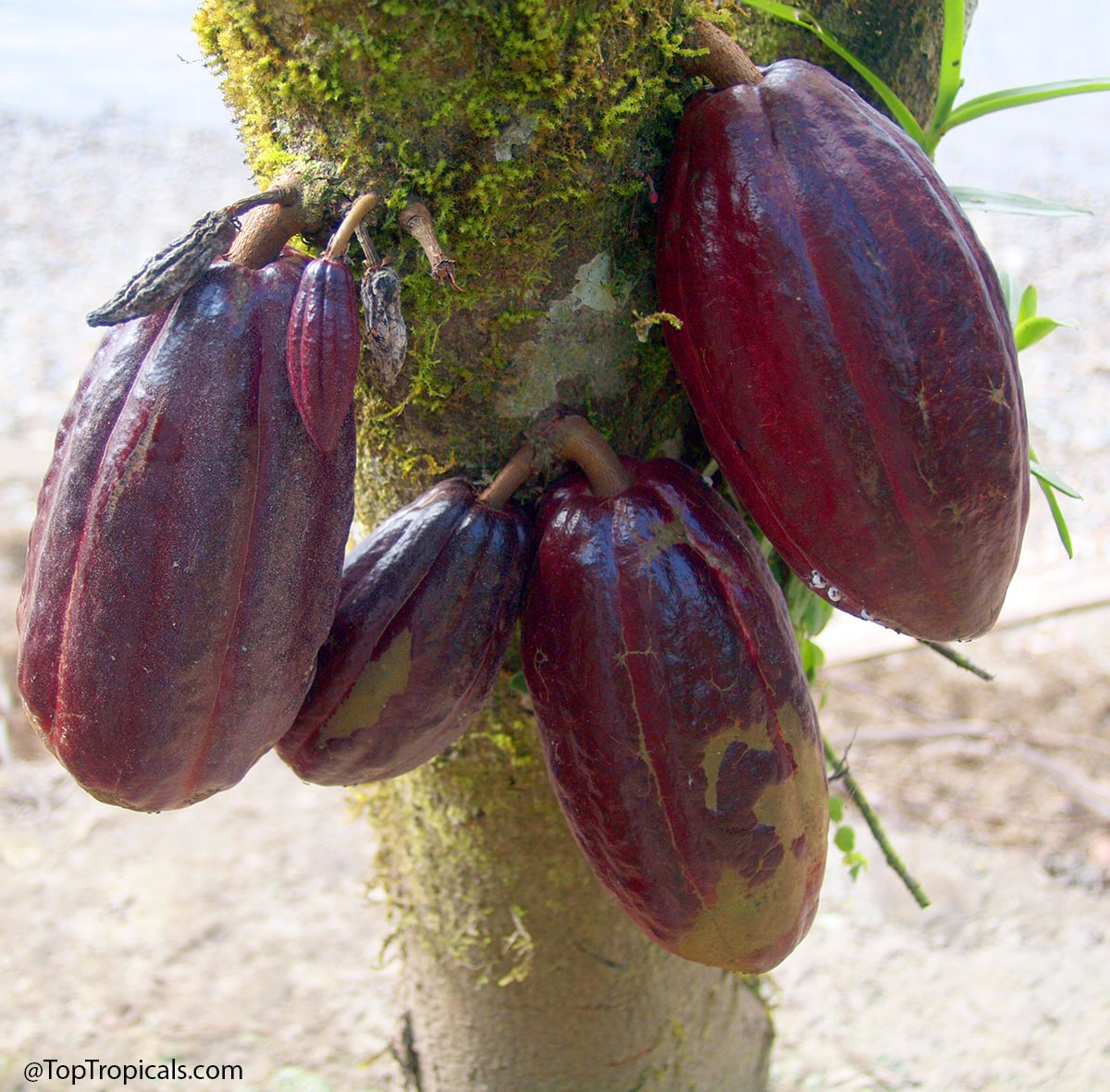
Cacao - Chocolate Tree (Theobroma cacao) - has one of the strongest global associations with love. Revered by the Aztecs as a “food of the gods”, it was consumed to increase desire and emotional bonding. Chocolate contains compounds linked to feelings of pleasure and infatuation, making cacao a natural Valentine symbol.
Chocolate Tree Plant Facts
Botanical name: Theobroma cacao Also known as: Chocolate Tree, Cacao, Cocoa Tree
Vanilla (Vanilla planifolia) is both an orchid and one of the most sensual plant aromas known. Historically paired with cacao in love remedies, vanilla represents intimacy, warmth, and attraction. Its fragrance alone carries powerful emotional associations.
Madagascar Bourbon Vanilla Bean Plant Facts
Botanical name: Vanilla planifolia, Vanilla fragrans Also known as: Madagascar Bourbon Vanilla Bean, French Vanilla, Vanilla Orchid
Ginger symbolizes heat, vitality, and passion. Used worldwide to stimulate circulation and warm the body, it represents spark, chemistry, and physical energy. 👉 Ginger gift
💘 4. Cinnamon
Cinnamon (Cinnamomum zeylanicum) has long been associated with attraction and stimulation. Its warm, lingering aroma makes it a classic plant of desire, comfort, and emotional warmth.
Cinnamon Plant Facts
Botanical name: Cinnamomum zeylanicum, Cinnamomum verum Also known as: Cinnamon
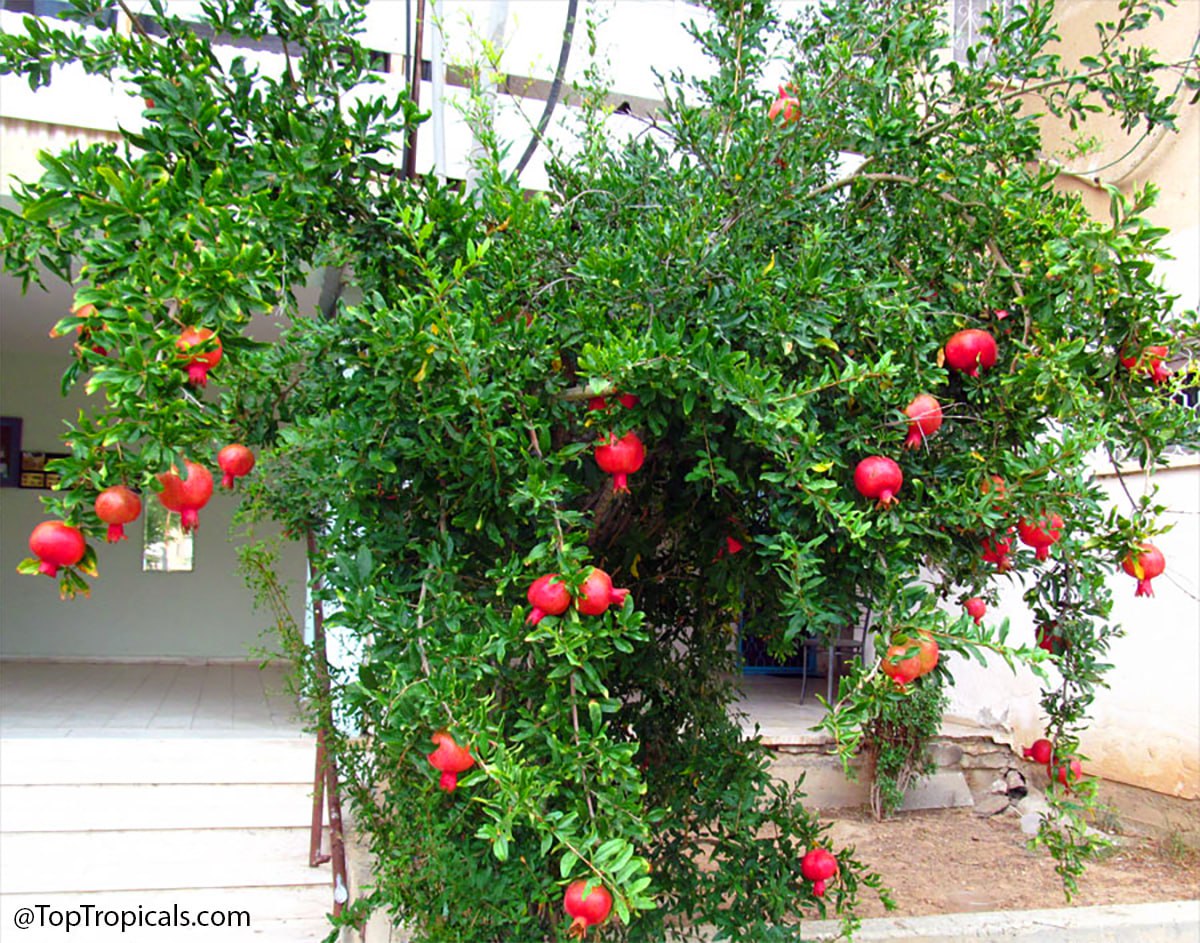
Pomegranate (Punica granatum) has long symbolized love, fertility, and union, with its many ruby-red seeds representing abundance and deep connection. In ancient traditions, it was linked to goddesses of love and marriage and remains a symbol of passion balanced by continuity and commitment.
Pomegranate Plant Facts
Botanical name: Punica granatum Also known as: Pomegranate, Granada, Grenade, Pomegranate, Granada, Anar, Granaatappel, Pomo Granato, Romeira, Melo Grano
Coffee (Coffea arabica) represents connection through shared ritual. Sacred to African Sufis for its stimulating properties, coffee symbolizes conversation, alertness, and social bonding rather than purely romantic love.
Coffee Plant Facts
Botanical name: Coffea arabica Also known as: Coffee
Figs (Ficus carica) have ancient associations with fertility, sensuality, and indulgence. Their voluptuous form, sweet flesh, and rich texture made them symbols of desire and abundance in many cultures.
Fig Tree Plant Facts
Botanical name: Ficus carica Also known as: Fig Tree, Brevo
Betel Leaf (Piper betle) is a powerful symbol of love, respect, and partnership across South and Southeast Asia. It is exchanged in courtship, weddings, and ceremonies, representing acceptance and shared experience. Its heart-shaped leaves reinforce its Valentine symbolism.
Betel nut (Areca catechu) - traditionally used as a stimulant and aphrodisiac, betel nut represents intensity, ritual, and sensory awakening. In this context, it is best presented as a cultural symbol rather than a casual love plant.
Betel Leaf Plant Facts
Botanical name: Piper betle Also known as: Betel Leaf
Patchouli (Pogostemon cablin) represents deep attraction and emotional grounding. Its earthy, musky scent has long been associated with intimacy and physical presence. Unlike sweet florals, patchouli symbolizes mature, rooted love that lingers.
Patchouli Plant Facts
Botanical name: Pogostemon cablin, Pogostemon patchouli, Pogostemon heyneanous Also known as: Patchouli, Pucha-pat
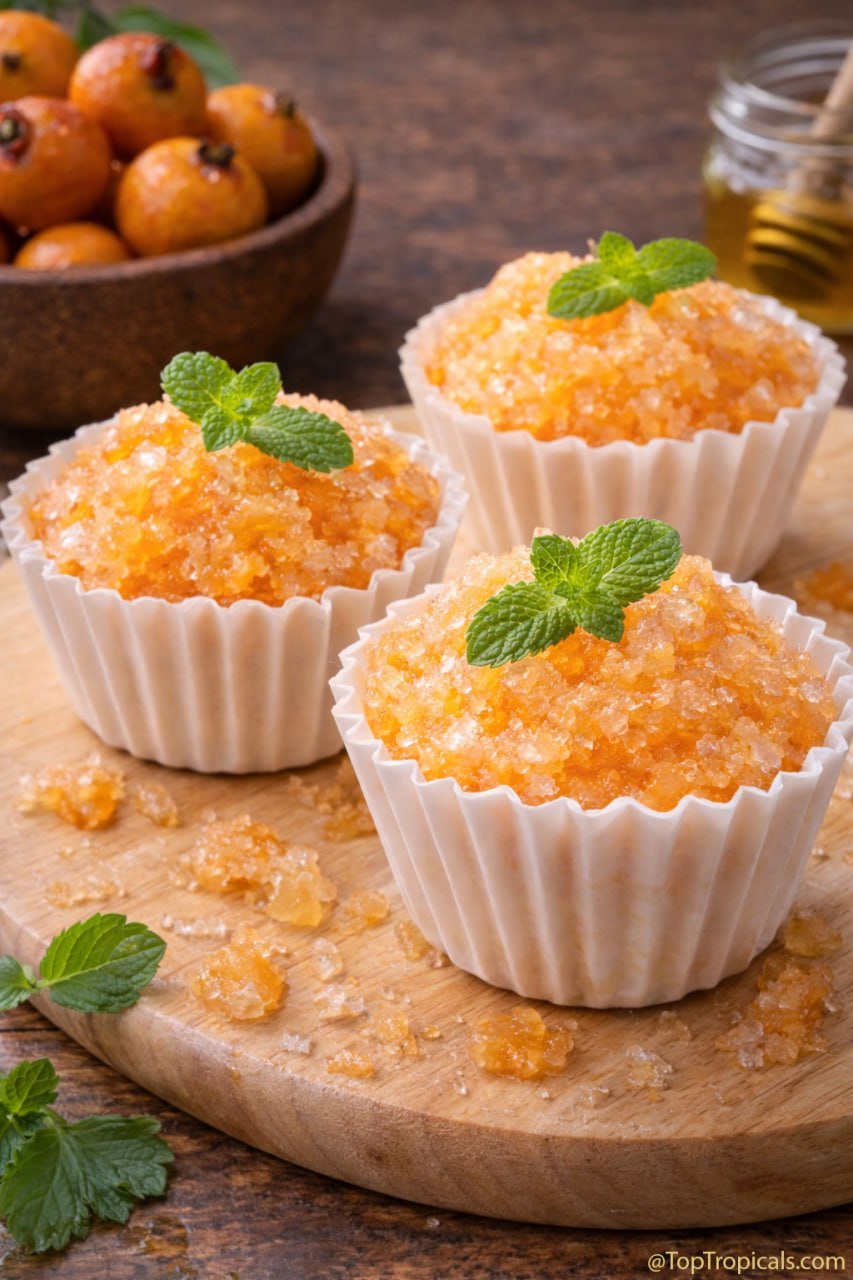
Mix with honey and a little water to soften the texture.
Spoon the mixture into small cups or molds.
Freeze until icy-soft.
Serve topped with fresh mint for a refreshing tropical snack.
🌿 About the plant:
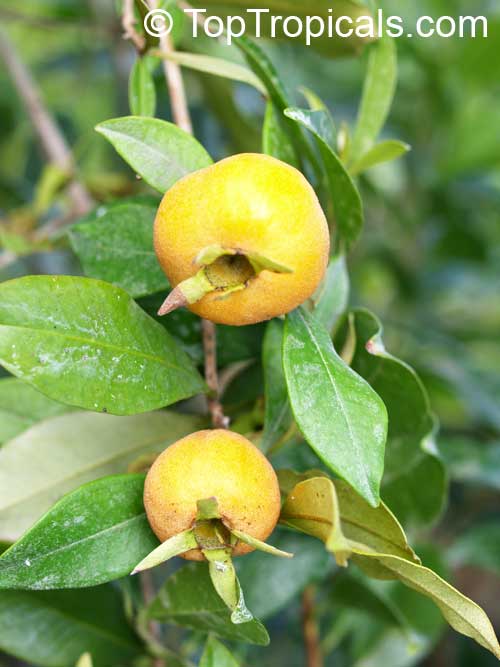
Pitomba (Eugenia luschnathiana) is a tropical fruit native to Brazil, prized for its bright, citrusy pulp with a sweet-sour kick. The flavor is often compared to a mix of apricot, citrus, and mild resin, making it refreshing and snack-worthy straight from the fruit.
Pitomba Plant Facts
Botanical name: Eugenia luschnathiana, Phyllocalyx luschnathianus Also known as: Pitomba
USDA Zone: 9 - 11
Highligths
🌱 In the garden:
Pitomba grows as a small to medium-sized slow growing tree with glossy evergreen leaves. It thrives in warm climates, prefers full sun to light shade, suitable for USDA zones 10-11, it can also be grown in large containers and responds well to pruning, making it manageable for home gardens.