Date: 5 Jan 2025
Condo (Dwarf)
Mango Practical Guide:
What varieties are good for container culture
or small yards
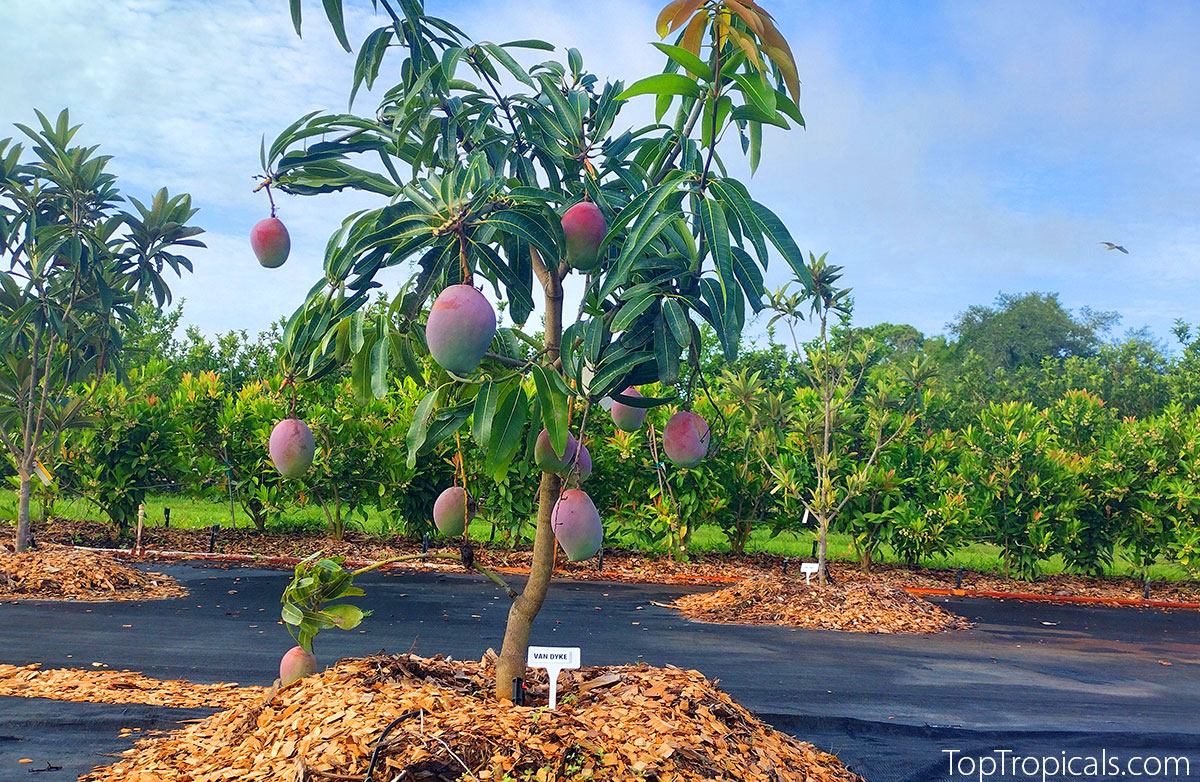
Q: "Our winters are too cold for a mango tree, but I'd like to grow one in a pot so I can bring it inside during cold nights. Which varieties do you recommend for container gardening? I've heard of Condo Mango - do you carry them?"
A: Yes, we always carry Condo Mango varieties: they are a fantastic choice for gardeners with limited space or in cooler climates. They grow well in containers and can be easily maintained through pruning. Whether you're growing them on a balcony, in a greenhouse, or in a backyard, Condo Mangos provide the perfect mix of beauty and practicality.
What Are Condo Mangos?
Condo Mangos, also known as dwarf mango trees, are perfect for small spaces. These trees can be grown in containers, making them ideal for balconies, greenhouses, or small suburban backyards. With proper care, they can be maintained at a manageable height of 6-10 feet through regular pruning. Some plant enthusiasts even manage growing Mango tree as an indoor plant!
The term Condo Mango
Condo Mango refers to mango varieties that thrive in containers and are small by nature, allowing them to be easily kept even smaller with selective pruning.
Size and Growth
Unlike traditional mango trees, Condo Mangos are compact. They naturally grow to around 6-10 feet, but with proper pruning, they can be kept small, making them an excellent choice for limited space.
Growing in Containers
- Condo Mango trees thrive in pots and containers.
- A 15-20 gallon pot is ideal to give the roots enough room to grow.
- Ensure your container has drainage holes to prevent root rot.
Planting Tips
- Plant Condo Mangos in full sun, where they'll get plenty of heat and
light.
- Use well-draining soil for optimal growth.
- Fertilizer regularly with quality plant food. Out best choice is Sunshine Mango Tango for edibles.
- Late Winter to early Spring is the best time to plant in containers,
before the rainy season starts.
- Mangoes grow well in USDA zones 9-10, but if you live in cooler climates,
you can grow them indoors or in a greenhouse, as long as you meet their heat
and light needs.
Pruning and Maintenance
- Prune Condo Mango trees once a year to keep them at the desired height
(6-10 feet), right after harvesting (late Summer to Fall)
- Trim the tips of the branches to maintain a compact shape and encourage
healthy growth.
- Regular pruning will help keep the tree manageable and ensure better
fruit production.
Learn more: Find out what are Top 10 Dwarf Condo Mango - great for container culture.
Date: 27 Oct 2025
🌳 Why Large Grafted Trees Are Better
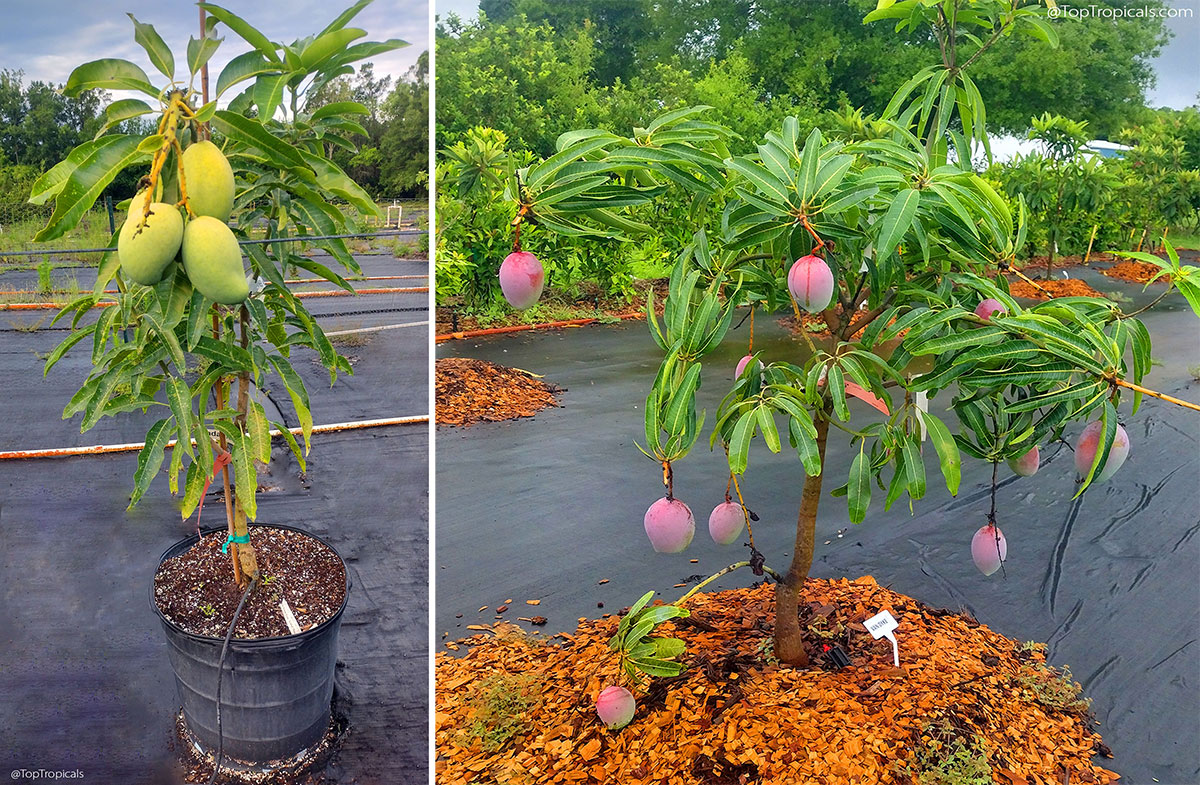
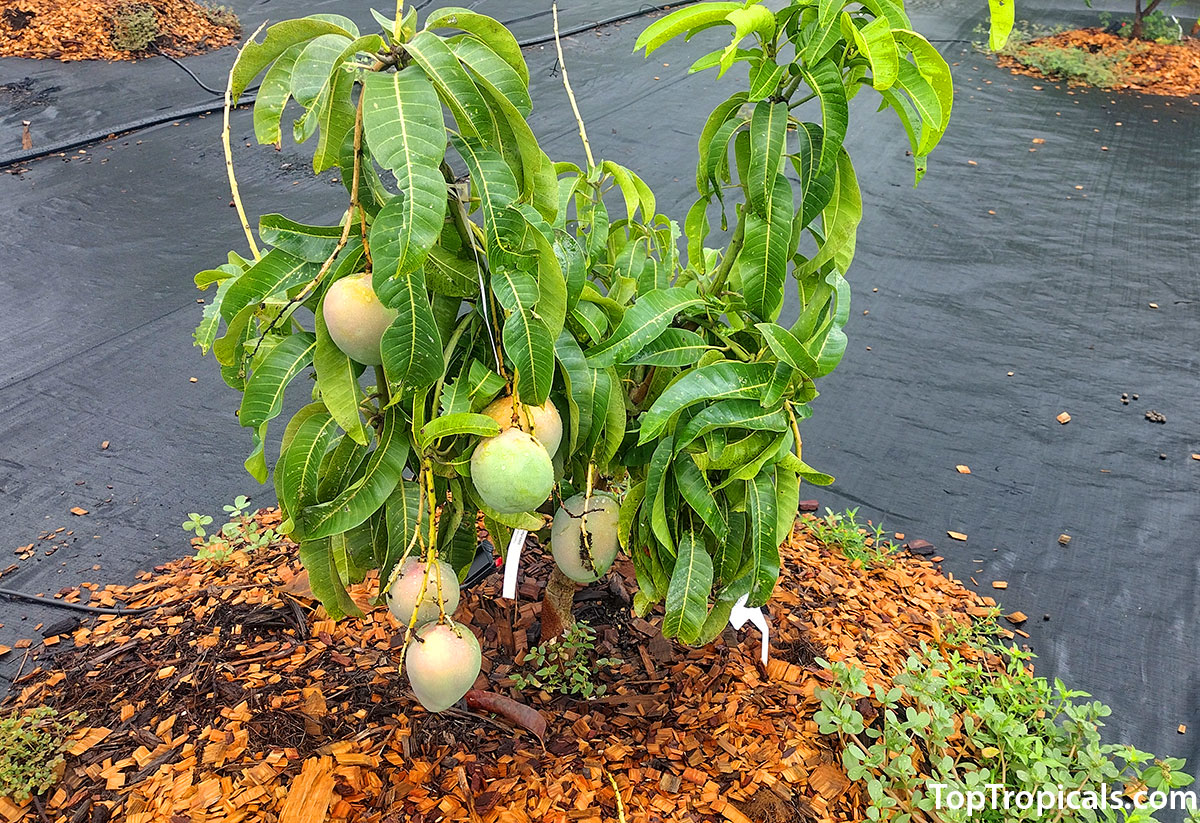
These are not seedlings — they’re grafted trees, which means you get the true variety with known flavor, quality, and performance. Large grafted trees give you a real head start:
- Already mature with a strong root system.
- Handle transplanting and weather shifts with ease.
- Can bloom and fruit in the first or second season.
No guessing, no waiting years — you’ll get the exact fruit you want, sooner.
-
👉 Learn more: How long does it take for a mango tree to bear
fruit?
For Indoor and Patio Growers
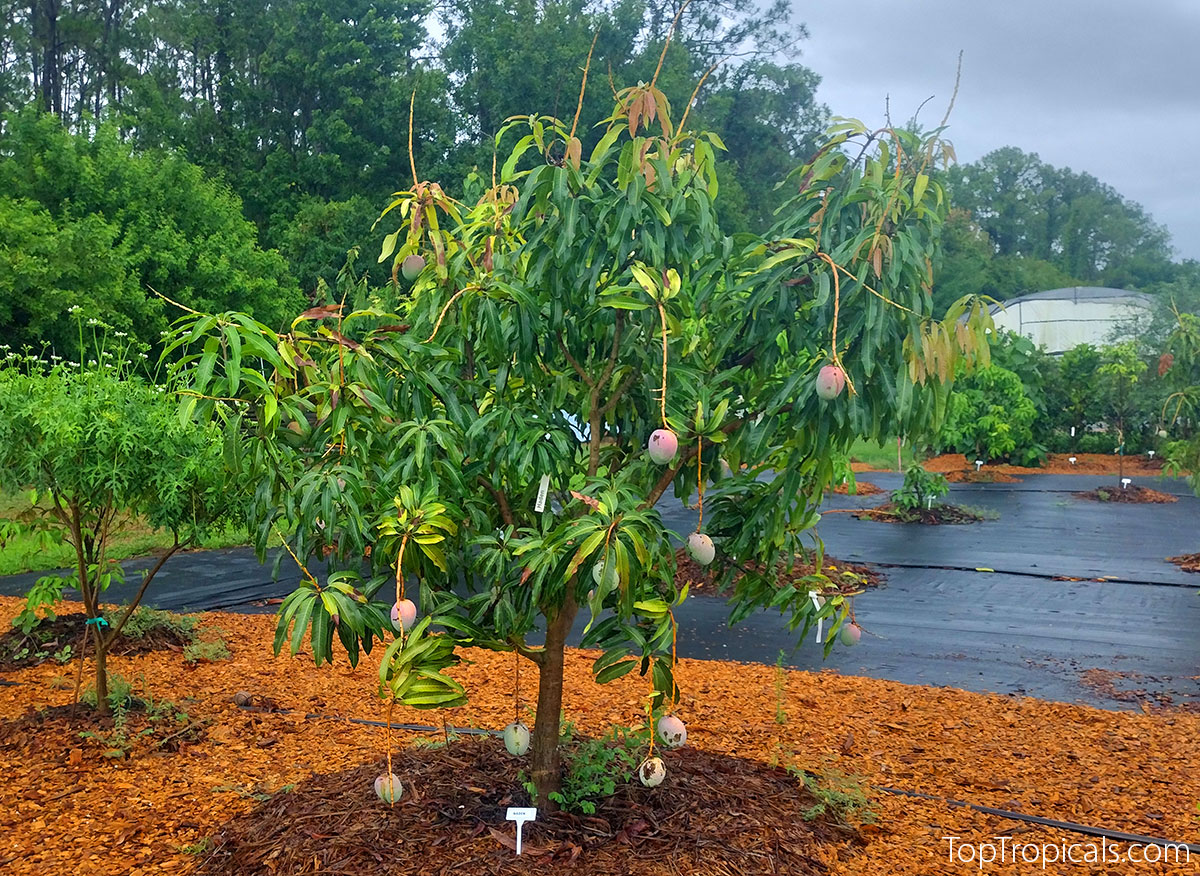
No space for a full orchard? You can still grow your own tropical paradise! Our large grafted Condo Mango trees adapt beautifully to big containers on patios, balconies, and sunrooms. They stay compact, flower sooner, and can fruit even in pots when given good light and warmth.
-
👉 Learn more: What are the Condo Mangos?
Bring the tropics indoors — move your tree outside for summer sun, then back inside before frost. It’s the perfect way to enjoy homegrown fruit wherever you live.
Give your garden a smart start this season. Large grafted Mango trees are ready — but only for a short time before winter.
👉 Plant now, harvest sooner, and enjoy the true variety!
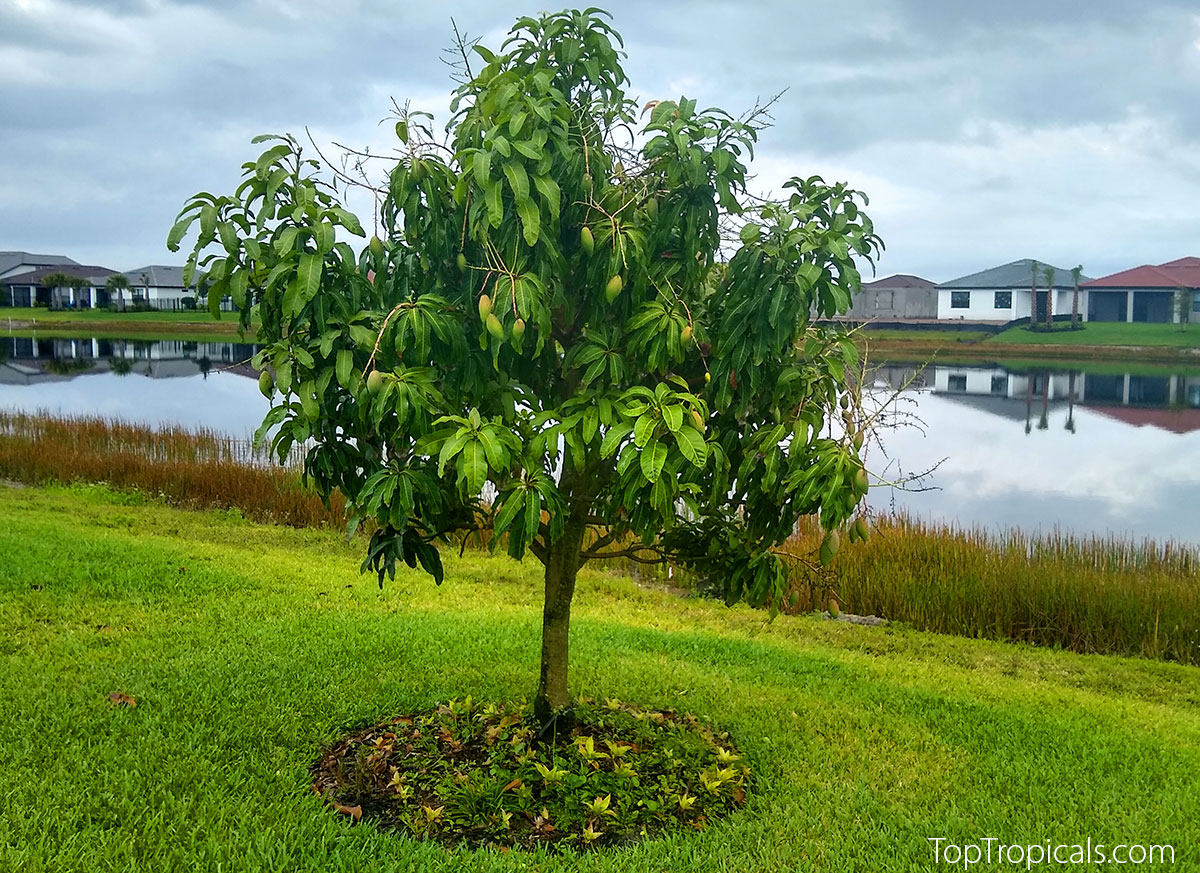
 Plant Care Tips by Top Tropicals Plant
Expert Tatiana Anderson
Plant Care Tips by Top Tropicals Plant
Expert Tatiana AndersonLarge grafted Mango trees are easy to establish.
- Soil: Well-drained, rich mix — avoid heavy clay.
- Water: Deeply once or twice a week after the tree is established; keep soil evenly moist during the first few weeks after planting.
- Light: Full sun or bright patio spot.
- Feeding: Use balanced fertilizer Sunshine Boosters Mango Tango with every watering and Green Magic controlled release fertilizer every 6 months for steady growth.
- Protection: Cover on cold nights for the first winter.
- 👉 Learn more: How to take care of a mango tree in winter.
Plant once, care lightly, and your tree will reward you with fast growth and early fruit.
🌳 Big Trees, Local Pickup Only
For our local gardeners, we have something special. Extra-large 15- and 25-gallon Mango trees. These are full, mature specimens that simply can’t be shipped, but they’re perfect for local pickup or delivery.
Instant Impact and Faster Fruit
These trees already have strong trunks, big root systems, and start blooming next Spring. Plant one in your yard and it instantly looks like it’s been there for years.
Delivery and Installation
We offer local delivery and professional installation for large trees in the nearby area. Our team can bring the tree to your garden, position it correctly, and help with planting and setup.
👉 Contact us to arrange delivery and installation for your 15- or 25-gallon tree.
Limited Availability: Quantities are small, and these big trees go fast — once sold, they won’t be available again until next growing season.
"Large grafted trees give you a head start — they’re stronger, settle in faster, and can reward you with fruit the very next season," says Tatiana Anderson
🎥 Watch Short Videos:
Date: 5 Nov 2025
How to protect Avocado from cold and how hardy is it?
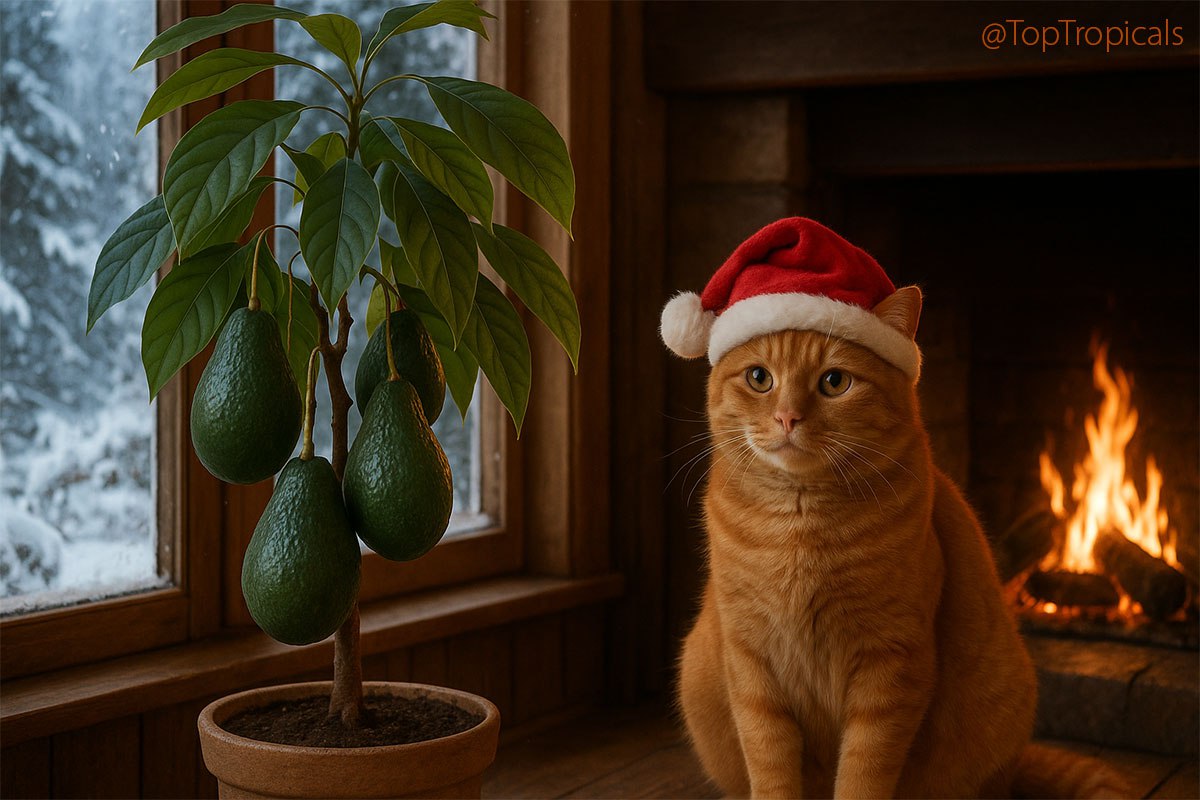
Avocado tree fruiting indoors
❄️ How to protect Avocado from cold and how hardy is it?
Growing Avocado trees in cooler regions is possible with the right variety and care. By choosing Cold Hardy types and protecting them during cold spells, you can successfully grow avocados outside tropical climates. The more mature your tree, the better it handles the cold.
❄️ What is Avocado cold hardiness?
Most Avocados are sensitive to frost, but some Mexican varieties can survive lows around 15°F once established, and brief dips near 10°F with good care.
👉 Cold tolerance depends on:
- ✦ Duration of cold: Short freezes are easier to survive.
- ✦ Sun exposure: More sun means better cold resistance.
- ✦ Wind protection: Wind can do more harm than temperature alone.
- ✦ Tree health: Regular fertilization, such as Sunshine Boosters, helps strengthen plants.
❄️ How to protect avocados from cold
- ✦ Bigger is better: Mature trees resist cold better than young ones.
- ✦ Wind protection: Plant on the south or southeast side of a building for warmth.
- ✦ Good fertilization: Healthy trees are stronger and more resilient.
- ✦ Watering: Water less in winter; overwatering in cold weather can cause root rot.
❄️ Protection for young plants
- ✦ Cover and mulch: Before a freeze, mound mulch around the base and cover with a blanket. Add Christmas lights or a small heater for extra warmth (use caution).
- ✦ Use microclimates: Plant near walls or buildings where it’s warmer and wind is reduced.
With a little planning and protection, you can enjoy fresh avocados even in cooler climates!
✔️ Check outAvocado Variety Guide interactive chart. Sort them by flower type A or B, tree habit, fruit shape and quality, cold hardiness, origin, season and more!
🛒 Shop Cold Hardy Avocados
📖 Our Book: Avocado Variety Guide, Snack or Guacamole?
- ·
📚 Learn more:
- · Can I Grow Avocado Outside the Tropics?
- · Avocado Variety Guide
- · How to grow cold-hardy avocados and how cold-hardy are they?
- · Avocado that laughs at frost: Mexicola Grande for cooler climates
- · Cold hardy Avocado Joey: you can eat with the skin
- · Posts about #Avocado
#Food_Forest #Avocado #How_to
🟢 Join 👉 TopTropicals
Date: 25 Nov 2025
What Avocado is better - Type A or Type B?
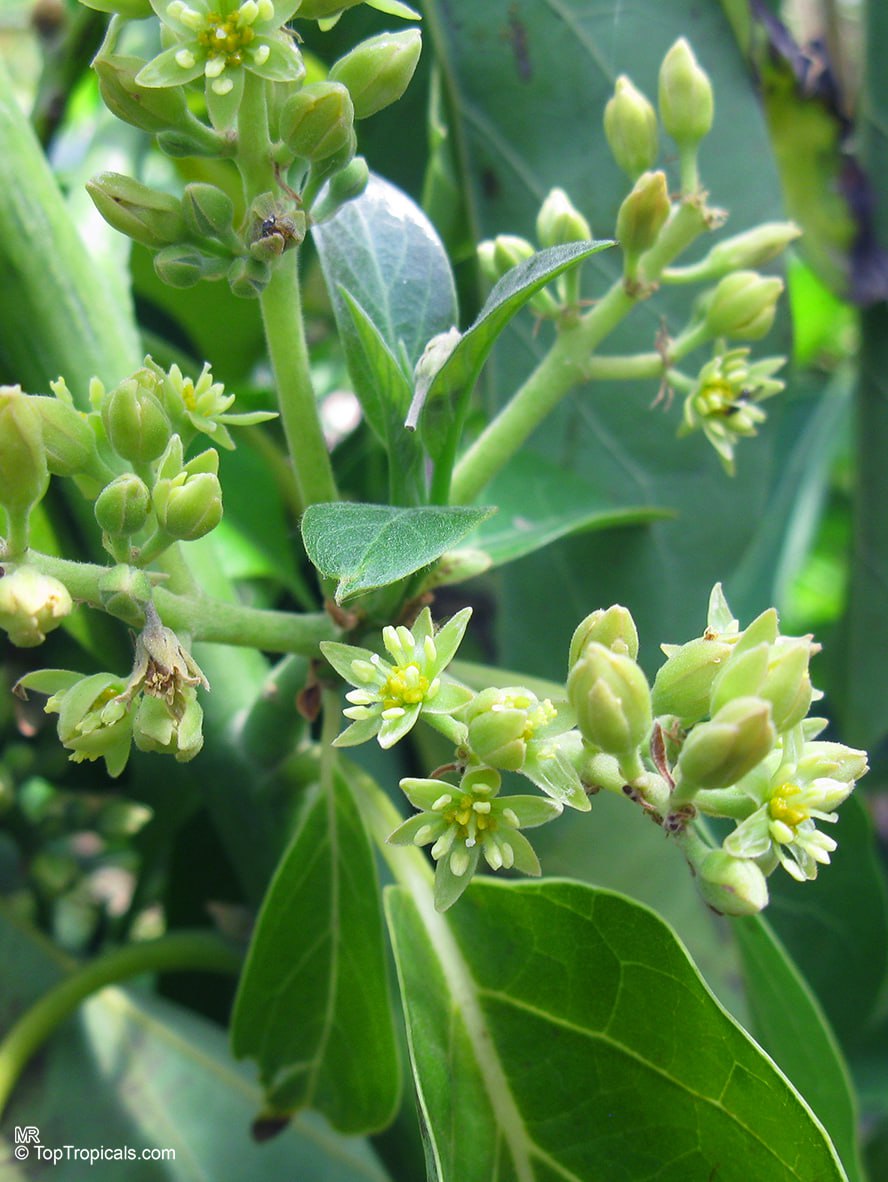
Avocado tree flowers
What Avocado is better - Type A or Type B?
Avocados are divided into two types based on how their flowers open - Type A and Type B. This has nothing to do with how the fruit looks, only with how the flowers work.
TYPE A:
The flowers open as female in the morning of the first day, then close. On the afternoon of the second day, they reopen as male.
The most popular type A avocado varieties:
Bernecker, Black Prince, Catalina, Choquette, Day, Donnie (Doni), Fantastic, Florida Hass (Haas), Lila (Opal), Loretta, Lula, Mexicola, Mexicola Grande, Red Russell, Reed, Russell, Simmonds, Ulala (Oh La La, Super Hass) , Waldin, Wurtz (Dual Type, A&B).
TYPE B:
The flowers open as female in the afternoon of the first day, then close. The next morning, they reopen as male.
The most popular type B avocado varieties:
Anise, Bacon, Beta, Booth 8, Brazos Belle (Wilma), Brogdon (Brogden), Buck, Ettinger, Fuerte, Hall, Hardee Red, Hialeah Red, Joey, Kampong (Sushi), Marcus Pumpkin, Maria Black, Miguel, Monroe, Nishikawa, Oro Negro, Pollock, Poncho (Pancho), Thomson Red, Tonnage, Winter Mexican, Wurtz (Dual Type, A&B), Yamagata.
✍️ In short:
One tree = some fruit
Two trees (A + B) = lots more fruit!
✔ ️Check out Avocado Variety Guide interactive chart. Sort them by flower type A or B, tree habit, fruit shape and quality, cold hardiness, origin, season and more!
🛒 Explore Avocado varieties
📖 Our Book: Avocado Variety Guide, Snack or Guacamole?
Hard copy
PDF File Download
📚 Learn more:
How Avocado trees flower and set fruit
Avocado Variety Guide
#Avocado #Food_Forest #How_to
Join 👉 TopTropicals
Date: 7 Feb 2026
How to grow an Avocado tree on your patio
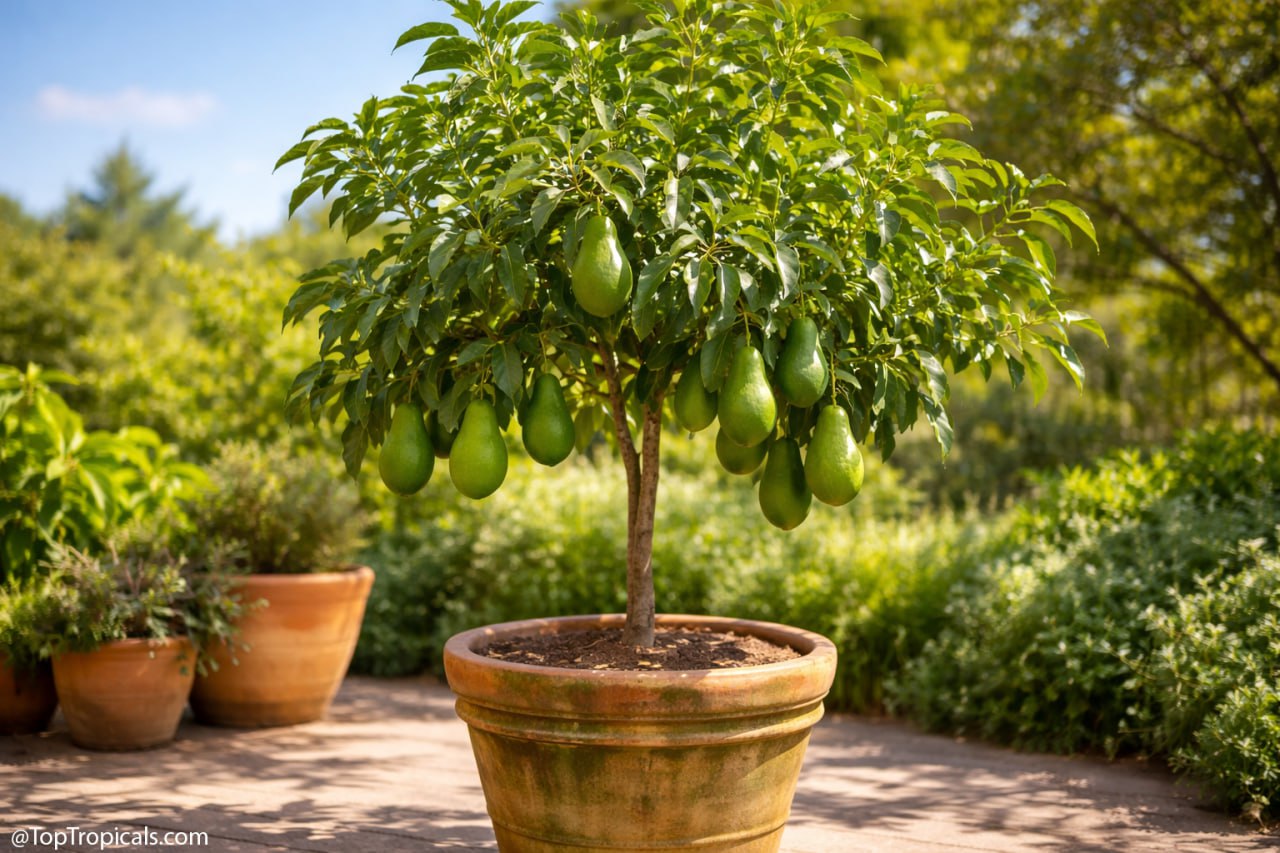
Avocado tree fruiting
Yes, you can grow an Avocado tree on your patio - here is how to do it right
- If you would love to grow your own avocado but don’t have a big yard, good news - avocado trees can grow very well in containers. Compact or dwarf varieties, often called condo avocados, are especially suited for pots, patios, balconies, and even indoor growing near a sunny window.
Pick a compact avocado variety
Choosing the right variety is the most important step. Standard avocado trees grow very large, but condo or compact varieties stay much smaller and adapt well to containers.
Good choices for pots include:
· Wurtz (Little Cado) - a true dwarf, perfect for containers
- · Fuerte - a semi-dwarf that stays manageable with pruning
- · Joey - naturally compact and easy to keep smaller
Choose the right pot
Start with a pot about 12 inches wide (around 5 gallons). This size is easier to water correctly and helps prevent root rot. Avoid planting a small tree into a very large pot too soon.
As the tree grows, move up gradually. A mature potted avocado will need an 18- to 24-inch container. Repot every couple of years when roots show through drainage holes.
Always use a pot with excellent drainage.
Use well-draining soil
Avocados love water but hate wet feet. Use a loose, fast-draining mix, such as Abundance Professional Soilless Mix. You can improve drainage by adding perlite or coarse sand. Avoid heavy garden soil.
Water deeply, but not too often.
Water thoroughly, then let the soil dry before watering again. Always check moisture first. In summer, watering may be needed once or twice a week; in cooler weather, much less.
Overwatering is the fastest way to kill a potted avocado.
Give plenty of sun
Avocado trees need at least 6 to 8 hours of full sun daily. Outdoors is best, but indoors place the tree near a bright south- or west-facing window. Grow lights can help if light is limited.
Fertilize and prune
Feed during the growing season with a balanced fertilizer such as Green Magic (every 6 months) or liquid Sunshine Boosters (safe to use with every watering, year-around). Prune lightly to keep the tree compact and well-shaped.
Protect from cold
Most Avocados are sensitive to hard freeze. When temperatures drop below 35F, move the pot indoors or into a protected space. Reduce watering in winter as growth slows.
Cold hardy varieties can take cooler temperatures down to 18F once established. For example, Joey is both cold hardy and dwarf - perfect choice.
Final thoughts
Growing an avocado tree in a pot is practical and rewarding. With good drainage, sun, careful watering, and the right variety, you can enjoy homegrown avocados even without a yard.
Small space? No problem. Just think condo avocado. According to Southern Living, Lemons can be grown in pots - and so can Avocados!
✔️ Check outAvocado Variety Guide interactive chart. Sort them by flower type A or B, tree habit, fruit shape and quality, cold hardiness, origin, season and more!
🛒 Explore Avocado varieties and Dwarf Avocado
📖 Our Book: Avocado Variety Guide, Snack or Guacamole?
- ·
📚 Learn more:


🎥 What is a Dwarf Condo Avocado that fruits at 3 ft tall? 📱
#Food_Forest #Avocado
🟢 Join 👉 TopTropicals