Garden Blog - Top Tropicals

Date: 31 Jan 2026

Pitomba pop cups: quick-n-fun exotic recipes
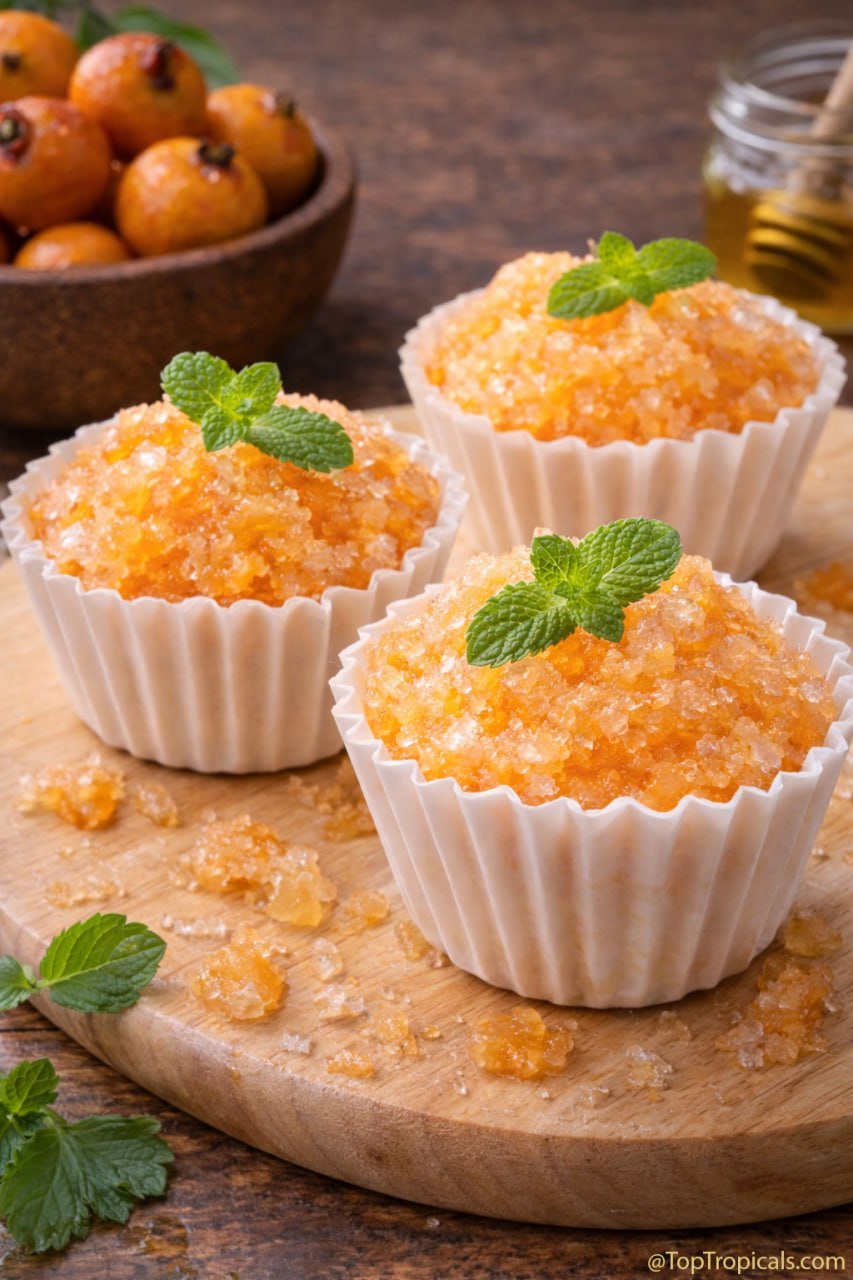
Frozen pitomba pops with mint
Frozen pitomba pops with mint

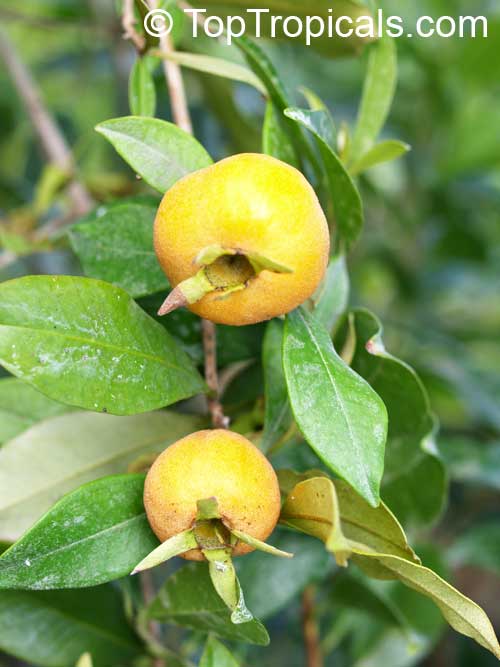
Eugenia luschnathiana - Pitomba

Eugenia luschnathiana - Pitomba

🍴 Pitomba pop cups: quick-n-fun exotic recipes


Pitomba Pop Cups

Ingredients

  • 1 cup pitomba pulp
  • 1 teaspoon honey
  • 1 tablespoon water
  • Fresh mint leaves (optional)

Instructions

  1. Scoop pitomba pulp into a small bowl.
  2. Mix with honey and a little water to soften the texture.
  3. Spoon the mixture into small cups or molds.
  4. Freeze until icy-soft.
  5. Serve topped with fresh mint for a refreshing tropical snack.


🌿 About the plant:


Pitomba (Eugenia luschnathiana) is a tropical fruit native to Brazil, prized for its bright, citrusy pulp with a sweet-sour kick. The flavor is often compared to a mix of apricot, citrus, and mild resin, making it refreshing and snack-worthy straight from the fruit.

🌱 In the garden:


Pitomba grows as a small to medium-sized slow growing tree with glossy evergreen leaves. It thrives in warm climates, prefers full sun to light shade, suitable for USDA zones 10-11, it can also be grown in large containers and responds well to pruning, making it manageable for home gardens.

🛒 Plant exotic Pitomba cherry in your garden

📚 Learn more:

Pitomba Plant Facts

Botanical name: Eugenia luschnathiana, Phyllocalyx luschnathianus
Also known as: Pitomba
USDA Zone: 9 - 11
Highligths Small tree 10-20 ftFull sunWatering: Moderate. Water when top soil feels dryWatering: Regular. Let topsoil dry slightlyWhite, off-white flowersEdible plant
Get personalized tips for your region

Eugenia luschnathiana - Pitomba - in Plant Encyclopedia

#Food_Forest #Recipes

🟢 Join 👉 TopTropicals
Date: 29 Nov 2016

December Fest on Dec 10, mark your calendars!

Topic: Edible landscape. 10:00am - 2:00pm. Agenda:

Class @ 11:00am by Robert Riefer. How to keep pests off of maturing fruit.
Class @12:00pm Super foods by Zoe Merring. Benefits of Soursop, barbados cherry, goji, moringa. Benefits and recipes.

Discounts on all edibles
Prize giveaways at 12:00pm and 2:00pm (must be present to win)

20% off After-Cyber-Monday sale! Now that everybody is done with shopping for monitors and speakers, it is time to get some happy stuff! 20% off on all fruit trees, 1 day only! Enjoy your shopping and get the plants you always wanted at a low price!

Date: 31 Aug 2016

Hardy avocados

Q: I intend to gift three avocados, at least one type A and one type B, to a friend who lives in an area where the temperature never goes below 25F. The idea is to give them a ripening season as long as possible. Which combinations do you suggest, and which are the A and B?

A: When talking about "A" type and "B" type in Avocados, it is referring to the flowers. An avocado will produce both male and female flowers on the same plant. "A" type means that the flowers are female in the morning and male at afternoon. "B" type means that the flowers are male in the morning and female in the afternoon. If you plant to start a commercial growth, then it's important to create a proper mix of both types. However, in hot and humid climate a single tree produces flowers of both types, so it is not necessary to have both A- and B- types planted together in backyard. Even a single tree produces enough fruits for home gardener.

It is also important to know that while there are more cold hardy avocados, it refers to a full grown established tree. They will still need protection from the cold until they are bigger and more established. One can not expect a small tree, which was planted in June, to survive the first winter. It'll take few years until the tree is "harden" enough.

Wurtz Avocado: Fruits from May to Sept. Dwarf hybrid. It is very compact and slow growing, reaching only about 8-12 feet at maturity. Distinctive weeping growth habit. Suited for planters, containers, patios, greenhouse use. Great for dooryard or container growing. The tree can handle temperatures to 25(F) degrees. Production is good and it is a consistent bearer.

Day Avocado: Fruits July to Sept. Day avocado is green, smooth skin and is shaped like a club. The fruit is of very good quality and has a nice buttery consistency. The slender tree is relatively cold tolerant and produces July through September.

Fuerte Avocado: Fruits Nov to June. Relatively cold hardy variety. Green fruit, elongated,flavor excellent, buttery. Vigorous compact tree with decidedly alternate year bearing habit. Ripens November to June.

These three will provide you with fruit ripening during the whole warm season. For the most cold hardy avocado varieties, see this info sheet.

Date: 8 Aug 2016

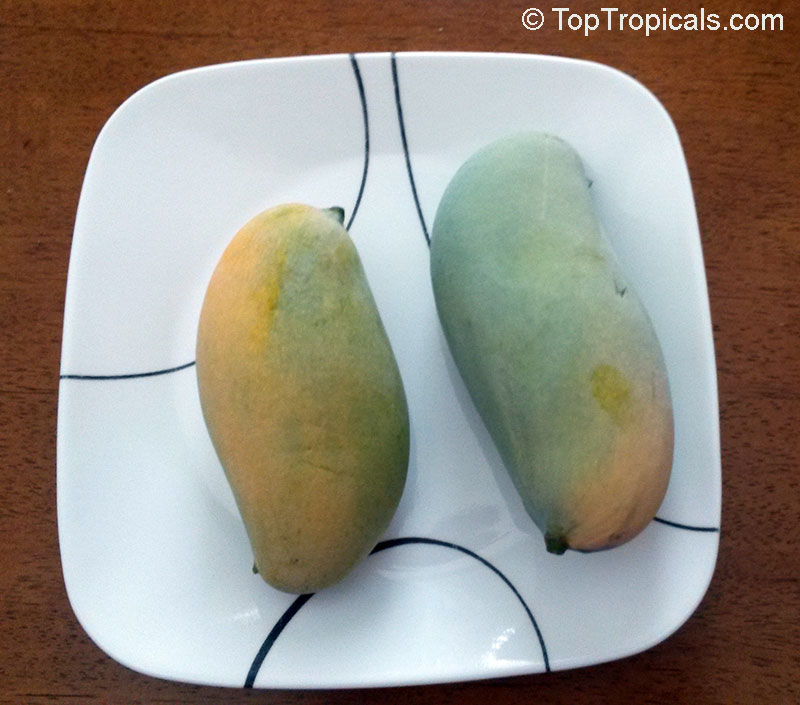
Growing mango in hot Arizona

By Mike D, Mesa, AZ. Despite to what you may think, mango can be successfully grown in desert Arizona climate. It has good heat and drought tolerance. It's possible providing the following:
1) Winter protection of a young plant when temperature goes around or below freezing. Try to plant trees in locations where they're protected from cold wind. Minimal temperatures vary widely. Areas which are closer to downtown are few degrees warmer, while outskirts can be very cold.
2) Some people are lucky enough to live in areas with good soil. However, most of us will have a so-called hardpan (extremely compacted desert) or caliche (layers of soil cemented together by calcium carbonate). Check with your local county extension office to determine how to deal with such conditions. Gypsum is usually used to loosen compacted soil.
3) When planting, dig a large hole making sure it has good drainage. Plant tree as usual, add mulch around it. It helps to conserve moisture.
4) Best time to plant is late Fall or early Spring, so mango can get established before Summer heat.
5) Plant where tree gets few hours of sun.
5) Water a lot until established. Once established, water when soil is dry.
6) Small plant may need protection from summer heat. Use shade cloth.
7) Mango requires very little nitrogen fertilizer. In hot climate, overdosing nitrogen may result in quick plant decline. Use balanced low nitrogen slow release fertilizer or avoid nitrogen completely. If you use mulch, then decomposing mulch provides enough nitrogen. Foliar spray of micronutrient solution is recommended during active growing period. Read more...

Date: 9 May 2026

9 tough trees for hot, dry spots that actually thrive

9 tough trees for hot, dry spots that actually thrive 9 tough trees for hot, dry spots that actually thrive 9 tough trees for hot, dry spots that actually thrive 9 tough trees for hot, dry spots that actually thrive

☀️ 9 tough trees for hot, dry spots that actually thrive


Why that one brutal spot in your yard never works? There’s always that one place - blazing sun, sandy or rocky soil, dries out fast, and everything you plant there struggles. In Florida, Arizona, and California, this isn’t rare - it’s the norm. The good news? Some trees don’t just tolerate it - they prefer it. Once established, these picks handle heat, drought, and neglect far better than typical landscape plants.
What makes these trees different? These are survivors. Many store water, have deep root systems, or evolved in dry climates. Translation - less watering, fewer losses, and a lot less frustration.


🔥 9 best trees for hot, dry spots


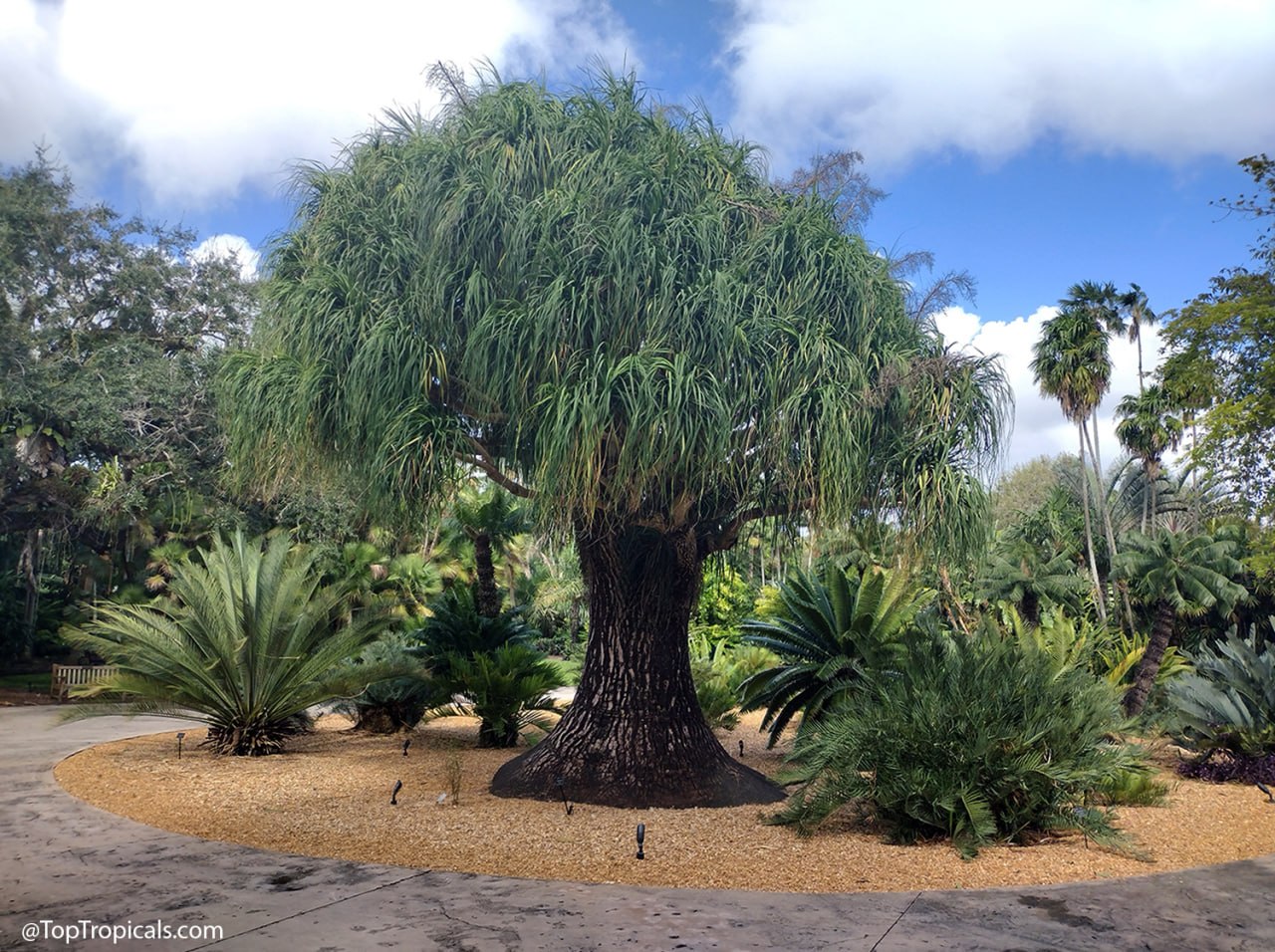
  • ☀️ 1. Pony Tail Palm - Beaucarnea recurvata 📸
    Not a true palm - it stores water in its showy, swollen trunk, making it incredibly drought tolerant and perfect for harsh, dry areas.

    Ponytail Palm Plant Facts

    Botanical name: Beaucarnea recurvata, Nolina recurvata
    Also known as: Ponytail Palm, Pony Tail, Bottle Palm, Nolina, Elephant-foot Tree
    USDA Zone: 10 - 11
    Highligths Plant with caudexPlant used for bonsaiSmall tree 10-20 ftFull sunWater Requirement: Low. Allow soil to dry out between wateringsPalm or palm-like plant
    Get personalized tips for your region
    More details
  • ☀️ 2. Monkey Ear Tree - Enterolobium cyclocarpum
    A fast-growing shade tree with curious seed pods, surprisingly tough in heat and drought, with massive canopy benefits.

    Monkey Ear Plant Facts

    Botanical name: Enterolobium cyclocarpum
    Also known as: Monkey Ear, Ear Pod Tree, Elephant Ear Tree, Eartree, Guanacaste Tree, Arbol de Guanacaste
    USDA Zone: 9 - 11
    Highligths Large tree taller than 20 ftFull sunWatering: Regular. Let topsoil dry slightlyWhite, off-white flowersDeciduous plantSubtropical plant. Mature plant cold hardy at least to 30s F for a short time
    Get personalized tips for your region
    More details
  • ☀️ 3. Firebush - Hamelia patens
    Technically a large shrub/small tree - thrives in heat, blooms nonstop, attracts butterflies, and handles dry conditions once rooted in.

    Fire Bush Plant Facts

    Botanical name: Hamelia patens
    Also known as: Fire Bush, Firecracker Plant
    USDA Zone: 8 - 11
    Highligths Large shrub 5-10 ft tallSmall tree 10-20 ftFull sunWater Requirement: Low. Allow soil to dry out between wateringsYellow, orange flowersRed, crimson, vinous flowersPlant attracts butterflies, hummingbirdsSeaside, salt tolerant plant
    Get personalized tips for your region
    More details
  • ☀️ 4. Peregrina - Jatropha integerrima compacta
    Compact, colorful, and very forgiving - keeps flowering even when conditions get hot and dry.

    Peregrina Plant Facts

    Botanical name: Jatropha integerrima, Jatropha pandurata
    Also known as: Peregrina, Spicy Jatropha, Coral Plant, Physic Nut
    USDA Zone: 9 - 11
    Highligths Plant used for bonsaiLarge shrub 5-10 ft tallSmall tree 10-20 ftSemi-shadeFull sunWater Requirement: Low. Allow soil to dry out between wateringsRed, crimson, vinous flowersPink flowersPlant attracts butterflies, hummingbirdsIrritating plantSubtropical plant. Mature plant cold hardy at least to 30s F for a short timeSeaside, salt tolerant plant
    Get personalized tips for your region
    More details
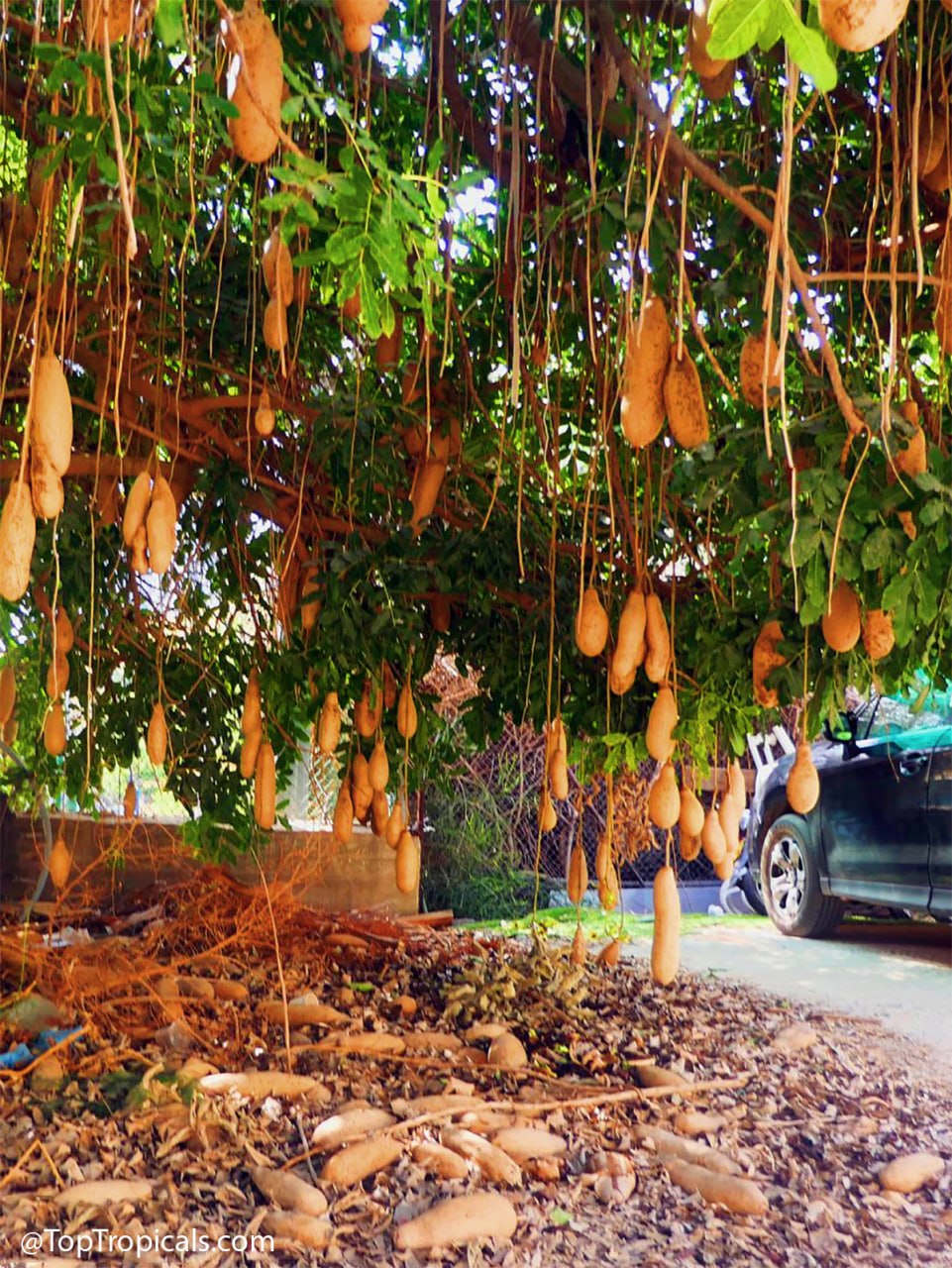
  • ☀️ 5. Sausage Tree - Kigelia pinnata 📸
    A bold tropical look with bizarre flowers and fruit, with serious heat tolerance; once established, it handles dry spells better than expected.

    Sausage Tree Plant Facts

    Botanical name: Kigelia pinnata, Kigelia africana
    Also known as: Sausage Tree
    USDA Zone: 9 - 11
    Highligths Large tree taller than 20 ftSemi-shadeFull sunWatering: Moderate. Water when top soil feels dryDeciduous plantEthnomedical plant.
Plants marked as ethnomedical and/or described as medicinal, are not offered as medicine but rather as ornamentals or plant collectibles.
Ethnomedical statements / products have not been evaluated by the FDA and are not intended to diagnose, treat, cure, or prevent any disease. We urge all customers to consult a physician before using any supplements, herbals or medicines advertised here or elsewhere.Fragrant plantSubtropical plant. Mature plant cold hardy at least to 30s F for a short time
    Get personalized tips for your region
    More details
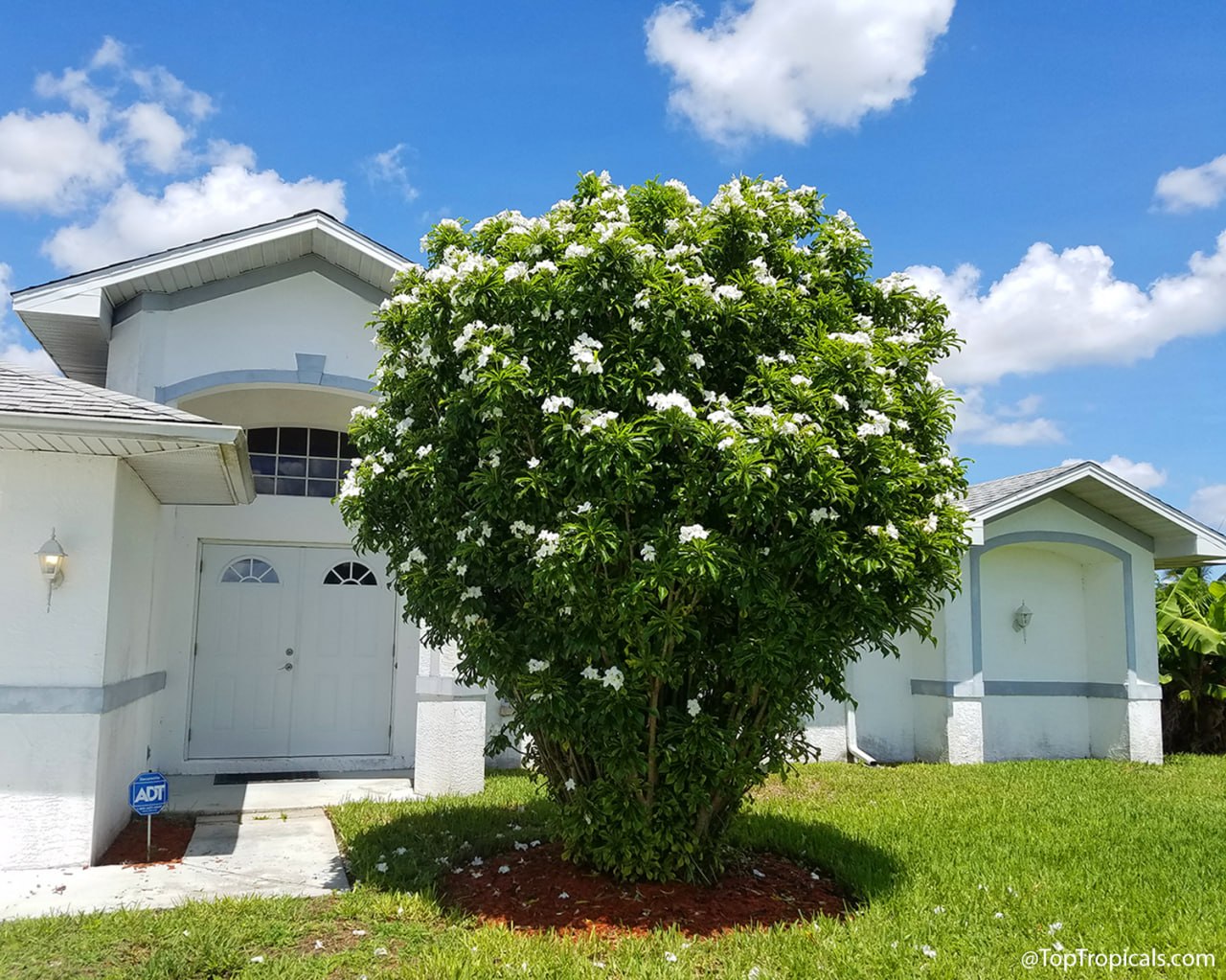
  • ☀️ 6. Plumeria 📸
    Built for sun and neglect - thrives in poor and sandy soil, needs minimal water, and rewards with fragrant blooms.

    Plumeria Plant Facts

    Botanical name: Plumeria sp.
    Also known as: Plumeria, Frangipani
    USDA Zone: 9 - 11
    Highligths Large shrub 5-10 ft tallSmall tree 10-20 ftFull sunWatering: Moderate. Water when top soil feels dryYellow, orange flowersRed, crimson, vinous flowersWhite, off-white flowersPink flowersPlant attracts butterflies, hummingbirdsDeciduous plantFragrant plantSeaside, salt tolerant plant
    Get personalized tips for your region
    More details
  • ☀️ 7. Pomegranate
    One of the most drought-tolerant fruit trees - handles heat, poor soil, and still produces reliably.

    Pomegranate Plant Facts

    Botanical name: Punica granatum
    Also known as: Pomegranate, Granada, Grenade, Pomegranate, Granada, Anar, Granaatappel, Pomo Granato, Romeira, Melo Grano
    USDA Zone: 8 - 11
    Highligths Large shrub 5-10 ft tallSmall tree 10-20 ftFull sunWatering: Moderate. Water when top soil feels dryRed, crimson, vinous flowersThorny or spinyEdible plantDeciduous plantEthnomedical plant.
Plants marked as ethnomedical and/or described as medicinal, are not offered as medicine but rather as ornamentals or plant collectibles.
Ethnomedical statements / products have not been evaluated by the FDA and are not intended to diagnose, treat, cure, or prevent any disease. We urge all customers to consult a physician before using any supplements, herbals or medicines advertised here or elsewhere.Subtropical plant. Mature plant cold hardy at least to 30s F for a short timeSeaside, salt tolerant plant
    Get personalized tips for your region
    More details
  • ☀️ 8. Aster Tree / Snow Bush - Baccharis halimifolia
    A tough Florida native option - thrives in sandy, dry soils and coastal conditions with no fuss.

    Aster Tree Plant Facts

    Botanical name: Baccharis halimifolia
    Also known as: Aster Tree, White Cloud Tree, Snow Bush, Eastern Baccharis, Flannel Bush
    USDA Zone: 8 - 11
    Highligths Plant used for bonsaiLarge shrub 5-10 ft tallSmall tree 10-20 ftSemi-shadeFull sunWatering: Regular. Let topsoil dry slightlyWhite, off-white flowersPlant attracts butterflies, hummingbirdsSubtropical plant. Mature plant cold hardy at least to 30s F for a short timeFlood tolerant plant
    Get personalized tips for your region
    More details
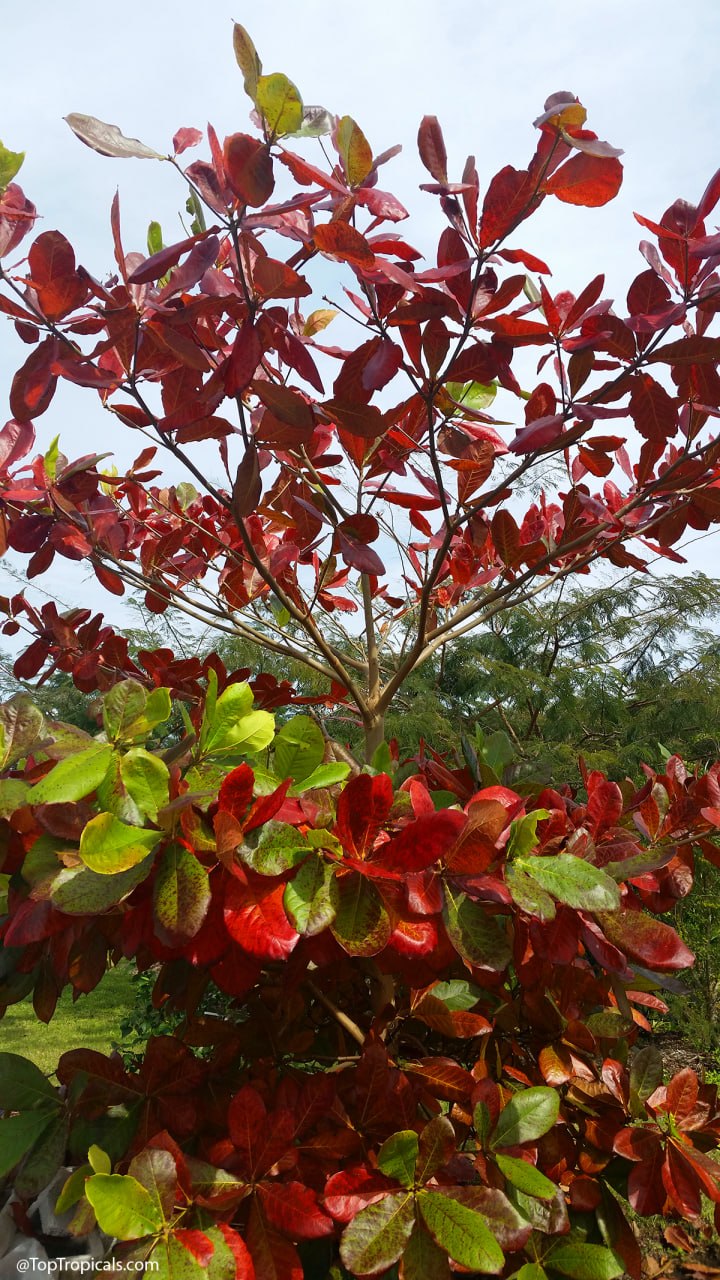
  • ☀️ 9. Tropical Almond - Terminalia catappa 📸
    A classic coastal shade tree that thrives in heat, wind, and dry sandy soil once established. Its broad, layered canopy provides excellent shade, and the large leaves turn striking shades of red and orange before dropping - a rare bonus color show for hot-climate landscapes. Plus almond nuts as extra bonus!

    Tropical Almond Plant Facts

    Botanical name: Terminalia catappa
    Also known as: Tropical Almond, Badamier, Java Almond, Indian Almond, Malabar Almond, Singapore Almond, Ketapang, Huu Kwang, Pacific Almond
    USDA Zone: 9 - 11
    Highligths Large tree taller than 20 ftFull sunWatering: Moderate. Water when top soil feels dryWhite, off-white flowersEdible plantDeciduous plantEthnomedical plant.
Plants marked as ethnomedical and/or described as medicinal, are not offered as medicine but rather as ornamentals or plant collectibles.
Ethnomedical statements / products have not been evaluated by the FDA and are not intended to diagnose, treat, cure, or prevent any disease. We urge all customers to consult a physician before using any supplements, herbals or medicines advertised here or elsewhere.Subtropical plant. Mature plant cold hardy at least to 30s F for a short timeSeaside, salt tolerant plant
    Get personalized tips for your region
    More details


👉 These trees are just the start - stay with us as we move into shrubs and smaller plants that thrive in the same harsh conditions.

🛒 Shop drought tolerant plants - for hot and dry spots

📚
Learn more:
Pony Tail Palm - Beaucarnea recurvata in Plant Encyclopedia
15 "Bulletproof" Fruit Trees for Tough Ground
7 best exotic dwarf trees for maximum impact in small tropical landscapes
5 small tropical trees that bloom all summer or year around

#Discover #Trees #How_to

🟢 Join 👉 TopTropicals