Garden Blog - Top Tropicals

Date: 22 Sep 2025

🐲 The taste you will never forget

Dragon  fruit  collage  -  yellow,  red,  purple,  white  varieties

If you only know dragon fruit from the grocery store, you probably think it looks pretty but tastes bland. That is because most commercial fruit is picked early, shipped far, and loses its sweetness. The truth? Homegrown dragon fruit is juicy, sweet, and full of flavor. The best of all is the yellow variety, Palora (Selenicereus megalanthus), a cactus fruit from Ecuador that bursts with tropical taste.

🌵 Pitaya or Dragon fruit – what is the difference?

Both names describe the same climbing cactus. In Latin America it is called Pitaya, while Asia and English speakers say Dragon fruit. There are three main kinds:

Some hybrids give purple or magenta flesh. All are beautiful, all are easy to grow at home.

⚡️ Do red, white, and yellow taste different?

Yes. White types are mild and refreshing. Reds are sweeter and juicier. Yellows are the sweetest of all.

⚡️ Flowers from a fairy tale

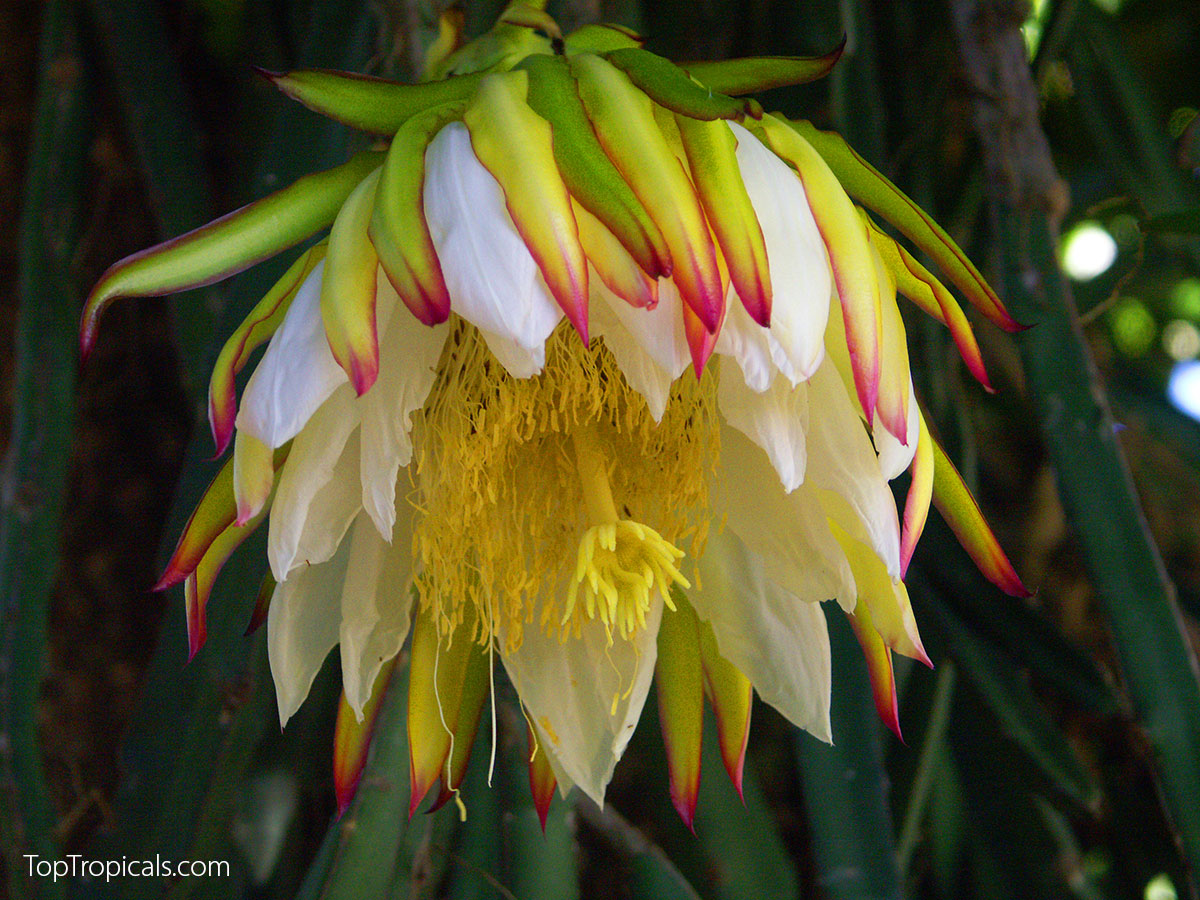
Close-up  of  a  blooming  dragon  fruit  pitaya  flower  with  white  petals  and
   yellow 
 center

Dragon fruit flowers are among the most spectacular in the plant world. They open at night, glowing under moonlight, with pale petals and a sweet fragrance. Each flower can be a foot wide. Seeing one bloom feels like stepping into another world.

⚡️ Top Dragon Fruit Health Benefits

  • High in fiber for digestion and gut health
  • Low in calories but full of vitamins
  • Great for weight management
  • Adds color and freshness to smoothies and salads

🍹 Dragon Fruit Smoothie recipe

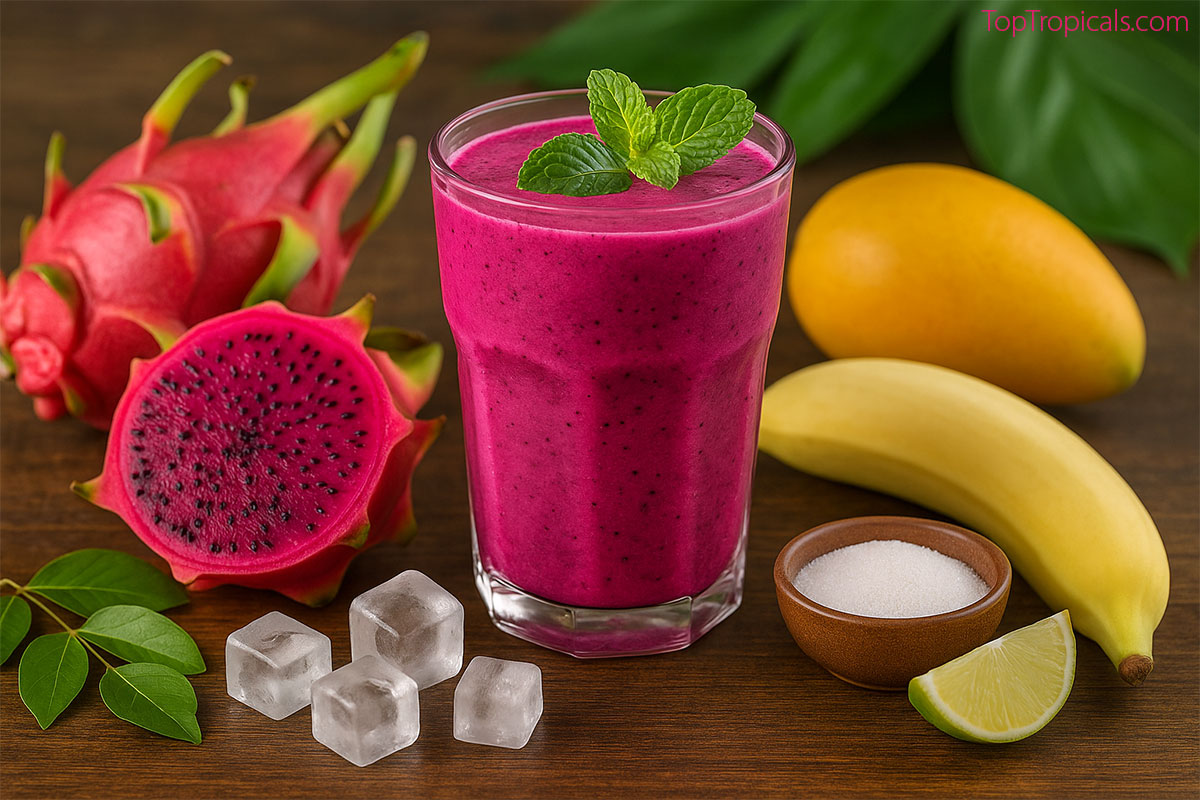
Glass  of  dragon  fruit  pitaya  smoothie  with  fresh  dragon  fruit,  banana, 
 mango,  lime,  sugar,  and  ice 
 cubes

Blend together:

  • 2 dragon fruits, peeled
  • 1/2 cup mango pulp
  • 1 banana
  • 1 cup milk of your choice
  • 2 tbsp sugar
  • 1/2 tsp lime juice
  • Ice cubes to taste

Top with mint for a refreshing tropical treat.

Watch Dragon Fruit short videos:

Date: 9 Jun 2026

This Forgotten Tropical Vine Has Huge Glossy Leaves and Smells Exactly Like Carnations: Faradaya splendida - the Glory Vine

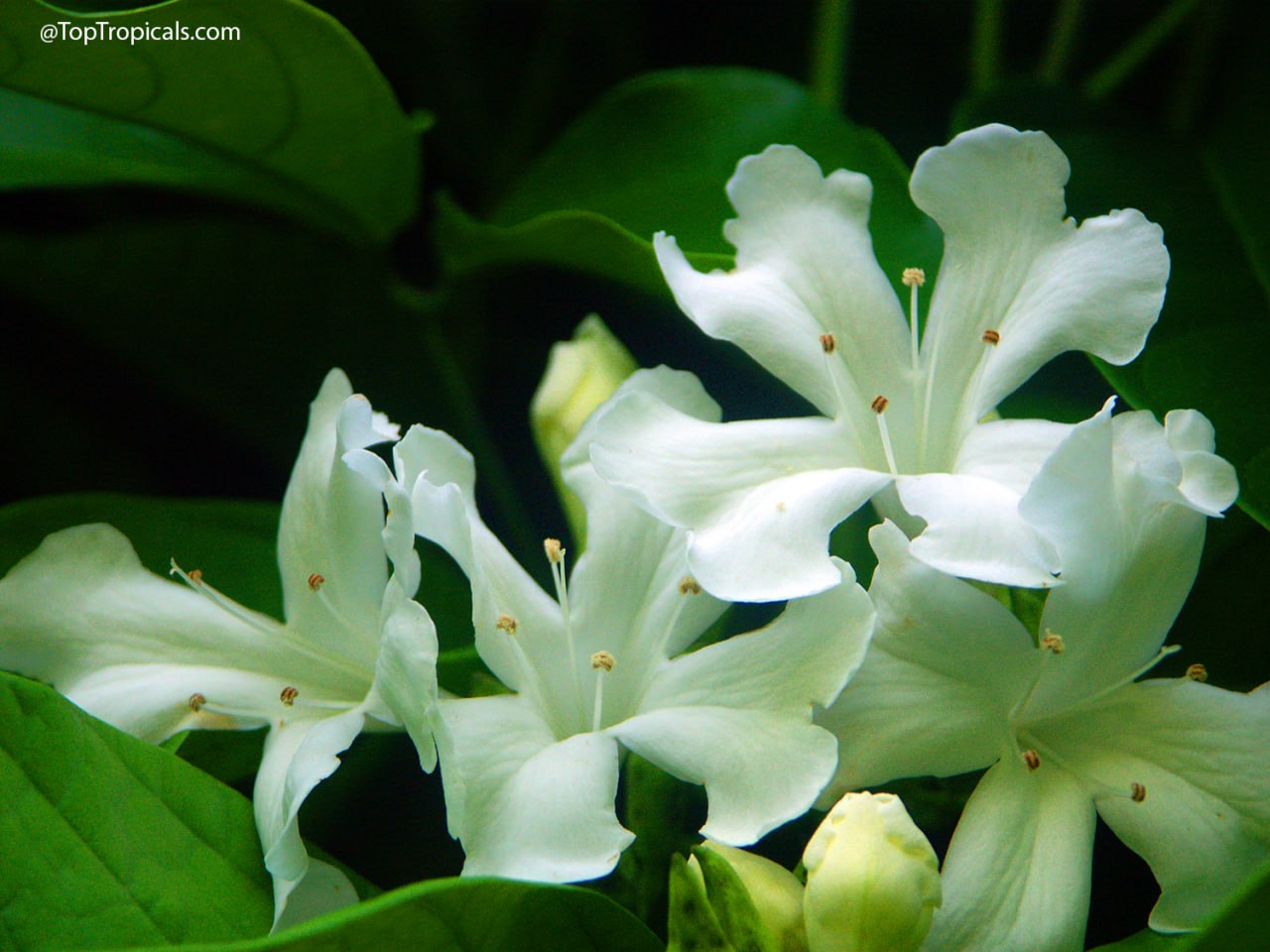
Faradaya splendida - the Glory Vine flowers close up
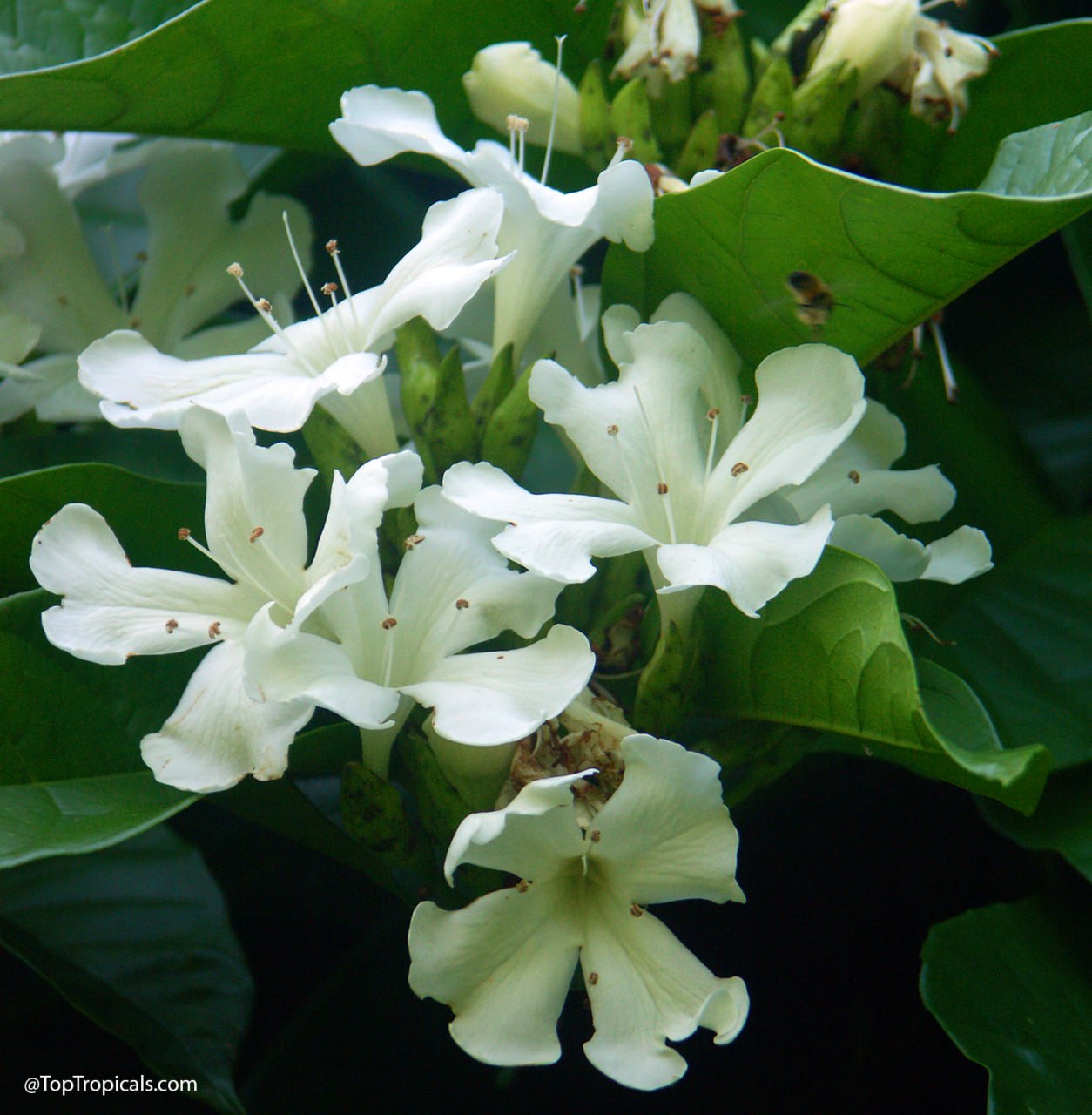
Faradaya splendida - the Glory Vine flowers close up

Faradaya splendida - the Glory Vine flowers
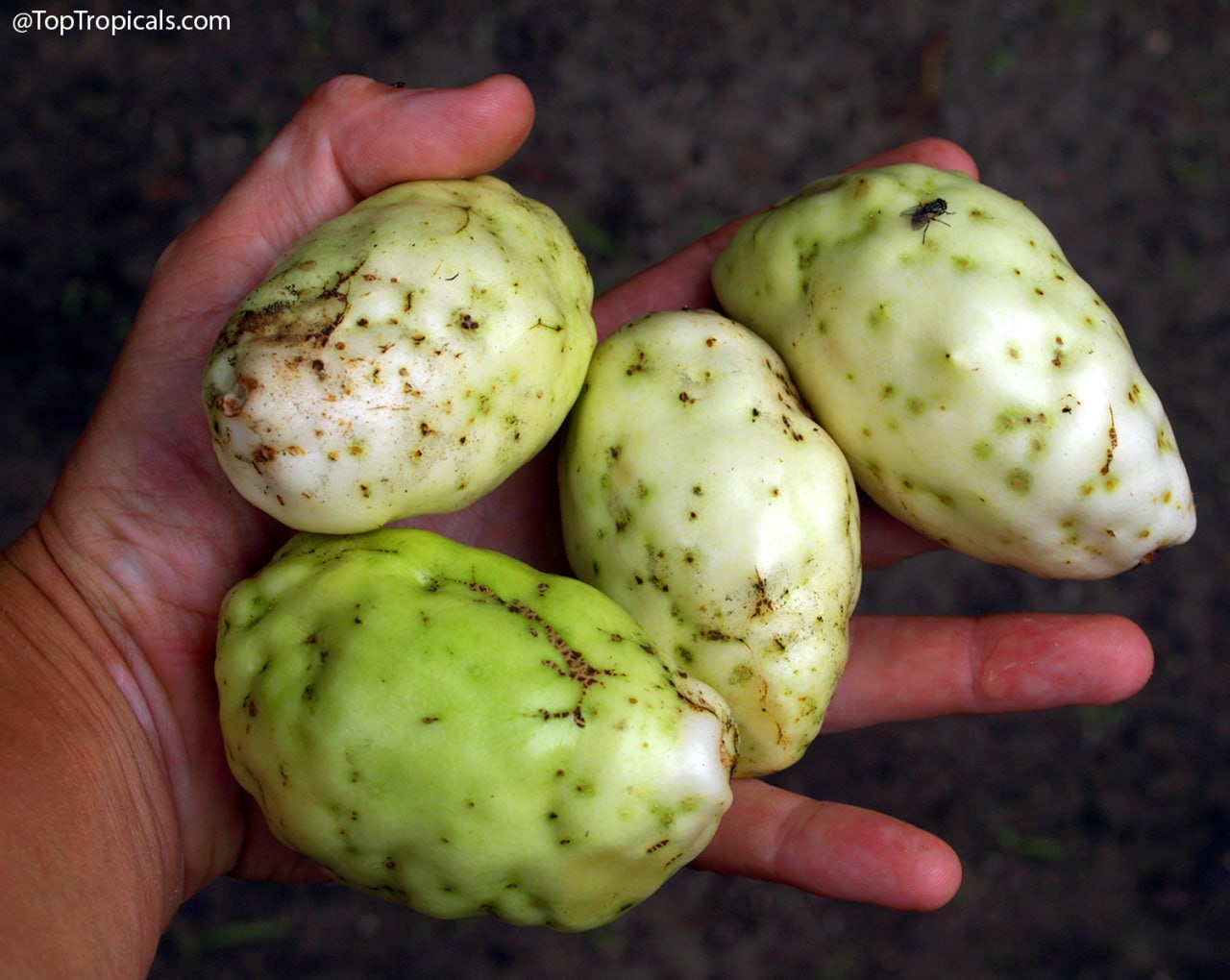
Faradaya splendida - the Glory Vine flowers

Faradaya splendida - the Glory Vine fruit
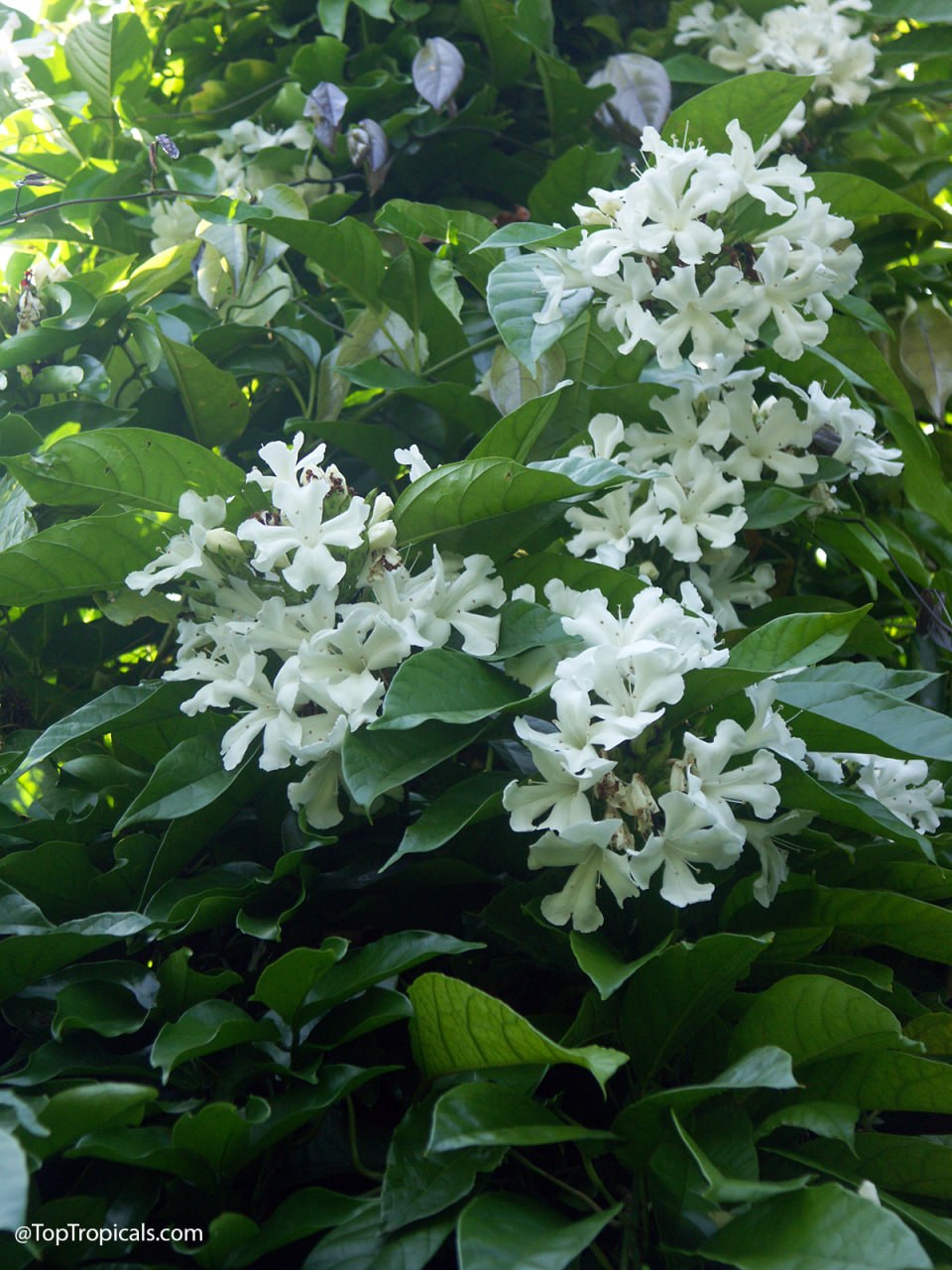
Faradaya splendida - the Glory Vine fruit

Faradaya splendida - the Glory Vine

Faradaya splendida - the Glory Vine

✨ This Forgotten Tropical Vine Has Huge Glossy Leaves and Smells Exactly Like Carnations: Faradaya splendida - the Glory Vine


Some plants become famous because everyone talks about them. Others quietly grow in the background - tougher, more resilient, and often far more impressive than the trendy varieties people rush to buy.
Faradaya splendida - the Glory Vine - belongs firmly in that second category.
This rare tropical climber boasts massive glossy leaves, carnation-scented white flowers, and enough vigor to quickly smother fences and pergolas. Yet, most gardeners have never heard of it simply due to a lack of mainstream exposure.

A Rainforest Native with Serious Presence


Native to the rainforests of Northern Queensland, Papua New Guinea, and nearby Pacific islands, the Glory Vine evolved to compete fiercely for sunlight. That edge explains its robust personality:

Fast Jungle Growth: This is no delicate creeper. Its thick, woody stems scale heavy garden structures with ease.
Dramatic Contrast:
Enormous, shiny leaves create a striking backdrop for pristine white blooms that practically glow against the dark foliage.

While Australian native plant enthusiasts love it, it remains a hidden gem to the rest of the gardening world.

Sensory Appeal: Carnation Scents and "Egg" Fruits


One of its best surprises is the fragrance. The large, snow-white, trumpet-shaped blooms carry a sweet, spicy scent identical to carnations, peaking in warm weather. While individual flowers are short-lived, the vine blooms heavily and repeatedly throughout summer.

Even out of bloom, the foliage delivers high-impact aesthetics. The lush leaves can reach nearly a foot long, effortlessly creating a dense rainforest look. Then come the strange fruits. After flowering, the vine produces large, egg-shaped white fruits resembling smooth potatoes. Hanging from the stems, they look so unusual that visitors often assume they are artificial.

Indigenous History and Ecological Deep Roots

Beyond beauty, Faradaya splendida carries a rich history. Among the Girramay people of northern Australia, the vine is known as Djungeen.

A Seasonal Clock: The dropping of its white fruits in October traditionally signaled that wild bush turkey nests contained eggs.
Traditional Fishing: The bark contains natural saponins (foaming compounds). Historically, it was used to temporarily stun fish in creeks without permanently polluting the water.

This is a storied rainforest species with deep ecological roots.

How to Grow the Glory Vine


The barriers to its popularity are availability and awareness. The name doesn't roll off the tongue like jasmine, and mainstream nurseries rarely stock it. However, source one from a specialty native nursery and the rewards are unmatched. It is:

· Evergreen and highly adaptable in tropical and subtropical climates.
· A magnet for local pollinators and butterflies.
· Exceptionally low-maintenance once established.

The only caveat? Space. This vine climbs with serious intent. Give it warmth, moisture, sunlight, and a sturdy structure, and it will reward you with a breathtaking jungle canopy.

One Discovery Away from Trend Status


Some plants stay hidden simply because a trendsetter hasn't spotlighted them online yet. The Glory Vine is a botanical treasure waiting to be rediscovered by modern landscaping. Until then, it remains a secret weapon for those in the know: a show-stopping vine that invariably makes people stop and ask, "What is that?"

🛒 Claim a Forgotten Treasure - only a few plants left in stock!

#Hedges_with_benefits #Discover #Perfume_Plants

🟢 Join 👉 TopTropicals

Date: 18 Jun 2026

Smokey,  Sunshine,  and  their  mini-me  kittens  arrive  at  the  Top  Tropicals
    Father's  Day  Plant  Market.
Smokey: The best Father's Day gift is a plant.
Sunshine: Because it grows?
Smokey: Because every garden is a promise to the future.
Sunshine: Then we'd better choose carefully. We brought our future with us.

Father's Day Belongs in the Garden

Some gifts are forgotten by next month.

A plant is different.

A fruit tree planted today may provide fruit for decades. A flowering tree may bloom every spring long after the holiday is over. The best gardens aren't built in a single afternoon - they're built one season at a time, one generation at a time.

This Father's Day weekend, come spend the day the way it was meant to be spent: outdoors, unhurried, surrounded by growing things.

Top Tropicals is hosting our Summer Solstice Plant Market, and this is one of the best times of the year to visit the nursery. The longest days of summer bring out the flowers, the fragrance, and the fruit. Thousands of plants at their peak, in the kind of Florida light that makes everything look like it belongs on a postcard.

📅 Saturday, June 20, 2026
⏰ 9:00 AM - 4:00 PM
📍 13890 Orange River Blvd, Ft Myers, FL 33905
Phone: 239-689-5745, 866-897-7957
📍 9100 McRoy Rd, Sebring, FL 33875
Phone: 863-401-4004, 866-897-7957

You'll find rare fruit trees, flowering trees, fragrant plants, and collector varieties rarely available elsewhere. There will be event specials, raffle prizes, free plants with qualifying purchases, tropical music, and cold drinks. And somewhere in the shade, King, Snitch, and the rest of the PeopleCats will be doing what they always do - making themselves at home and pretending to supervise.

But the real reason to come isn't the event. It's the reminder.

Whether you're planting your first fruit tree or adding one more chapter to a garden that's been growing for years, Father's Day is a good day to remember what we're really building. Not just a yard. Something that keeps giving long after the I love you, Dad card is forgotten.

Plant something today.

Every garden is a promise to the future.

👉SEE FULL FATHER'S DAY EVENT DETAILS

Date: 20 Jun 2026

We Followed the Fragrance and Found This Remarkable Vine

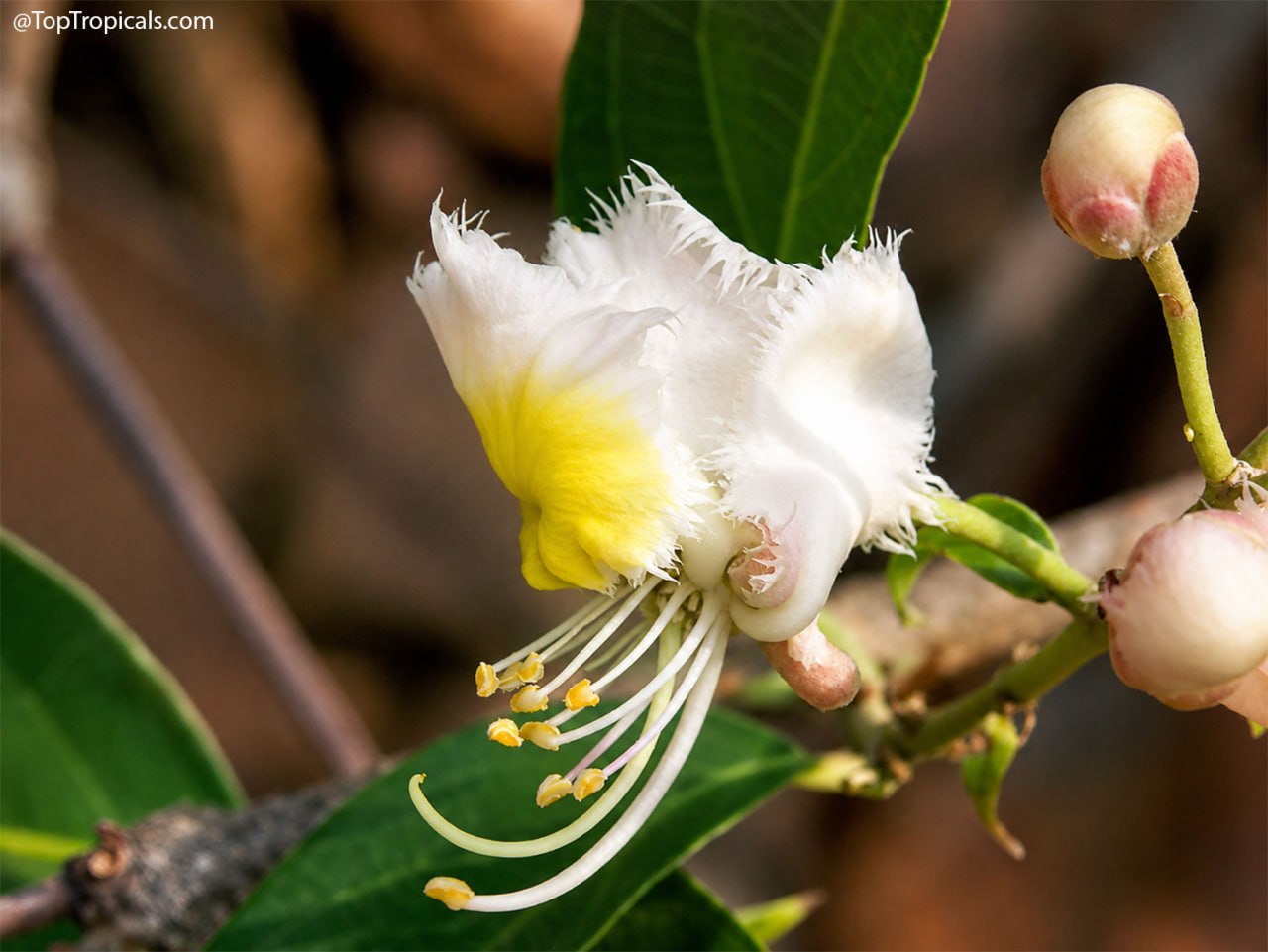
Hiptage benghalensis - Helicopter Flower

Hiptage benghalensis - Helicopter Flower

🚁 We Followed the Fragrance and Found This Remarkable Vine

Hiptage benghalensis - Helicopter Flower - was one of the most memorable plants we discovered in Thailand.
We actually noticed its fragrance long before we ever saw it. A sweet, fruity perfume drifted through the air, stopping us in our tracks. Following the scent led us directly to a vigorous flowering vine covered in clusters of unusual pink, white, and yellow blooms.


🌟 Why "Helicopter" Flower?


The unique nickname comes from its distinctive, three-winged seed pods that spin through the air like tiny helicopters when they drop. But the flowers are the real attraction. Their frilly petals, striking colorful markings, and powerful fragrance are intense enough to perfume an entire garden.

🌟 The Ultimate Winter Bloomer


What makes Hiptage especially valuable to a gardener is its perfect timing. It blooms heavily during winter and early spring, right when many other tropical plants are still resting. Just when the garden seems quiet, this vine steps up to fill the air with perfume.

🌟 Tough, Versatile, and Easy to Grow


Despite its exotic appearance, Hiptage is surprisingly adaptable and forgiving. Depending on your space and goals, you can train it in multiple ways:

Climbing Vine: Let it scale a trellis or fence for a vertical privacy screen.
Small Tree or Large Shrub: Shape it with regular pruning to create a standalone focal point.
Container Plant: Easily maintained in a large pot for patios or moving indoors during cold snaps.
✓ It grows quickly, tolerates a wide range of soils, and thrives beautifully in both full sun and partial shade.

💡Did You Know? In India, Hiptage is known as Madhavi, or the "Spring Herald." Traditional folklore often pairs it with mango trees - the sturdy mango supports the fragrant vine, together symbolizing strength, beauty, devotion, and the arrival of spring.

🌟 Bring the Perfume Home


It is easy to understand why this plant has been cherished for centuries. Few vines combine such intense fragrance, long-lasting cold-season beauty, adaptability, and rich history in a single package.
If you love fragrant plants, the Helicopter Flower may just be one of the most rewarding, head-turning discoveries you can add to your collection this year.
👉 More...

🛒 Bring Home the Fragrance of Madhavi

📚 Learn more:

Hiptage Plant Facts

Botanical name: Hiptage benghalensis, Hyptage bengalensis
Also known as: Hiptage, Helicopter Flower, Madhavi
USDA Zone: 9 - 10
Highligths Large shrub 5-10 ft tallVine or creeper plantSemi-shadeFull sunWatering: Regular. Let topsoil dry slightlyYellow, orange flowersWhite, off-white flowersPink flowersPlant attracts butterflies, hummingbirdsEthnomedical plant.
Plants marked as ethnomedical and/or described as medicinal, are not offered as medicine but rather as ornamentals or plant collectibles.
Ethnomedical statements / products have not been evaluated by the FDA and are not intended to diagnose, treat, cure, or prevent any disease. We urge all customers to consult a physician before using any supplements, herbals or medicines advertised here or elsewhere.Fragrant plantSubtropical plant. Mature plant cold hardy at least to 30s F for a short time
Get personalized tips for your region

· Hiptage benghalensis in Plant Encyclopedia
· Helicopter flower Madhavi - the Spring Herald that clings to a Mango Tree

#Perfume_Plants #Hedges_with_benefits #Discover

🟢 Join 👉 TopTropicals
Date: 27 Jun 2026

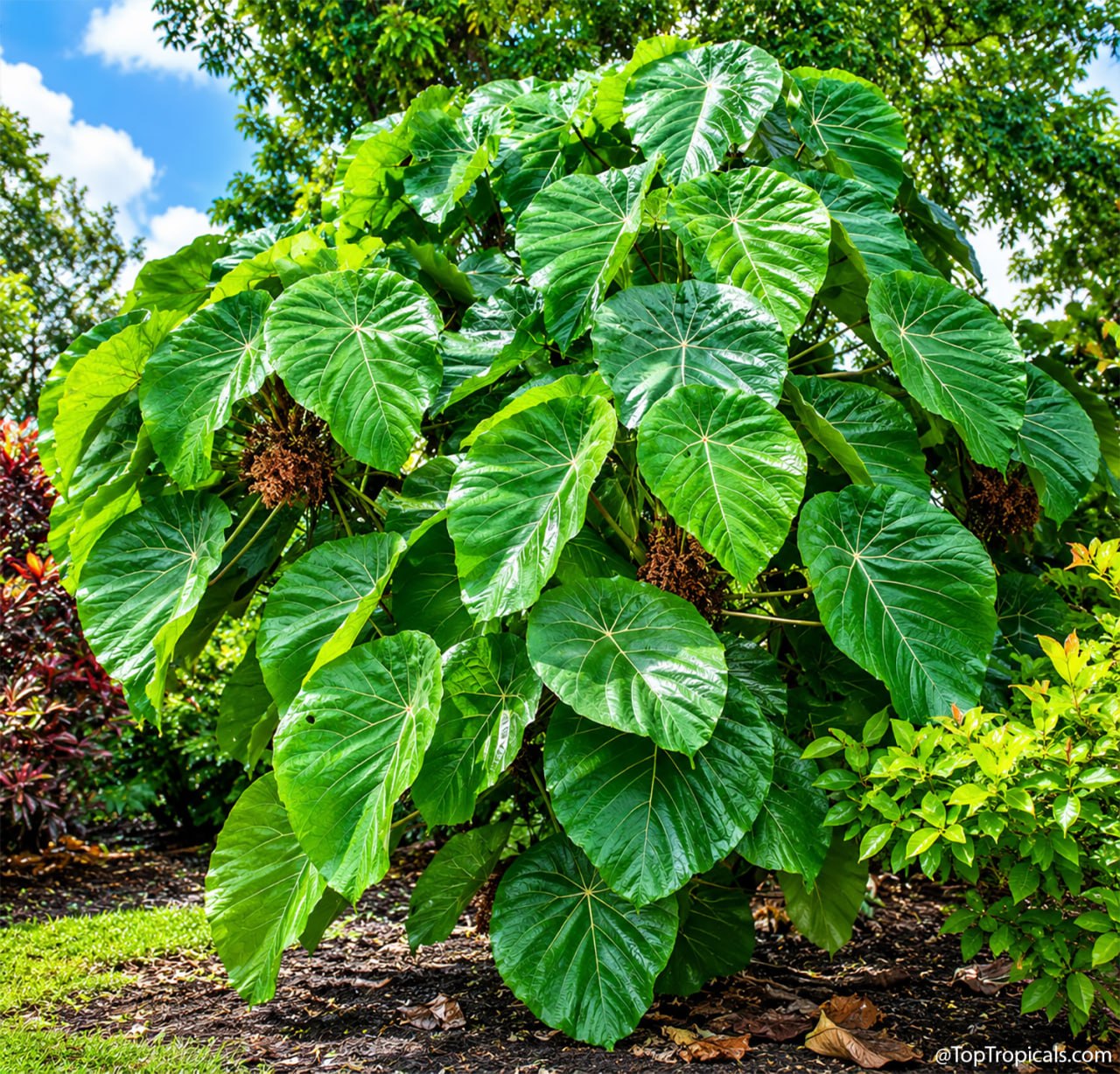
This Tropical Tree Has Leaves Bigger Than Your Head

This Tropical Tree Has Leaves Bigger Than Your Head

This Tropical Tree Has Leaves Bigger Than Your Head


One look at Macaranga grandifolia and most gardeners have the same reaction: "What is THAT?"
Nicknamed the Elephant Ear Tree, this rare tropical beauty produces enormous, glossy leaves that can easily grow larger than a person's head. The effect is dramatic, bold, and impossible to ignore.


☂️ A Living Jungle Umbrella


Native to tropical regions of Southeast Asia and grown widely in Hawaii, Macaranga forms a small upright tree with huge rounded leaves stacked along its stems like giant green shields.

Unlike many tropical plants that rely on colorful flowers, Macaranga's foliage is the entire show. The leathery leaves create an unmistakable rainforest look that instantly transforms a garden into something exotic.

☂️ Why Gardeners Fall in Love With It


· Massive elephant-ear-shaped leaves
· Fast enough to make an impact quickly
· Rare and hard to find
· Surprisingly easy to grow
· Few serious pest or disease problems
· Excellent for creating a lush tropical effect

Even a young plant becomes a conversation piece.

☂️ Bigger Than Most Elephant Ears


Despite its nickname, the leaves often resemble real elephant ears more than many of the plants commonly sold as "elephant ears."

The tree grows upright and relatively narrow, making it useful where space is limited but a bold tropical statement is desired. Mature specimens create a striking column of giant foliage that looks almost prehistoric.

☂️ Easy Tropical Luxury


Macaranga thrives in warm, frost-free climates and appreciates rich, moist soil. It can grow in nearly full sun with adequate water, but the largest and most attractive leaves usually develop with some protection from intense afternoon sun.

It also performs well in large containers, making it an excellent choice for patios and tropical plant collectors.

☂️ The Plant Nobody Knows About


Perhaps the biggest mystery about Macaranga is why it isn't grown more often. It combines spectacular foliage, easy care, and a truly unique appearance, yet remains surprisingly uncommon in Florida gardens and nurseries.

If your goal is to create instant tropical drama, few plants deliver more impact than the Elephant Ear Tree. One glance at those gigantic leaves and you'll understand why collectors become obsessed with it.

🛒 Grow Your Own Elephant Ear Tree with Giant Leaves

📚 Learn more:
· Macaranga grandifolia in Plant Encyclopedia
· One look and you're hooked: Macaranga!
🎥 Shocking ears of Macaranga

#Nature_Wonders #Trees #Discover

Macaranga Plant Facts

Botanical name: Macaranga grandifolia, Macaranga longifolia, Macaranga mappa
Also known as: Macaranga, Nasturtium Tree, Parasol Leaf Tree, Bingabing, Sun Parasol Shrub, Elephant Ear Tree
USDA Zone: 9 - 11
Highligths Large shrub 5-10 ft tallSmall tree 10-20 ftSemi-shadeFull sunWatering: Regular. Let topsoil dry slightlyRed, crimson, vinous flowersOrnamental foliagePlant attracts butterflies, hummingbirdsEthnomedical plant.
Plants marked as ethnomedical and/or described as medicinal, are not offered as medicine but rather as ornamentals or plant collectibles.
Ethnomedical statements / products have not been evaluated by the FDA and are not intended to diagnose, treat, cure, or prevent any disease. We urge all customers to consult a physician before using any supplements, herbals or medicines advertised here or elsewhere.Subtropical plant. Mature plant cold hardy at least to 30s F for a short timeSeaside, salt tolerant plant
Get personalized tips for your region
🟢 Join 👉 TopTropicals