Garden Blog - Top Tropicals

Date: 26 Jan 2026

Why Turmeric was named the 2026 Herb of the Year
Turmeric - Curcuma

Turmeric - Curcuma

🌷 Why Turmeric was named the 2026 Herb of the Year


🌷 Turmeric was named the 2026 Herb of the Year by the International Herb Association, and it is easy to see why gardeners are paying attention. This tropical plant from the ginger family is best known for its bright orange underground rhizomes, used for centuries as a spice, natural dye, and traditional remedy.

🌷Native to India, Turmeric (Curcuma longa) is closely related to Ginger and Cardamom. Its rhizomes are a staple in curry and widely used in Asian, African, and Caribbean cuisines. In recent years, turmeric has also gained attention for potential anti-inflammatory properties.

Spice Turmeric Plant Facts

Botanical name: Curcuma longa
Also known as: Spice Turmeric, Longevity Spice, Indian Saffron, Tumeric
USDA Zone: 8 - 11
Highligths Small plant 2-5 ftSemi-shadeFull sunWatering: Regular. Let topsoil dry slightlyPink flowersSpice or herb plantDeciduous plantEthnomedical plant.
Plants marked as ethnomedical and/or described as medicinal, are not offered as medicine but rather as ornamentals or plant collectibles.
Ethnomedical statements / products have not been evaluated by the FDA and are not intended to diagnose, treat, cure, or prevent any disease. We urge all customers to consult a physician before using any supplements, herbals or medicines advertised here or elsewhere.Subtropical plant. Mature plant cold hardy at least to 30s F for a short time
Get personalized tips for your region


🌷 Herb, spice or flower?


• Botanically, turmeric is a spice, since it comes from the plant’s rhizomes rather than its leaves. In the kitchen, however, it often functions like an herb. Fresh turmeric can replace powdered turmeric in most recipes and delivers brighter flavor and color.
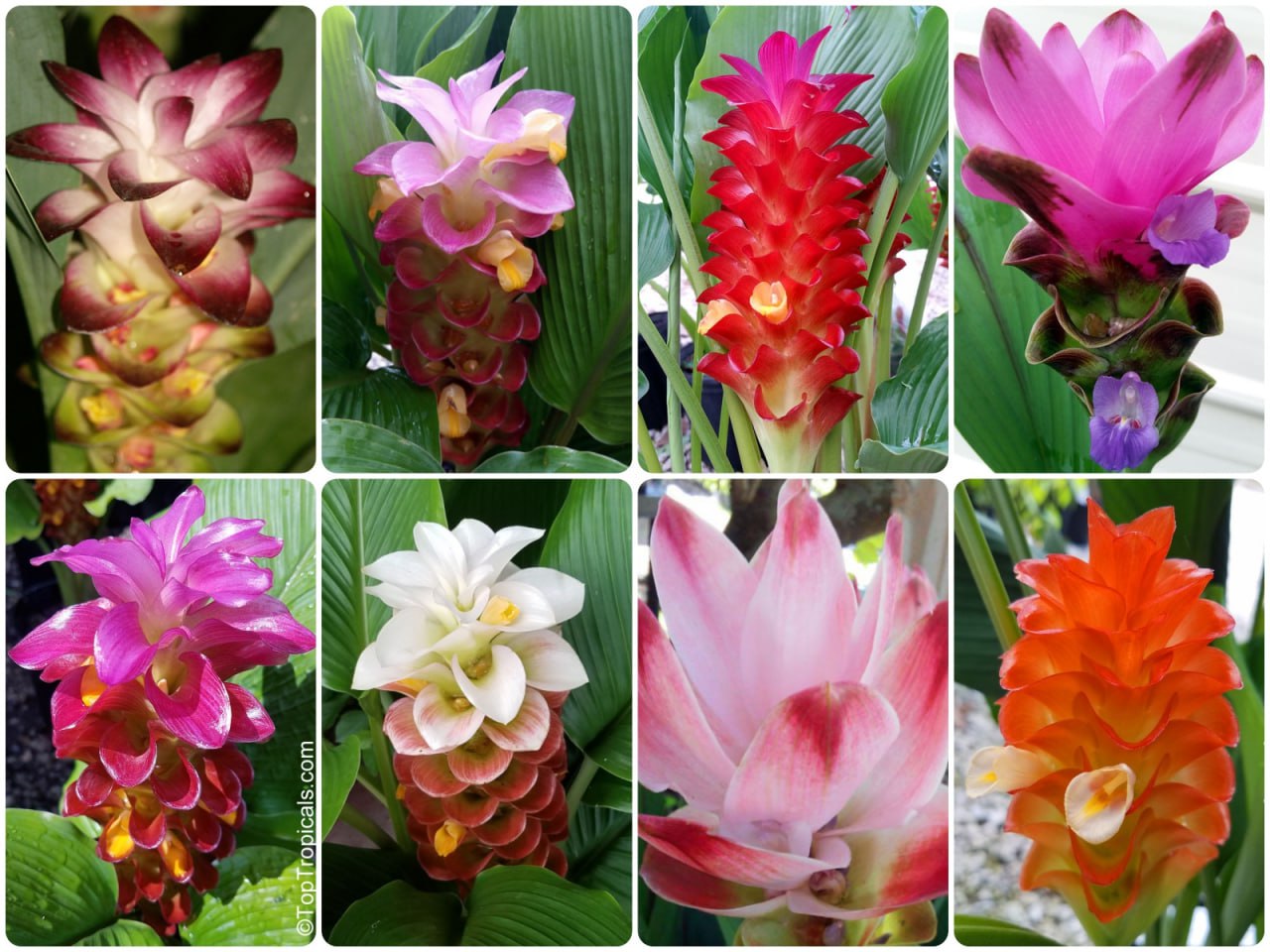
• Beyond edible Turmeric, there are many Curcuma hybrids grown purely for ornament. These selections produce striking, long-lasting flower spikes in shades of pink, white, orange, red, and purple, rising above lush tropical foliage. Ornamental curcumas are popular as patio plants and indoor accents, adding dramatic color and texture even where they are grown strictly in containers.

🌷 Growing turmeric anywhere - even in cool climates


Although Turmeric is a tropical perennial, it grows very well in containers, making it suitable for gardeners everywhere. When grown in pots, turmeric is treated as a warm-season plant that can be moved indoors as temperatures cool.

🌷 How to grow Turmeric


Turmeric is a compact, but bold plant, reaching 3-4 feet tall and wide, so it needs a roomy container. It prefers:

• Rich, well-drained soil
• Slightly acidic conditions (around pH 6–6.5)
• Consistent moisture
• Warm temperatures and bright, indirect light

The plant produces flowers that do not set seed, so turmeric is grown entirely from rhizomes.

🌷 Harvesting and using Turmeric


As the season ends, turmeric naturally goes dormant and the leaves yellow and dry. This signals harvest time. Dig the rhizomes, clean them, and dry them in a cool, shaded place.

Rhizomes can be:
• Boiled, dried, and ground into powder
• Frozen whole and grated as needed
• Pickled for long-term storage

Some healthy rhizomes can also be saved and replanted the following season, making turmeric both productive and renewable.

Compact, bold, and useful, turmeric proves that tropical plants can thrive well beyond the tropics - especially when grown in pots.

🛒 Plant Curcuma for both flowers, spice and herb

📚 Learn more :


Turmeric (Curcuma) in Plant Encyclopedia
Curcuma - the tropical tulip with a secret spice twist
Curcuma: one plant, two powers - color and spice!
How Curcuma Turmeric keeps blood pressure in balance.
Turmeric Curcuma: Grow Your Own Brain Boosters
The most interesting edible gingers?

#Food_Forest #Container_Garden #Remedies #Discover

🟢 Join 👉 TopTropicals

Date: 25 Jan 2026

How to grow Winter blooms without sun, indoors or out

Clerodendrum wallichiii - Bridal Veil

✨ How to grow Winter blooms without sun, indoors or out


⭐️ Clerodendrum wallichii - Bridal Veil, is one of those plants that quietly steals the show. It is a graceful shrub that drapes itself in long, hanging sprays of white, lightly fragrant flowers just when many gardens are slowing down. Around fall and into winter, it suddenly comes alive with cascading blooms that really do look like a veil.

Bridal veil Plant Facts

Botanical name: Clerodendrum laevifolium, Clerodendrum wallichii, Clerodendrum nutans
Also known as: Bridal veil, Nodding Clerodendron
USDA Zone: 9 - 11
Highligths Large shrub 5-10 ft tallSmall plant 2-5 ftSemi-shadeWatering: Moderate. Water when top soil feels dryWhite, off-white flowersPlant attracts butterflies, hummingbirdsFragrant plantSubtropical plant. Mature plant cold hardy at least to 30s F for a short time
Get personalized tips for your region


⭐️ One of the things that makes Bridal Veil really special is that it blooms beautifully in bright shade, which is rare - not many flowering shrubs are happy without direct sun. Because it tolerates lower light so well and stays elegant in a container, it also makes a surprisingly great indoor plant in a bright room or sunroom.

⭐️ What you will love most is how elegant but easygoing it is. The plant grows upright with soft, arching branches, usually topping out around 6–7 feet, with narrow, pointed leaves that stay neat and refined. The green stems set it apart from some other clerodendrums, giving it a lighter, airier look even when it’s not in flower.

⭐️ Bridal Veil does best when you treat it gently. It likes bright light but not harsh afternoon sun, and it really appreciates protection from wind. Give it a spot with morning sun or bright shade, keep the soil evenly moist but well drained, and it rewards you without much fuss. It’s a great choice for containers, patios, or sheltered garden beds where you can enjoy the flowers up close.

⭐️ Another bonus - it blooms when you want it most. While many plants rest, Bridal Veil puts on its show from fall through spring, making it a favorite for winter-interest gardens in warm climates. Pollinators notice it too, especially when little else is blooming.

⭐️ If you like plants that feel a bit romantic, bloom off-season, and don’t need constant attention, this one earns its place fast. Bridal Veil is quiet, graceful, and unforgettable once you’ve grown it.

🛒 Start your Clerodendrum collection

📚 Learn more:
💋Clerodendrum wallichiii in Plant Encyclopedia
💋Collecting clerodendrums: big color, little effort
💋Clerodendrum schmitii and Clerodendrum wallichii
💋What is the difference between Clerodendrum schmitii and Clerodendrum wallichii?

#Shade_Garden #How_to #Hedges_with_benefits #Container_Garden

🟢 Join 👉 TopTropicals

Date: 23 Jan 2026

Insulin Ginger traditional remedies: Quick-n-fun exotic recipes

Insulin Ginger (Chamaecostus cuspidatus) traditional remedies recipes

Insulin Ginger (Chamaecostus cuspidatus) traditional remedies recipes

❣️ Insulin Ginger traditional remedies: Quick-n-fun exotic recipes


6 very simple, real-world ways people actually use Insulin Ginger (Chamaecostus cuspidatus)

✦ 1. 🍵 Simple leaf tea


Steep 1–2 fresh leaves (or dried) in hot water for 10–15 minutes. Drink warm, plain or lightly sweetened.

2. ❄️ Refreshing iced herbal drink
Blend a couple of leaves with water, strain, add ice. Some people add a squeeze of lemon.

✦ 3. Coconut water blend


Blend 1–2 leaves with fresh coconut water. Drink chilled as a mild daily tonic.

✦ 4. 🌿 Fresh leaf chew


The simplest method - chew a fresh leaf in the morning, then discard. Very common traditional use.

✦ 5. Salad add-in


Finely slice young leaves and mix with other greens. Use lightly, like a functional herb.

✦ 6. 🍲 Leaf Chutney


Leaves can be blended with spices and other herbs into a savory condiment. Meals like this make the leaves easy to include in everyday diet (though you’d want to adapt it for flavor and personal preferences).

👆This plant has a long history of traditional use. Everyone’s body is different, so if you have diabetes or take medication, it’s wise to check with your healthcare provider first.

🛒 Add Insulin Ginger to your medicinal herb garden

📚 Learn more:

Insulin Plant Facts

Botanical name: Costus igneus, Chamaecostus cuspidatus
Also known as: Insulin Plant, Fiery Costus, Spiral Flag
USDA Zone: 9 - 11
Highligths Large shrub 5-10 ft tallSmall plant 2-5 ftSemi-shadeShadeWatering: Regular. Let topsoil dry slightlyYellow, orange flowersEdible plantSpice or herb plantEthnomedical plant.
Plants marked as ethnomedical and/or described as medicinal, are not offered as medicine but rather as ornamentals or plant collectibles.
Ethnomedical statements / products have not been evaluated by the FDA and are not intended to diagnose, treat, cure, or prevent any disease. We urge all customers to consult a physician before using any supplements, herbals or medicines advertised here or elsewhere.Subtropical plant. Mature plant cold hardy at least to 30s F for a short time
Get personalized tips for your region

Costus igneus (Chamaecostus cuspidatus) - Insulin Ginger in Plant Encyclopedia
A leaf you grow, not a pill you buy: Insulin ginger - the plant people actually use
How to make lots of Insulin Ginger plants quickly and get more health benefits
How to lose weight naturally with tropical fruit and plants
The fiery plant that fights sugar: Nature secret insulin?
Most interesting edible gingers

#Food_Forest #Remedies #Shade_Garden #Discover #Recipes

🟢 Join 👉 TopTropicals

Date: 20 Jan 2026

7 steps for a care-free Spanish Tamarind - the easiest rare fruit to grow

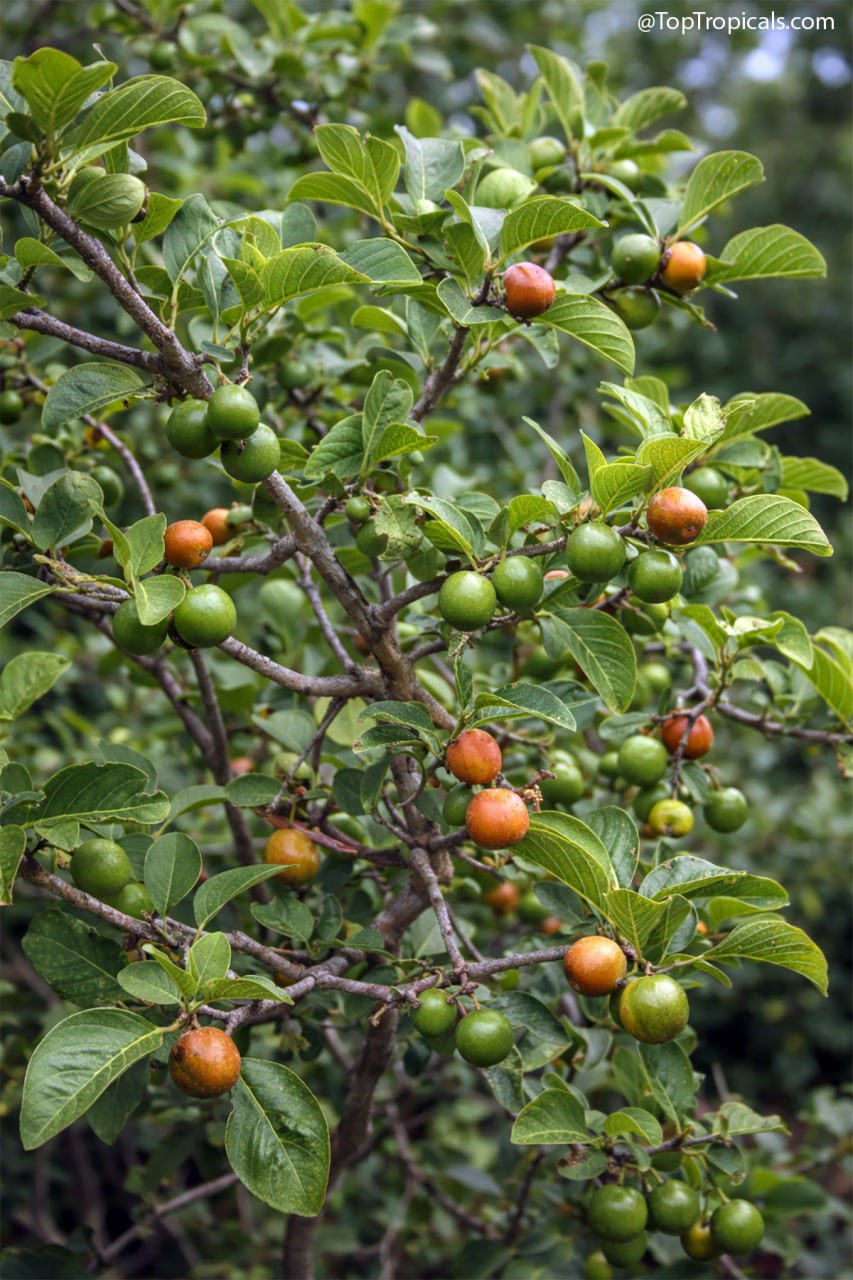
Vangueria infausta (Spanish Tamarind, Wild Medlar)

Vangueria infausta (Spanish Tamarind, Wild Medlar)

🍊 7 steps for a care-free Spanish Tamarind - the easiest rare fruit to grow


Yes, it can handle light frost - Vangueria infausta (Spanish Tamarind, Wild Medlar) - we just discovered it can handle cold snaps! After a few cold nights in January, our young tree planted just a few months ago, still looks happy and strong!

Wild Medlar Plant Facts

Botanical name: Vangueria infausta
Also known as: Wild Medlar, Spanish Tamarind
USDA Zone: 9 - 11
Highligths Small tree 10-20 ftFull sunWatering: Moderate. Water when top soil feels dryEdible plantDeciduous plantEthnomedical plant.
Plants marked as ethnomedical and/or described as medicinal, are not offered as medicine but rather as ornamentals or plant collectibles.
Ethnomedical statements / products have not been evaluated by the FDA and are not intended to diagnose, treat, cure, or prevent any disease. We urge all customers to consult a physician before using any supplements, herbals or medicines advertised here or elsewhere.Subtropical plant. Mature plant cold hardy at least to 30s F for a short time
Get personalized tips for your region

If you are looking for a tough little fruit tree that thrives on neglect but gives you something truly special in return - try this rare, compact fruit tree. Spanish Tamarind is native to southern Africa, it is drought-tolerant, pest-resistant, and surprisingly cold-hardy once established - making it a great choice even for gardeners in borderline zones.

🛒 Add rare Spanish Tamarind to your rare fruit collection

📚 Learn more:


Vangueria infausta - Spanish Tamarind in Plant Encyclopedia
The wild fruit with a secret: health benefits of rare Spanish Tamarind - the exotic fruit you've never heard of

#Food_Forest #Remedies #Discover

🟢 Join 👉 TopTropicals

Date: 25 Apr 2026

♥️ Mother’s Day: More Than a Gift

Smokey  cat  with  glasses  showing  mango  tree  to  mother  cat  in  garden
Mom: You grew this… for me? You remembered my favorite…
Smokey: I did.
Mom: You never forget what matters. It’s beautiful.
Smokey: Not as much as you. Happy Mother’s Day.
Sunshine: You raised him right. It shows.

Some things stay with you from your mom.

A favorite fruit. A smell from the garden. The way she showed you how to care for something and stick with it.

At the time, it felt small. Later, you realize it wasn’t. It turns into something real - a tree, a habit, a way of doing things you still follow.

Mother’s Day is simply a reason to tell your mom you remember. To say thank you for what she taught you, and to show your love.

It does not have to be complicated. Just something that makes it clear you were paying attention.

If you are thinking what to give, start simple.

A fruit she loves. A plant she will enjoy watching grow. Something alive, not just something that sits on a shelf.

It does not have to be big. What matters is that it means something to her.

And maybe, years from now, it becomes one of those things that stays.

We put together a few plants that make good Mother’s Day gifts.

Fragrant flowers. Fruit trees she can enjoy year after year. Easy growers that do not require much effort.

If she has a favorite, start there. If not, pick something simple and reliable.

🛒 Shop Gift plants