Garden Blog - Top Tropicals

Date: 30 Dec 2025

Persimmon spoon pudding: quick-n-fun exotic recipes
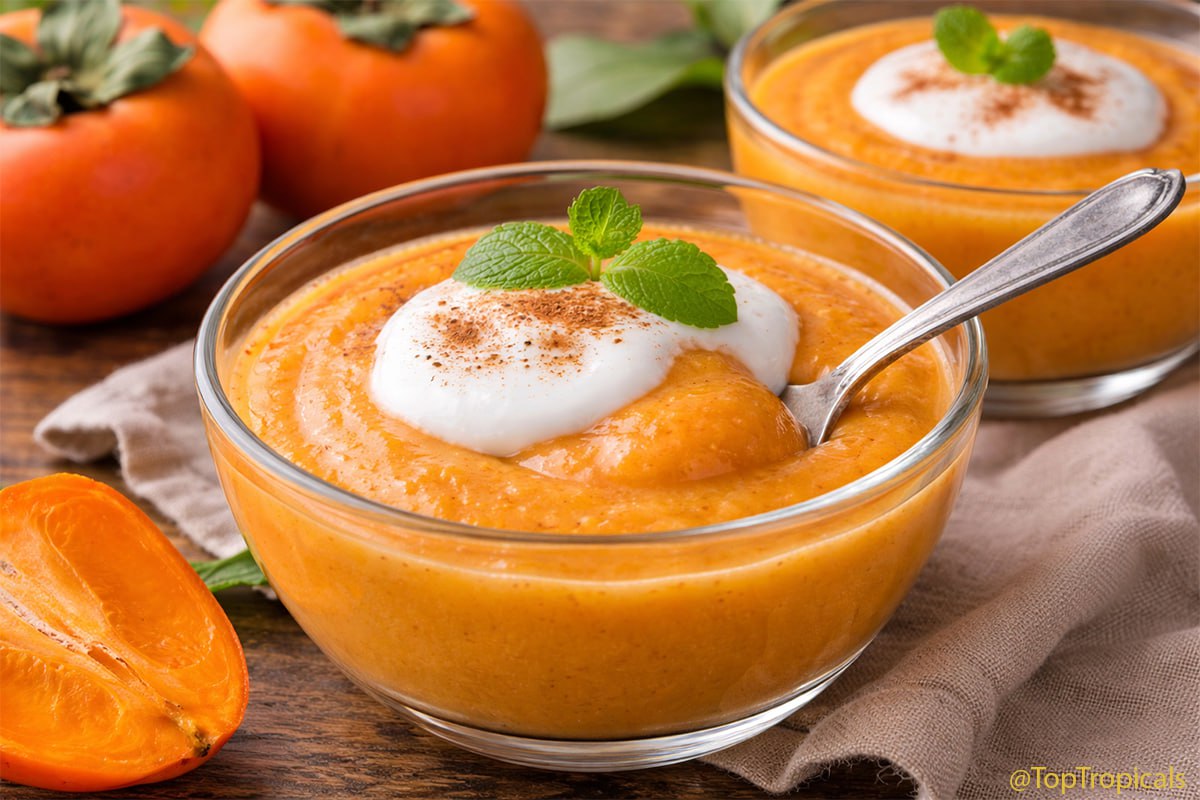
Persimmon spoon pudding
Persimmon spoon pudding

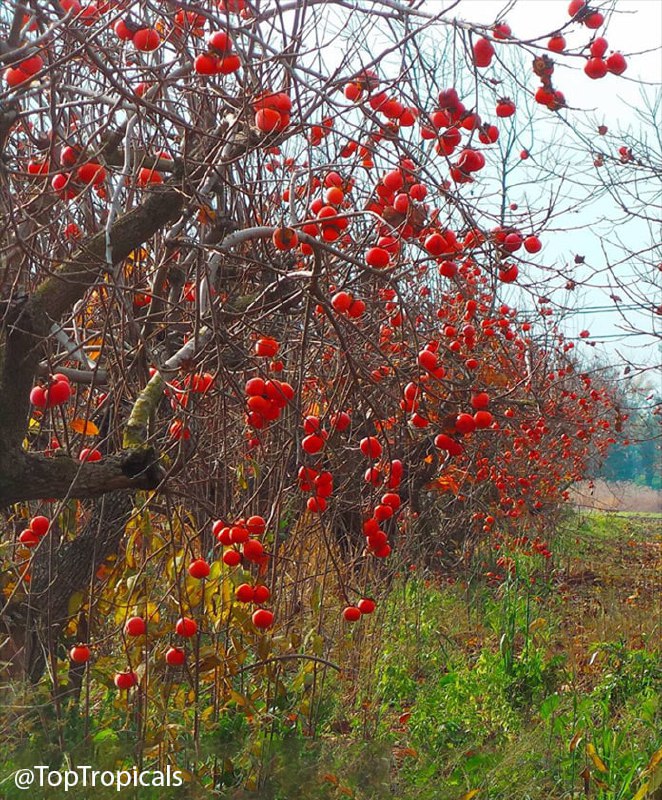
Persimmon tree (Diospyros sp)

Persimmon tree (Diospyros sp)

🍴 Persimmon spoon pudding


Ingredients

  • 2 very ripe persimmons (astringent type, fully soft)
  • 2 tablespoons plain yogurt
  • Optional: pinch of cinnamon

Instructions

  1. Scoop the soft persimmon flesh into a blender and puree until smooth.
  2. Chill the puree in the refrigerator for 15 to 30 minutes.
  3. Spoon into a bowl and top with plain yogurt.
  4. Sprinkle lightly with cinnamon if desired and serve.

🍑 About the fruit:


Persimmon (Diospyros spp.) is a graceful, cold-hardy subtropical fruit tree native to China and widely grown across temperate and warm regions. The fruit is loved for its rich sweetness, often compared to honey and apricot. Persimmons are divided into astringent types, which must soften fully before eating, and non-astringent types, which can be enjoyed firm. The fruit is nutritious and commonly eaten fresh or used in desserts.

🌱 In the garden:


Persimmon trees are highly ornamental, with drooping branches, lush summer foliage, and dramatic fall color. They thrive in well-drained soils, tolerate alkaline conditions, and are hardy in USDA zones 7-10. Many varieties perform well in containers, making persimmon a beautiful and productive choice for both edible landscapes and patio gardens.

🛒 Plant Persimmon Tree for sweet fruit and deserts

📚 Learn more:

Plant Facts

Diospyros blancoi, Diospyros discolor
Velvet Apple, Mabolo
USDA Zone: 9-11
Large tree taller than 20 ftFull sunRegular waterEdible plant

#Food_Forest #Recipes

🟢 Join 👉 TopTropicals
Date: 14 Jan 2026

Did you know that Tacca is a cat?

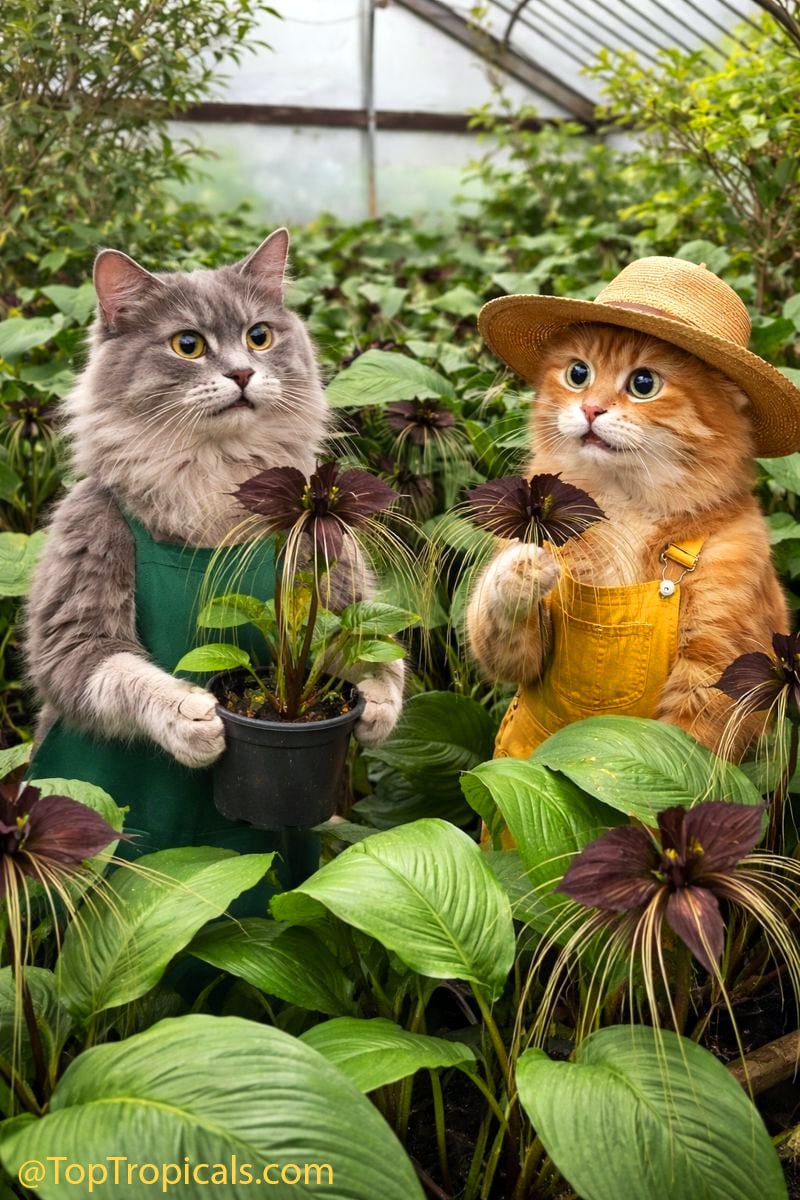
Tacca plants and Cats

Tacca plants and Cats

🐈 Did you know that Tacca is a cat?


That’s probably the real evolutionary secret no botanist will admit! Those whiskers? Pure marketing genius from nature.
Cats had it figured out first — look mysterious, add long elegant whiskers, and everyone falls in love.
Tacca just took notes and said, “Alright, I can work with that!
Continue reading: Tacca wants to be a cat! - and everyone loves cats!

Tacca colors: Black, White, Green:


Tacca nivea - White Tacca
Tacca chantrieri - Black Tacca
Tacca leontopetaloides - Green Tacca

🛒 Add Get your own Bat Head Lily Tacca

📚 Learn more:

Plant Facts

Tacca chantrieri
Bat Head Lily, Bat Flower, Devil Flower, Black Tacca
USDA Zone: 9-11
Small plant 2-5 ftShadeRegular waterOrnamental foliageUnusual color

#Container_Garden #Shade_Garden #Nature_Wonders

🟢 Join 👉 TopTropicals

Date: 16 Jan 2026

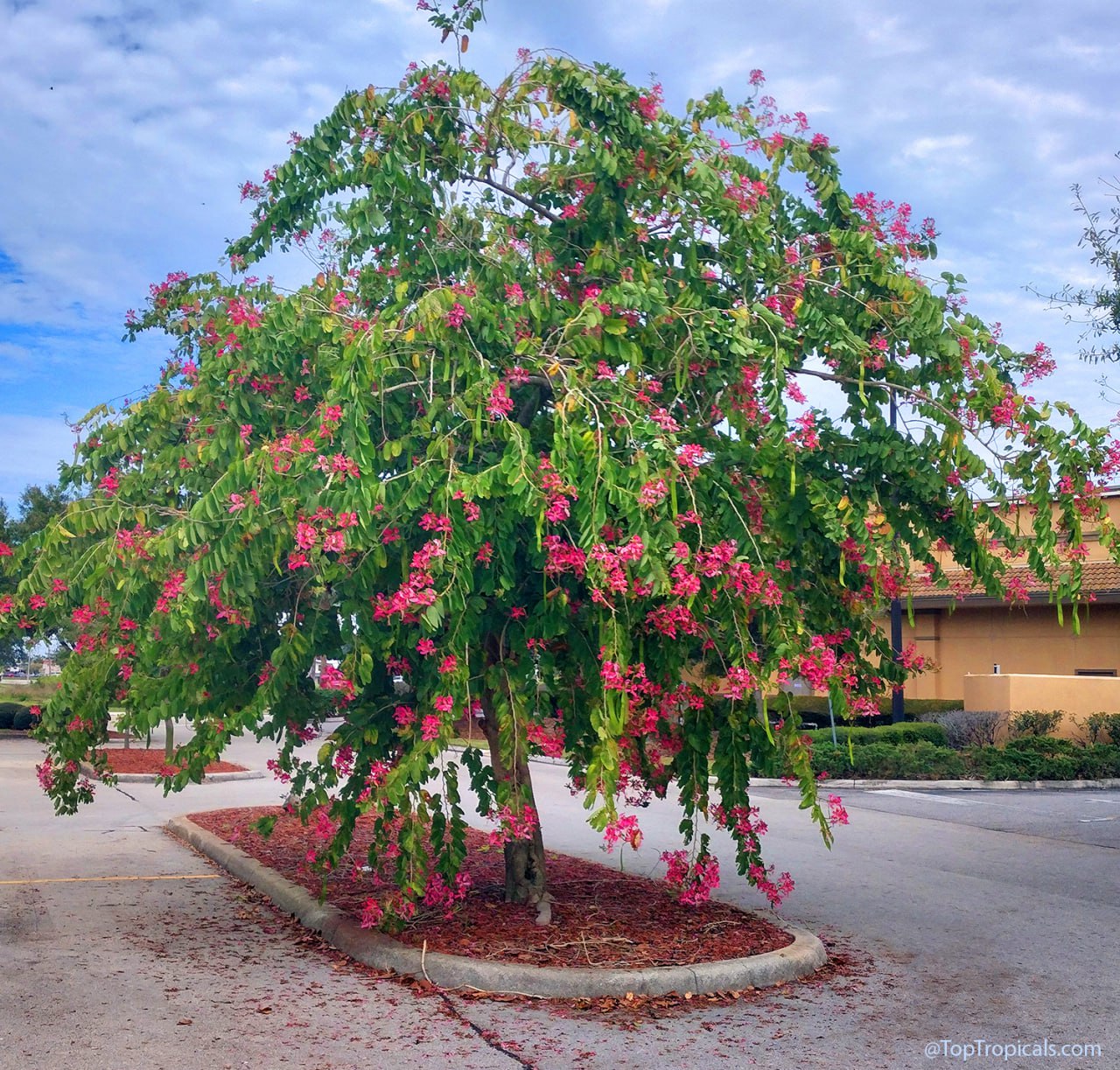
What is blooming in January: Purple Orchid Tree

Purple Orchid tree - Bauhinia purpurea

Purple Orchid tree - Bauhinia purpurea

🌺 What is blooming in January: Purple Orchid Tree


📸 Purple Orchid tree - Bauhinia purpurea

🛒
Discover Bauhinias - Orchid trees

📚 Learn more:

Plant Facts

Bauhinia purpurea, Phanera purpurea
Orchid Tree, Butterfly Tree
USDA Zone: 9-11
Large tree taller than 20 ftFull sunDry conditionsRed, crimson, vinous flowersPink flowersPlant attracts butterflies, hummingbirdsDeciduous plantSubtropical plant. Mature plant cold hardy at least to 30s F for a short timeSeaside, salt tolerant plant

#Trees

🟢 Join 👉 TopTropicals

Date: 27 Jan 2026

🌸 Adenium, Coffee, and Donuts

Smokey  and  Sunshine  with  a  blooming  adenium  desert  rose  on  a  worktable,
    surrounded  by  potted  adeniums  in  the  background.
Smokey: Desert rose. One caudex. Multiple grafts. Different flowers.
Sunshine: So it is a team plant. Everyone blooms, nobody agrees.
Smokey: Yet it grows just fine.
Sunshine: That is the secret. Coffee and donuts.

🌸Featured Adeniums

Recommended by our Horticulturist, Tatiana Anderson

Moung Kusuma Moung  Kusuma  adenium  flower  with  deep  magenta  velvety  petals  and  dark 
 edging

Deep magenta flowers with a velvety look and a darker, almost black edge. A bold, elegant adenium that stands out immediately.

Sunshine Adenium  Sunshine  flower  with  pink  and  white  petals  and  bright  color 
 contrast

Bright yellow and mauve swirls across layered petals create a warm, cheerful bloom that lives up to its name.

White Rabbit Adenium  White  Rabbit  flower  with  white  petals  and  bright  pink  streaks. Clean white petals brushed with playful pink streaks. A reliable bloomer with soft ruffled flowers.
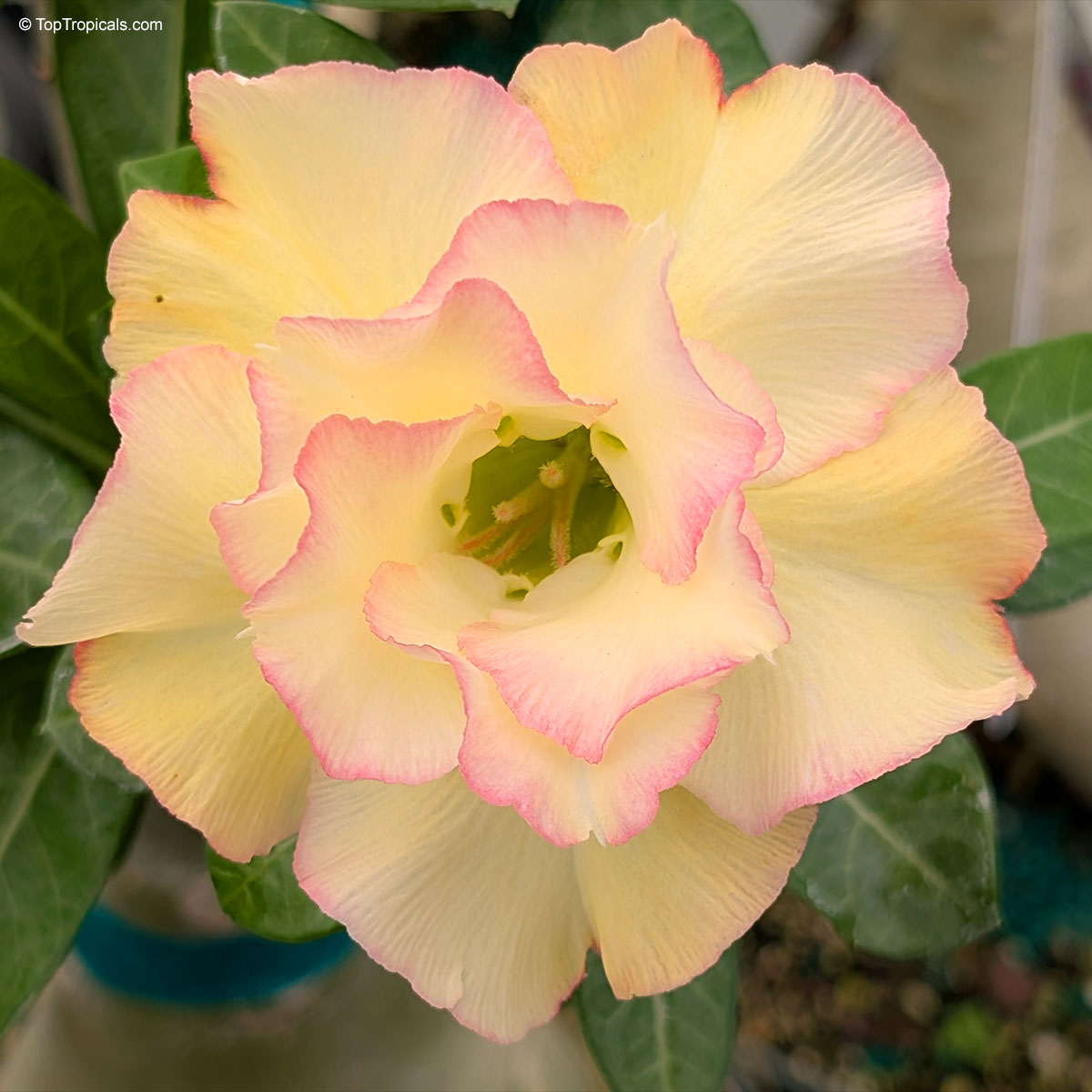
Thong Samsee Adenium  Thong  Samsee  flower  with  creamy  yellow  petals  and  soft  pink 
 edges

Known for its three-color effect, shifting from yellow to pink to nearly white on the same plant.

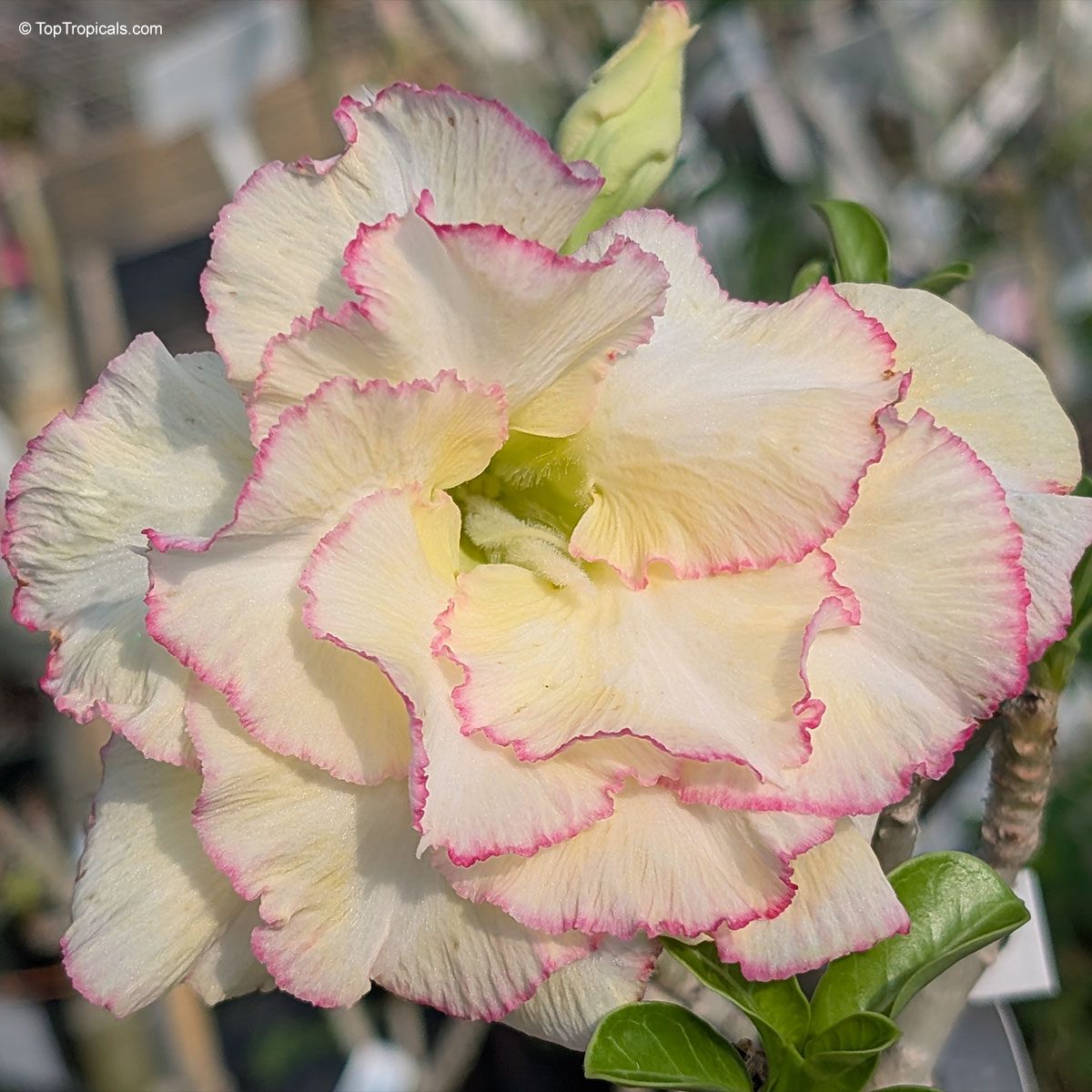
Candy Adenium  Candy  flower  with  creamy  white  petals  and  soft  pink  edges

Cheerful yellow petals dipped in cherry red with bold ruffled layers. Bright, playful, and impossible to miss.

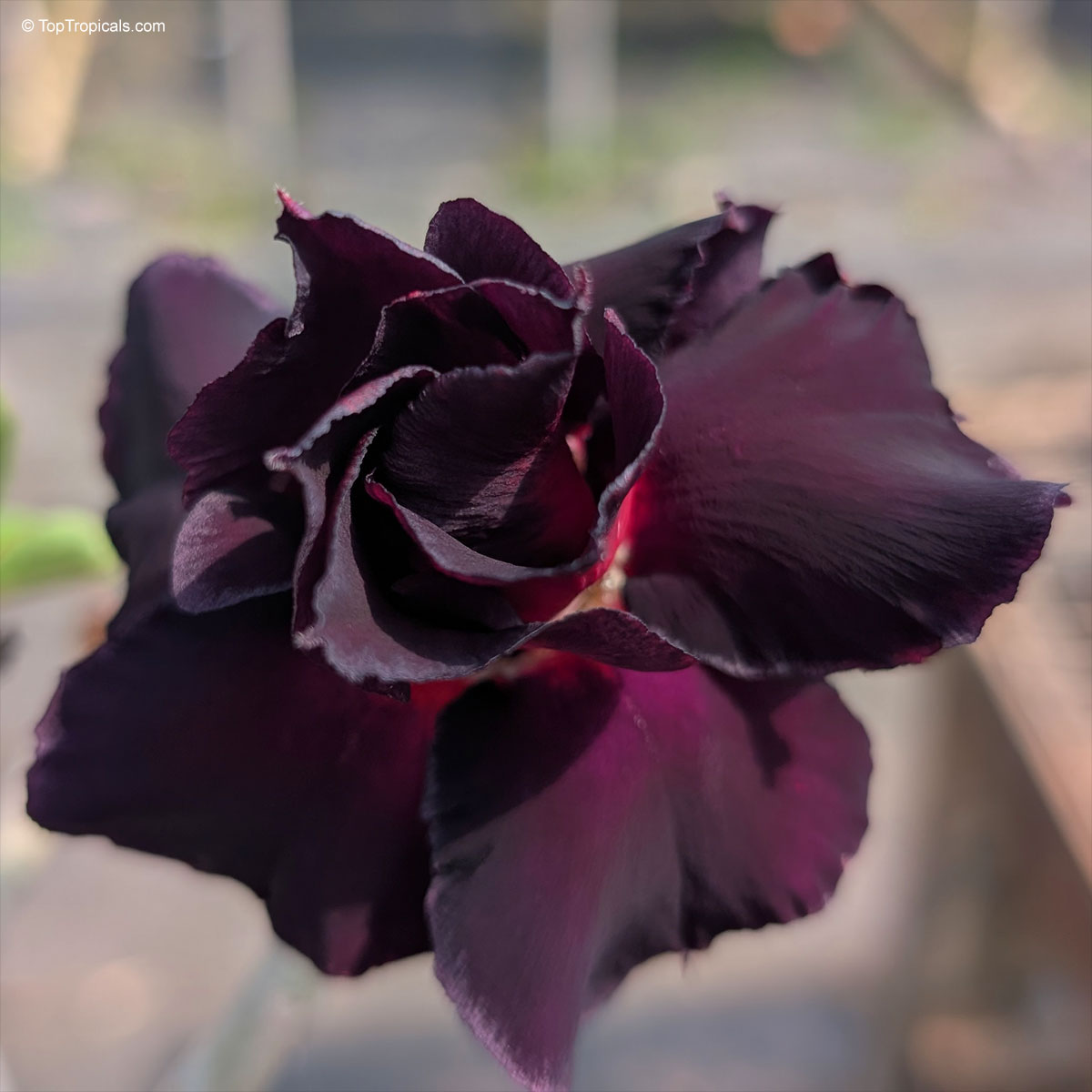
Black Sheep Adenium  Black  Sheep  flower  with  nearly  black  petals  and  deep  red 
 highlights

Nearly black petals with a glowing red center. Dark, dramatic, and different.

Free Adenium (Desert Rose) Shipping
Plant now, bloom soon. Get select Adenium (Desert Rose) varieties shipped to you with FREE S&H.
Offer valid through 02/06/2026. Limited quantities. While supplies last.
Free shipping applies to qualifying Adenium items only. Excludes other items and prior orders.

✍️ Learn About Adeniums

🎥 Watch Adenium Videos

🛒 Shop Adeniums

Date: 26 Jan 2026

Why Turmeric was named the 2026 Herb of the Year

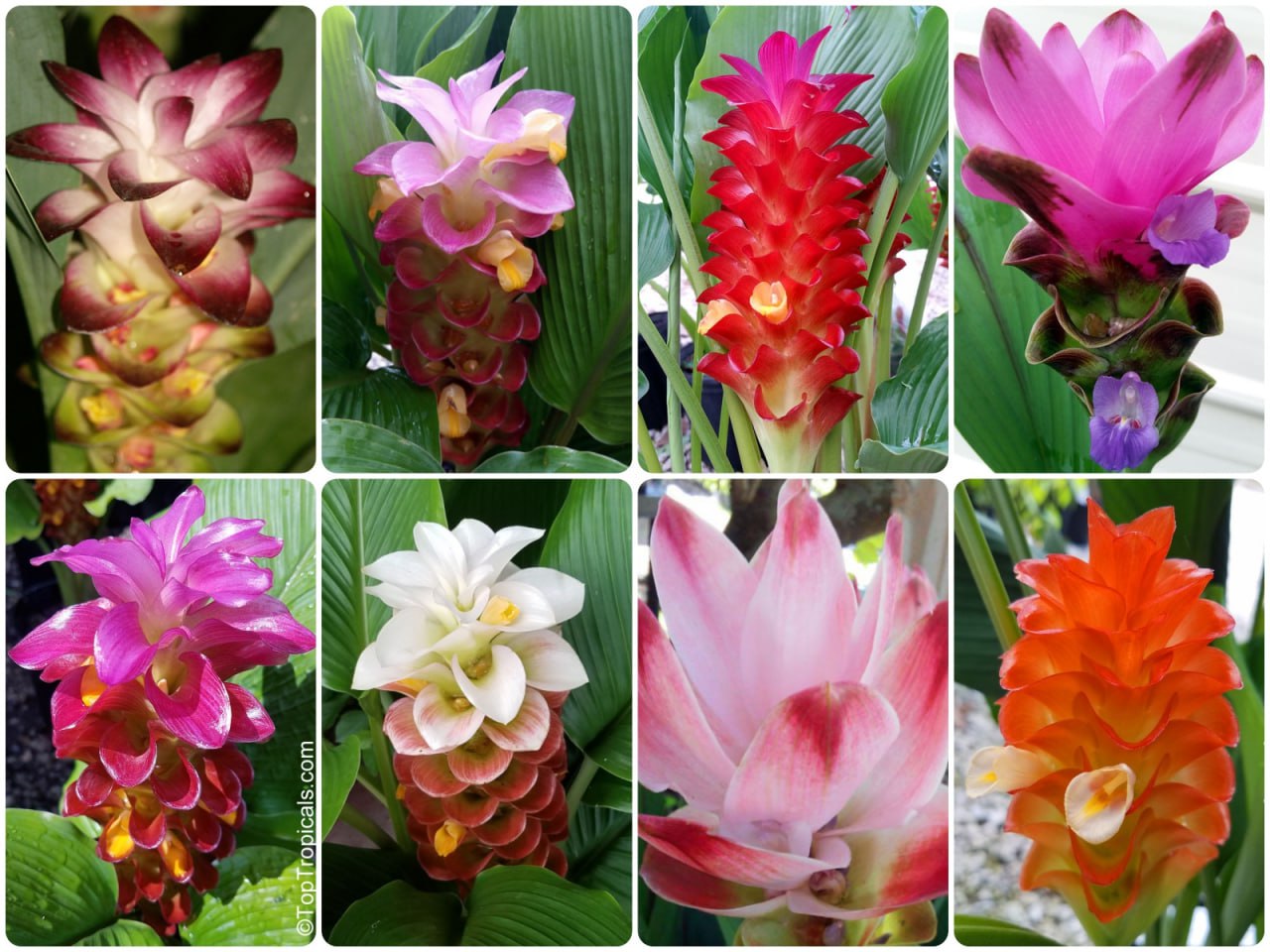
Turmeric - Curcuma

Turmeric - Curcuma

🌷 Why Turmeric was named the 2026 Herb of the Year

  • 🌷 Turmeric was named the 2026 Herb of the Year by the International Herb Association, and it is easy to see why gardeners are paying attention. This tropical plant from the ginger family is best known for its bright orange underground rhizomes, used for centuries as a spice, natural dye, and traditional remedy.
  • 🌷Native to India, Turmeric (Curcuma longa) is closely related to Ginger and Cardamom. Its rhizomes are a staple in curry and widely used in Asian, African, and Caribbean cuisines. In recent years, turmeric has also gained attention for potential anti-inflammatory properties.
  • 🌷 Herb, spice or flower?


  • • Botanically, turmeric is a spice, since it comes from the plant’s rhizomes rather than its leaves. In the kitchen, however, it often functions like an herb. Fresh turmeric can replace powdered turmeric in most recipes and delivers brighter flavor and color.
  • • Beyond edible Turmeric, there are many Curcuma hybrids grown purely for ornament. These selections produce striking, long-lasting flower spikes in shades of pink, white, orange, red, and purple, rising above lush tropical foliage. Ornamental curcumas are popular as patio plants and indoor accents, adding dramatic color and texture even where they are grown strictly in containers.


🌷 Growing turmeric anywhere - even in cool climates


Although Turmeric is a tropical perennial, it grows very well in containers, making it suitable for gardeners everywhere. When grown in pots, turmeric is treated as a warm-season plant that can be moved indoors as temperatures cool.
  • 🌷 How to grow Turmeric


    Turmeric is a compact, but bold plant, reaching 3-4 feet tall and wide, so it needs a roomy container. It prefers:

  • • Rich, well-drained soil
  • • Slightly acidic conditions (around pH 6–6.5)
  • • Consistent moisture
  • • Warm temperatures and bright, indirect light

The plant produces flowers that do not set seed, so turmeric is grown entirely from rhizomes.

🌷 Harvesting and using Turmeric


As the season ends, turmeric naturally goes dormant and the leaves yellow and dry. This signals harvest time. Dig the rhizomes, clean them, and dry them in a cool, shaded place.

Rhizomes can be:
  • • Boiled, dried, and ground into powder
  • • Frozen whole and grated as needed
  • • Pickled for long-term storage

Some healthy rhizomes can also be saved and replanted the following season, making turmeric both productive and renewable.

Compact, bold, and useful, turmeric proves that tropical plants can thrive well beyond the tropics - especially when grown in pots.

🛒 Plant Curcuma for both flowers, spice and herb

📚 Learn more :

Plant Facts

Boesenbergia rotunda, Curcuma rotunda
Chinese Keys, Fingerroot, Lesser Galangal, Chinese Ginger
USDA Zone: 9-11
Small plant 2-5 ftSemi-shadeModerate waterRegular waterWhite, off-white flowersPink flowersEdible plantSpice or herb plantEthnomedical plant.
Plants marked as ethnomedical and/or described as medicinal, are not offered as medicine but rather as ornamentals or plant collectibles.
Ethnomedical statements / products have not been evaluated by the FDA and are not intended to diagnose, treat, cure, or prevent any disease. We urge all customers to consult a physician before using any supplements, herbals or medicines advertised here or elsewhere.

#Food_Forest #Container_Garden #Remedies #Discover

🟢 Join 👉 TopTropicals