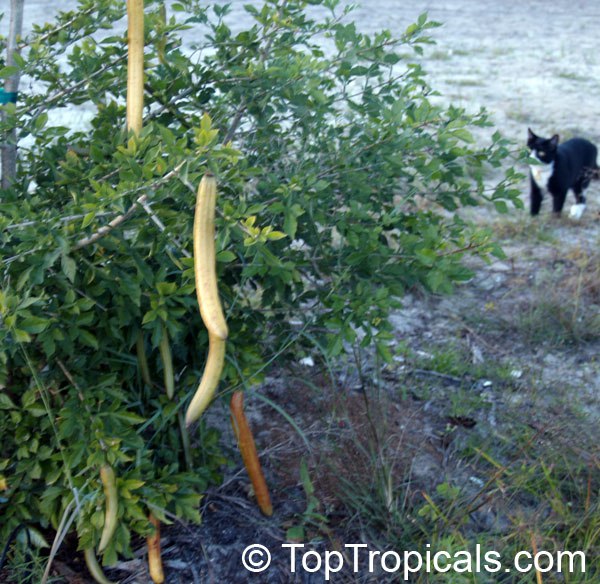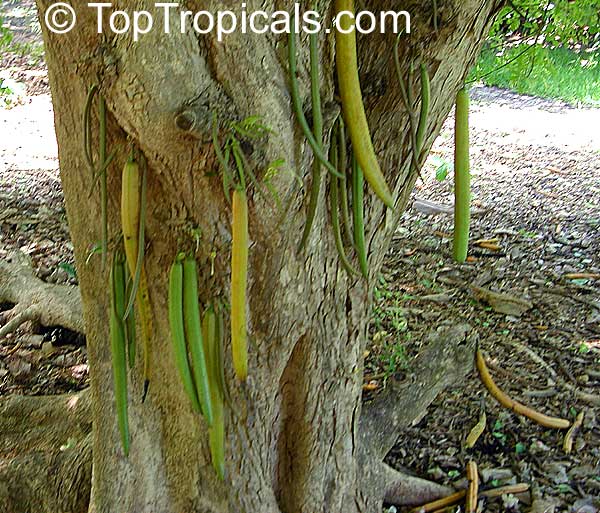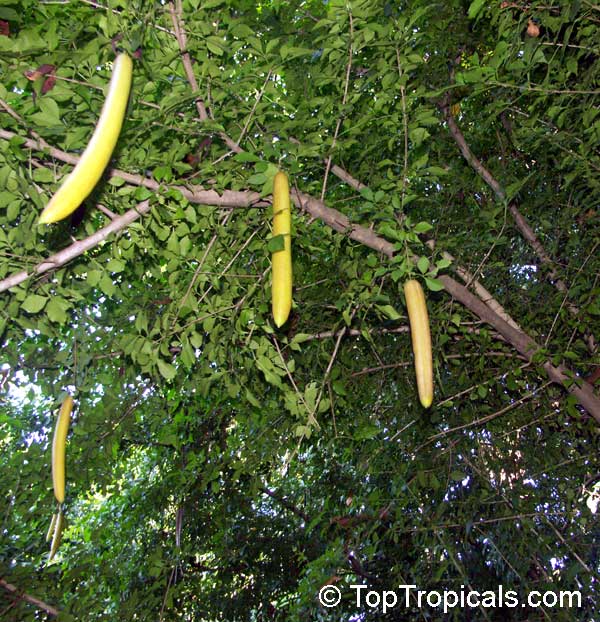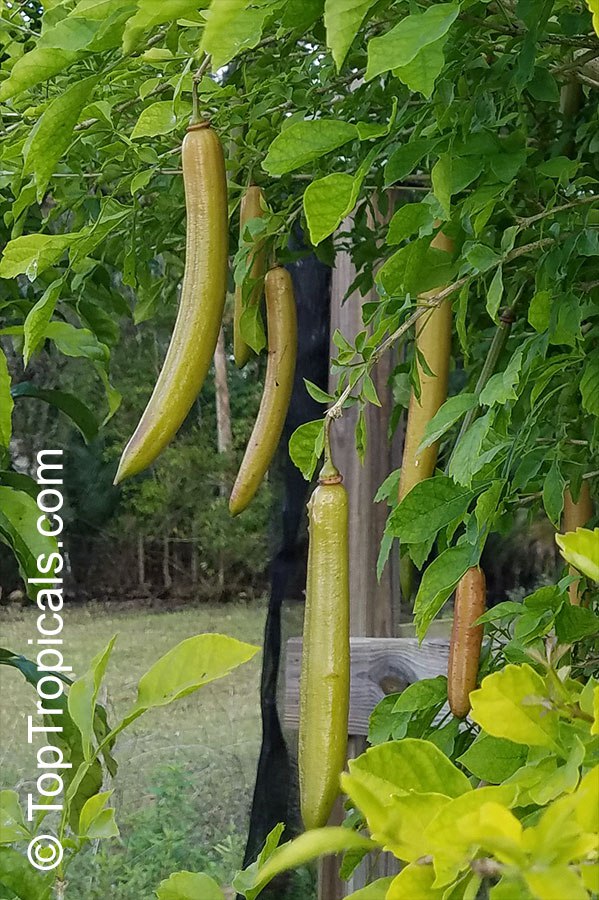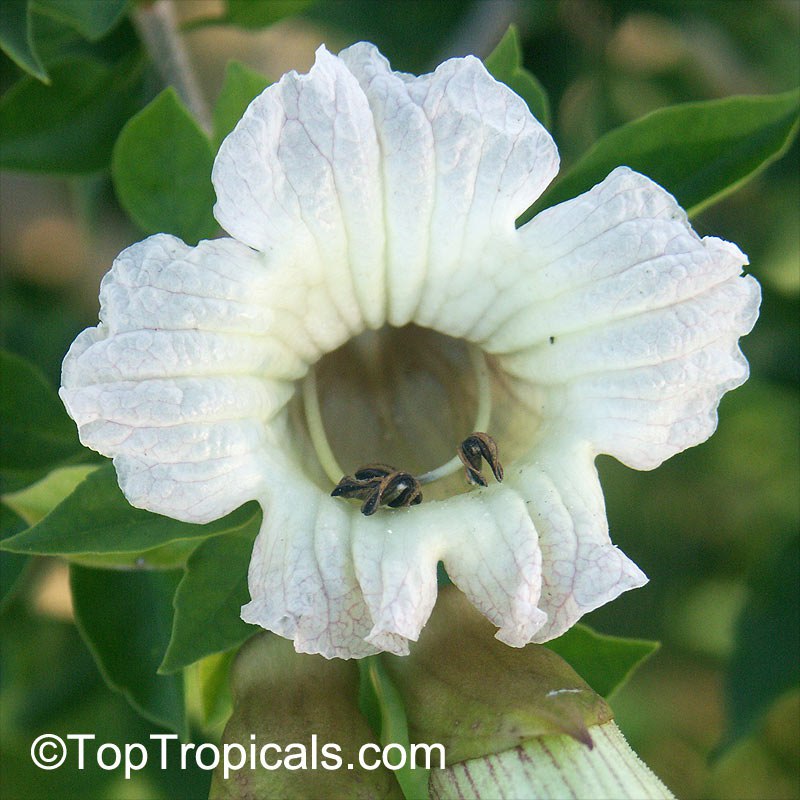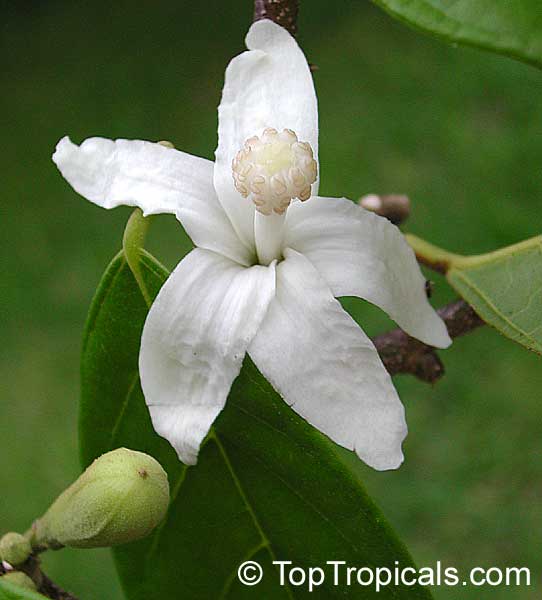
Funeral Tree - Quararibea funebris (Rosita de Cacao, Flor de Cacao) - Flower
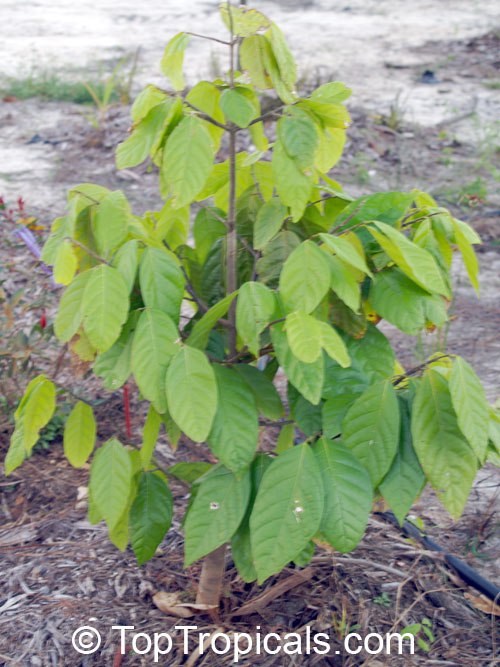
Funeral Tree - Quararibea funebris (Rosita de Cacao, Flor de Cacao) - tree
Why Rosita de Cacao is called the Funeral Tree? For how long does its fragrance last?
😇 The Legendary Funeral Tree -
Quararibea funebris (also called Rosita de Cacao, Flor de Cacao) got its name from the flower's extraordinary ability to retain its spicy, sweet fragrance for centuries.
😇 These flowers were used in ancient funeral ceremonies, placed in crypts to preserve their aroma for generations. Even today, dried Rosita de Cacao flowers can hold their scent for decades, a testament to their remarkable endurance.
History and Legends
Aztec names:
Poyomatli, Xochicacaohuatl, Flor Cacahuaxochitl, Cacaoxochitl.
😇 The species was at one time widespread and growing wild throughout the Oaxaca region of Mexico known for plants used in Shamanism.
😇 Cherished by the Aztecs, the Rosita de Cacao was deeply intertwined with their rituals and daily life.
😇 The flowers, known as
Cacaoxochitl or "cacao flower," were blended with chocolate drinks like
Tejate, a sacred, energy-rich beverage reserved for royalty and religious ceremonies. This frothy drink combined
Cacaoxochitl with other ingredients like
cacao,
vanilla, and
chili peppers to create what the Aztecs called the "
drink of the gods."
😇 Legend has it that Emperor Montezuma consumed up to 50 cups of
xocolatl daily, infused with Rosita de Cacao, to fuel his energy and passion.
Medicinal and Spiritual Uses
😇 The flowers of this tree were not just for flavor - they were also prized for their calming and medicinal properties. Natives used them to treat anxiety, fevers, and coughs, often mixing them with cacao for enhanced effects.
😇 Modern studies suggest the flowers contain lactone alkaloids like funebradiol, which are known for their relaxing properties and are now being investigated for potential medicinal applications.
😇 Beyond its rich history, Rosita de Cacao is an evergreen beauty with creamy white, aromatic flowers and large, leathery leaves. It's a perfect addition to any garden for those who want a piece of history, an enduring fragrance, and a touch of ancient legend.
📚 Learn more from previous posts:
Fruit of Money and Love
Fun Facts: Cacao beans
🛒 Shop Tropical Fruit Trees
#Food_Forest #Fun_facts #Nature_Wonders
🔴
Join 👉 TopTropicals