🎄 Holiday Plant Market:
Saturday, Dec 13, 2025, 9:00 AM to 4:00 PM 🎉
Smokey: We invited people, so we need to be prepared for the crowd.
Sunshine: I am prepared. I saw yummy donuts on the flyer.
Smokey: Of course you did, genius. You are responsible for donuts
and coffee.
It is almost here. Our big end-of-season Plant Day. All year we grow the
rare and unusual plants that will be featured at this event, and Saturday is
the day they finally meet their new homes. The garden turns into a small
holiday escape: fresh air, bright colors, music, snacks, and the PeopleCats
greeting everyone like they have known you for years.
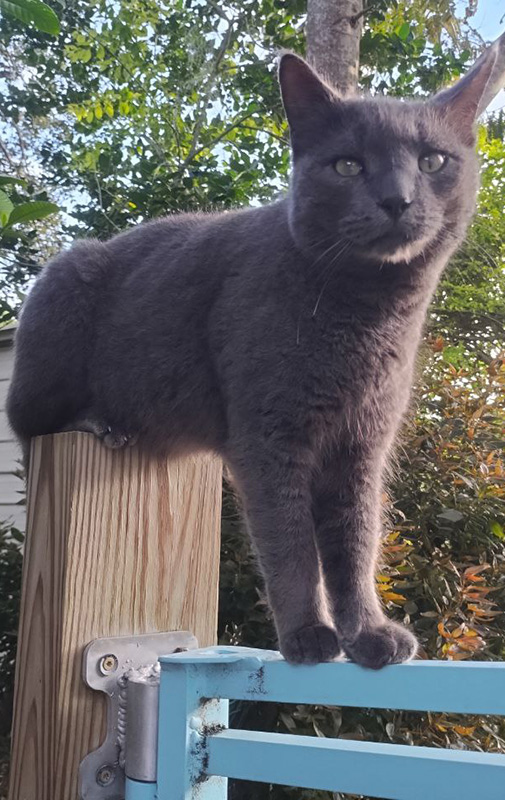
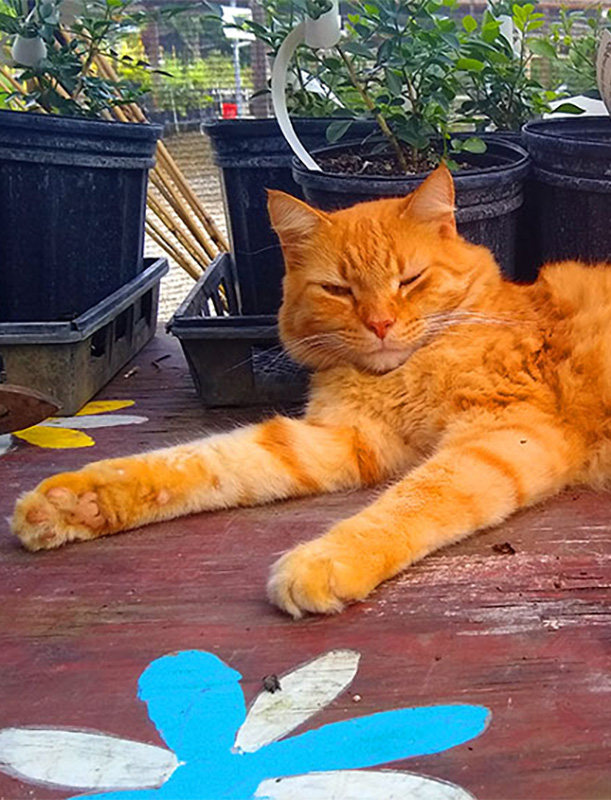
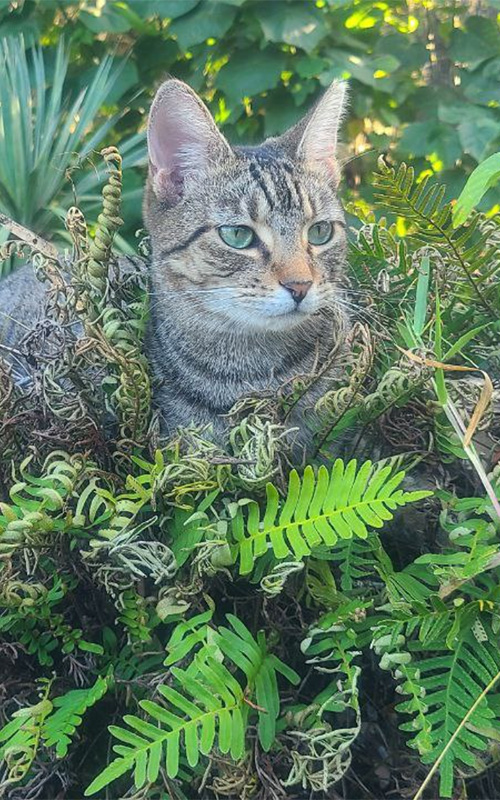
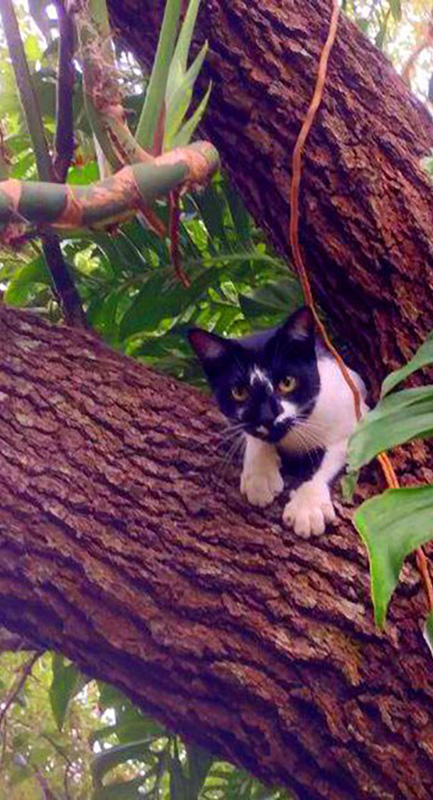
Meet PeopleCats crew in charge
King
Sushi
Snitch
Paisley
Persephone
Loki
Why you should come
It is December in Florida - warm breeze, sunshine, and perfect planting
weather. While the rest of the country is scraping frost off windshields,
you're
choosing which banana tree to take home. Come enjoy a colorful Saturday
surrounded by plants, music, snacks, and friendly PeopleCats. This is your
holiday escape, your plant-hunting adventure, and your chance to bring home
something amazing before the season ends.
Not Local?
Not everyone is lucky enough to live close by. For our online customers,
here is 20% for online orders:
EVENT2025
Valid for online orders only. Minimum order $120 (excluding shipping and
handling). Cannot be combined with any other discounts, coupon codes,
automatic promotions, or special offers. Not valid on previous purchases.
One use
per customer. Code must be entered at checkout. Offer valid through the end
of
Sunday, 12/14/2025
Sunshine: I'm blazing into the 2026 Year of the Horse! Call me
Mister Fahrenheit. Don't stop me now! 'Cause I'm having a good time —
I'm a shooting star, leaping through the sky like a tiger, defying
the laws of gravity! Smokey: It's jasmine, Tiger. A shrub. Not Wembley. Calm down.
💮
2026 Year of the Horse - and the Plant I Trust Most
By Tatiana Anderson, Horticulture Expert at Top
Tropicals
Every new year carries its own energy.
2026 is the Year of the Horse - a year of movement, fire, momentum, and
bold decisions. It is not a quiet year. It pushes us
forward.
When fellow gardeners ask me what to grow in a year like this, my answer
is simple:
Grow something that balances strength with grace.
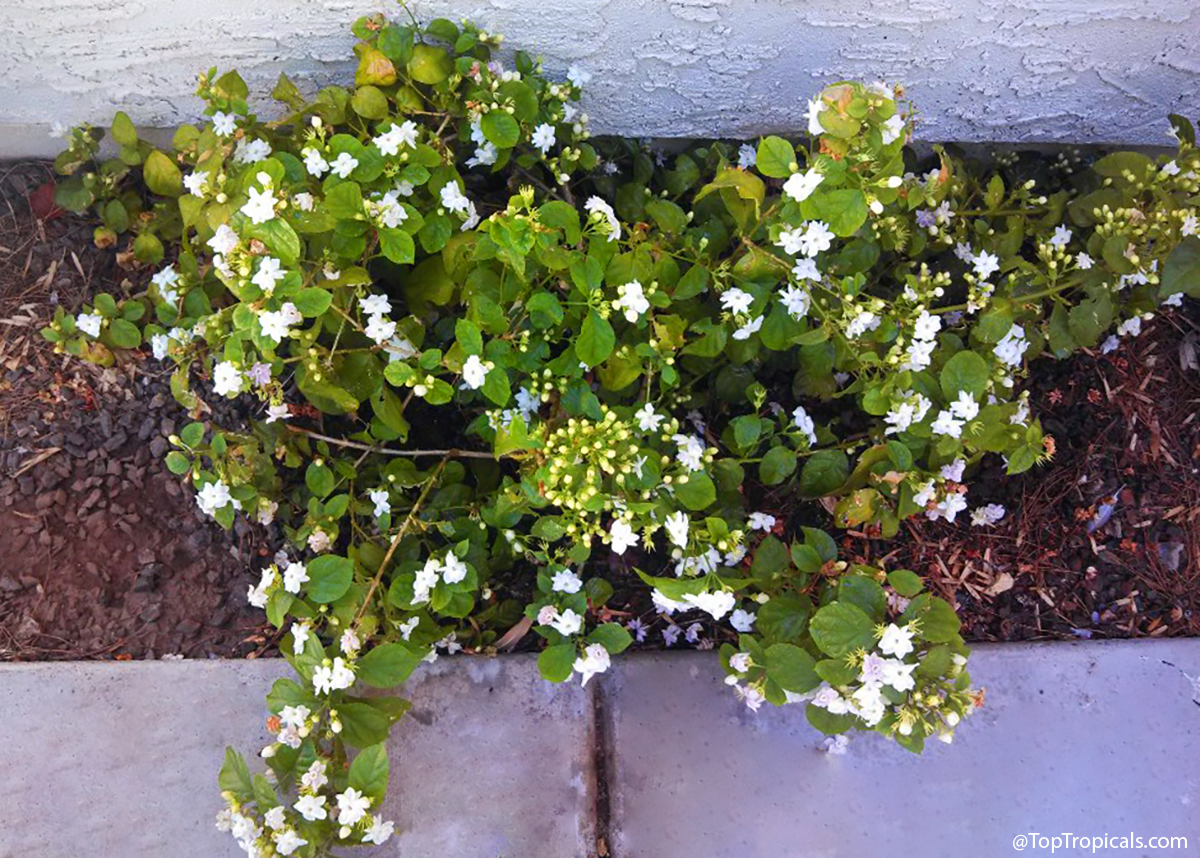
For me, that plant is Jasmine Sambac.
In many cultures, Sambac represents devotion, purity, and deep affection.
In the Philippines it is the national flower -
Sampaguita - woven into garlands for weddings and sacred ceremonies. In
Hawaii, it becomes leis - a symbol of welcome and connection -
Pikake. In India, it perfumes temples
and homes.
This is not just a fragrant shrub.
It is a plant tied to love, loyalty, and continuity.
The Horse runs forward.
Jasmine anchors the heart.
In a fiery year like 2026, I believe we need both.
And that is why I always return to Jasminum sambac.
Over the years I have grown thousands of plants, but very few have the
staying power of Jasmine Sambac.
It is not just fragrant. It is intensely, unmistakably fragrant. One open
flower can perfume an entire patio. In the evening, the scent becomes
deeper and richer.
But what makes Sambac truly special is its adaptability.
It can grow as a compact patio shrub, a flowering hedge, or a climbing
vine. It performs beautifully in containers. It tolerates both full sun and
partial shade. The more light you give it, the more flowers it rewards you
with.
And unlike many tropicals, Sambac does not bloom just once. With proper
care, it flowers in cycles throughout the warm season.
For gardeners, that combination is rare: beauty, perfume, flexibility,
and repeat bloom.
That is why it has remained one of the most wanted fragrant plants in
cultivation.
9 tough trees for hot, dry spots that actually thrive
☀️ 9 tough trees for hot, dry spots that actually thrive
Why that one brutal spot in your yard never works? There’s always that one place - blazing sun, sandy or rocky soil, dries out fast, and everything you plant there struggles. In Florida, Arizona, and California, this isn’t rare - it’s the norm. The good news? Some trees don’t just tolerate it - they prefer it. Once established, these picks handle heat, drought, and neglect far better than typical landscape plants. What makes these trees different? These are survivors. Many store water, have deep root systems, or evolved in dry climates. Translation - less watering, fewer losses, and a lot less frustration.
🔥 9 best trees for hot, dry spots
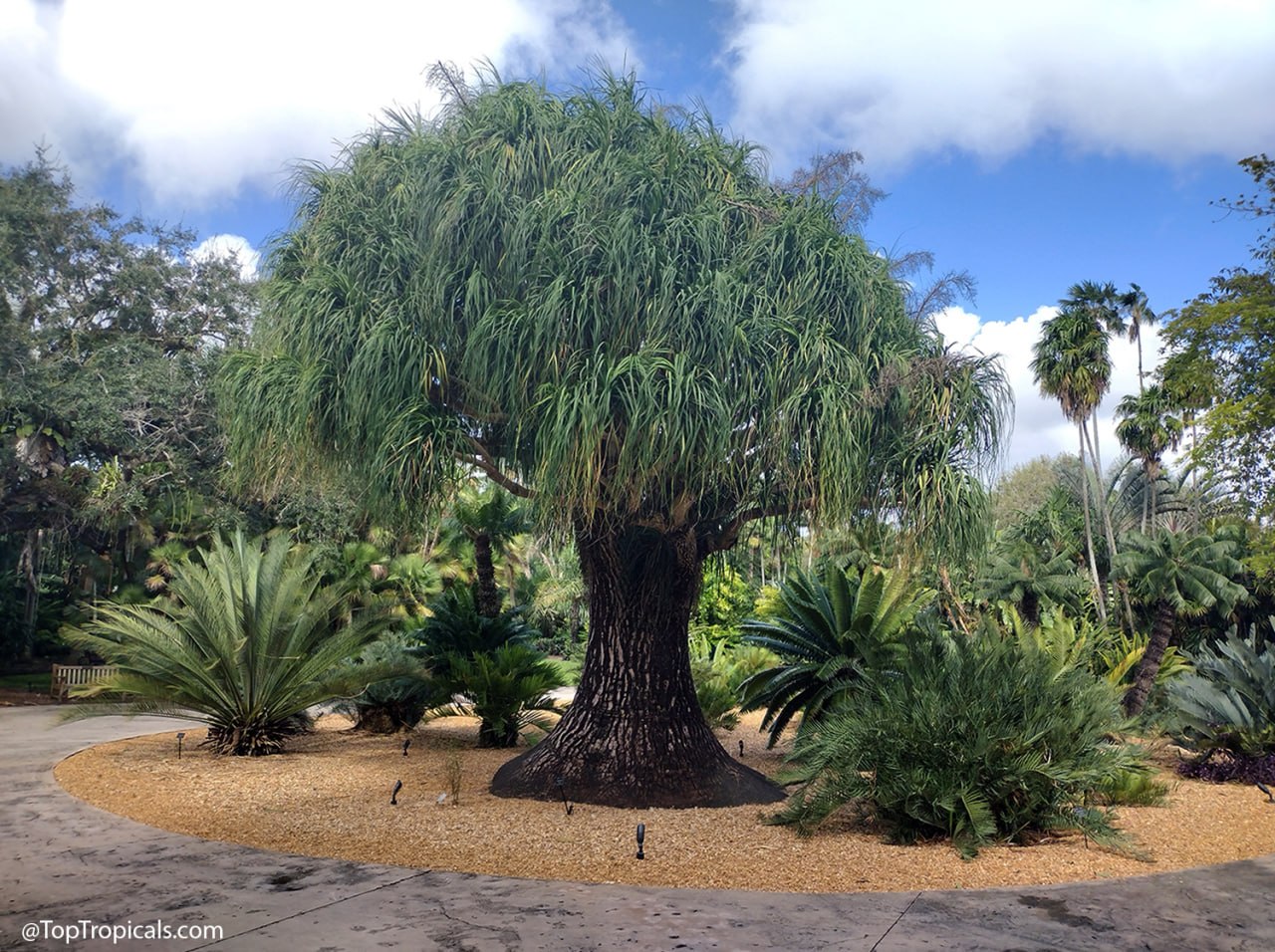
☀️ 1. Pony Tail Palm - Beaucarnea recurvata 📸 Not a true palm - it stores water in its showy, swollen trunk, making it incredibly drought tolerant and perfect for harsh, dry areas.
Ponytail Palm Plant Facts
Botanical name: Beaucarnea recurvata, Nolina recurvata Also known as: Ponytail Palm, Pony Tail, Bottle Palm, Nolina, Elephant-foot Tree
☀️ 2. Monkey Ear Tree - Enterolobium cyclocarpum A fast-growing shade tree with curious seed pods, surprisingly tough in heat and drought, with massive canopy benefits.
Monkey Ear Plant Facts
Botanical name: Enterolobium cyclocarpum Also known as: Monkey Ear, Ear Pod Tree, Elephant Ear Tree, Eartree, Guanacaste Tree, Arbol de Guanacaste
☀️ 3. Firebush - Hamelia patens Technically a large shrub/small tree - thrives in heat, blooms nonstop, attracts butterflies, and handles dry conditions once rooted in.
Fire Bush Plant Facts
Botanical name: Hamelia patens Also known as: Fire Bush, Firecracker Plant
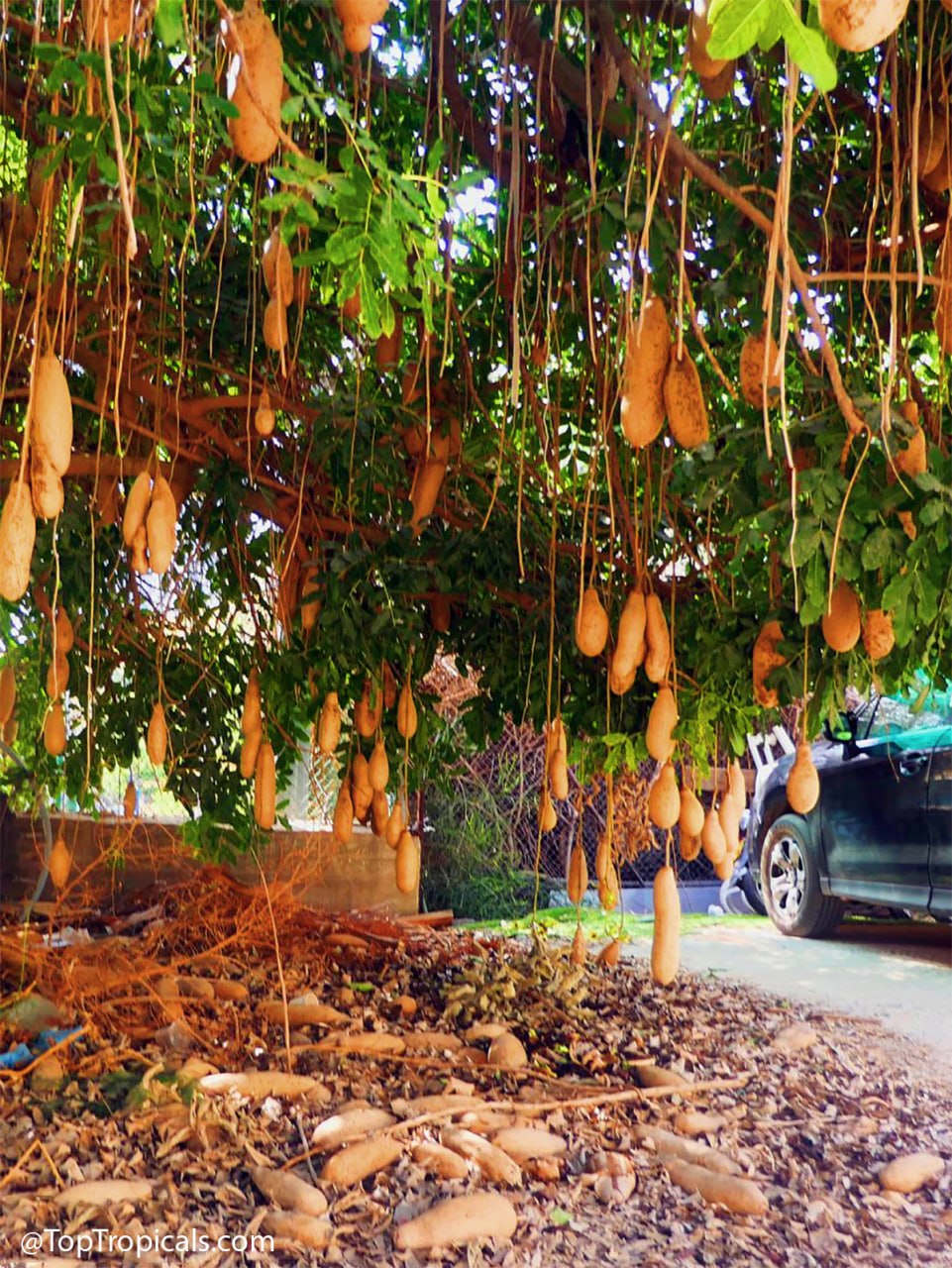
☀️ 5. Sausage Tree - Kigelia pinnata 📸 A bold tropical look with bizarre flowers and fruit, with serious heat tolerance; once established, it handles dry spells better than expected.
Sausage Tree Plant Facts
Botanical name: Kigelia pinnata, Kigelia africana Also known as: Sausage Tree
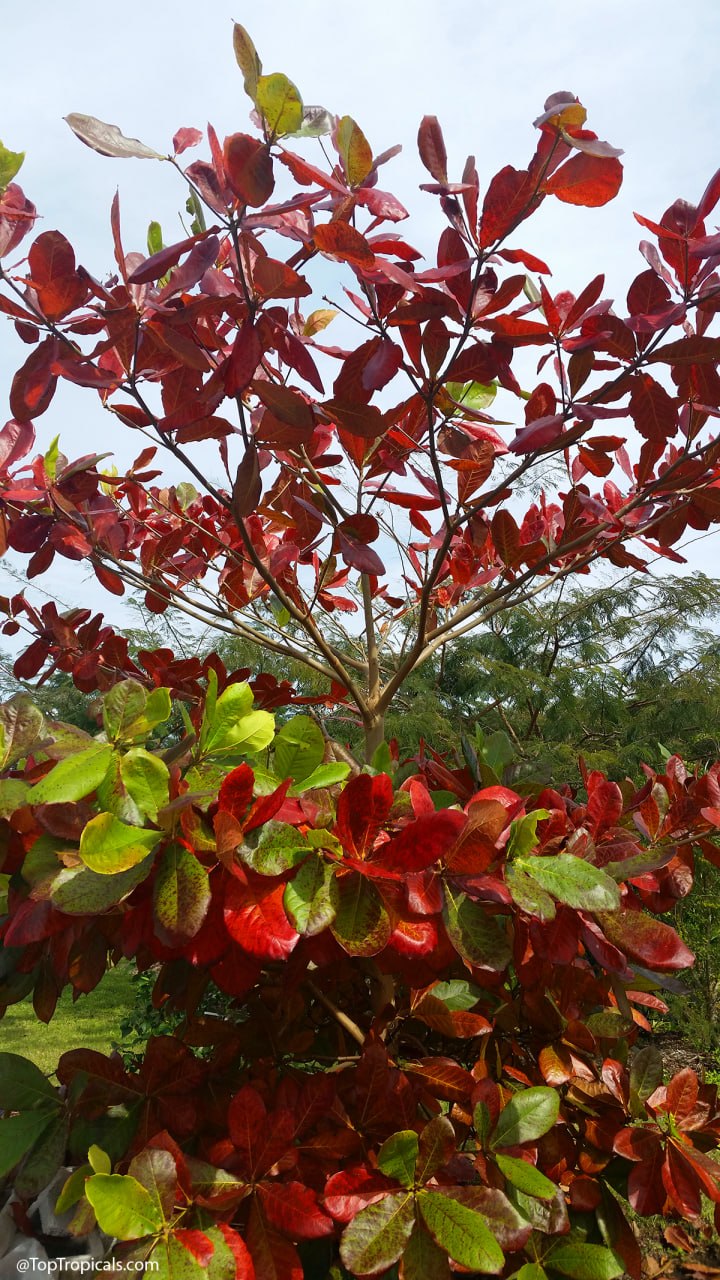
☀️ 9. Tropical Almond - Terminalia catappa 📸 A classic coastal shade tree that thrives in heat, wind, and dry sandy soil once established. Its broad, layered canopy provides excellent shade, and the large leaves turn striking shades of red and orange before dropping - a rare bonus color show for hot-climate landscapes. Plus almond nuts as extra bonus!
Tropical Almond Plant Facts
Botanical name: Terminalia catappa Also known as: Tropical Almond, Badamier, Java Almond, Indian Almond, Malabar Almond, Singapore Almond, Ketapang, Huu Kwang, Pacific Almond
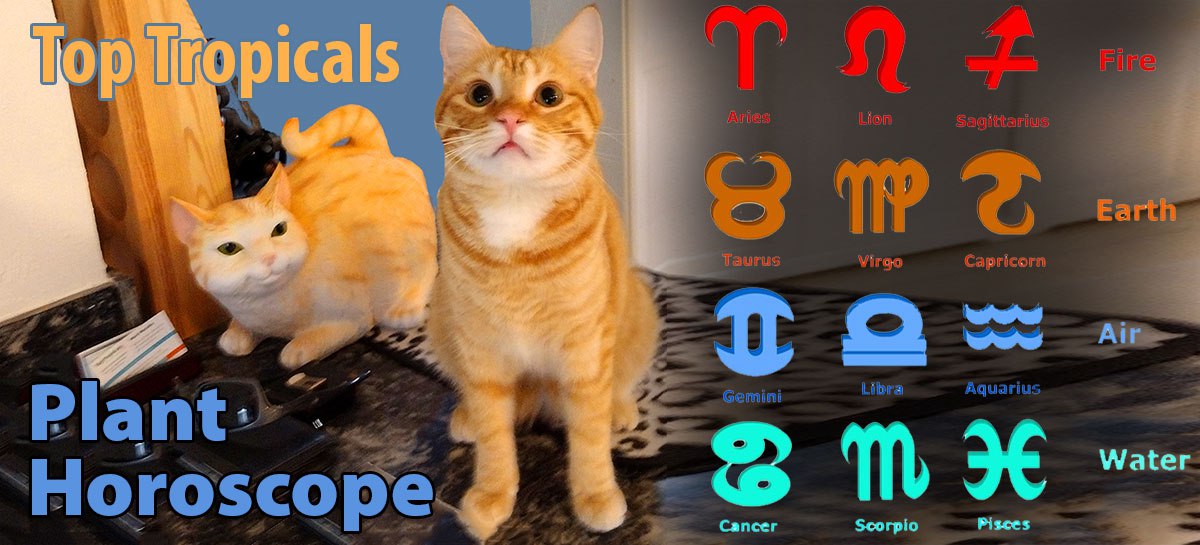
♉️ 😸 What is your cat's Zodiac sign? Cat Horoscope: Taurus Cats 4/21-5/20
❓ How to know the astrological sign of your cat? It can be determined by either their date of birth or adoption, as adoption is often considered a second birth for cats.
✨ You can discover the astrological traits that describe the cat, such as their independence, diva-like tendencies, sense of humor, intelligence, and more.
✨ It's also important to consider the astrological relationship between cats and plants...
Do Fruit Trees Increase Property Value? Tropical Plants That Pay Off
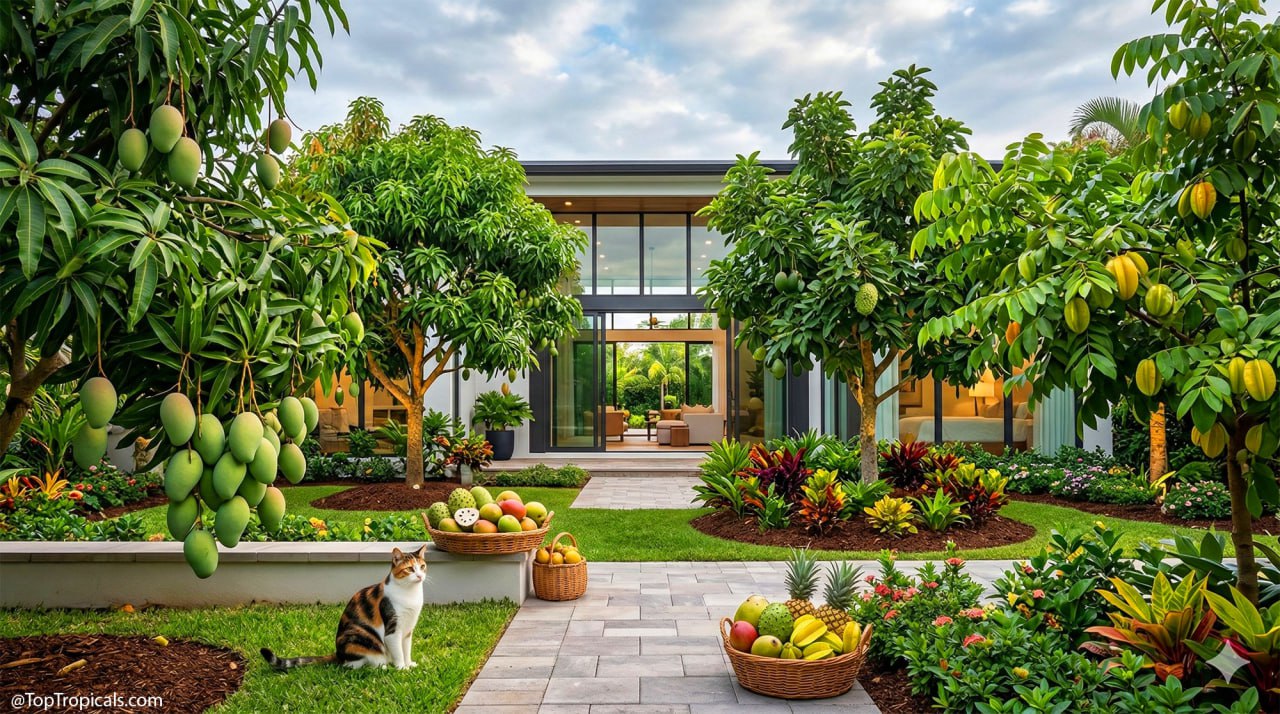
Yard with fruiting tropical trees
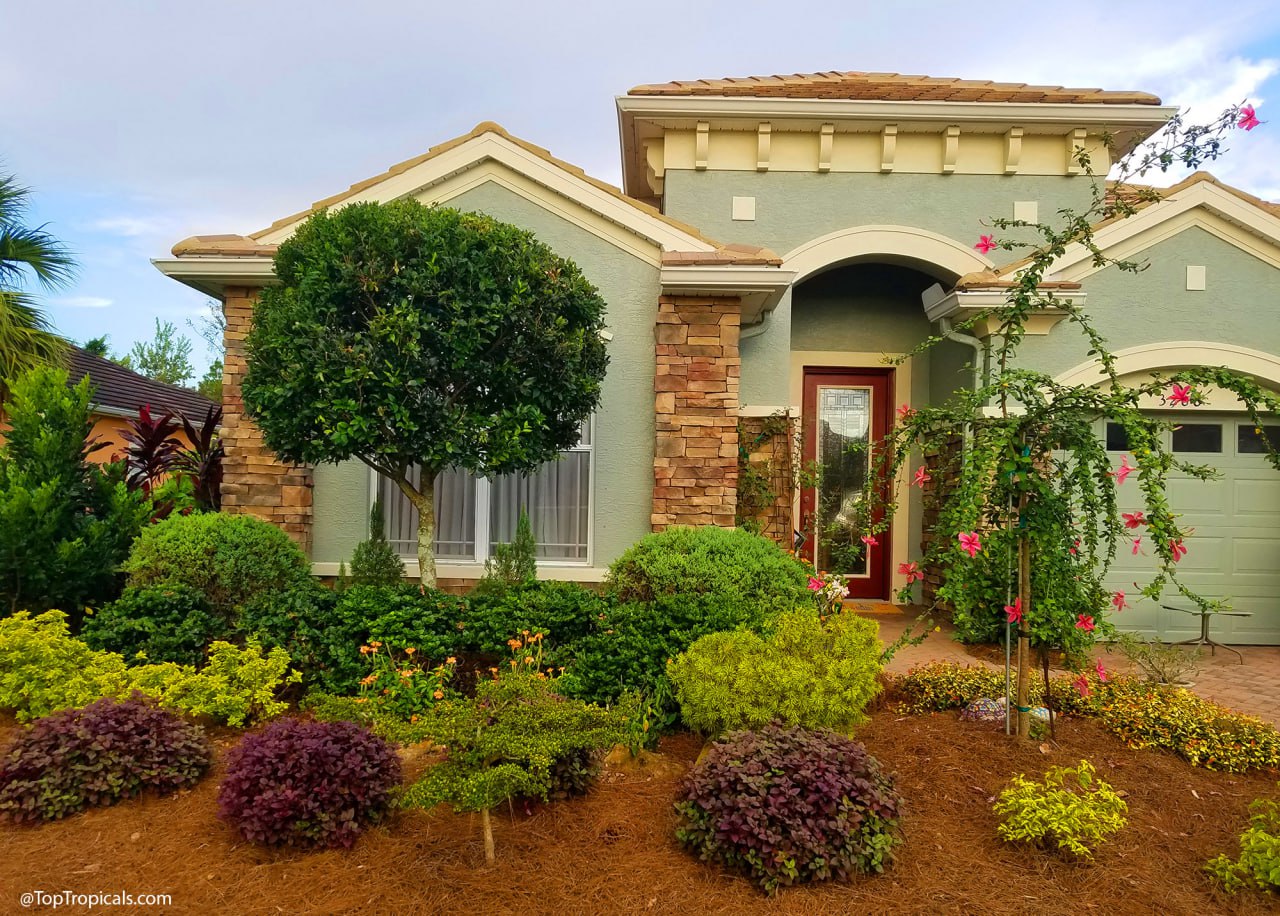
Landscaped yard in Florida
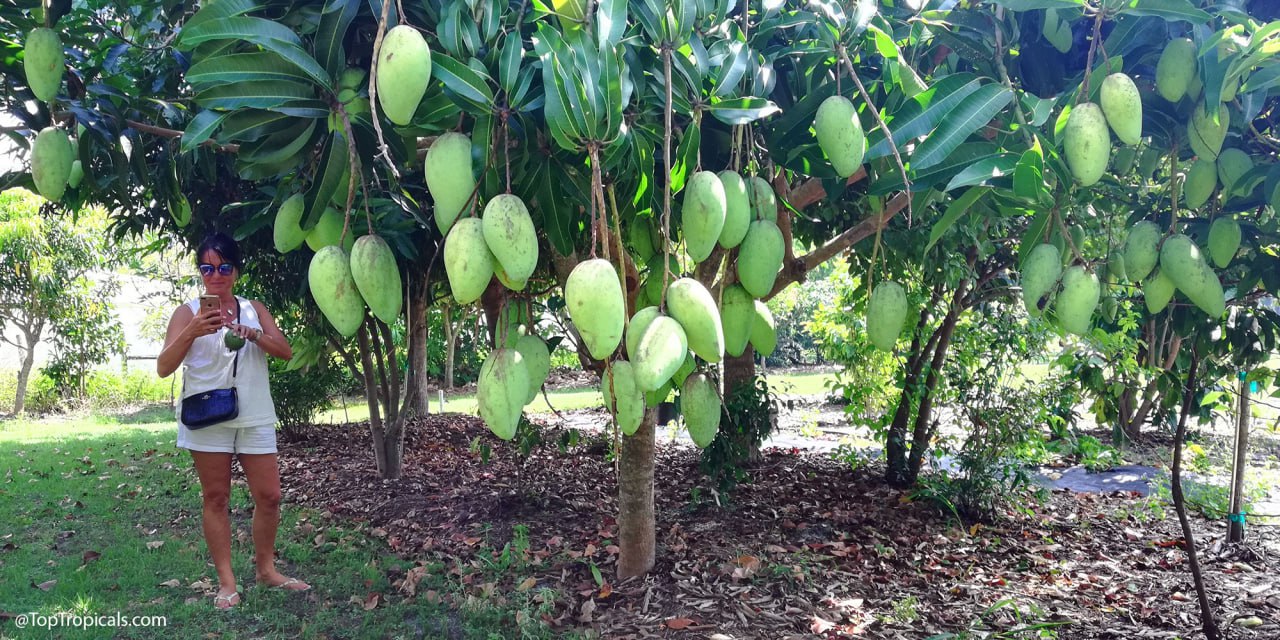
Mango tree fruiting in the garden
Do Fruit Trees Increase Property Value? Tropical Plants That Pay Off 🏡
Can your backyard pay for itself? Learn which 12 tropical fruit trees real estate experts say are the smartest investment for your landscape. Discover how tropical fruit trees like mango and avocado add "edible equity" and curb appeal to your property, making it more desirable to future buyers. Turn your yard into a private paradise that lowers grocery bills and boosts home value.
In warm climates like Florida, a mango tree isn't just landscaping - it’s a food-producing asset. Mature tropical fruit trees offer "edible equity," saving homeowners hundreds in grocery bills while creating a unique, memorable aesthetic for buyers.
Mango Plant Facts
Botanical name: Mangifera indica Also known as: Mango
USDA Zone: 9 - 11
Highligths
🥭 1. Focus on "Instant Recognition" Favorites
Trees buyers already know and love provide the strongest ROI. They signal that the yard is already productive - something new builds can’t offer.
• Top Picks: Mango, Avocado, Papaya, Banana, Guava, and Loquat.
Avocado Plant Facts
Botanical name: Persea americana, Persea gratissima Also known as: Avocado, Alligator Pear, Aguacate, Abacate
USDA Zone: 9 - 11
Highligths
• The Value: A single mature avocado or mango tree can yield hundreds of pounds of fruit annually.
🥭 2. Create a "Memorable Discovery" with Exotic Varieties
Unusual fruits turn a standard yard into a tropical orchard, acting as a conversation piece during home tours.
• The Exotic List: Jackfruit, Sugar Apple, Soursop, Sapodilla, Ice Cream Bean, and Star Fruit.
🥭 3. Strategic Placement for Energy Savings
Large-canopy trees like jackfruit or mango do more than provide food; they act as natural insulation.
• Natural Cooling: Strategic planting reduces afternoon sun exposure and lowers AC costs. • Indoor/Outdoor Flow: Use trees to frame window views, block neighbors, and create private "outdoor rooms."
🥭 4. The Power of the "Mini Orchard"
A collection of 3–5 trees creates a stronger emotional pull than a lone plant. Buyers begin to visualize a lifestyle of smoothies and harvests.
• Winning Combos: Mango + Avocado + Papaya or Guava + Star Fruit + Banana.
🥭 5. Maintenance: Health Equals Value
Fruit trees only add value if they look manageable. A neglected tree suggests a neglected home.
• Pre-Sale Prep: Prune for tidiness, mulch the base, and clear fallen fruit. • Spacing Matters: Avoid overcrowding; ensure buyers can walk comfortably through the yard without feeling "closed in."
🥭 The Long-Term Play
Unlike decorative plants that may need frequent replacement, fruit trees appreciate over time. Because a mango tree takes years to reach peak production, the best time to plant for future resale value is now. By the time you list, your yard will offer shade, privacy, and a harvest that buyers find hard to resist.