Garden Blog - Top Tropicals

Date: 26 Jan 2026

Why Turmeric was named the 2026 Herb of the Year
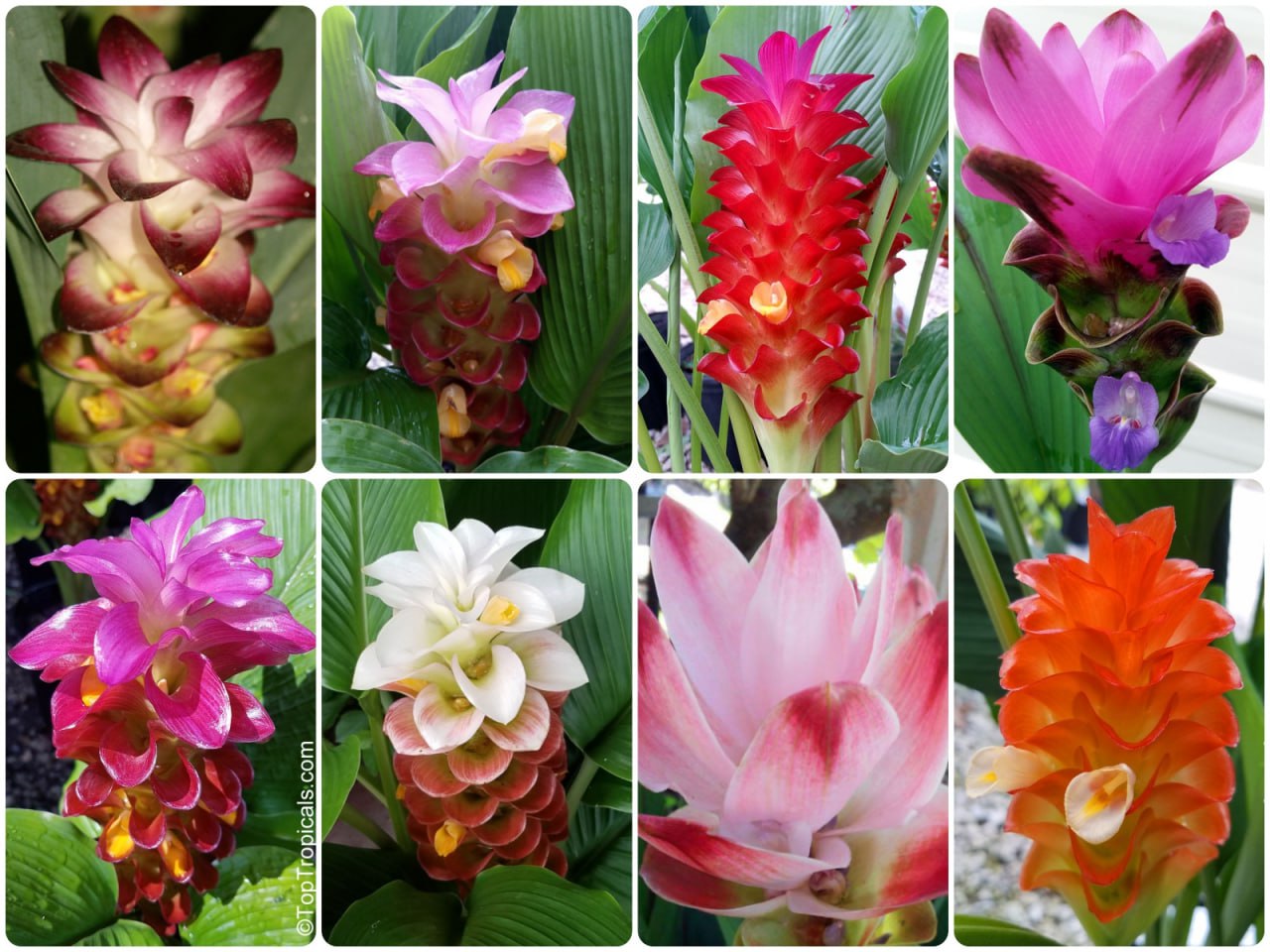
Turmeric - Curcuma

Turmeric - Curcuma

🌷 Why Turmeric was named the 2026 Herb of the Year


🌷 Turmeric was named the 2026 Herb of the Year by the International Herb Association, and it is easy to see why gardeners are paying attention. This tropical plant from the ginger family is best known for its bright orange underground rhizomes, used for centuries as a spice, natural dye, and traditional remedy.

🌷Native to India, Turmeric (Curcuma longa) is closely related to Ginger and Cardamom. Its rhizomes are a staple in curry and widely used in Asian, African, and Caribbean cuisines. In recent years, turmeric has also gained attention for potential anti-inflammatory properties.

Spice Turmeric Plant Facts

Botanical name: Curcuma longa
Also known as: Spice Turmeric, Longevity Spice, Indian Saffron, Tumeric
USDA Zone: 8 - 11
Highligths Small plant 2-5 ftSemi-shadeFull sunWatering: Regular. Let topsoil dry slightlyPink flowersSpice or herb plantDeciduous plantEthnomedical plant.
Plants marked as ethnomedical and/or described as medicinal, are not offered as medicine but rather as ornamentals or plant collectibles.
Ethnomedical statements / products have not been evaluated by the FDA and are not intended to diagnose, treat, cure, or prevent any disease. We urge all customers to consult a physician before using any supplements, herbals or medicines advertised here or elsewhere.Subtropical plant. Mature plant cold hardy at least to 30s F for a short time
Get personalized tips for your region


🌷 Herb, spice or flower?


• Botanically, turmeric is a spice, since it comes from the plant’s rhizomes rather than its leaves. In the kitchen, however, it often functions like an herb. Fresh turmeric can replace powdered turmeric in most recipes and delivers brighter flavor and color.
• Beyond edible Turmeric, there are many Curcuma hybrids grown purely for ornament. These selections produce striking, long-lasting flower spikes in shades of pink, white, orange, red, and purple, rising above lush tropical foliage. Ornamental curcumas are popular as patio plants and indoor accents, adding dramatic color and texture even where they are grown strictly in containers.

🌷 Growing turmeric anywhere - even in cool climates


Although Turmeric is a tropical perennial, it grows very well in containers, making it suitable for gardeners everywhere. When grown in pots, turmeric is treated as a warm-season plant that can be moved indoors as temperatures cool.

🌷 How to grow Turmeric


Turmeric is a compact, but bold plant, reaching 3-4 feet tall and wide, so it needs a roomy container. It prefers:

• Rich, well-drained soil
• Slightly acidic conditions (around pH 6–6.5)
• Consistent moisture
• Warm temperatures and bright, indirect light

The plant produces flowers that do not set seed, so turmeric is grown entirely from rhizomes.

🌷 Harvesting and using Turmeric


As the season ends, turmeric naturally goes dormant and the leaves yellow and dry. This signals harvest time. Dig the rhizomes, clean them, and dry them in a cool, shaded place.

Rhizomes can be:
• Boiled, dried, and ground into powder
• Frozen whole and grated as needed
• Pickled for long-term storage

Some healthy rhizomes can also be saved and replanted the following season, making turmeric both productive and renewable.

Compact, bold, and useful, turmeric proves that tropical plants can thrive well beyond the tropics - especially when grown in pots.

🛒 Plant Curcuma for both flowers, spice and herb

📚 Learn more :


Turmeric (Curcuma) in Plant Encyclopedia
Curcuma - the tropical tulip with a secret spice twist
Curcuma: one plant, two powers - color and spice!
How Curcuma Turmeric keeps blood pressure in balance.
Turmeric Curcuma: Grow Your Own Brain Boosters
The most interesting edible gingers?

#Food_Forest #Container_Garden #Remedies #Discover

🟢 Join 👉 TopTropicals

Date: 25 Jan 2026

Collecting clerodendrums: big color, little effort

Clerodendrum collage

Clerodendrum collage

🎨 Collecting clerodendrums: big color, little effort


🎨 Collector hook


If you love plants that look rare, unusual, and a little dramatic - but do not want high-maintenance divas - Clerodendrums belong in your collection.
Clerodendrums are a surprisingly diverse group of plants, ranging from flowering vines to shrubs and even small trees. What they all share is bold, colorful blooms and an easygoing nature that makes them far less fussy than they appear. This combination of exotic looks and forgiving care is exactly why collectors gravitate toward them.
Many clerodendrums bloom repeatedly through the year in warm climates, and several tolerate lower light better than most flowering plants. That makes them flexible - happy in the garden, in containers, on patios, or even indoors near a bright window. Their flowers come in striking combinations of red, white, blue, pink, and purple, often with unusual shapes that stop people mid-walk.

🎨 Why clerodendrums earn collector status


✦ Uncommon, eye-catching flowers
✦ Long or repeat bloom cycles in many varieties
✦ Vines, shrubs, and small trees in one genus
✦ Excellent performance in containers
✦ More tolerant of lower light than expected

🎨 Clerodendrum care made simple


Give clerodendrums bright filtered light to partial sun, regular watering with good drainage, and light feeding during active growth. A little pruning keeps them tidy and encourages fresh blooms. That is it. No complicated routines, no constant fixing.

For collectors who want maximum visual payoff without constant effort, clerodendrums deliver exactly what the title promises - big color, very little work.

🛒 Start your Clerodendrum collection

📚 Learn more:
💋Clerodendrums in Plant Encyclopedia
💋Do you see Musical Notes in this flower
💋The shrub that smells like a royal bouquet and grows like a weed
💋Bleeding Heart Vine surprised everyone this year!
💋How to get a large, lush and fragrant bush in no time
💋How to add Music to your garden
💋Clerodendrum schmitii and Clerodendrum wallichii
💋What is the difference between Clerodendrum schmitii and Clerodendrum wallichii?
💋What is the most spectacular Clerodendrum
💋How to grow Clerodendrums
💋Fireworks of Winter
💋Fragrant Cashmere Bouquet
💋Fountain Clerodendrum
💋What is better - Blue or Pink
💋Why is it called Blue Butterfly
💋Clerodendrum paniculatum
💋Seaside Clerodendrum
💋Pink Bleeding Heart
💋Why is it called Musical Notes
💋Bleeding Heart Vine
💋Cashmere Bouquet

#Butterfly_Plants #Shade_Garden #How_to #Hedges_with_benefits #Container_Garden

Cashmere (Cashmir) bouquet Plant Facts

Botanical name: Clerodendrum bungei
Also known as: Cashmere (Cashmir) bouquet, Glory Bower, Clerodendron
USDA Zone: 8 - 10
Highligths Large shrub 5-10 ft tallSemi-shadeFull sunWatering: Regular. Let topsoil dry slightlyRed, crimson, vinous flowersPink flowersPlant attracts butterflies, hummingbirdsDeciduous plantFragrant plantSubtropical plant. Mature plant cold hardy at least to 30s F for a short time
Get personalized tips for your region
🟢 Join 👉 TopTropicals

Date: 16 Jan 2026

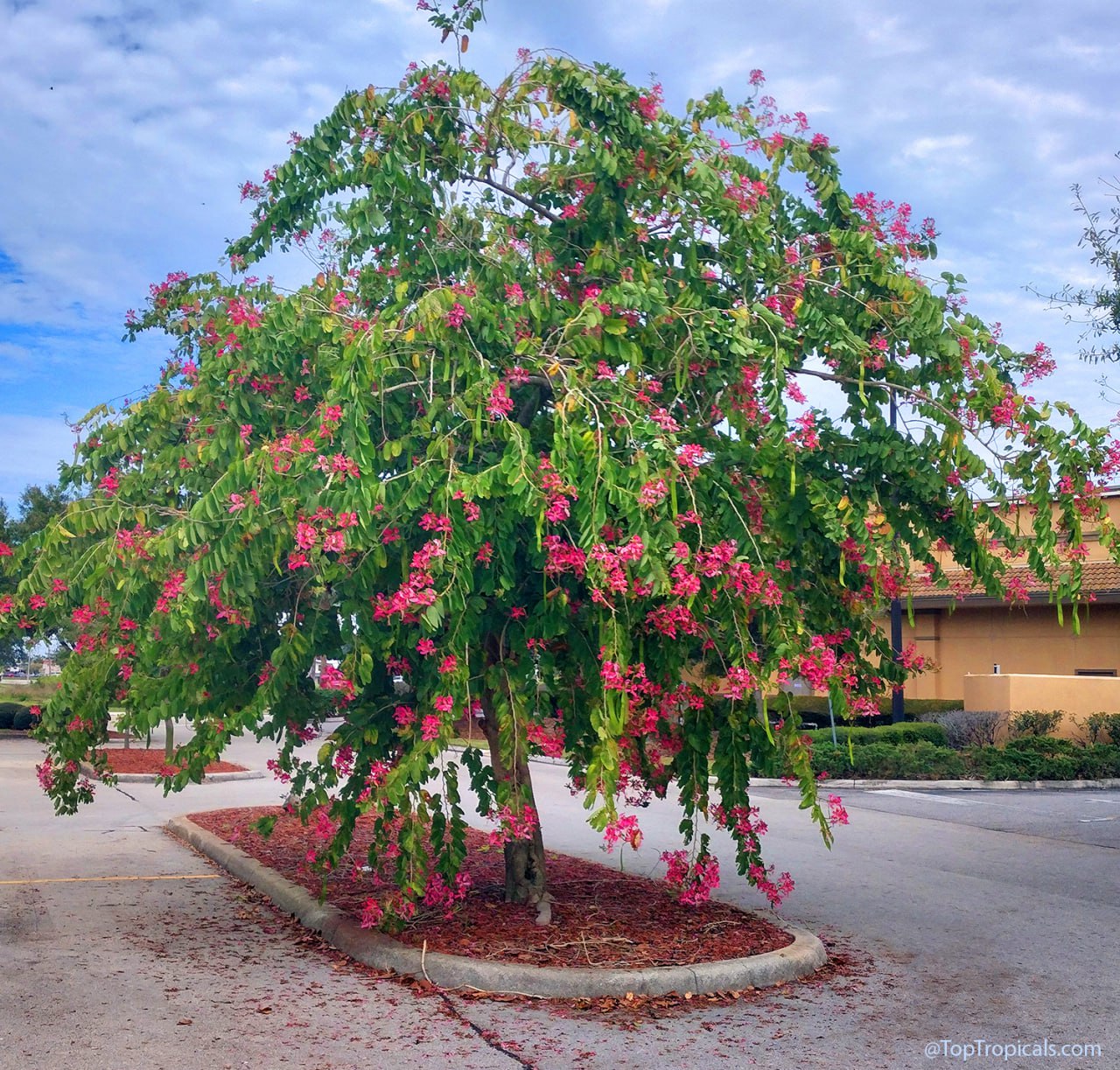
What is blooming in January: Purple Orchid Tree

Purple Orchid tree - Bauhinia purpurea

Purple Orchid tree - Bauhinia purpurea

🌺 What is blooming in January: Purple Orchid Tree


📸 Purple Orchid tree - Bauhinia purpurea

Orchid Tree Plant Facts

Botanical name: Bauhinia purpurea, Phanera purpurea
Also known as: Orchid Tree, Butterfly Tree
USDA Zone: 9 - 11
Highligths Large tree taller than 20 ftFull sunWater Requirement: Low. Allow soil to dry out between wateringsRed, crimson, vinous flowersPink flowersPlant attracts butterflies, hummingbirdsDeciduous plantSubtropical plant. Mature plant cold hardy at least to 30s F for a short timeSeaside, salt tolerant plant
Get personalized tips for your region


🛒
Discover Bauhinias - Orchid trees

📚 Learn more:


Bauhinias - Orchid trees in Plant Encyclopedia
The most asked-about tree in the Sunshine State: Bauhinia

#Trees

🟢 Join 👉 TopTropicals

Date: 14 Jan 2026

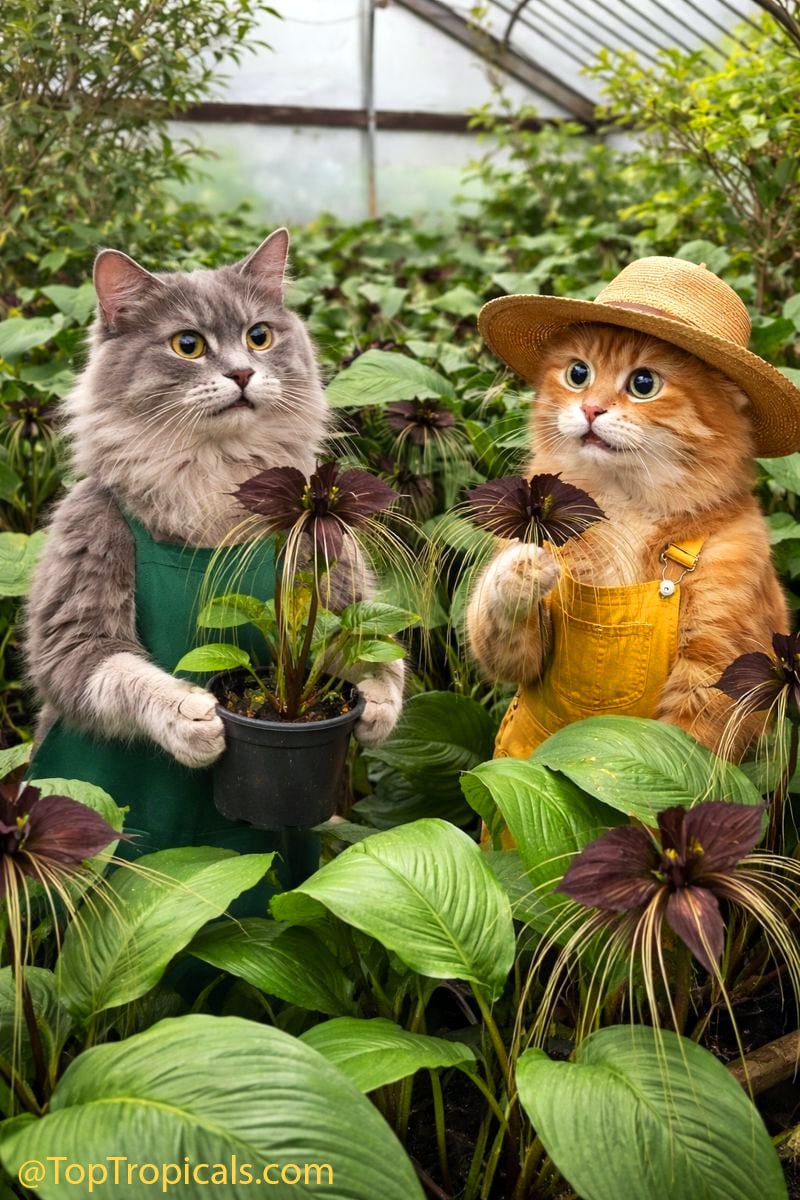
Did you know that Tacca is a cat?

Tacca plants and Cats

Tacca plants and Cats

🐈 Did you know that Tacca is a cat?


That’s probably the real evolutionary secret no botanist will admit! Those whiskers? Pure marketing genius from nature.
Cats had it figured out first — look mysterious, add long elegant whiskers, and everyone falls in love.
Tacca just took notes and said, “Alright, I can work with that!
Continue reading: Tacca wants to be a cat! - and everyone loves cats!

Tacca colors: Black, White, Green:


Tacca nivea - White Tacca
Tacca chantrieri - Black Tacca
Tacca leontopetaloides - Green Tacca

🛒 Add Get your own Bat Head Lily Tacca

📚 Learn more:

Bat Head Lily Plant Facts

Botanical name: Tacca chantrieri
Also known as: Bat Head Lily, Bat Flower, Devil Flower, Black Tacca
USDA Zone: 9 - 11
Highligths Small plant 2-5 ftShadeWatering: Regular. Let topsoil dry slightlyOrnamental foliageUnusual color
Get personalized tips for your region

Tacca Lily in Plant Encyclopedia
Perfect Halloween plant: Black Bat Lily (Tacca)
When plants cross into the Gothic: the Darker Bat Lily
What is the rarest Tacca?
The mystery of the White Bat Lily - the plant with wings and whiskers
A flying bat with whiskers
The rarest Green Tacca - Tacca leontopetaloides
When Bat Head Devil Flower is in bloom
Bat Head - Devil Flower

#Container_Garden #Shade_Garden #Nature_Wonders

🟢 Join 👉 TopTropicals

Date: 22 May 2026

Why orchids are way easier to grow than you think: 7 tips for the beginner

orchids are way easier to grow than you think

🌸 Why orchids are way easier to grow than you think: 7 tips for the beginner

Many beginners avoid orchids. Because they look exotic, it’s easy to assume they belong in a high-tech greenhouse. But the truth is surprisingly simple: most orchids die from too much love, not too little. The popular Phalaenopsis (Moth Orchid) is actually lower-maintenance than many common houseplants - once you understand how its roots work.

🌸 1. The #1 Mistake Beginners Make


Orchids are not regular potted plants. In nature, most are epiphytes, meaning they grow attached to tree bark where roots get constant airflow and dry quickly after rain. When well-meaning beginners plant them in dense soil or keep them constantly wet, the roots suffocate and rot. Ironically, orchids thrive on a little bit of neglect.

⚠️The Grocery Store Trap: Many orchids bought at supermarkets are packed tightly into decorative pots filled with dense moss. While they look beautiful, the roots are often already suffocating. This is why a seemingly healthy orchid can suddenly decline a few weeks after you bring it home.

👉 Pro tip: Aerial roots growing wildly outside the pot are a sign of a happy, healthy orchid - don't cut them off!


🌸 2. Decode Your Orchid’s Roots (The Ultimate Watering Trick)


Forget strict watering schedules. Instead, let the orchid tell you when it’s thirsty by looking at the color of its roots:

🟢❌ Bright Green Roots: The plant is still perfectly moist. Do not water.
⚪️✅ Silvery-Gray Roots: The plant is dry and ready for a drink.

When it's time to water, drench the mix thoroughly, let it drain completely out of the bottom, and don't water again until the roots turn silver.
And please, skip the ice cube trick. Orchids are tropical plants; freezing ice shocks their roots and causes long-term damage.

🌸 3. No Greenhouse? No Problem.


You don't need a tropical conservatory. Most orchids thrive in standard indoor conditions with bright, indirect light.
An east-facing windowsill is usually the sweet spot. Too much direct afternoon sun will scorch the leaves, while deep shade will prevent the plant from ever reblooming.

🌸 4. Don't Panic When the Flowers Fall


After a spectacular bloom cycle, an orchid’s flowers will drop, leaving behind a bare green spike. This does not mean your plant is dying.
Orchids naturally enter a resting period that can last for several weeks or months. They are simply conserving energy to build new leaves and roots before their next big show.

🌸 5. Master the Art of Gentle Feeding


Another common misstep is over-fertilizing. Orchids prefer a "weakly, weekly" approach rather than heavy doses of nutrients all at once.
Using a gentle, specialized formula like SUNSHINE Orchidasm works incredibly well for orchids and other delicate epiphytes. Because it focuses on steady, healthy growth rather than forcing rapid development, it provides the exact kind of mild, consistent nourishment orchids need to produce longer-lasting blooms. It is safe to use with every watering.

🌸 6. Think Beyond the Tree Bark


When we picture orchids, we usually think of the kinds that grow in airy bark. However, the orchid family is massive and includes terrestrial (ground) orchids.
Ground orchids grow directly in soil and can even be planted outdoors in warmer climates. If you are still nervous about managing the unique root systems of traditional orchids, ground orchids are a fantastic, beginner-friendly gateway into the hobby.

🌸 7. The Orchid Addiction is Real


The funniest thing about orchids is the shift in mindset. The moment a beginner successfully triggers a rebloom on their first plant, the fear completely vanishes.
And before you know it, that one single windowsill orchid quietly turns into five.

🛒
Explore Ground Orchids, Vanilla orchids, and enjoy Sunshine Orchidasm

📚 Learn more: 

Ground Orchid Plant Facts

Botanical name: Spathoglottis kimballiana
Also known as: Ground Orchid, Garden Orchid
USDA Zone: 9 - 10
Highligths Groundcover and low-growing 2ft plantSemi-shadeFull sunWatering: Regular. Let topsoil dry slightlyYellow, orange flowersBlue, lavender, purple flowersPink flowersPlant attracts butterflies, hummingbirds
Get personalized tips for your region

· Orchids in Plant Encyclopedia
· How to grow everblooming orchids like in the store?
· Orchids for Dummies
· Sunshine Orchidasm

#Fertilizers #How_to #Container_garden #Discover #Shade_Garden

🟢 Join 👉 TopTropicals