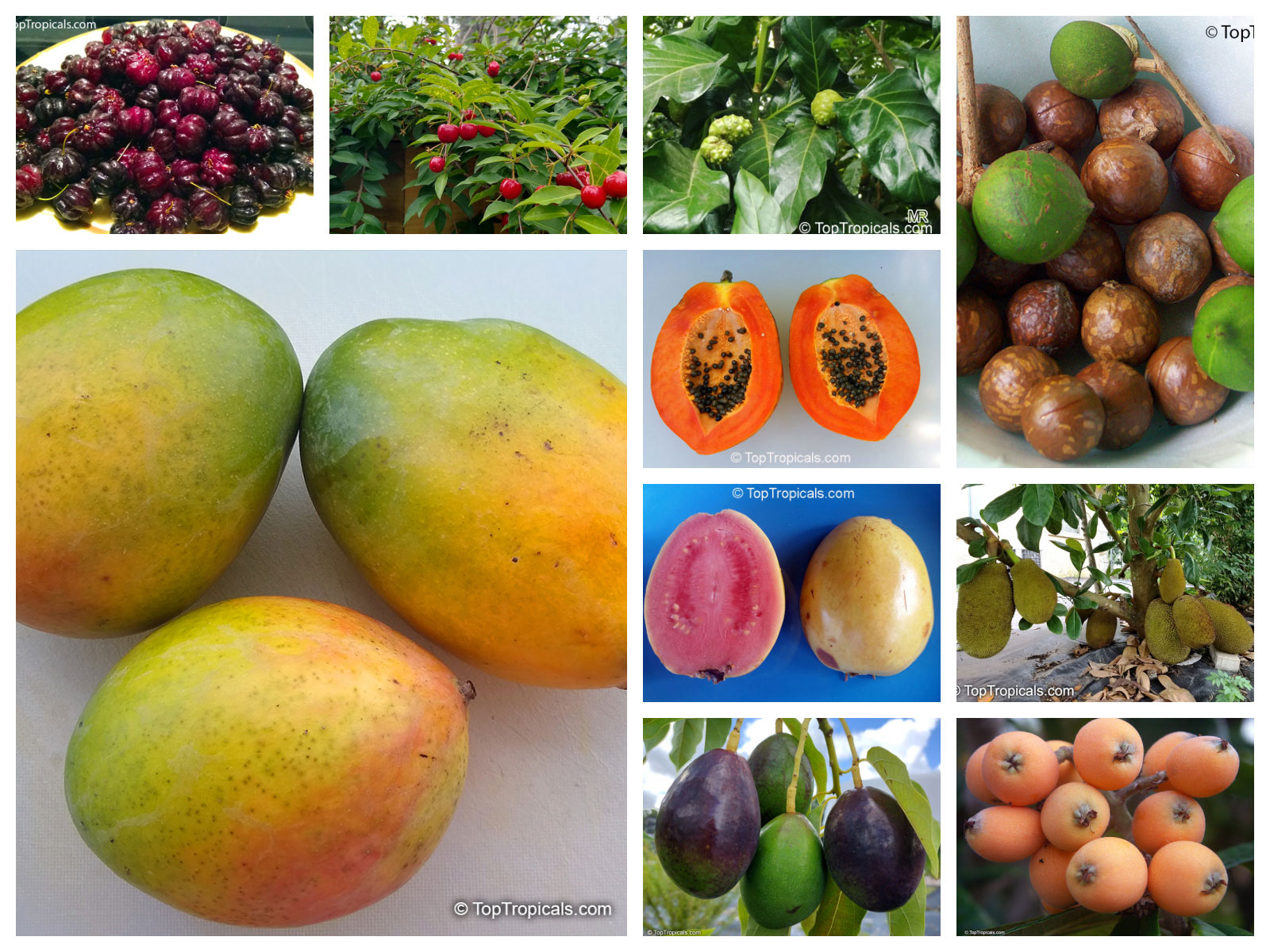
A: With five acres of space, you have a fantastic opportunity to create a fruitful garden that can provide for your family for many years to come. Below are our top recommendations for must-have, easy-to-grow fruit trees
that thrive in Florida's climate, grow quickly, and start producing right away.
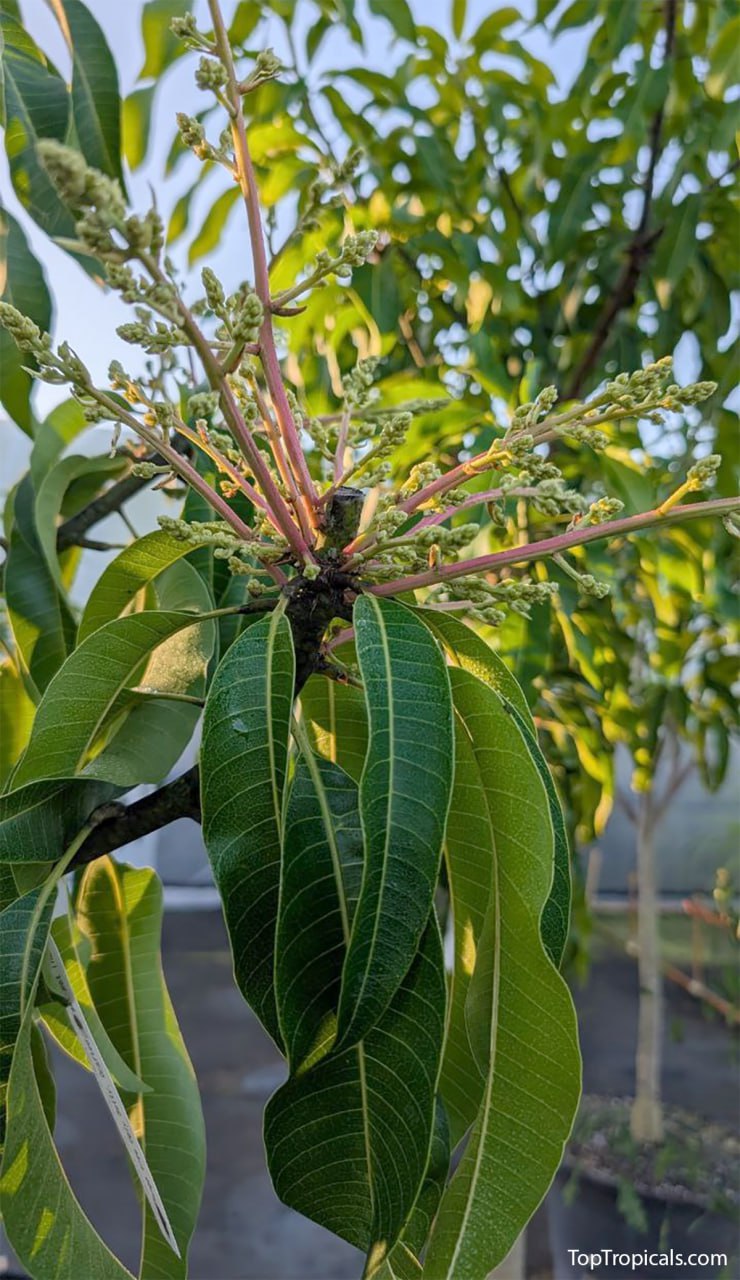
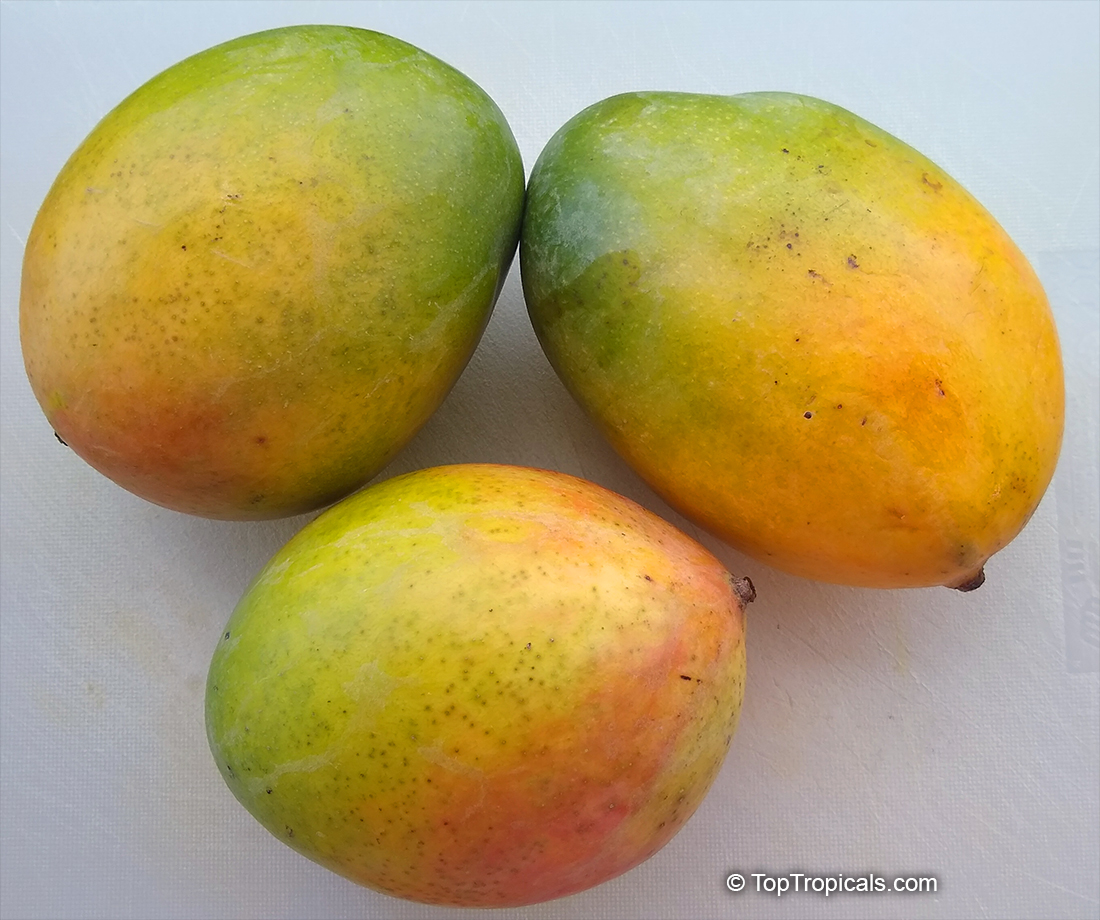
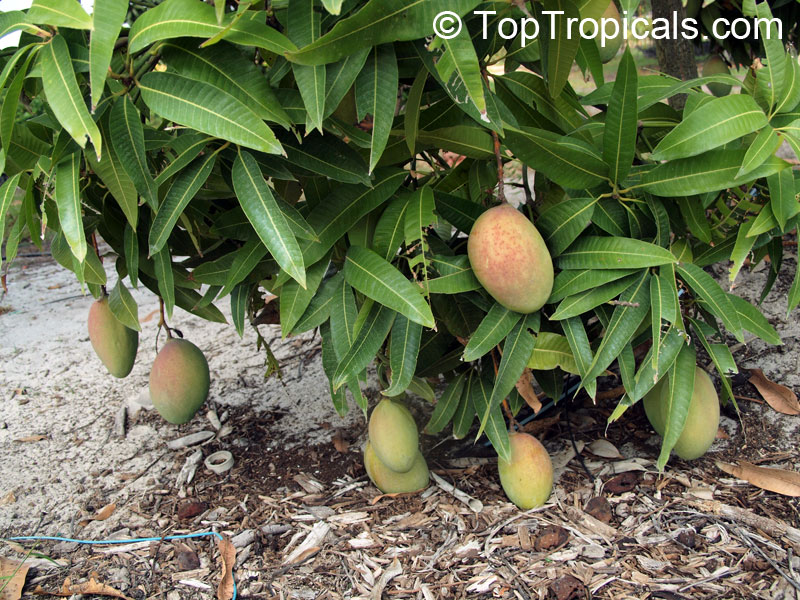
1. Mango Tree
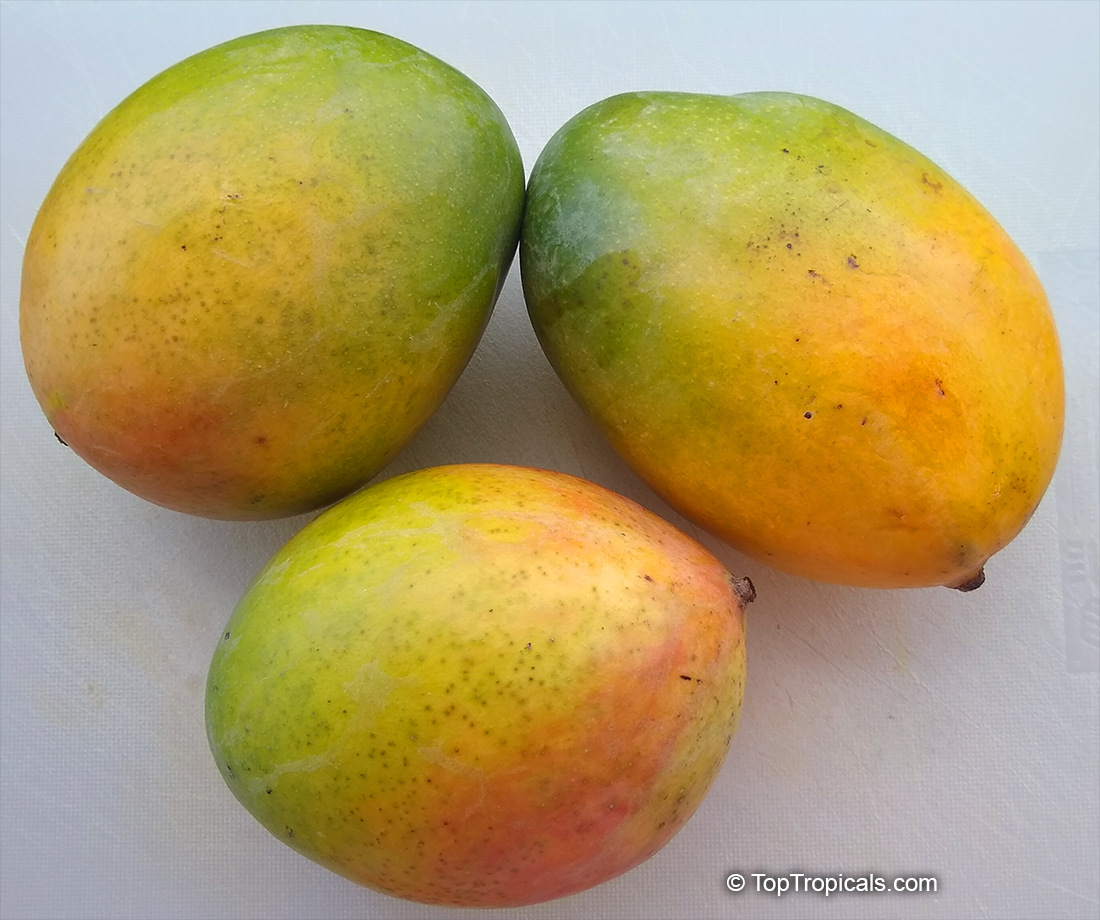
Mango trees
(Mangifera indica) are a must-have for any Florida garden, embodying the essence of the Sunshine
State with their delicious and nutritious fruit packed with vitamins and fiber.
These fast-growing, low-maintenance trees thrive with minimal water and are heat-tolerant.
Grafted varieties produce high-quality, fiberless fruit in just 2-3 years,
while dwarf "condo" mangoes are
perfect for smaller spaces or containers. While young trees need frost
protection, mature trees handle cold better. Grafted mangoes offer rich taste that you won't find
in commercially grown, fibrous varieties, ensuring a sweet and vibrant
harvest from your own garden.
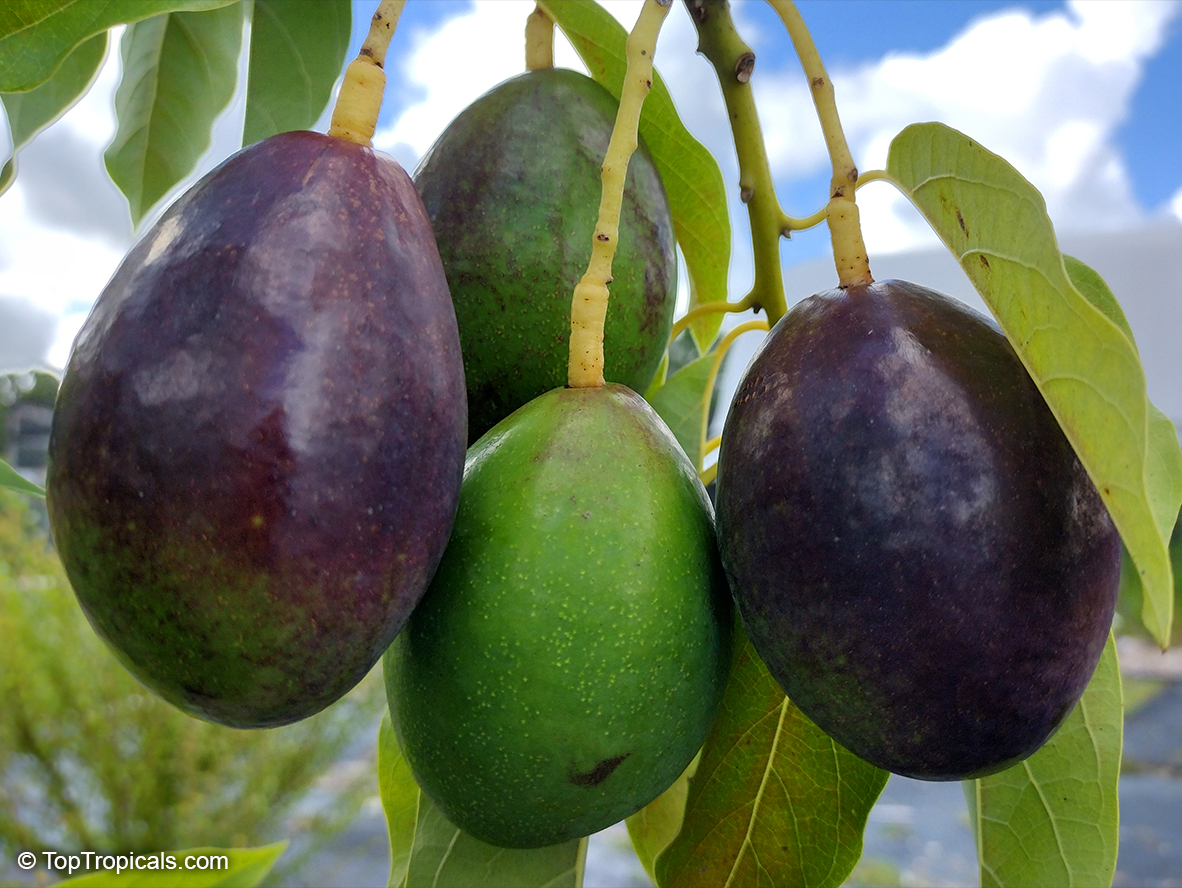
2. Avocado Tree
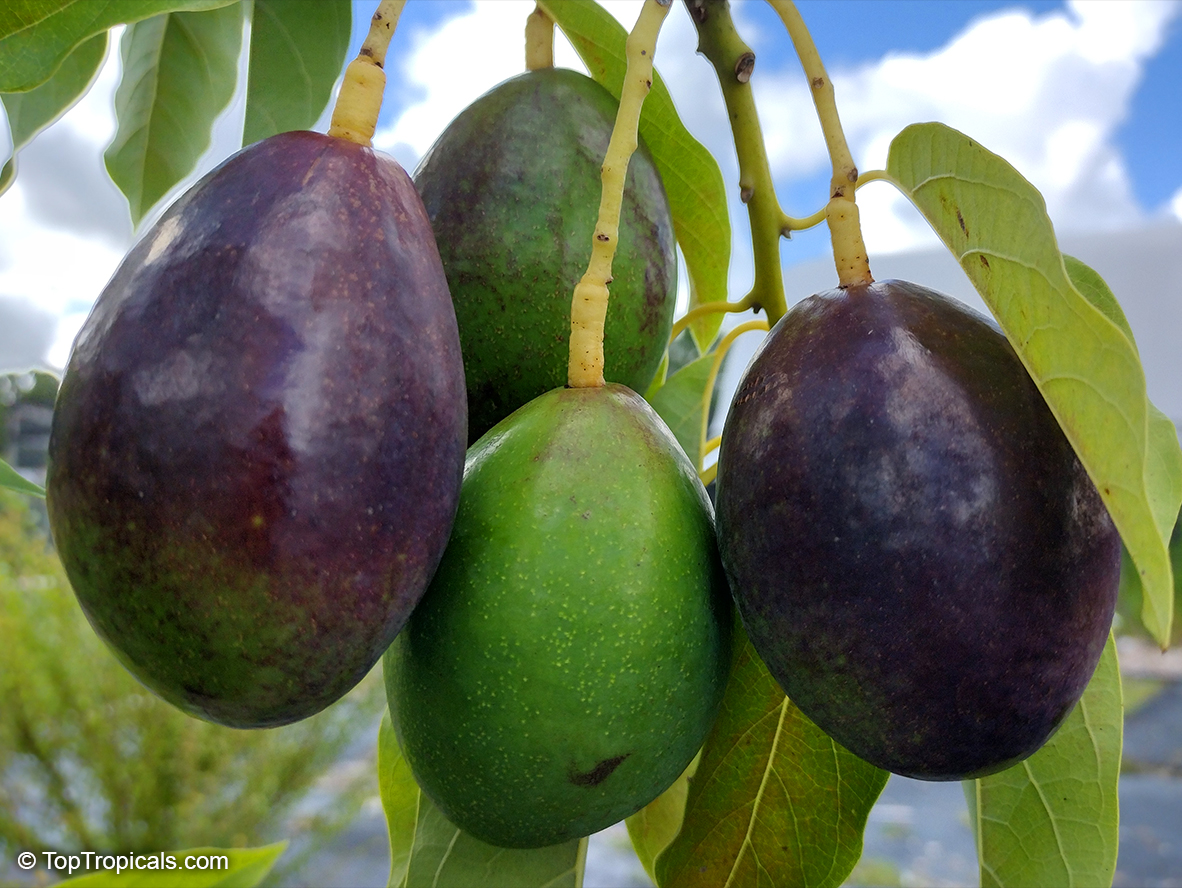
The Avocado tree (Persea americana) is an
essential addition to any tropical or subtropical garden. Known for its health
benefits and superfood status, it's a favorite fruit that's not only productive but also a
beautiful ornamental tree. Some avocado varieties are more cold-tolerant than mango
trees, with the ability to survive temperatures below 25F. While many enjoy growing avocado from seed, only grafted trees guarantee quality fruit and immediate production, as
seedlings can take 7-8 years to bear fruit. To successfully grow avocado, ensure
good drainage by planting on a raised mound (4-6 inches) and keep the soil consistently moist. There are
also compact varieties like Wurtz and Fuerte that thrive in containers or small spaces, making them ideal for patios and small gardens.
3. Tropical Cherries
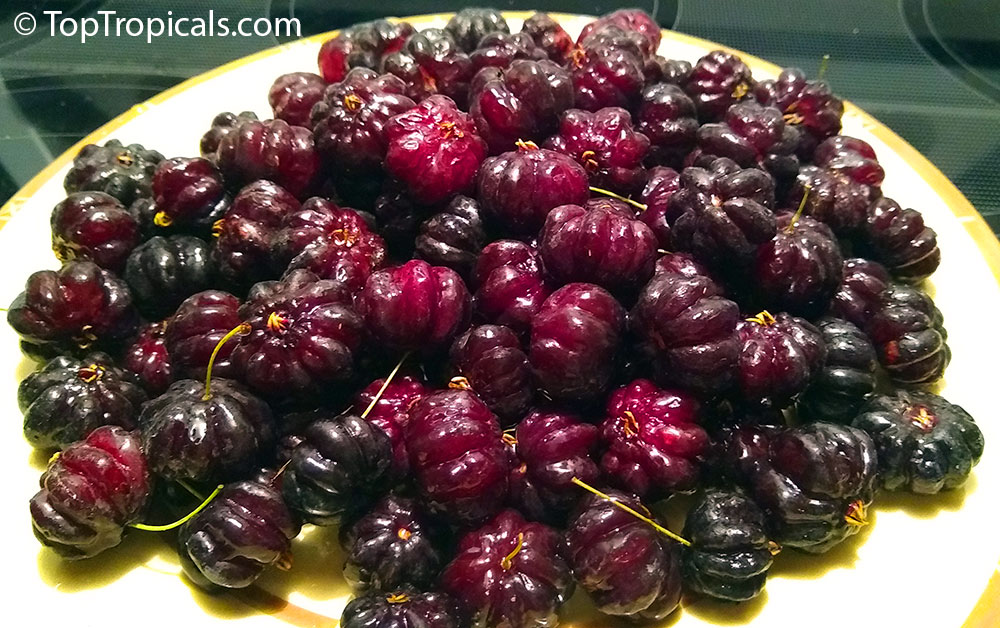
Tropical cherries, such as Cherry of the Rio
Grande (Eugenia aggregata),
Grumichama (Eugenia brazilensis), Pitomba (Eugenia luschnathiana), and Black Surinam Cherry (Eugenia uniflora var. Lolita), are popular
and easy-to-grow fruit trees that offer fast growth and excellent fruit
production. These compact, versatile trees thrive in both the ground and containers, starting to produce fruit almost
immediately. Eugenias are low-maintenance, requiring minimal water, thriving in various soil types, and being pest-free. They are
heat-tolerant and can endure cool winters, surviving light frosts. Birds love
the fruit, but don't worry - there will always be plenty for everyone.
4. Barbados Cherry Tree
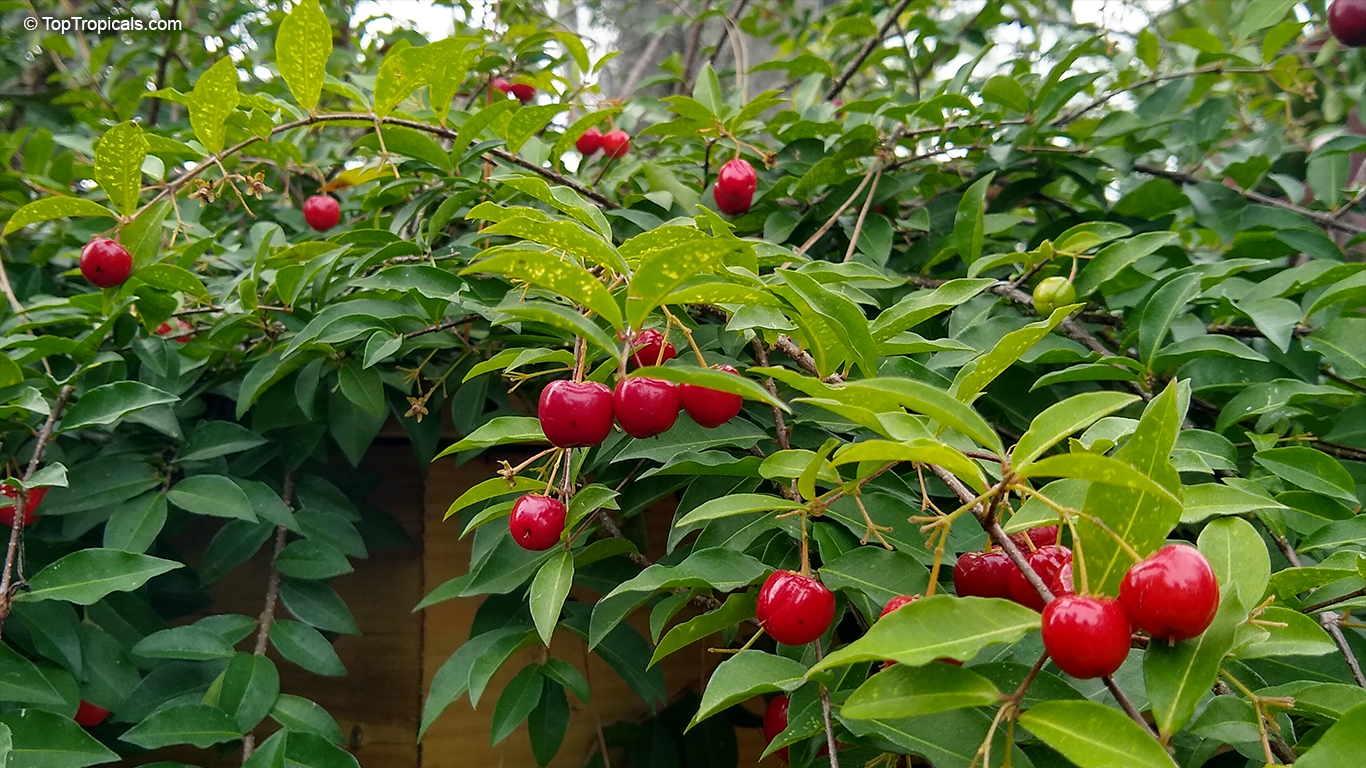
Barbados Cherry (Malpighia glabra), also known as Acerola,
is a tropical cherry renowned for having the highest vitamin C content of any
fruit. This nutrient-packed fruit is perfect for jellies, jams, and freezing
without losing its vitamin C. The Barbados Cherry is a fast-growing, dense
shrub that fruits multiple times a year, providing abundant harvests for gardeners seeking quick results. It thrives in alkaline
soil, tolerates drought, and is relatively cold-hardy, withstanding light
freezes. Birds love the fruit, making it a great addition to wildlife-friendly gardens. The dwarf variety, Nana, with its
small leaves and fruit, is perfect for containers, borders, or even bonsai, adding ornamental value
to any space.
5. Noni Tree
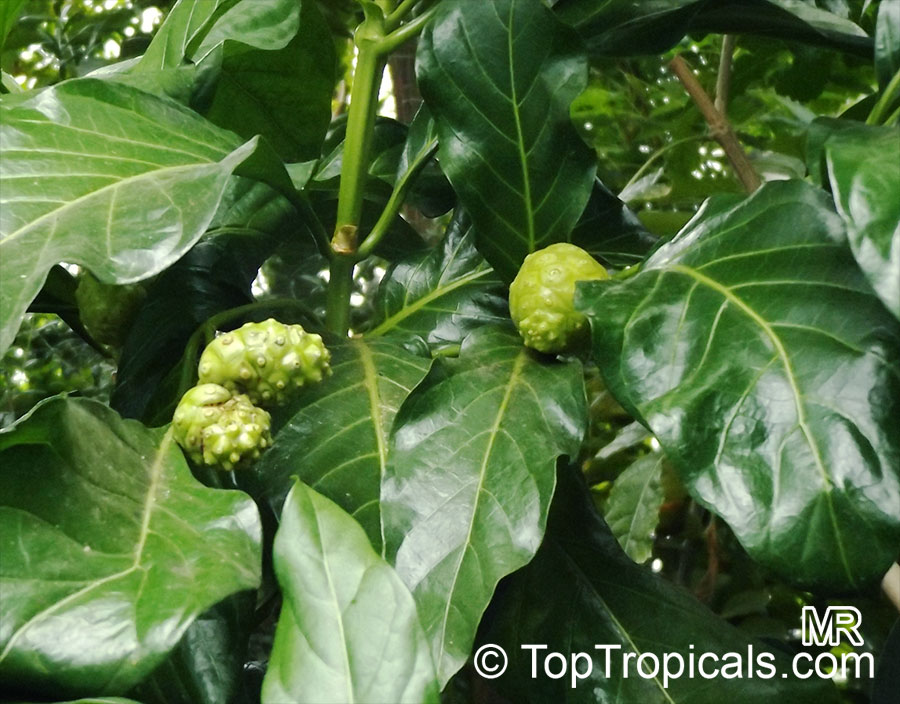
The Noni Tree (Morinda citrifolia) is
a top superfood plant that makes a fantastic addition to any Southern garden. Known for its numerous medicinal benefits, Noni fruit offers
anti-inflammatory properties, relief from arthritis, and support for conditions like
diabetes, metabolism, and weight loss. It's even believed to help fight cancer.
Noni trees grow quickly and begin producing fruit within 2 years from seed. This
tough, resilient plant thrives in poor soil, endures summer heat, and
withstands drought conditions. Despite its tropical appearance, Noni is
surprisingly cold-hardy, recovering well after leaf damage in cooler weather. In
addition to its health benefits, the Noni tree has ornamental value, with large,
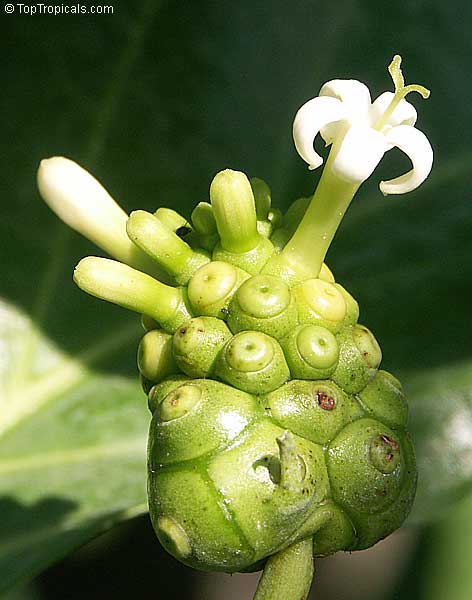
waxy leaves and unique fruit, where the flower appears to grow directly on the fruit!
6. Macadamia Nut Tree
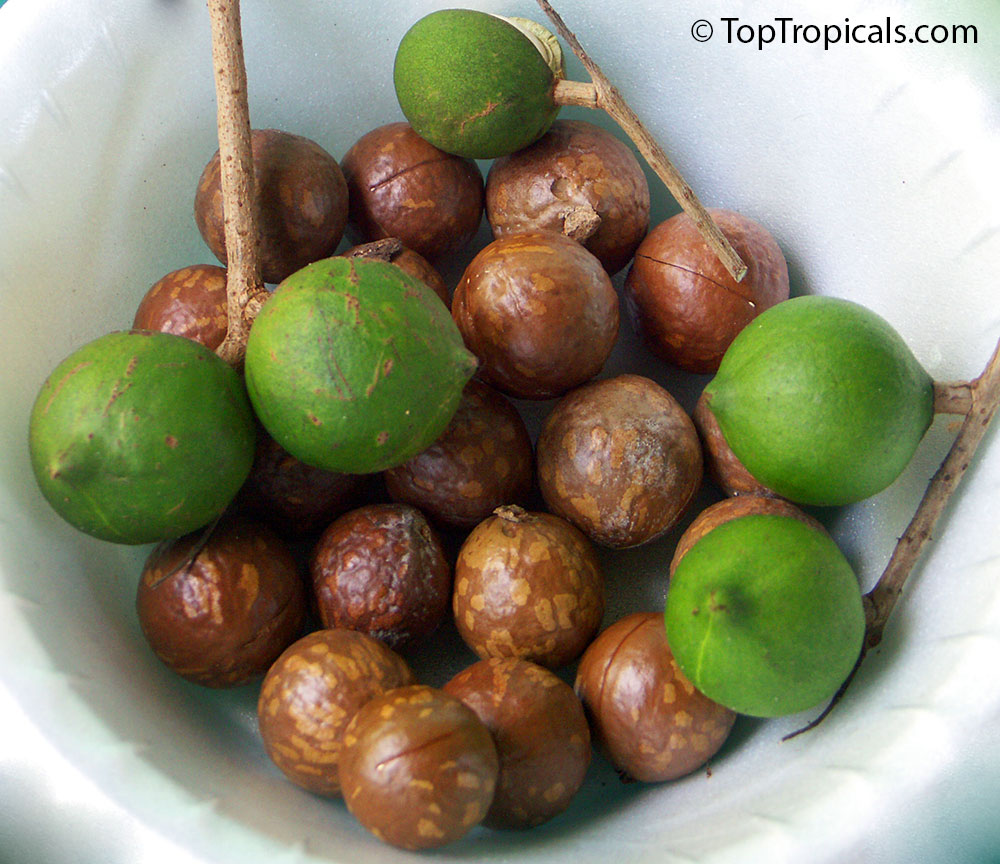
The
Macadamia Nut Tree (Macadamia integrifolia) is a fantastic addition to
any garden, allowing you to grow these delicious, high price tag, nutrient-rich nuts right
at home. These trees are cold-hardy, grow quickly, and thrive in all Florida
soil types. Once established, they are productive and can tolerate both
flooding and drought. Older trees can survive colder winters, while young trees
need protection from temperatures below 25-26F. Macadamia trees like plenty of
water and a special fertilizer program, including liquid fertilizers and microelements, to ensure healthy root development and optimal
production. Aside from being rich in healthy fats, vitamins, and minerals, macadamia
nuts offer numerous health benefits, such as improved digestion, heart health,
weight management, and blood sugar control. They are also packed with
tocotrienols - antioxidants which may protect against cancer and brain diseases.
7. Papaya Tree
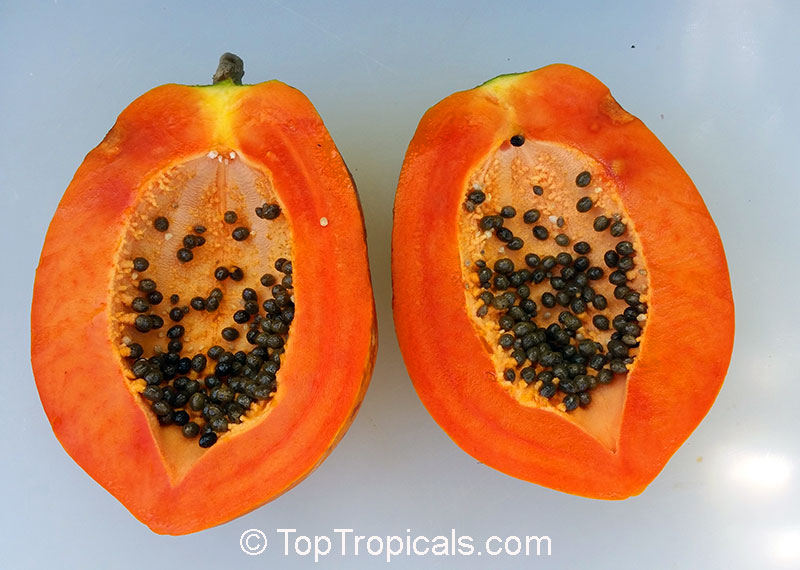
Papaya
trees (Carica papaya) are resilient, easy to grow, and produce fruit
year-round. Rich in papain, a digestive enzyme, papayas are a superfood that
promotes gut health. These fast-growing trees often begin producing fruit
within the same year they're planted, providing quick rewards for gardeners. Many
varieties, especially dwarf papayas, are space-efficient, reaching only 6-8
feet tall while still yielding large crops, making them perfect for small
gardens. Surprisingly hardy for a tropical plant, papayas can withstand light
freezes and strong winds (tested in hurricanes!). While they are self-fertile,
planting 2-3 different cultivars improves pollination and increases yields.
"Solo" cultivars, with their smaller, round or oval fruits, are sweet and less
susceptible to fruit flies.
8. Guava Tree
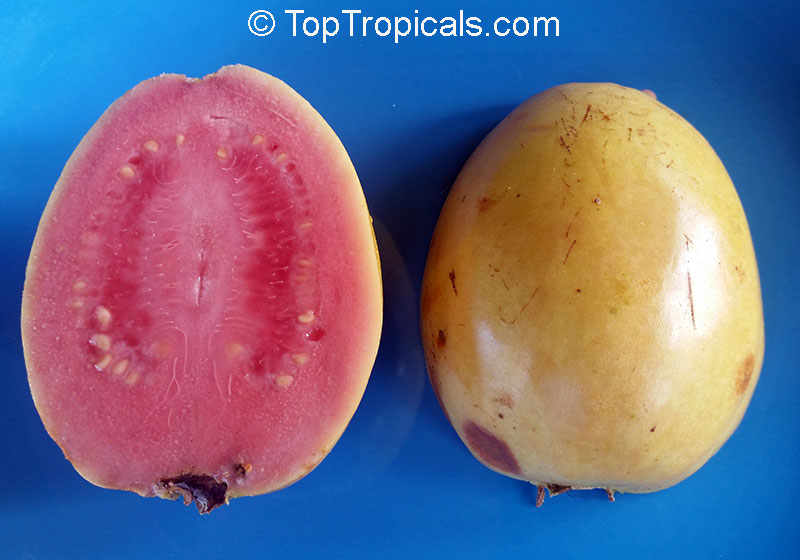
Guava
trees are beloved for their flavorful fruit, commonly used in juices, drinks,
and desserts. Popular varieties include Tropical Guava (Psidium guajava), Cattley Guava (Psidium littorale), Cas Guava (Psidium friedrichsthalianum), and Pineapple Guava (Feijoa sellowiana). Despite their tropical
nature, guavas are surprisingly cold-hardy, suitable for cooler climates and
occasional frost. These trees thrive in moist conditions and can tolerate some
flooding, while their compact growth makes them easy to maintain at any height
or shape. Guavas are fast-fruiting, often producing fruit within a year of planting, and
even some varieties in 1 gal containers. The dwarf Nana variety is perfect for container culture, producing
full-sized fruit in a compact form. Guava trees are mostly pest-resistant, though
mealybugs may require occasional treatment with neem oil in humid, rainy areas.
Planting multiple guava trees ensures a continuous supply of fresh, juicy
fruit and delicious guava juice for everyone to enjoy.
9. Jackfruit Tree
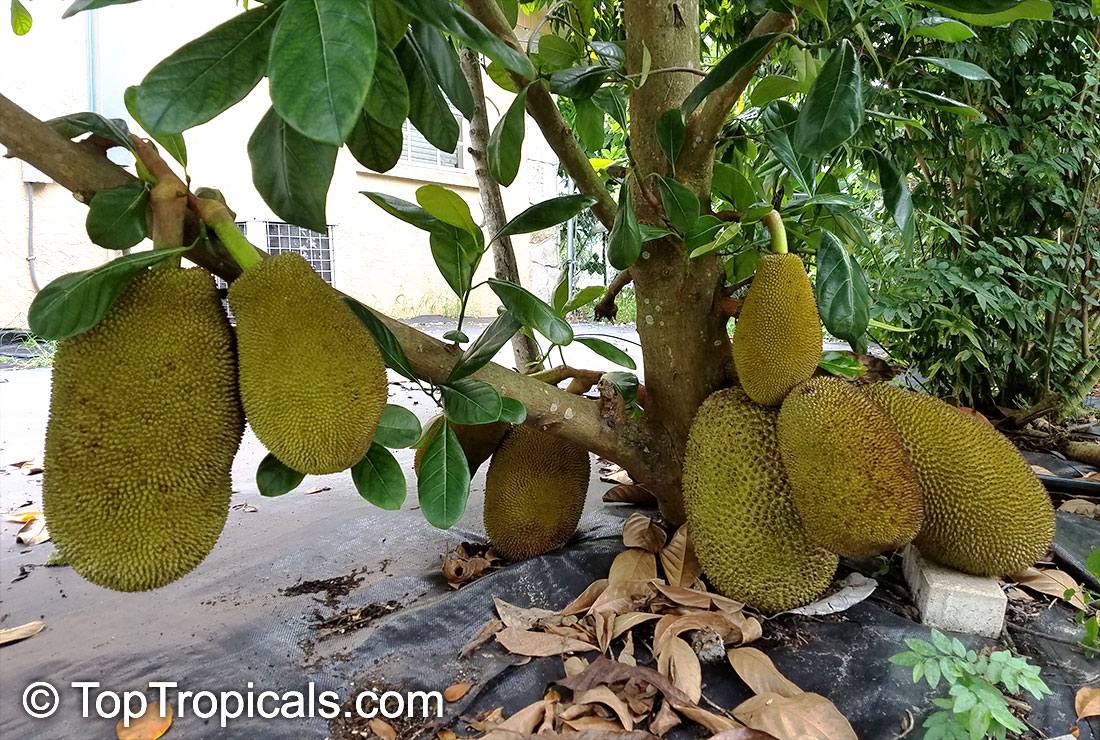
The
Jackfruit tree (Artocarpus heterophyllus) is a striking, fast-growing
tree known for producing the largest fruit grown on a tree, making it a
showstopper in any garden. Nutrient-packed and often used as a meat substitute in
South Asian cuisine, Jackfruit is also delicious in curries, chutneys, and as
dehydrated chips. These trees grow quickly, have large waxy leaves, and can
be maintained at a compact height of 7-8 feet, making them ideal for smaller
spaces and easier cold protection. Despite being a tropical species,
Jackfruit trees are relatively cold-tolerant and can survive light frost (although on
the account of production volume), with established trees being more hardy
than seedlings. Jackfruit trees begin producing fruit within 3-4 years from
seed, and varieties come true to seed, eliminating the need for grafting,
though it can be done for specific varieties.
10. Loquat Tree
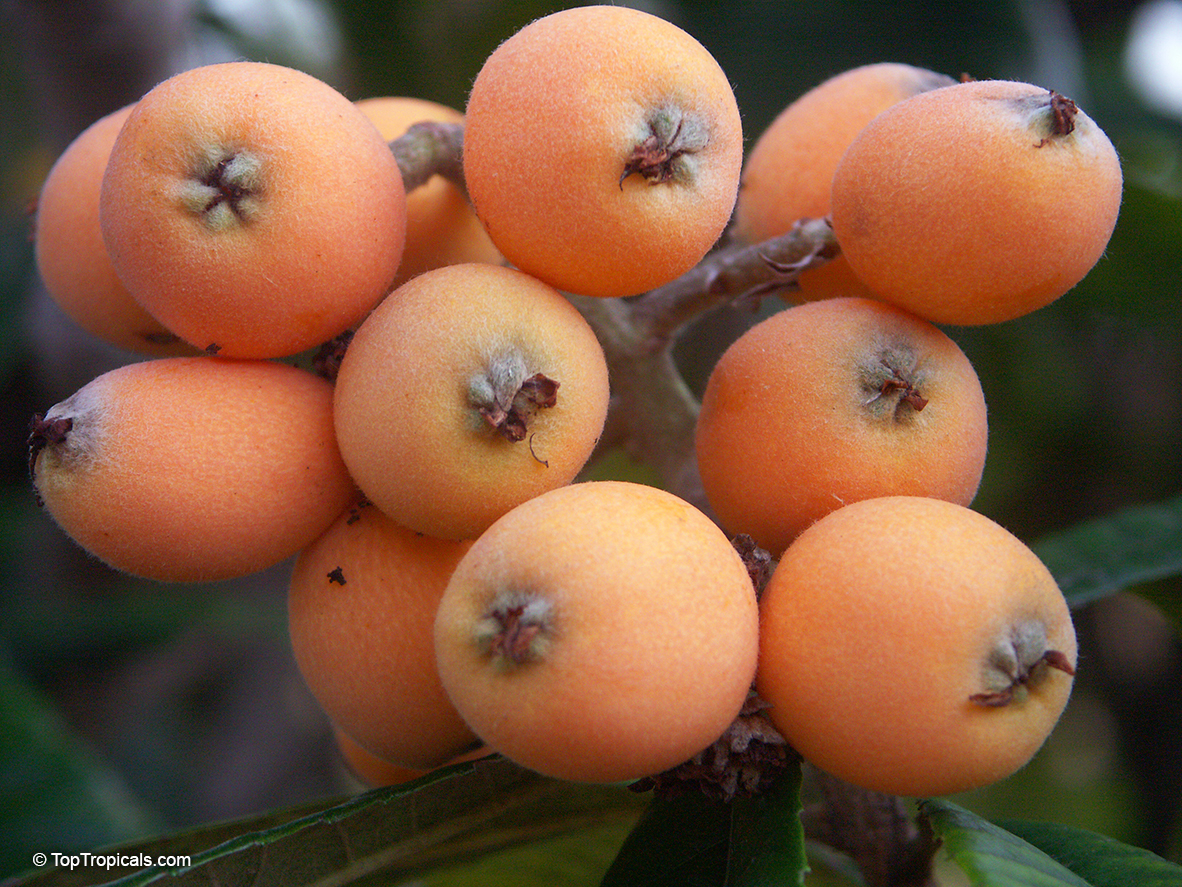
The Loquat
tree (Eriobotrya japonica) is a fast-growing, drought-tolerant,
and highly cold-hardy tropical fruit tree that thrives in Florida gardens.
Loquats are heavy producers, with juicy, aromatic fruit that ripens from early
spring to early summer, offering a delicious apricot-like flavor. This compact
tree is perfect for small gardens, beginners, and those with limited space.
Loquats are undemanding, thriving in any soil and withstanding summer heat,
winter cold, heavy rains, and occasional flooding. Nutrient-rich, they are high
in sugar, acids, vitamins B and C, minerals, and pectin. Loquats are
versatile, enjoyed fresh or used in fruit salads, jams, jellies, chutneys, pies,
sauces, and even wine-making, and they are often used as a natural sweetener.