Holiday season in Florida means sunshine, green leaves, and cats on
patrol. On
Saturday 12/13/25, our PeopleCats are hosting a special Holiday Plant Market
at TopTropicals,
9 am to 4 pm. This is not a regular nursery day. This is the one where you
grab a donut in one hand, a mango tree in the other, and try not to trip
over a cat giving you a tour.
We are bringing out the best plants we grew all year: big fruit trees
with real branches, flowering and fragrant beauties, rare collectors
plants, and vines that are ready to take off as soon as you get them home.
December is perfect planting weather in Florida, so while the rest of the
country is scraping frost from windshields, you can be
choosing which banana, mango, or jasmine will perfume your yard next
summer.
Holiday extras: 30% OFF online prices, free plant with purchase, 5 to 10
dollar specials, mini donuts and holiday treats, iced tea and citrus water,
tropical Christmas music, and
raffle prizes. If there is enough ripe fruit in the morning, we will set up
a
tasting table too. Our PeopleCats will be on duty all day, rearranging
plants,
checking on visitors, and occasionally allowing themselves to be petted
between tours.
Event discounts and specials are valid at both locations:
Save the date, tell a friend, and plan your plant hunting route now. Come
celebrate the holidays the Florida way: sunshine, rare fruit trees, happy
cats, and a car full of tropical
plants going home with you.
Smokey and Sunshine Prepare Plants for the Cold Night.
Smokey: Come on, Sunshine, help me move these plants inside before it gets
dark!
Sunshine: I am helping... see? I’m supervising the mango
tree.
Smokey: You call that supervising? The frost cloth’s upside down!
When the forecast drops into the 30s, panic is not a plan. This is your
simple, clear checklist to protect every tropical in your garden. Think of
it as the quick emergency manual that goes hand in hand with the previous
cold-weather newsletter.
"We
all love our tropical flowers, mangoes, bananas, and rare fruit trees. A
single cold night does
not have to be a disaster. The key is knowing what to do, when to do it, and
what mistakes to avoid." - Tatiana Anderson, Top Tropicals Plant
Expert
🌡️ FROST AND FREEZE
A frost and a freeze are not the same. A frost is when you see ice crystals
on leaves or grass, while a freeze is when the air temperature drops below
32 F. The tricky part is that you can get
frost even when the air is above freezing, and you can have a freeze with no
frost at all. It all depends on humidity and the dew point. If the dew
point
is below freezing, the ground can cool faster than the air, letting frost
form even when your thermometer reads 35 or 36 F. And once the air itself
drops below 32 F, even for an hour, tender tropicals can be damaged. For
plants, a freeze is far more dangerous, because freezing air pulls heat out
of stems, branches, and roots. Frost usually burns leaves, but a true freeze
can injure wood, kill buds, and damage the entire plant.
Frost on the grass and leaves on Winter morning in Central
Florida
WHAT TO DO
AND NOT TO DO BEFORE A COLD SNAP
✔️ 5 THINGS TO DO:
Water well. Hydrated plants tolerate cold better than dry, stressed
ones.
Add mulch. A thick layer around the base keeps roots warm.
Block the wind. Move pots to a sheltered corner or patio.
Cover at night, uncover in the morning. Let plants breathe and get
light.
Add gentle heat if needed. Non-LED Christmas lights or a small old style
15-20W light can raise temps a few degrees.
❌ 5 THINGS NOT TO DO:
Do not prune or trim. Fresh cuts freeze first.
Do not overwater. Wet, cold soil invites root rot.
Do not let plants dry out either. Wilted plants freeze more easily.
Do not use dry fertilizer. Gentle liquid feeds like Sunshine
Boosters are safe to use with every watering: its intake naturally slows
down as watering decreases.
Do not look only at the thermometer. A long, windy night can be worse
than a short freeze.
TEMPERATURE
ACTION GUIDE (40 to 25 F)
40 to 38 F: Move potted plants to shelter, water soil, and cover
tender tropicals.
37 to 33 F: Use frost cloth and anchor it down so the wind does
not lift it.
32 to 30 F: Add a heat source like non-LED lights.
29 to 25 F: Double-cover sensitive plants, wrap trunks, and
protect roots heavily.
COLD
TOLERANCE BY PLANT TYPE
Before a cold night, it really helps to know your plant’s exact
cold limits. Every species is different, and young plants are always more
sensitive than mature ones. Take a few minutes to look up your varieties in
our Tropical
Plants Encyclopedia
— it will tell you the safe temperature range, how much protection
each plant needs, and which ones must be covered or moved before the next
cold snap hits.
Bananas: leaf burn below 37 F
Mango, Annona: hurt around 32 F
Cold hardy avocados: Mature tree can take about 25 F. Young trees must
be protected
Olives, Citrus, Guava, Jaboticaba: usually OK outside with mulch
QUICK-ACTION
TABLE
Before the cold arrives, make yourself a quick list of every plant and
what action each one needs. It saves time when temperatures start dropping
and keeps you from scrambling in the dark. Check that you have enough frost
cloth, blankets, and supplies on hand so you can cover everything without
rushing. Planning ahead makes cold nights much less stressful.
Bring Indoors: Cacao, Bilimbi, Coffee. They need warm, bright
light.
Cover Outdoors: Mango, Jackfruit, Banana, Annona. Use frost cloth, not
plastic on leaves.
Covering large mango and avocado trees in pots at TopTropicals during
cold nights
GADGETS AND
TOOLS THAT HELP
Indoor helpers: LED lights, small heaters, bottom-heat mats,
timers.
Outdoor helpers: frost cloth rolls, mini greenhouses, non-LED Christmas
lights or small incandescent lights, smart thermometers.
Always keep electrical safety in mind, especially if you are using extension
cords outdoors. Use only weather-rated cords, keep all connections off the
ground, and protect plugs from moisture. Make sure heaters and lights are
stable, secured, and never touching fabric covers. A few minutes of safety
check
can prevent a dangerous situation on a cold, wet night.
And if you want to keep plants strong through winter, add Sunshine
Boosters to your watering routine. It is gentle, safe in cold weather,
and gives plants an extra edge.
AFTER THE
COLD PASSES
In the morning, uncover plants. Leaving covers on during the day can trap
heat and cook the tender new growth, especially under the sun. The only
exception is true frost cloth designed for all-day use, which allows air,
light, and moisture to pass through. Regular blankets, sheets, and plastic
must come off as soon as the sun rises.
Do not cut anything yet. A plant can look completely dead after a freeze,
but many branches are still alive under the bark. Cutting too soon removes
wood that would recover on its own. Wait until new growth begins in spring.
That is when you can see exactly which branches are truly dead.
Use the scratch test. Gently scratch the bark with your nail or a small
knife. If the layer underneath is green, the branch is alive. If it is brown
and dry, it is likely dead. But even then, wait until warm weather to be
sure, because sometimes only the tips die back while the lower part of the
branch survives.
Once the weather stabilizes, resume light feeding. Plants coming out of cold
stress need gentle support, not heavy fertilizer. A mild liquid feed like
Sunshine
Boosters helps them rebuild roots and push new growth without burning
tender tissue.
Your tropical garden can survive any cold night if you prepare right. Cold
snaps always feel stressful in the moment, but once you know your plants,
have the right supplies, and follow a simple plan, it becomes routine. A few
minutes of preparation before dark can save months of growth and keep your
collection healthy all winter.
Frost cloth is the true workhorse of cold protection: it keeps heat in,
keeps frost off, and will not suffocate plants the way plastic or blankets
can. Having a few rolls ready means you never have to scramble at the last
minute. Sunshine
Boosters give your plants gentle support during the colder months so
they stay strong enough to bounce back quickly when warm weather
returns.
A little planning now will pay off in spring, when your mango, banana,
citrus, and all your favorite tropicals come back happy and ready to
grow.
Q: I wonder how you started your plant business and what was your
first plant?
A: It was 20 years ago this month that we started Top Tropicals
Project. No idea where it was going or how to even get "there", just started
with the idea of sharing these wonderful creatures we call plants with anyone
and everyone who felt the same way.
Believe it or not, the first plant at TopTropicals was a hibiscus. Right
before we opened our plant nursery in Florida, we ran into a place called Winn Soldani's FANCY
HIBISCUS. The variety of colors inspired us to start our own tropical plant
business. We asked the owner Winn Soldani: what plants do you suggest us to
grow in Florida? His answer was, "Your plant will find you". Very soon we
discovered
jasmines, then perfume trees and fruit trees - all those became our specialty. Then very quickly
TopTropicals.com turned into a large Plant Mall where you can find every tropical plant you can think of!
But at TopTropicals we still grow hibiscus!
- September 2004 @ TopTropicals -
Hibiscus Plus
Hibiscus is a wonderful plant, considering there are thousands of
hybrids with color palettes you can only imagine. Especially interesting are those
rare and useful species, yet very easy to grow, such as:
- Salad Hibiscus - Hibiscus furcellatus - yes, used in salads
- Coral Hibiscus with crazy pendant flowers - Hibiscus schizopetalus
- African Cranberry hibiscus that is used for making teas and salads - Hibiscus
acetocella
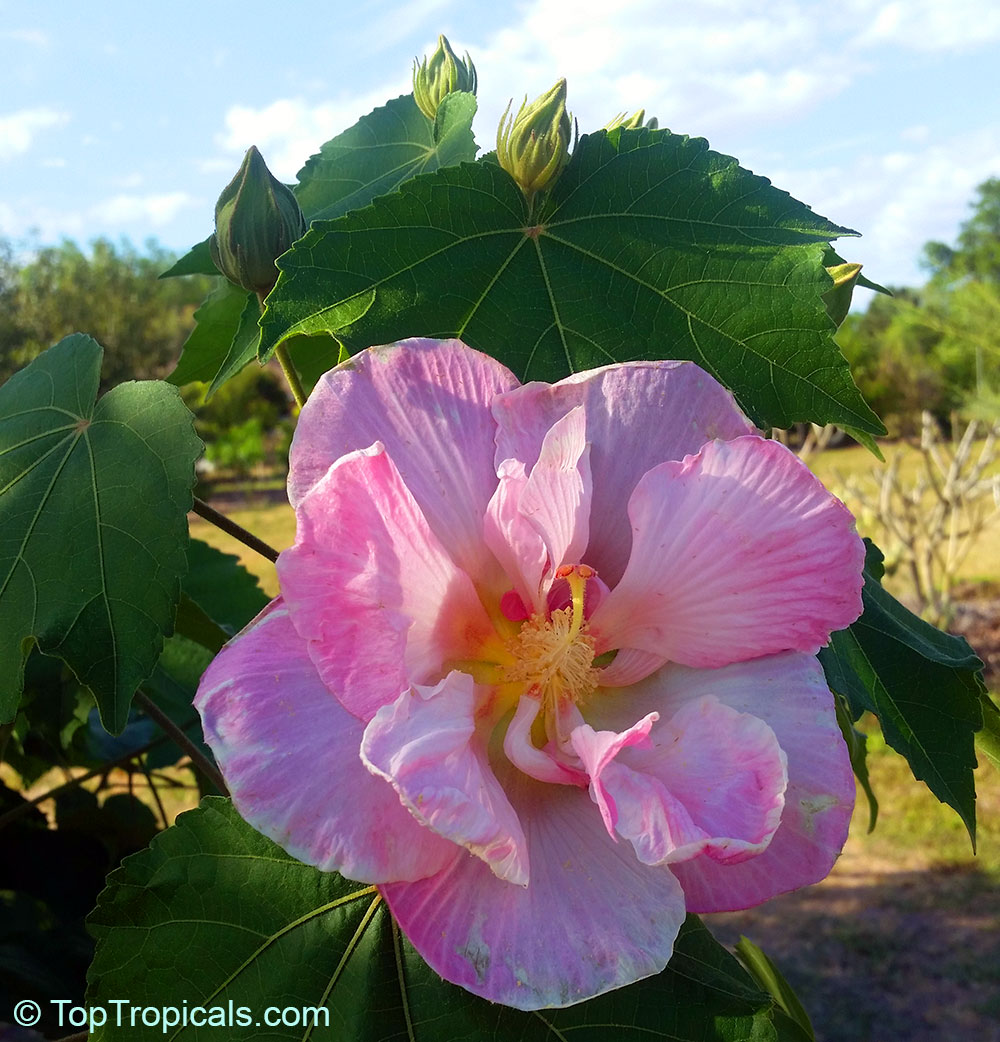
- Cotton Candy Hibiscus mutabilis - the flower changes color, opens as white and turns
into bright pink within 3 days, like Yesterday-Today-Tomorrow
Among gardeners, Hibiscus plants have a reputation to have couple
maintenance issues:
1) they can get bugsy (because they must be so tasty!)
2) they can get leggy, especially fancy grafted cultivars, and after a
while they don't look as perfect as when they came from a nursery.
4 tips for healthy and pretty hibiscus plant
1. Full sun. Essential for profuse flowering and keeps away
diseases. 2. Pruning. Keep it pruned and it will get bushy and produce more
blooms. 3. Well-drained soil. Hibiscus likes regular watering but hates wet
feet. 4. Nutrition program. Hibiscus plants are heavy feeders. But keep in
mind that if you just keep pushing granulated plant food, you can
over-fertilize the plant. Excessive salts will accumulate in soil and you will end up
with a sickly looking plant.
Keys to balanced plant food and bloom booster
1) Use liquid fertilizer, preferably amino acid based, it won't create
nutrients lock up
2) Fertilize on regular basis, it's better dilute concentration and add
food with every watering
3) Always add micro-elements - they are essential for plant health
If you do this part right, the result will be:
- healthy, green plants, like they just came from a nursery
- reliable blooming circle
- better cold tolerance and disease resistance. Remember that a strong
plant will be less stressed and less "bugged" by bugs!
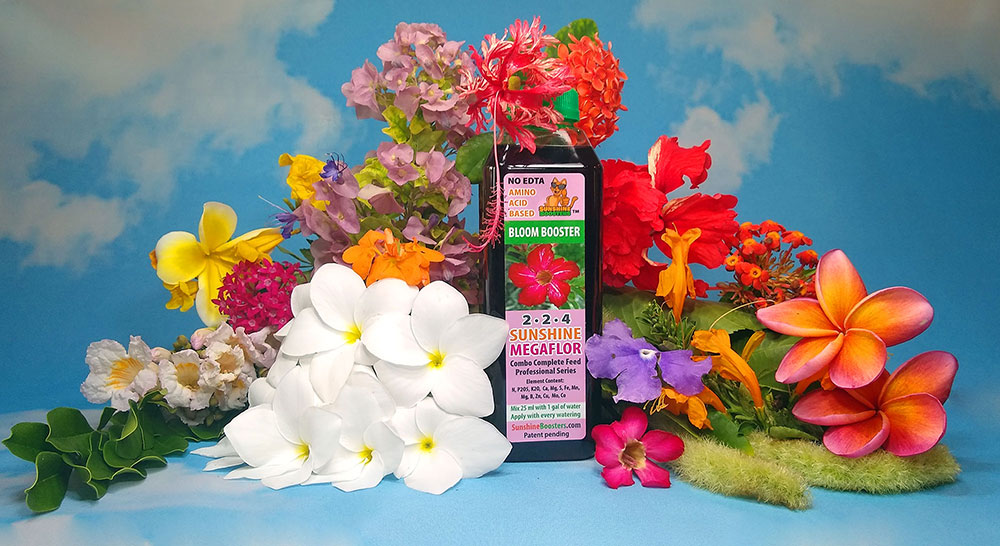
We always suggest Sunshine Boosters - scientifically balanced liquid fertilizers that are
amino acid based = they are natural and organic, can be used for both
flowers and edibles, and what's most important - year around. They are safe to use
virtually with every watering.
This is all you need for healthy plants and lots of
flowers!
Date: 6 Nov 2023
Cat
Horoscope
Scorpio Zodiac Cats 10/24-11/21
By Alex Butova, the Witch of Herbs and Cats
In the photos: Typical Scorpio cat Sonya, born 11-4-2010.
How to know the astrological sign of your cat?
The astrological sign of a cat can be determined by either their date of
birth or adoption, as adoption is often considered a second birth for
cats...More >>
Love all around them, be
they cats, other animals, or humans...
Scorpio Cats exhibit a profound passion for life and love, extending not
only to their own romantic affairs but also to the relationships of those
around them, be they cats, other animals, or humans. These feline individuals
thrive on being intricately involved in everything...
Scorpio Cats are inclined to assert dominance in any situation...
Scorpio Cats are known for their intense focus. Once they set their
sights on something, they pursue it relentlessly, demonstrating fearlessness and
a confrontational spirit...
One of the most distinctive traits of Scorpio Cats is their unwavering
fidelity and loyalty. You've heard stories of cats separated from their
families who travel miles to get back to them? They were probably all
Scorpios!..
Scorpio Cats harbor a fondness for tall flowering shrubs and fragrant
creepers with large blossoms. They possess a unique connection to scents, and
while ordinary cats may recoil from potent odors, Scorpio Cats exhibit a
particular affinity for select aromatic plants. For instance, while most cats are drawn to Catnip
(Nepeta cataria) and Valerian root (Valeriana officinalis), Scorpio Cats go wild
for the fragrances of
Patchouli and
Chinese Perfume Plant (Aglaia odorata). Even female perfumes containing oils
from these plants bring the Scorpio Cat bliss, as they savor the scent and
affectionately attend to the "mistress" of this aroma...