NEW VIDEO:
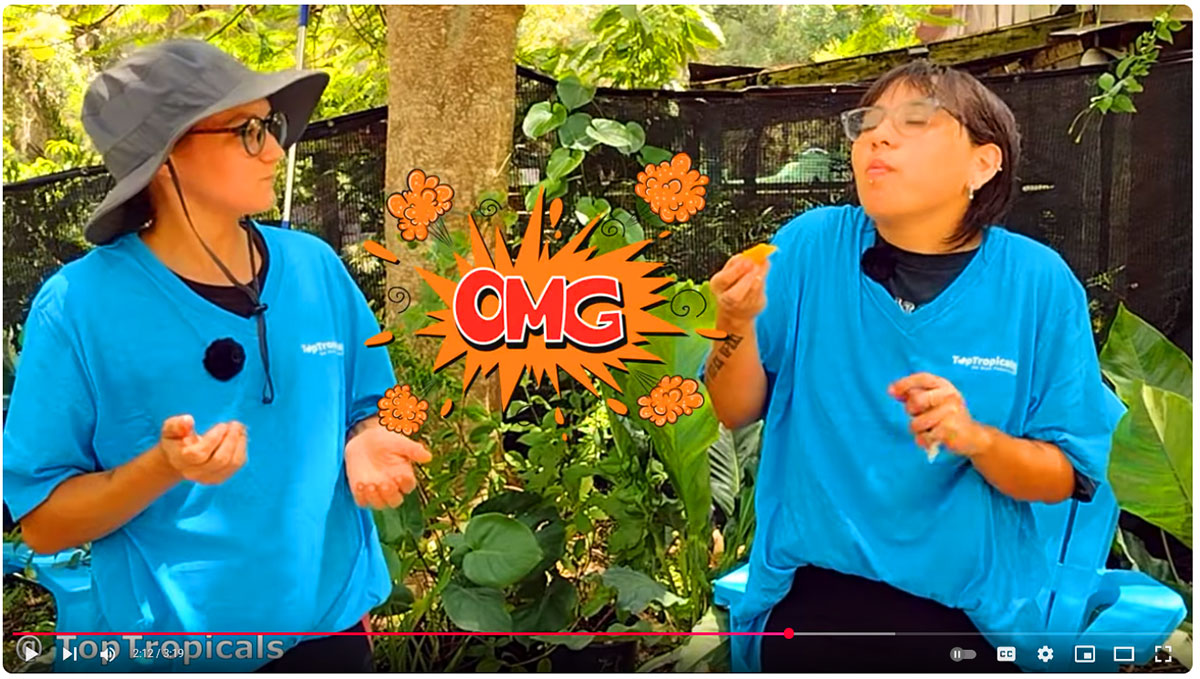
How to cut a mango without making a mess
Ever wonder how to cut a mango without getting juice everywhere? We've
got a trick that's soooo simple! You'll wish you knew it sooner!
In our newest video, Chiane and Ashley from the Top Tropicals team
aren't just slicing mangoes - they are diving into a full-on mango tasting
adventure. You'll get a peek at some of the most mind-blowing mango varieties you
probably didn't even know existed! From buttery-smooth to crisp and tangy.
Watch now to discover your
new favorite mango - and maybe a new way to enjoy it, too 😻
Do Fruit Trees Increase Property Value? Tropical Plants That Pay Off
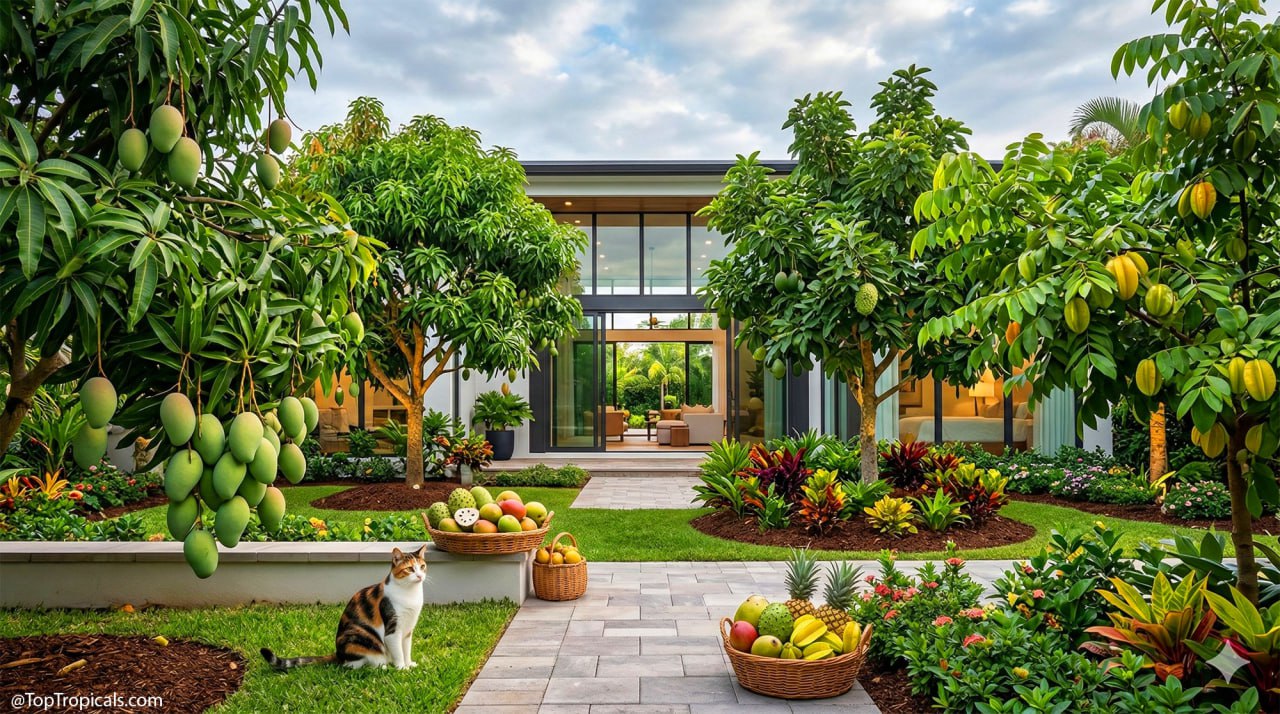
Yard with fruiting tropical trees
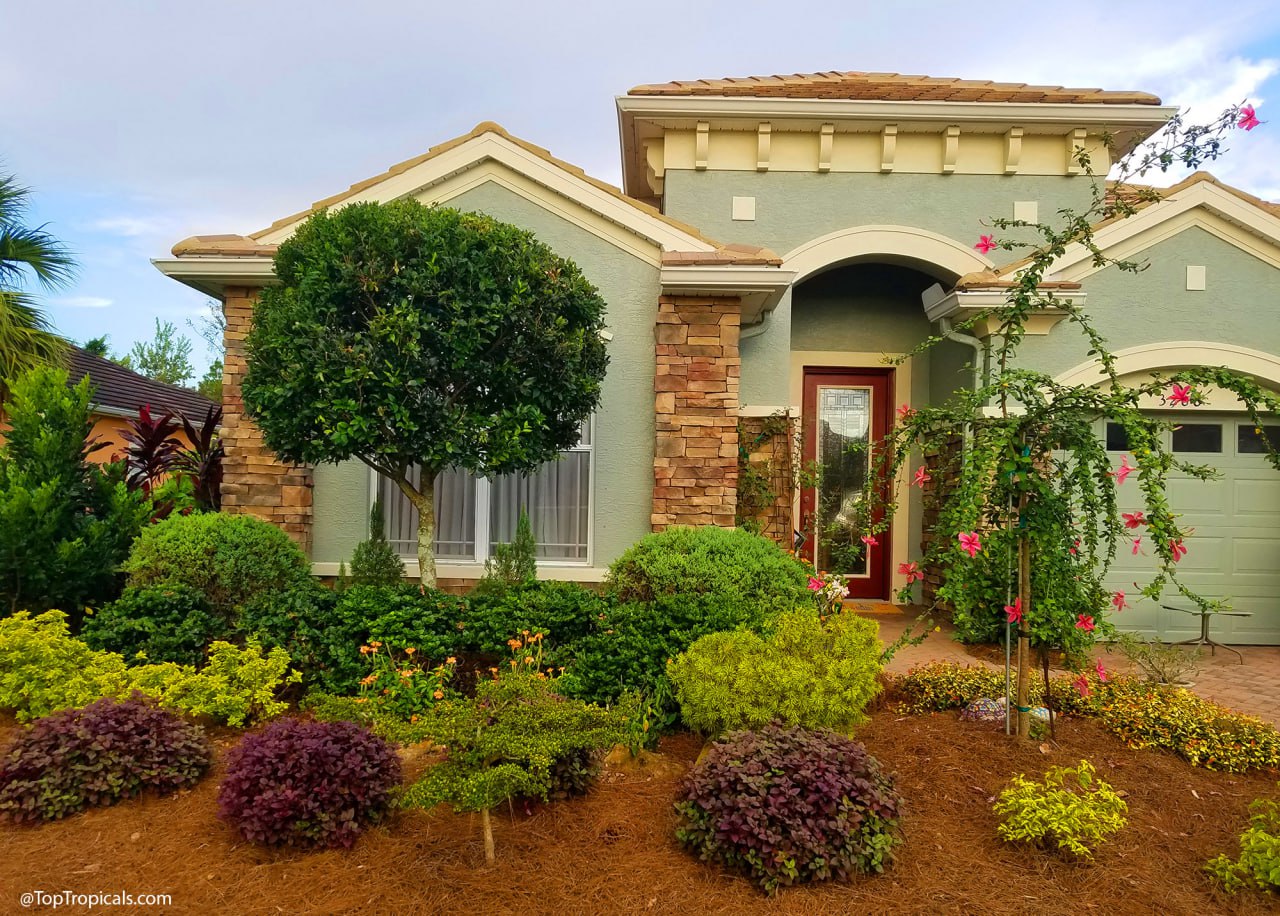
Landscaped yard in Florida
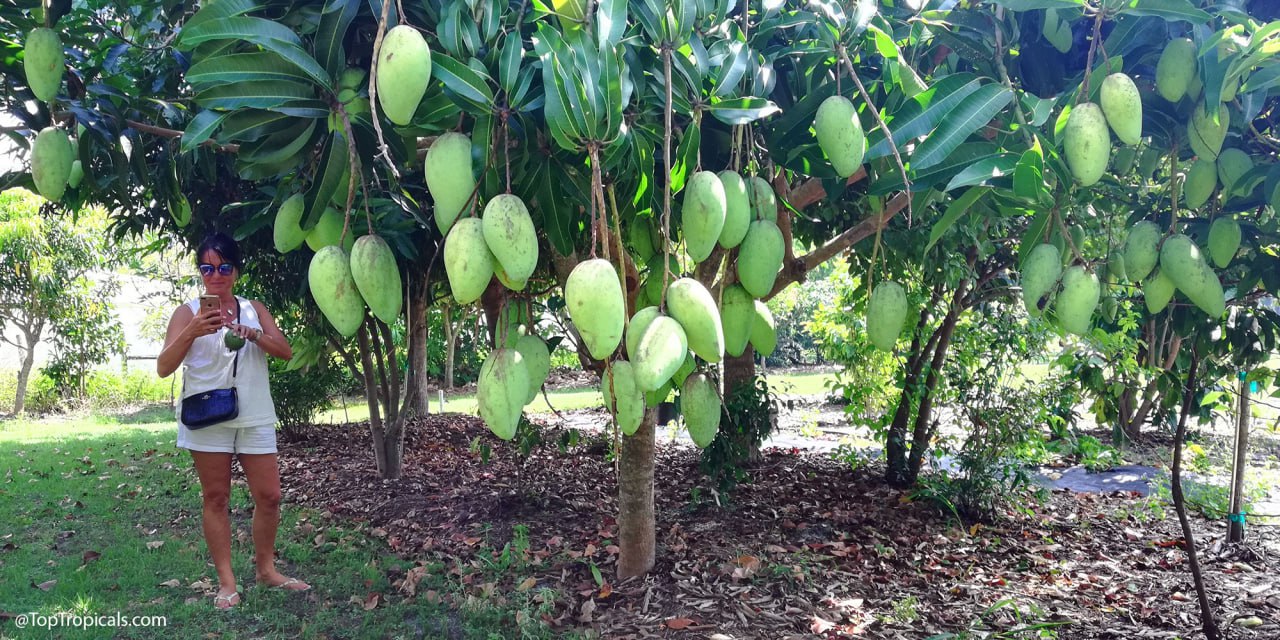
Mango tree fruiting in the garden
Do Fruit Trees Increase Property Value? Tropical Plants That Pay Off 🏡
Can your backyard pay for itself? Learn which 12 tropical fruit trees real estate experts say are the smartest investment for your landscape. Discover how tropical fruit trees like mango and avocado add "edible equity" and curb appeal to your property, making it more desirable to future buyers. Turn your yard into a private paradise that lowers grocery bills and boosts home value.
In warm climates like Florida, a mango tree isn't just landscaping - it’s a food-producing asset. Mature tropical fruit trees offer "edible equity," saving homeowners hundreds in grocery bills while creating a unique, memorable aesthetic for buyers.
Mango Plant Facts
Botanical name: Mangifera indica Also known as: Mango
USDA Zone: 9 - 11
Highligths
🥭 1. Focus on "Instant Recognition" Favorites
Trees buyers already know and love provide the strongest ROI. They signal that the yard is already productive - something new builds can’t offer.
• Top Picks: Mango, Avocado, Papaya, Banana, Guava, and Loquat.
Avocado Plant Facts
Botanical name: Persea americana, Persea gratissima Also known as: Avocado, Alligator Pear, Aguacate, Abacate
USDA Zone: 9 - 11
Highligths
• The Value: A single mature avocado or mango tree can yield hundreds of pounds of fruit annually.
🥭 2. Create a "Memorable Discovery" with Exotic Varieties
Unusual fruits turn a standard yard into a tropical orchard, acting as a conversation piece during home tours.
• The Exotic List: Jackfruit, Sugar Apple, Soursop, Sapodilla, Ice Cream Bean, and Star Fruit.
🥭 3. Strategic Placement for Energy Savings
Large-canopy trees like jackfruit or mango do more than provide food; they act as natural insulation.
• Natural Cooling: Strategic planting reduces afternoon sun exposure and lowers AC costs. • Indoor/Outdoor Flow: Use trees to frame window views, block neighbors, and create private "outdoor rooms."
🥭 4. The Power of the "Mini Orchard"
A collection of 3–5 trees creates a stronger emotional pull than a lone plant. Buyers begin to visualize a lifestyle of smoothies and harvests.
• Winning Combos: Mango + Avocado + Papaya or Guava + Star Fruit + Banana.
🥭 5. Maintenance: Health Equals Value
Fruit trees only add value if they look manageable. A neglected tree suggests a neglected home.
• Pre-Sale Prep: Prune for tidiness, mulch the base, and clear fallen fruit. • Spacing Matters: Avoid overcrowding; ensure buyers can walk comfortably through the yard without feeling "closed in."
🥭 The Long-Term Play
Unlike decorative plants that may need frequent replacement, fruit trees appreciate over time. Because a mango tree takes years to reach peak production, the best time to plant for future resale value is now. By the time you list, your yard will offer shade, privacy, and a harvest that buyers find hard to resist.
What Mango fruits year around? Xosi Tu Quy - Four Seasons crisp Vietnamese mango perfect green or ripe
Xosi Tu Quy, Jin Huang - Four Seasons crisp Vietnamese mango
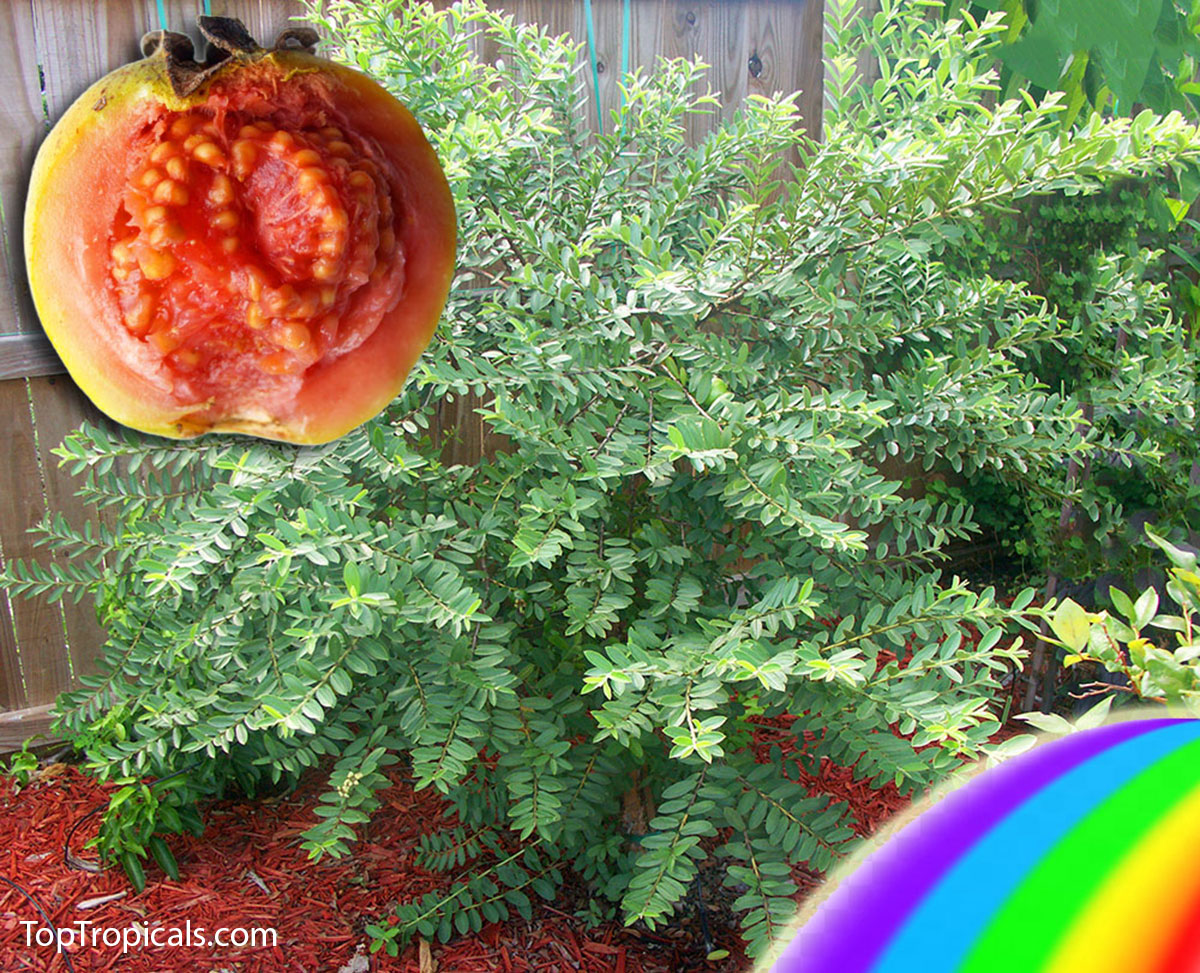
What Mango fruits year around? Xosi Tu Quy - Four Seasons crisp Vietnamese mango perfect green or ripe. Mango Rainbow🌈
🥭Xosi Tu Quy, Four‑Seasons, or Jin Huang, is a Vietnamese variety celebrated for its ability to flower and fruit multiple times annually. It produces medium-to-large, bright yellow, firm, fiber‑free fruit with a small seed and crisp, mildly sweet flesh. Ideal for green-eating and pickling, it also ripens to a gentle sweetness with floral-honey nuance. The tree grows vigorously with a dense canopy and shows good resistance to anthracnose - perfect for warm, humid, tropical or subtropical yards. In Florida it typically fruits May-August, possibly longer in ideal conditions.
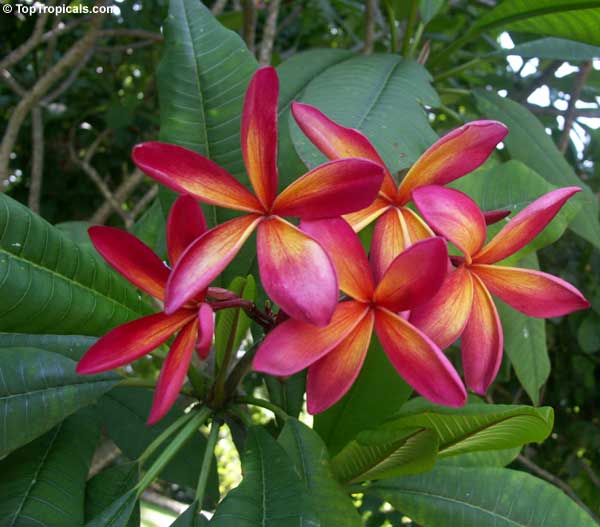
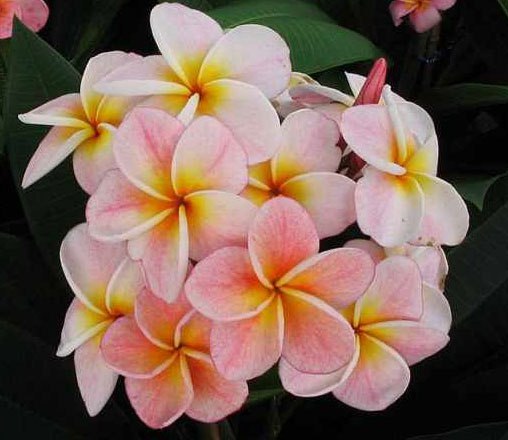
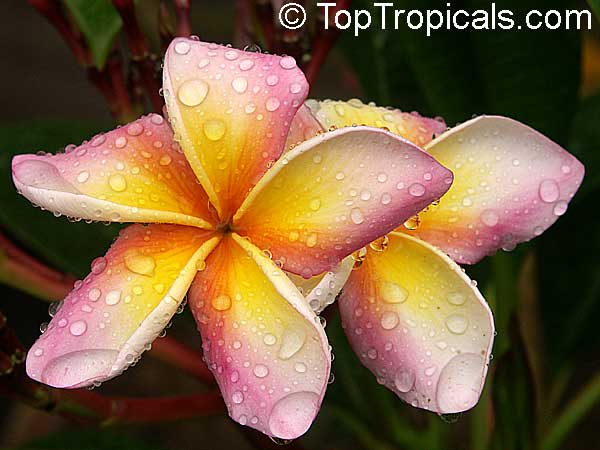
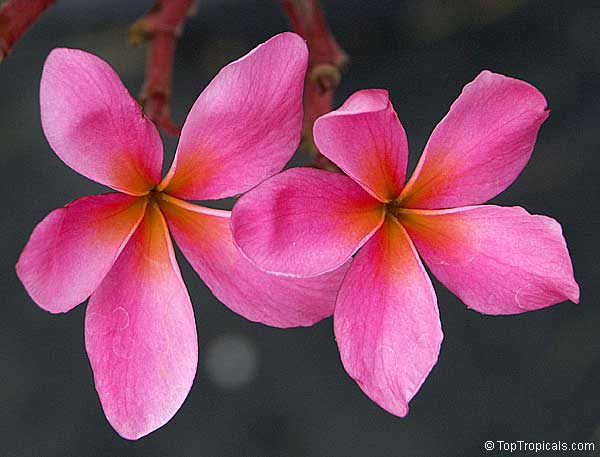
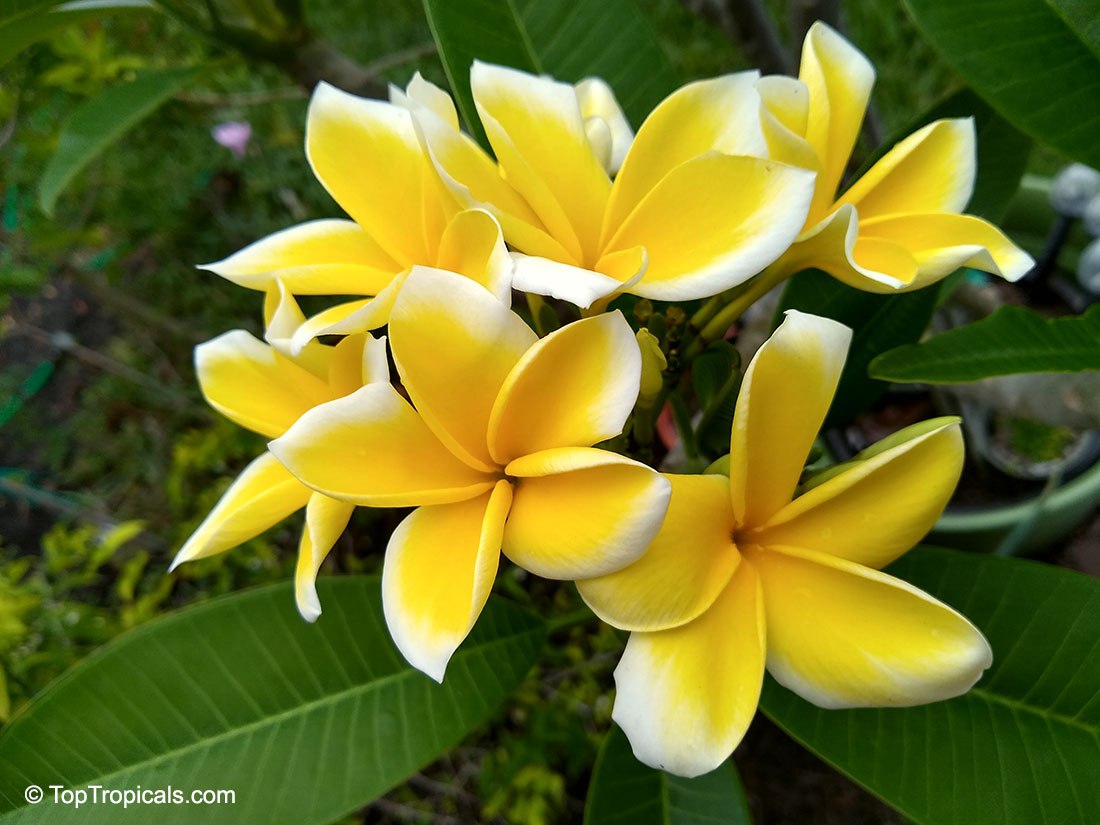
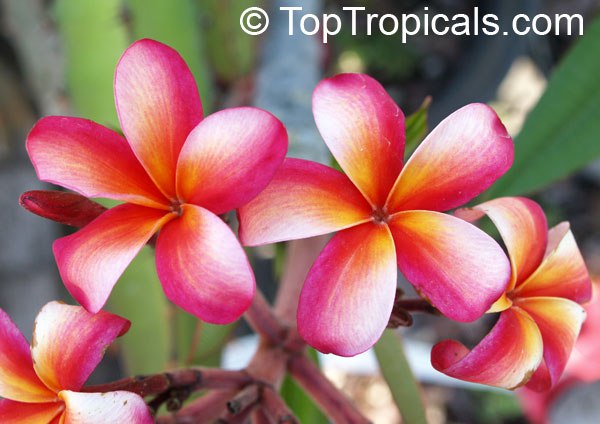
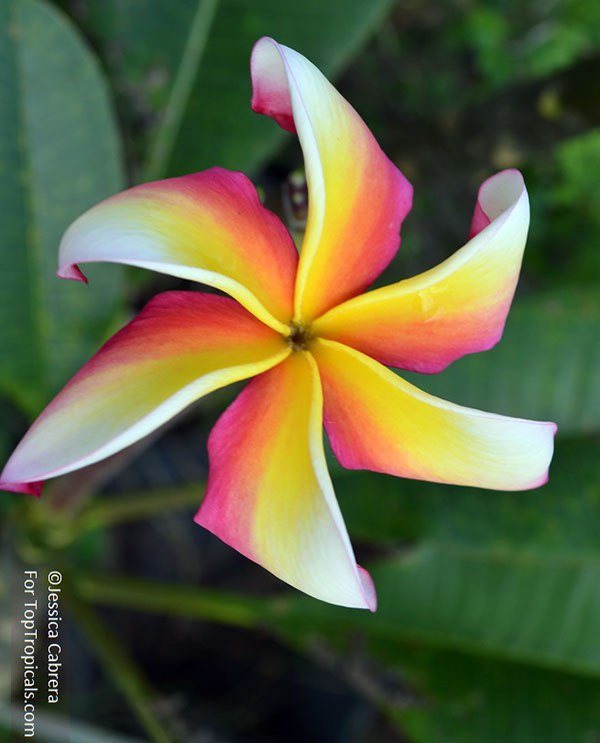
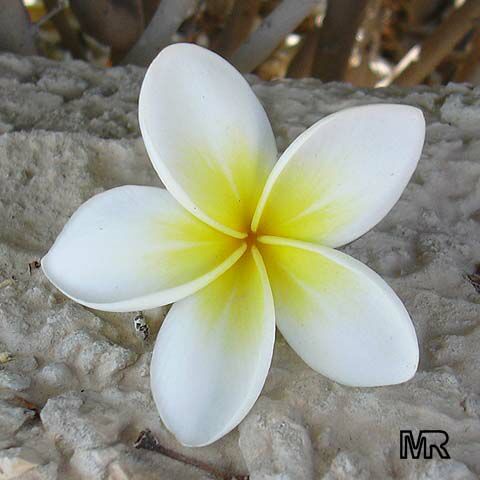
5 simple rules how to grow a fragrant Plumeria tree and make it bloom for you, just like on the pictures
Plumeria, Frangipani red rainbow
Plumeria, Frangipani pink rainbow
Plumeria, Frangipani rainbow
Plumeria, Frangipani dark pink
Plumeria, Frangipani yellow
Plumeria, Frangipani red rainbow
Plumeria, Frangipani rainbow
Plumeria, Frangipani white
🌸 5 simple rules how to grow a fragrant Plumeria tree and make it bloom for you, just like on the pictures.
1 Soil must be well-drained: use potting mix with good amount of perlite, bark, and coconut fiber. We recommend Sunshine Abundance professional soil mix for best results.
2 Container must be the size of the root ball and not much bigger, to avoid water-logging. Plumeria likes dry conditions. Water only when the soil gets slightly dry.
3 Full sun is a must. If grown indoors, keep the plant in the brightest spot and take it outside for the sun bathing when possible.
4 Dormancy in winter: this little tree drops leaves during winter. When it happens, reduce water to the minimum and let your Plumeria rest until it starts sprouting new leaves.
5 Fertilize for the most profuse flowering with a plant food that is high in Phosphorus. Plumeria is a heavy feeder. We recommend Sunsine Megaflor Bloom Booster liquid fertilizer - it can be used with every watering and year around.
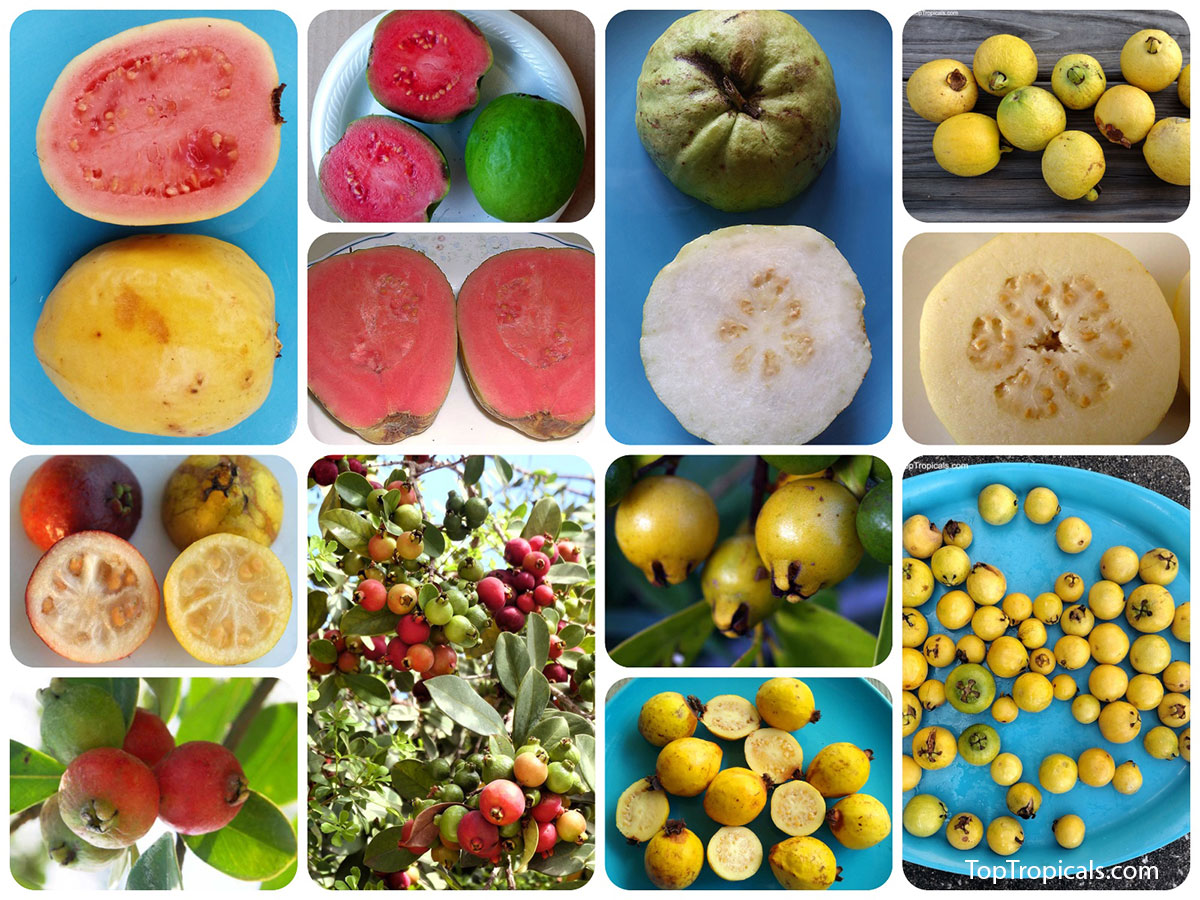
Guava varieties: Pink flesh (upper left quarter), White flesh and Cas
(upper right quarter), Red Cattley Guava (bottom left quarter) and Golden
Cattley (bottom right quarter).
Let’s talk Guava. Few fruits check as many boxes: flavor,
productivity, health, and adaptability. We’ve grown guava trees at Top
Tropicals for years here in Florida, and it never fails to surprise people
with how
easy it is — and how quickly it rewards you.
🌿 Health Benefits
We know the first question:"Why guava in addition to all the other
fruit trees I could plant?"Because guava is one of the healthiest tropical
fruits you can eat and grow — and it produces faster than almost
anything
else.
Vitamin C powerhouse — guava has four times more vitamin C than
oranges. One fruit covers your daily needs and then some.
Potassium and fiber — good for balancing blood pressure and
keeping your heart strong.
Antioxidants like lycopene and vitamin C — these keep your skin
glowing and help protect your cells from damage.
Dietary fiber — aids digestion and helps keep blood sugar
steady.
Guava is a true"food as medicine"tree you can plant right in your
backyard or in pot.
♥️ Our Favorite Varieties are Available Now
We currently have a DOZEN excellent guava varieties in stock selected by
our plant expert Tatiana Anderson — something special for every
garden. Our top picks are:
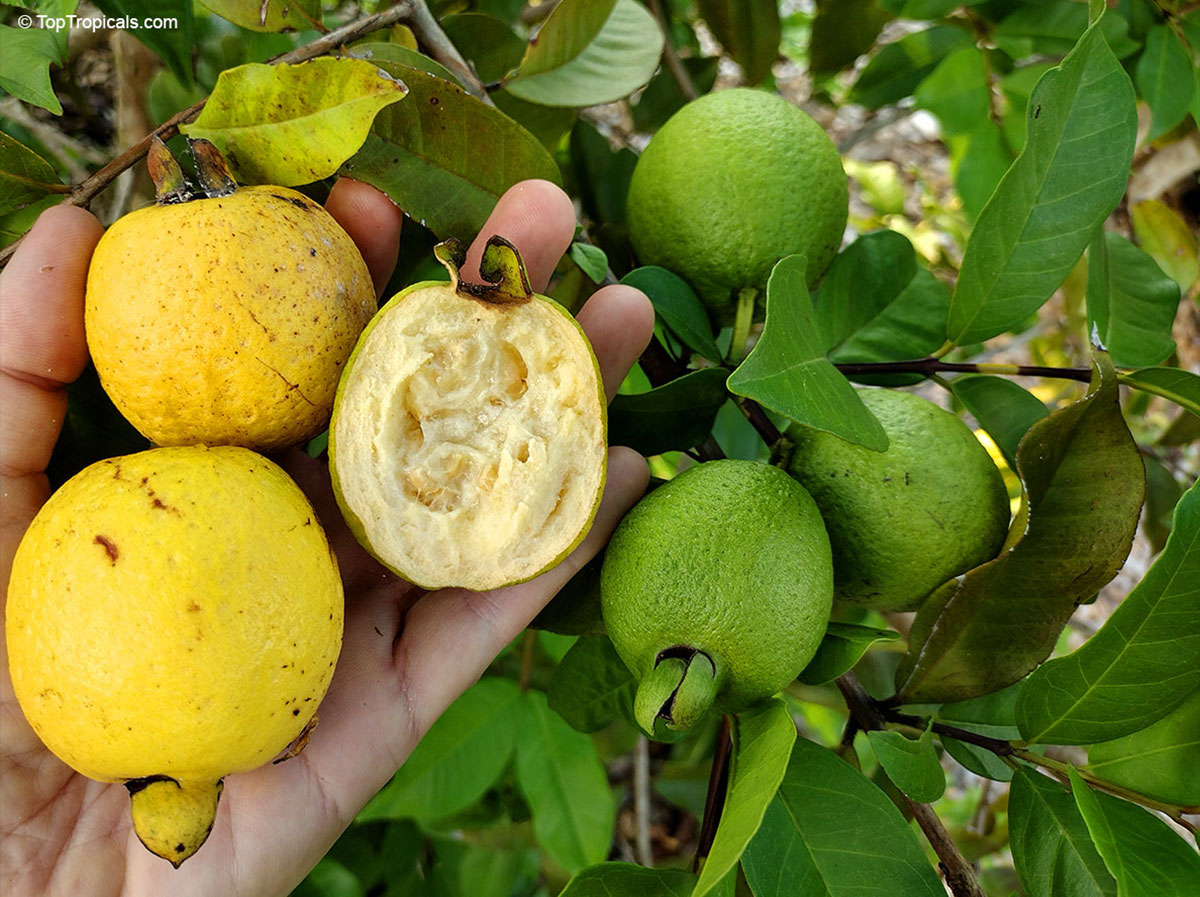
Pink Guavas
Barbie Pink
– Yellow pear-shaped fruit with thick pink flesh, sweet and juicy.
Cold
hardy for a tropical fruit. The best seller.
Hong Kong
– Large, round, smooth pink fruit. Sweet flavor, very few seeds, and
very
productive.
Tikal
– Our top pick. Fast-growing, disease-resistant, and produces the
sweetest
pink guavas with very few seeds.
White Guavas
Indonesian White
– Aromatic, classic white-fleshed guava with an excellent
tropical flavor.
Kilo White
– Giant fruit up to 2 lbs (1 kilo) each! Few seeds, creamy white
flesh,
and fruits even in containers.
Brazilian Araca
Pera – Rare hybrid used for Guava Wine in Brazil. Tart,
concentrated juice makes excellent wine, sorbet, or jelly. Learn more...
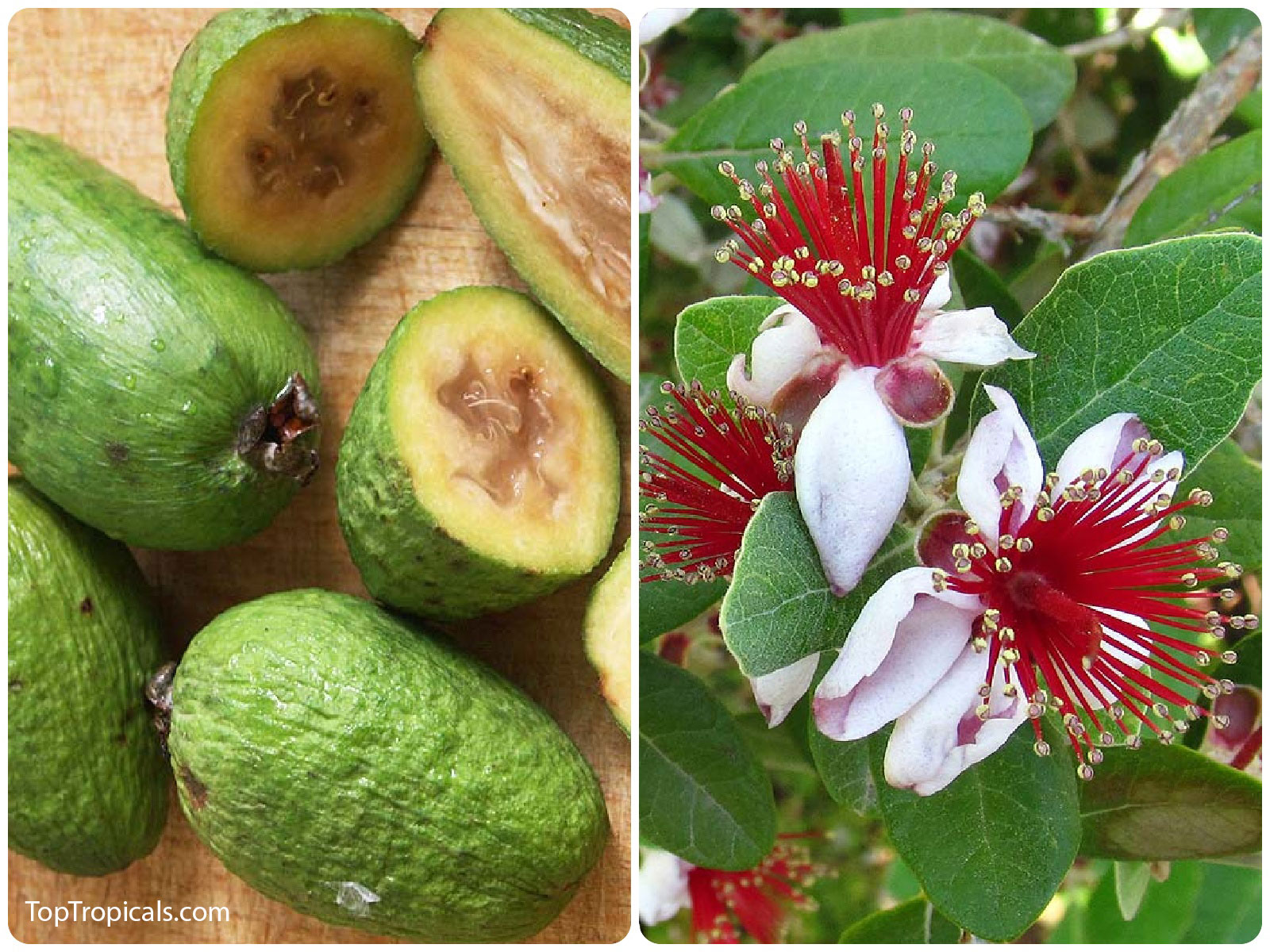
Pineapple Guava,
Guavasteen – Feijoa sellowiana. Strongly perfumed fruit, best
enjoyed when the pulp is mixed with sugar – like forest strawberries.
Cold-hardy, tolerates freeze, and doubles as a great windbreak. Learn more...