Garden Blog - Top Tropicals

Date: 15 Jul 2025

🌱 Bigger Trees, Bigger Benefits
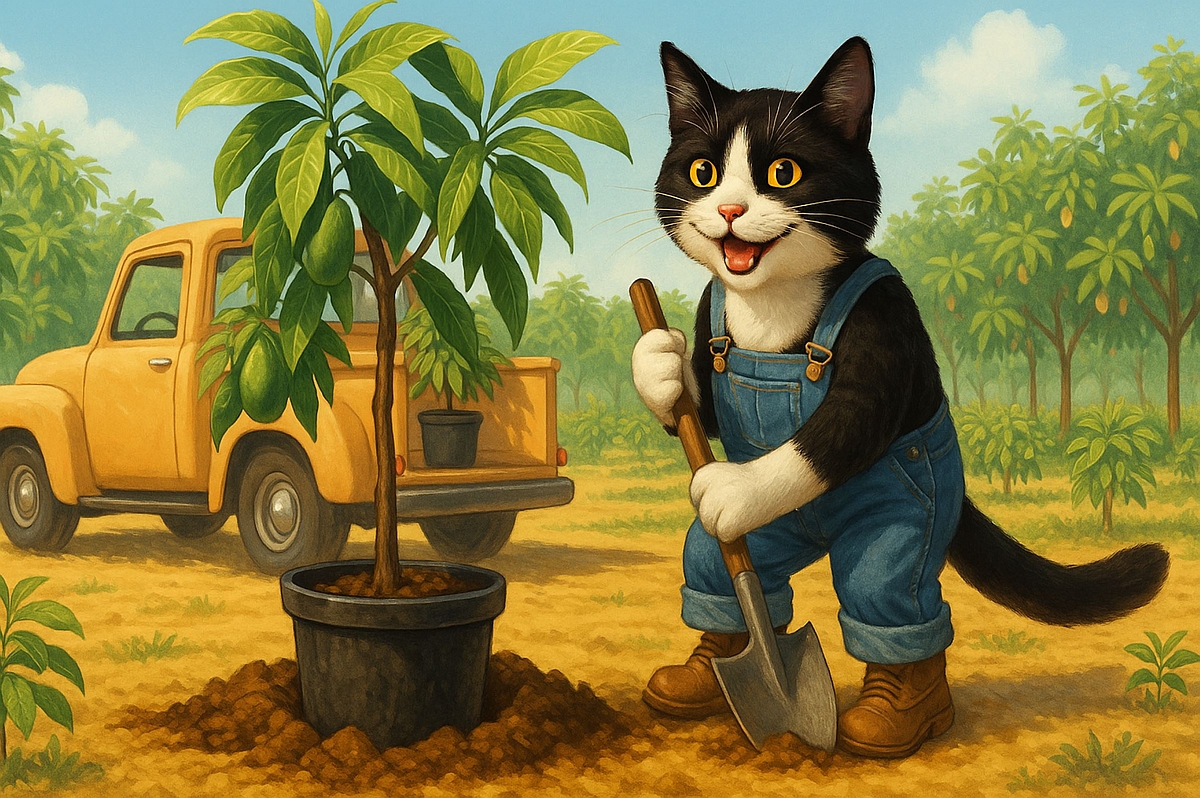
Fruiting  Mango  and  Avocado  Tree  Installed

Why Choose a 15 or 25-Gal Tree?

These are not starter trees — they’re mature, fruiting specimens that give you a head start in your garden or orchard. You’ll enjoy faster harvests, fuller canopies, and a more immediate impact on your landscape.

Top Reasons to Choose a Bigger Tree:

  • Already fruiting – enjoy your own mangos or avocados right away
  • Pre-trained and shaped for strong structure and balanced growth
  • Instant results in the yard – no years of waiting
  • Thicker trunks and stronger roots make transplanting easier

We make it easy for Florida gardeners:

  • Pickup available at two South Florida locations
  • Local delivery and installation services offered – just ask!
See installation and delivery details
Read More Garden Tips

Date: 26 Oct 2025

Plant a fruit tree - and breathe easier: fruit might be the surprising key to healthier lungs

Plant a fruit tree - and breathe easier: fruit might be the surprising key to healthier lungs

🍒 Plant a fruit tree - and breathe easier: fruit might be the surprising key to healthier lungs


  • 🥭 Fresh fruit doesn’t just taste good - it can literally help you breathe better!

  • 🥭 A new study presented at the European Respiratory Society Congress found that women who ate at least four portions of fruit a day had slower declines in lung function compared to those who ate less. Researchers believe antioxidants in fruit may help protect the lungs from the damaging effects of air pollution.

  • 🥭 Air pollution is everywhere, and more than 90% of people worldwide are exposed to levels above safe limits. But the good news is, your diet can make a difference. Fruits are packed with antioxidants and anti-inflammatory compounds that help your body fight off the oxidative stress caused by tiny airborne particles.

  • 🥭 The study showed that women who ate plenty of fruit had stronger lungs despite being exposed to fine particulate pollution (PM2.5) from cars and industry. The difference wasn’t small either - their lung capacity dropped significantly less over time than in those with low fruit intake.

  • 🥭 So planting fruit trees isn’t just about homegrown flavor or saving a trip to the store. It’s about protecting your health in a polluted world. Whether it’s mangoes, avocados, guavas, or starfruit, every harvest brings you cleaner nutrition and a cleaner breath of life.


🛒 Grow fruit - grow your health

📚 Learn more:
#Food_Forest #Remedies #Discover

🟢 Join 👉 TopTropicals

Date: 28 Oct 2025

Before opening a jar, see where the natural peanut butter comes from!

Peanut Butter Tree (Bunchosia argentea)

Before opening a jar, see where the natural peanut butter comes from!

  • Peanut Butter Tree (Bunchosia argentea) is a small tropical tree with one of the most surprising fruits on earth. Its red, fleshy berries taste just like peanut butter - creamy, nutty, and sweet, with a texture that melts in your mouth. No nuts, no sugar, no processing - just pure tropical flavor, straight from nature!
  • Native to Central and South America, this rare fruit has been a favorite among tropical fruit collectors for decades. The tree stays compact, reaching only about 8-10 feet tall, and can even be kept as a bush. It's perfect for small gardens, patios, or large containers, and it can thrive indoors with enough light. Within just 2 to 3 years from seed, it begins to reward you with clusters of yellow flowers followed by rich, red fruits that taste like peanut butter candy.
  • The fruit isn't just fun - it's healthy, too. It's rich in antioxidants, vitamins, and beneficial plant compounds that support the immune system and overall wellness. Kids love it, adults can’t stop talking about it, and gardeners love how easy it is to grow.
  • If you’re looking for something truly unique - an edible curiosity that sparks conversation and delights the taste buds - the Peanut Butter Tree is the one. Grow your own, and the next time someone opens a jar of peanut butter, you can smile and say, "Mine grows on a tree!"


🛒 Try the real peanut butter fruit

📚 Learn more:


📱 How to grow the Amazing Peanut Butter Tree - in one short video

#Food_Forest #Nature_Wonders

🟢 Join 👉 TopTropicals

Date: 30 Oct 2025

Before you open a bottle of wine,

Jaboticaba (Myrciaria cauliflora)

🍷Before you open a bottle of wine, meet the Secret Wine Tree from Brazil
  • 🍷Jaboticaba (Myrciaria cauliflora) grows grapes right on its trunk! It's one of Brazil’s most fascinating and beloved native fruits. Its name alone sounds exotic, but wait until you see it in fruit: shiny, grape-like berries bursting straight from the bark!
  • 🍷 Jaboticaba is the source of the famous Brazilian wine Vinho Tinto de Jabuticaba. The fruits are small, dark purple, with a thick skin and a sweet, melting pulp that tastes a lot like black currant. They can be eaten fresh, made into jams, or fermented into homemade wine with an incredible aroma and rich color.
  • 🍷 Jaboticaba tree is slow-growing and compact, often used as a bonsai because of its small leaves and graceful shape. But patience pays off - mature trees covered in purple fruits are absolutely stunning! The fruiting habit, called cauliflory, means the fruits grow directly from the trunk and main branches, creating a truly one-of-a-kind look.
  • 🍷 Jaboticaba trees can handle some cold (down to mid-20's once mature), don't mind wet rainy seasons and can be grown in containers in cooler areas. They make beautiful landscape trees and conversation starters wherever they’re planted.
  • 🍷 If you've ever dreamed of making your own wine from fruit grown in your backyard, this is the tree for you. Jaboticaba isn’t just a plant - it's an experience, a piece of Brazil's culture, and a living work of art that rewards patience with magic.


🛒 Grow your own wine from Jaboticaba Tree

📚
Learn more:


#Food_Forest #Nature_Wonders #Container_Garden
🟢 Join 👉 TopTropicals

Date: 5 Nov 2025

How to protect Avocado from cold and how hardy is it?

Avocado tree fruiting indoors

Avocado tree fruiting indoors

❄️ How to protect Avocado from cold and how hardy is it?


Growing Avocado trees in cooler regions is possible with the right variety and care. By choosing Cold Hardy types and protecting them during cold spells, you can successfully grow avocados outside tropical climates. The more mature your tree, the better it handles the cold.
  • ❄️ What is Avocado cold hardiness?


    Most Avocados are sensitive to frost, but some Mexican varieties can survive lows around 15°F once established, and brief dips near 10°F with good care.


👉 Cold tolerance depends on:

  • Duration of cold: Short freezes are easier to survive.
  • Sun exposure: More sun means better cold resistance.
  • Wind protection: Wind can do more harm than temperature alone.
  • Tree health: Regular fertilization, such as Sunshine Boosters, helps strengthen plants.


❄️ How to protect avocados from cold

  • Bigger is better: Mature trees resist cold better than young ones.
  • Wind protection: Plant on the south or southeast side of a building for warmth.
  • Good fertilization: Healthy trees are stronger and more resilient.
  • Watering: Water less in winter; overwatering in cold weather can cause root rot.


❄️ Protection for young plants

  • Cover and mulch: Before a freeze, mound mulch around the base and cover with a blanket. Add Christmas lights or a small heater for extra warmth (use caution).
  • Use microclimates: Plant near walls or buildings where it’s warmer and wind is reduced.


With a little planning and protection, you can enjoy fresh avocados even in cooler climates!

✔️ Check outAvocado Variety Guide interactive chart. Sort them by flower type A or B, tree habit, fruit shape and quality, cold hardiness, origin, season and more!

🛒  Shop Cold Hardy Avocados

📖 Our Book: Avocado Variety Guide, Snack or Guacamole?

📚 Learn more:


#Food_Forest #Avocado #How_to

🟢 Join 👉 TopTropicals