Date: 13 Mar 2020
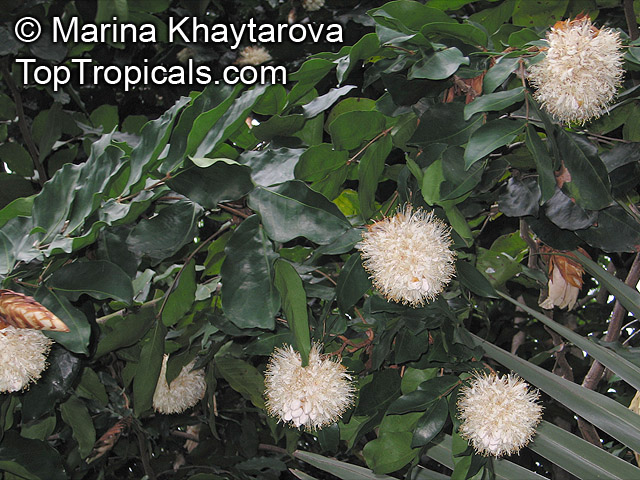
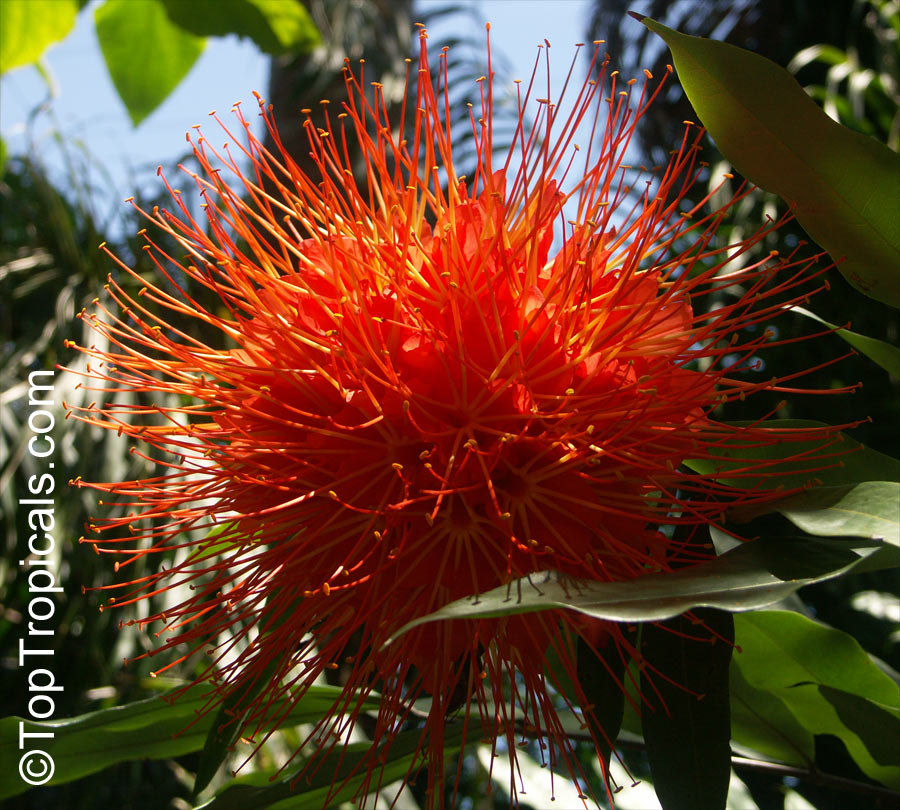
The stunning beauty of Brownea
by Mark Hooten, the Garden Doc
Recently, while admiring the stunning beauty of a large flowering Brownea planted on the grounds here at Top Tropicals, I began wondering why these most splendid of tropical flowering trees remain so rare and obscure in South Florida. Much of our local climate seems perfectly conducive to their cultivation...
CONTINUE READING >>

Date: 23 Jan 2020
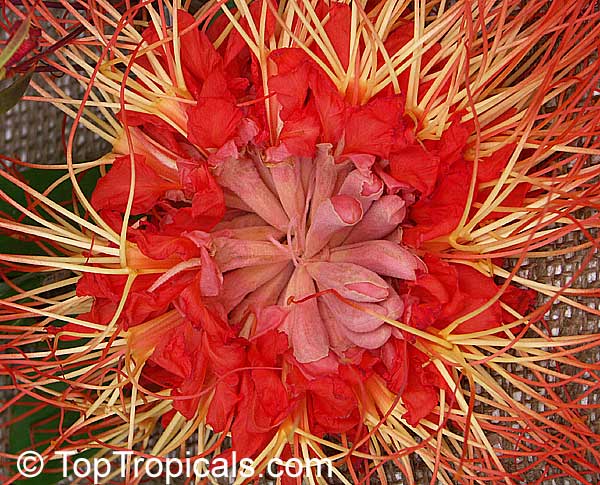
Datura: a fragrant treat for tropical or indoor garden
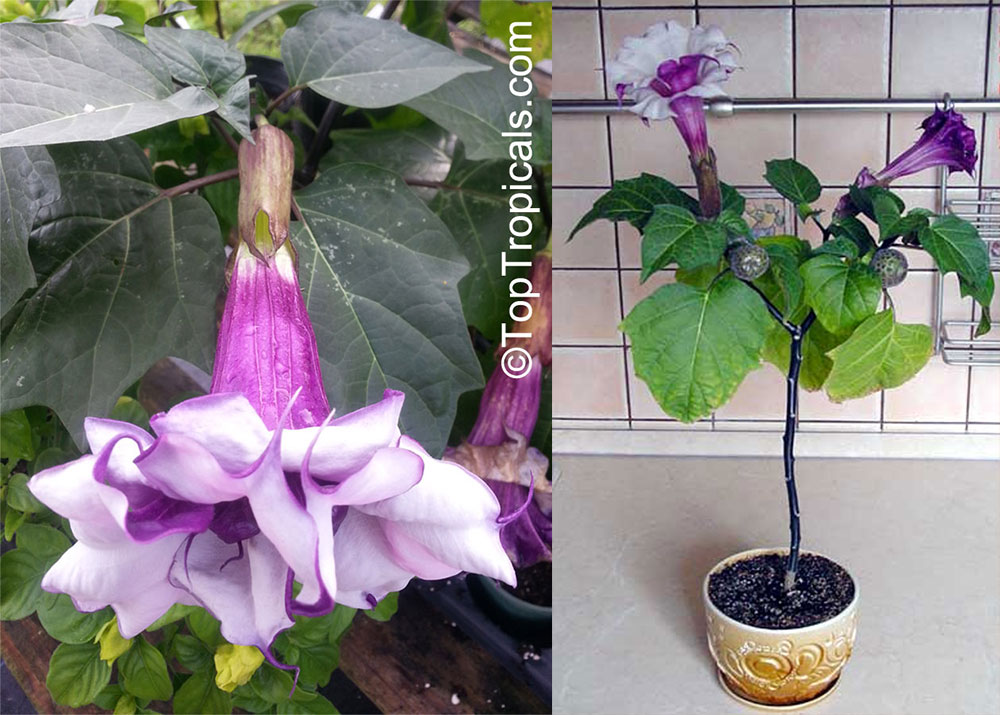
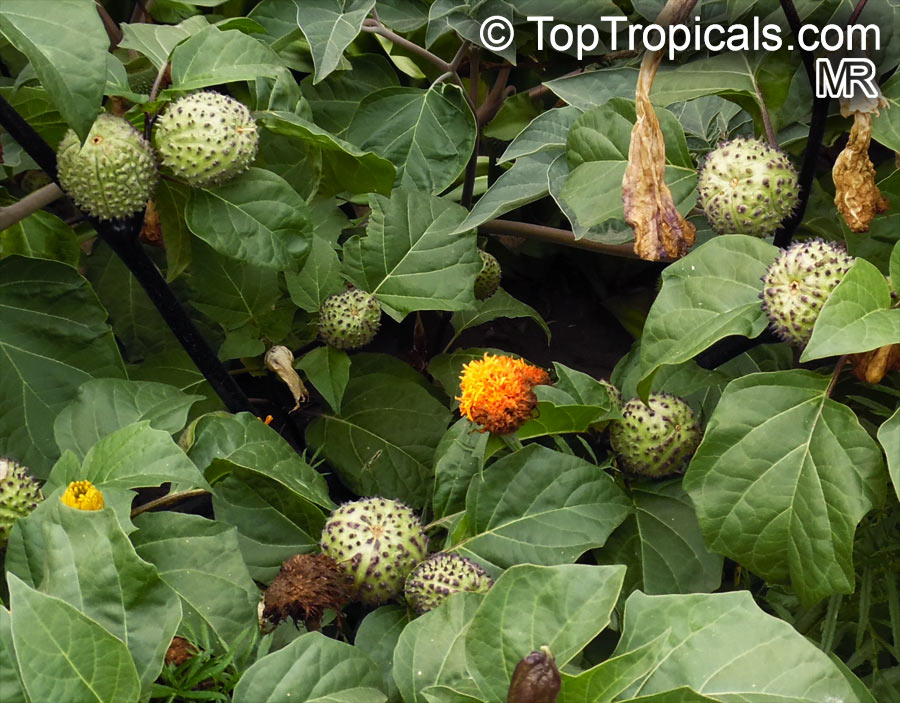
Q: A few years ago I purchased Datura from you and it was doing well. As a matter of fact I took cuttings and propagated new plants. Now they have markings on the leaves and I do not know what it is. Any remedy?
A: Generally, Datura is a bi-annual plant, unlike its close
relative perennial Brugmansia that grows for many years. Which means, Datura is
short-lived (2-3 years maximum for the same plant) although it seeds easily and
is a very fast grower, reaching from seedling to 4-5 ft size in a matter of
couple months.
At this time of the year, markings on the leaves may be a result of normal
aging (the plant may already exhausted its natural cycle) in combination with
a cool weather that affects the leaves and overall look.
Here at Top Tropicals we especially love this plant and keep up with
propagating new plants every few months. Propagation may be by means of seeds or
cuttings, but seeds are always better for stronger, longer-lasting Datura
specimens. A lot of times you will notice little baby seedlings around the Mother
plant, even if you think all seeds has been harvested.
Just continue growing younger plants from seeds, and Datura will always be
with you in your garden to bring you joy of showy scented flowers. It makes a
great houseplant too!

Date: 19 Jan 2020
The Rolls Royce of House Plants: Medinilla
by Onika Amell, tropical plant expert
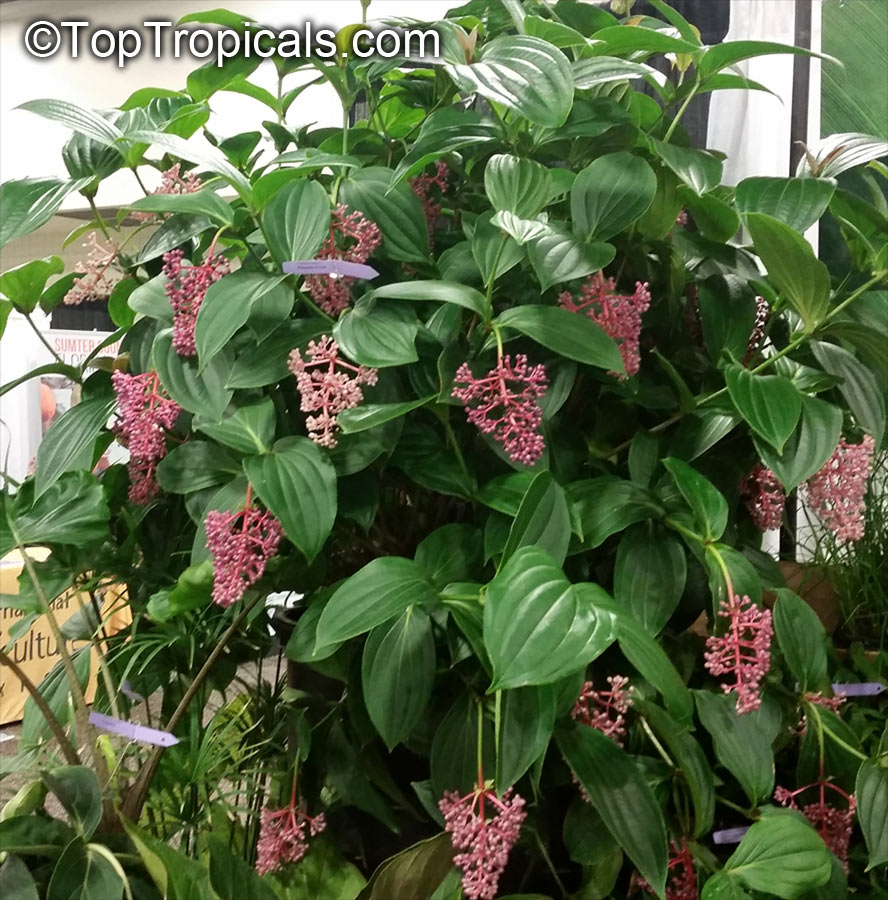
...This is an extremely showy tropical plant with bunches of bright pink
blooms that will flower for months on end. What a stunning and colorful
plant! Showy should be its middle name. It is one of those plants that truly
evokes feelings of elegance and drama...
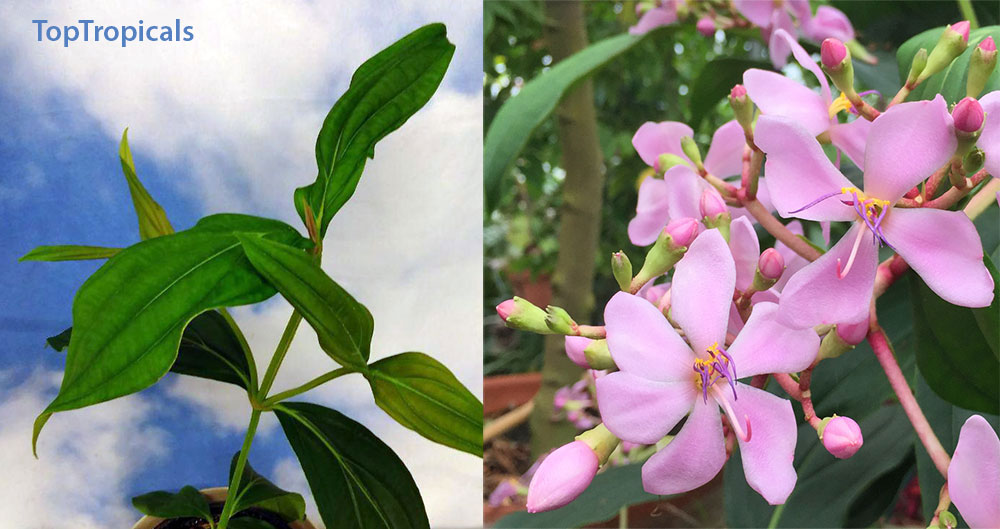
Medinilla apoensis - Philippine Pink is particularly rare and hard to find
in the trade. The flowers on this particular Medinilla is not hidden
underneath so it is not necessary to grow it in a hanging basket like so many other
species. It is a tall upright grower that will flower throughout the summer.
For all you obsessed collectors out there, do not hesitate. This Medinilla is
not in many US collections. The plants we have right now are at least 1-1.5
feet tall and are blooming size. Wink wink ;)
CONTINUE READING >>
Date: 16 Jan 2020
Jack-edak - Cheena
Artocarpus x integer (Jackfruit x Chempedak)
by Mark Hooten, the Garden Doc
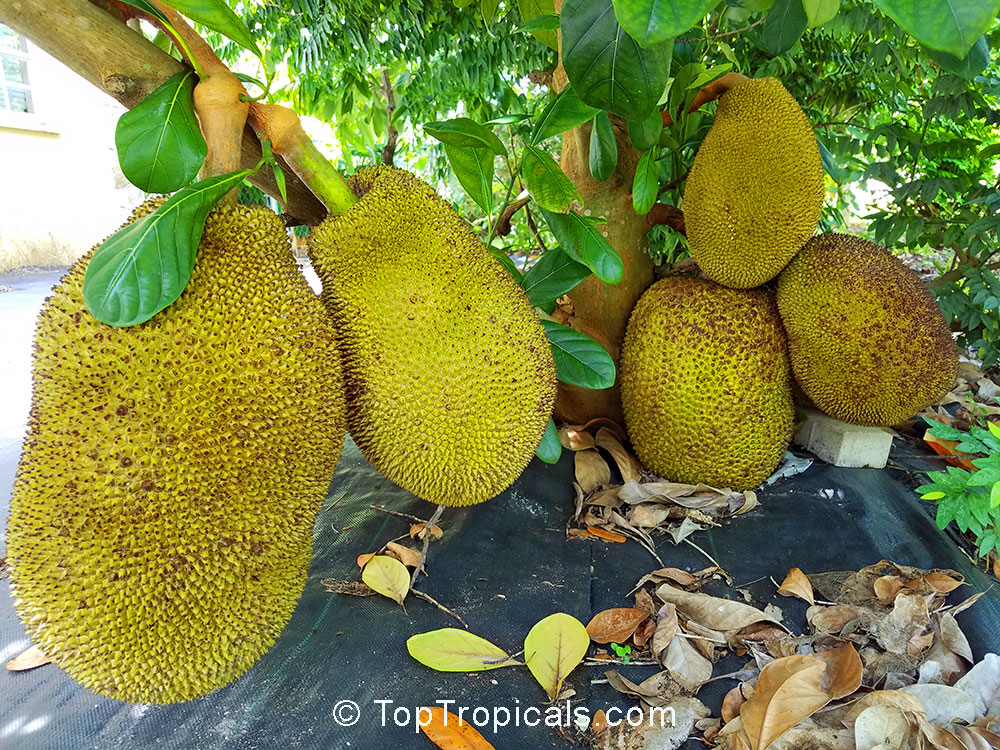
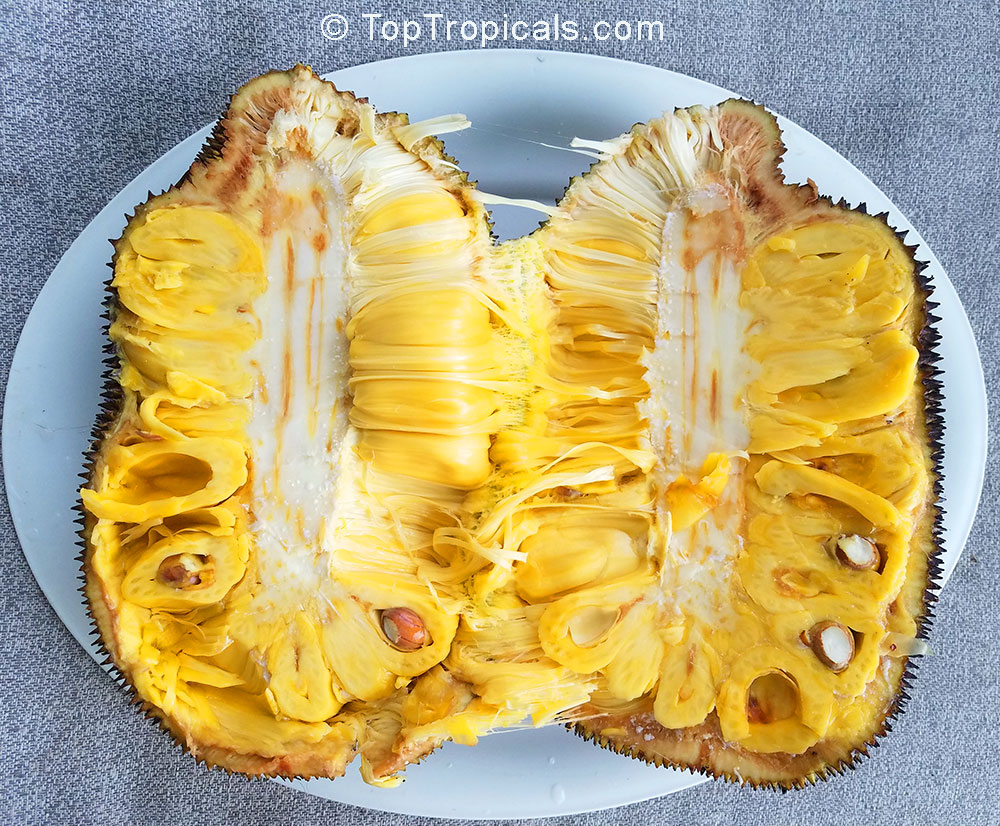
...While pure Jackfruits develop bulbs which are somewhat larger by comparison, those of the Jackfruit/Chempedak hybrid Cheena (which I call "Jack-edak"), are more numerous and have a much smaller ratio of inedible "packing material" around them than the pure Jackfruits. They're also easier to cut open, having much less dripping latex than regular Jackfruits. The tightly packed bulbs are tender, juicy, and basically fiber-less, having a flavor we find very similar to really good Sugar Apples, yet even richer and more complex. My son has used it for making what several friends have described as the best chutney of all-time!..
CONTINUE READING >>
Date: 21 Nov 2019
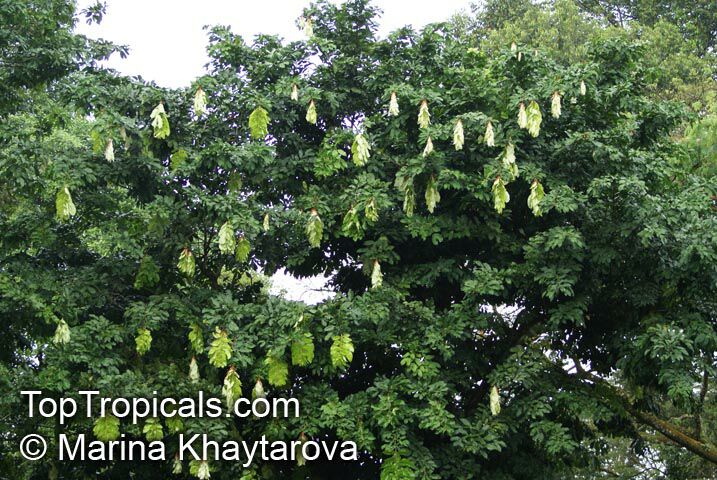
Manifestation of the Ghost Trees
by Mark Hooten, the Garden Doc
...What makes these rare beauties so wonderful is not only the very nice white Hydrangea-like flowers on the ends of the branches, but also the slowly unfolding new leaves. A number of times a year, they develop little bracts on the ends of their branches which then erupt into stunning cascades of long, weeping ivory-pink new leaves. Most notably, in the more horizontal light of morning or evening, against the deep bottle-green of older leaves, these new hanging growths create the impression of being nearly incarnate apparitions floating in mid-air. I am sure this is the reason for its scientific name Maniltoa, deriving from the New Guinea name for the tree, Manilto - which means "ghost" or "manifestation"...