Garden Blog - Top Tropicals

Date: 24 Jun 2016

Coastal plants. Suggestions for coastal regions


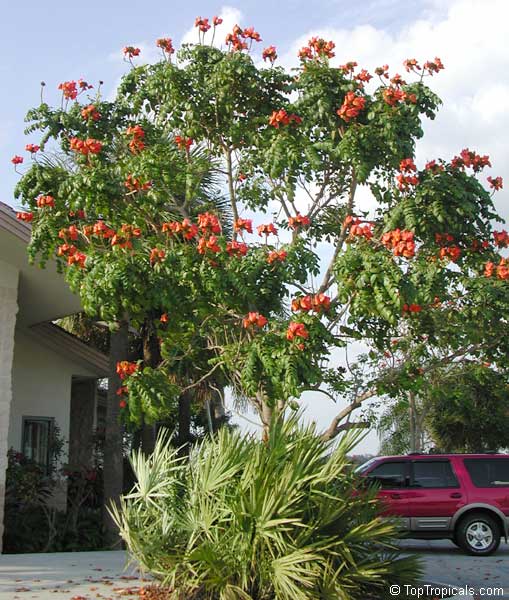
Spathodea campanulata - African Tulip Tree

Q: I'm looking for a plant to replace a Torrey pine that was sadly cut down. The pine made the soil very acidic and it's already silty, sandy, and salty from being near a coastal marsh. I was thinking of a Kei Apple. However, there are only seeds available on the website and I'd prefer a sapling to get things started faster. Are there other trees you'd suggest for that environment?

A: Here are some fast growing salt tolerant trees that we can suggest, just to name a few: Bucida buceras - Florida Black Olive Tree, Callistemon citrinus - Weeping red Bottlebrush, Capparis cynophallophora - Jamaica Caper, Cassia fistula - Golden Shower Tree, Coccoloba uvifera - Sea Grape, Cordias, Delonix regia - Royal poinciana, Flamboyant, Elaeocarpus grandiflorus - Fairy Petticoats, Ficus lyrata - Fiddle-Leaf Ficus, Ficus religiosa - Bo-Tree, Peepal, Sacred Ficus, Mahoe, Peltophorum pterocarpum - Yellow Poinciana, Plumeria, Spathodea campanulata - African Tulip Tree (shown on right). See full list of salt tolerant plants.

15% on all mango trees! This weekend only. Offer is valid through Sunday, June 26. See all mango varieties available.

Date: 11 May 2016

Top Tropicals Video Presents: Doctor Noni

Top Tropicals Video Channel. We are happy to introduce to our customers our new project - Top Tropicals Video. Gardeners have been enjoying our Tropical Treasures Magazine with its unique stories on fascinating plants, their history, plant clinic and Do-It-Yourself projects. Now you can have more fun to visit actual tropical paradise by watching our short movies in your convenience - from your computer, or simply on your smart phone. In our future video tours, we will be showing both popular and rare exciting plants and how to grow them. We will be sharing little secrets of how to make these plants happy, so they will make your own life brighter and happier. Stay updated with TopTropicals Videos by subscribing to our YouTube channel at YouTube/TopTropicals and get our latest video news of what's fruiting and blooming! Our today's video story -

Doctor Noni - life sustaining plant. Many people have heard about the mysterious and miraculous Noni fruit, yet few know exactly what it is. This odd-looking fruit grows on a beautiful tropical tree from Polynesia - Morinda citrifolia, that actually belongs to a Coffee family! The Noni fruit, also called Cheese Fruit for its special odor, has unique health benefits. It is said that this plant food is to be used when we are feeling really ill or really old... Do you want to know how to have your own FREE fresh Noni juice year round? Check out this Movie: Doctor Noni - life sustaining plant...

Date: 4 Mar 2016

Growing from seeds

Q: What is the best time to start tropical plants from seeds? Should I wait till summer?

A: Traditionally, people prefer sowing seeds in spring, especially temperate species for vegetable garden: tomatoes, peppers, cucumbers...

When dealing with tropical plants, you may want to start your babies indoors, providing additional heating when needed. If you keep your living space around 75F (ideal for many species), this is a perfect temperature to get your seeds started. Tropical plants are not like annual tomatoes that try to grow through the season as fast as possible. They may take time. So the sooner you start, the more chances to get small seedlings just in time when spring air outside is warm enough - at least in 70's F.

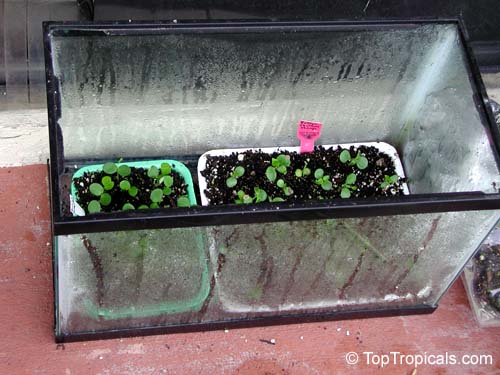
A great advantage of starting tropical seeds indoors is controlled temperature and moisture. In the plant world, environment extremes are not good for germination process. Mild conditions of your home or a greenhouse create better chances for successful growth. Seeds won't get overheated in hot summer sun, and won't get rotten because of a sudden heavy rain. Just keep in mind that some species require light for good germination. Using an old fish tank or covering with plastic wrap will help to keep constant humidity.

See full list of all seeds - all on sale, one day only!

Date: 22 Mar 2026

Do Fruit Trees Increase Property Value? Tropical Plants That Pay Off

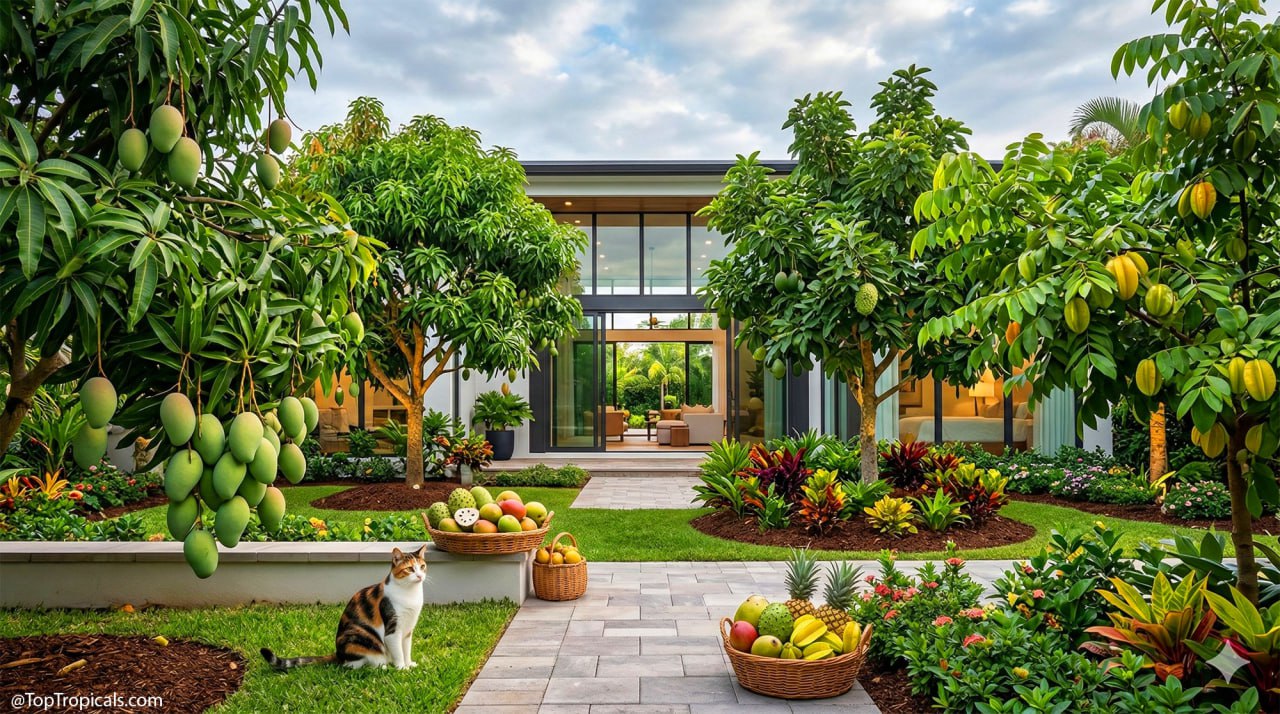
Yard with fruiting tropical trees

Yard with fruiting tropical trees

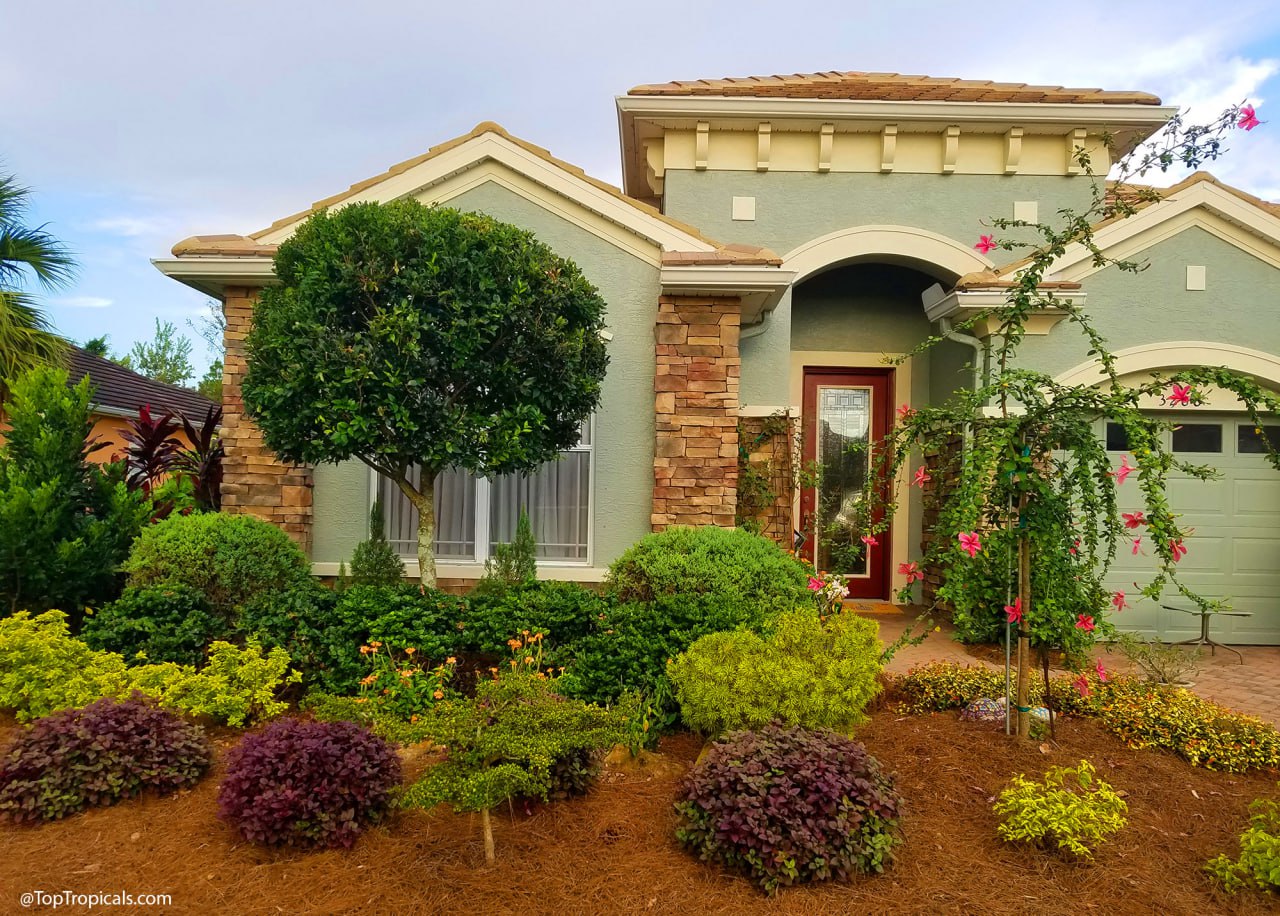
Landscaped yard in Florida

Landscaped yard in Florida

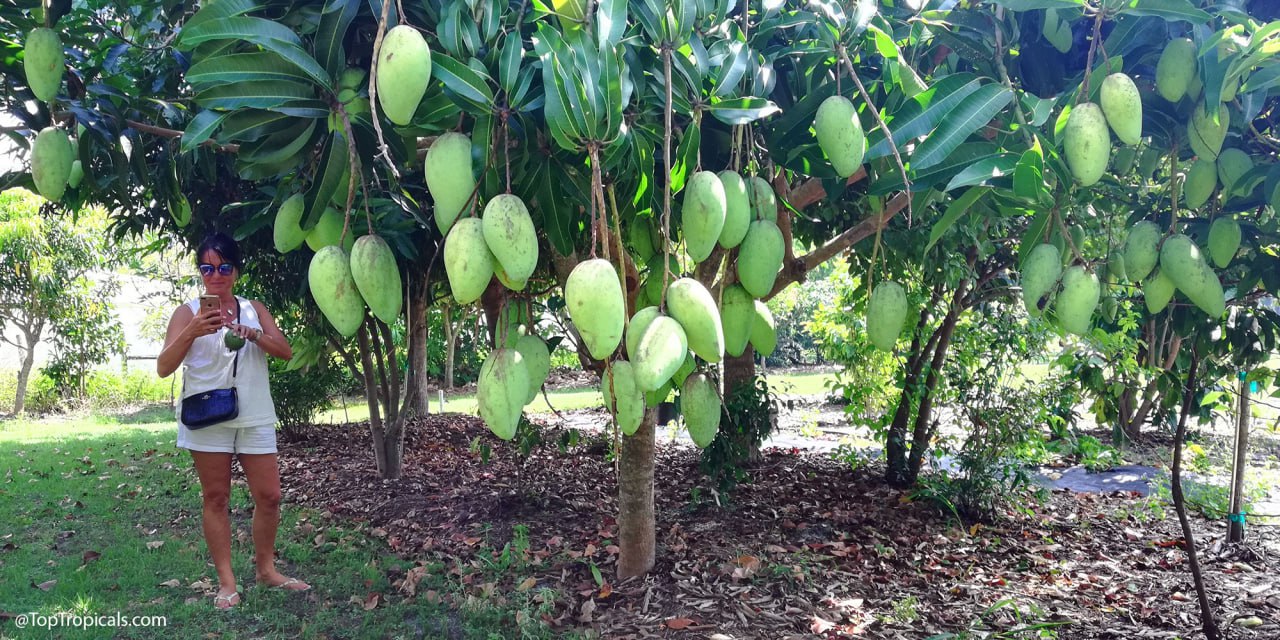
Mango tree fruiting in the garden

Mango tree fruiting in the garden

Do Fruit Trees Increase Property Value? Tropical Plants That Pay Off 🏡

Can your backyard pay for itself? Learn which 12 tropical fruit trees real estate experts say are the smartest investment for your landscape. Discover how tropical fruit trees like mango and avocado add "edible equity" and curb appeal to your property, making it more desirable to future buyers. Turn your yard into a private paradise that lowers grocery bills and boosts home value.

In warm climates like Florida, a mango tree isn't just landscaping - it’s a food-producing asset. Mature tropical fruit trees offer "edible equity," saving homeowners hundreds in grocery bills while creating a unique, memorable aesthetic for buyers.
  • 🥭 1. Focus on "Instant Recognition" Favorites


    Trees buyers already know and love provide the strongest ROI. They signal that the yard is already productive - something new builds can’t offer.

  • •  Top Picks: Mango, Avocado, Papaya, Banana, Guava, and Loquat.
  • •  The Value: A single mature avocado or mango tree can yield hundreds of pounds of fruit annually.


🥭 2. Create a "Memorable Discovery" with Exotic Varieties


Unusual fruits turn a standard yard into a tropical orchard, acting as a conversation piece during home tours.
  • •  The Exotic List: Jackfruit, Sugar Apple, Soursop, Sapodilla, Ice Cream Bean, and Star Fruit.


🥭 3. Strategic Placement for Energy Savings


Large-canopy trees like jackfruit or mango do more than provide food; they act as natural insulation.
  • •  Natural Cooling: Strategic planting reduces afternoon sun exposure and lowers AC costs.
  • •  Indoor/Outdoor Flow: Use trees to frame window views, block neighbors, and create private "outdoor rooms."


🥭 4. The Power of the "Mini Orchard"


A collection of 3–5 trees creates a stronger emotional pull than a lone plant. Buyers begin to visualize a lifestyle of smoothies and harvests.
  • •  Winning Combos: Mango + Avocado + Papaya or Guava + Star Fruit + Banana.


🥭 5. Maintenance: Health Equals Value


Fruit trees only add value if they look manageable. A neglected tree suggests a neglected home.
  • •  Pre-Sale Prep: Prune for tidiness, mulch the base, and clear fallen fruit.
  • •  Spacing Matters: Avoid overcrowding; ensure buyers can walk comfortably through the yard without feeling "closed in."


🥭 The Long-Term Play


Unlike decorative plants that may need frequent replacement, fruit trees appreciate over time. Because a mango tree takes years to reach peak production, the best time to plant for future resale value is now. By the time you list, your yard will offer shade, privacy, and a harvest that buyers find hard to resist.

🛒 Start Growing Your Edible Equity - Find the Perfect Fruit Tree for Your Yard

📚 Learn more:

Plant Facts

Mangifera indica
Mango
USDA Zone: 9-11
Large tree taller than 20 ftSmall tree 10-20 ftFull sunModerate waterYellow, orange flowersPink flowersEdible plantSeaside, salt tolerant plant

Mango trees in Plant Encyclopedia

#Food_forest #How_to #Discover

🟢 Join 👉 TopTropicals
Date: 19 Apr 2026

Complete

Complete

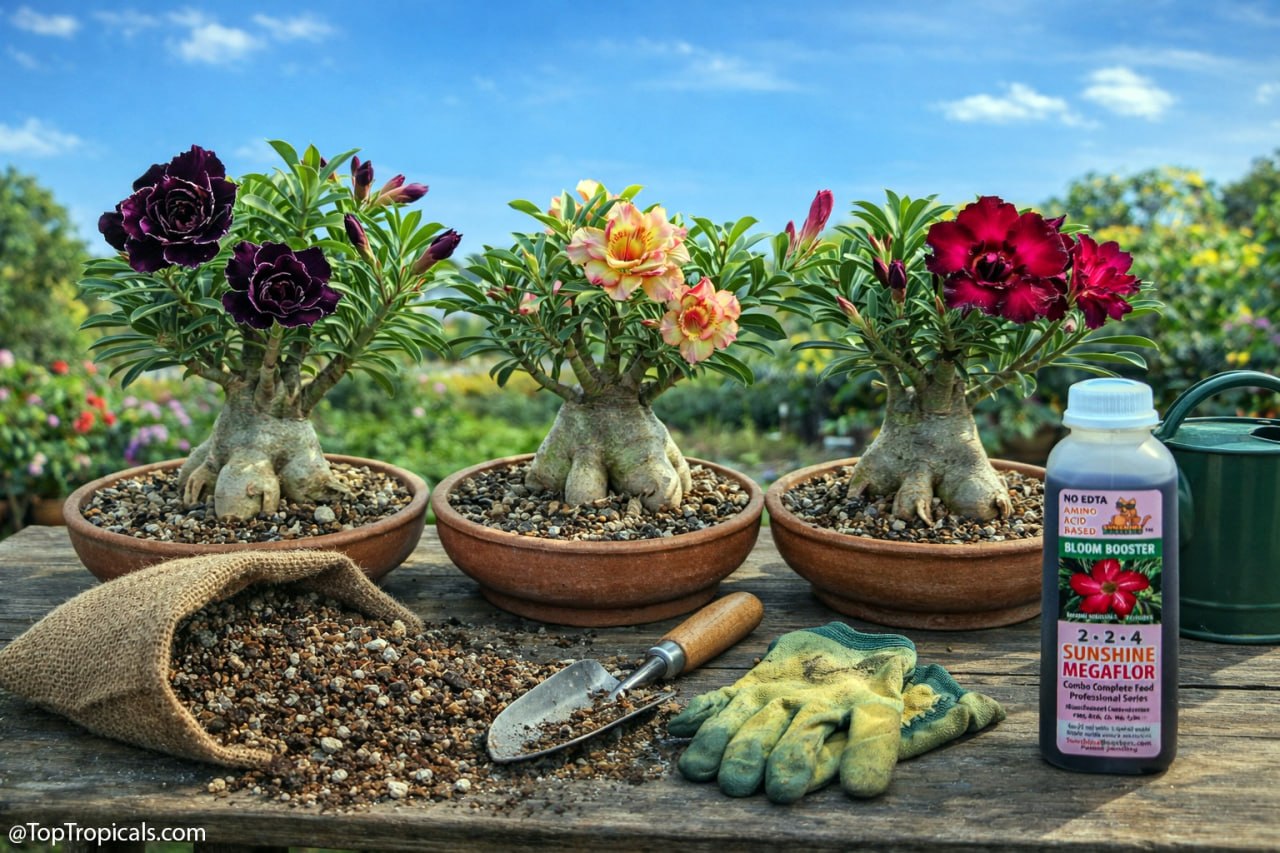
🌸 Complete Adenium Care Guide: 9 tips how to keep it simple and thriving


Adeniums don’t need intense care - just the right balance.
Most problems come from too much water, not enough light, or the wrong soil.

  • 🌸 1. Soil is everything


Why it matters
Adeniums are succulents with thick roots and a caudex that stores water. They must never sit in wet, heavy soil.
Most problems come from soil that stays wet too long - leading to root rot, soft caudex, weak growth, and poor flowering.
Good soil builds strong roots, dries faster, supports a healthy caudex, and improves blooming.

Ideal soil formula
Use a very fast-draining, airy mix with perlite, bark, sand, coconut fiber. Avoid heavy peat-based mixes.
A simple formula: TopTropicals Abundance potting mix + coarse sand (50/50). Use coarse sand (for construction), not fine beach sand. Sand improves drainage, structure, and aeration.
You can also add lava rock and charcoal.

Soil pH
Adeniums prefer slightly alkaline soil. Too much peat (acidic) holds moisture and increases rot risk.
Tip: add a few sea shells on top - watering slowly raises pH.

Golden rule
Better too fast-draining than too heavy.
You can water more. You can’t fix rot.

  • 🌸 2. Containers


Use shallow, unglazed clay pots. They dry faster, improve airflow, and stabilize the plant as the caudex gets heavy.
Do not oversize - keep close to root ball.
When repotting, raise the caudex slightly each time to develop that thick base.

  • 🌸 3. Light


Give as much light as possible.
Full sun is best, but in very hot climates, bright filtered light prevents leaf burn and helps flowers last longer.
Too little light = weak growth and poor blooming.

  • 🌸 4. Watering


Water deeply, then let soil dry out completely before watering again.
Do not keep soil constantly wet. Adeniums prefer the dry side and hate sitting in moisture.
In rainy climates, protect from excess water. Keep under cover - bright light, no constant soaking.

  • 🌸 5. Fertilizer


Feed lightly and regularly during active growth.
Use liquid fertilizer Sunshine Megafloк Bloom Booster on soil and lightly on leaves - avoid the caudex.
Bloom boosters (high phosphorus) support flowers and caudex growth.
Add controlled-release fertilizer (Green Magic) twice a year - spring and late summer. Do not fertilize during winter dormancy.
Add microelements (iron, boron, molybdenum) - Sunshine Superfood supplement - for healthier leaves and longer blooms.

  • 🌸 6. Trimming (pruning)


Trim after flowering, especially leggy branches.
Pruning encourages branching - more branches = more flowers.
Don’t be afraid to cut - it improves structure and blooming.

  • 🌸 7. Caudex development (secret trick)


When repotting, raise the caudex slightly above soil level.
Combined with regular feeding (bloom booster), this helps develop a thicker, more pronounced base.

  • 🌸 8. Seedlings vs grafted plants


Seed-grown plants form a natural caudex but take 2-3 years to bloom and do not come true to type (often simple pink).
Grafted plants combine a developed caudex with a known variety.
Best choice for predictable, high-quality blooms.

🌸 9. Troubleshooting


If something goes wrong, check these first:
  • · Too much water
  • · Not enough light
  • · Soil too heavy
Fix these, and your plant will recover.

🛒 Explore Exotic Thai Adeniums

📚 Learn more:

Plant Facts

Adenium sp.
Adenium, Desert Rose, Impala Lily
USDA Zone: 9-11
Plant with caudexLarge shrub 5-10 ft tallSmall tree 10-20 ftFull sunDry conditionsModerate waterYellow, orange flowersRed, crimson, vinous flowersUnusual colorBlue, lavender, purple flowersWhite, off-white flowersPink flowersToxic or Poisonous

#Container_Garden #Adeniums #How_to #Discover

🟢 Join 👉 TopTropicals