Why orchids are way easier to grow than you think: 7 tips for the beginner
orchids are way easier to grow than you think
🌸 Why orchids are way easier to grow than you think: 7 tips for the beginner
Many beginners avoid orchids. Because they look exotic, it’s easy to assume they belong in a high-tech greenhouse. But the truth is surprisingly simple: most orchids die from too much love, not too little. The popular Phalaenopsis (Moth Orchid) is actually lower-maintenance than many common houseplants - once you understand how its roots work.
🌸 1. The #1 Mistake Beginners Make
Orchids are not regular potted plants. In nature, most are epiphytes, meaning they grow attached to tree bark where roots get constant airflow and dry quickly after rain. When well-meaning beginners plant them in dense soil or keep them constantly wet, the roots suffocate and rot. Ironically, orchids thrive on a little bit of neglect.
⚠️The Grocery Store Trap: Many orchids bought at supermarkets are packed tightly into decorative pots filled with dense moss. While they look beautiful, the roots are often already suffocating. This is why a seemingly healthy orchid can suddenly decline a few weeks after you bring it home.
👉 Pro tip: Aerial roots growing wildly outside the pot are a sign of a happy, healthy orchid - don't cut them off!
🌸 2. Decode Your Orchid’s Roots (The Ultimate Watering Trick)
Forget strict watering schedules. Instead, let the orchid tell you when it’s thirsty by looking at the color of its roots:
🟢❌ Bright Green Roots: The plant is still perfectly moist. Do not water. ⚪️✅ Silvery-Gray Roots: The plant is dry and ready for a drink.
When it's time to water, drench the mix thoroughly, let it drain completely out of the bottom, and don't water again until the roots turn silver.
And please, skip the ice cube trick. Orchids are tropical plants; freezing ice shocks their roots and causes long-term damage.
🌸 3. No Greenhouse? No Problem.
You don't need a tropical conservatory. Most orchids thrive in standard indoor conditions with bright, indirect light.
An east-facing windowsill is usually the sweet spot. Too much direct afternoon sun will scorch the leaves, while deep shade will prevent the plant from ever reblooming.
🌸 4. Don't Panic When the Flowers Fall
After a spectacular bloom cycle, an orchid’s flowers will drop, leaving behind a bare green spike. This does not mean your plant is dying.
Orchids naturally enter a resting period that can last for several weeks or months. They are simply conserving energy to build new leaves and roots before their next big show.
🌸 5. Master the Art of Gentle Feeding
Another common misstep is over-fertilizing. Orchids prefer a "weakly, weekly" approach rather than heavy doses of nutrients all at once.
Using a gentle, specialized formula like SUNSHINE Orchidasm works incredibly well for orchids and other delicate epiphytes. Because it focuses on steady, healthy growth rather than forcing rapid development, it provides the exact kind of mild, consistent nourishment orchids need to produce longer-lasting blooms. It is safe to use with every watering.
🌸 6. Think Beyond the Tree Bark
When we picture orchids, we usually think of the kinds that grow in airy bark. However, the orchid family is massive and includes terrestrial (ground) orchids.
Ground orchids grow directly in soil and can even be planted outdoors in warmer climates. If you are still nervous about managing the unique root systems of traditional orchids, ground orchids are a fantastic, beginner-friendly gateway into the hobby.
🌸 7. The Orchid Addiction is Real
The funniest thing about orchids is the shift in mindset. The moment a beginner successfully triggers a rebloom on their first plant, the fear completely vanishes.
And before you know it, that one single windowsill orchid quietly turns into five. 🛒 Explore Ground Orchids, Vanilla orchids, and enjoy Sunshine Orchidasm
📚 Learn more:
Ground Orchid Plant Facts
Botanical name: Spathoglottis kimballiana Also known as: Ground Orchid, Garden Orchid
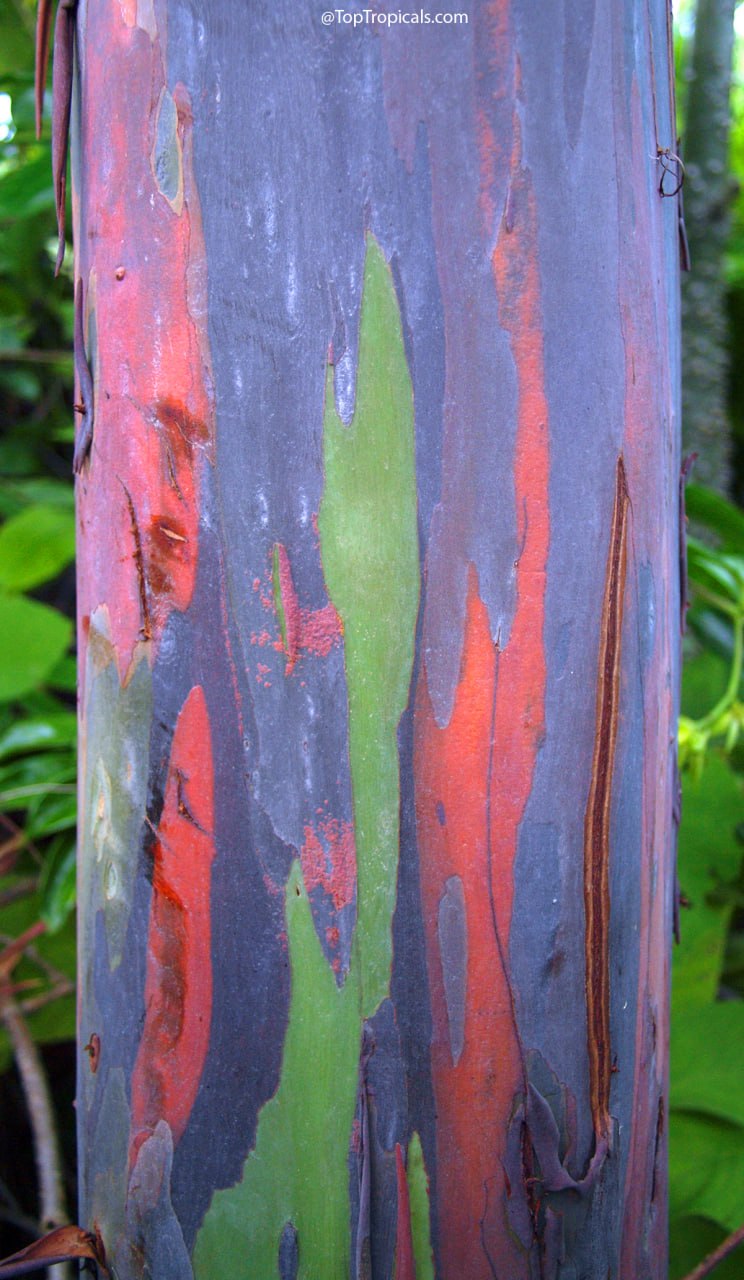
Rainbow Eucalyptus - Eucalyptus deglupta, close up bark
The Tree That Looks Photoshopped (But Isn't) 🌈
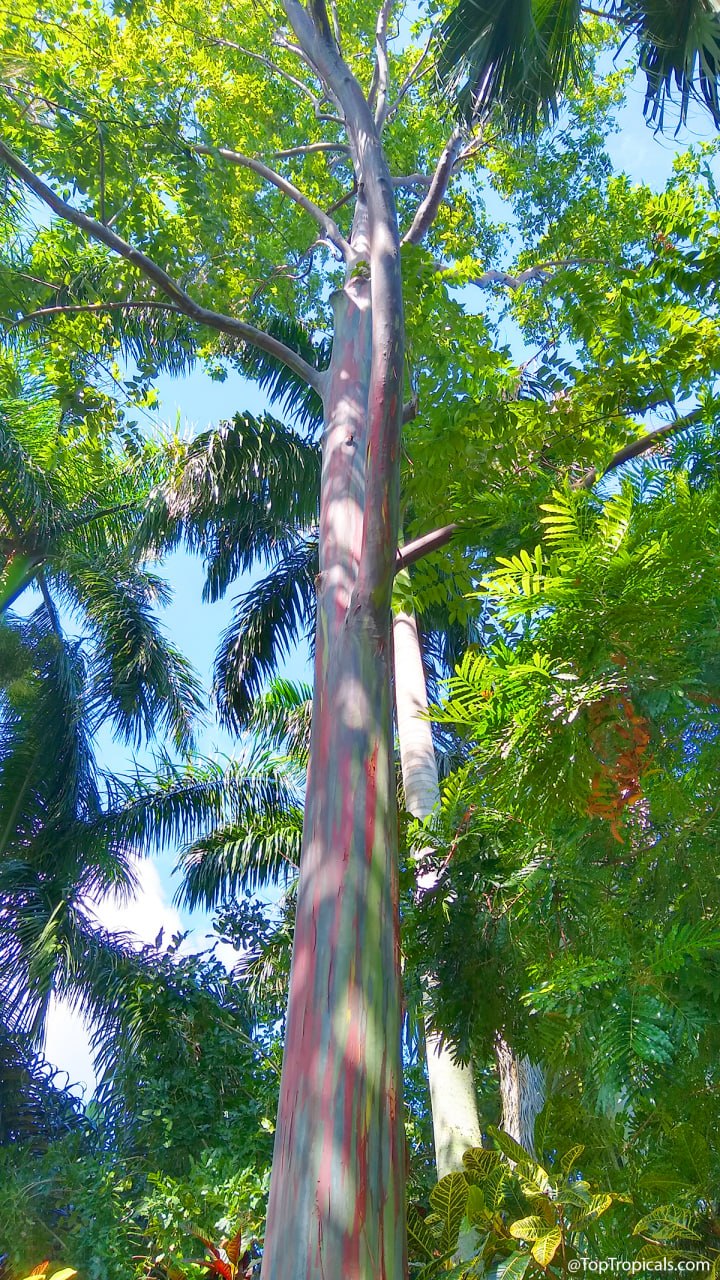
Most people see a photo of the Rainbow Eucalyptus and assume someone went heavy on the saturation filters. The trunk looks like an abstract artist got loose with neon greens, deep blues, purples, and burnt oranges - all on the same tree, all at once. It doesn't look real. But it is. And if you live in the right climate, you can actually grow one.
🎨 The Chemistry Behind the Watercolor Trunk
Eucalyptus deglupta does something no other tree quite pulls off at this scale: it sheds its bark in patches and strips throughout the year. While it seems entirely alien, this multi-colored, peeling bark is actually a family trait shared by many other members of the Myrtaceae (Myrtle) family - including common guava trees.
Rainbow Eucalyptus Plant Facts
Botanical name: Eucalyptus deglupta Also known as: Rainbow Eucalyptus, Mindanao Gum, Rainbow Gum
USDA Zone: 10 - 11
Highligths
However, the Rainbow Eucalyptus takes this family tradition to an absolute extreme. This constant shedding reveals a living, shifting canvas underneath: The Fresh Layer: New bark starts out a shocking, vivid green because of the chlorophyll sitting just beneath the surface. The Shift: As the bark is exposed to air, it oxidizes. Time and oxygen push the colors through a spectrum of blues, purples, and eventually into warm oranges and deep, reddish-browns. The Living Canvas: Because different sections of the trunk shed at different times, the tree is never just one color. It looks like a living watercolor painting that's still drying.
🎨 A Rainforest Giant That Grows at Breakneck Speed
Native to the humid tropical rainforests of the Philippines, Indonesia, and Papua New Guinea, this isn't your average backyard sapling. In the wild, it can tower at nearly 200 feet tall.
While it stays a bit more manageable in residential landscapes, it remains fast-growing. If you give it full sun, rich soil, and plenty of humidity, a young tree can put on several feet of height per year.
Unlike its drought-tolerant Australian cousins, the Rainbow Eucalyptus loves water and can even handle occasional flooding. As a bonus, its leaves release a pleasant, spicy aroma when crushed, adding a sensory layer to its visual drama.
🎨 The Catch: It Hates the Cold
Before you run out to buy one, there is a major catch. While many eucalyptus species are surprisingly tough against the hard freeze, the Rainbow Eucalyptus is the tropical outlier of the family.
✅ The Safe Zones: It thrives best in USDA Zones 10-11 (like South Florida and Southern California), where winters stay mild. ❄️ The Cold Threat: Hard freezes, frost, and biting cold winds will badly damage or kill it.
Can you grow it in colder climates? Yes, but you'll need a big container and a tall space to move it in. Many gardeners outside the tropics grow them in large pots so they can drag them indoors or into a greenhouse for the winter. It limits their ultimate size, but it keeps the theatrical effect alive.
🎨 Why It's Worth the Hype
If you are lucky enough to live in a climate where it can thrive, the Rainbow Eucalyptus makes the ultimate landscape centerpiece. Because its canopy is tall and airy rather than dense, it won't completely black out the sun for the rest of your garden. Instead, it just stands there looking impossible.
Photos actually undersell it. Standing next to the trunk in person, you find yourself looking for the trick. But there isn't one - just nature showing off.
9 awesome accent plants and vines that love heat and dry conditions
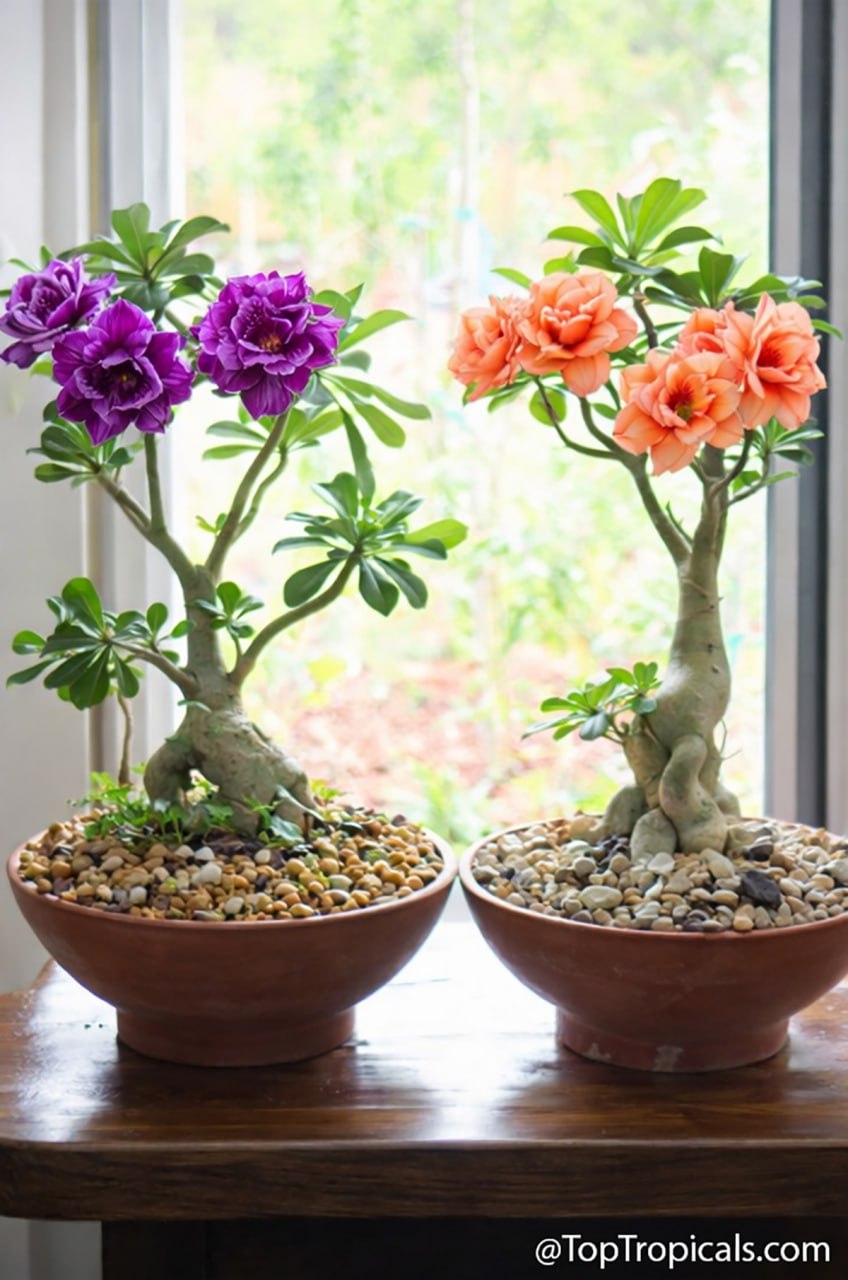
Adeniums in pots
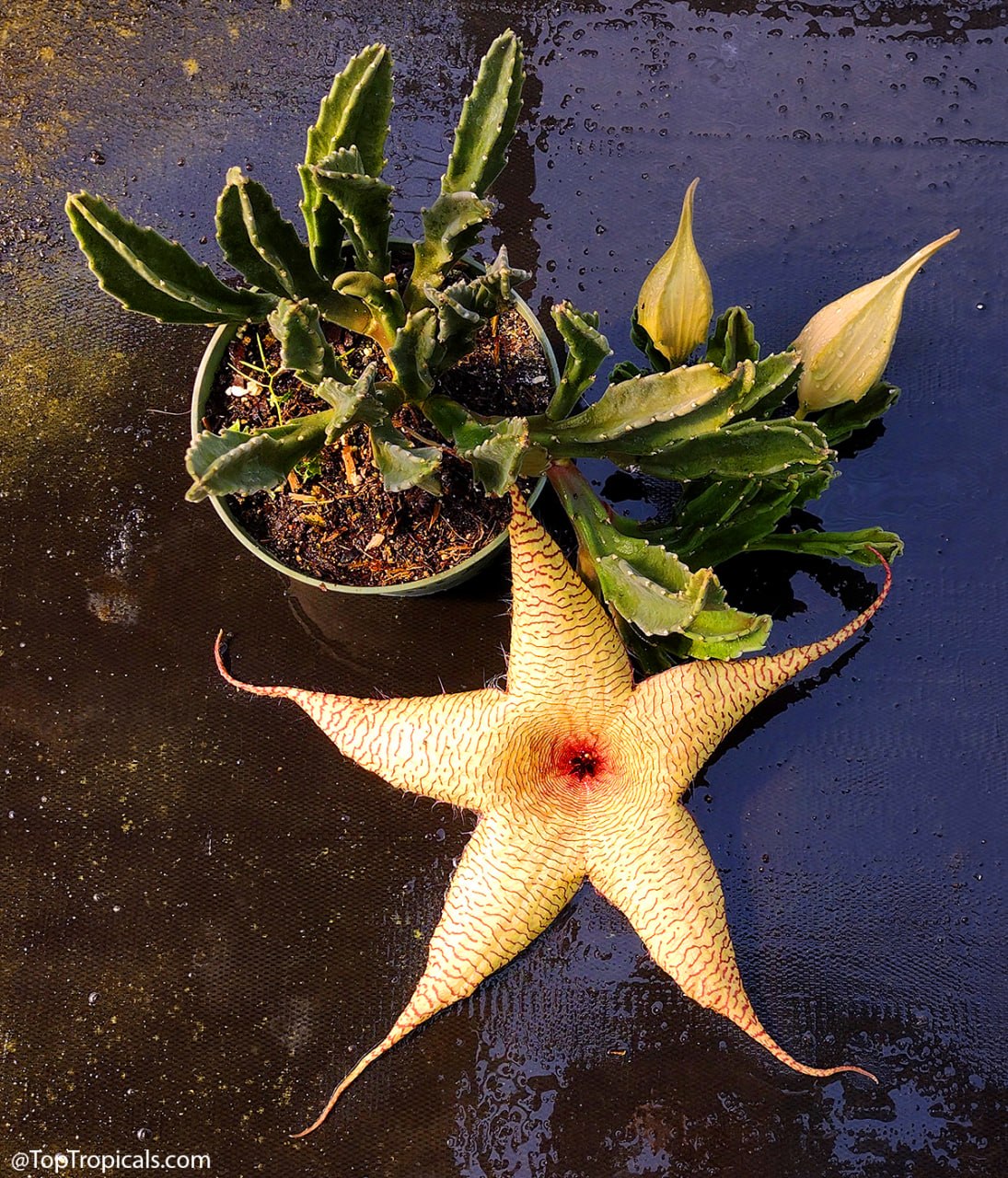
Stapelia gigantea - Starfish Flower
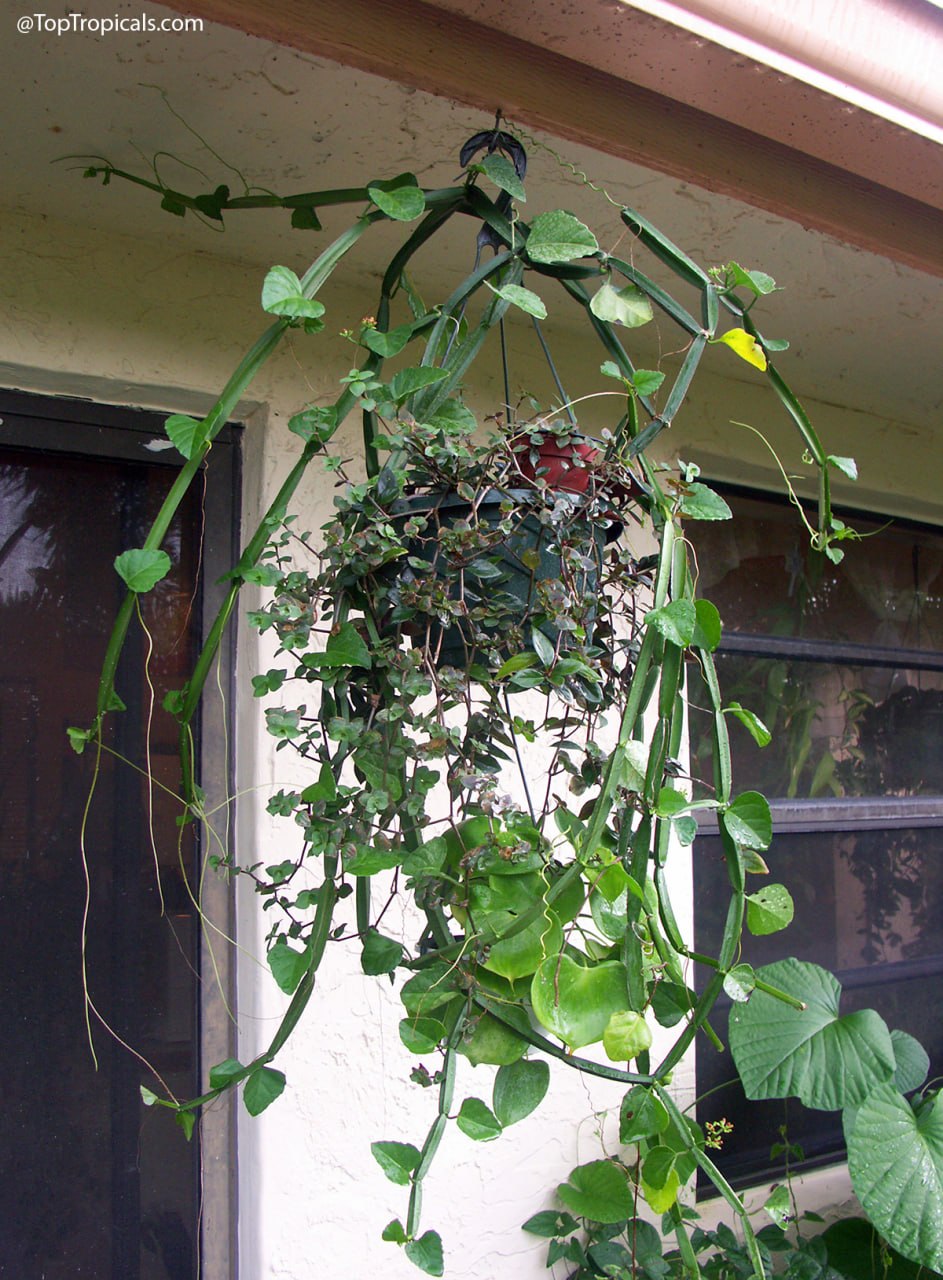
Cissus quadrangularis - Veld Grape Vine
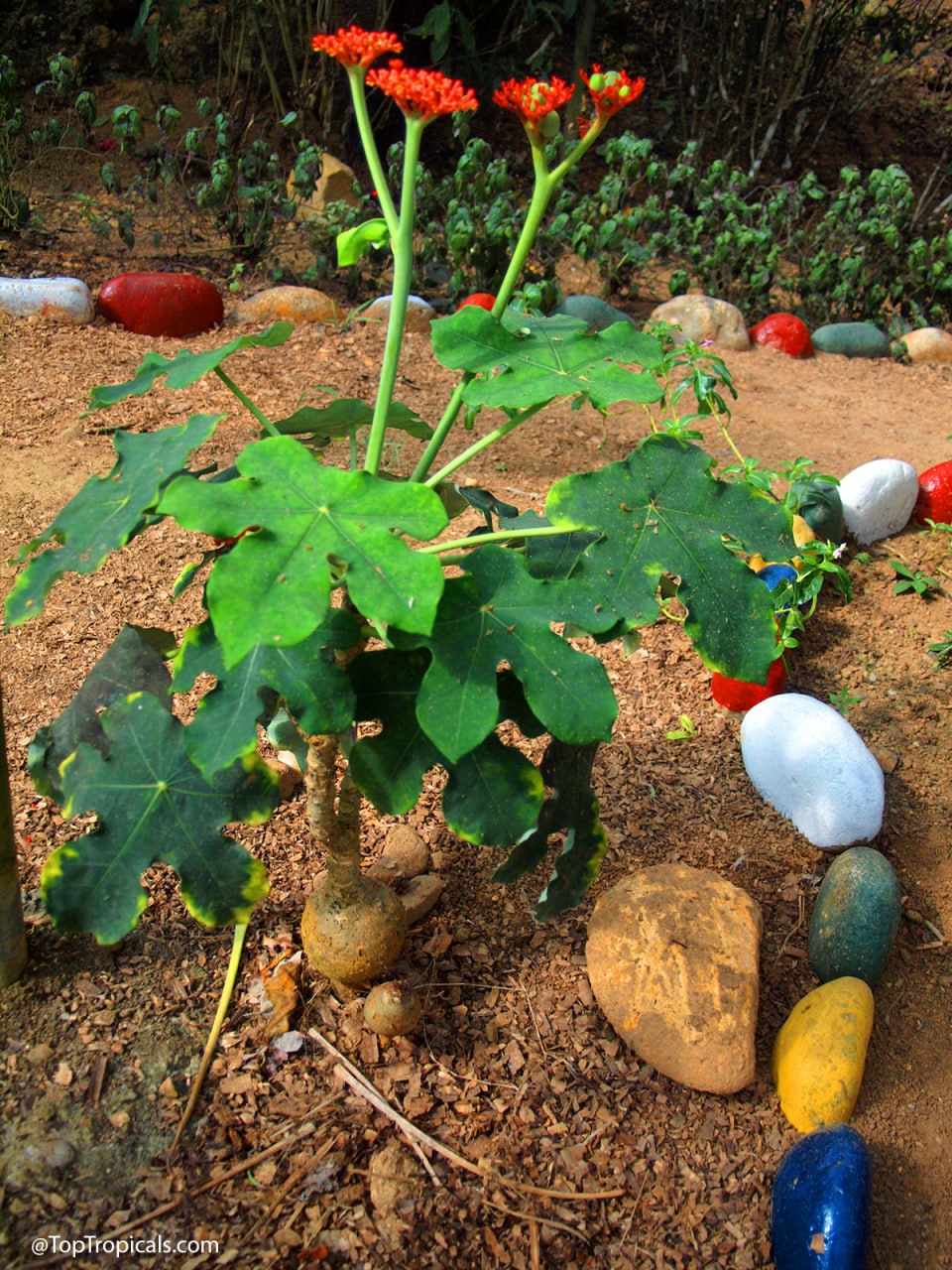
Jatropha podagrica - Gout Plant
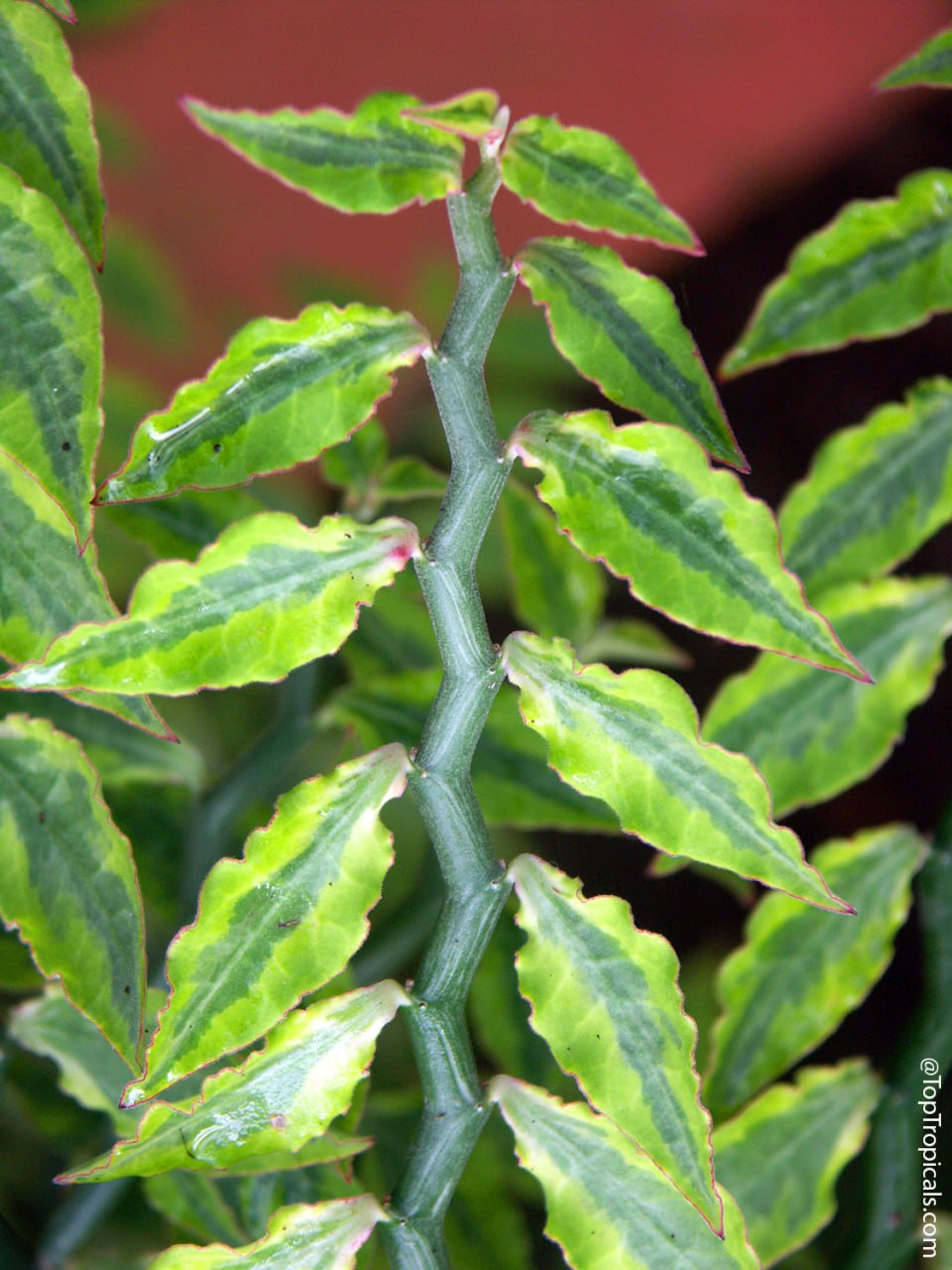
Pedilanthus tithymaloides - Devil's Backbone
☀️ 9 awesome accent plants and vines that love heat and dry conditions
The hardest spots aren’t for trees - they’re for everything else. The toughest areas are often smaller spaces - along walls, patios, containers, or rocky patches where soil dries out fast. This is where most plants fail quickly.
These picks don’t just survive - they stand out. They bring texture, color, and structure - without needing constant watering or perfect soil.
Why containers are the toughest of all in heat
Growing in pots in hot, dry conditions is a different game. The soil heats up fast, roots can literally overheat, and moisture disappears much quicker than in the ground. If you’re using containers, protect the root zone - group pots together, tuck them into partial shade, or shield the container itself from direct sun. Choosing drought-tolerant plants helps, but don’t assume they can go totally without water - even tough plants in pots can dry out quickly, so check regularly and don’t let them go bone dry.
🔥 9 best smaller plants and vines for hot, dry spots
☀️ 1. Adenium - Desert Rose 📸
Stores water in its caudex and thrives in heat - one of the best flowering plants for dry conditions.
Adenium Plant Facts
Botanical name: Adenium sp. Also known as: Adenium, Desert Rose, Impala Lily
Smokey and Sunshine HIRING NOW: Customer service / sales in garden center
Smokey and Sunshine HIRING NOW
👨�Smokey and Sunshine HIRING NOW: Customer service / sales in garden center
Sunshine: Smokey, we need plant people. Smokey: Does your girlfriend know plants? Sunshine: Of course. She fertilized my donuts so they would grow larger. Smokey: Did it work? Sunshine: Kind of. I gained three pounds.
TopTropicals.com is looking for a part-time customer service and sales team member for our Ft Myers Garden Center.
If you genuinely love plants, enjoy helping people, and don't mind getting your hands dirty in a tropical nursery environment – then working with rare tropical plants, fruit trees, and fellow plant lovers can be fun and rewarding!
💼 Responsibilities
· Help walk-in customers select plants and check out
· Answer customer questions by phone, email, social media, and message board
· Open and close office, operate cash register
· General customer service and sales support
📚 Requirements
· Genuine love for plants and willingness to learn. We will train
· Friendly, patient, and polite with customers
· Strong work ethic and reliability; punctuality is essential
· Ability to follow instructions and work efficiently
· Must be able to lift up to 50 lbs and comfortable working outdoors in Florida heat and weather
· Drug-free - background check and drug test upon employment
· Valid Florida driver's license and reliable transportation
· Must love cats - our famous "PeopleCats" helpers patrol the gardens daily
� Preferred qualifications
· Basic computer skills (email, office, internet). We will train · Previous plant knowledge or nursery experience · Sales or customer service experience
💰 Pay
· Starting pay: $18/hour depending on experience and performance · Opportunity for growth based on performance
📅 Schedule
· Part-time to start, potential for full-time later · Friday and Saturday, 9 am - 4 pm
📍 Location:
Top Tropicals Garden Center
13890 Orange River Blvd
Ft Myers, FL 33905
✍️ How to apply:
Please email a brief resume and a short paragraph explaining why you'd like this job.
Resume guidelines: · Keep it brief; include job history and education · Please avoid long descriptions of unrelated experience · Tell us why working with plants and people interests you
🚶➡️ To apply in person:
You are welcome to visit our Garden Center during business hours:
Monday-Saturday, 9 am - 4 pm
To apply in person, ask for Kristi - our manager.
No phone calls please.
Thanks for applying - we hope to see you working alongside our plants, #PeopleCats, and fellow plant lovers soon.