Garden Blog - Top Tropicals

Date: 3 May 2026

3 Olive Trees Worth Planting in Your Yard Right Now
3 Olive Trees Worth Planting in Your Yard Right Now

3 Olive Trees Worth Planting in Your Yard Right Now


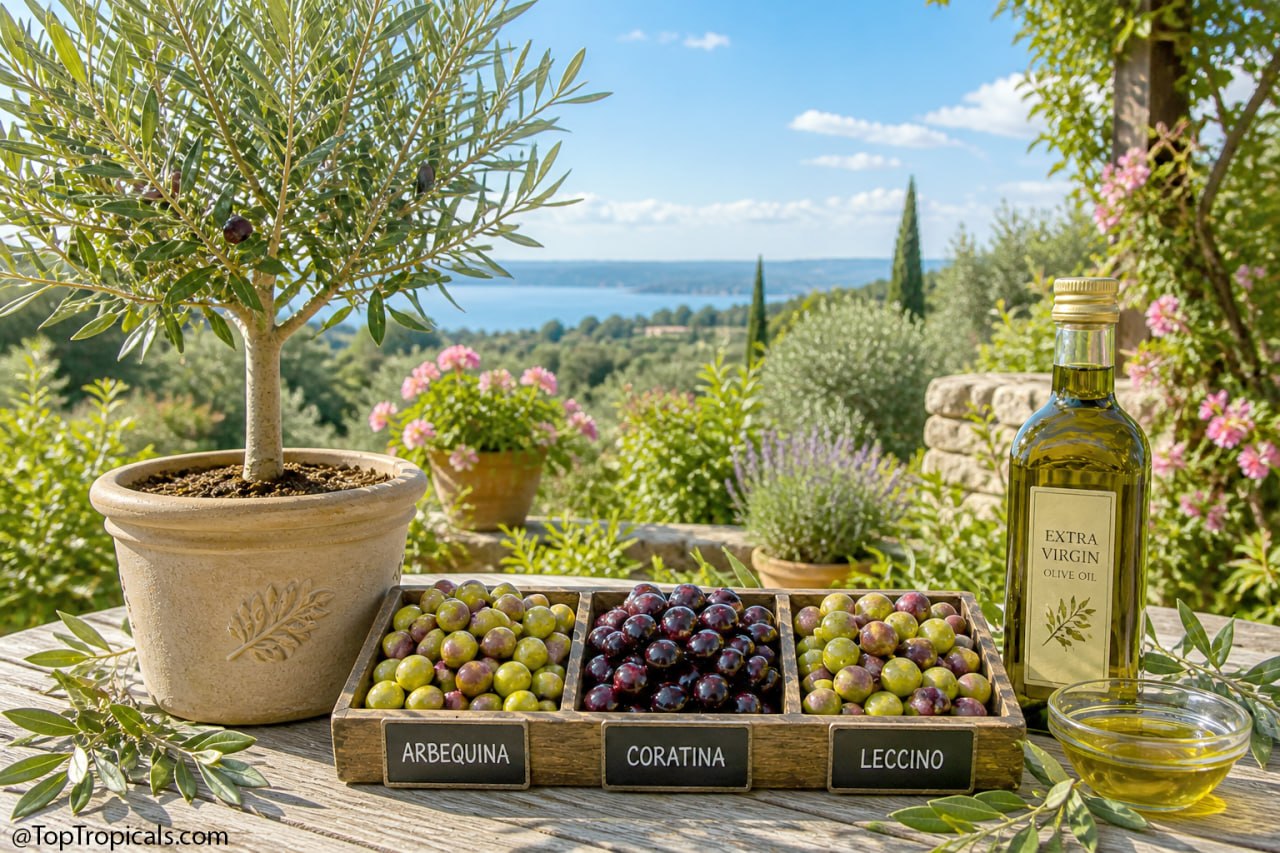
Olive trees aren’t just for the Mediterranean anymore. In warm parts of the U.S. - including much of Florida - certain varieties handle heat, humidity, and even occasional cold better than people expect. If you’ve been thinking about adding something useful, low-maintenance, and long-lived to your garden, olives deserve a spot on your list. Here are three varieties that actually make sense to grow.

  • 1. Arbequina: Compact, Productive, and Beginner-Friendly


Arbequina is one of the easiest olives to grow, especially if space is limited. It is naturally compact, which makes it great for containers or small yards. It starts producing early compared to other olives, handles heat well, and adapts to different soils. The fruit is mild, buttery, and excellent for oil. If you want an olive tree that behaves well and produces without much fuss, this is the one. 👉 More...

  • 2. Coratina: Bold Flavor and Strong Growth


Coratina is a completely different type of olive - vigorous, tough, and known for intense flavor. It is fast-growing and very hardy once established, and it produces heavily under the right conditions. The fruit is high in oil content with a flavor that is strong and peppery, making it prized for premium olive oil. This is a great choice if you want a more traditional, high-performance olive tree with character. 👉 More...

  • 3. Leccino: Reliable and Cold-Tolerant


Leccino is known for consistency and is one of the most widely planted olives for a reason. It is more cold-tolerant than many other varieties and is a reliable producer year after year. It has a medium growth habit that is easy to manage, and the fruit works well for both oil and curing. If your area gets occasional cold snaps, Leccino is a safer bet. 👉 More...

  • Why olives make sense in your garden


Olives check a lot of boxes most fruit trees don’t. They are drought-tolerant once established and don’t need rich soil; average or even poor soil is fine. They are long-lived trees that can produce for decades and have low pest pressure compared to many tropical fruits. They’re not high-maintenance, and they don’t demand constant attention.

What to know before you plant


A few practical points make all the difference. Full sun is non-negotiable, and drainage matters because if water sits, the roots suffer. Light pruning keeps trees productive and manageable. Some varieties produce better with cross-pollination. In Florida conditions, airflow and avoiding overly wet soil are key.

If you want a tree that looks good, produces something useful, and doesn’t need babysitting, olives are hard to beat. Choose Arbequina for small spaces and ease, Coratina for strong growth and bold oil, or Leccino for reliability and cold tolerance. Plant one - or plant all three - and you’ll start to see why olive trees have been grown for thousands of years.

📚 Learn more:

Plant Facts

Olea europea
Olive
USDA Zone: 9-11
Plant used for bonsaiSmall tree 10-20 ftFull sunDry conditionsModerate waterEdible plantPlant attracts butterflies, hummingbirdsEthnomedical plant.
Plants marked as ethnomedical and/or described as medicinal, are not offered as medicine but rather as ornamentals or plant collectibles.
Ethnomedical statements / products have not been evaluated by the FDA and are not intended to diagnose, treat, cure, or prevent any disease. We urge all customers to consult a physician before using any supplements, herbals or medicines advertised here or elsewhere.Subtropical plant. Mature plant cold hardy at least to 30s F for a short time


🛒 Shop Olive trees

#Food_Forest #How_to #Discover

🟢 Join 👉 TopTropicals
Date: 19 Jan 2022

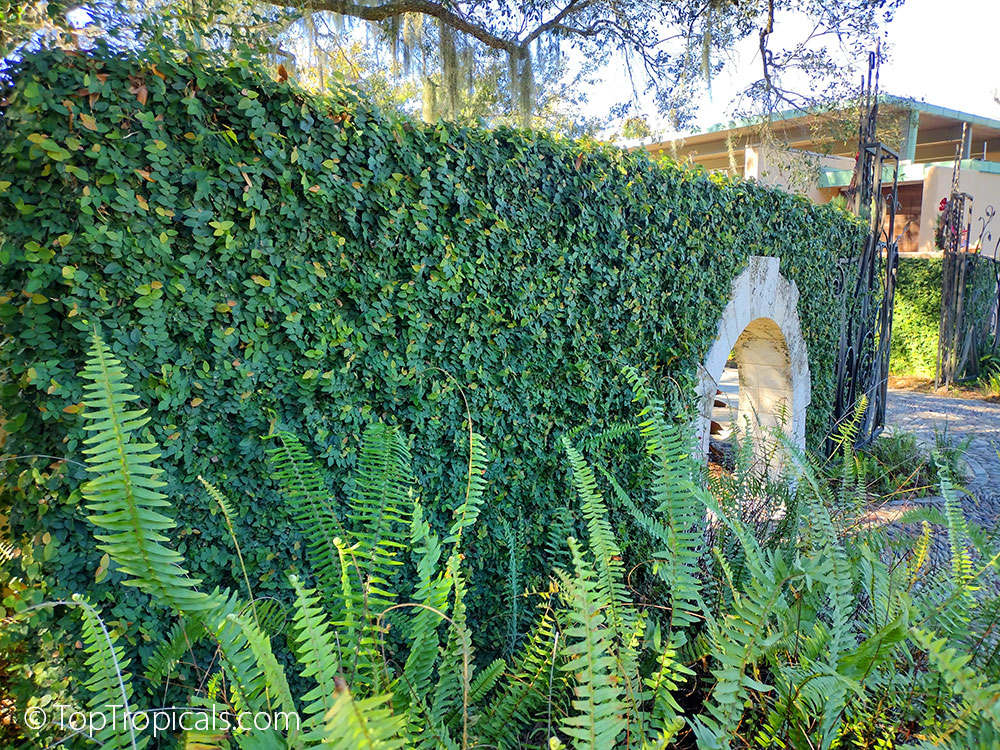
Ficus pumila:
you won't believe these leaves and fruit!..

by Alex Butova, the Witch of Herbs and Cats

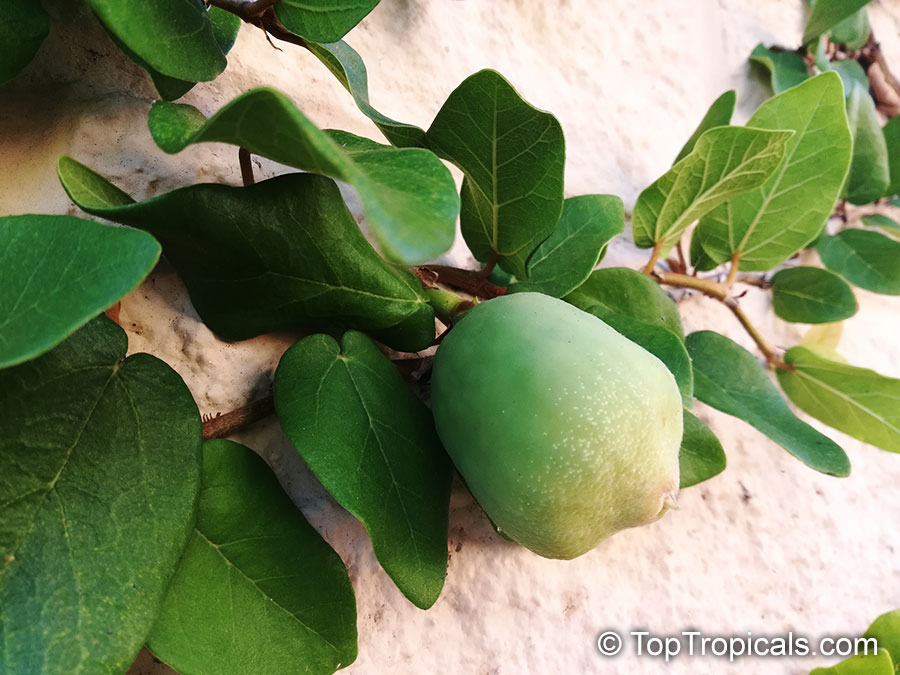
...If you visited tropical and subtropical countries, you probably have seen this curious plant covering fences and walls and even whole buildings, looking like an ivy... But if you looked closer, you might have noticed something unbelievable about this plant... Do these small tiny leaves, and these large glossy leaves, and these fig-like fruit too... do they all belong to the same plant?!.. No way!..

CONTINUE READING >>

Date: 16 Dec 2021

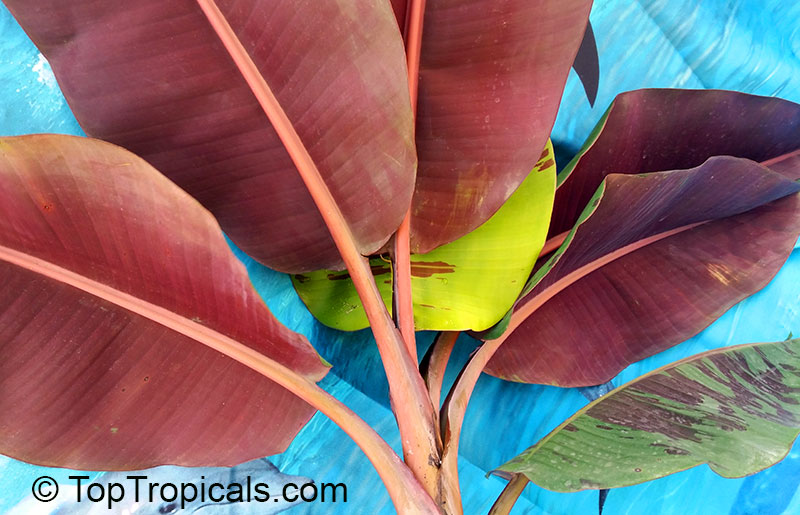
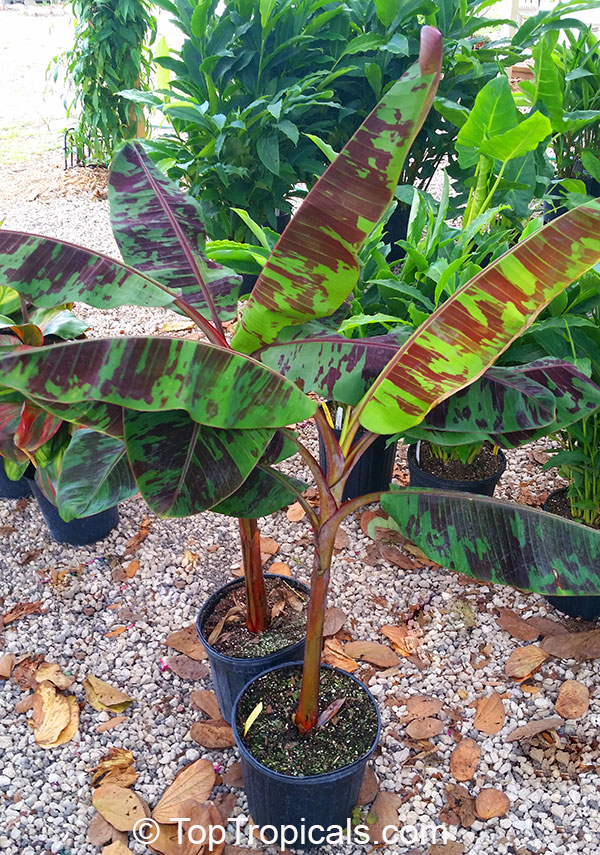
Zebrina Rojo - Blood Leaf Banana

by Alex Butova, the Witch of Herbs and Cats

...The showy Blood Banana plants grow 6-8 ft tall in the wild, but are well-adapted to container growing and can be maintained at only 3-5 ft. They produce huge paddle-shaped leaves that grow to 6 ft long! The undersides of these large leaves are purple to red...

CONTINUE READING >>

Date: 15 Aug 2021

How to grow Cerbera and make it flower

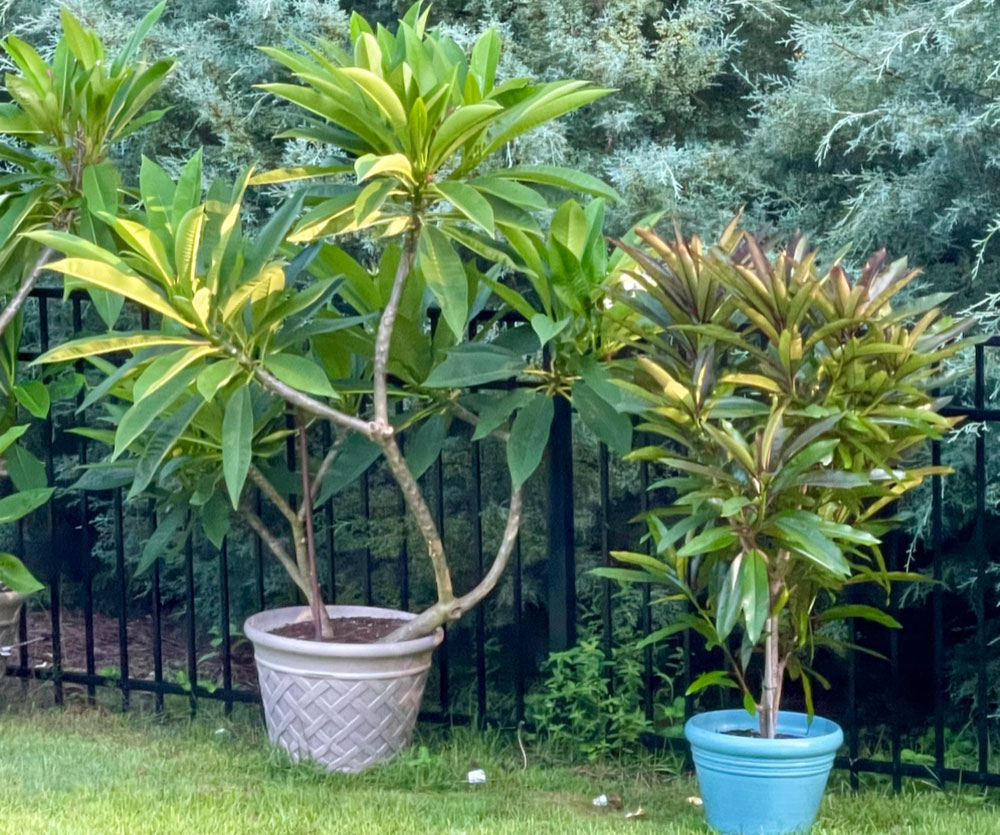
Q: I purchased Cerbera manghas - Enchanted Incense a year ago. As you see from the photo, it's doing great however, no blooms. I fertilize properly and very often and use worm castings for micronutrients. Yes it's not "your" fertilizer, but my plumerias, that are also in pots they are over 5 feet tall and blooming like crazy. I don't see any inflows coming on the Cerbera at all and it is hot and humid here in North Carolina, so it's happy but no sign of blooming. What is your advice?

A: Top Tropicals first brought Cerbera manghas into the US plant market a few years ago, it was recommended to us by our friend, plant taxonomist John Mood who visited Thailand, and among other exotic plants noted this fragrant beauty. Since then we've been successfully growing this plant, it has become one of everybody's favorites.

Generally speaking, Cerbera culture is very similar to Plumerias. These plants are closely related. So if you know how to grow Plumeria, you sure will succeed with Cerbera. Hot and sunny location, well-drained mix, moderate water and bloom boom fertilizer will do the trick. However, we have noticed a few distinctive features that make this plant somewhat challenging at times.

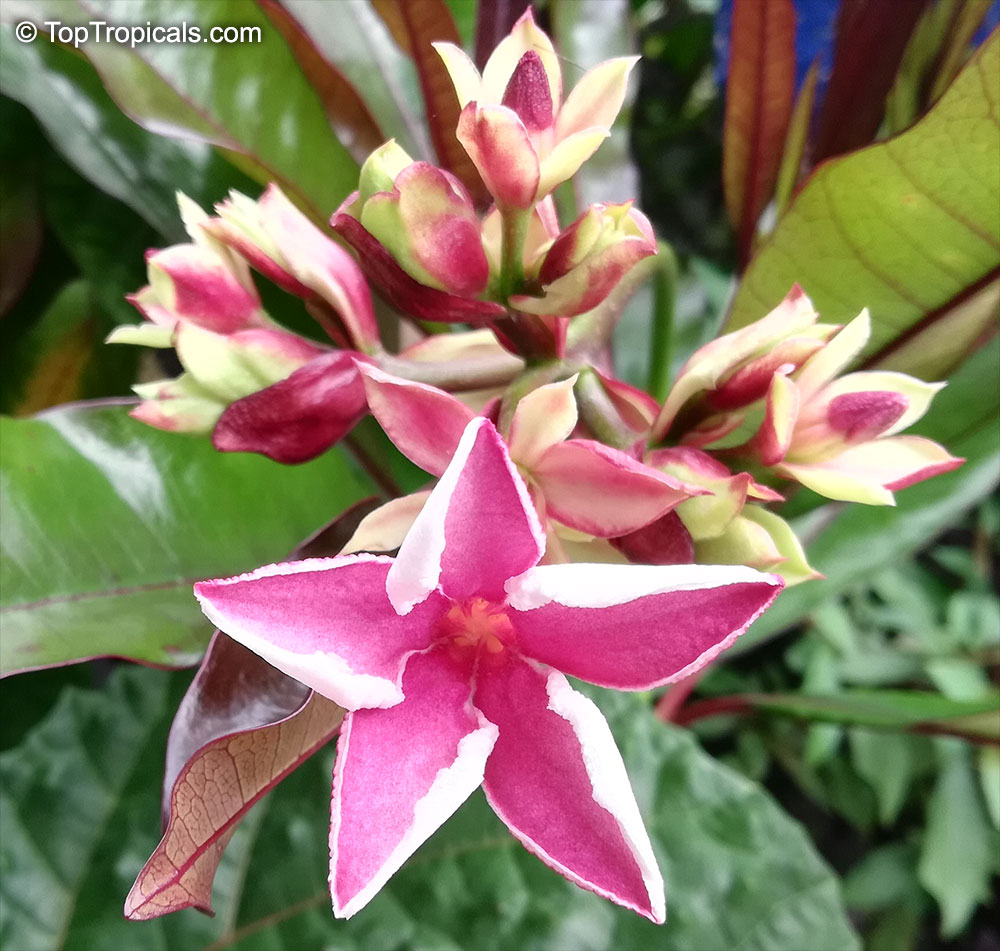
1) Flowers

For past years, we've been studying what triggers its flowering. Sometimes these plants start flowering in 1 gal pot, 1 ft tall. Other times a large developed tree 5-6 ft tall, in 5-7 gal pot, grows beautiful foliage with no signs of flowers. Eventually all of them bloom, no matter how stubborn they are, it's just some individual plants start flowering sooner than others, all grown in the same conditions.
One of our plants in the ground, a well-branched tree, was covered with flowers for a few months, but only on the 3d year after planting. Before that, it only produced a few random blooms. Others bloomed in pots at very young age.
The following factors benefit to Cerbera flowering:
- full sun at least 10 hours a day
- hot temperatures above 85F
- regular water but not heavy rains
- regular fertilizer - Bloom Booster type
- very good drainage and drying out before waterings. If root ball stays moist, the plant may look healthy but won't set flower buds. Keeping on a dry side will encourage flowering. Very similar to Jasmines: they bloom like crazy in April while it's hot and dry in Florida, but once our summer rainy season starts, they reduce blooming.

We highly recommend using Sunshine Megaflor bloom booster or SUNSHINE Pikake in combination with micro-element supplements Sunshine Honey (B-Mo) and Sunshine Superfood (complex micro) that induce flowering. Dry and granulated fertilizers may not supply exactly what a plant needs: certain elements that trigger flowering may be missing. Sunshine Boosters formulas are scientifically balanced, they contain precise amounts of nutrients needed for setting flowers. Besides, excessive salts from regular dry fertilizers create nutrient lock up that may retard plant metabolism; with liquid amino-acid based Sunshine boosters, plants consume the whole menu of elements without building them up in the soil.

2) Fruit

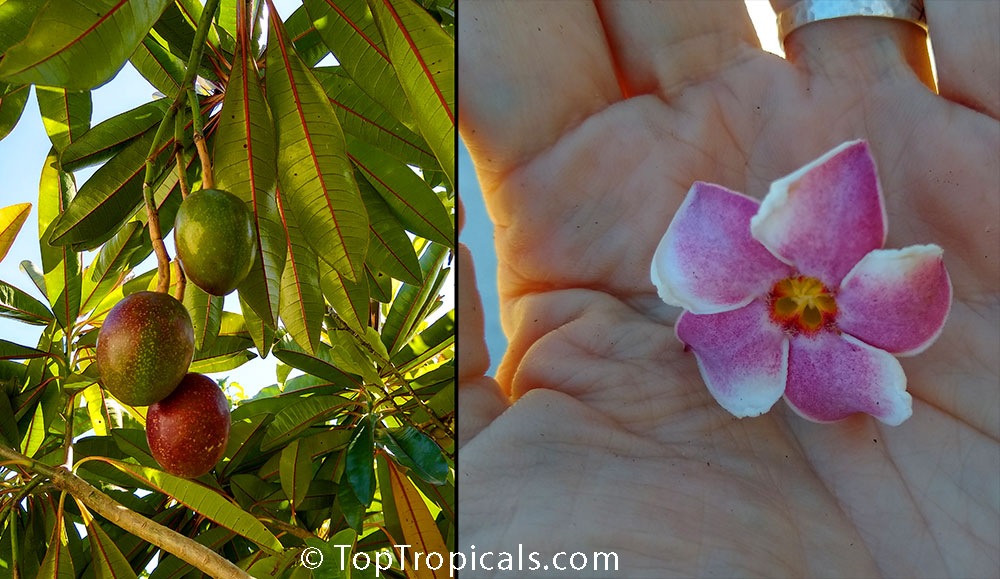
Fruit of Cerbera are very pretty and cover the tree after profuse flowering. To inexperienced eye they may look very much like small mango or avocado fruit - so make sure kids or visitors don't try to eat them! Cerbera seeds are extremely poisonous.

3) Leaves

If you ever grew Passiflora or Milkweed, you know how leaves can be eaten by caterpillars overnight. This may happen to Cerbera too, as we discovered. In Florida environment this exotic plant doesn't have natural predators for protection from certain insect species that may feed on it. So watch out and if noticed first signs of leaves damage - its time for insect control.
Other than that, Cerbera foliage is usually beautiful and colorful, here in Florida it looks much healthier than that of Plumerias often affected with rusty residue during high humidity months.

Hope this helps. The Cerbera fragrance is enchanting, it is worth the efforts and waiting!

Date: 13 Aug 2020

Healthy Plant Food

Q&A from Mr Booster

Establishing Avocado Tree

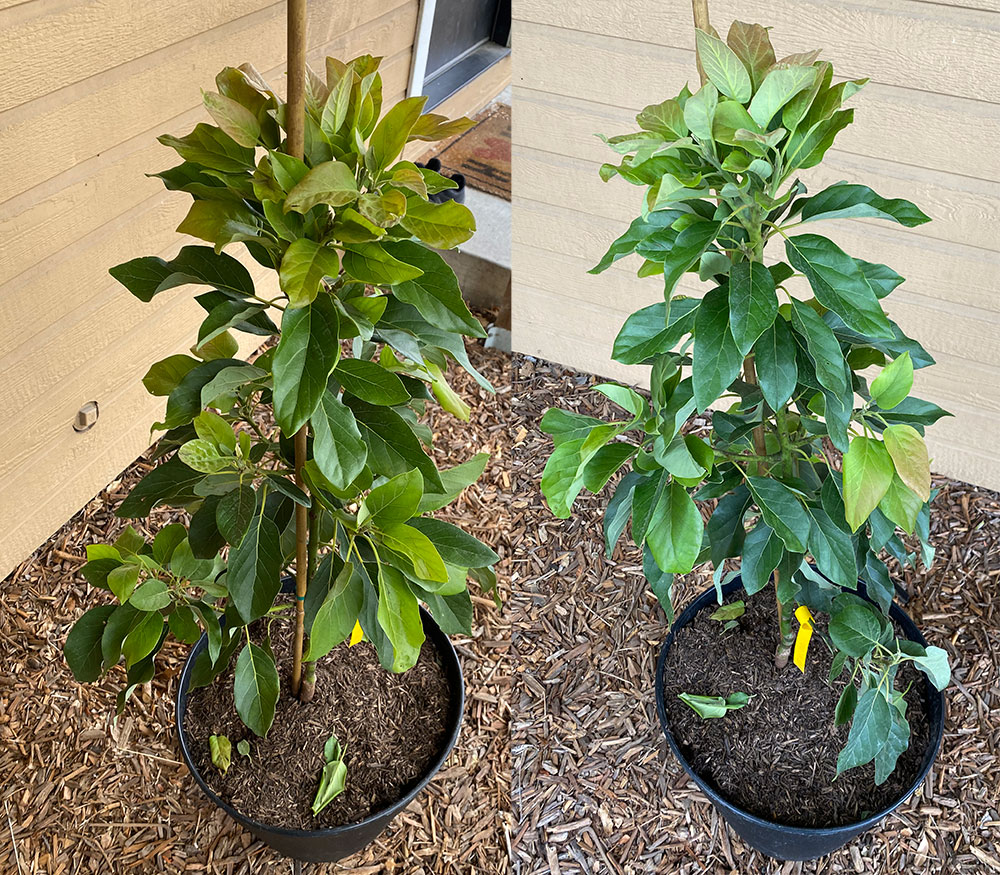
Q: I received my avocado Wurtz tree yesterday. Per instructions I have put the tree in a pot first. However I am having difficulty deciding what to trim off. Yesterday I removed obvious damaged leaves. However as you can see, the leaves are lighter in some areas and contain yellow and red in some spots. What would you advise? Given this is a critical state as I do not want to shock the tree after the trip, I would like to do everything possible to protect it and ensure viability.

A: Your Avocado tree looks great and healthy overall. You've done excellent job planting it. Wurtz is a good, vigorous variety, while the tree is somewhat dwarf, great for containers.
You are right, it is the best for the tree to leave it alone and do not trim or remove leaves any more, until it starts showing new growth. Then it will be obvious what needs to be trimmed. Reddish/orange color of young leaves is normal. If any spots or dots - no need to remove those leaves yet. Wait until the plant grows more leaves. It needs them for photosynthesis, in order to become stronger.

Keep the tree in bright shade and gradually move from filtered sun to full sun. Water daily. Within a week or two after planting, you can start applying mild fertilizer and micro-elements. We recommend at this growth stage:
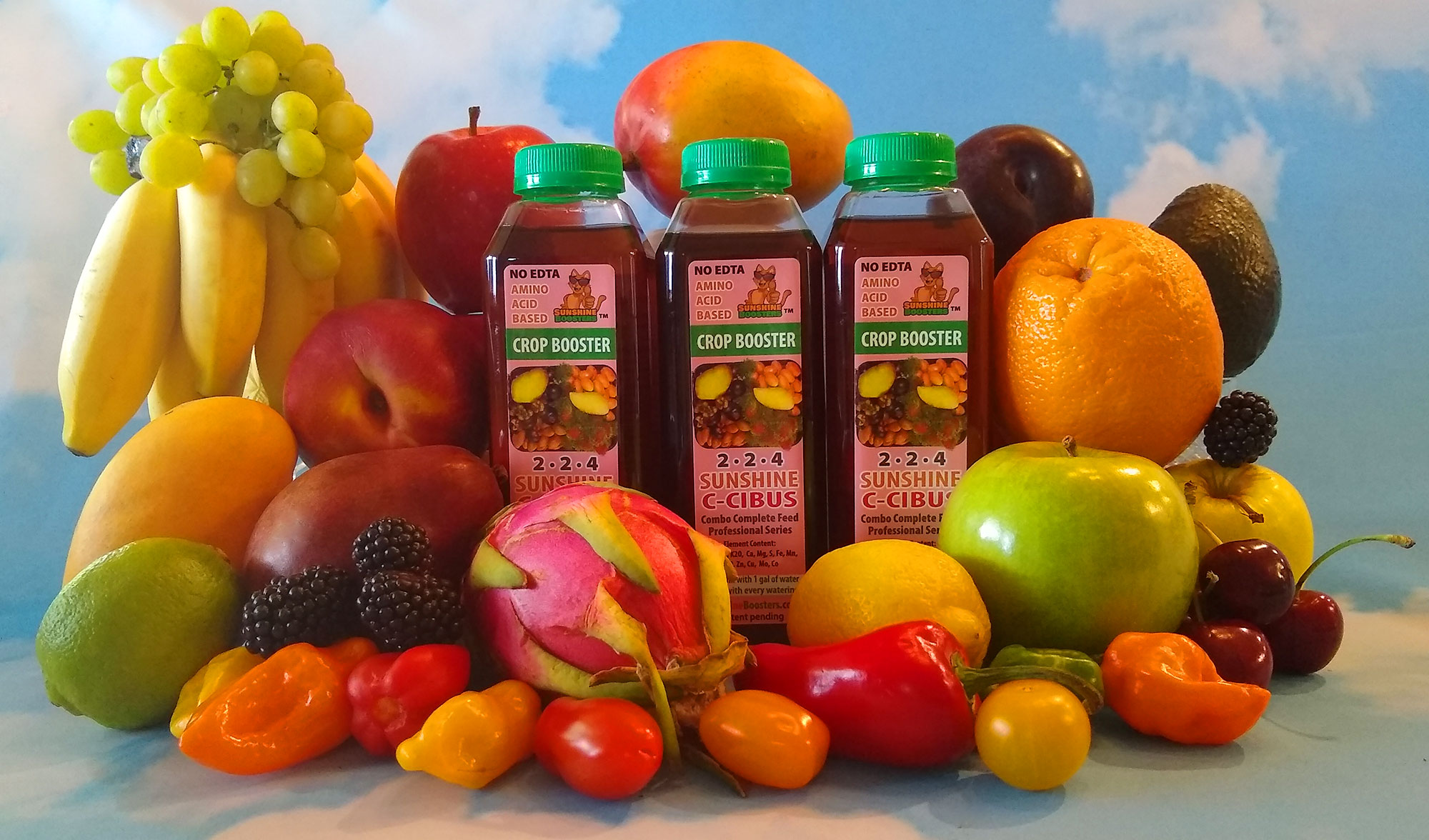
SUNSHINE C-Cibus - Crop Nutrition Booster
SUNSHINE SuperFood - Micro-element Plant Booster

SUNSHINE C-Cibus - Crop Nutrition Booster from Garden Series, or Combo Total Feed Collection - all nutrients in just one bottle, for fruit trees and edibles.