...Have you seen butterflies? Yes, of course. Have you seen orchids?
Yes, of course. And have you seen a tree with flowers that look like both a
butterfly, and an orchid?...
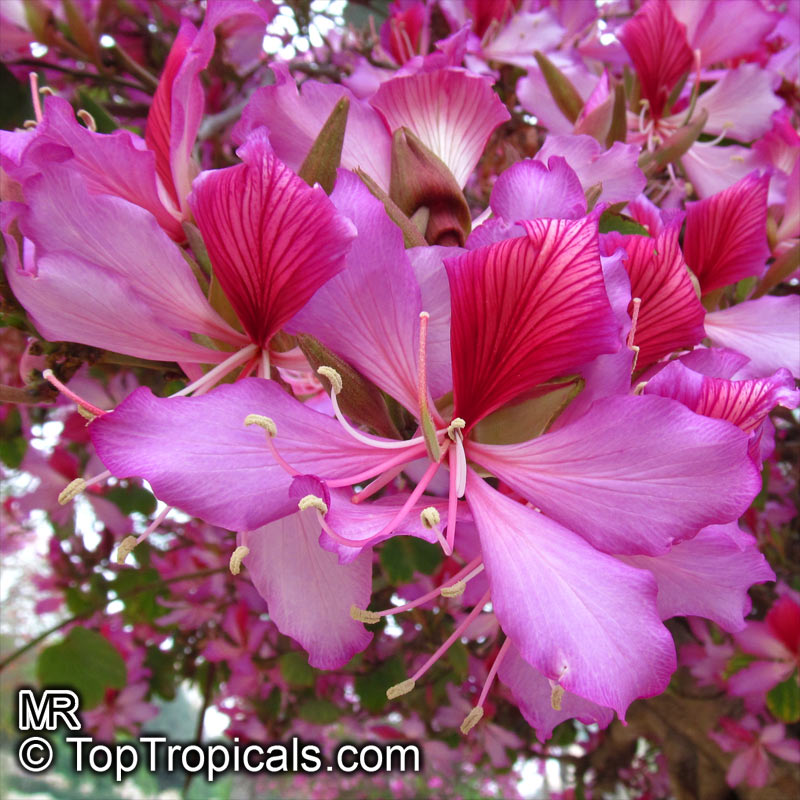
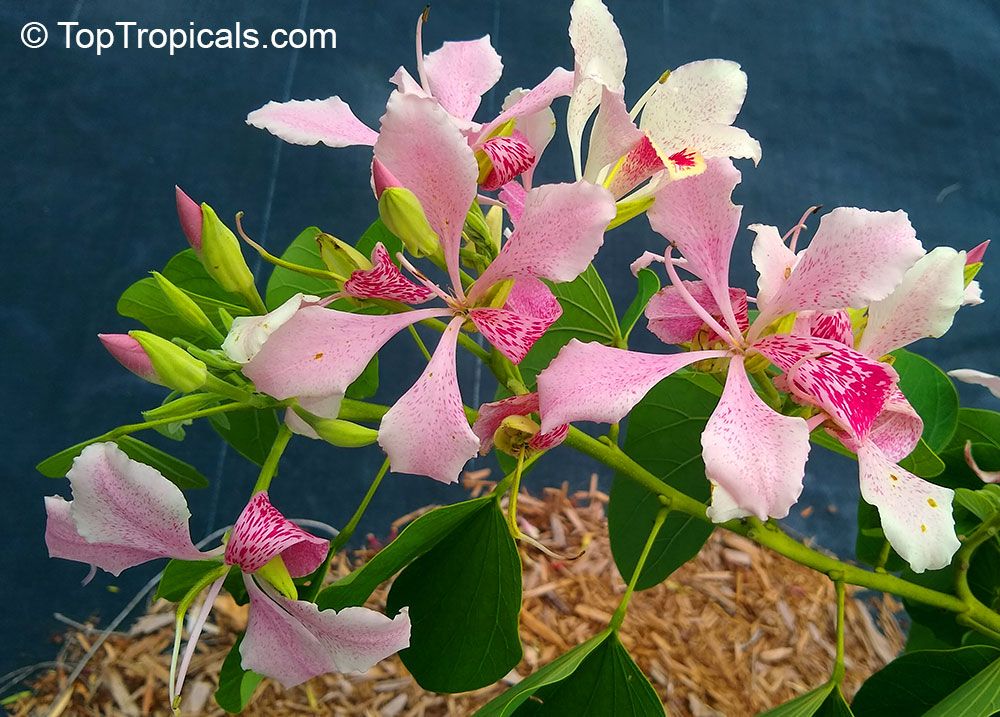
...Bauhinias are beautiful and diverse. Their flowers are showy and
slightly perfumed; their leaves always cleft in the characteristic Bauhinia
manner... And they are gorgeous - all together and each in their own way... They turn
your garden into a colorful paradise and make you feel like living on exotic
island...
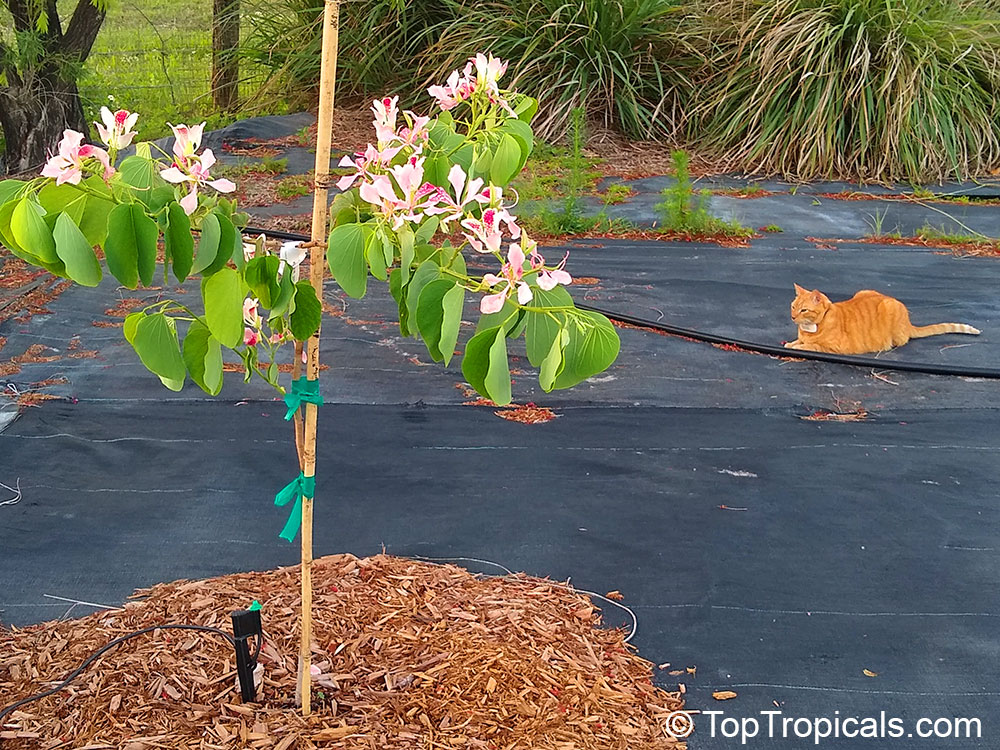
...Some of them are everblooming and start flowering in 1-3 gal pots!...
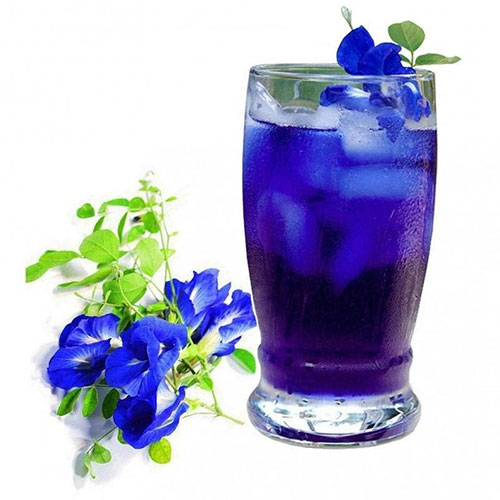
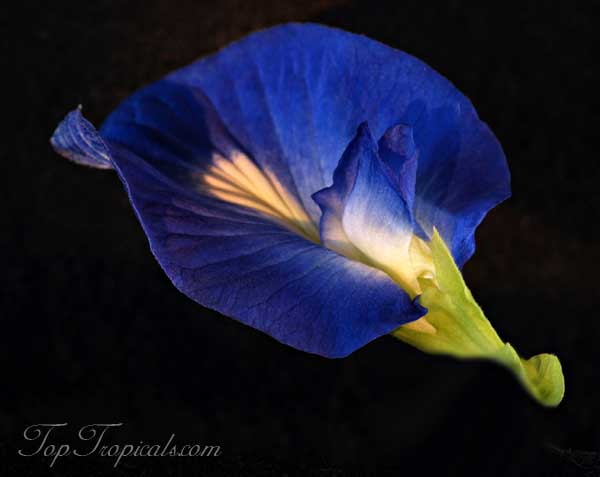
Butterfly-pea flower tea commonly known as Blue Tea is a caffeine-free
herbal tea, or tisane, a beverage made from a decoction or infusion of the
flower of the Clitoria plant. There are not many who know about the benefits of blue tea. For centuries the butterfly-pea flower tea was only known in South East Asia... The bright blue petals from the flowers of the
butterfly-pea plant have been used as an ingredient in herbal tea drinks
throughout the region for centuries as well as used in cooking...
A Miracle in the Garden: Watching a Tiger Swallowtail Rebuild Itself on a Magnolia Champaka - Joy Perfume Tree
Tiger Swallowtail Butterfly
A Miracle in the Garden: Watching a Tiger Swallowtail Rebuild Itself on a Magnolia Champaka - Joy Perfume Tree 🐯
Tiger Swallowtail Metamorphosis: From Cocoon to Joy
🏼 Nature’s most mind-blowing magic trick happened right here on a branch of our Magnolia champaka - the Joy Perfume Tree. Did you know that when a caterpillar enters its chrysalis (cocoon), it literally dissolves its body and rebuilds it from scratch?
🏼 This Tiger Swallowtail chose the legendary Joy Perfume Tree as its nursery. It’s a match made in heaven—the "flying tiger" of North America born on a tree famous for the world’s most expensive perfume scent. While most people know the Champaka for its intensely fragrant flowers, few realize that even the leaves release a soft, sweet aroma when brushed against.
🏼 In this video, you’ll see the rare moment of eclosion - where the butterfly emerges with soft, wrinkled wings and begins the slow process of pumping life into them before its first flight.
🏼 It is a real gem in your garden - not just for fragrance lovers, but for wildlife that clearly loves it too.
Watch this Tiger Swallowtail butterfly being born on a Champaka - Joy Perfume tree!
Everyone knows that Top Tropicals is good at unique, special novelties.
And it is not a secret that most plant people also are pet people - cat
people (with PeopleCats), dog people (with PeopleDogs) or at least fish people,
right?
Today we are excited to introduce our new revolutionary Fish Food developed
by our business partners at Floritin Aquarium Labs
Floritin stikiStikâ„¢ - Ultimate Aquarium fish food
StikiStik is a dry powder that you just mixed with water to create a
sticky paste. The paste can be attached to any surface inside your aquarium.
StikiStik is a patent pending fish food that does things which
conventional fish food does not. It introduces picky eaters to a more natural feeding
environment, does not pollute the fish tank, is easy to mix from its powder
format and provides gradual feeding. It is easy to apply to any surface in the
aquarium, such as interior glass wall, rocks or coral skeleton.
stikiStik advantages
- Easy to use. Just mix with a few drops of water and stik it in!
Self adhesive paste can be applied to any surface. Stays intact for hours in
aquarium. Does not pollute water - Scientifically designed and proven for all types of aquarium fish,
invertebrates, and corals - Optimal and balanced nutrition. Contains vitamins and amino
acids - Natural. No hormones, no artificial colors - Stimulates fish appetite and enhances fish color - Promotes natural feeding habits. Helps training hard to feed fish.
The perfect food to acclimate newly introduced fish, including Moorish Idol,
finicky butterfly fish, such as Copperband Butterfly, Pearscale
Butterfly, Mandarinfish, and many oithers - Easy to store. Can be used immediately or frozen for future use - Add any frozen fish food or medications to mix
"The stikiStik is the best Aquarium fish food ever - hands
down!"
- Mr Booster -
Date: 26 Apr 2023
The Benefits of Companion Planting
Q: What is companion planting?
A:Companion planting is a gardening
technique that involves planting different crops or types of plants together in a
way that benefits all plants. This practice has been used for centuries, and
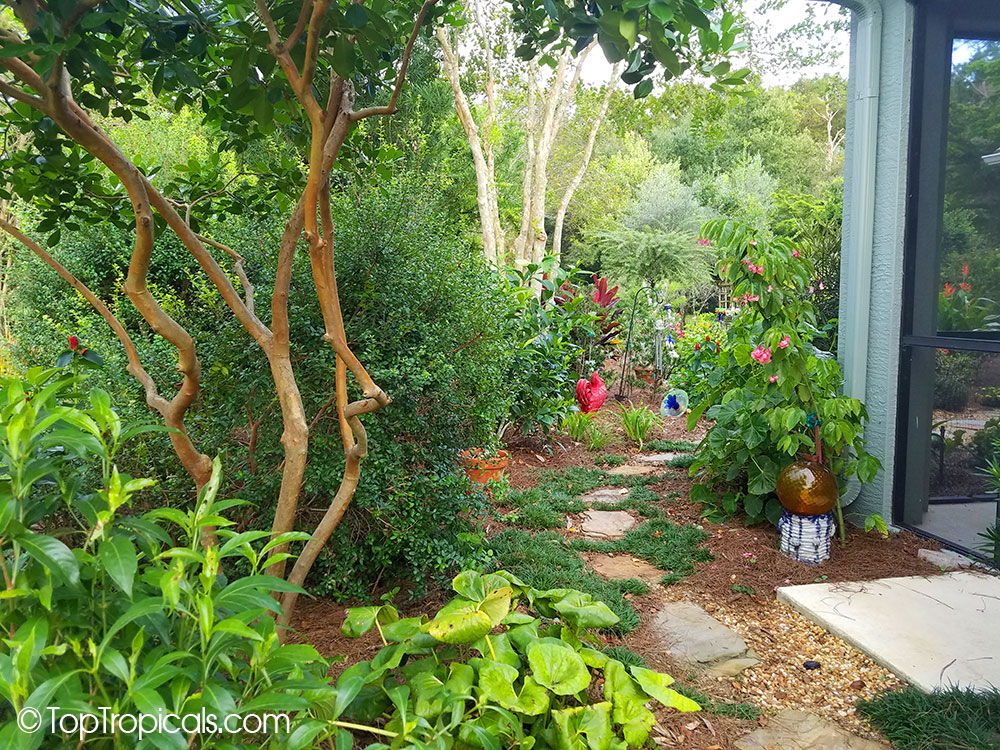
it can be especially useful in tropical gardens where there is a diversity of
plant life:
trees,
shrubs, vines and
climbers, ground
covers, fruit
and edibles, and
different flowering ornamentals. It is a great way to improve the health and
yield of fruit tree crops while reducing the need for fertilizers and
pesticides. By choosing the right companion plants and planning your garden layout
carefully, you can create a vibrant and diverse ecosystem that will benefit
both your plants and the environment.
Companion planting involves:
Planting different crops together to repel insects: adding such
plants as
Lemon grass, Patchouli leaf, or Moujean Tea near your vegetables can deter aphids and other pests.
Attracting pollinators - Butterfly plants. Many tropical crops, such as passion fruit, papaya,
mango, and
avocado, rely on pollinators to produce fruit. Companion planting can help to
attract pollinators such as bees, butterflies, and hummingbirds to your
garden.
Providing nutrients to the soil, adding mulch and low growing plants (ground
covers) to preserve moisture.
Planting a variety of different types of plants together in order
to create a more resilient ecosystem that is less susceptible to pests and
diseases.
To get started, plan your garden layout and choose companion plants with
similar water and light requirements.
For example, plant in the same group lush foliage plants, gingers, and flowering brunfelsias in shady areas; plant jasmines and gardenias in full sun and very well-drained spots.
Rotate annual crops regularly and experiment with combinations to find what
works best. By doing this, you can create a thriving ecosystem that benefits
both your plants and the environment, reducing the need for harmful
chemicals.