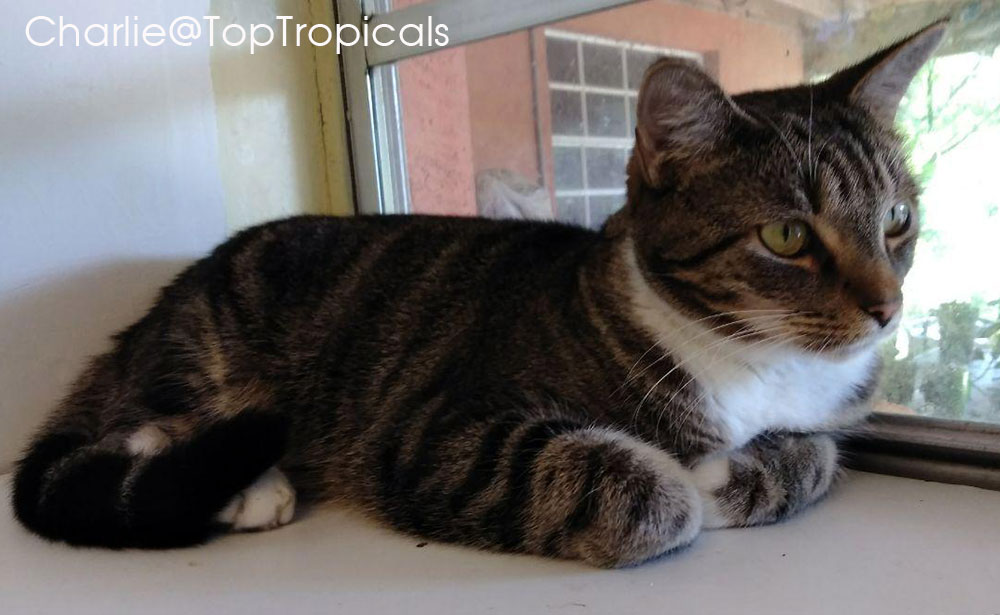
Meet PeopleCats of TopTropicals. Charlie, the Indoor Hunter
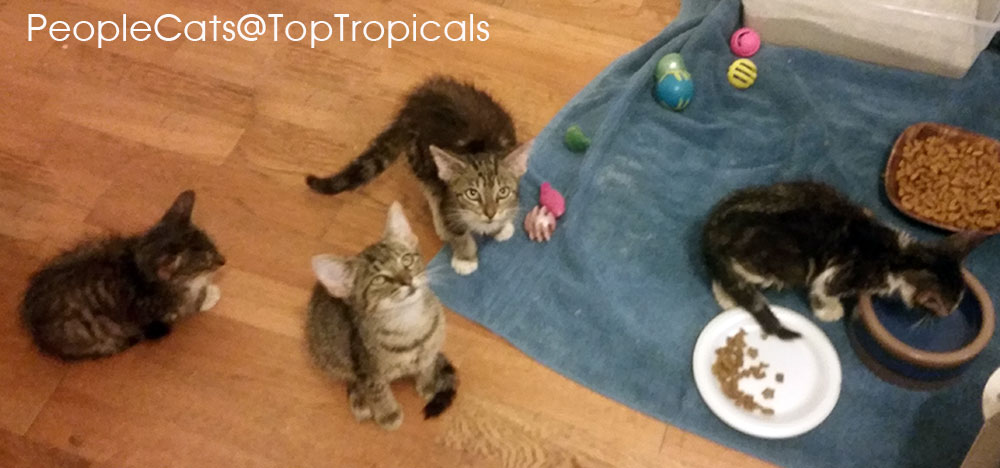
Carlie was a kitty drop off with LadyBug, Rickie, and Purry.
Charlie is Jamie's baby. She has an attitude of a teenager, one minute she
loves you and the next - wants nothing to do with you. Carlie stays with the
inside PeopleCats, she says it's too big in the outside world for her and she
gets scared. Carlie has a fun game (fun to her): she plays around 2:00 am in
the morning, she loves to drag random items down the hall (socks, toys,
shirts, even blankets) in her mouth MEOOOWWWING as loud as she can. She then sets
the items down on her human's bedroom rug and waits for her human to say
thank you. We're pretty sure her hunting instinct is off...
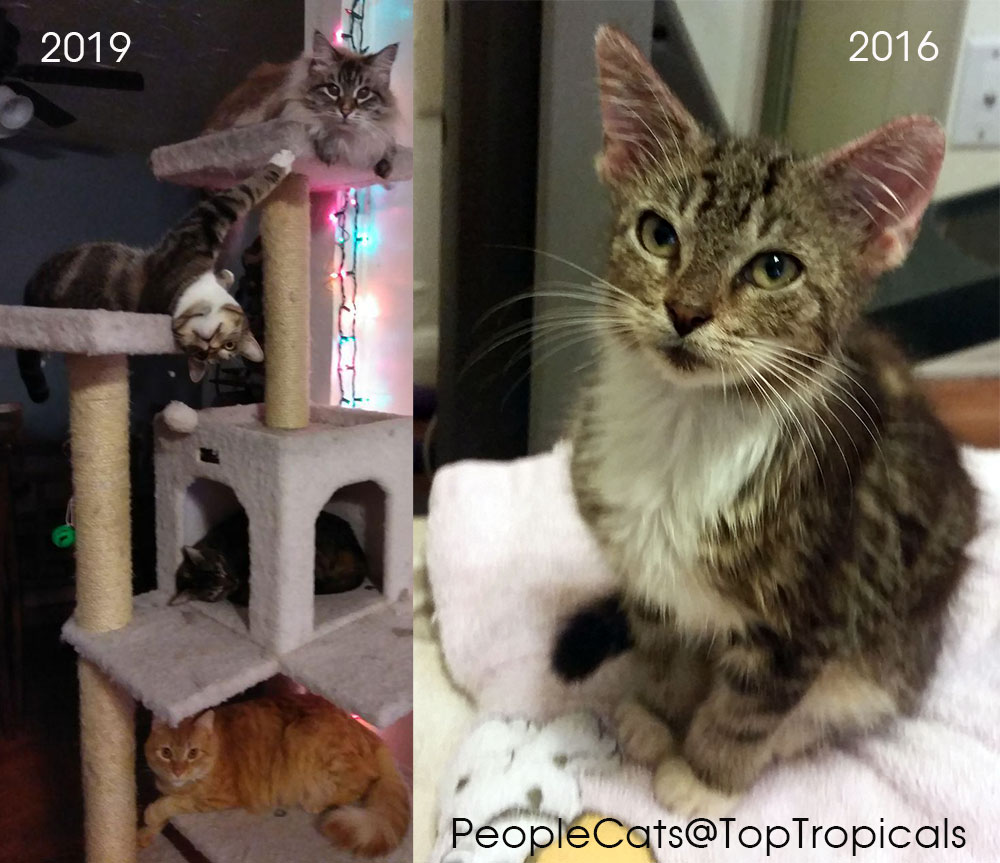
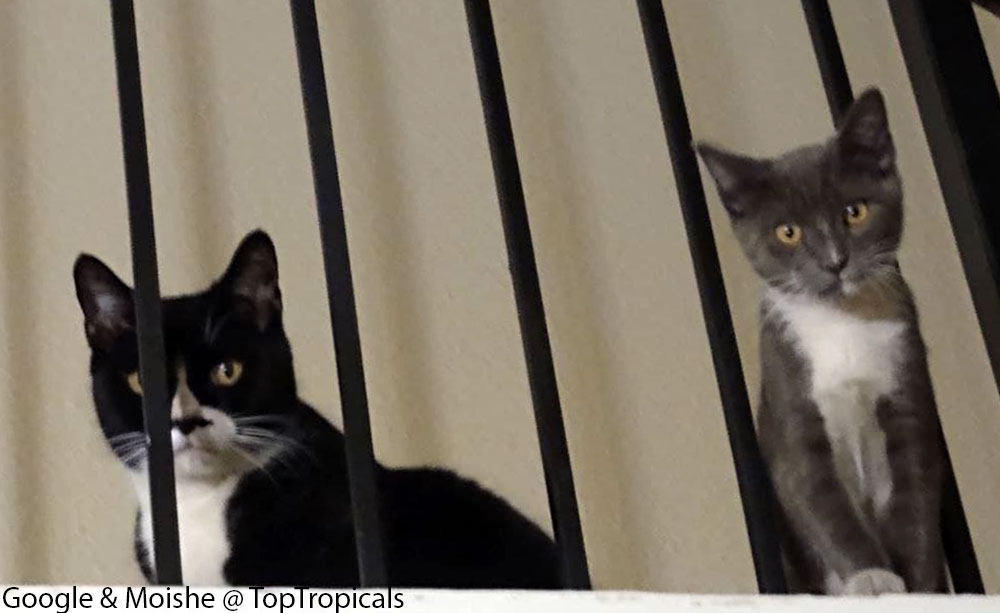
2019, from Top to Bottom: Moe, Charlie, Bagheera, and Snitch. 2016: Charlie
From left to right: Purry, LadyBug, Charlie, and Ricki - 2016
Date: 29 Nov 2020
Cold protection of tropical container plants
Q: I am long time customer of yours, I live in San Diego
California and while the summer and Fall temperatures are warm to mild, the winter
temperatures dip to a point where some tropicals die off. We are experimenting
with different variations of way to heat and insulate the pots we have the
tropicals planted in as a way to keep them alive during the colder winter
months. I was wondering if you knew of the ideal soil temperature for these
tropical in order to look their best year round. All of the heaters we have
installed have thermostats and temperature adjustments so we can now keep the soil
anywhere between a range of between 65-75 degrees. Any advise you can provide
would be greatly appreciated.
A: This is a very interesting concept you are working with.
Indeed, keeping pots/roots warm, may help a lot! We've been experimenting with
cold protection for a long time - for the above-ground plant parts. For sure
keeping roots protected (even with a thick layer of mulch) will benefit tropical
plants during winter. In case with container plants, this may help
dramatically.
The guideline is, tropical plants slow down or stop their metabolism at
65F. As long as you can keep soil above that temperature - this should work
great. Of course, the higher the better.
Optimum temperature for growing tropical plants in general - 70-85F.
Above 90F, metabolism stops too, unless it's a heat tolerant, desert
plant.
More information on winter cold protection of tropical plants and
zone pushing:
The Holy Grail of Medinillas: Why Collectors are Chasing the Philippine Pink
Medinilla apoensis - Philippine Pink
Medinilla apoensis - Philippine Pink
🎀 The Holy Grail of Medinillas: Why Collectors are Chasing the Philippine Pink
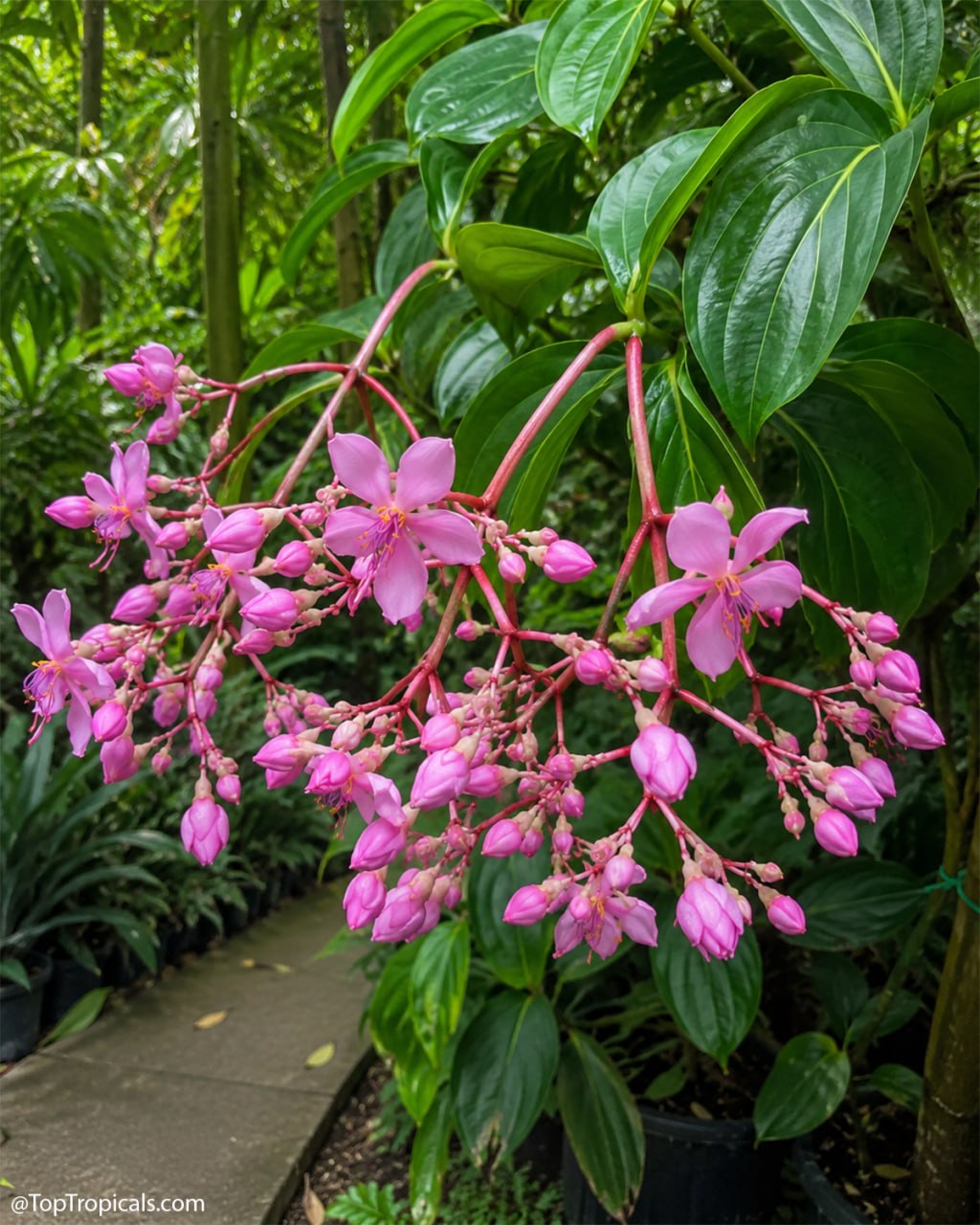
Some tropical plants are impressive because of their massive size, others capture attention with the delicate beauty of their flowers; Medinilla apoensis - popularly known as the "Philippine Pink" - stands out because it somehow does both at the same time.
🎀This rare Philippine species produces vivid, bright pink flower clusters that rise and cascade above the foliage like glowing tropical chandeliers. Unlike many Medinillas that rely mostly on oversized pink bracts for their visual show, this species gets its dramatic appearance from the flowers themselves - large, intensely colored blooms arranged in elegant, pendant clusters.
The effect is so striking that many people assume the plant is artificial the first time they see it.
🎀 A Different Kind of Medinilla
Most indoor gardeners are familiar with the famous Medinilla magnifica, often called the "Rose Grape" plant. However, Medinilla apoensis has a completely different personality.
· Architectural Foliage: The leaves are heavily veined, lush, and deeply textured, giving the plant a rich rainforest appearance even when it isn't flowering.
· Floating Blooms: When it's time to bloom, the bright pink flowers emerge on branched, hanging stems, floating above and around the leaves instead of hiding beneath them.
· Oversized Flowers: The individual flowers can reach nearly 2 inches across—unusually large for the genus—creating a fuller and far more dramatic display than its relatives.
Its graceful, cascading growth habit only adds to the effect, making mature plants look almost sculptural.
🎀 A Rare Collectors Treasure from the Cloud Forests
As the name suggests, Medinilla apoensis originates from the Philippines, a tropical region famous for its extraordinary epiphytic plants and rich rainforest biodiversity. In the wild, these plants naturally grow perched on tree branches in humid mountain forests, where constant airflow, filtered light, and mist create the ideal microclimate.
Because it remains relatively uncommon in commercial cultivation, the "Philippine Pink" has that exact combination that plant enthusiasts love: it is rare, exotic-looking, and elegantly dramatic.
🏆 The Best Part? It is surprisingly manageable to grow indoors if you can mimic its native cloud-forest habitat.
🎀 How to Help It Thrive
Despite its finicky, ultra-tropical appearance, Medinilla apoensis isn't impossible to keep happy. Like many epiphytes, its success comes down to a few key elements:
· Light: Bright, filtered or dappled sunlight (avoid direct, scorching afternoon sun).
· Climate: Warm temperatures and consistently high humidity.
· Watering: Regular moisture, but never allow the roots to sit in stagnant water.
· The Golden Rule: Avoid dense, heavy soil. In nature, their roots are exposed to constant airflow. To prevent root rot, use a chunky, fast-draining tropical mix containing orchid bark, coco coir, and perlite.
🎀 The Ultimate Showstopper
Some plants blend seamlessly into the background of a collection. Medinilla apoensis is not one of them.
Between the heavily textured foliage, the sculptural cascading habit, and those glowing pink flowers suspended like fine jewelry, this is the kind of plant that instantly becomes the center of attention in a greenhouse, patio, or bright living room.
For the dedicated plant collector, finding one of these rare treasures in full bloom feels less like routine gardening and a lot more like discovering hidden tropical treasure.
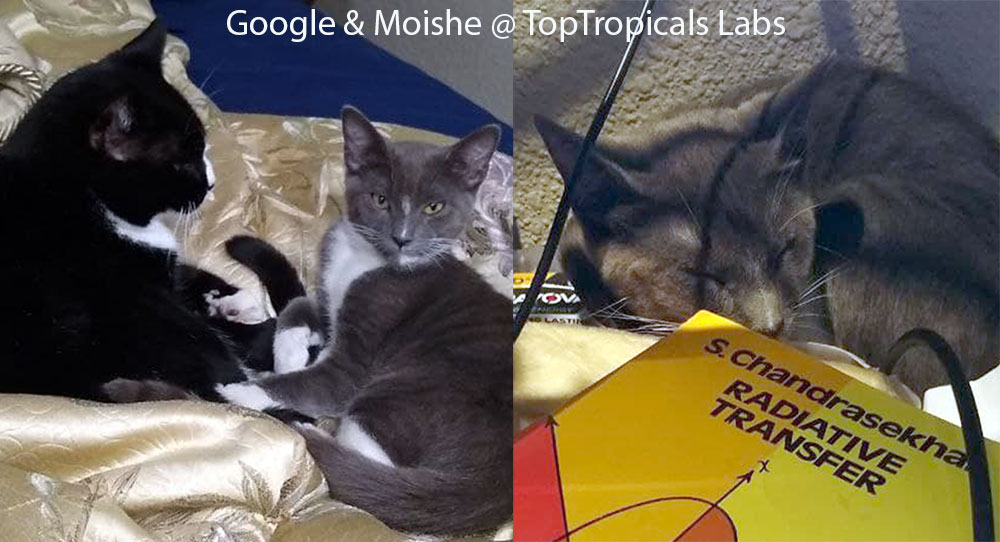
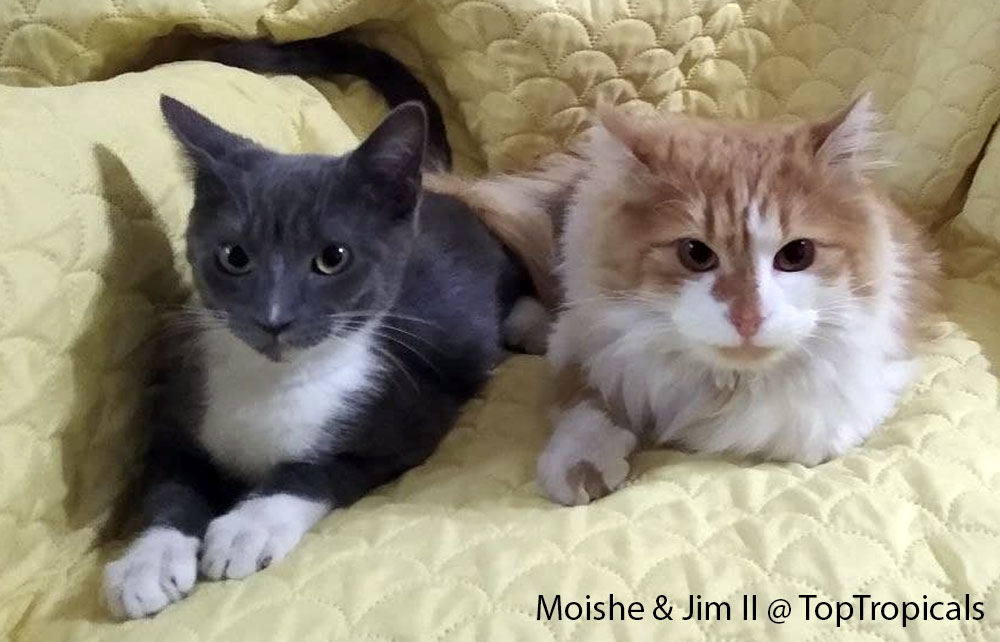
PeopleCats of TopTropicals. Cat of the Month: Moishe, the Google Intern with a Sweet Tooth
Just a few months ago we introduced our new Little Purrrson Jim II that we got as a "toy" for intellectual
Google the Cat, to cheer him up after he lost his friend Jim I... Jim II, the fluffy goofball, grew up in no time and in his turn,
requested entertainment, since Google bored him with his technical lectures... So
we got a toy for Jim-the-toy... and he turned out to be - another
mini-Google!
Moishe is very busy young individual, spending his day solving math
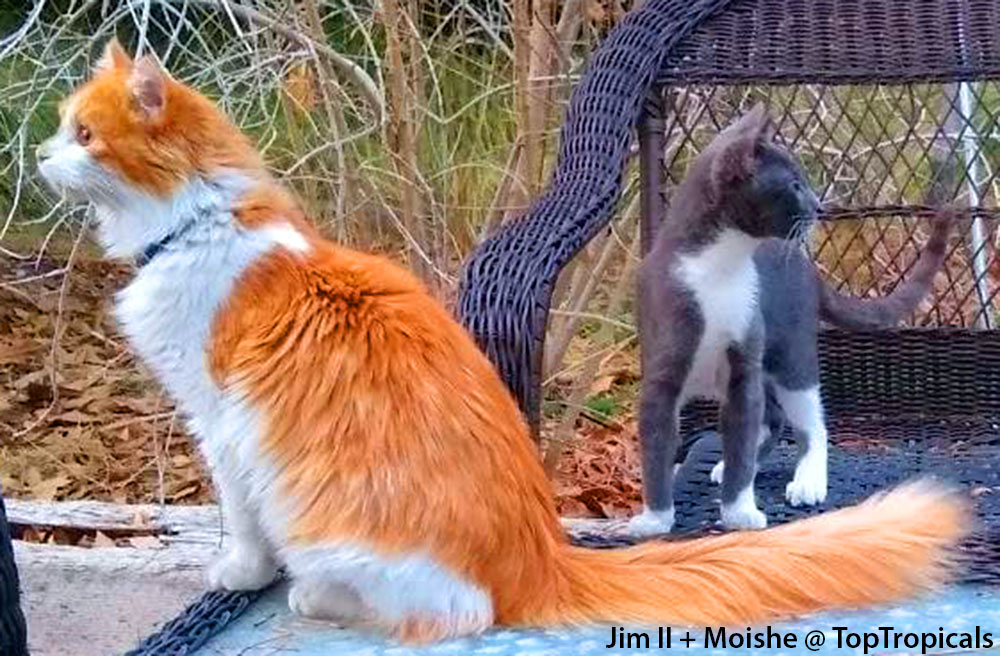
equations and discovering laws of physics... Google appreciates the new generation's input. Jim II is simply glued to the little guy. He follows Moishe everywhere, including boring seminars by Google. Jim loves his new little brother with all his heart!
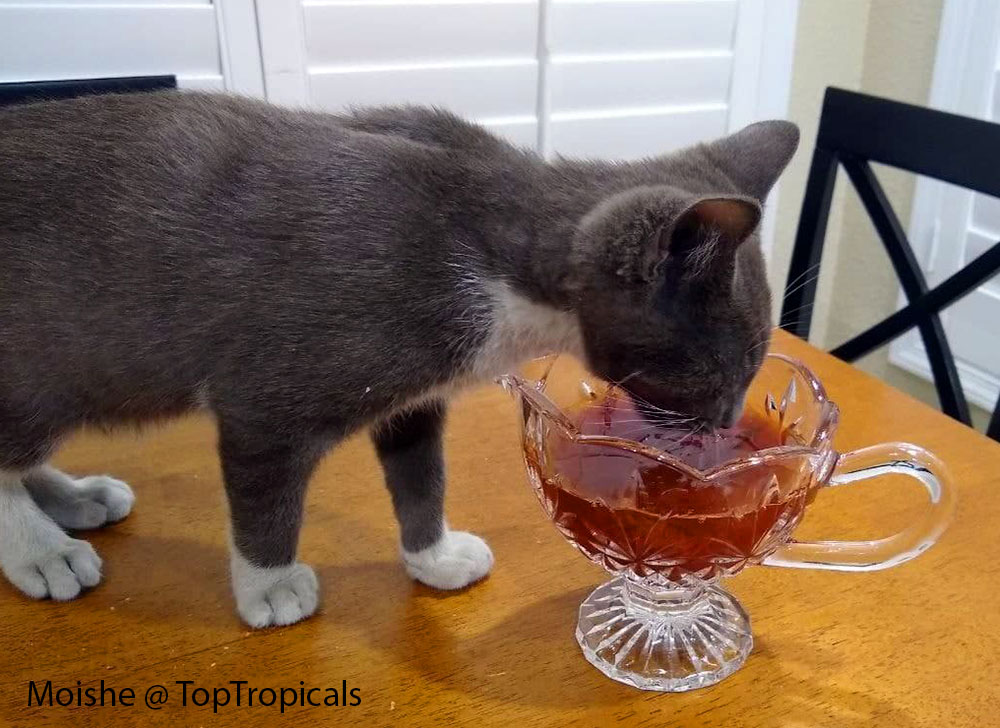
Moishe's favorite things are - gravity experiments, reading scientific manuscripts, and eating JAM for breakfast! No toast required.
TopTropicals PeopleCat Club and Zoo
Thank you for supporting us in helping PeopleCat Community! Make
your kind donation today and receive a surprise gift from us! Every little
bit helps. Thank you and God bless you and your pets!
In the photo: Moishe the Scientist and Jim the
Hopeless Romantic
Date: 25 Feb 2021
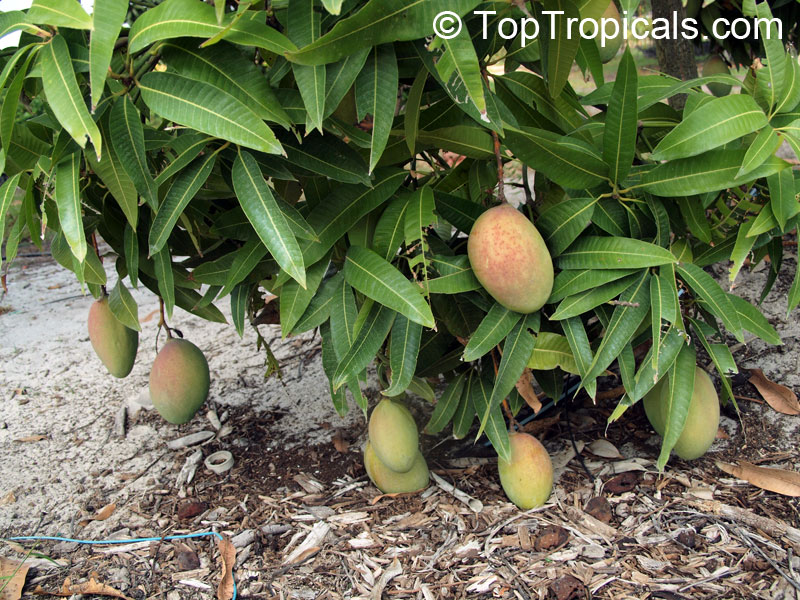
Container mango - Condo varieties
Q: What are the good varieties of mango trees available for container grow? Can you please share the
details?
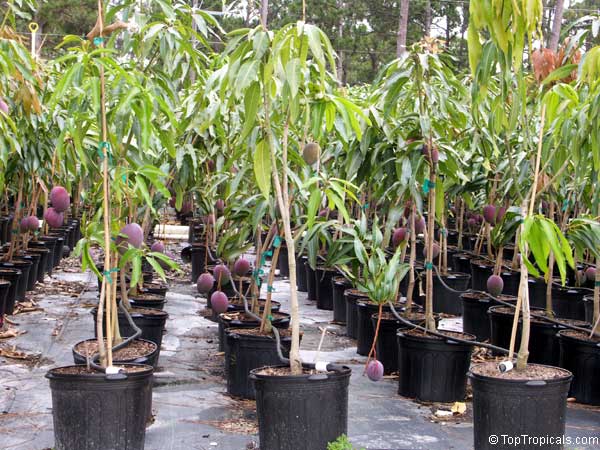
A: There are some great varieties of Mango selected specifically
for container culture, they even have a nick-name - "condo mangoes". They
have compact growth habit and respond well to pruning to keep them in small
size. Here are a few of our favorites that we currently have in stock:
Glenn Ice
Cream Cotton
Candy
Mallika
Manilita Pram
Kai Mai Mun
Kun Si Maha
Chinook
You can see more condo mangoes on this page.