Garden Blog - Top Tropicals

Date: 5 Jun 2026

Pitaya Eureka Red: dragon fruit beyond pink and white - A Collectors Guide
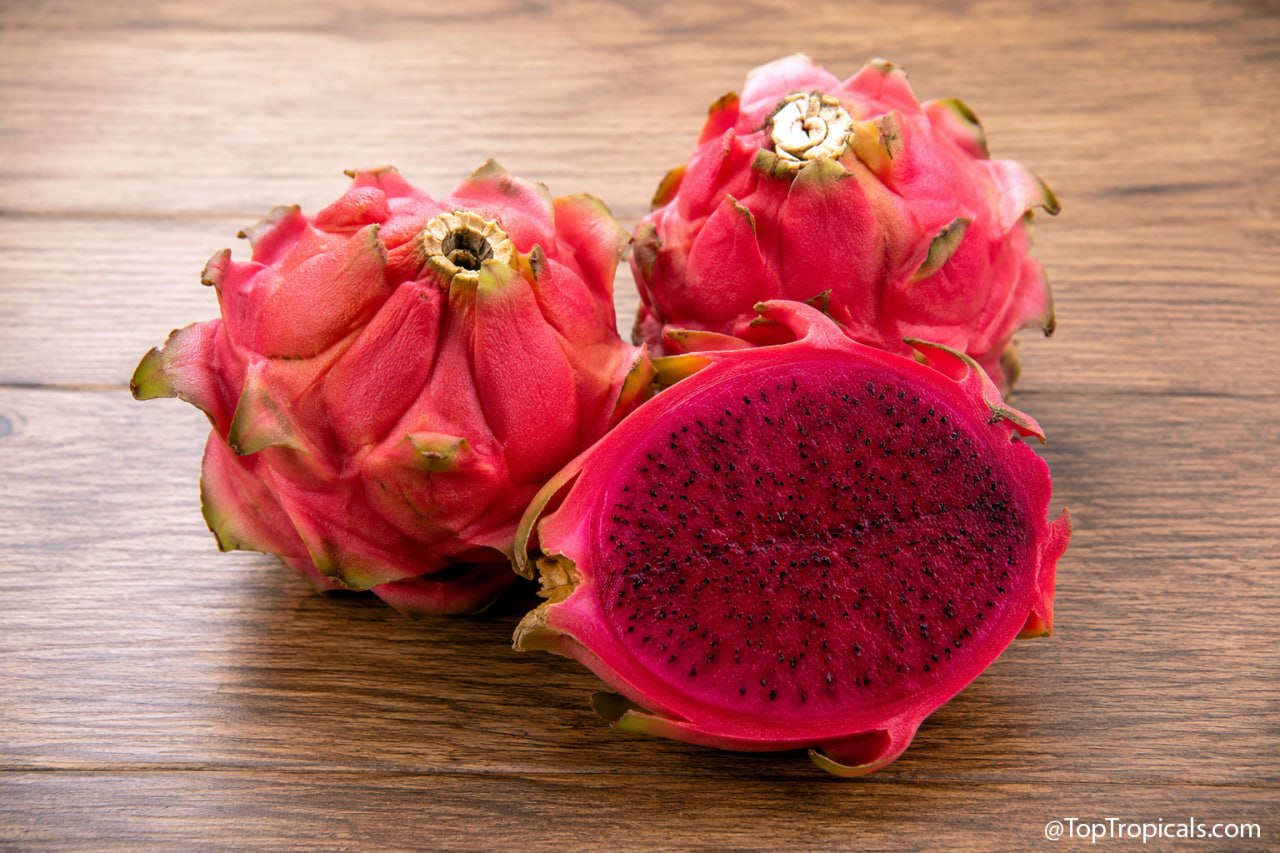
Pitaya Eureka Red: dragon fruit, Hylocereus

Pitaya Eureka Red: dragon fruit, Hylocereus

🍉 Pitaya Eureka Red: dragon fruit beyond pink and white - A Collector's Guide


Most people think dragon fruit is a mild, white-fleshed fruit with bright pink skin; then they discover Eureka Red - the highly sought-after, red-fleshed dragon fruit variet, a hybrid of Hylocereus polyrhizus and Hylocereus costaricensis. It is prized for its bold tropical flavor, intense sweetness, and vibrant, antioxidant-rich dark red juice. Originally selected in Nicaragua, Eureka Red is a self-pollinating variety that produces large fruit with deep red flesh and a flavor that is noticeably richer than many common white-fleshed dragon fruits. It belongs to a group of dragon fruits prized not only for their beauty but also for their intense color and higher antioxidant content.

🔸 A fruit that stands out


The first thing you'll notice is the flesh. Slice open a ripe Eureka Red and you'll find a vivid ruby-red interior packed with tiny black seeds. The contrast between the bright pink skin and dark red flesh makes it one of the most striking dragon fruits you can grow.

The fruit are typically large, often larger than many standard white-fleshed varieties, making them especially rewarding for home gardeners.

🔸More flavor than you might expect


Many people describe white-fleshed dragon fruits as refreshing and mildly sweet. Eureka Red takes things a step further.

The flavor is richer and more complex, with berry-like notes and a deeper sweetness balanced by a pleasant tang. The texture remains smooth and juicy, making it excellent for eating fresh, blending into smoothies, or adding dramatic color to fruit salads and desserts.

🔸 Easy to grow and productive


One reason Eureka Red has become popular among collectors is that it is self-pollinating. A single plant can produce fruit without requiring a second variety for cross-pollination.

Like other dragon fruits, it is a climbing cactus that thrives in warm climates, appreciates good drainage, and rewards growers with enormous fragrant white flowers that open after sunset. Once established, the plants can be remarkably productive.

🔸 Why collectors love it


Dragon fruit enthusiasts are always searching for varieties that combine beauty, flavor, and reliability. Eureka Red checks all three boxes. Its large fruit, deep red flesh, self-pollinating nature, and excellent flavor have earned it a place among the most desirable dragon fruit varieties for home gardens.

If you've only tasted the typical supermarket dragon fruit, Eureka Red is a reminder that the world of dragon fruits is far more colorful - and flavorful - than most people realize. 👉 More...

🛒 Explore and collect Dragon Fruit varieties

📚 Learn more:

Pitaya Plant Facts

Botanical name: Hylocereus sp.
Also known as: Pitaya, Pitahaya, Dragon Fruit, Strawberry Pear
USDA Zone: 9 - 11
Highligths Large shrub 5-10 ft tallVine or creeper plantSemi-shadeFull sunWatering: Moderate. Water when top soil feels dryWhite, off-white flowersThorny or spinyEdible plantSubtropical plant. Mature plant cold hardy at least to 30s F for a short timeSeaside, salt tolerant plant
Get personalized tips for your region

· Dragon fruit Hylocereus in Plant Encyclopedia
· Pitaya David Bowie: Dragon Fruit Beyond Pink and White
· A Quick Guide to Dragon fruit varieties: Red, White, Yellow, Purple and more...
· What is the best Dragon fruit with red flesh?
· Planting your own Dragon Fruit plantation
· Do-It-Yourself Support Structure for Dragon Fruit
· Why you need to grow your own dragon fruit
· Do red, white and yellow Dragon fruit taste differently?

#Food_Forest #Dragon_Fruit #Discover

🟢 Join 👉 TopTropicals

Date: 13 Jun 2026

Pitaya Sweet Red: dragon fruit beyond pink and white - A Collectors Guide

Pitaya Sweet Red: dragon fruit beyond pink and white - A Collectors Guide

🍉 Pitaya "Sweet Red": dragon fruit beyond pink and white - A Collector's Guide


Many people discover dragon fruit through white-fleshed varieties. Then they cut open a Sweet Red and realize they're looking at something completely different.
With brilliant red skin and deep red flesh, Sweet Red is one of the most colorful dragon fruits you can grow. It is also considered by many collectors to be among the best-tasting varieties available.


🔸 A dragon fruit that lives up to its name


Sweet Red (Hylocereus costaricensis) produces striking fruit with bright red to magenta skin and rich crimson flesh filled with tiny black seeds. The color is so intense that the fruit almost looks artificial, but it's completely natural.

Unlike some dragon fruits that can be bland when picked too early, Sweet Red is known for delivering consistently rich flavor when fully ripe.

🔸 Why growers love it


This variety is self-fruiting, meaning a single plant can produce fruit without requiring another dragon fruit nearby. It is also an exceptionally vigorous grower, quickly climbing trellises and producing long stems once established.

Like other dragon fruits, Sweet Red rewards growers with spectacular night-blooming flowers followed by colorful fruit that seem almost tropical enough to belong in a rainforest.

🔸 Sweet, juicy, and packed with color


The flavor is often described as sweeter and more intense than many white-fleshed dragon fruits, with hints of kiwi and pear balanced by subtle earthy notes.

The flesh is juicy with a pleasantly crunchy texture from the tiny edible seeds, making it refreshing to eat fresh and excellent for smoothies, fruit bowls, and desserts.

🔸 Why collectors seek it out


Dragon fruit enthusiasts are always searching for varieties that combine beauty, flavor, and reliable production. Sweet Red checks all three boxes. Its self-fruiting habit, rapid growth, stunning red flesh, and exceptional sweetness have made it a favorite among home gardeners and collectors alike.

If you're looking for a dragon fruit that delivers both eye-catching color and outstanding flavor, Sweet Red is one of the easiest varieties to recommend. 👉 More...

🛒 Explore and collect Dragon Fruit varieties

📚 Learn more:

Pitaya Plant Facts

Botanical name: Hylocereus sp.
Also known as: Pitaya, Pitahaya, Dragon Fruit, Strawberry Pear
USDA Zone: 9 - 11
Highligths Large shrub 5-10 ft tallVine or creeper plantSemi-shadeFull sunWatering: Moderate. Water when top soil feels dryWhite, off-white flowersThorny or spinyEdible plantSubtropical plant. Mature plant cold hardy at least to 30s F for a short timeSeaside, salt tolerant plant
Get personalized tips for your region

· Dragon fruit Hylocereus in Plant Encyclopedia
· Pitaya Purple Haze: dragon fruit beyond pink and white
· Pitaya Hana: dragon fruit beyond pink and white
· Pitaya Eureka Red: dragon fruit beyond pink and white
· Pitaya David Bowie: Dragon Fruit Beyond Pink and White
· A Quick Guide to Dragon fruit varieties: Red, White, Yellow, Purple and more...
· What is the best Dragon fruit with red flesh?
· Planting your own Dragon Fruit plantation
· Do-It-Yourself Support Structure for Dragon Fruit
· Why you need to grow your own dragon fruit
· Do red, white and yellow Dragon fruit taste differently?

#Food_Forest #Dragon_Fruit #Discover

🟢 Join 👉 TopTropicals

Date: 1 Jun 2026

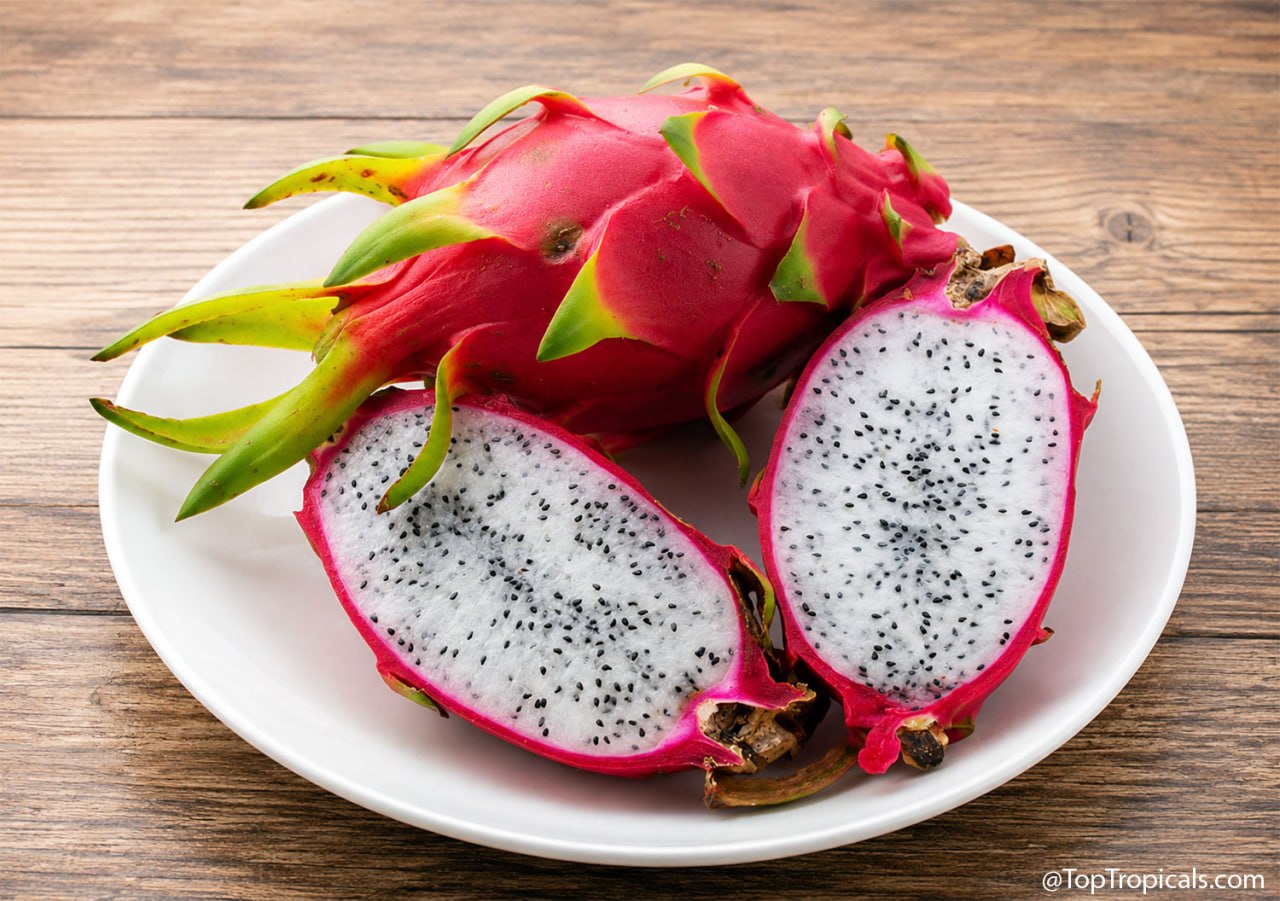
Pitaya David Bowie: Dragon Fruit Beyond Pink and White - A Collectors Guide

White Pitaya David Bowie: Dragon Fruit, Hylocereus

White Pitaya David Bowie: Dragon Fruit, Hylocereus

🍉 Pitaya David Bowie: Dragon Fruit Beyond Pink and White - A Collector's Guide


Most people know dragon fruit as a bright pink fruit with white flesh from the grocery store. But that's only the beginning. The world of dragon fruits is surprisingly diverse, with varieties ranging from white to deep purple, giant fruit to compact producers, and flavors that can remind you of kiwi, pear, melon, berries, or even lemonade. In this series, we'll explore some of the most interesting dragon fruit varieties, highlighting their appearance, flavor, growth habits, and what makes each one special.

🔸 At first glance


David Bowie (Hylocereus undatus x monacanthuis) looks like a classic dragon fruit - bright red skin, white flesh, and a familiar appearance. But spend a little time with this variety and you'll discover why collectors actively seek it out. David Bowie is one of the most popular white-fleshed dragon fruit varieties, prized for its large fruit, reliable production, and refreshing flavor.

🔸 A classic dragon fruit done right


This self-pollinating variety produces medium to large fruit, often approaching a pound in weight. The bright red skin is decorated with numerous green-tipped fins, giving the fruit an especially dramatic appearance.

Among white-fleshed dragon fruits, David Bowie is known for producing larger-than-average fruit while maintaining excellent eating quality.

🔸 Refreshing flavor with a citrus twist


Unlike some dragon fruits that are valued mainly for appearance, David Bowie delivers a flavor that keeps people coming back.

The flesh is mildly sweet and refreshing, often compared to a cross between kiwi and pear. What makes it memorable is a pleasant tangy character and subtle lemony finish that brightens the flavor and makes it especially enjoyable chilled.

The fruit is excellent eaten fresh and is also popular for smoothies, fruit salads, and garnishes.

🔸 Easy to grow and rewarding


David Bowie is self-pollinating, making it an excellent choice for home gardeners who want reliable fruit production from a single plant.

Like other dragon fruits, it is a vigorous climbing cactus that produces spectacular night-blooming white flowers before setting fruit. The blooms are large, fragrant, and beautiful enough to make the plant worth growing even before the harvest arrives.

🔸 Why collectors love it


Not every dragon fruit has to be purple, yellow, or unusually exotic to earn a place in a collection.

David Bowie remains popular because it combines everything growers want - attractive fruit, dependable production, large size, refreshing flavor, and self-pollinating flowers. Sometimes the classics become classics for a reason. 👉 More...

🛒 Explore and collect Dragon Fruit varieties

📚 Learn more:

Pitaya Plant Facts

Botanical name: Hylocereus sp.
Also known as: Pitaya, Pitahaya, Dragon Fruit, Strawberry Pear
USDA Zone: 9 - 11
Highligths Large shrub 5-10 ft tallVine or creeper plantSemi-shadeFull sunWatering: Moderate. Water when top soil feels dryWhite, off-white flowersThorny or spinyEdible plantSubtropical plant. Mature plant cold hardy at least to 30s F for a short timeSeaside, salt tolerant plant
Get personalized tips for your region

· Dragon fruit Hylocereus in Plant Encyclopedia
· Why white-flesh Dragon fruits deserve more attention
· A Quick Guide to Dragon fruit varieties: Red, White, Yellow, Purple and more...
· What is the best Dragon fruit with red flesh?
· Planting your own Dragon Fruit plantation
· Do-It-Yourself Support Structure for Dragon Fruit
· Why you need to grow your own dragon fruit
· Do red, white and yellow Dragon fruit taste differently?

#Food_Forest #Dragon_Fruit #Discover

🟢 Join 👉 TopTropicals
Date: 31 Dec 2023

What to do with a Dragon fruit?

Cat  with  dragon  fruit

Q: What can you do with Dragon Fruit? I bought some from the grocery store, but they don't have much flavor.

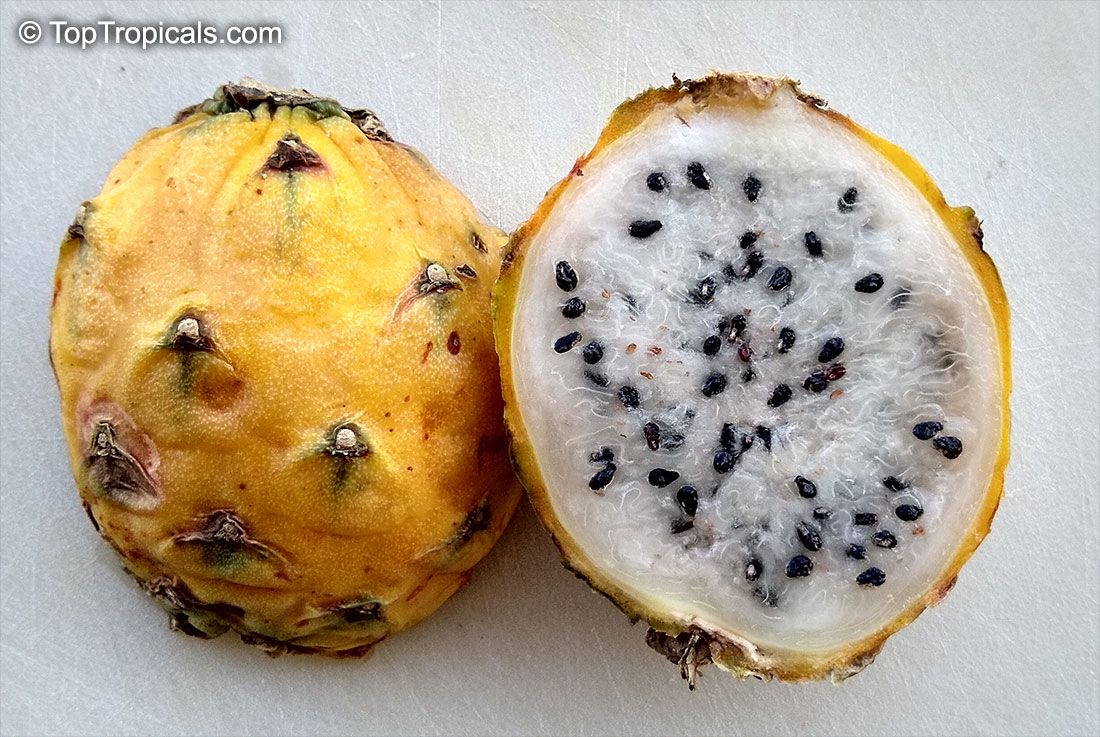
A: Dragon fruit, or Pitaya, comes in many varieties that differ in flavor, sweetness, and texture. In the store they usually carry simple varieties that are easy to ship and store but have very little flavor. This is why we prefer grow our own Dragon Fruit, same way like we grow many varieties of Mango - to enjoy their excellent flavors that you can't find in a store. Our favorite is the Yellow Dragon Fruit that is not only the sweetest of all but also have the best flavor, with pineapple-mango hint. It is best enjoyed fresh out of hand.

Pitaya  Yellow  Dragon  Fruit,  Selenicereus  megalanthus  Equador  Golden

Yellow Dragon Fruit - Selenicereus megalanthus Equador Golden

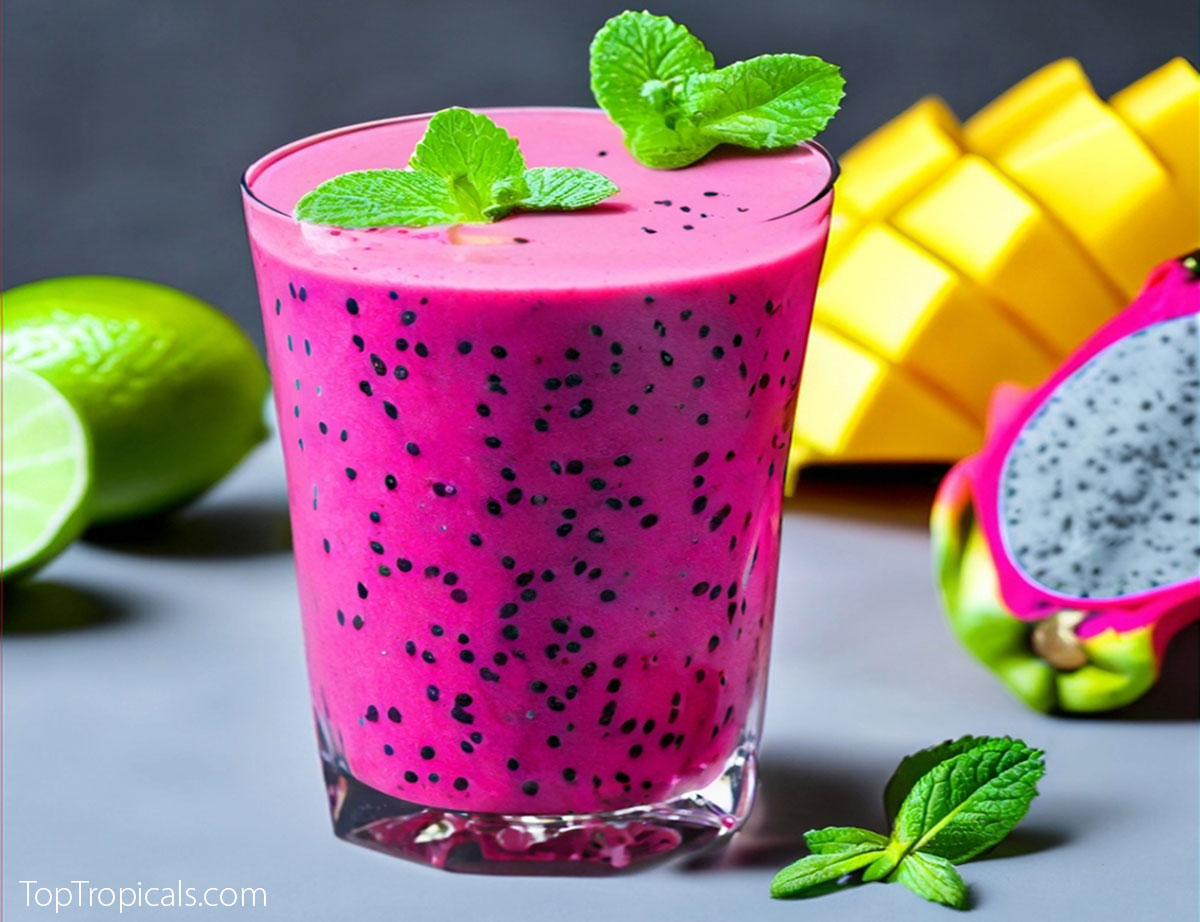
Dragon Fruit Smoothie: simple and tasty recipe

Dragon fruit, regardless of variety, makes excellent smoothies. A perfect Dragon Fruit Smoothie can be made with a creamy blend of dragon fruit, mango, and banana. The tropical flavor is played up with a squeeze of fresh lime.

Dragon  fruit  pink  smoothie  with  lime,  mint,  mango  and  banana

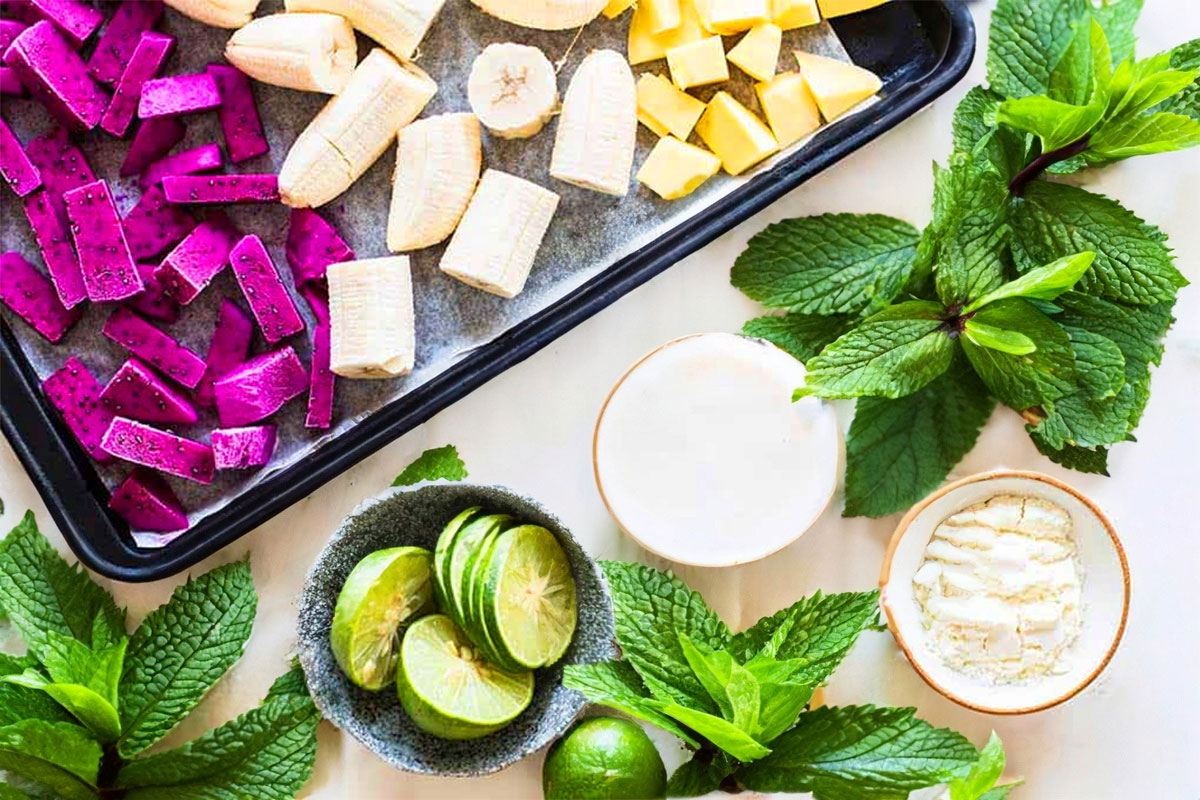
Ingredients

Mix in a blender:
2 dragon fruit, peeled
1/2 cup of mango pulp
1 banana
1 cup of milk of your preference
2 tbsp sugar
1/2 tsp Lime juce
Some Ice
-
Mint for decoration

Dragon  fruit  smoothie  ingredients:  lime,  mint,  mango  and  banana

Dragon fruit contains lots of of nutrients, most notably high vitamin C and iron. Its low calorie content helps give it superfood status because of high nutrient density. Try it today, even from the grocery store! Although these fruit can be quite costly. So, plant your own Dragon Fruit variety collection and enjoy an endless palette of deliciousness!

Date: 22 Sep 2025

When do I get the fruit from my Dragon Fruit?

Dragon fruit varieties

🍉 When do I get the fruit from my Dragon Fruit?


🌵Dragon Fruit (Pitaya) is one of the most rewarding exotic fruits to grow. Sweet pulp, striking looks, and plenty of health benefits make it a favorite. You'll see it in three main types: white-fleshed (Hylocereus undatus), red-fleshed (Hylocereus costaricensis), and yellow-skinned (Hylocereus, or Selenicereus megalanthus).

🌵Don't want to wait years for fruit? Here’s the good news: unlike many tropical trees that test your patience, dragon fruit is a fast-fruiting, easy-going cactus. With the right care, you can harvest in just 1-2 years from a cutting - or even the same season if you plant a well-established specimen.

🌵 How to get Dragon Fruit faster


Give it strong support - trellis, fence, or post. This cactus loves to climb.
Full sun and good drainage - sandy or well-draining soil works best.
Smart watering - water deeply in hot weather, then let the soil dry. Dragon fruit loves water during active summer growth, but remember it's still a cactus - don’t keep soil soggy.
Pollination matters - flowers open at night. Some varieties are self-fertile, but planting a few different types boosts fruit set. This is why it helps to keep several varieties close together.
Feed well - use organic liquid fertilizers like Sunshine Boosters C-Cibus with every watering, or Green Magic controlled-release fertilizer every 6 months.

With these steps, dragon fruit quickly rewards you with flowers, followed by colorful, delicious fruit. Few exotics are this easy - or this fast!

🛒 Start your fast-growing Dragon Fruit production


📚 Learn more:


· Pitaya vs Dragon fruit - what is the difference and how to grow it. Varieties.
· The secret to abundant dragon fruit harvests
· How to grow Dragon Fruit from a cutting - Quick Guide
· How to grow Dragon Fruit 📱
· Planting your own Dragon Fruit plantation
· Do-It-Yourself Support Structure for Dragon Fruit
· Grow Your Own Exotic Dragon Fruit Garden
· Top 10 fruit you'll ever need for your health benefits: Dragon fruit
· What does Dragon Fruit Flower look like?
· Why you need to grow your own dragon fruit
· Do red, white and yellow Dragon fruit taste differently?
· What to do with a lot of Dragon Fruit

#Food_Forest #How_to #Dragon_Fruit

🟢 Join 👉 TopTropicals