Garden Blog - Top Tropicals

Date: 20 Dec 2019

Meet PeopleCats of TopTropicals. Cat of the Day: Google the Cat. The Brain.

Google is the second oldest cat of TopTropicals, after Jim. Google lives in the same house with Jim where they both help us to develop new features for our website.
Google is the most intelligent cat on Planet Earth. Originally we got him from an animal shelter after his first adoption failed: someone returned him back to the shelter... It was hard to believe because he was so cute... but soon enough, we realized why someone was spooked away... Google is TOO smart! When he looks at you and rolls his eyes, you instantly have a feeling that he can literally see through you, and read your mind... It didn't scare us, of course. On opposite, Google became very helpful with writing database codes, engineering difficult construction tasks, and other comprehensive projects that require a brilliant intellect. Since 2007, Google has been a personal assistant of one of the TopTropicals owners, and their minds are worth each other. Google never leaves his desk until he makes sure every complicated task is completed.
Google loves little children (for conversations), shrimp (for snacks) and hi-tech projects (for fun).

Check out and more Cat of the Day stories.

Date: 3 Oct 2024

How to make Nescafe from Mucuna beans

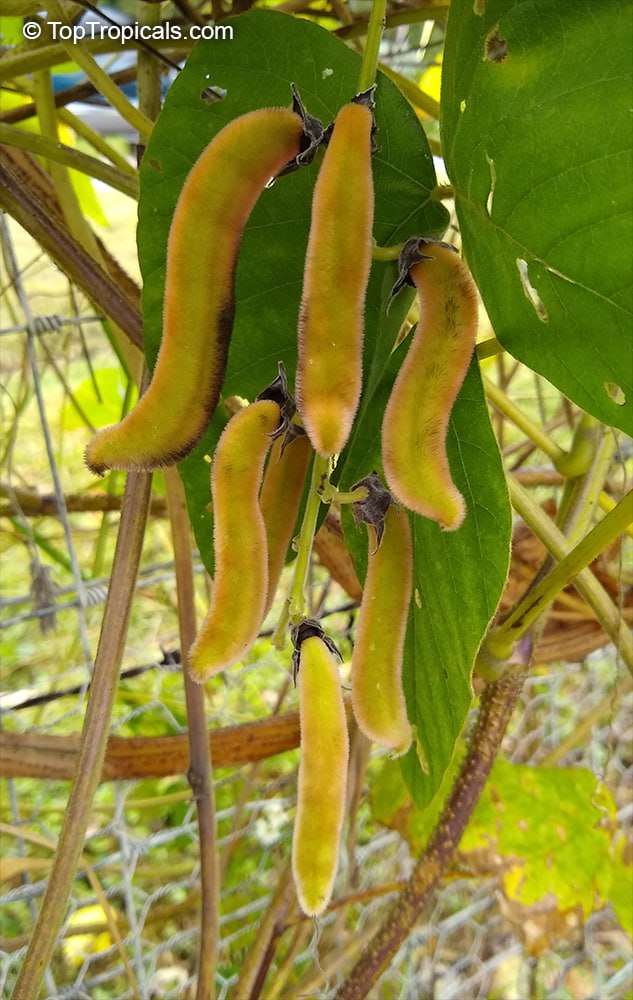
Mucuna pruriens, Velvet Bean, Purple Jade Vine - beans

Mucuna pruriens, Velvet Bean, Purple Jade Vine - beans

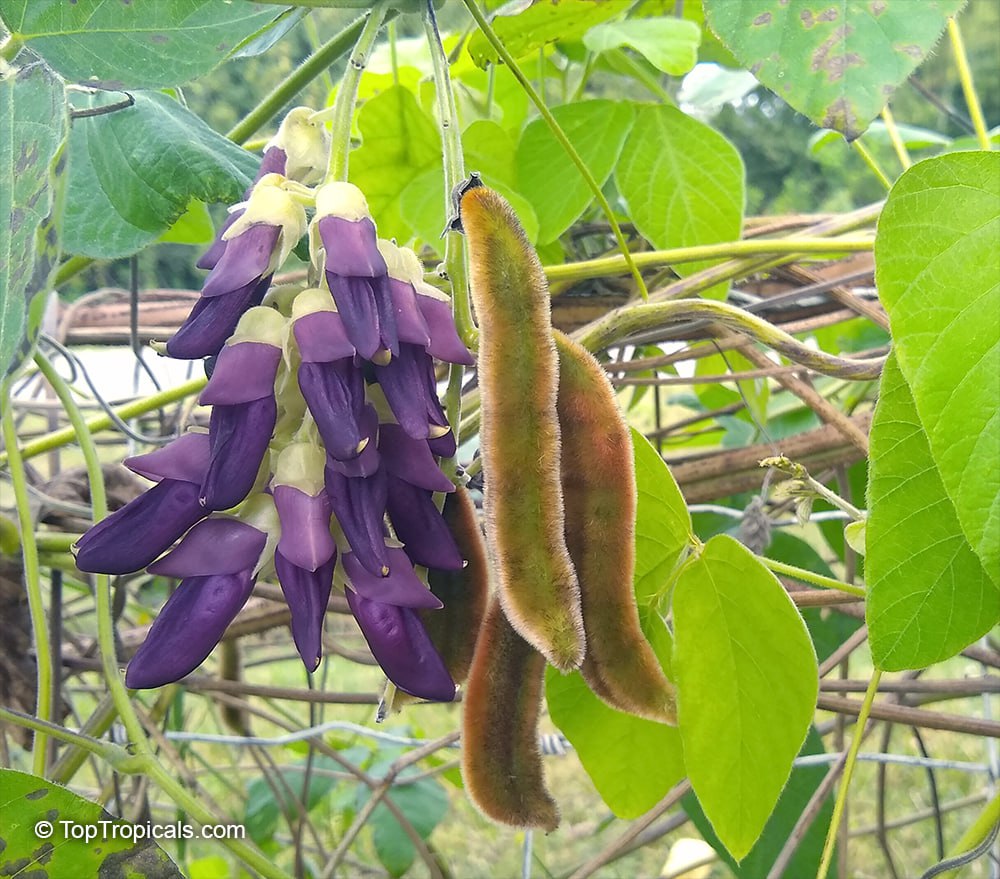
Mucuna pruriens, Velvet Bean, Purple Jade Vine - beans, flowers

Mucuna pruriens, Velvet Bean, Purple Jade Vine - beans, flowers

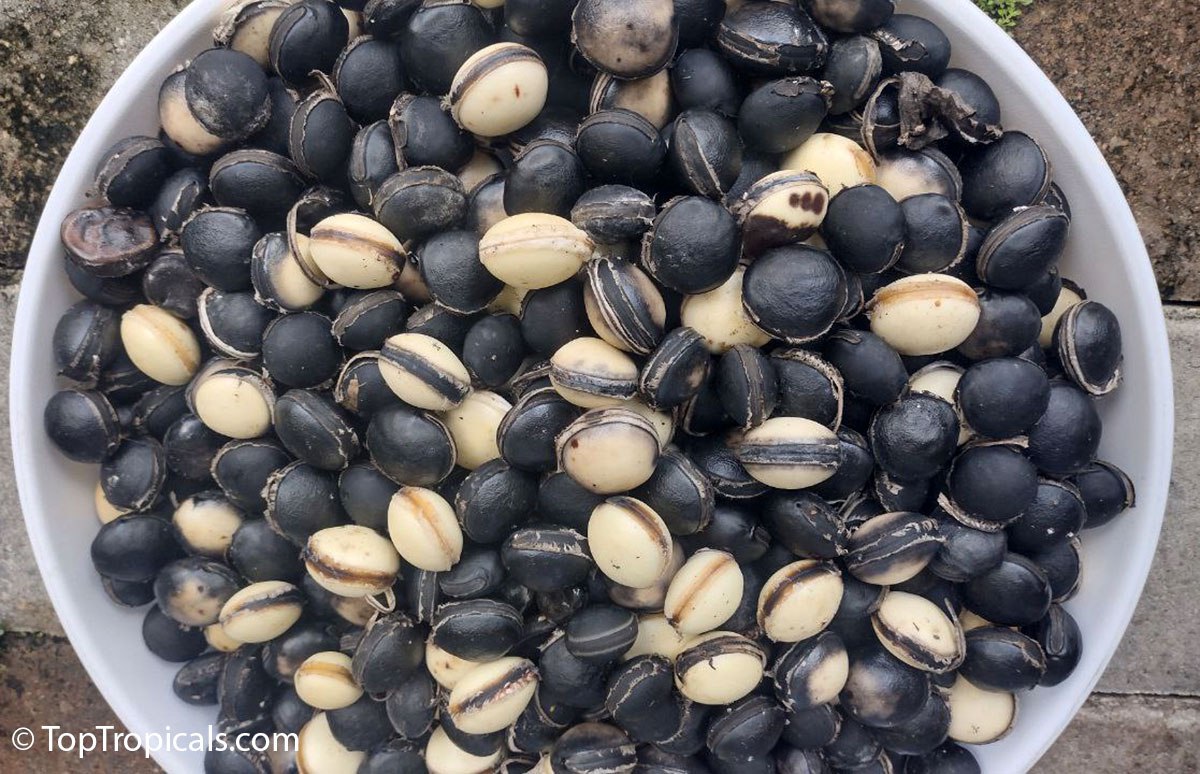
Mucuna pruriens, Velvet Bean, Purple Jade Vine - seeds

Mucuna pruriens, Velvet Bean, Purple Jade Vine - seeds

☕️ How to make Nescafe from Mucuna beans.

  • 😼 Looking for a caffeine-free coffee substitute with health-boosting benefits?
  • Mucuna pruriens, also known as Velvet Bean, or Purple Jade Vine, offers a rich and satisfying alternative to traditional coffee.
  • 😼 With its natural L-Dopa content, it supports brain function, calms the mind, and nourishes the body. Paired with ingredients like chicory root, this blend not only tastes great but also promotes digestion and overall well-being.


💬 Simple guide to making your own Mucuna "Nescafe" at home

  • Prepare the Beans: Collect Mucuna beans carefully, wearing gloves to avoid contact with the irritating hairs on the pods.
  • Roast the Beans: Roast the beans until they turn dark and aromatic, similar to how coffee beans are roasted.
  • Grind the Beans: Once roasted, grind the beans into a fine powder using a coffee grinder or blender.
  • Brew: Use the ground beans just like instant coffee. Add hot water, mix, and enjoy. You can add milk or sweetener if desired.


Benefits of Mucuna Nescafe:

  • 🟡 Natural source of L-Dopa, which supports brain and nervous system health.
  • 🟡 May calm the mind, nourish tissues, and support kidney function.
  • 🟡 Aids digestion and acts as a prebiotic.
  • 🟡 A caffeine-free alternative that provides sustained energy and balance.


📚 Learn more from previous post:


What is Nescafe Coffee made from?

🛒 Plant your own Nescafe Vine

#Food_Forest #Remedies #Recipes

🔴 Join 👉 TopTropicals

Date: 25 Jun 2025

What are Health Benefits of Alpinia galanga (Galangal)

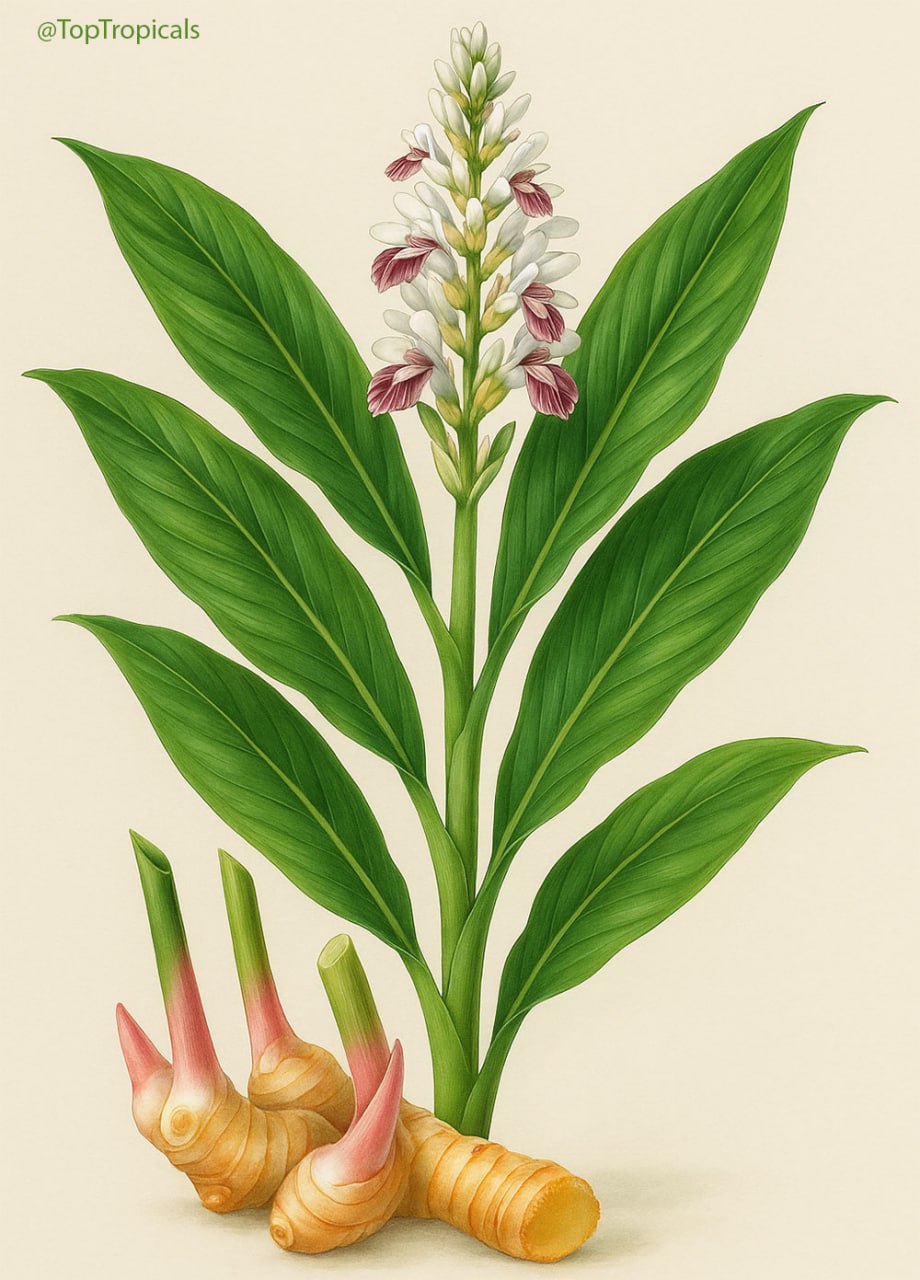
Alpinia galanga (Galangal)

Alpinia galanga (Galangal)

What are Health Benefits of Alpinia galanga (Galangal)


🌿 Galangal, also known as Thai ginger, is more than just a fast growing ornamental ginger and flavorful root - it's also a powerful healing plant with centuries of use in both kitchens and traditional medicine. Here are some of its top health benefits:
  • Digestive aid - Galangal stimulates digestion, reduces bloating, and relieves nausea. It's especially helpful after heavy or oily meals.
  • Anti-inflammatory properties - Contains compounds like galangin that help reduce inflammation, making it useful for joint pain and inflammatory conditions.
  • Antioxidant rich - Packed with flavonoids and polyphenols that fight oxidative stress and may help slow aging and support overall wellness.
  • Immune support - Traditionally used to fight colds and infections thanks to its antimicrobial and antiviral properties.
  • Respiratory health - Used in Thai herbal remedies for clearing the lungs, soothing sore throats, and reducing coughs.
  • Brain function - Some studies suggest galangal may help protect brain cells and improve cognitive performance due to its antioxidant profile.
  • Circulatory support - Acts as a natural stimulant and may help improve blood flow and circulation.


🛒 Grow your own Thai ginger – fresh, healing, and flavorful!

#Food_Forest #Discover #Remedies

🟢 Join 👉 TopTropicals

Date: 4 Nov 2025

The secret Brain Food growing in my backyard (and it tastes like green peas!)

Tropical Asparagus (Sauropus androgynus)

🏆 The secret Brain Food growing in my backyard (and it tastes like green peas!)

  • 🌿 Katuk, or Tropical Asparagus (Sauropus androgynus), is one of the most underrated edible plants you can grow. This leafy tropical shrub is a superfood in disguise. It grows fast, looks lush, and its tender young shoots taste just like green peas.
  • 🌿 Native to Southeast Asia, Katuk is a kitchen staple in places like Vietnam, Malaysia, and Thailand. The leaves and shoots are used in soups, stews, and stir-fries with egg or seafood. It’s not only delicious but also incredibly nutritious - rich in nutrients linked to improved memory and reduced cognitive aging: folate, lutein, and especially vitamin K, which is rare in plants.
  • 🌿 Katuk thrives in sun or partial shade, needs little care, and grows into a dense, bushy plant that gives you edible greens all year round. If you want something that feeds both your garden and your health, this one’s a winner!


🛒 Add Katuk Superfood to your Food Forest

Lean more:
🍴 Katuk egg stir-fry: Quick-n-Fun exotic recipes
✔️ Discover the health benefits of Katuk: a Superfood for your mind and body
📚 Tropical Asparagus, Katuk: Grow your own food
📱 How to cook with Katuk

#Food_Forest #Remedies #Discover

🟢 Join 👉 TopTropicals

Date: 11 Nov 2025

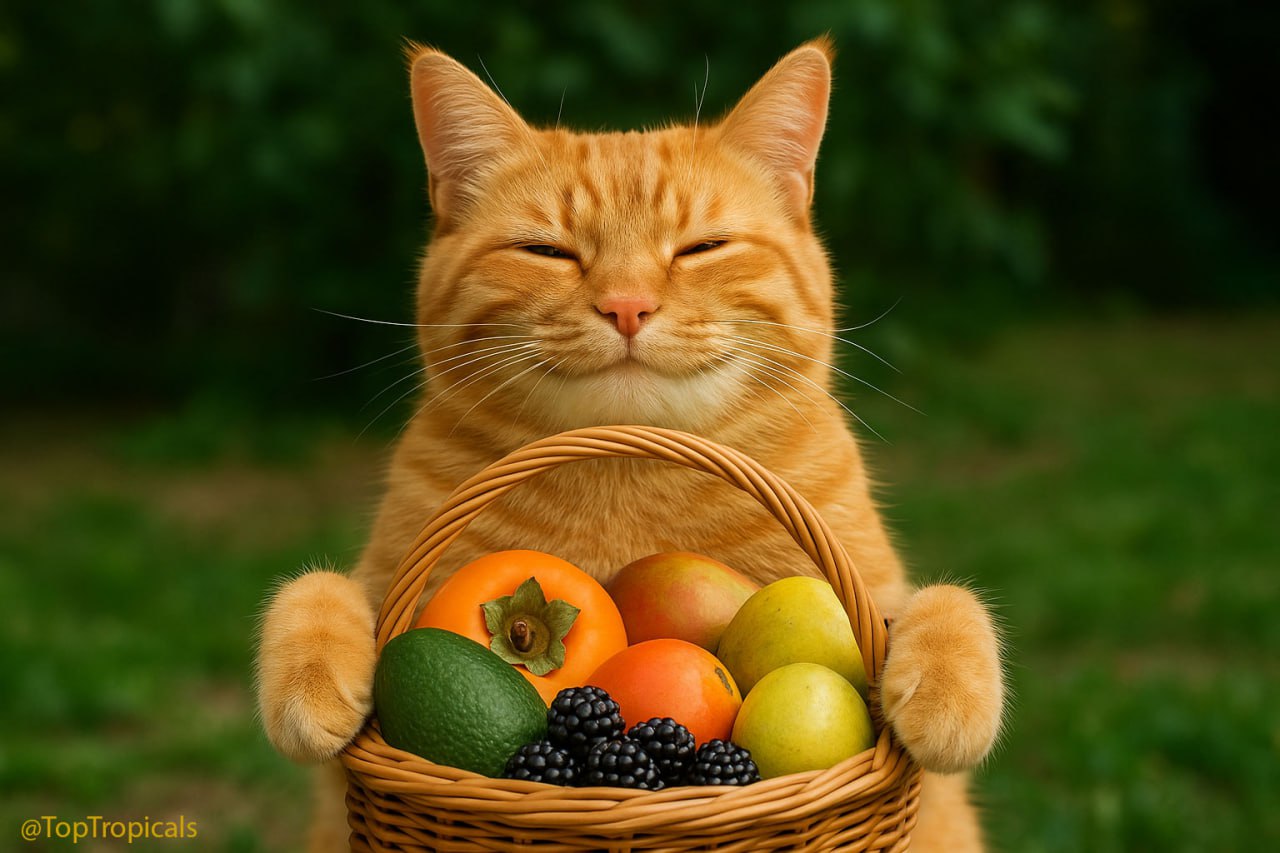
Fruits with the most vitamin E, according to dietitians

Fruits with the most vitamin E

Fruits with the most vitamin E

🥭 Fruits with the most vitamin E, according to dietitians

  • 🔛 Vitamin E works as an antioxidant that helps fight inflammation throughout the body. While nuts and seeds top the charts, some fruits quietly add their share to your daily needs - especially when eaten with a bit of healthy fat. According to New York City Nutrition, vitamin E anti-inflammatory action supports heart, brain, and skin health.
  • 🔛 Vitamin E is a fat-soluble vitamin that acts as an antioxidant, meaning it fights inflammation in the body. Because of this anti-inflammatory role, vitamin E is beneficial for immune health, heart health, eye health, brain health, and skin health.
  • 🔛 Adults need about 15 milligrams a day, according to the National Institutes of Health. Deficiency is rare, but it’s smart to get vitamin E from a variety of foods. Fruits alone don’t provide large amounts, but they can complement vitamin-E-rich foods like almonds or sunflower seeds.
  • 🔛 Since vitamin E needs fat for absorption, pair fruit with something creamy or crunchy - like yogurt, olive oil, nuts, or seeds - for best results.
  • 🔛 Here are some fruits that naturally offer vitamin E:

  • 🍊 Sapote 1 cup = 3.7 mg vitamin E. A tropical favorite with rich orange flesh and a flavor somewhere between pumpkin pie and sweet potato, with hints of honey and almond, Sapote is great fresh, blended in shakes, or scooped over ice cream. It also packs calcium, iron, potassium, and vitamins A and C.
  • Blackberries 1 cup = 1.7 mg vitamin E. Deep color, bold flavor, and plenty of antioxidants, Blackberries are high in fiber and low in calories. Dietitian Keri Glassman calls them her top fruit for fighting inflammation.
  • 🥭 Mango 1 cup = 1.5 mg vitamin E. The “king of fruits” brings more than tropical sweetness, Mango supports digestion, helps you feel full longer, and delivers both vitamin A and E in one juicy package.
  • 🍉 Guava 1 cup = 1.2 mg vitamin E. This fragrant fruit has a flavor that lands between strawberry and pear, Guava is also one of the highest-fiber fruits and surprisingly rich in protein for a fruit.
  • 🍑 Persimmon 1 fruit = 1.2 mg vitamin E. An autumn favorite that looks like an orange tomato but tastes sweet and mellow, Persimmons are rich in vitamins A and C and make a colorful, fiber-filled snack or dessert.
  • Avocado 1 fruit = 0.9 mg vitamin E. Creamy, mild, and versatile, Avocado’s healthy fats help your body absorb vitamin E while protecting heart health. Try it on toast, in salads, or as a smooth butter substitute in baking.

🛒 Plant more remedies in your food forest

📚
Learn more:
#Food_Forest #Remedies #Discover

🟢 Join 👉 TopTropicals